Herb Garden
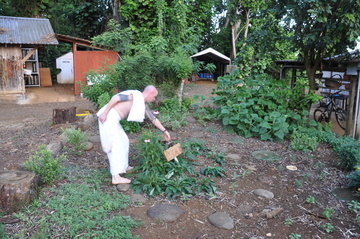
Sadhaka Nilakantha working in the new herb garden, just a few yards from our kitchen. Talk about fresh food!
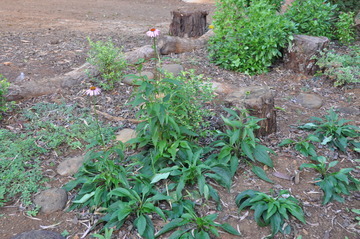
It has dozens of herbs, from lavender to basis, parsley to catnip, fennel to oregano…
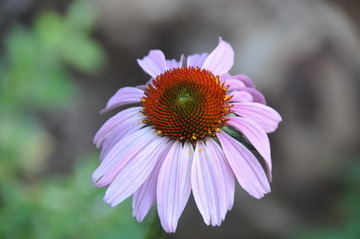
And the famous Echinacea. Echinacea, also known as coneflower, is a wild flower that grows naturally in meadows and moist low-lands throughout the mid-west. While Echinacea is most commonly known for it medicinal effects, it is also a common garden plant with beautiful purple flowers. While alreay popular as a medicinal herb, the true potential of Echinacea has yet to be fully explored by the medical industry. There are three varieties of Echinacea: Echinacea purpurea, Echinacea pallida, and Echinacea angustifolia. All three varieties are used to boost the immune system and fight infections, but only the purpurea and pallida varieties have been shown to be effective. Echinacea is thought to serve as a stimulant to the body's immune system by activating white blood cells, whereby making it more difficult for foreign bodies to infect cells. Echinacea is one of the most popular herbal remedies for respiratory infections and has been studied extensively for cancer and AIDS patients.
From Our Gurus' Teachings
Archives are now available through 2001. Light colored days have no posts. 1998-2001 coming later.
