
Adventures in France
July 17, 2013Off to Paris
After a productive and delightful five days racing here and there on the autobahn in Germany and the Netherlands, our peripatetic swamis boarded the high-speed train from Cologne to Paris, the City of Light (a name it owes first to its fame as a center of education and ideas during the Age of Enlightenment, and later to its early adoption of street lighting.) An aside: The interesting aspect of this comfortable ride was that the tracks on this route were precisely aligned and completely smooth in Germany, utterly wonky in Belgium (mandating much slower speeds) and then quite smooth again in France. There are so many little, interesting experiences like this that tell the tale of the varied cultures, mentalities and landscapes throughout this historical continent.
To put our journey into perspective, we offer a short comparison of the US with Europe. Europe's population is 503,492,041 whereas the US' is 316,250,000. Europe's area is just under 4,000,000 square miles while the US has 3,794,000. Class dismissed.
On Thursday morning we trudged back to the area known as Gare du Nord (North Station), where we had arrived the day before. This was one of the largest, most complex train stations we had seen, comparable to the main one in Berlin. But unlike Berlin, where the modern, city-like station is extremely well organized, offering abundant and clear signage to guide travelers up and down multiple rows of escalators to the correct platforms, this station in Paris seemed to have been built in another era, designed from a completely different perspective. A maze of corridors, sparse and inadequate signage and the rare and apathetic (at best) information counter staff made it a veritable adventure just to find the local train to Gretz-Armainvilliers, a quaint town 45 minutes away in the suburbs where the Ramakrishna Mission's Centre Védantique is located.
Upon arriving in Gretz, the adventure was not over. We learned as we disembarked the train that the swami we had come to visit had just raced to Paris for the day. Perhaps we traveled in passing trains? Once that was resolved (he was to adjust his plans and meet us a couple of hours later), we awaited our ride to the center.
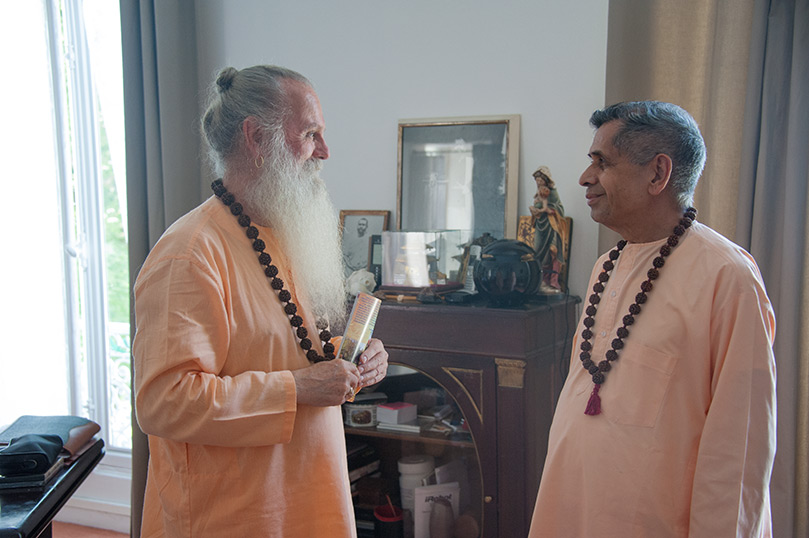
The Centre Védantique outside Paris was established in 1948, we learned, and has some 13 acres of land, including pastures for grazing cows and four beehives, the original mansion and some newer residential facilities for guests and residents. Swami Veetamohananda, originally from Bengal, is the resident administrator and primary teacher here. An ambitious program of weekly pujas, satsangs and classes, along with monthly and seasonal residential learning programs is offered.
It was revealing to learn from Swami about the activities here, the many French participants (more than Indian Hindus), the interfaith work they are doing, the daily regimen of the residents, his experience and knowledge of the immigrant Hindu communities in the country. Our Vivekananda issue of Hinduism Today was stacked in the bookshop, and the swamis told us they read each issue avidly (and have a complete set in the library).
After returning to Paris and navigating our way back out of Gare du Nord (almost as formidable a project as the inward journey), we joined a group of local Hindu leaders who had gathered at Saravanaa Bhavan, an Indian restaurant near the station, to meet us for our article interview. The immensely insightful and adept Armel Boueyguet organized the meeting for us, bringing together representatives from the Bangladesh Puja Udjapan Parishad, the World Saiva Council and the Chinmaya Mission.
The conversation that ensued was highly informative, giving insights into the situation of the Bangladeshi Hindu refugees in this country (there are large groups of them in other nearby countries, too), the Sri Lankan Tamil refugees, the opportunities they have been presented with and the challenges they face.
Anil Badhwar, his wife and two grown daughters had driven all the way from Oslo, Norway, to be with us for these hours, and Martine Thom took the train from her home to join us again. Our conversations, over tea, were wonderful, after not seeing the family since the 2001 Innersearch.
With the interviews concluded, we all walked together to the Sri Manika Vinayakar Alayam, the Ganesha temple in the same neighborhood that puts on the famous annual chariot parade. This temple, originally established in 1958 and now at its third location, was much humbler than we expected. The bottom story of a typical building on the street and a simple sign out front were all there was to it. But the vibration was beautiful, the young Adisaiva priests (four of them in full priestly garb) from Tamil Nadu caring so lovingly for the single-tusked Lord. Darshan and the full round of evening aratis at all the shrines was a treat, along with conversations with the priests and others who had joined us.
Senthilnathaswami took the opportunity to interview Jeyarathnam, who currently runs the temple. In this interview we discovered one of the most surprising facts of all: in the greater Paris area, there are 200,000 Sri Lankan Hindu immigrants, with another 100,000 estimated throughout France. This is much larger than the populations we learned of in Switzerland (40,000) and Germany (50-60,000). This group in France faces greater challenges, economic and social, compared with their neighbors to the East.
Desperate for some exercise after hours of sitting in interviews, in cars and on trains, we embarked on a major walk through the city. It's an intense place, with more people milling about and hanging out in the public spaces than any city we have ever been in. They are not just running from Point A to Point B,as in New York, they are talking and relaxing and smoking (lots of that we discovered, throughout Europe. We are now on a 12-step nicotine withdrawal program.)
Our walk took us to Notre Dame cathedral where there was a Mass underway, complete with organ music and ancient chanting. It was a rare joy to see worship happening in this remarkable Catholic jewel. Yes, the tourists outnumbered the prayerful in the pews, but the rites were beautiful to behold.
This was the final stop of our European adventure, and we must say that the mission was accomplished--in spades. many hours of interview audio is now on its way to a service in India to be transcribed, and in the next three months the just-returned swamis will be editing, selecting photos, writing and explaining the fascinating story of Hinduism in Continental Europe, a story that has never been told before and whose time has come. Stay tuned for the story in the January/February/March 2014 edition of Hinduism Today!
Off now to Chicago, the Windy City.
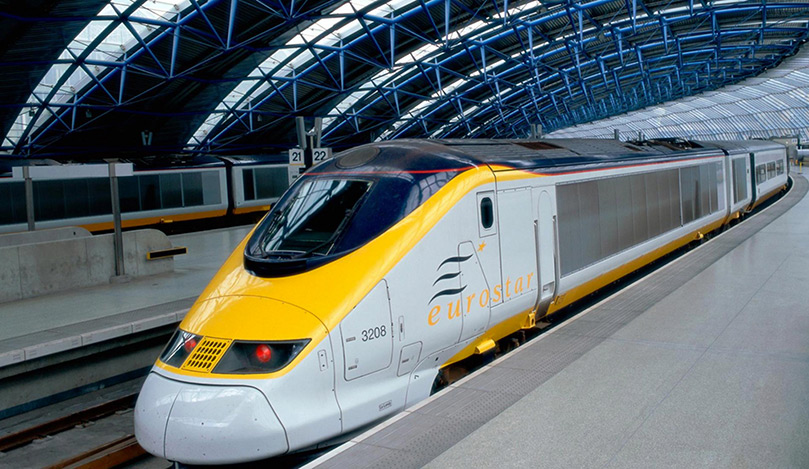
These are really fast trains
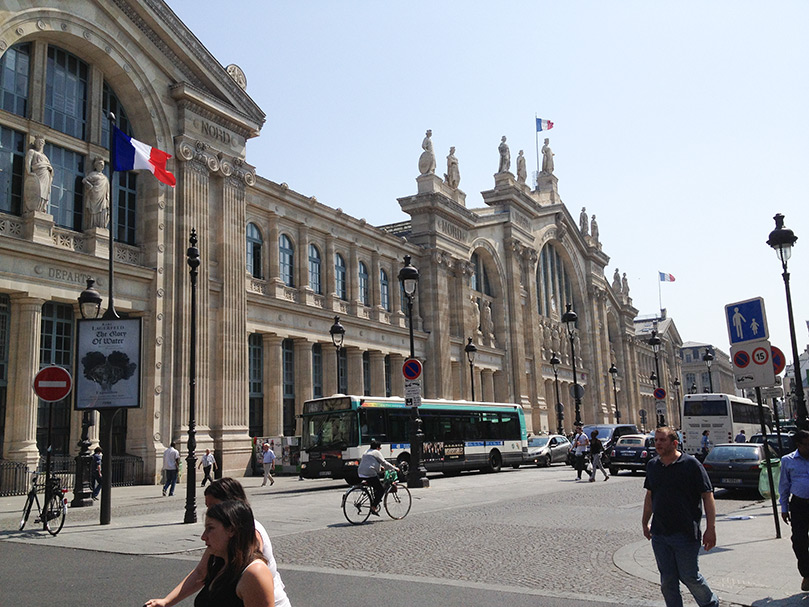
A classic rail station from the past
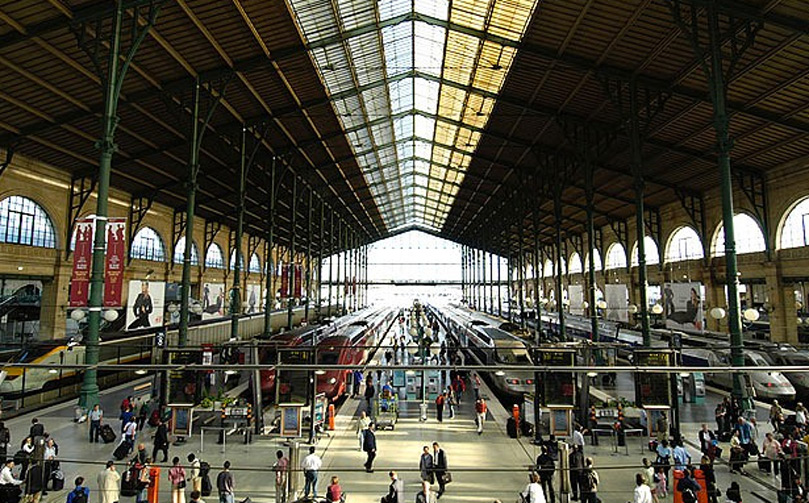
Inside a labyrinth of tracks and entrances\/exits, a bit intimidating for island monks.
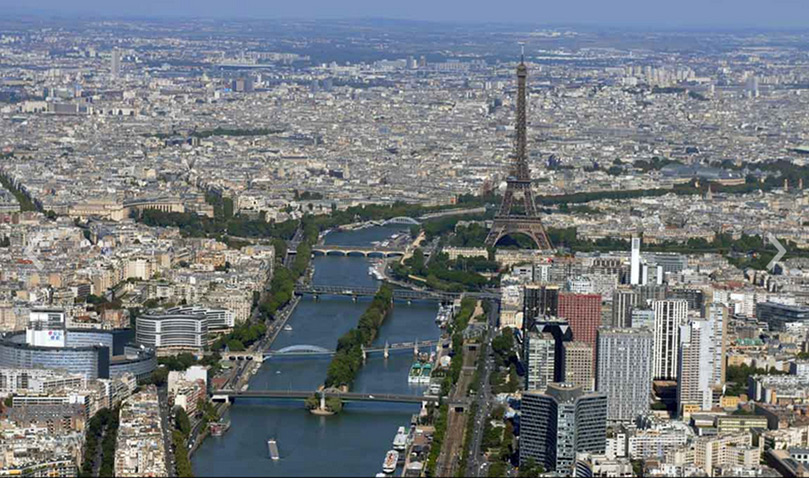
The City of Light
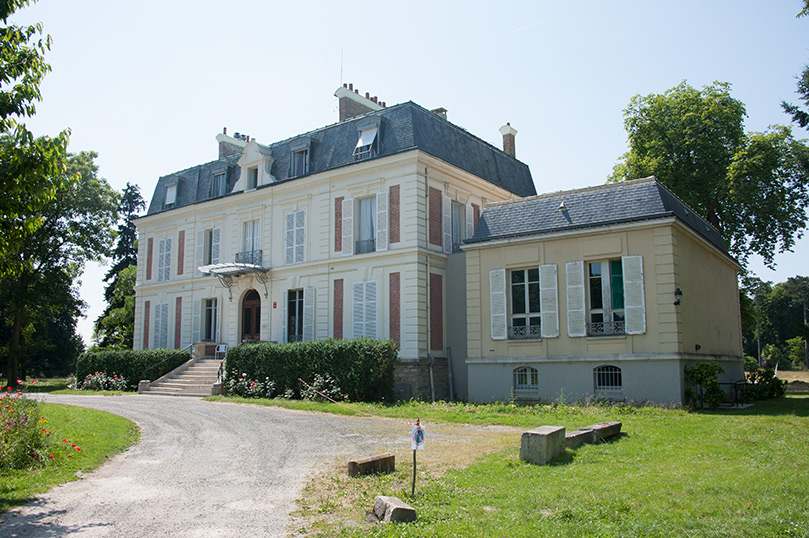
Out in the rural regions, the Vedanta Center
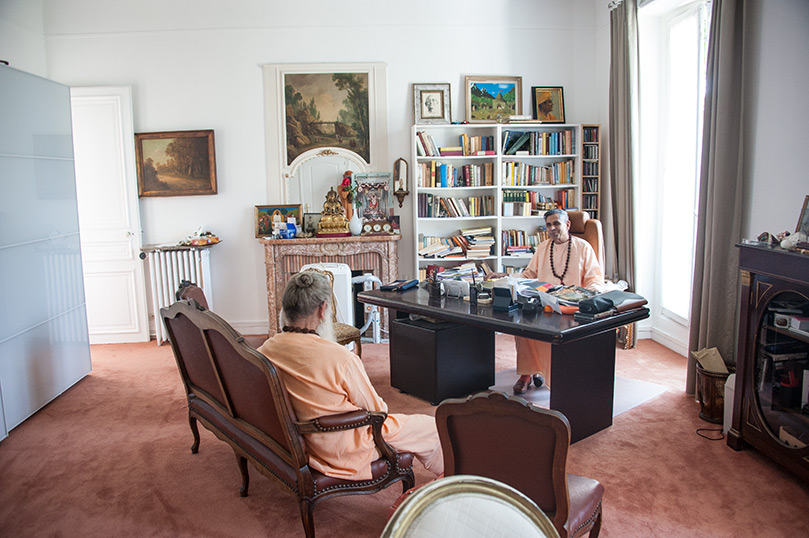
Swami Veetamohananda greets us warmly, and accepts our rudraksha mala from Kauai.
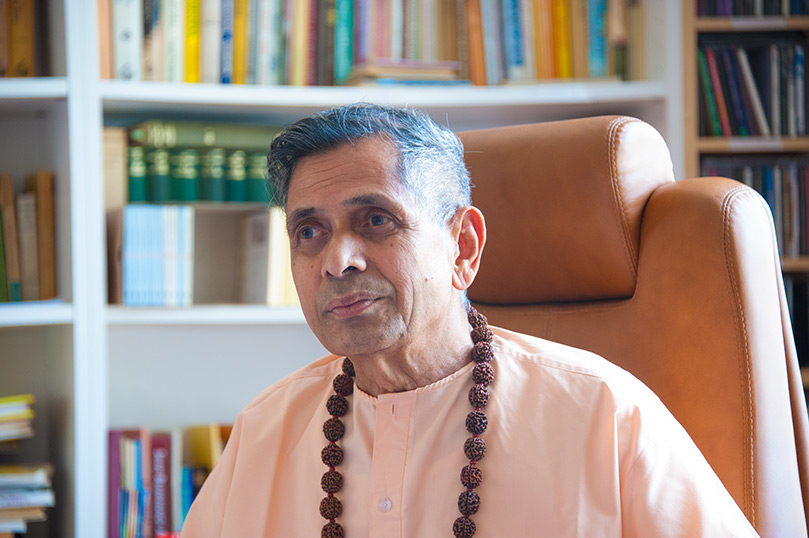
He has been here for some 35 years
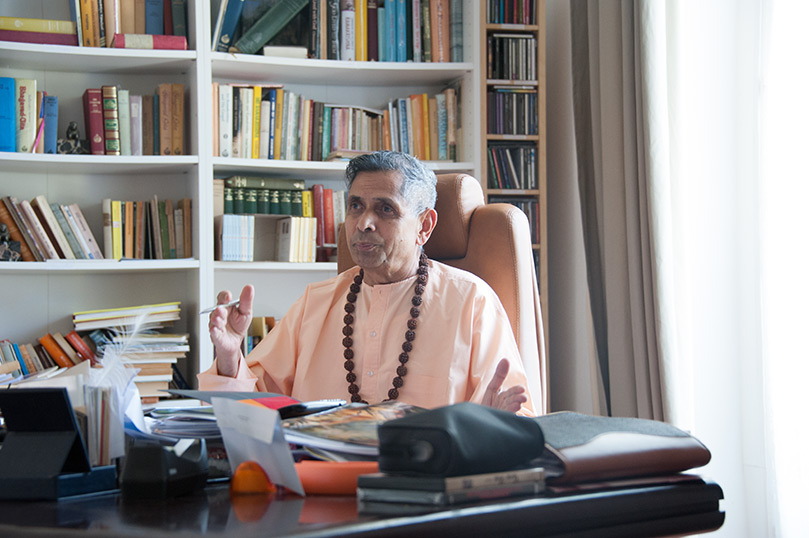
He offers considered answers to our many questions.
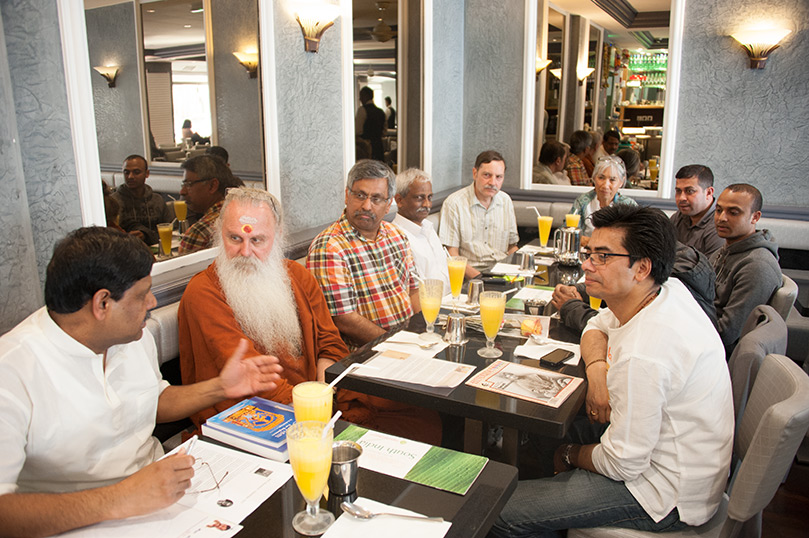
In the Saravanaa Bhavan restaurant, a lively discussion with several communities.
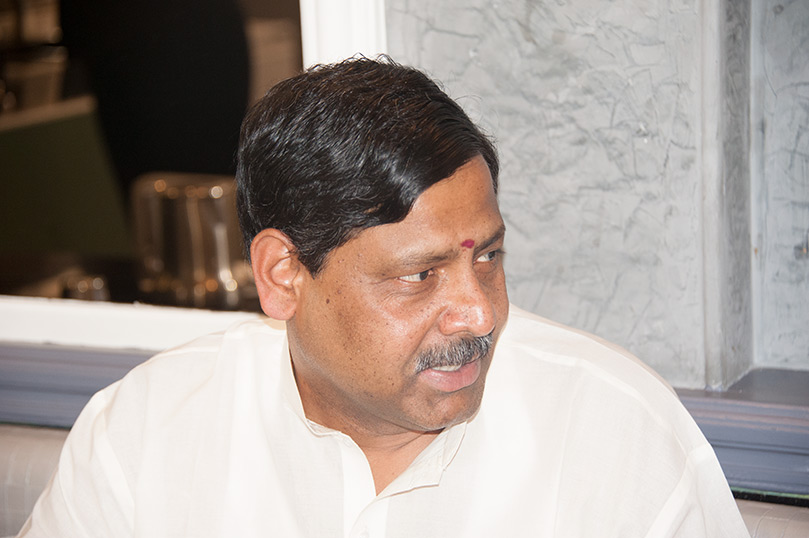
Head of the World Saiva Council
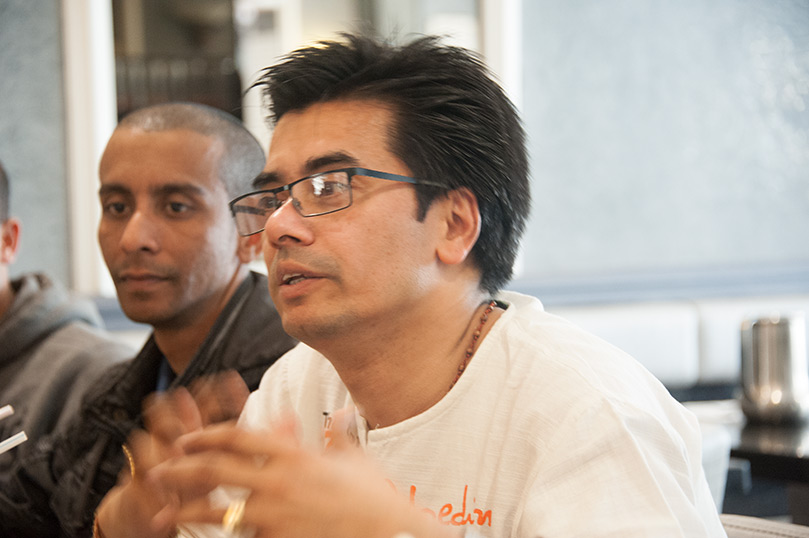
Young and vocal leaders of the Bangladeshi community.
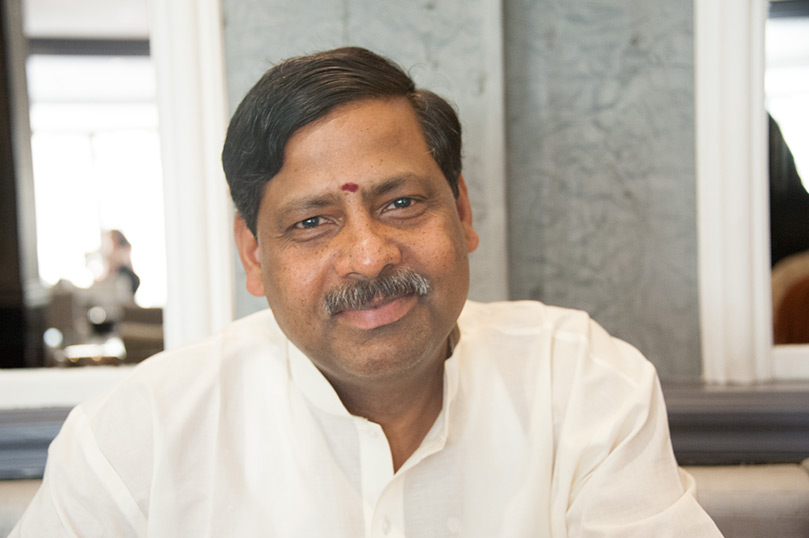
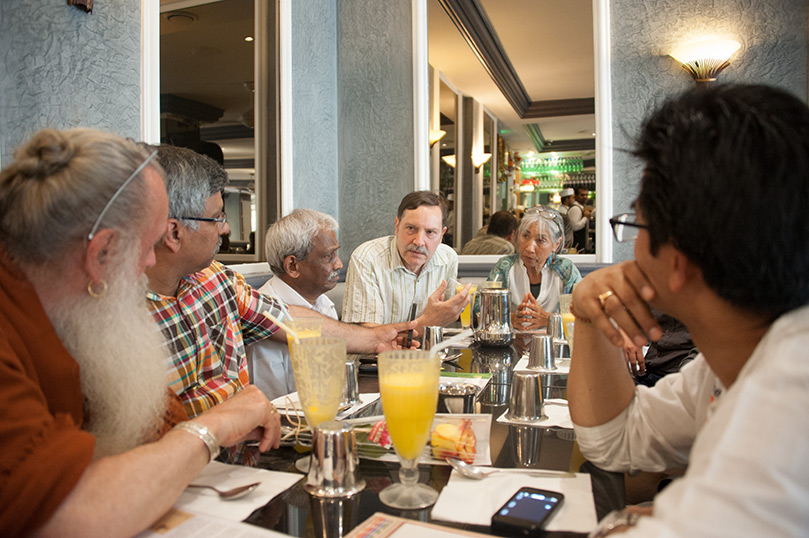
Our meeting engineer guides the conversation
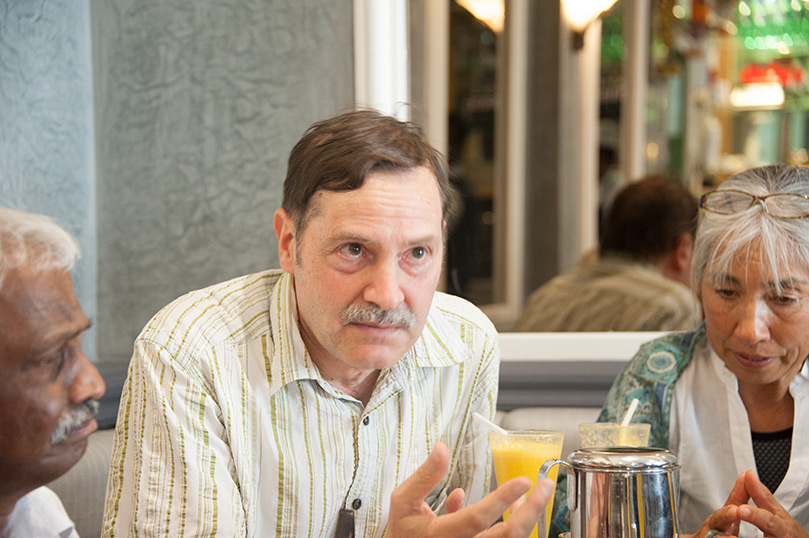
He is Armel Boueyguet, a key ally for the French Hindus working to get Hinduism officially recognized in France.
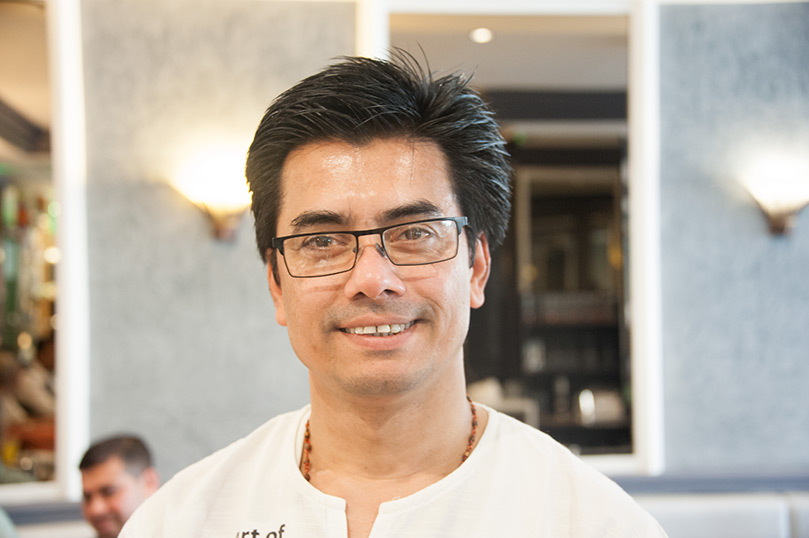
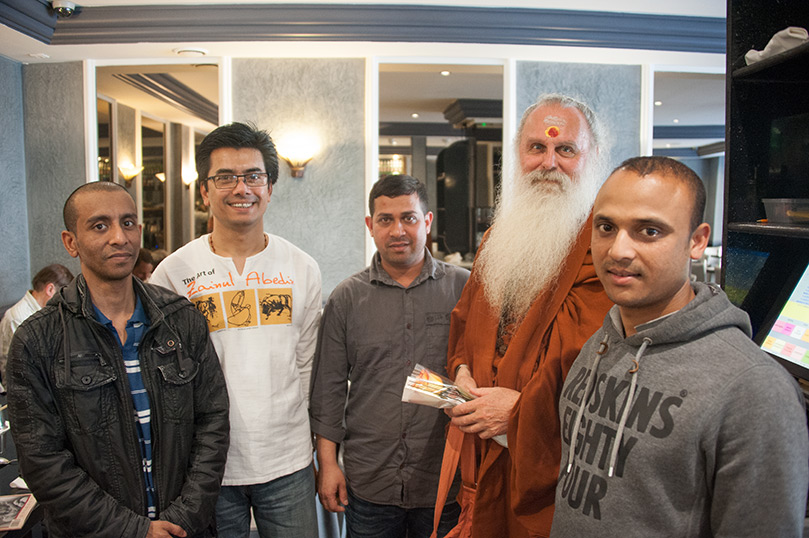
The Bangladeshi leaders
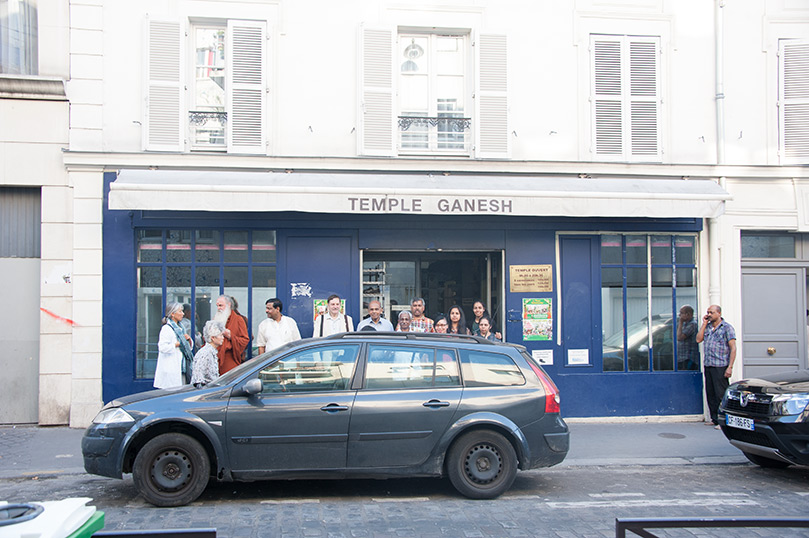
Off to the tiny but truly famous Ganesha Temple
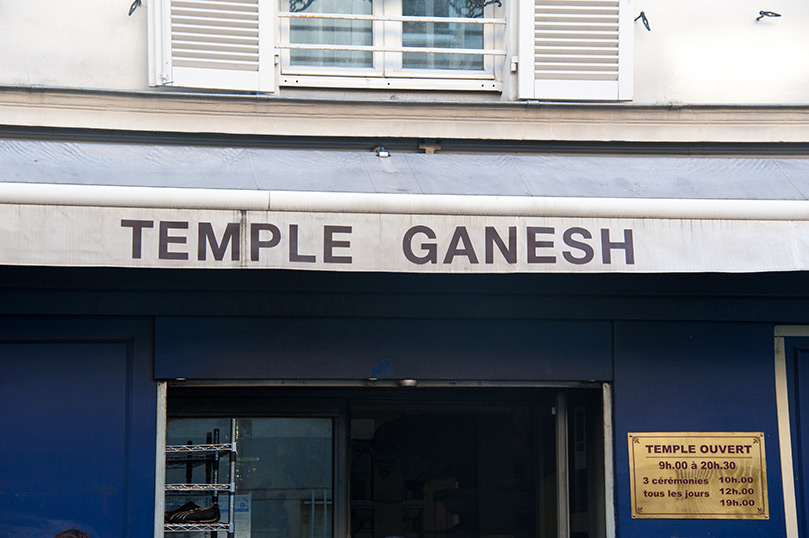
It is about the size of Kadavul Temple inside, with many shrines. It is surrounded by block after block of shops, with signs all in Tamil language.
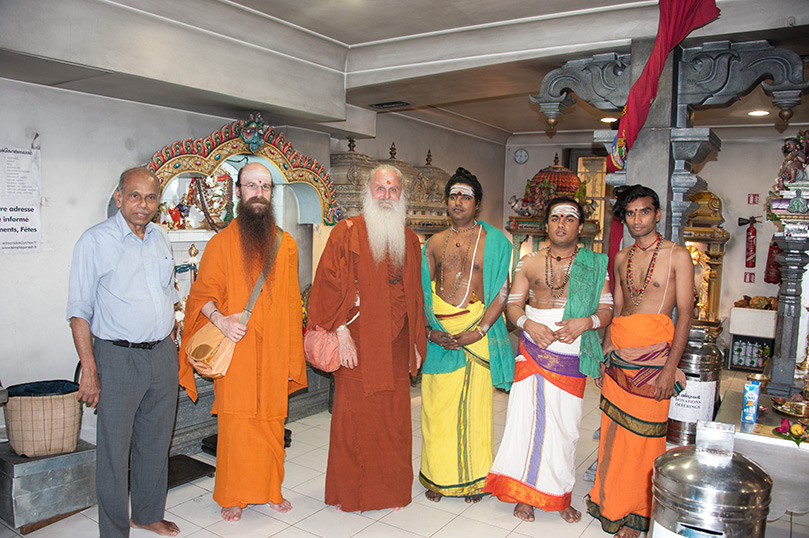
Four adept Adisaiva priests run a dynamic daily and annual routine for Lord Ganesha and His devotees.
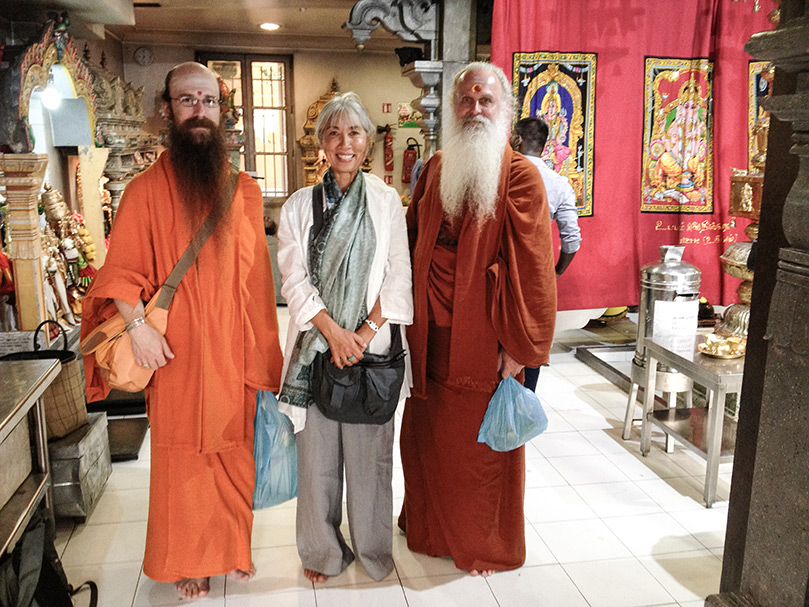
Martine Thom brought sweet gifts and a gracious presence from her home, five hours away by train.
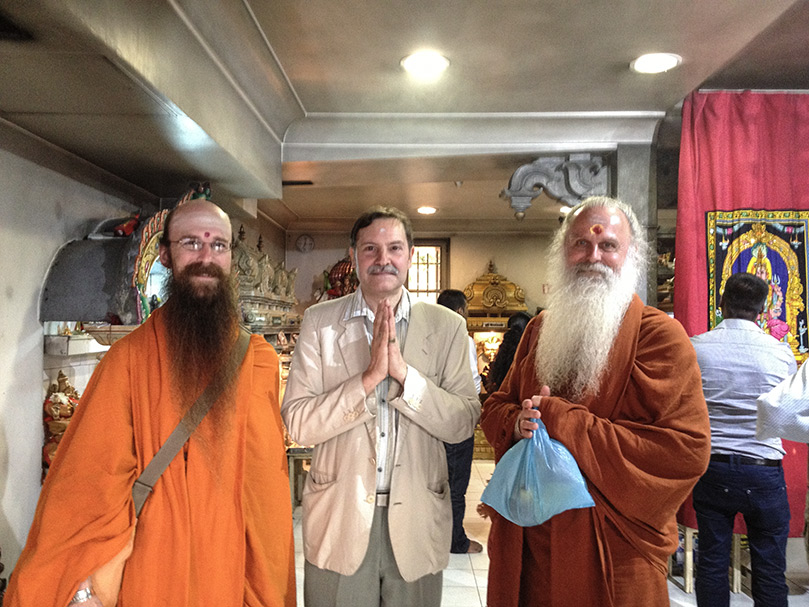
The Paris stay was possible only becuase of Armel\
s knowledge and push. Merci, Armel!'
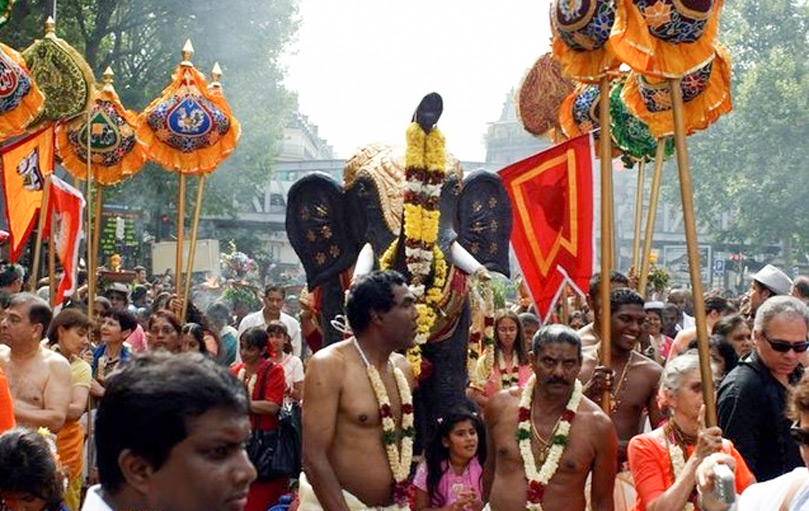
This is what the Ganesha festival looks like when in full swing, at another time of year
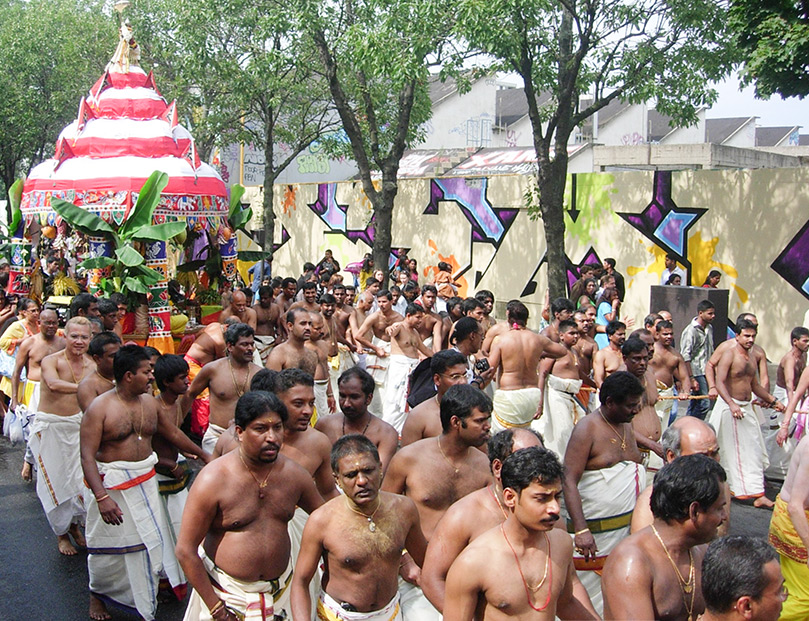
The chariot is pulled through the Parisian streets
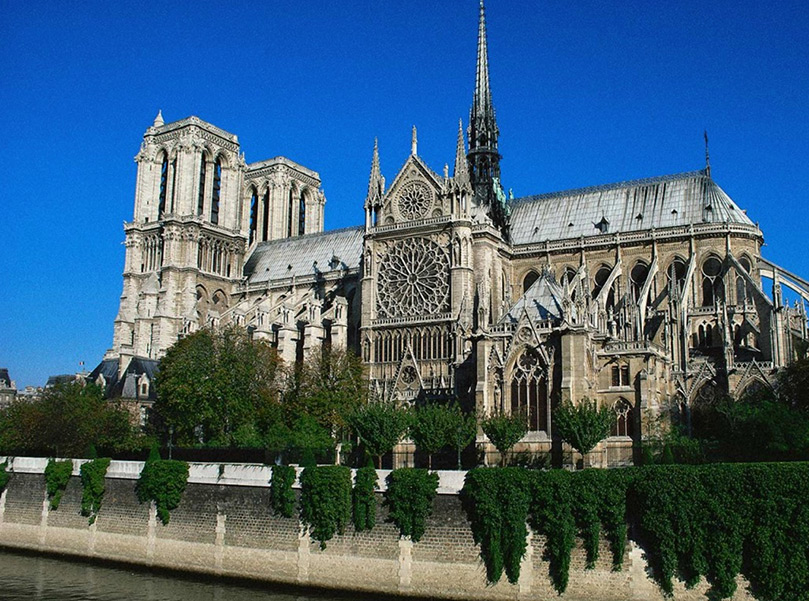
We also saw Notre Dame cathedral, on a little island in the middle of the Seine
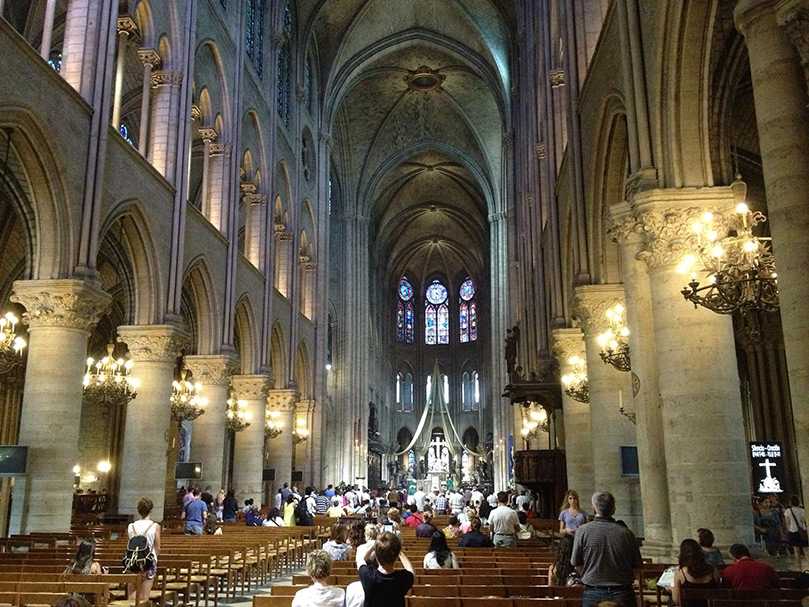
Inside, a worshipful vibration is encountered.
}
];
transitionSpeed:150});