
The Satgurus are Uncrated at the Iraivan Temple Site
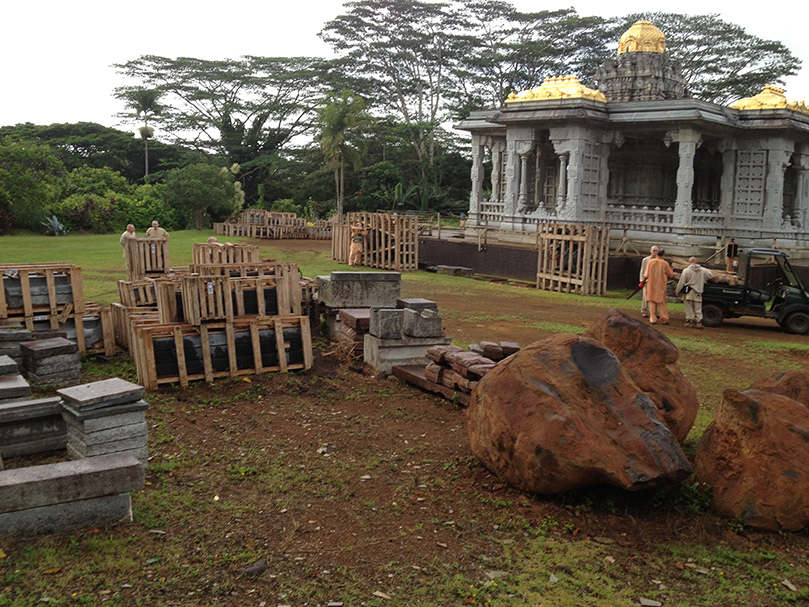
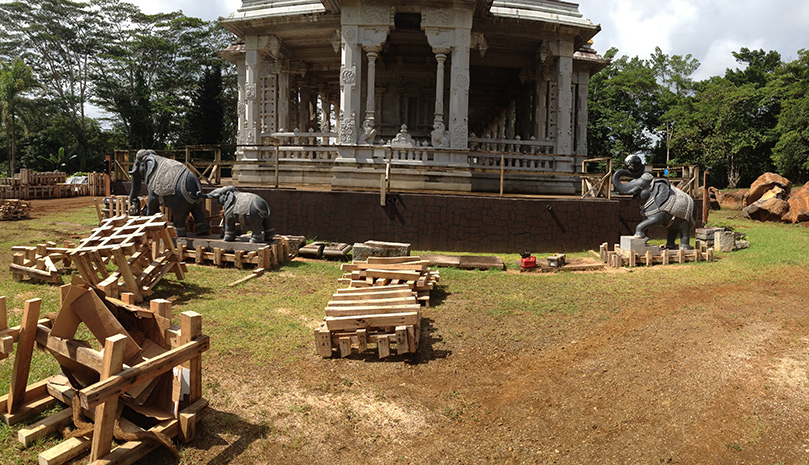
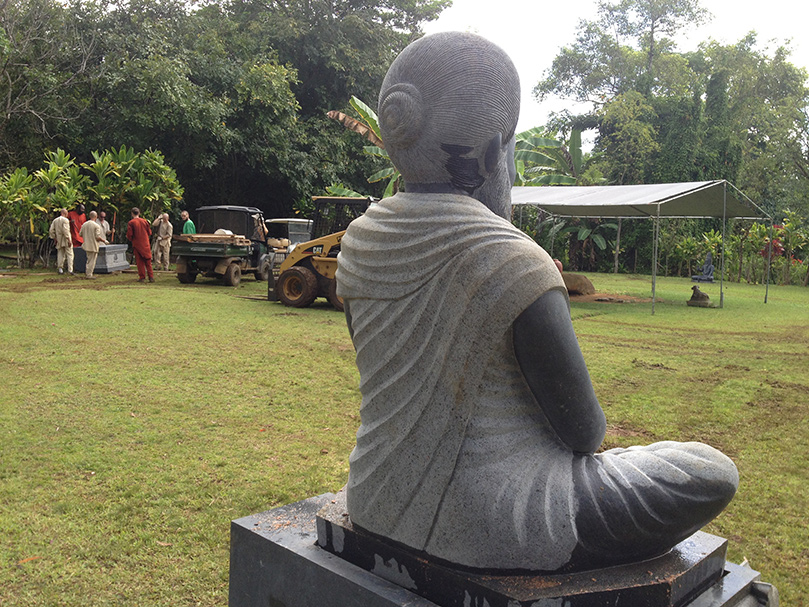
August 17, 2013Yesterday the Monks all joined together to uncrate and move the 5 satgurus and the 3 pithams which have recently arrived at the Iraivan Temple site. They will eventually be placed along the Path of the satgurus as it is landscaped within the next few years. For now the gurus are being temporarily placed in the Swayabhu Lingam square. The monks also uncrated the elephants which will ultimately be placed upon the main stairs leading up to the temple entrance. After years of carving and dedicated work, the satgurus are truly a site to behold as they sit in silence around the lingam.
About seven years ago we set out to have our main satgurus carved in India in Black granite. Our Selvanathansthapati advised that the murthis be 120% of human size, which is done traditionally to achieve a sense of divinity. He also designed eight Chola-style peedams on which the gurus will all sit, each a different style, and also each with a special symbol of Siva. Nataraja for Gurudeva, Tiruvadi for Yogaswami, Trimurthi for Bodhinatha, etc. See the map in the slideshow for the others.
Work began thanks to generous patrons who intuited the importance of the Satgurus in our sacred gardens. It was slow, and a couple of years back they statues were delivered to our worksite in Bangalore, from the site in Mahabalipuram where they were carved.
But our team there immediately saw there was room for refinement and perfection, and they went to work for more than a year to make the important changes. It was a long process.
We now have five of the statues and three of the pidam bases on the monastery grounds. The senior swamis decided to place them temporarily out near the Source of Envisionment, where Siva sat in Gurudeva's 1975 all-important vision.
Eventually, they will be placed around the Path of the Satgurus, a series of seven ponds, each representing a chakra, and pilgrims will walk that delightful 1400-foot path and meet each Guru in turn, starting with Maharishi Nandinatha and ending with Satguru Bodhiantha Veylanswami. See the map for the positions they will finally take.
Gurudeva has given a succinct introduction to the Nandinatha Satgurus in Dancing with Siva:
What Is the Lofty Kailasa Parampara?
Sloka 152
The Kailasa Parampara is a millennia-old guru lineage
of the Nandin.tha Sampradaya. In this century it was
embodied by Sage Yogaswami, who ordained me in Sri
Lanka in 1949 to carry on the venerable tradition. Aum.
bhashya
The authenticity of Hindu teachings is perpetuated by lineages,
parampara, passed from gurus to their successors through
ordination. The Kailasa Parampara extends back to, and far
beyond, Maharishi Nandinatha. Our branch
of this parampara is the line of Rishi Tirumular (ca 200 bce),
of which the first known satguru in recent history was the
Rishi from the Himalayas (ca 1770–1840). From him the power
was passed to Siddha Kadaitswami of Bangalore (1804–1891),
then to Satguru Chellappaswami (1840–1915), then to Sage Yogaswami (1872–1964) of Sri Lanka, and finally to myself, Sivaya
Subramuniya swami (1927–). The Tirumantiram states,
“Thus expounding, I bore His word down Kailasa’s unchanging
path—the word of Him, the eternal, the truth effulgent,
the limitless great, Nandinatha, the joyous one, He of the
blissful dance that all impurity dispels.” Aum Namasivaya
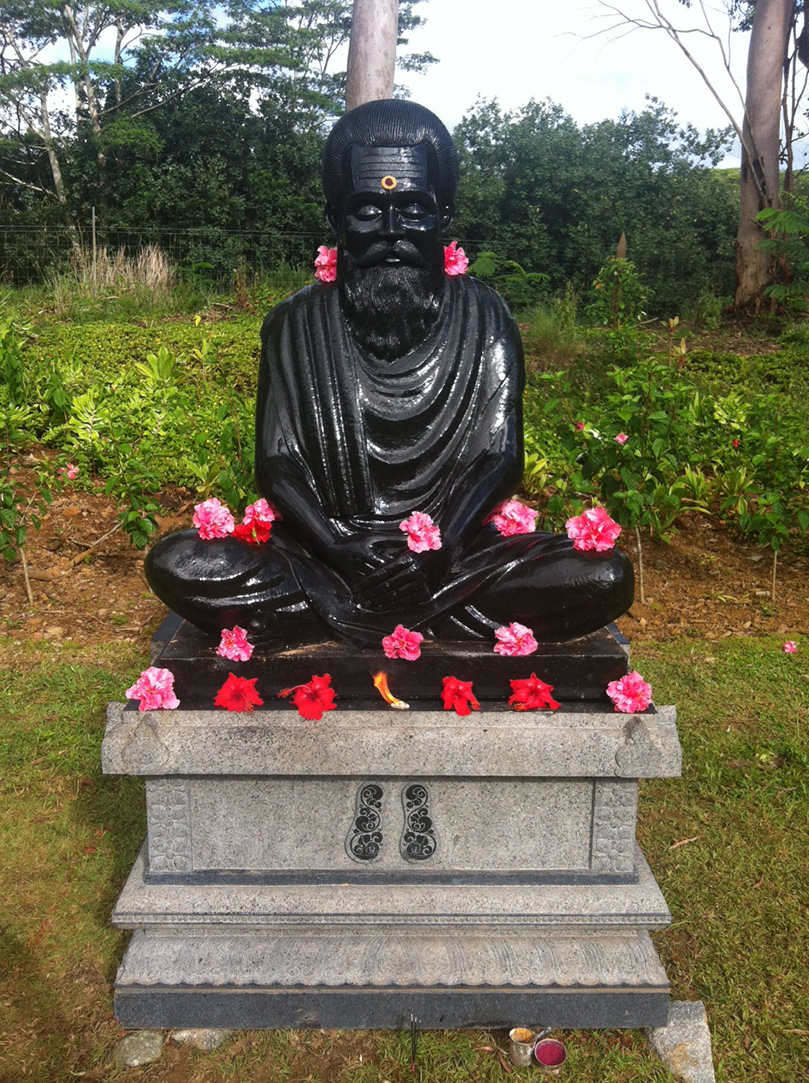
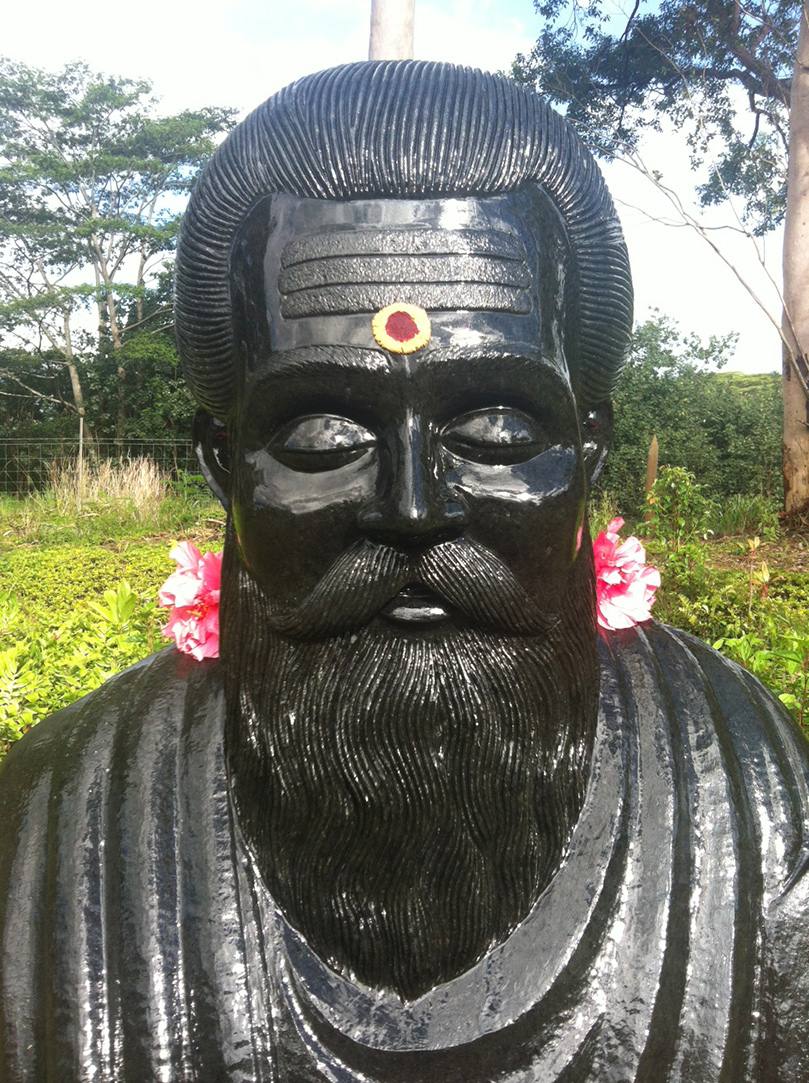
Yogaswami sits in his radiance, having been placed on his pitham and fully oiled
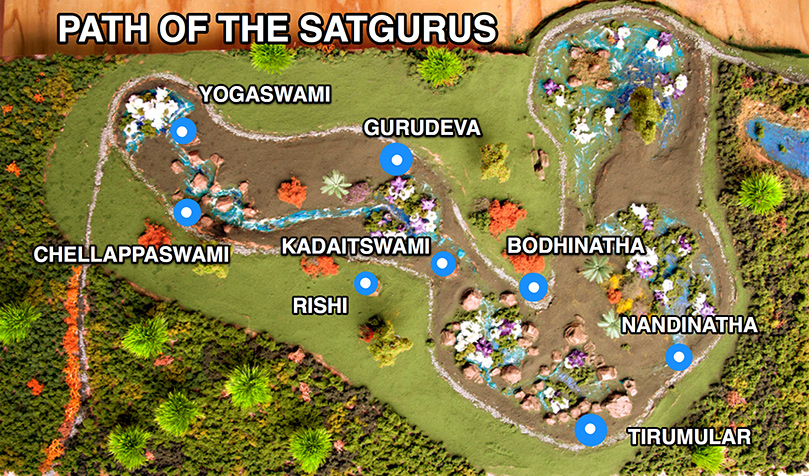
Iraivan is south, which is to the right on this map
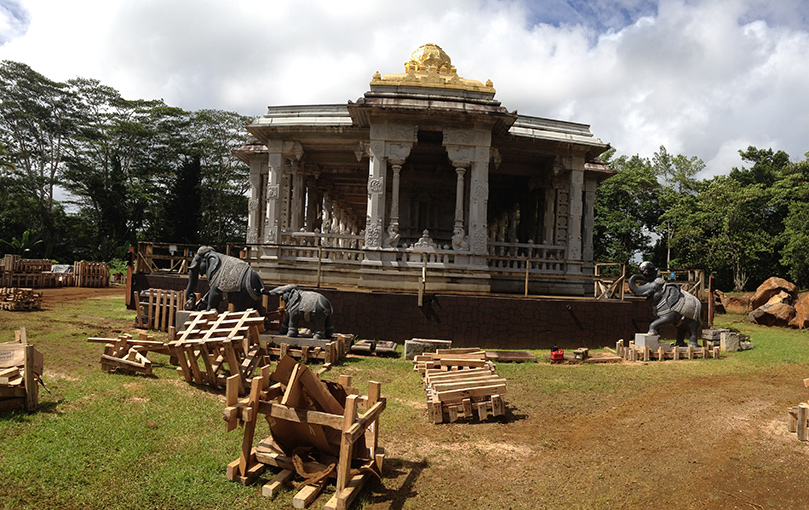
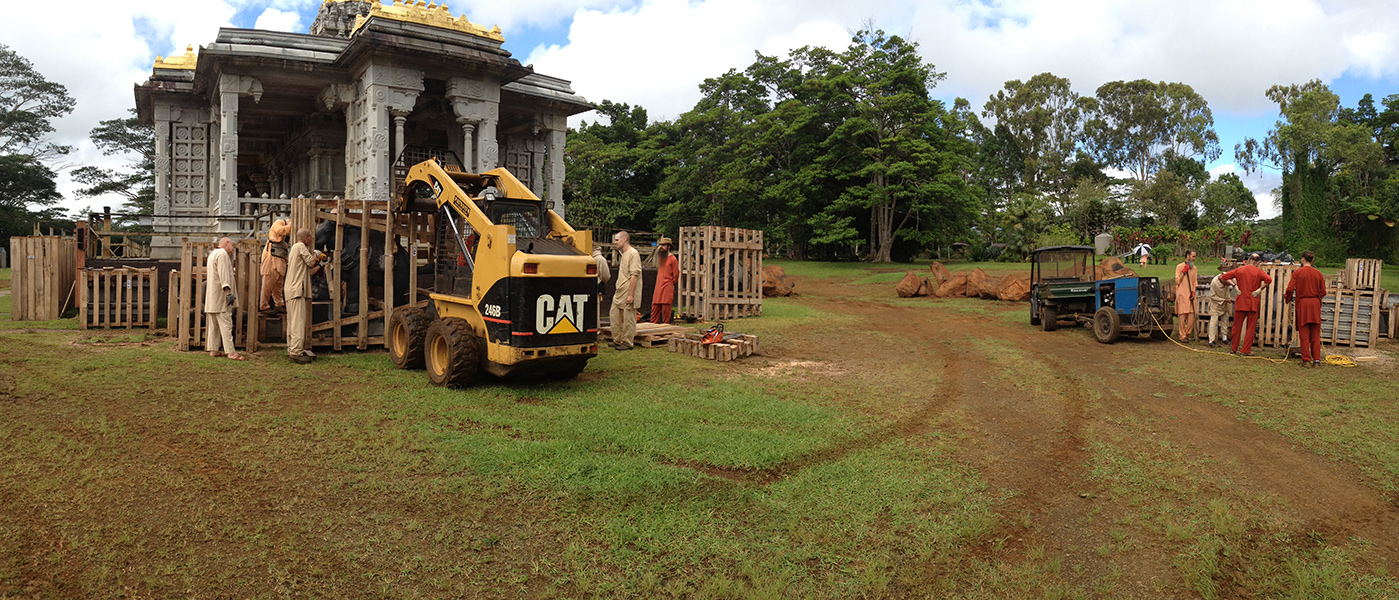
One group of monks works to move the heavy statues, while others work to open the heavy crates and clean up the area
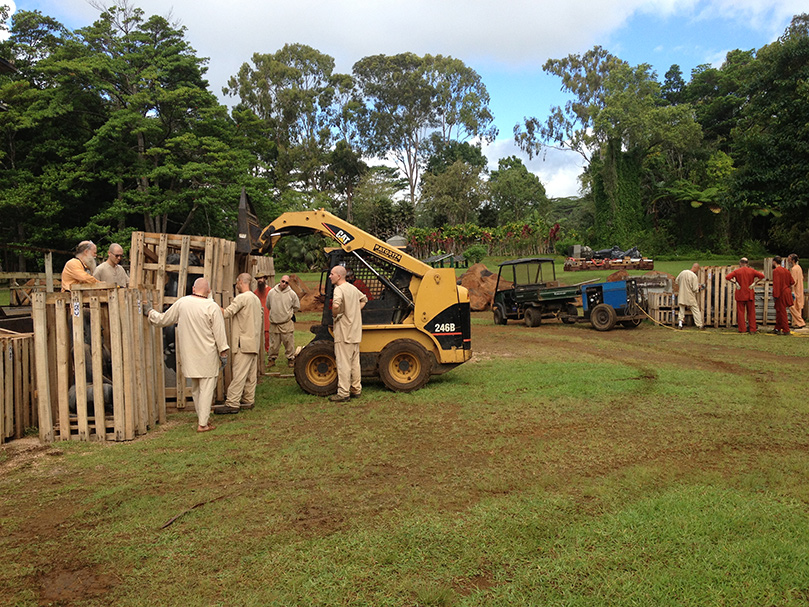
Everything must be done very slowly, as the machinery could easily break the stone
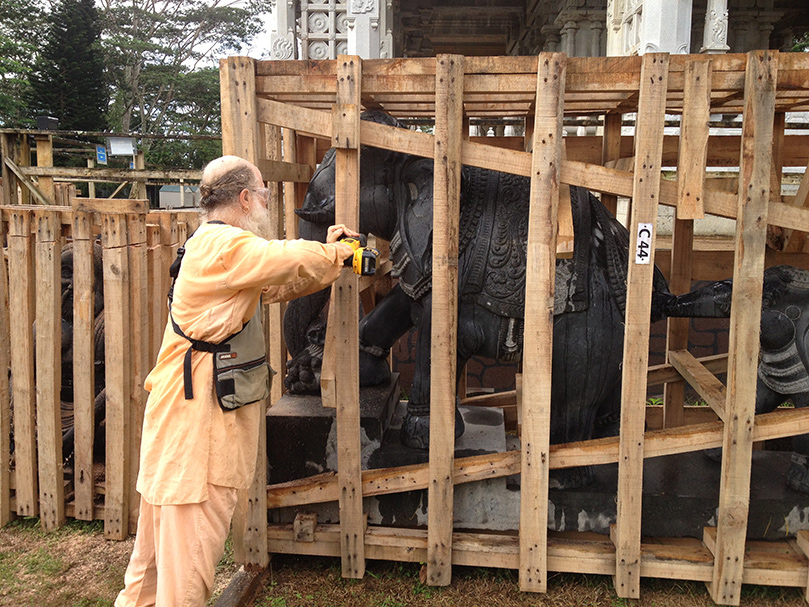
The thick crates are cut open
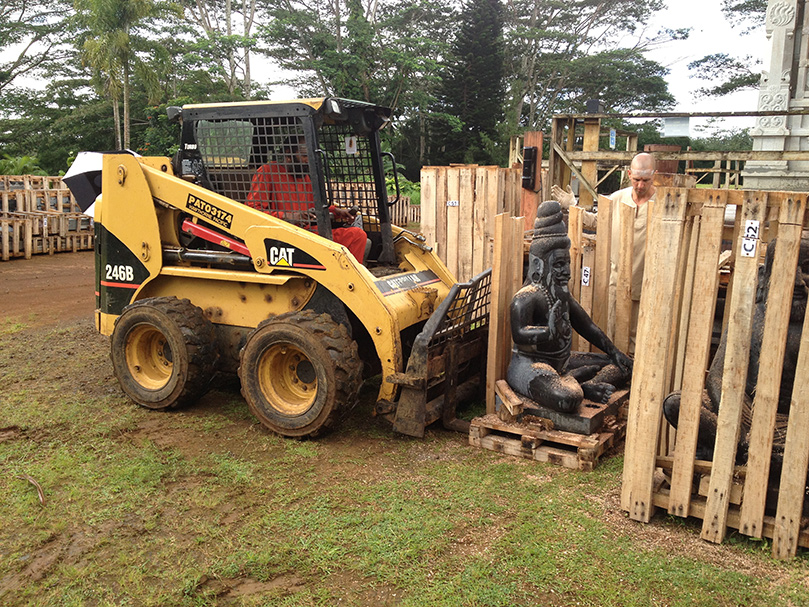
The gurus are moved very carefully.
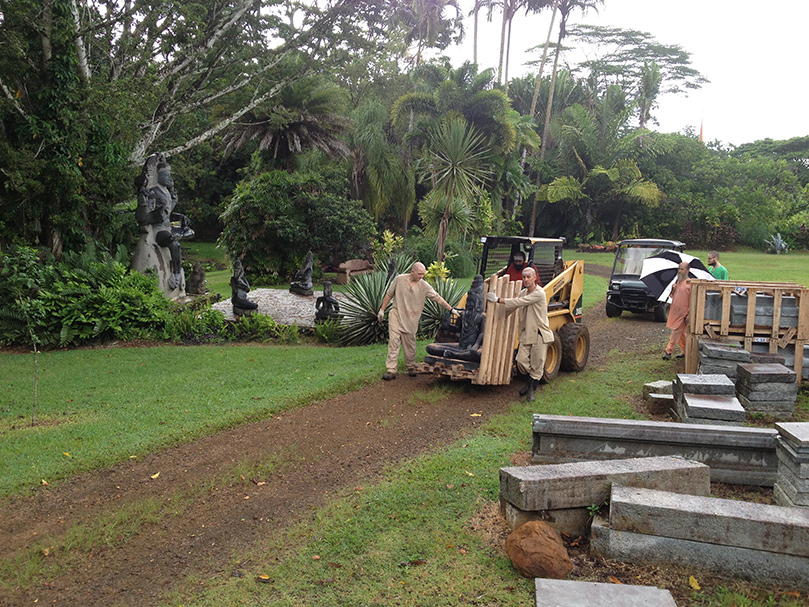
two monks must accompany each move, keeping close communication with the driver
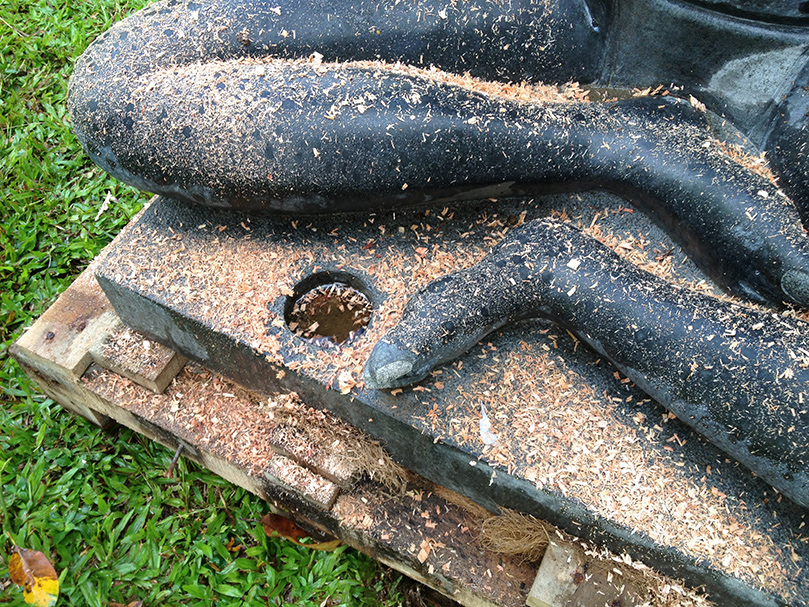
The uncrating leaves a fair deal of sawdust. The hole at the base of this statue of Tirumular will hold a kamandalu, a renunciate\
s traditional water vessel. '
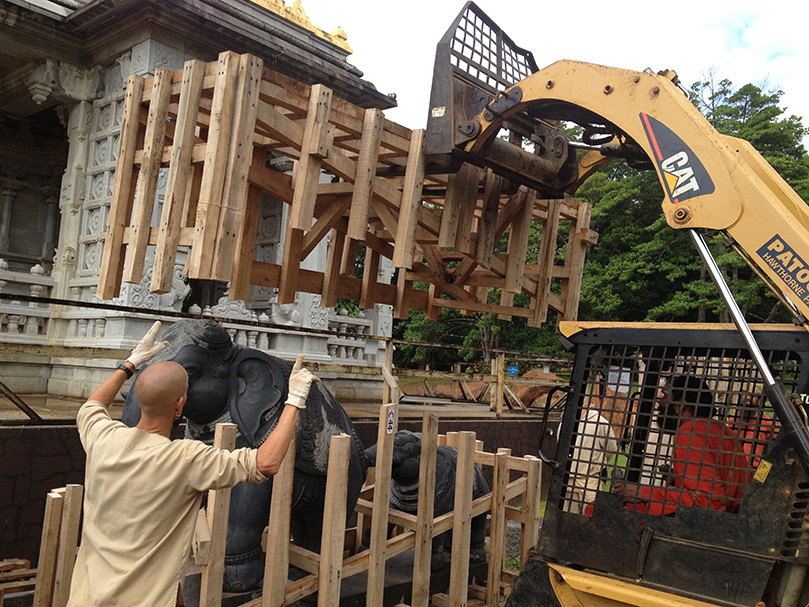
The crates are lifted off the elephants, being careful to not damage them
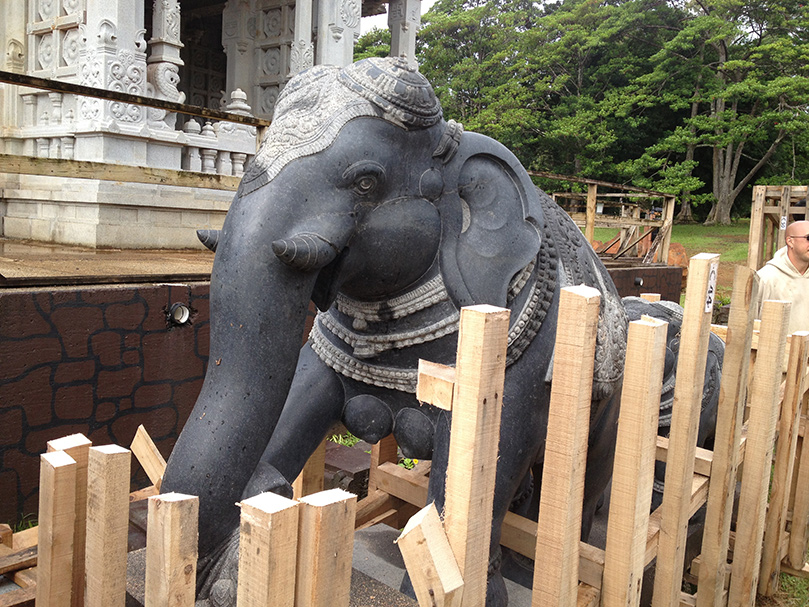
first the mother and her calf
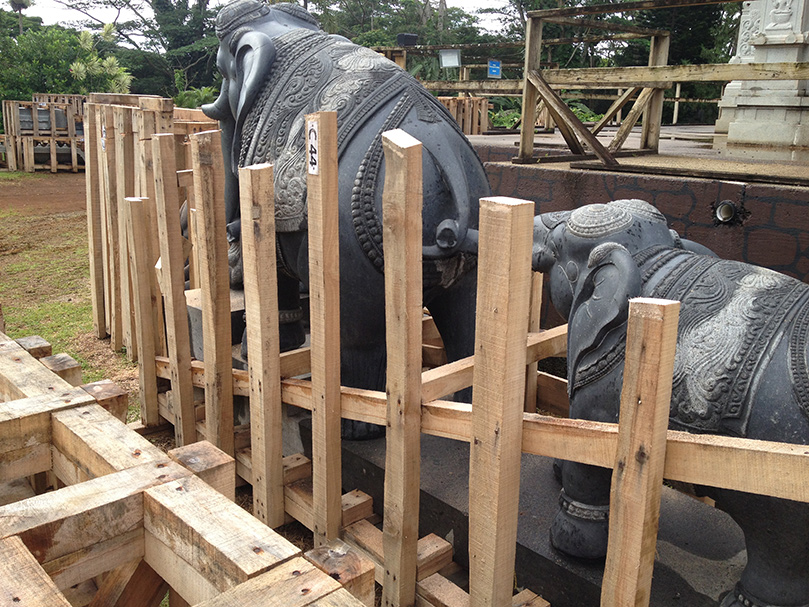
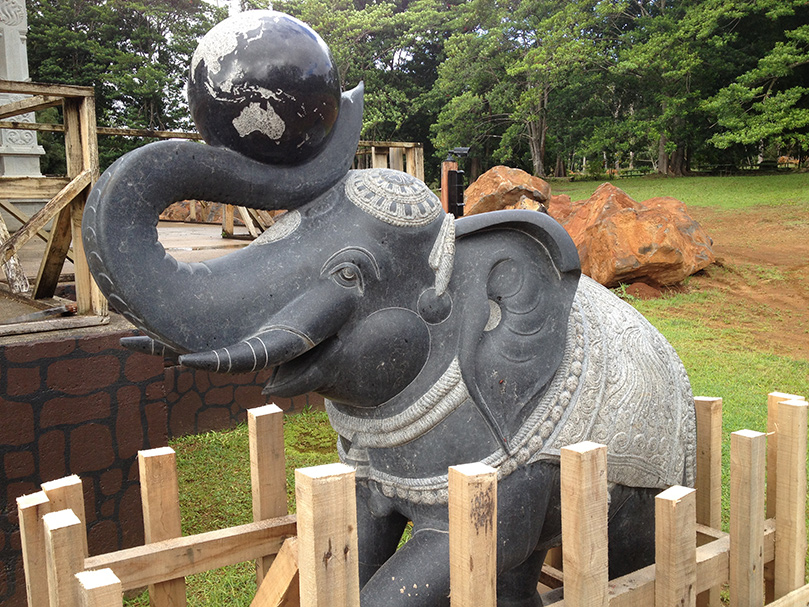
and then the father, who carries a beautifully polished globe
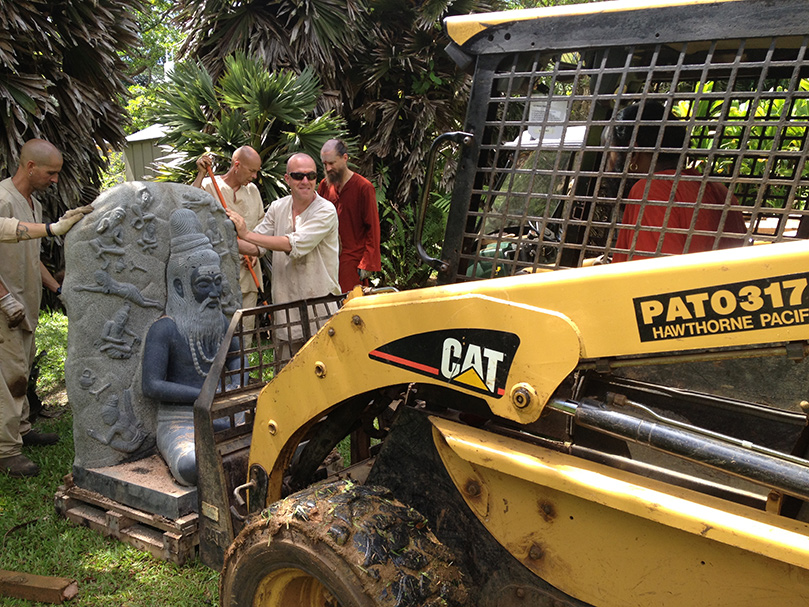
The Rishi from the Himalayas is set in place.
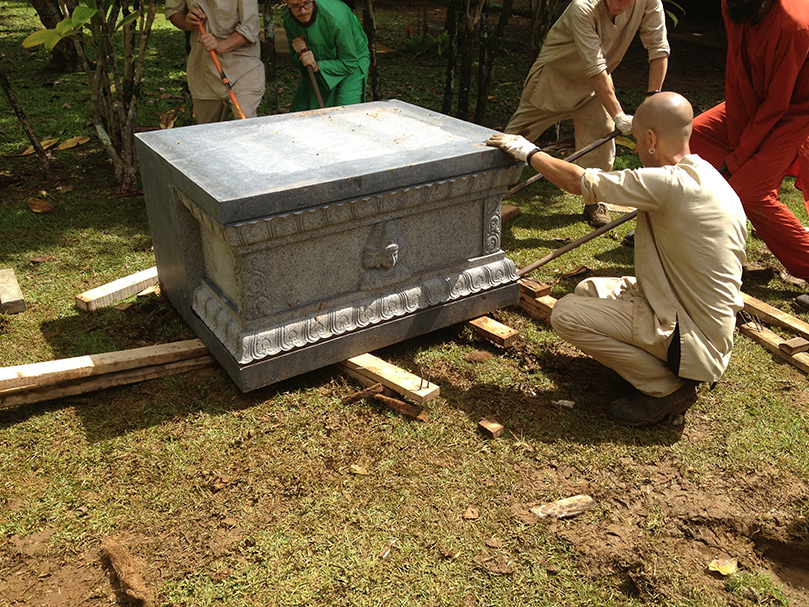
This is Satguru Bodhinatha\
s pitham. His statue is not yet completed. The rain and heavy weight of this one made for a very difficult move'
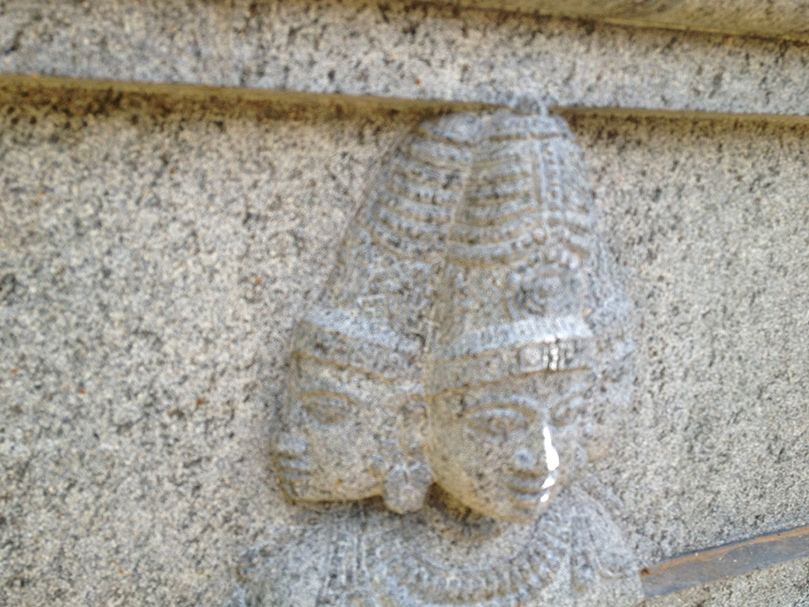
Each pitham has something different carved upon its face
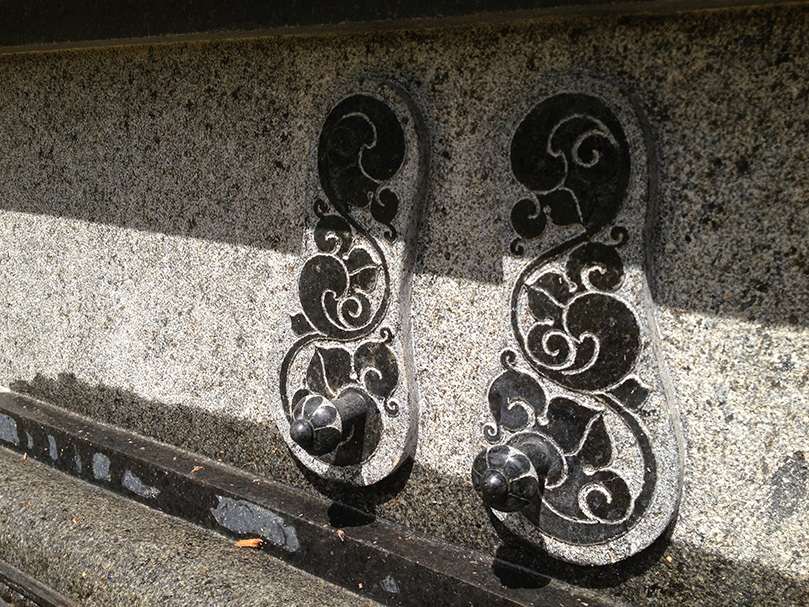
Tiruvadi adorn Yogaswami\
s pitham'
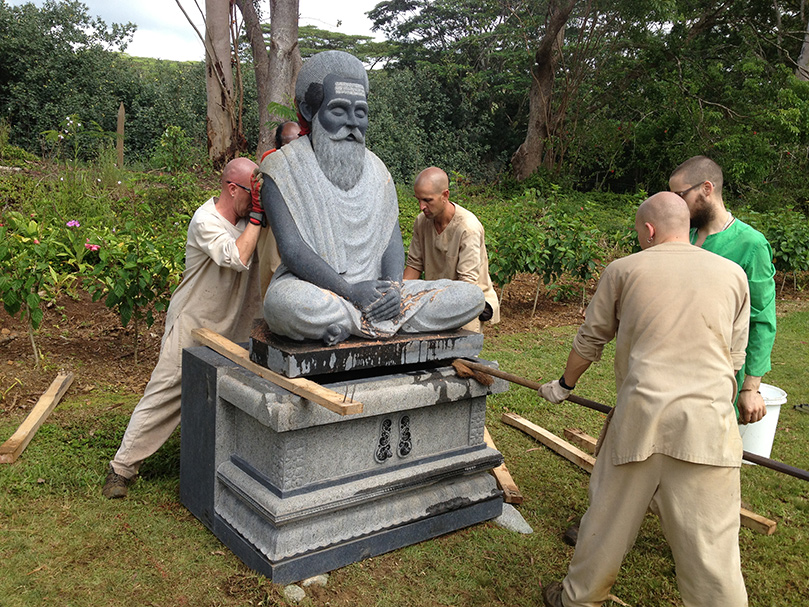
Yogaswami is the only Guru whose pitham has also arrived, so he is placed upon it using the stone moving skills the monks learned from the silpis
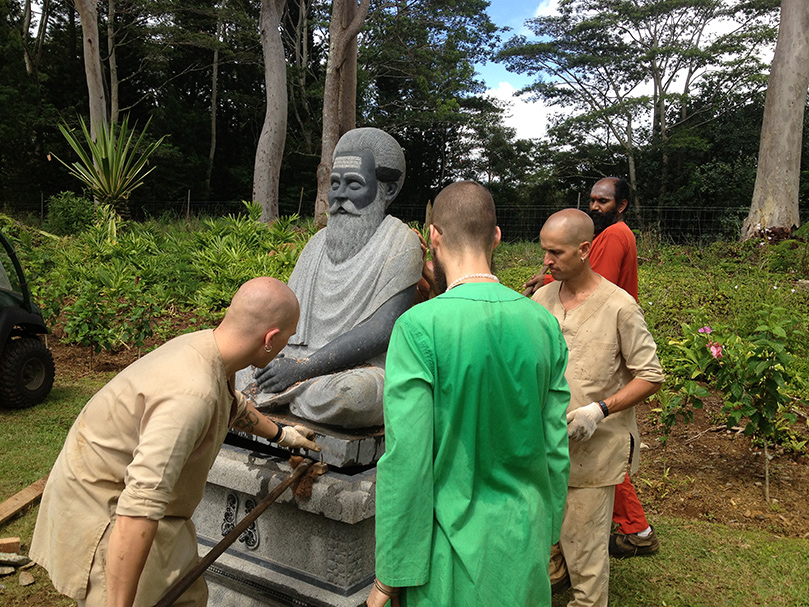
It\
s a delicate process, one slip could not only damage the stone, but send hundreds of pounds of force through the pry bar '
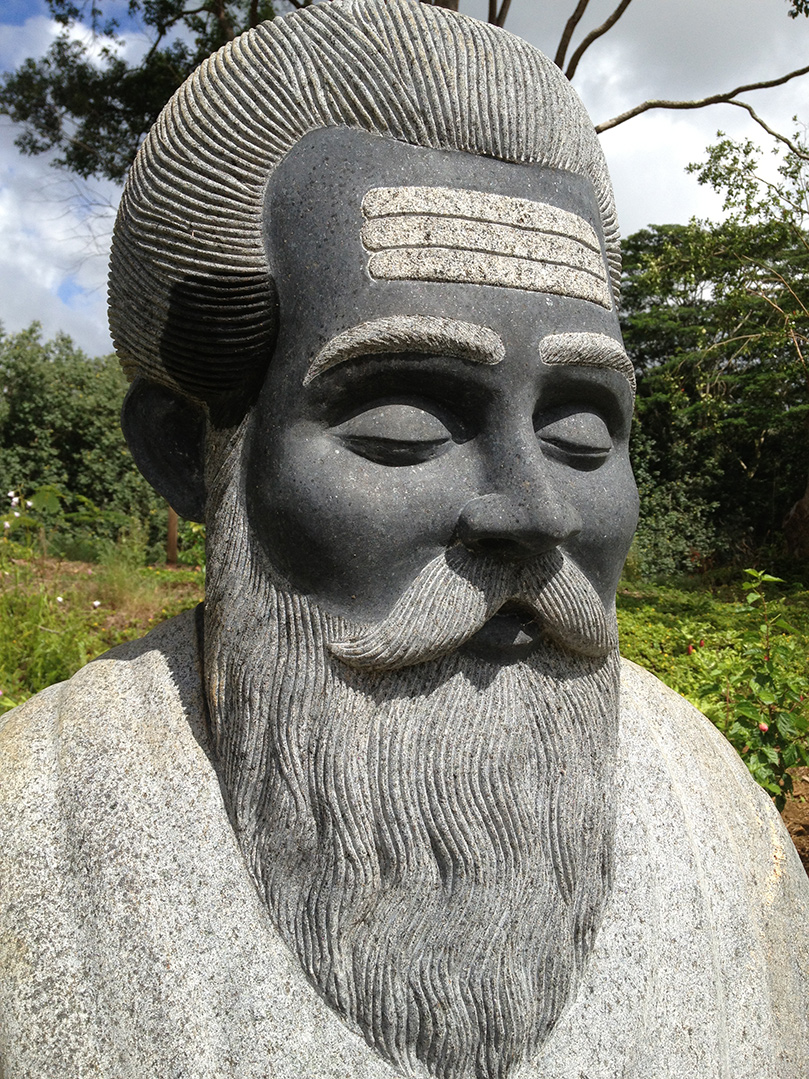
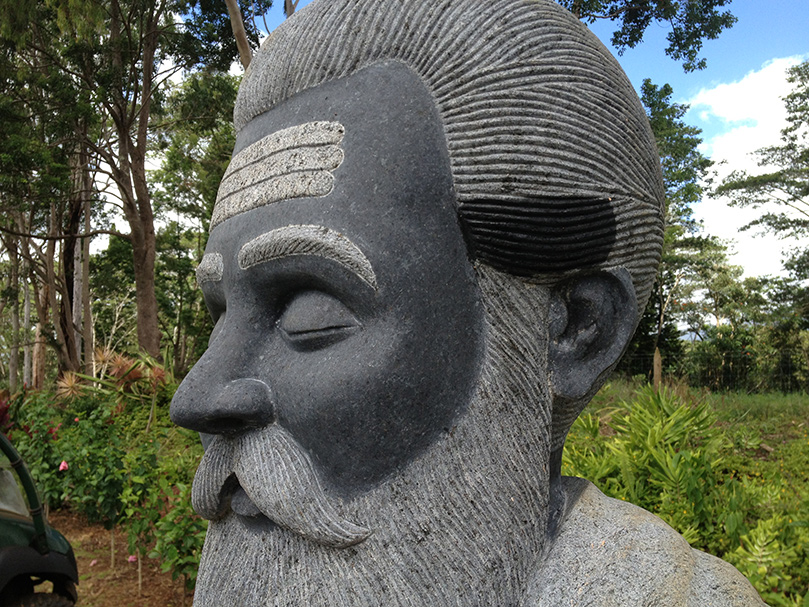
The carving is wonderfully done
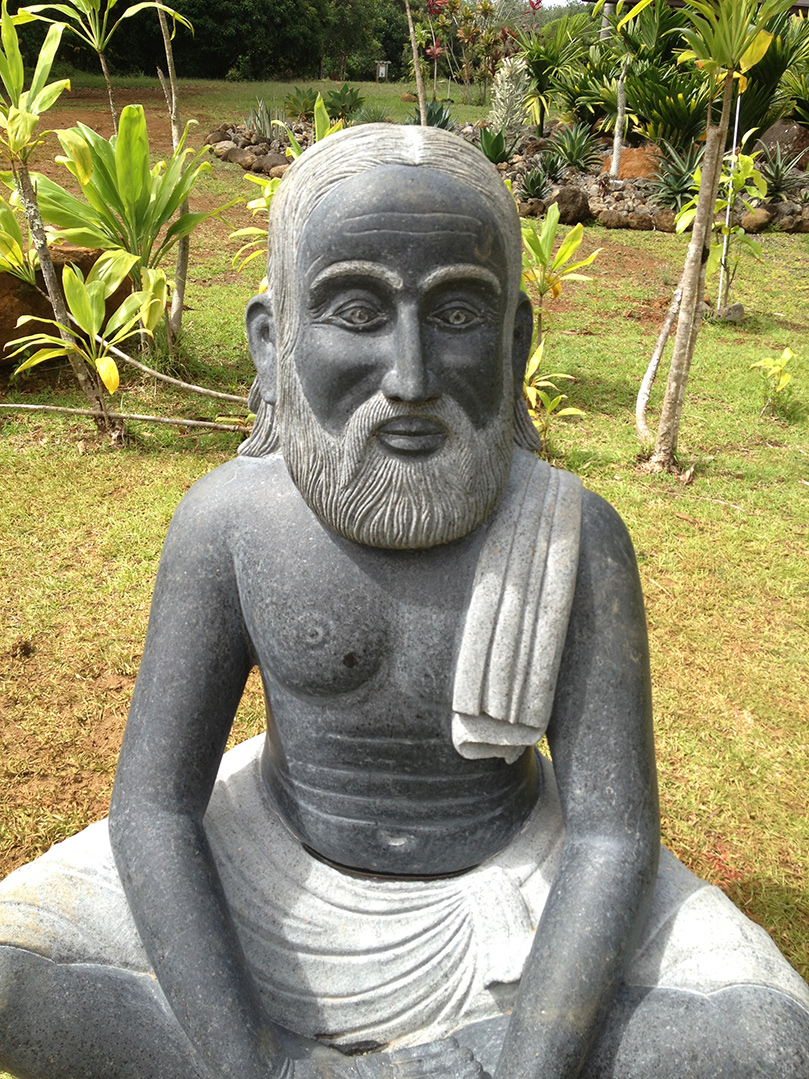
Chellappaswami has also arrived and has been placed in the square
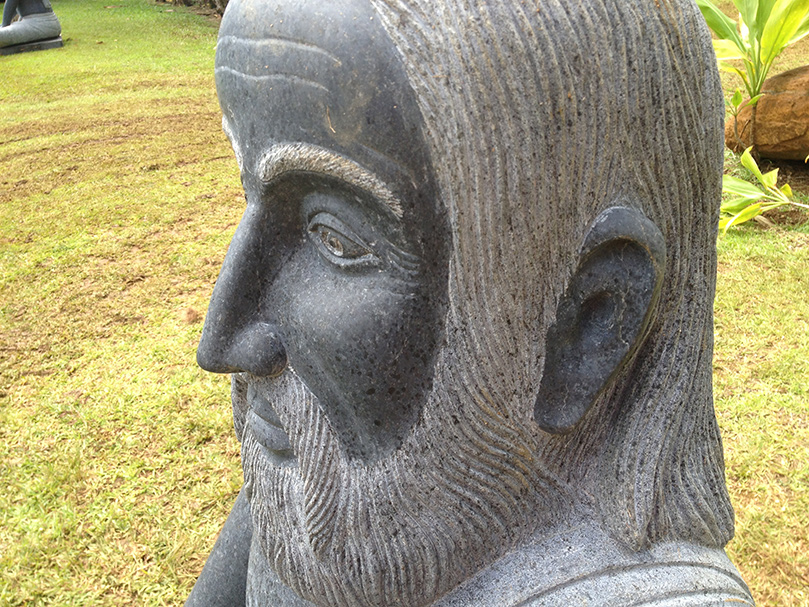
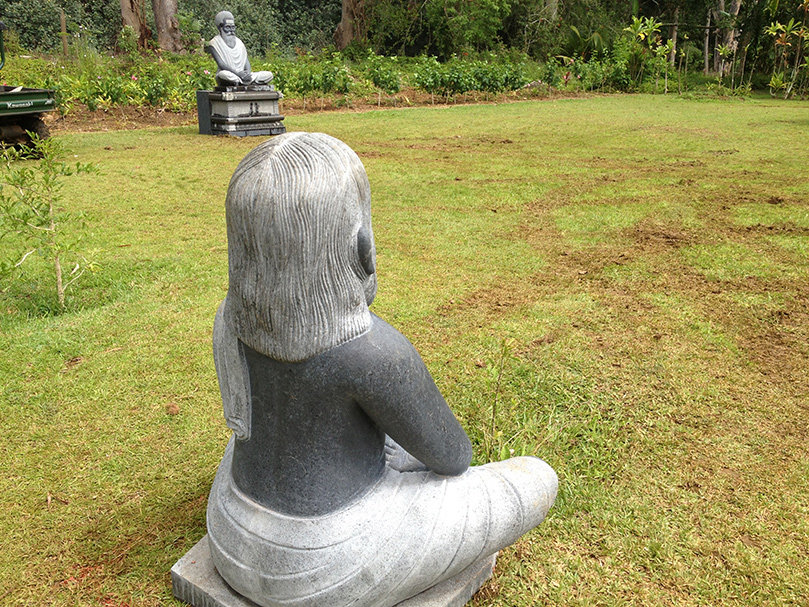
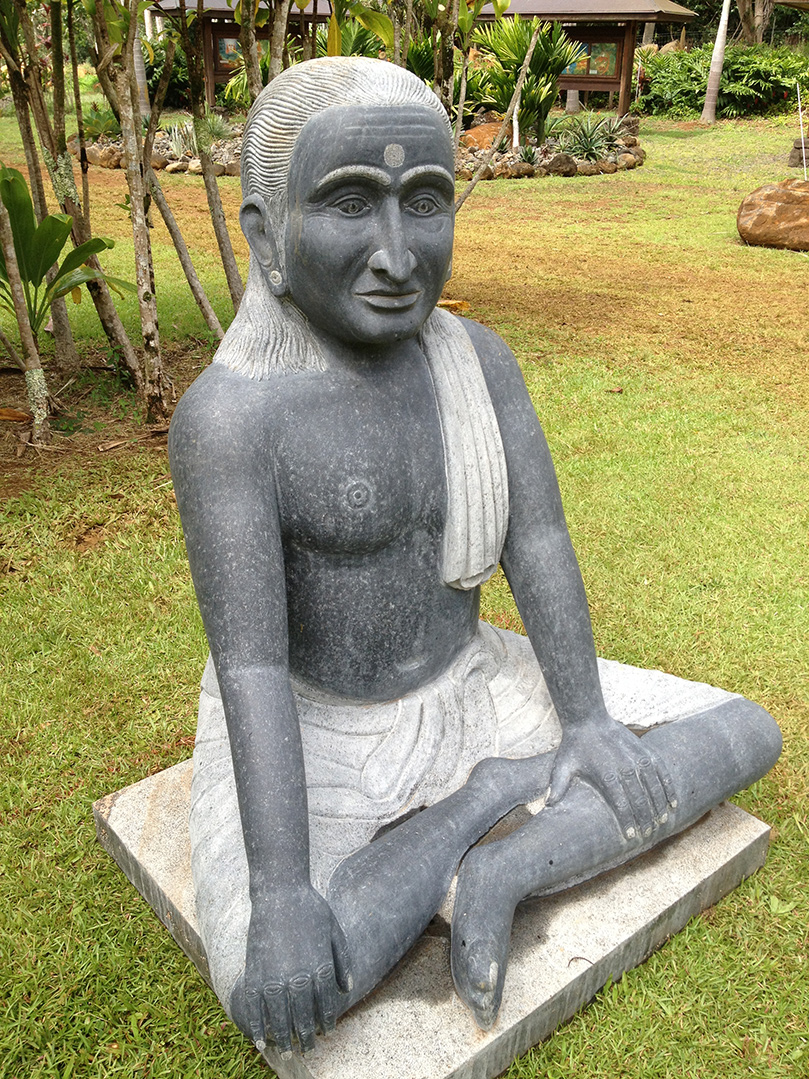
Kadaitswami sits next to Chellappa
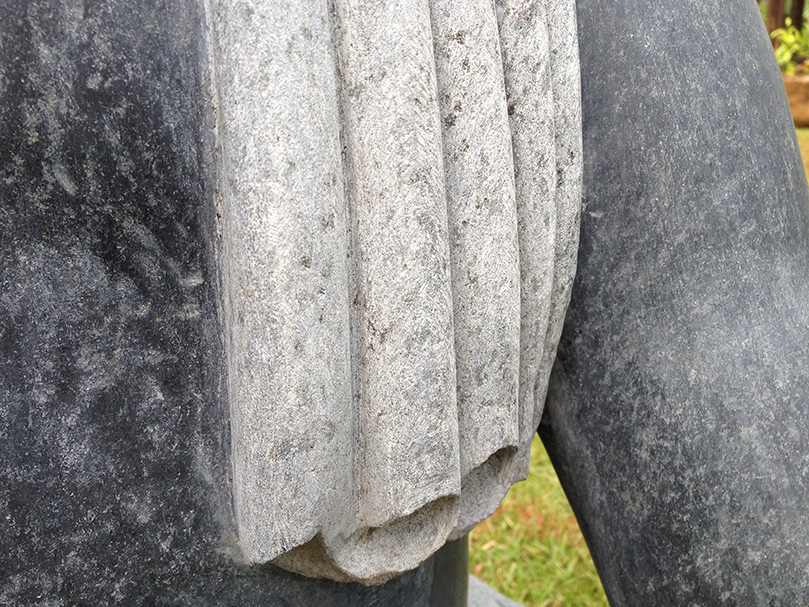
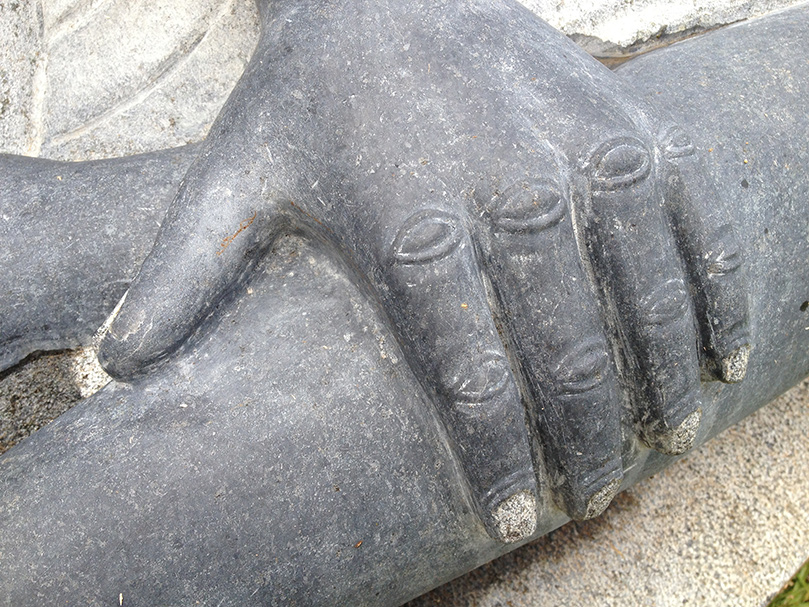
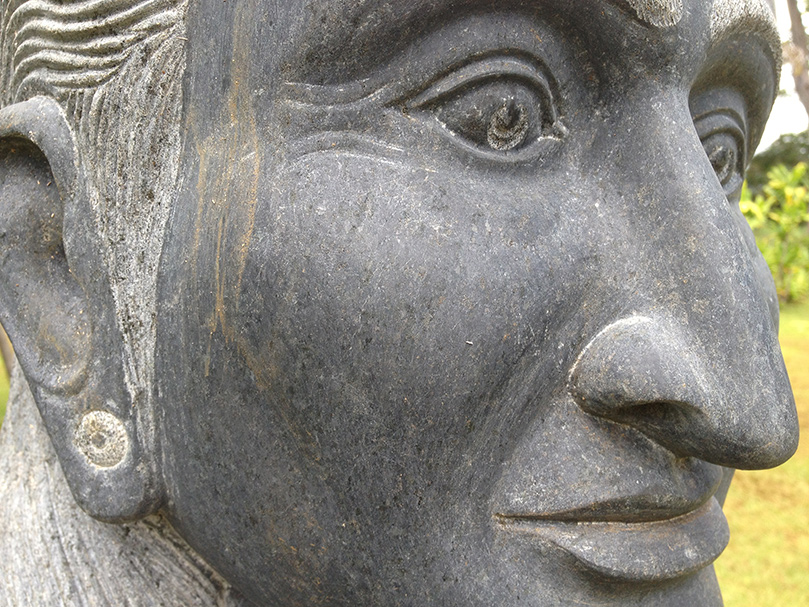
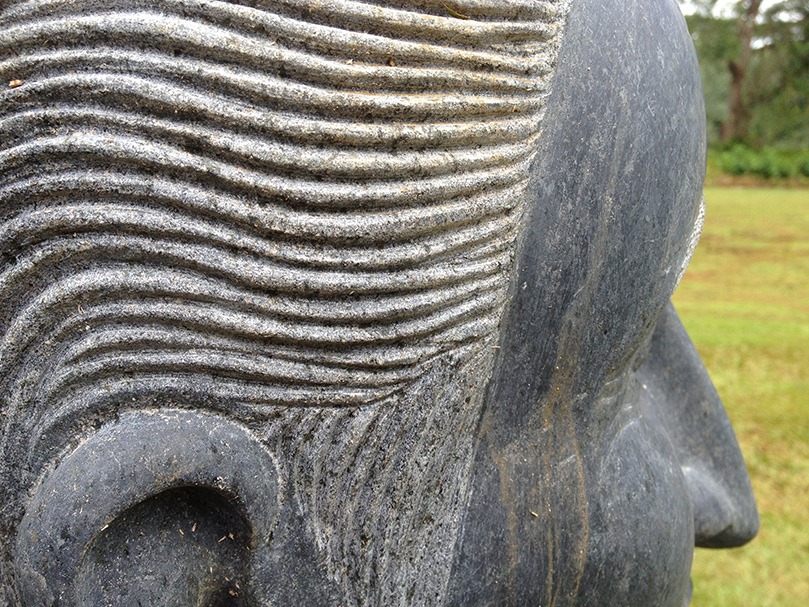
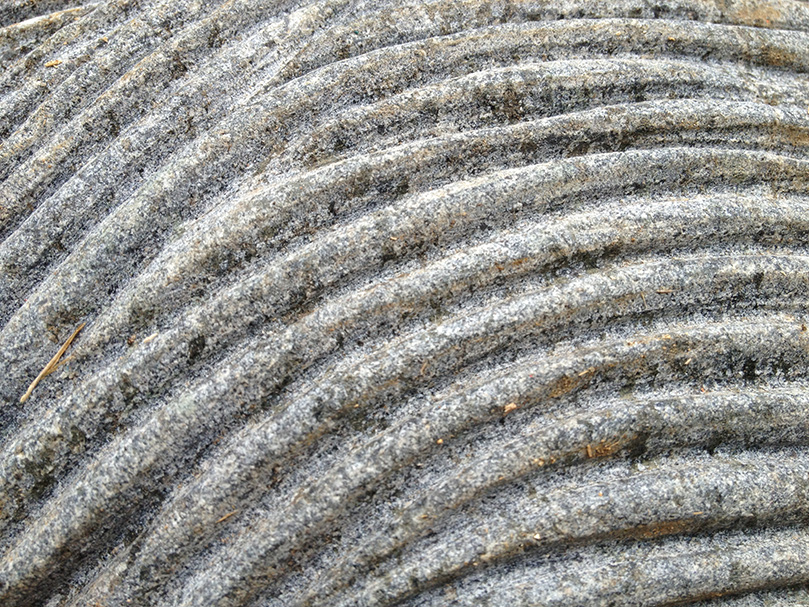
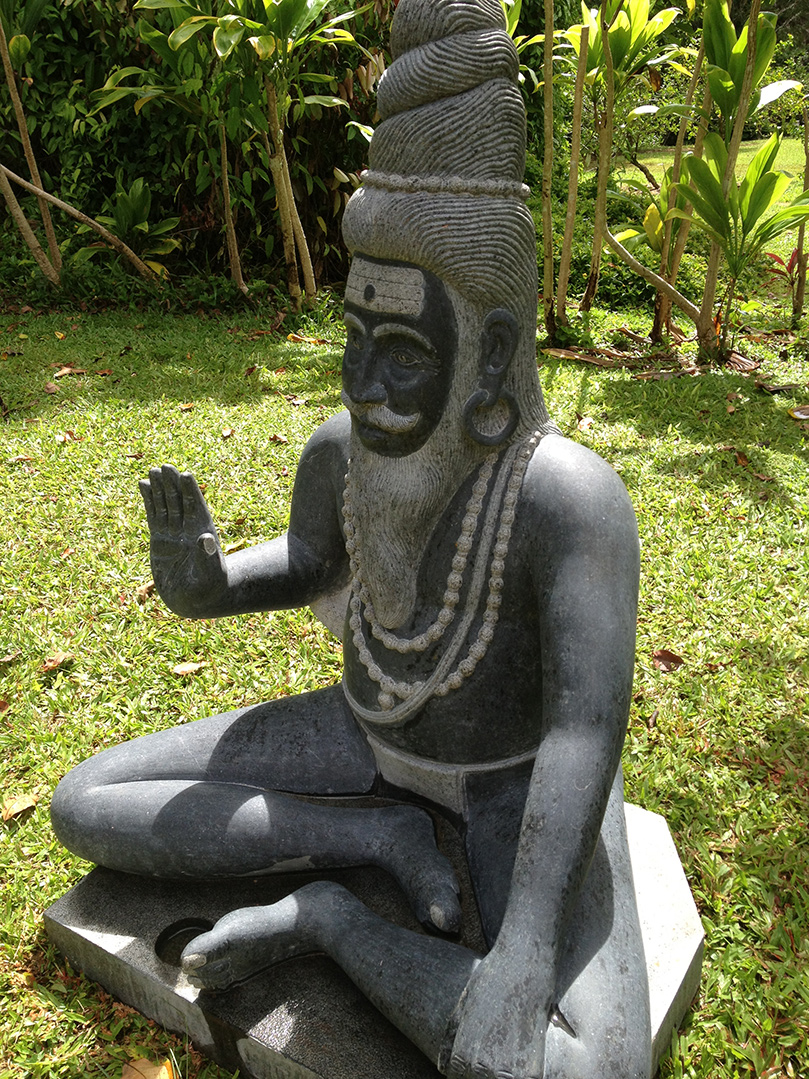
Rish Tirumular has been moved successfully and now sits to the south of the Lingam
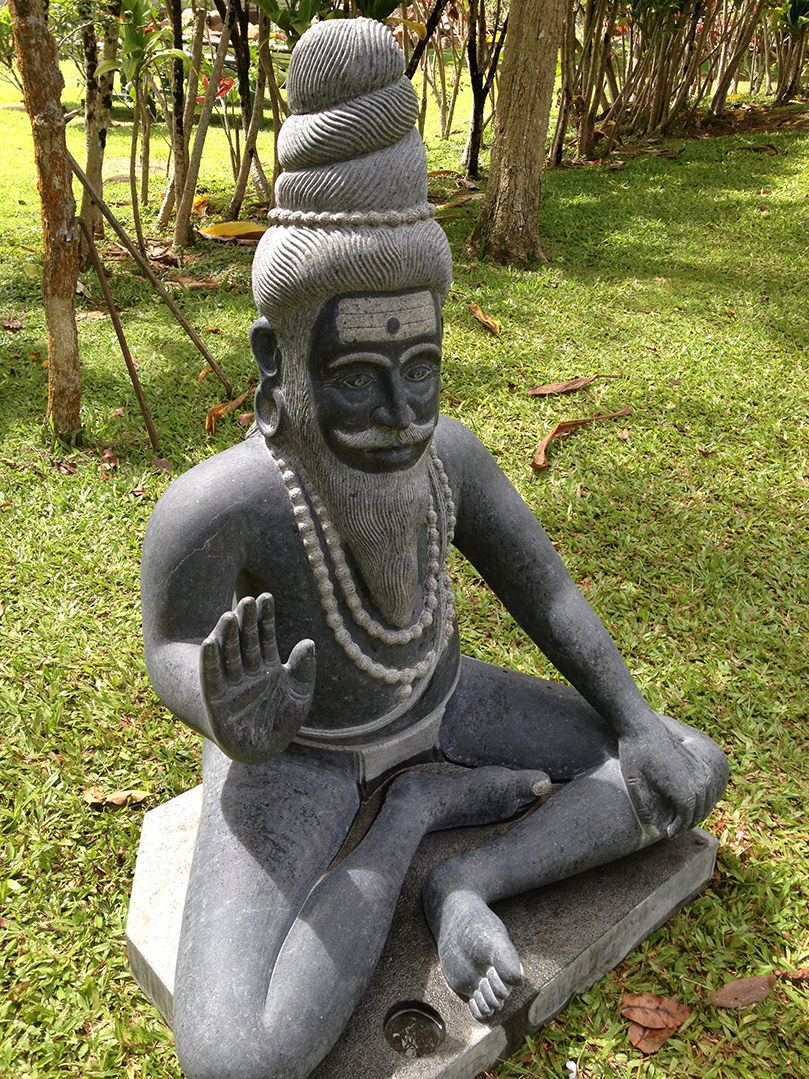
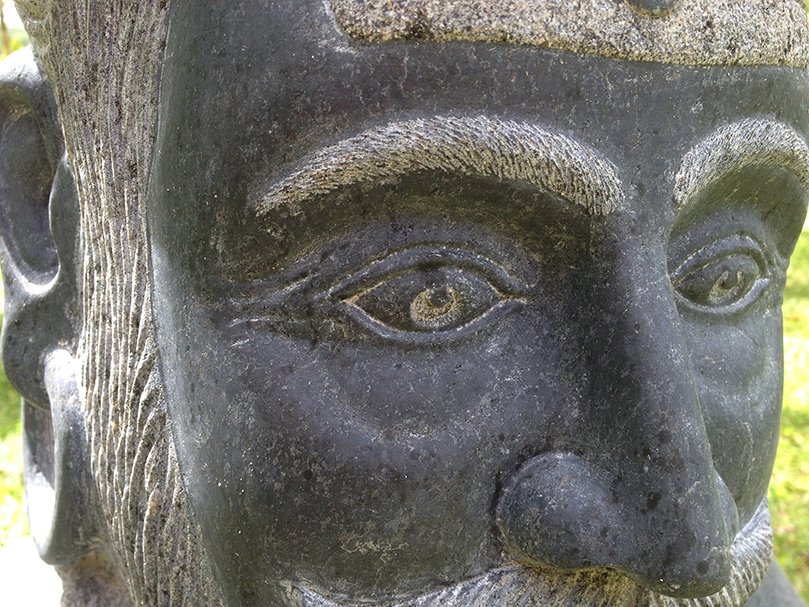
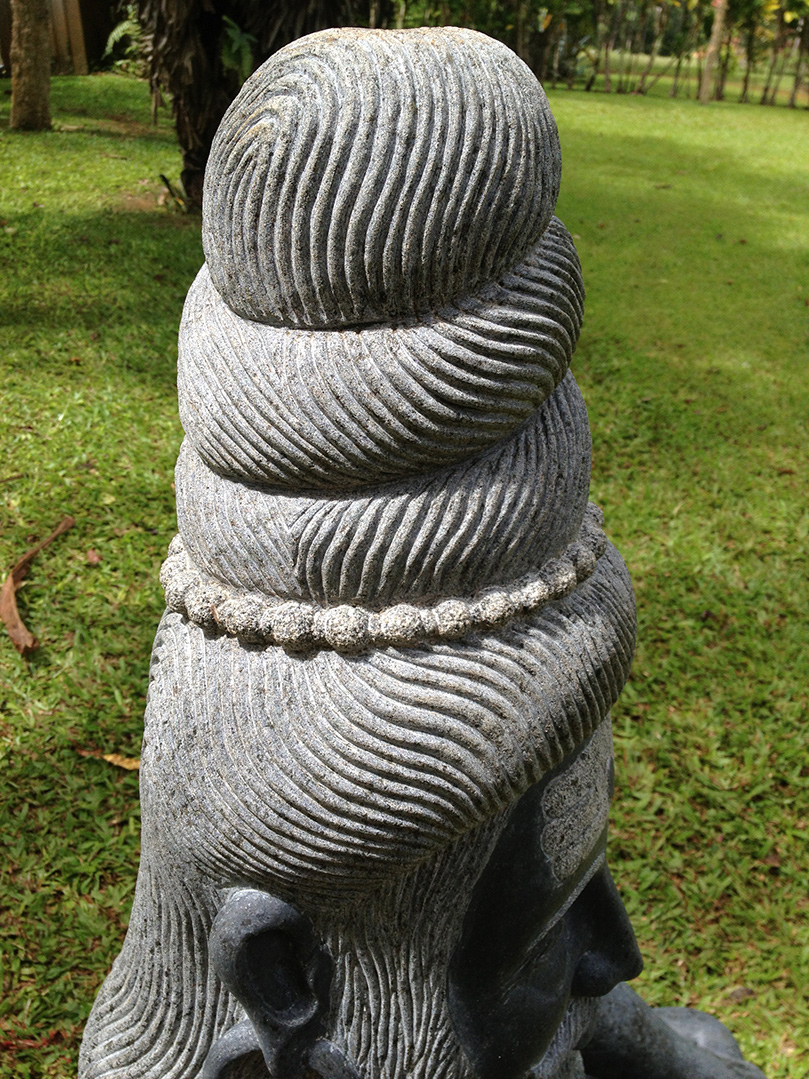
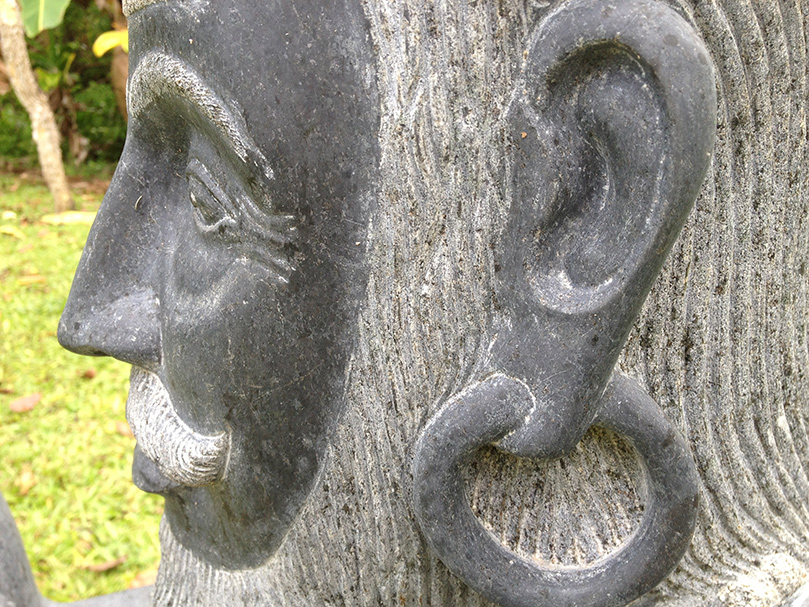
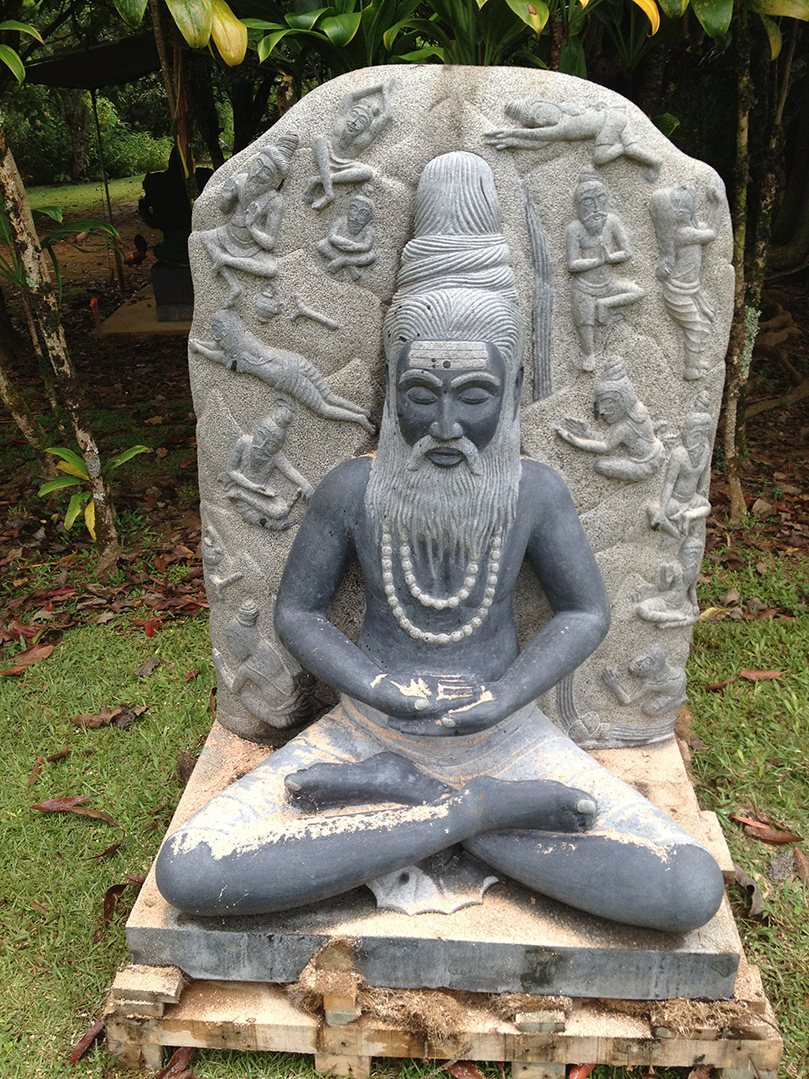
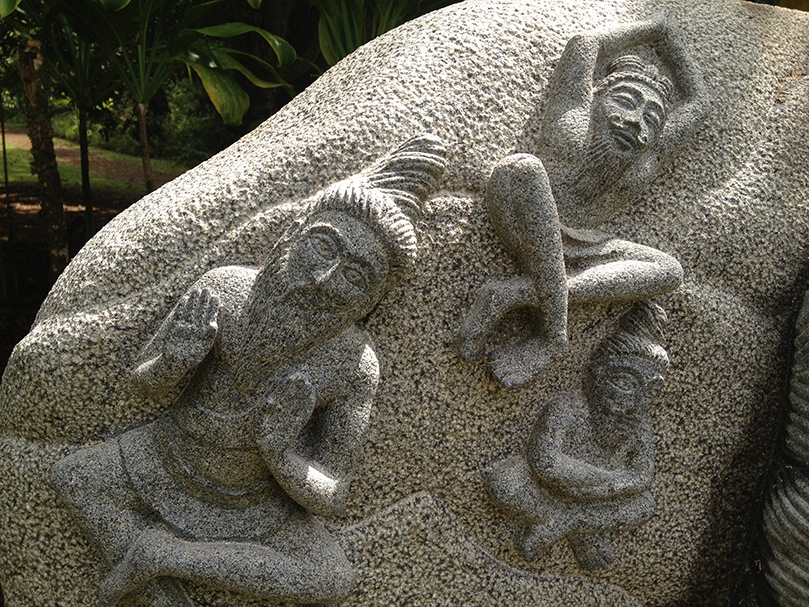
The Rishi from the Himalayas. Behind him is a tribute to all the gurus which have passed the lineage between Tirumular and him.
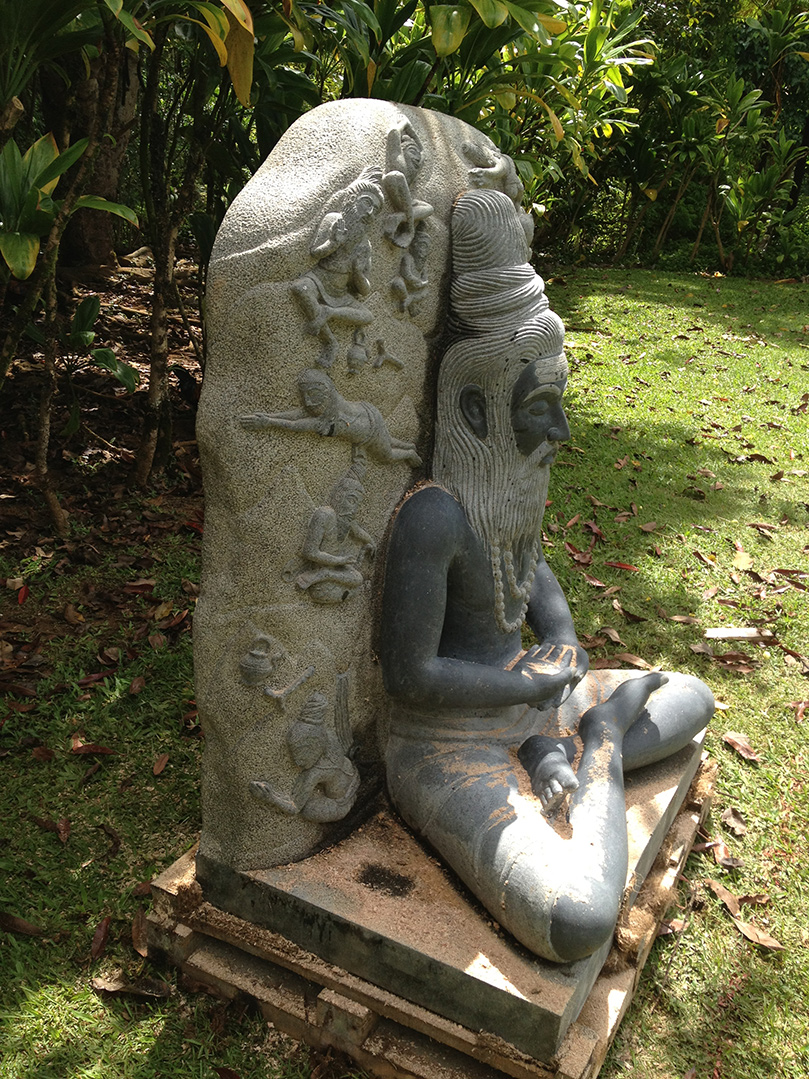
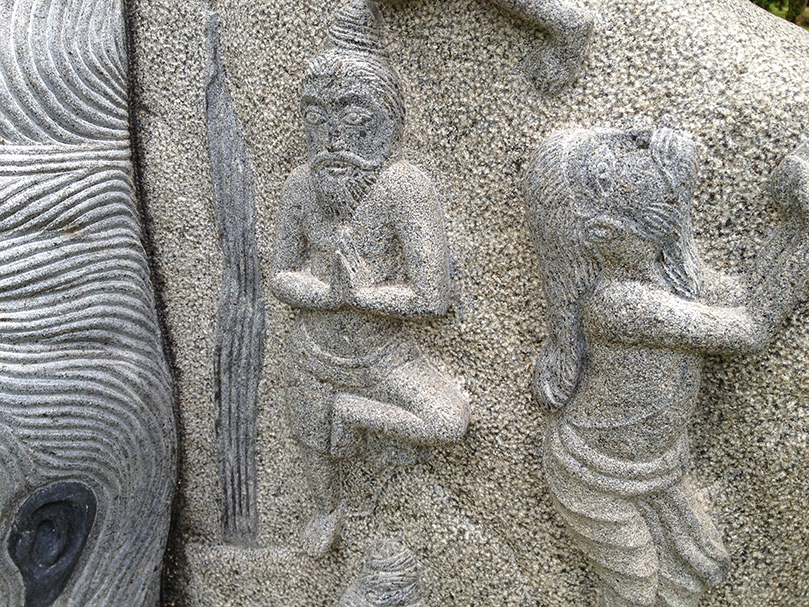
A few of the many gurus, most of which have become completely lost in time
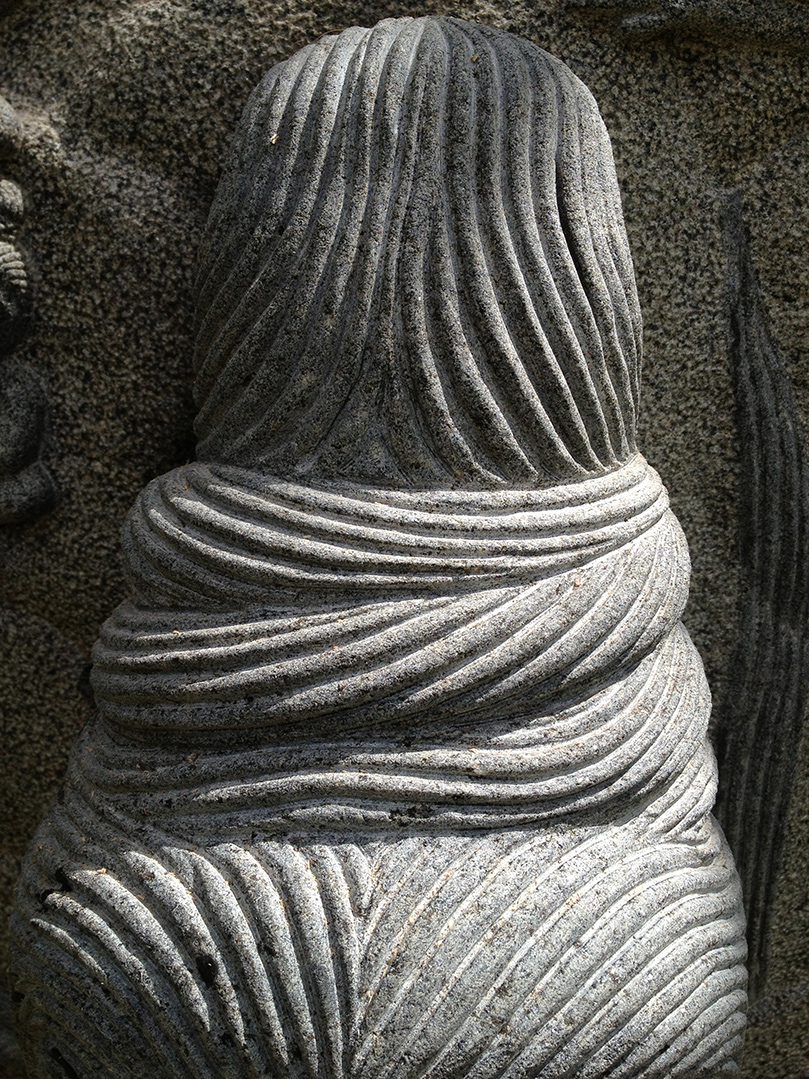
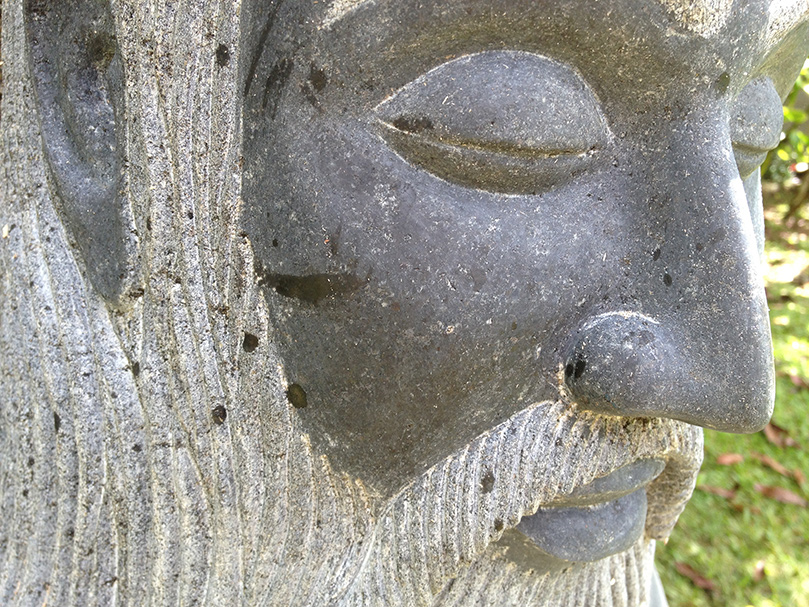
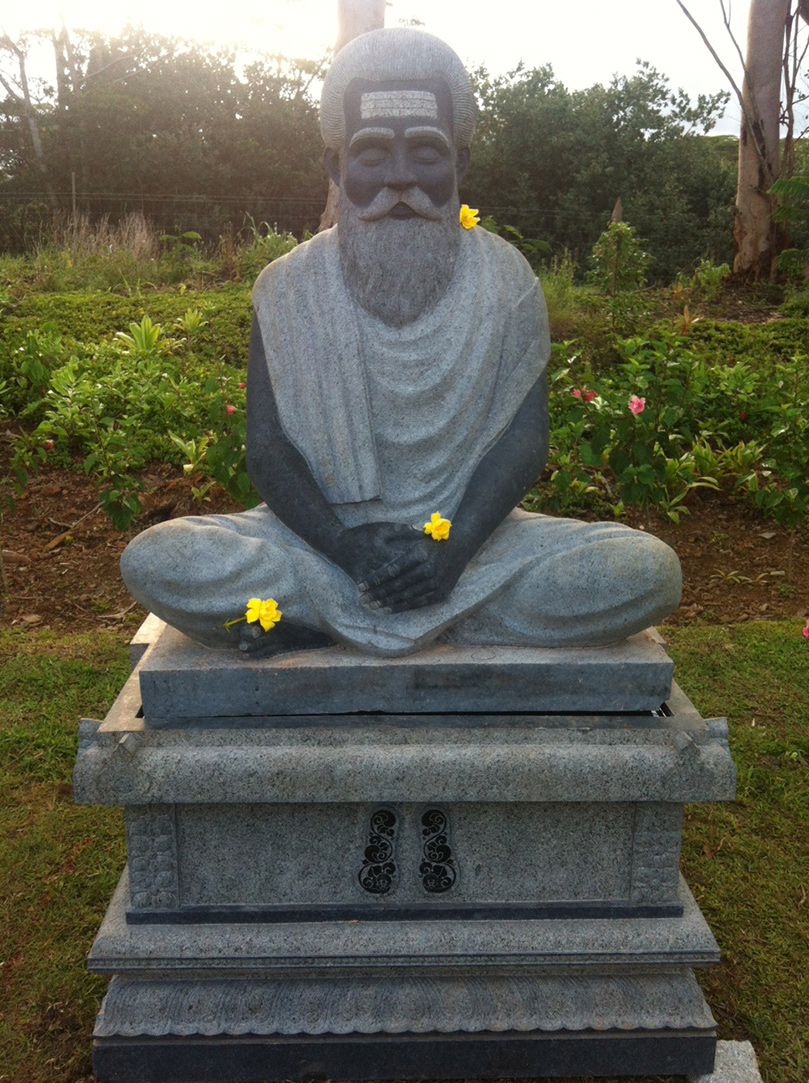
The presence of these great sages is wonderful to behold
}
];
transitionSpeed:150});