
Many Forms of Siva
January 25, 2015We came across this list of beautiful and bizarre creatures today that we'd like to share. These colorful, and in some cases one-of-a-kind beings are a wonderful example of Siva's uncanny and uncommon forms. With all the variety on our little planet alone, it stretches the imagination to infinity, to ponder the countless variation that must exists throughout our galaxy alone, as it floats through Siva's perfect universe.
From Living With Siva:
It takes much meditation to find God Siva in all things, through all things. In this striving--as in perfecting any art or science--regular daily disciplines must be faithfully adhered to. Siva is the immanent personal Lord, and He is transcendent Reality. Siva is a God of love, boundless love. He loves each and every one. Each soul is created by Him and guided by Him through life. God Siva is everywhere. There is no place where Siva is not. He is in you. He is in this temple. He is in the trees. He is in the sky, in the clouds, in the planets. He is the galaxies swirling in space and the space between galaxies, too. He is the universe. His cosmic dance of creation, preservation and dissolution is happening this very moment in every atom of the universe. God Siva is, and is in all things. He permeates all things. He is immanent, with a beautiful form, a human-like form which can actually be seen and has been seen by many people in visions. He is also transcendent, beyond time, cause and space. That is almost too much for the mind to comprehend, isn't it? Therefore, we have to meditate on these things. God Siva is so close to us.
Credit for the above collection: talemaze.com
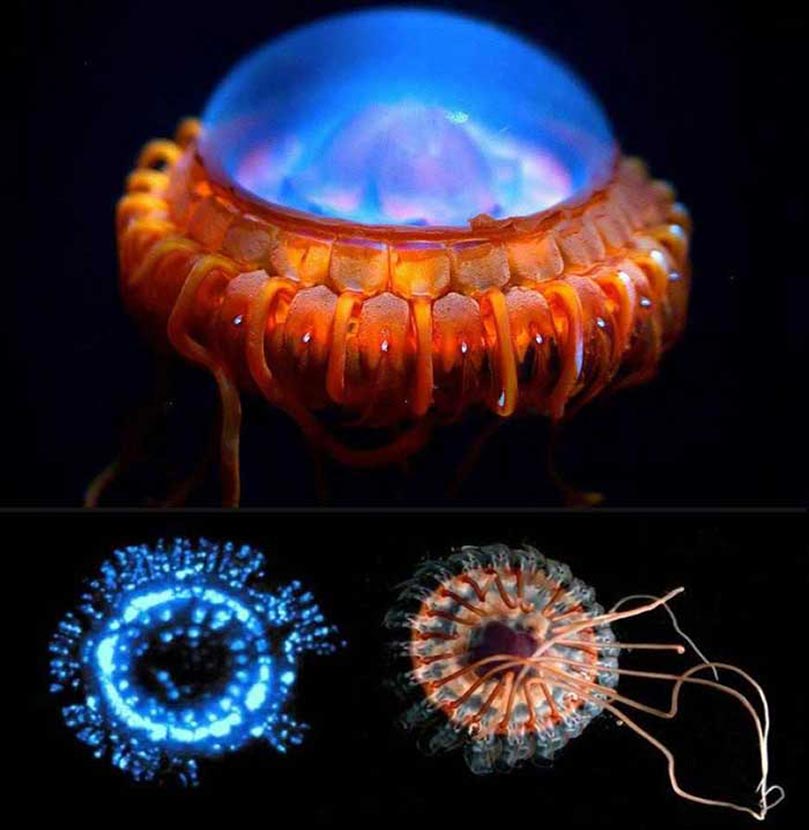
This is the alarm jellyfish (Atolla Wyvillei) – and it has a rather unique defence mechanism. When the alarm jellyfish is attacked, it flashes brightly using bioluminescence in an attempt to attract other animals. The idea is to encourage confusion and fights between predators, while the jellyfish can swim away.
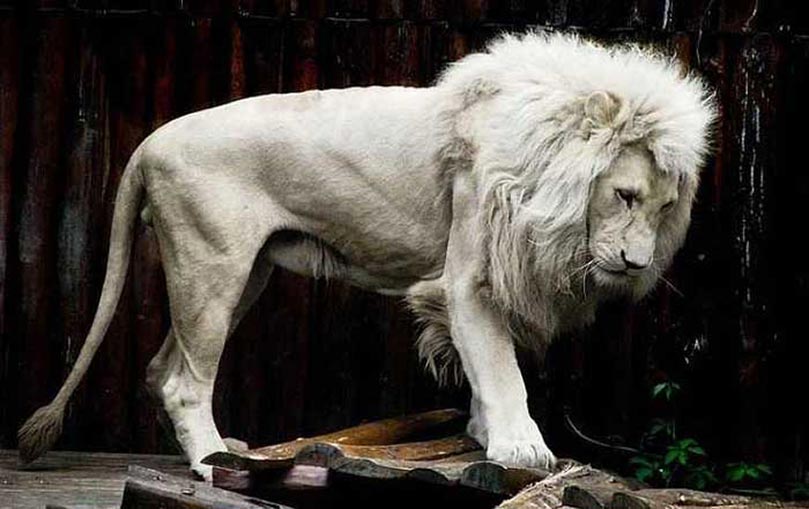
Albino Lion
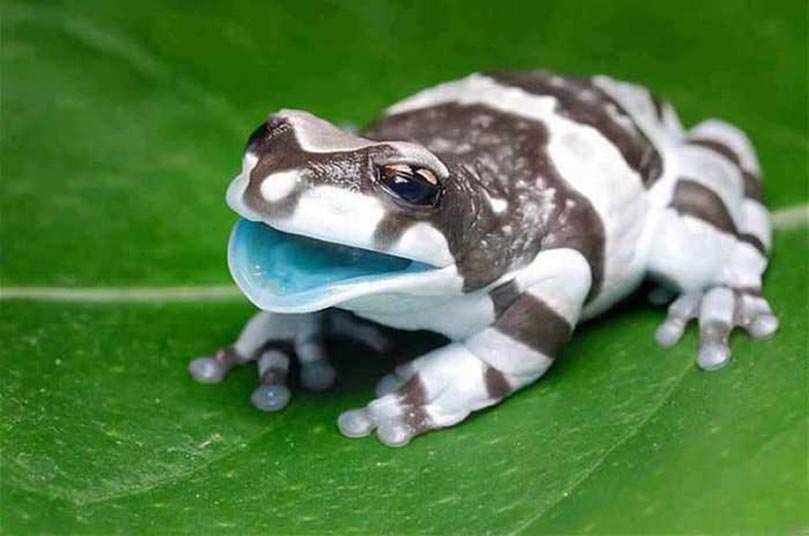
The Amazon milk frog, a large species of arboreal frog native to the Amazon Rainforest in South America.
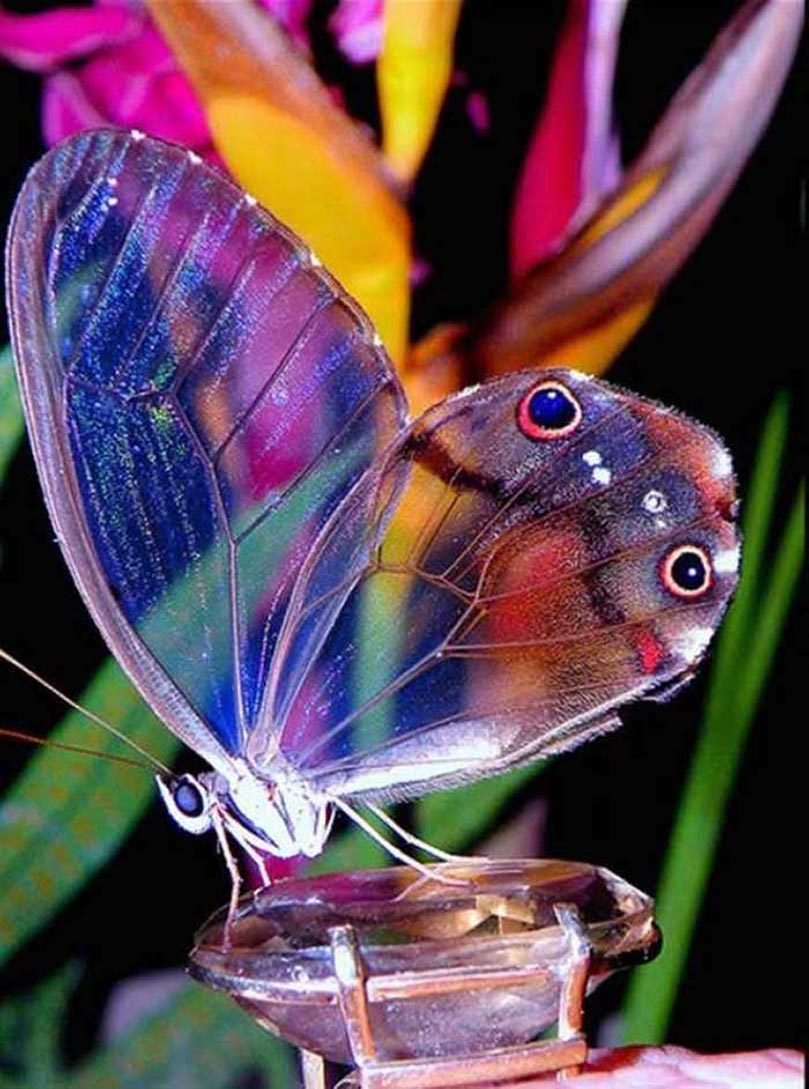
The amber phantom butterfly (Haetera piera), found in the Guianas, Brazil, Ecuador, Peru, Bolivia and Venezuela.
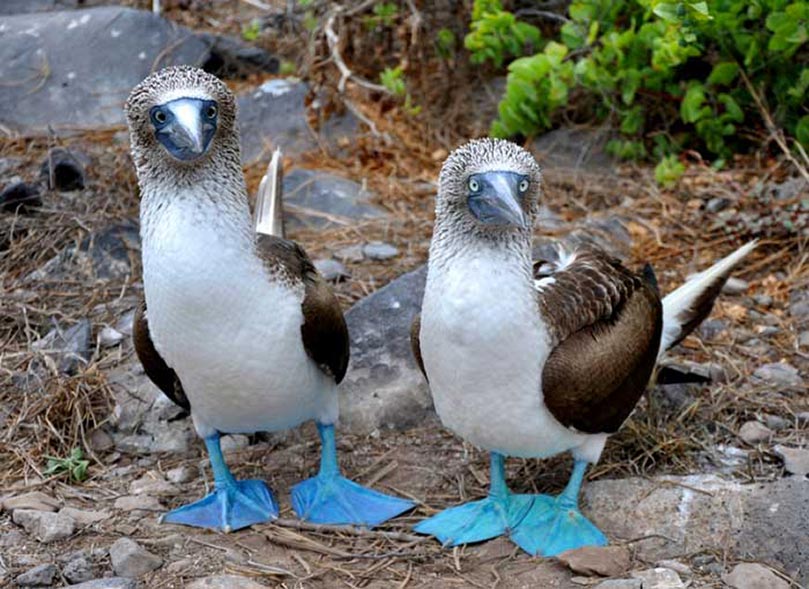
Meet the blue footed booby, found from the Gulf of California down along the western coasts of Central and South America to Peru.
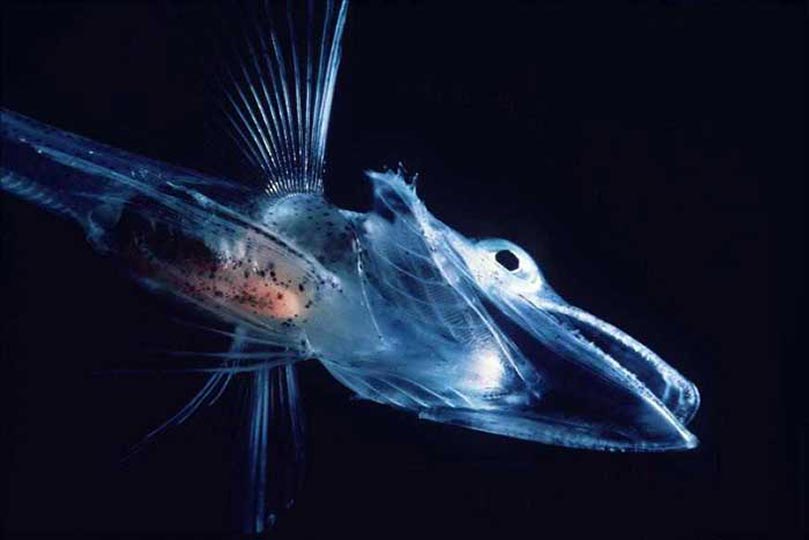
This is a white-blooded ice fish, or \"crocodile fish\" (Chaenocephalus aceratus). They lack both red blood cells and hemoglobin, and so have white blood. They have translucent bodies, and absorb oxygen directly from the water around them.
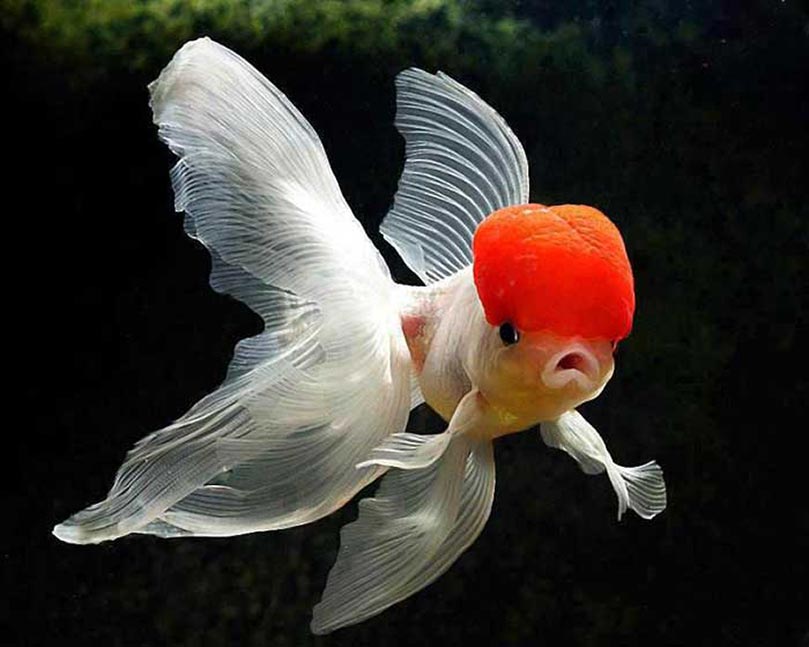
A red cap goldfish, or \"oranda.\" These are characterized by a prominent hood that covers the head
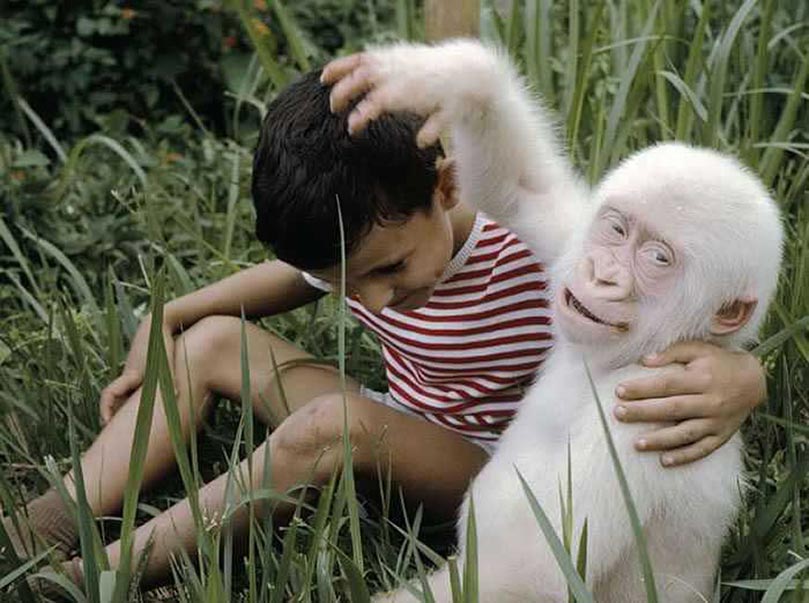
Albino Gorilla
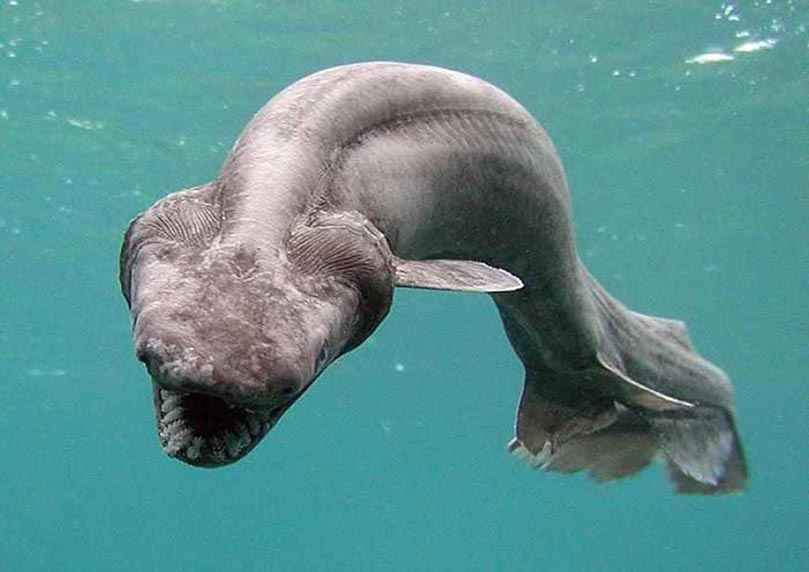
Frilled sharks are found throughout deep waters in the Atlantic and Pacific oceans. It is often described as a \"living fossil\" because of its resemblance to extinct, Paleozoic sharks. They\
re rarely seen alive because of their preference for deep water.'
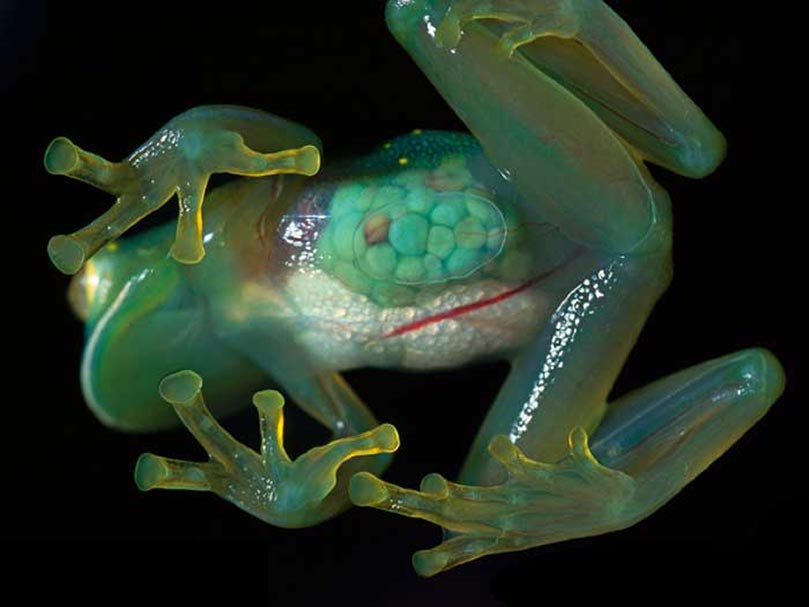
Glass frogs, a group of South and Central American frogs with translucent skin. Their internal viscera, including the heart, liver, and gastrointestinal tract are all completely visible.
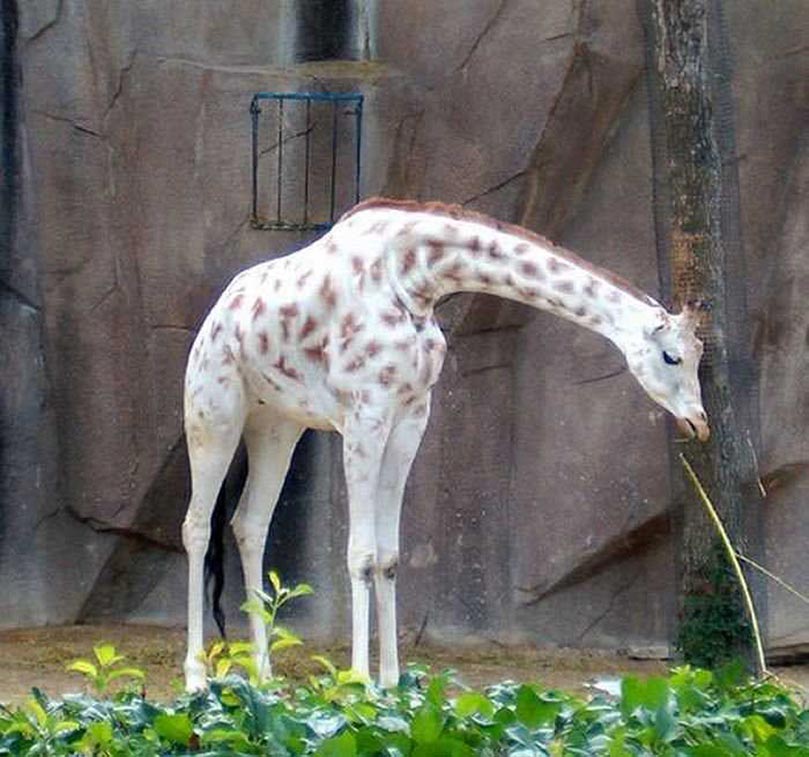
rare albino giraffe
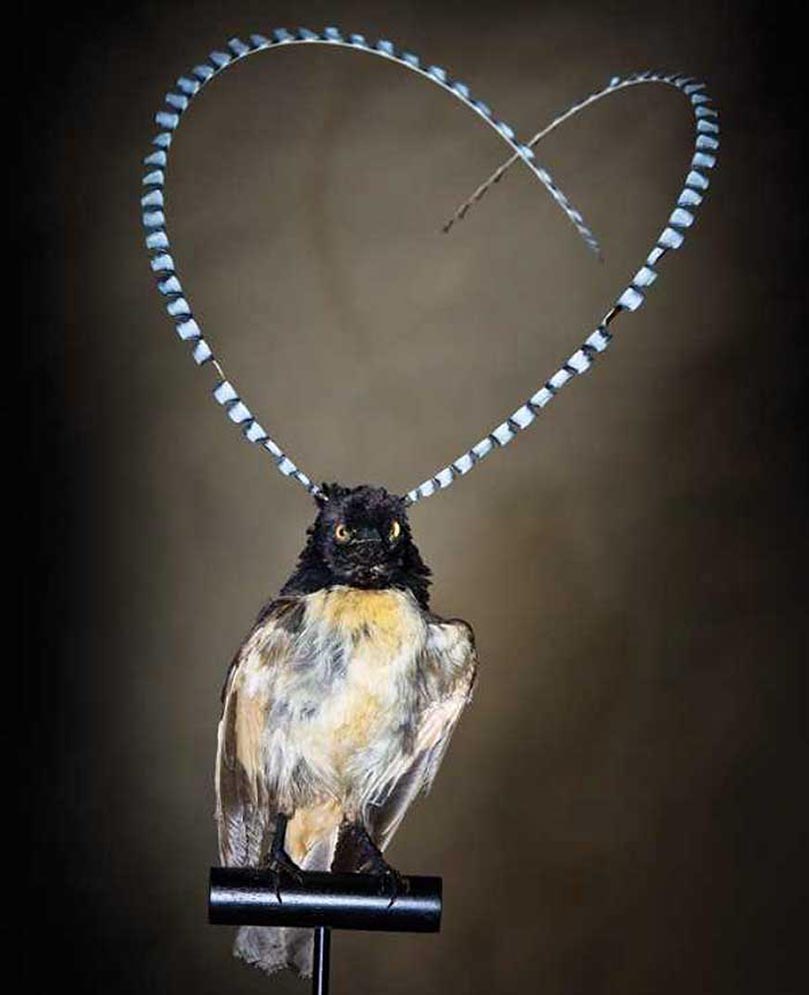
King of Saxony bird of paradise
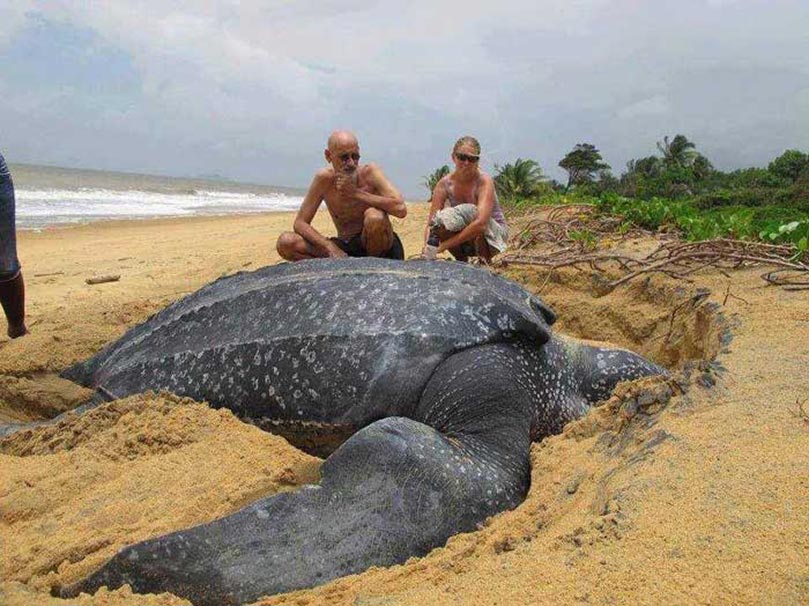
The Leatherback Sea Turtle is the largest turtle in the world, weighing approximately 900kg. Contrary to appearance, the leatherback doesn\
t actually have a shell. What looks like a shell is in fact a leathery skin supported by small bones. This gives it a flexibility that a solid shell would not provide, allowing it to dive to astonishing depths.'
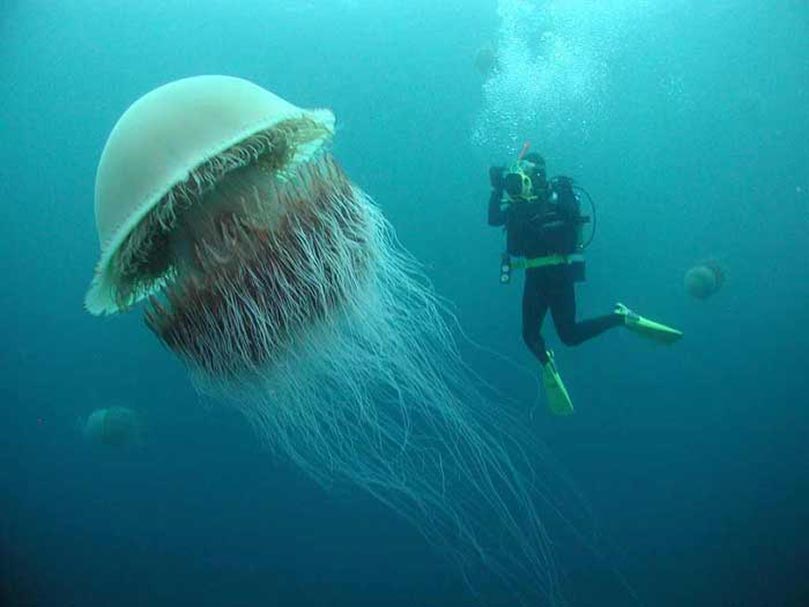
The Lions Mane Jellyfish is the largest jellyfish in the world. They have been swimming in arctic waters since before the dinosaurs (over 650 million years ago) and are among some of the oldest surviving species in the world.The bell can grow up to 8 feet in diameter with hundreds of tentacles up to 120 feet long. Remarkably, only 6% of the jellyfish is solid matter; the rest is water.
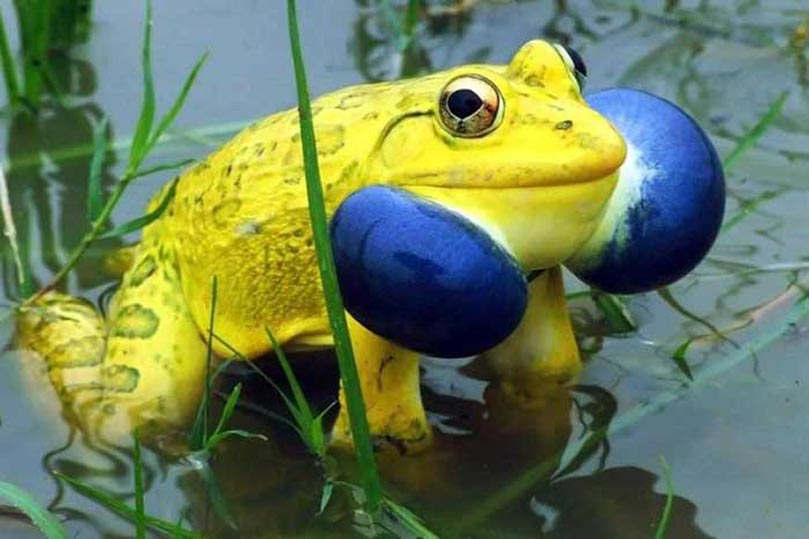
Found in Myanmar, Bangladesh, Pakistan and of course India.The Indian bullfrog is renowned for its large size (some can be up to 15cm in length!) and dramatic coloring.
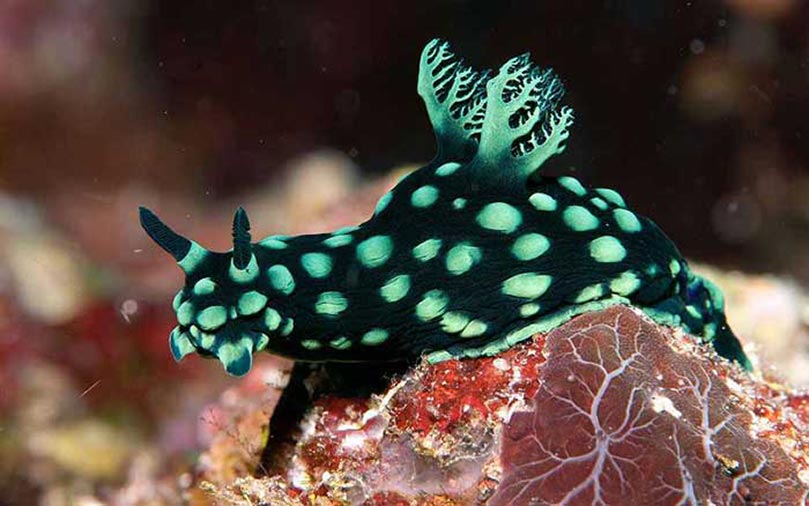
This is Nembrotha cristata, a colourful sea-slug found in the tropical Indo-West Pacific Ocean. They grow to about 50mm in length and have black bodies with a strange luminous green \"trim.\" Like most nudibranchs, they deliver a painful sting. They do not produce the stinging cells themselves but incorporate them into their own tissues from their prey, stinging jellyfish.
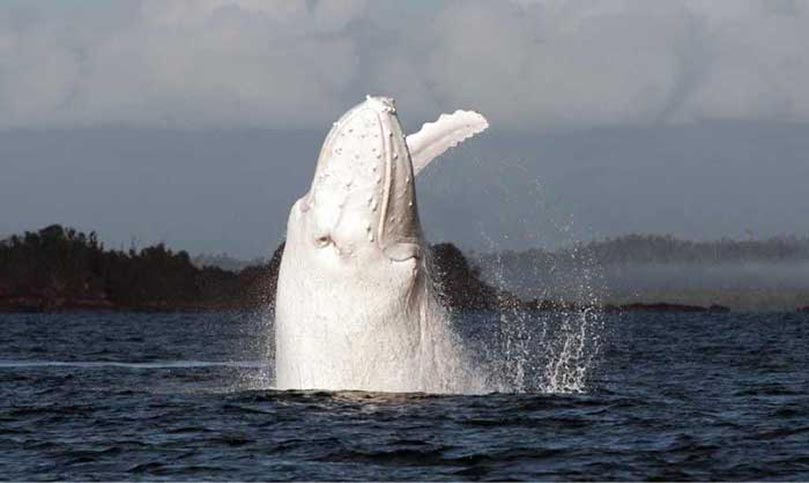
One of the few albino whales on earth
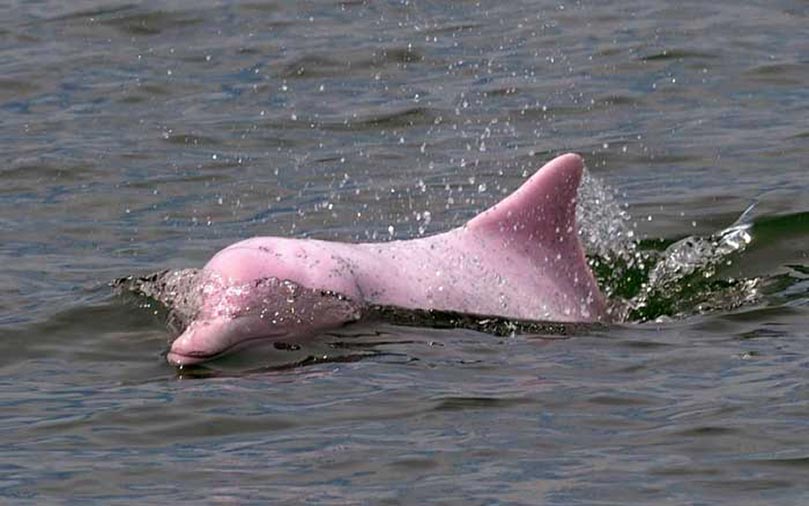
Pink Bottlenose Dolphin
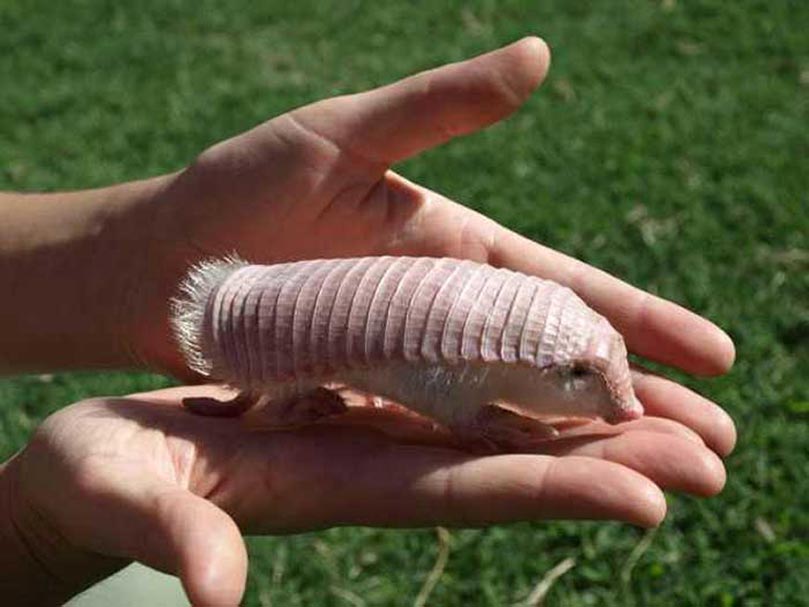
Pink fairy armadillo
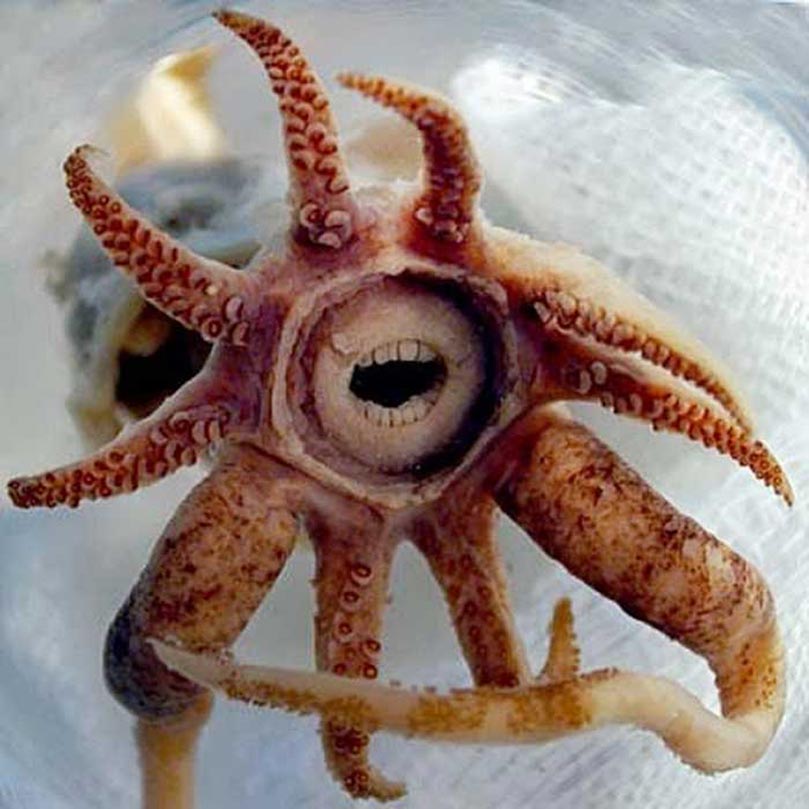
Meet Promachoteuthis sulcus, a bizarre creatur with human looking teeth. They\
re actually just flaps of skin, but they\'re still a little unnerving! It\'s a species of promachoteuthid squid and only one specimen has been found to date.'
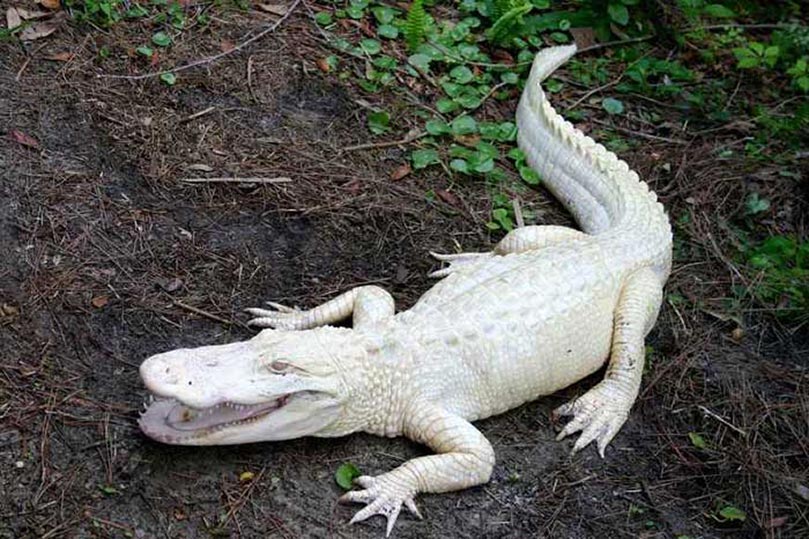
Albino Alligator
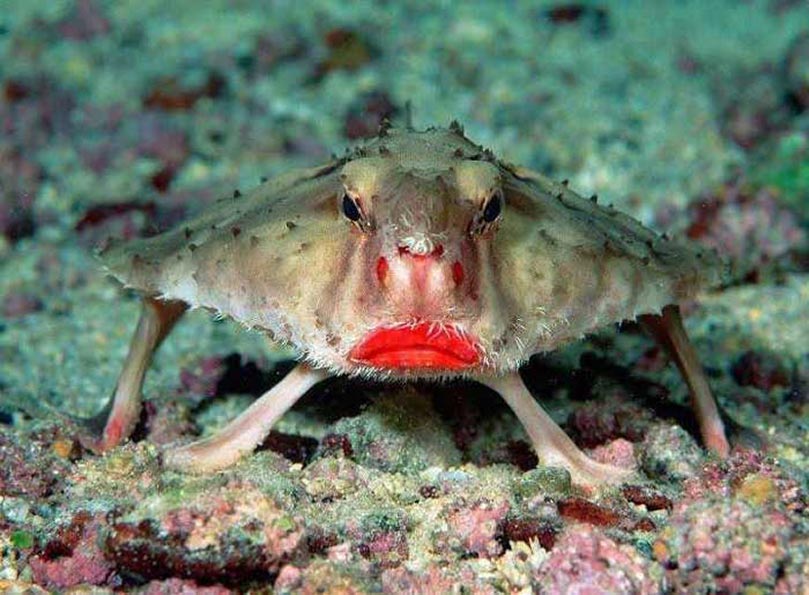
Red-Lipped Batfish
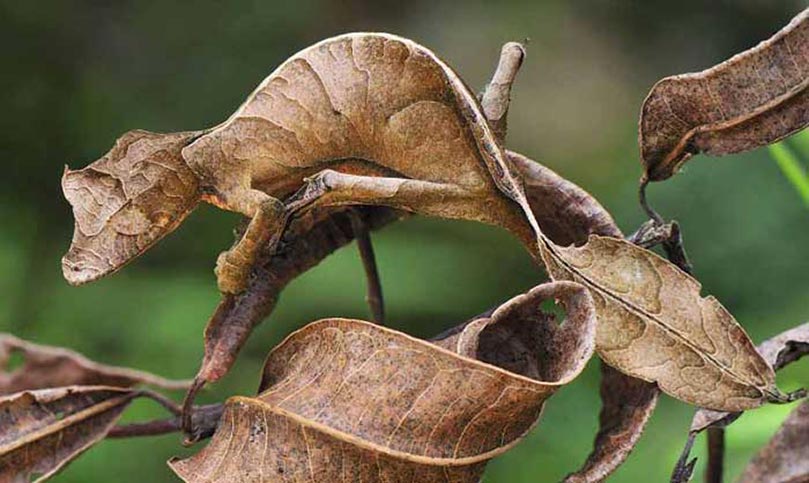
Leaf Tailed Gecko
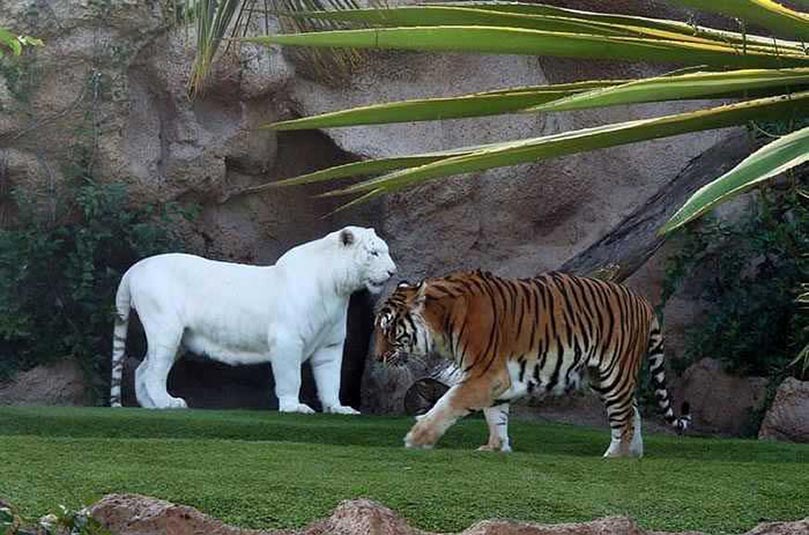
Albino Tiger
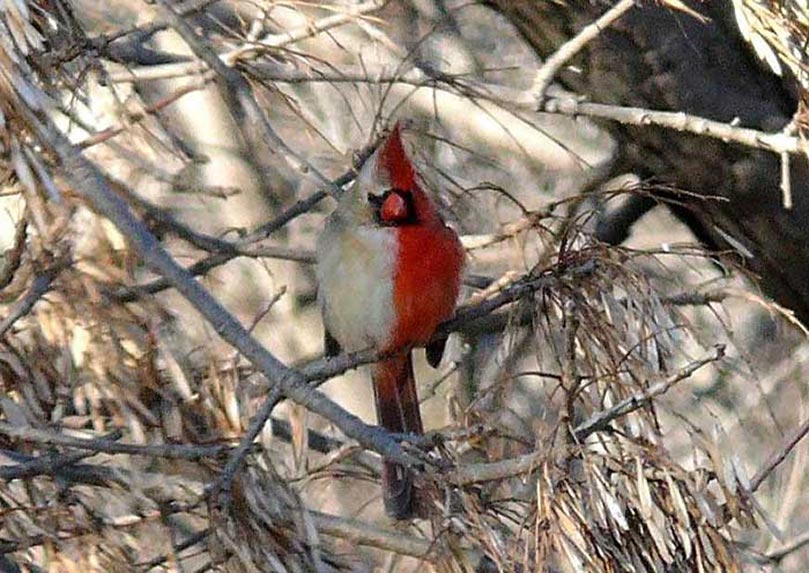
This is a cardinal \"gynandromorph\" – an animal that exhibits both female and male sexual characteristics. As different sexes are differently coloured, each half of the bird is a different shade.
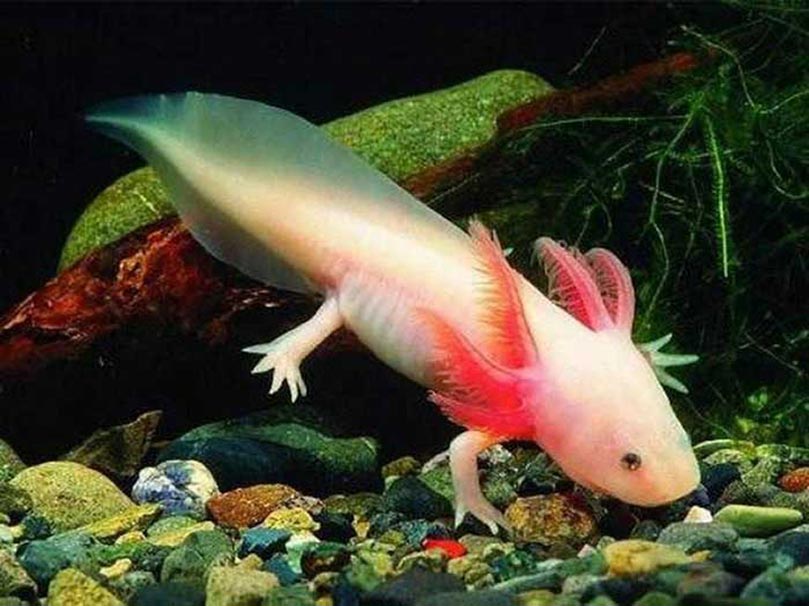
\"Walking fish\" is a pretty general term used to describe any fish that is able to travel over land. Ironically, the Mexican walking fish isn\
t a fish at all, but an amphibian. It\'s official name is axolotl and as the name suggests, it\'s found in Mexico.'
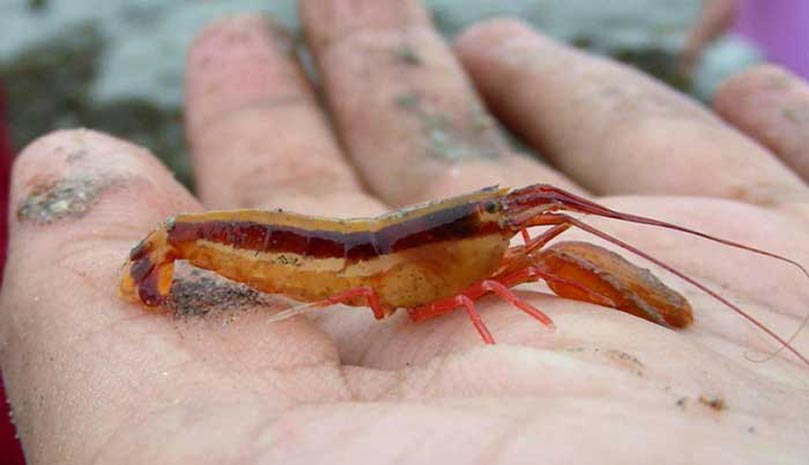
The pistol shrimp is the NOISIEST creature in the ocean. Colonies of them make a distinct snapping noise that overshadows nearly all other sounds throughout the world\
s oceans, including the calls of some whales. In fact, they are so loud, their snapping sounds interfere with military and scientific sonar '
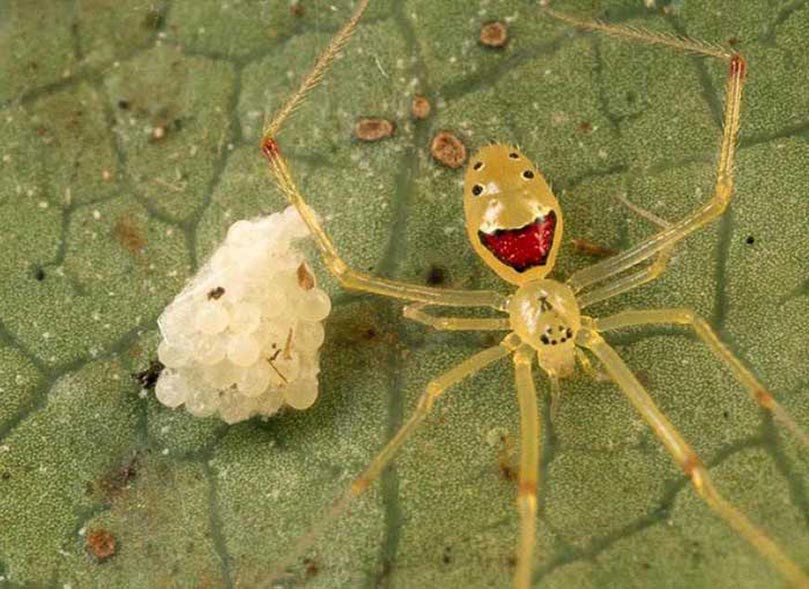
Theridion grallator – the happy faced spider
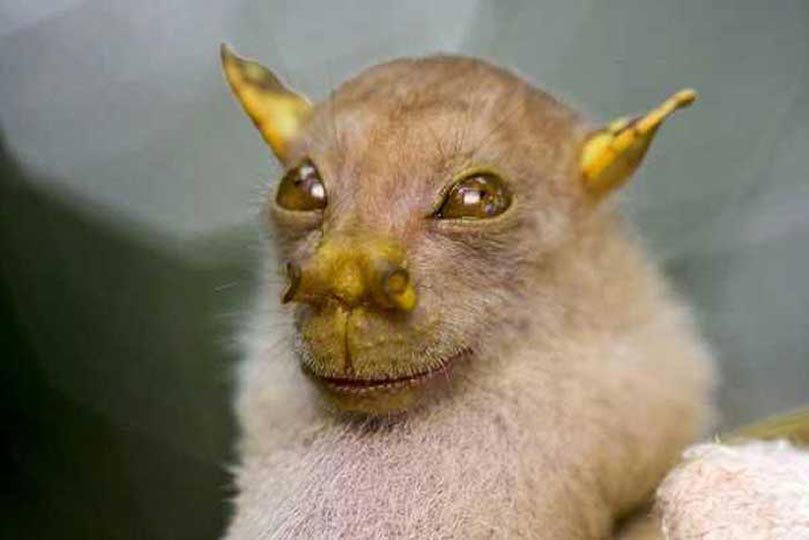
Tube-nosed fruit bat. This creature was found just a few years ago, and doesn\
t even have an official name yet.'
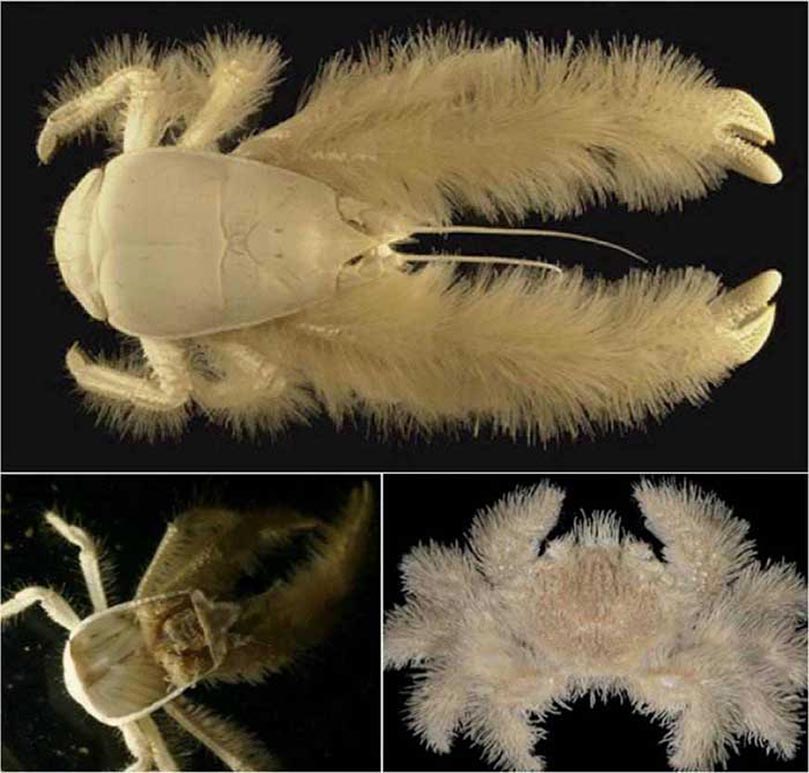
This is the yeti crab (Kiwa hirsuta). Only discovered in 2005, the yeti crab lives in the South Pacific Ocean and grows to around 15cm long. Discovered at a depth of 2,200 metres (7,200 ft), it lives on hydrothermal vents. Based on both morphology and molecular data, the organism was deemed to form a new biological family, which was named Kiwaidae.
}
];
transitionSpeed:150});