
Ganesha Chaturthi 2015
September 17, 2015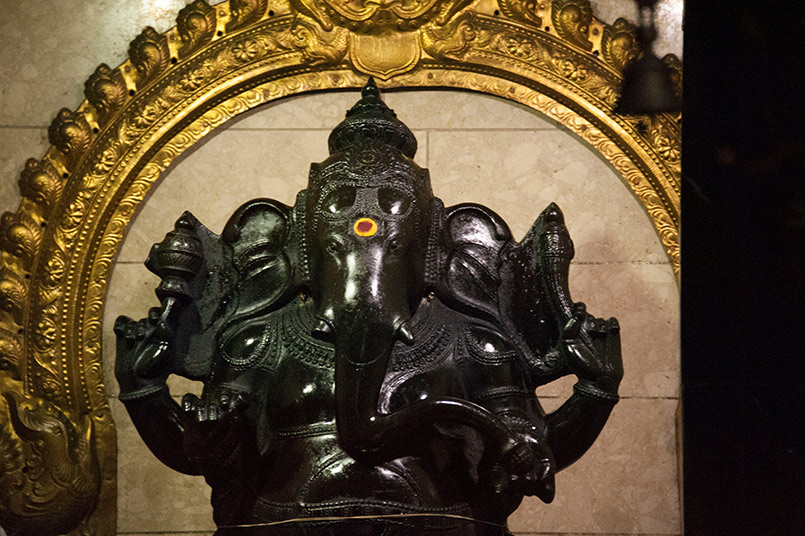
Jai Ganapati! The monks and island members celebrated the auspicious festival for Ganesha: Ganesha Chaturthi! "During Ganesha Chaturthi, a ten-day festival in August/September, elaborate puja ceremonies are held in Hindu temples around the world honoring Ganesha, the benevolent, elephant-faced Lord of Obstacles. In millions of home shrines, worship is also offered to a clay image of Ganesha that the family makes or obtains. At the end of ten days, Hindus join in a grand parade, called visarjana in Sanskrit, to a river, temple tank, lake or seashore, where His image is ceremonially immersed, symbolizing Ganesha's merging into universal consciousness." Quotes sourced from the Himalayan Academy festival PDF. Download at This Page.
Lord Ganesha is ready. Let the abhishekam begin! \"Perennially happy, playful, unperturbed and wise, this rotund Deity removes obstacles to good endeavors and obstructs negative ventures, thus guiding and protecting the lives of devotees. He is the patron of art and science, the God inhabiting all entryways, the gatekeeper who blesses all beginnings.\"
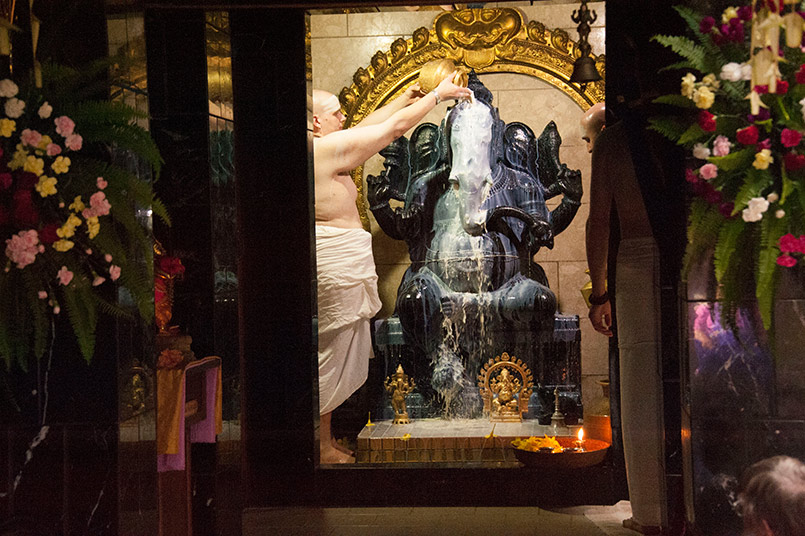
Natyam Nandinatha performs this years Chaturthi puja. Milk is offered as the monks begin chanting Sri Rudram. \"When initiating anything--whether learning, business, weddings, travel, building and more--Hindus seek His grace for success. He is undoubtedly the most endearing, popular and widely worshiped of all the Hindu Deities.\"
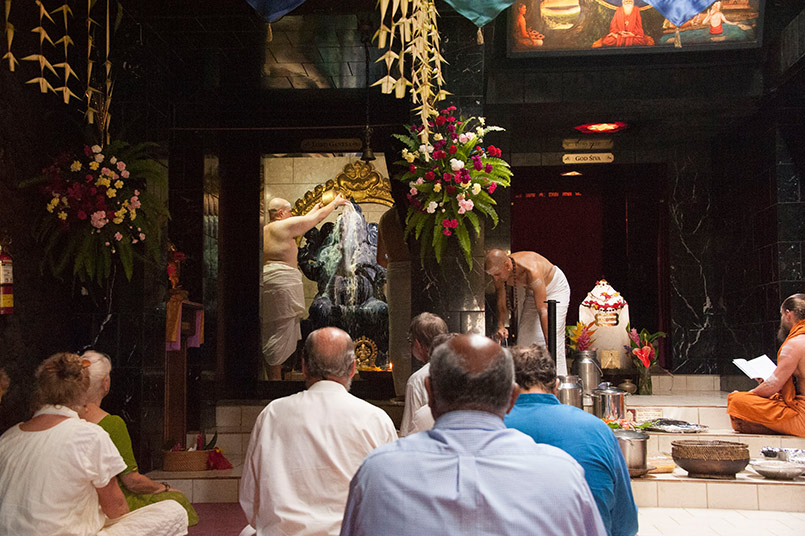
\"Ganesha Chaturthi (also called Vinayaka Chaturthi) falls on the fourth day in the waxing fortnight of the month of Bhadrapada in the sacred Hindu lunar calendar, which translates to a certain day in August-September. It is essentially a birthday celebrating Ganesha\
s divine appearance. \"'
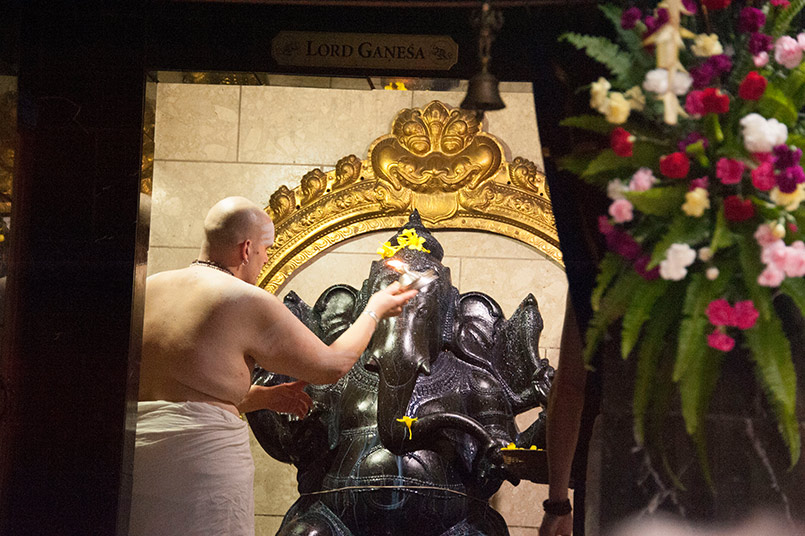
\"Devotees often fashion or purchase a Ganesha statue out of unbaked clay. Many sculpt Him out of a special mixture of turmeric, sandalwood paste, cow dung, soil from an anthill and palm sugar\"
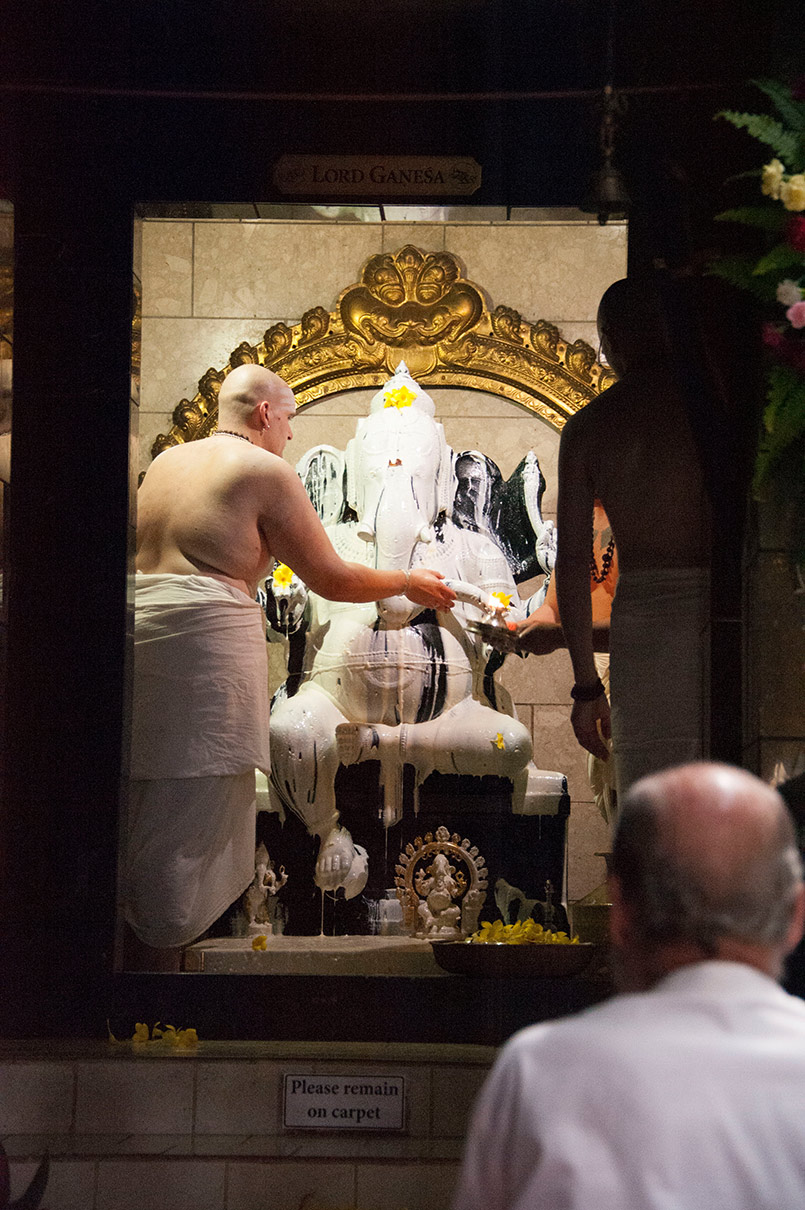
Yogurt covers Ganesha giving him another form completely. \"The Deity image is placed in the home shrine amongst traditional decorations. A rite of worship and prayer, called puja, is conducted daily, invoking the energies of the Deity and inviting Him to reside in the clay image. \"
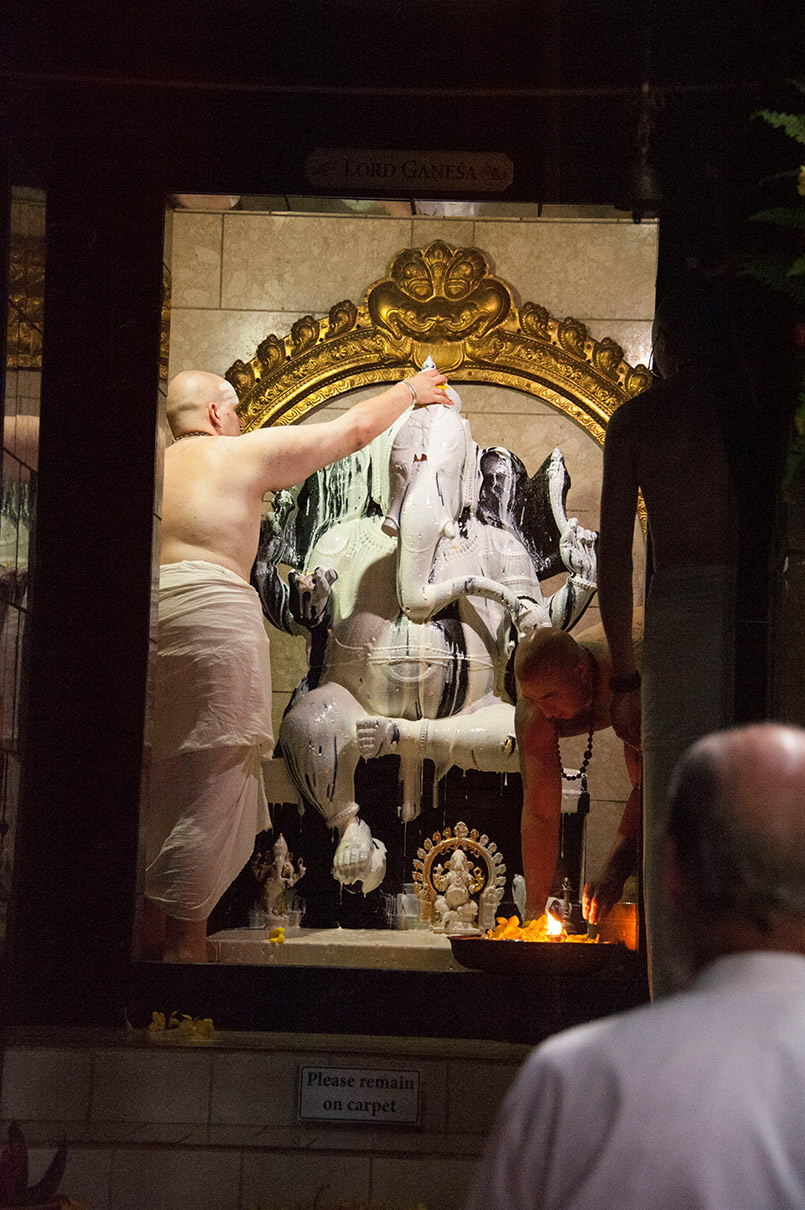
\"Mantras are chanted and offerings are made throughout the puja, including incense, lighted lamps, cooked food (naivedya), fruits, durva grass, tulasi and pomegranate leaves--and fl owers, especially red ones. After ten days, a simple puja is performed before the statue is taken for a formal departure (visarjana). \"
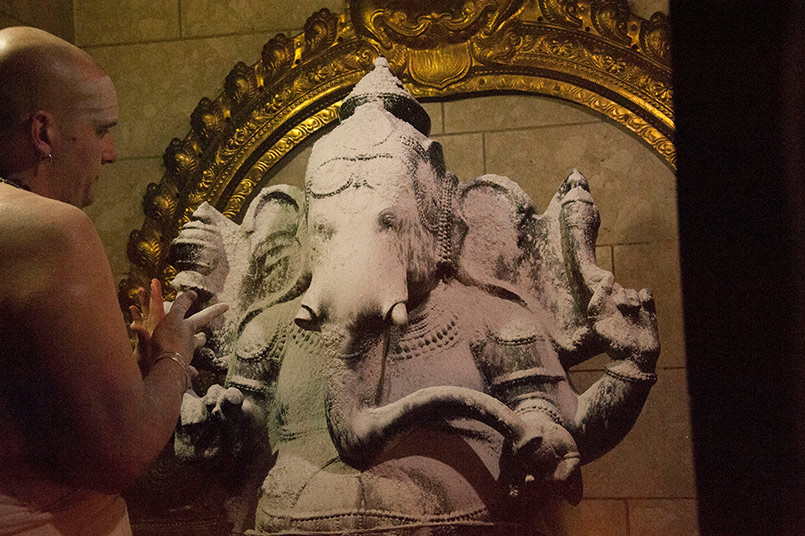
Vibhuti is shaken and dusted all over Ganesha. \"Often entire communities, from dozens to tens of thousands of devotees, gather each year for this fi nal day of ceremony. The icons are carried on an ornate metal tray--larger images are borne on a palanquin by several strong men--to a lake, a river or the sea. There Ganesha is consigned to the water after removing non-degradable paraphernalia. \"
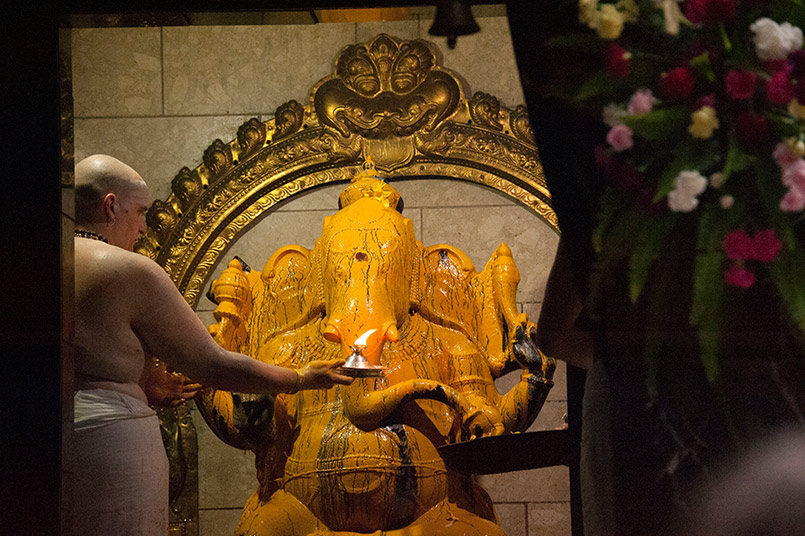
Sandalwood. \"Sumptuous foods are specially prepared for Ganesha, keeping in mind His elephantine nature and prodigious appetite. People offer several varieties of fruits such as mangos, bananas and sugarcane. Sweets are the elephantheaded Deity\
s delight, so to express their love families take great pains to make special tasty treats. Each family has its recipes. \"'
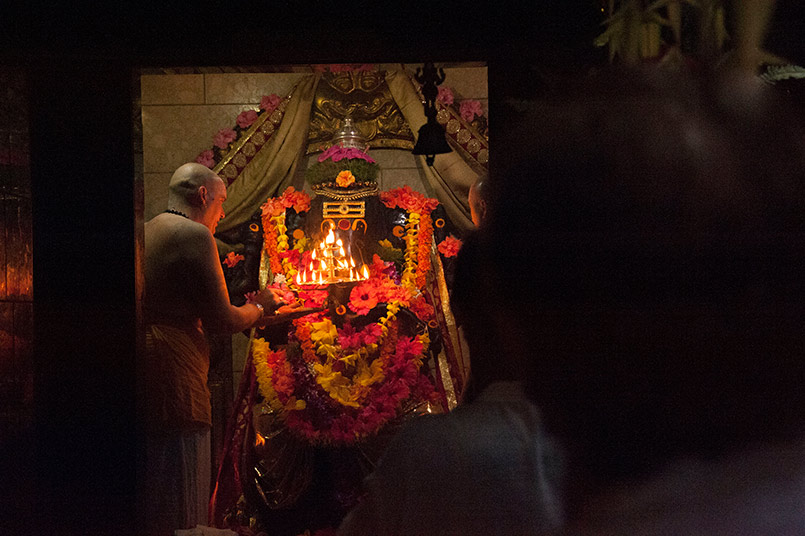
Final arati. The vibration from Ganapati is soft and slow. No rush, sit for awhile. Ganesha is known to work with the devotee\
s karma, setting the path straight for the future. '
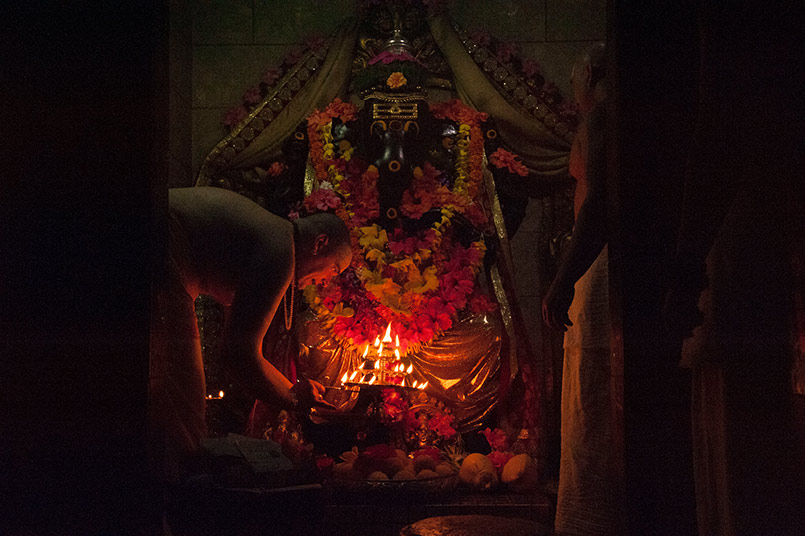
\"Nowhere is Ganesha Chaturthi observed with more creativity and enthusiasm than in Mumbai, India. The city virtually shuts down as millions of Hindus celebrate\"
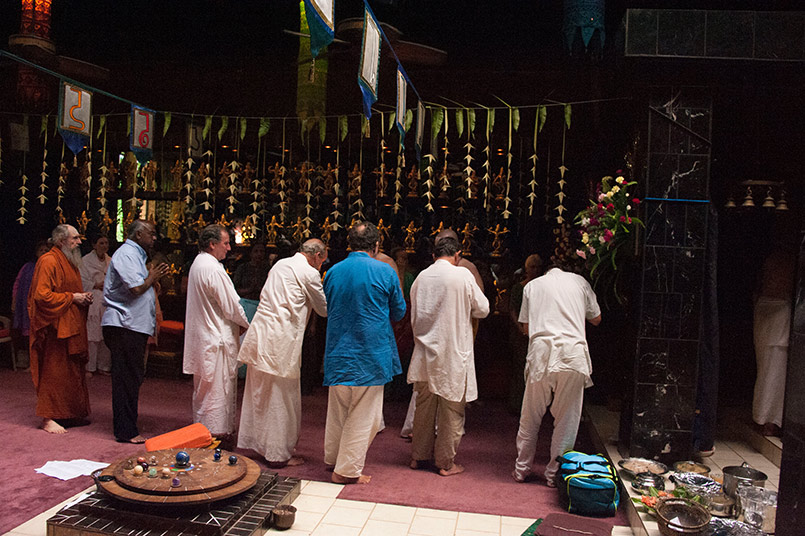
All present take sacrements. \"Why is He Ganesha worshiped fi rst? Lord Brahma declared that any worship conducted without seeking Ganesha\
s blessings would be fruitless. He is considered a loving, playful, protective Deity whose blessings would grace any endeavor. He is therefore ceremonially invoked before weddings, housewarmings, taking an important exam, starting a new business and other important events.\"'
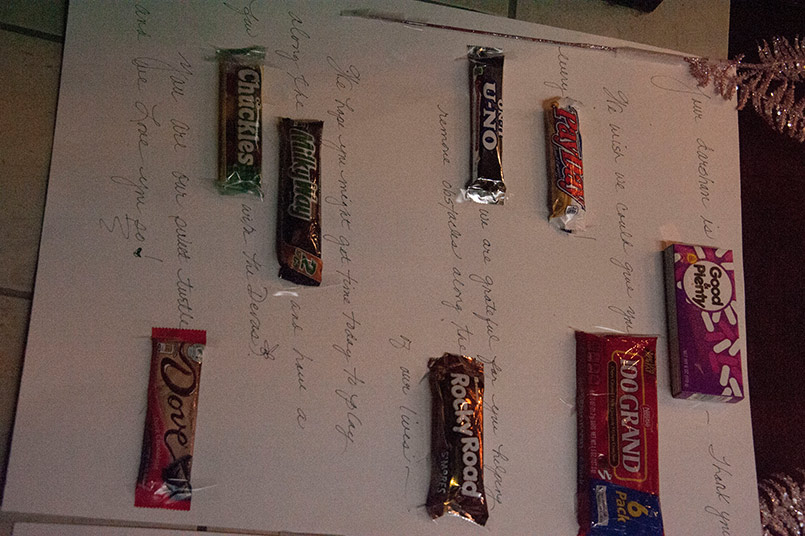
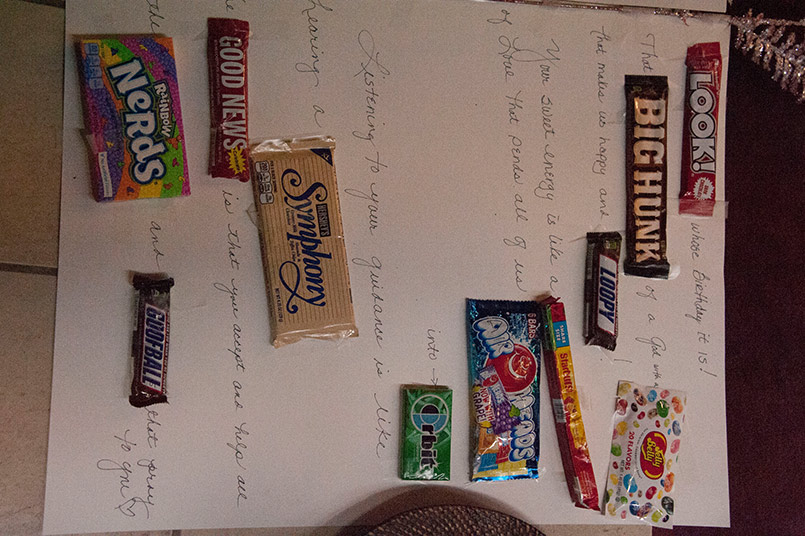
This is a most wonderful offering that came to the temple. It is a story about Ganesha and his grand presence. The name of the candy coincides with that aspect of his nature.
\"What is His mystical work? Lord Ganesha is the God Hindus pray to when changes occur in their lives as they move from old established patterns into new ones. He is always there to steady the minds of devotees and open the proper doors as they evolve and progress\"
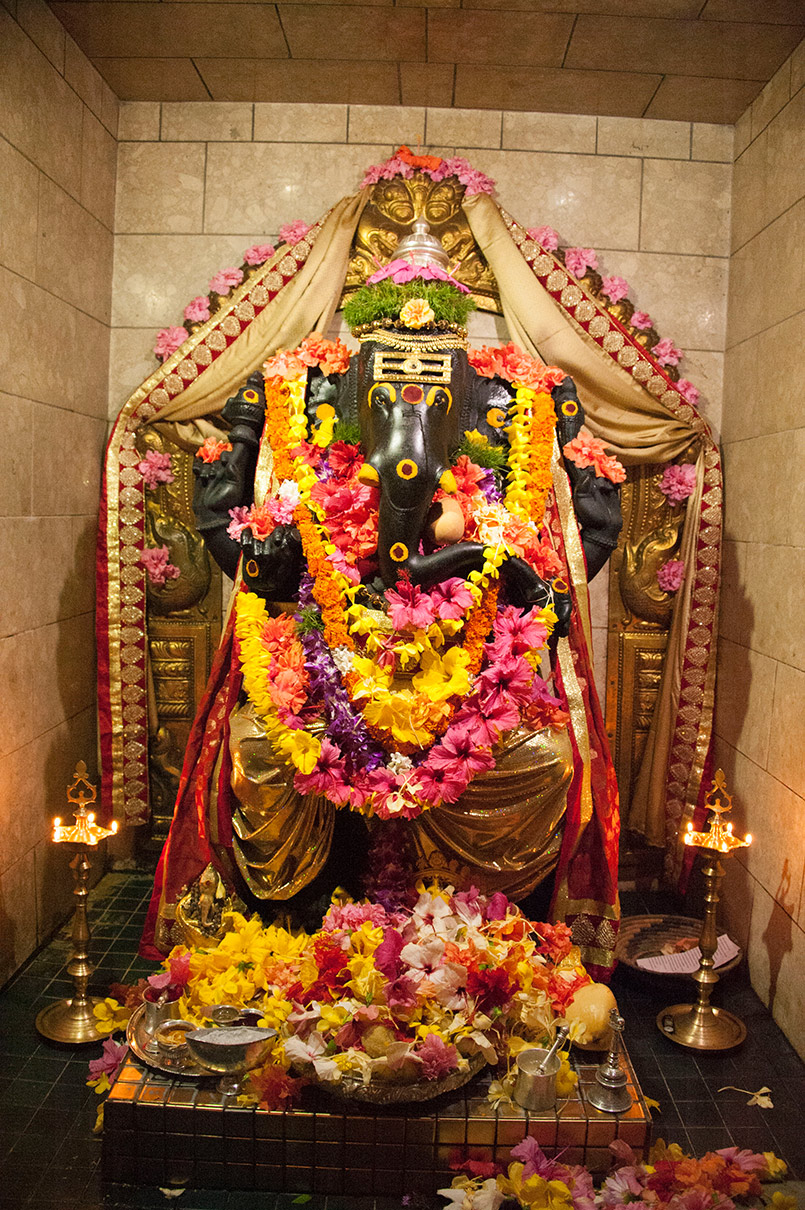
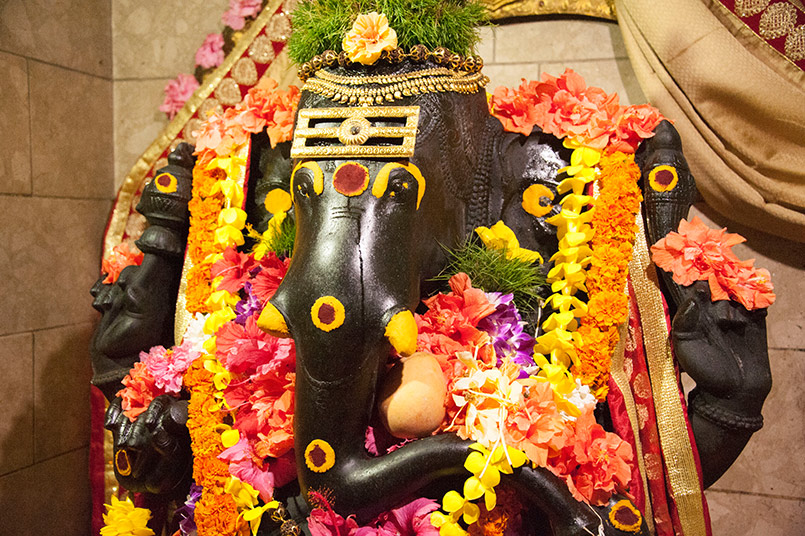
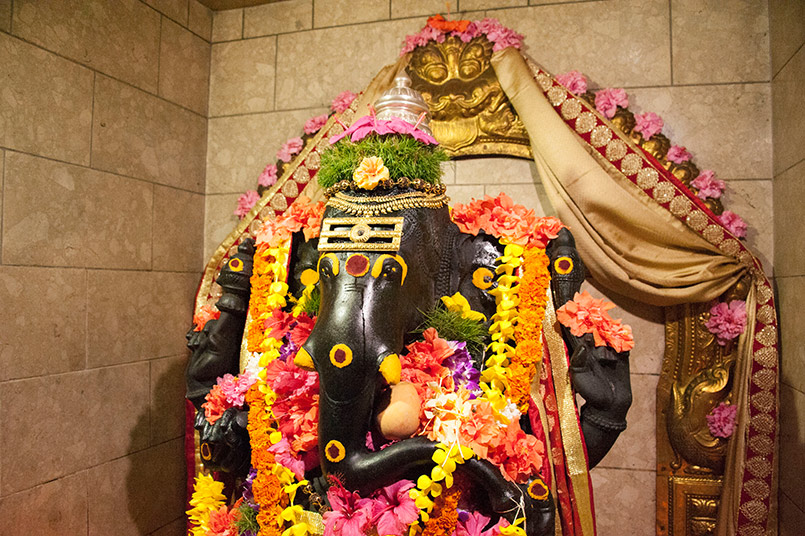
\"What makes Him distinctive? Aside from His unique and endearing elephant head, Ganesha carries an elephant goad to prod us along the right path. He holds a noose to lasso foes of dharma and to draw devotees close when they venture off the spiritual path. His mount is a mouse. His big belly is said to contain the fullness of the cosmos. In His hand is a modaka, fruit or other sweet, symbolic of enlightened attainments. \"
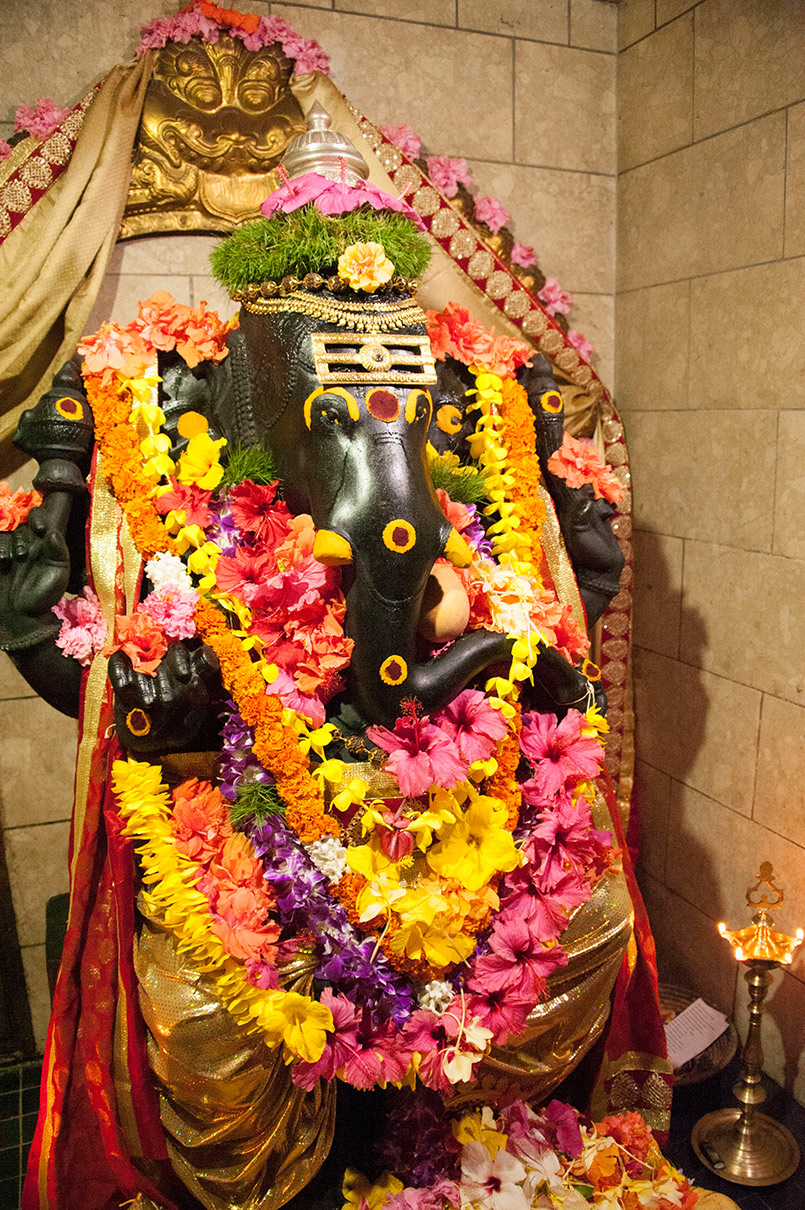
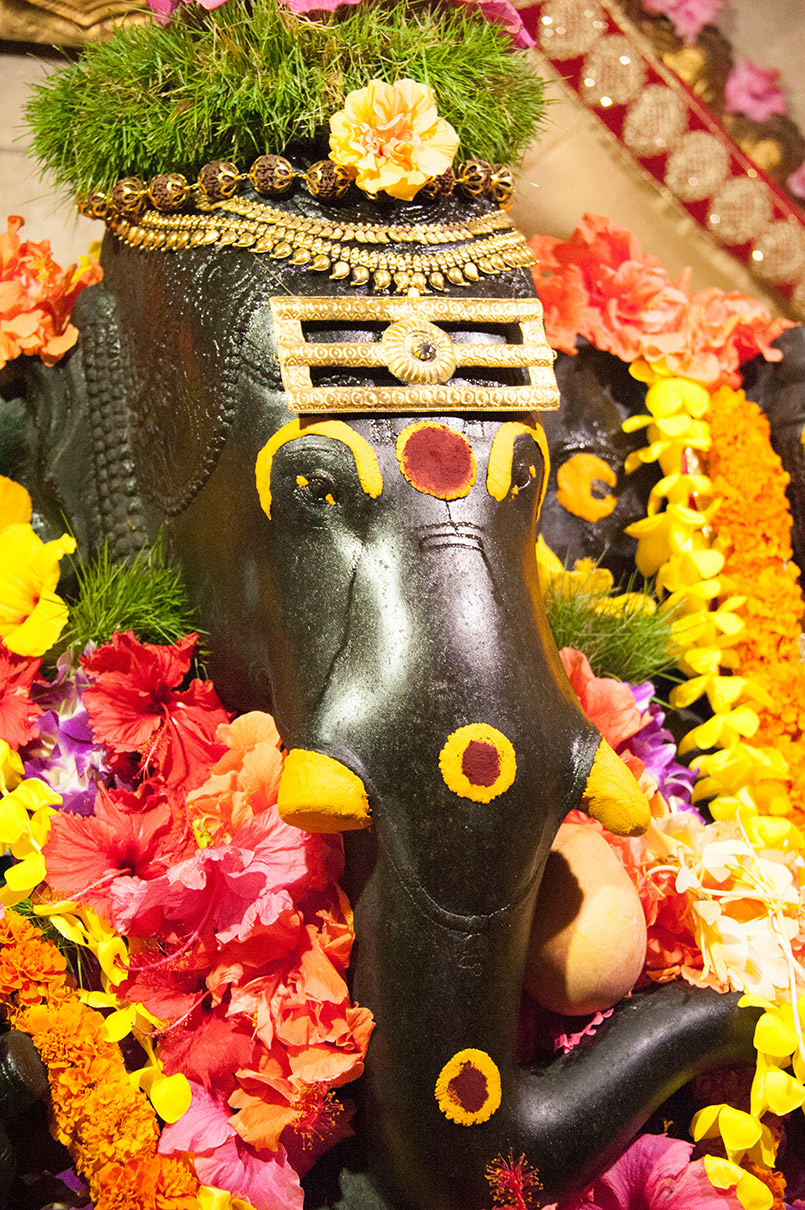
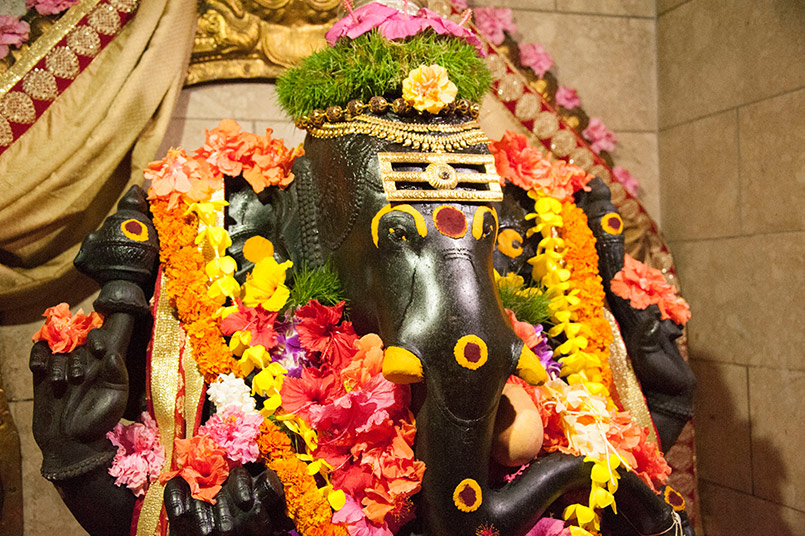
Aum Gam Gaum Ganapataye Namaha
}
];
transitionSpeed:150});