
2018 Mahasamadhi Final Puja
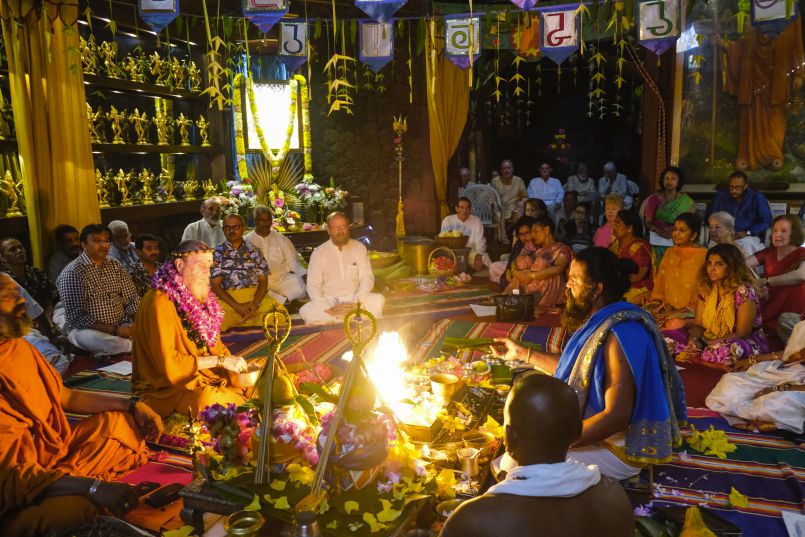
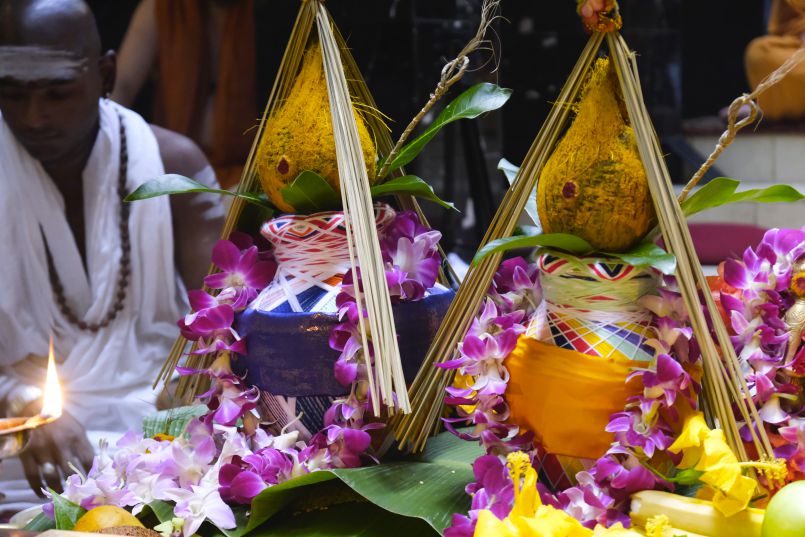
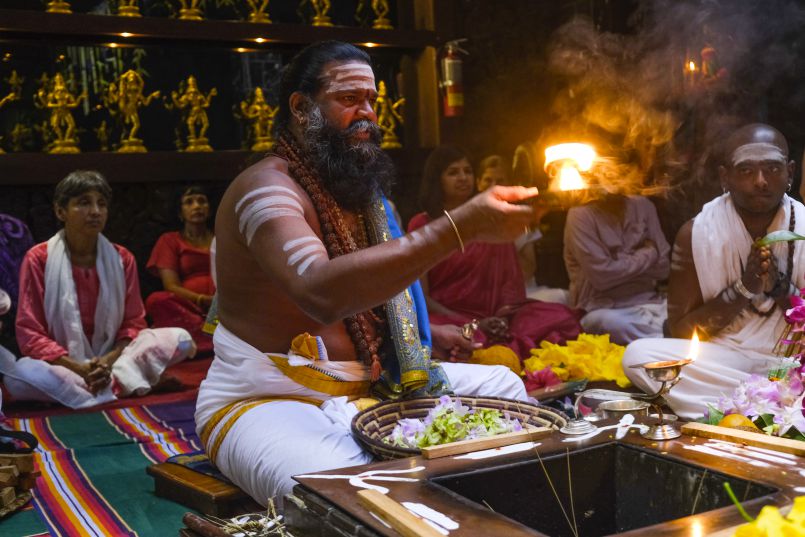
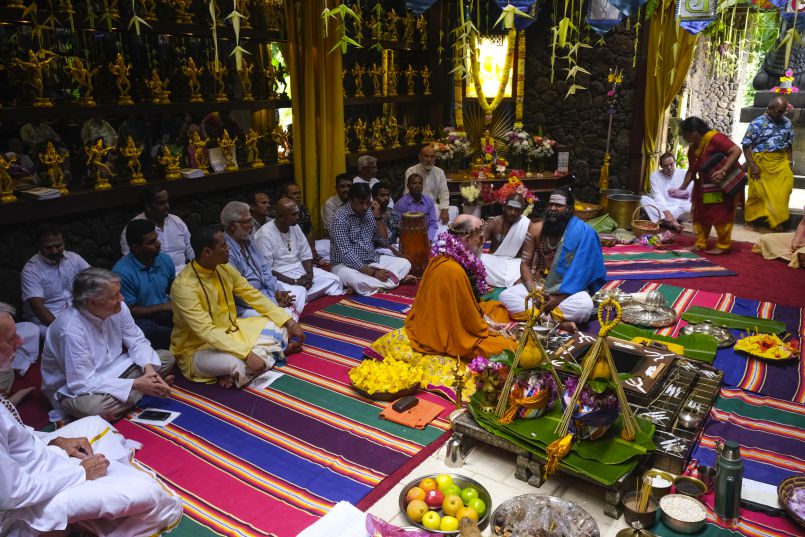
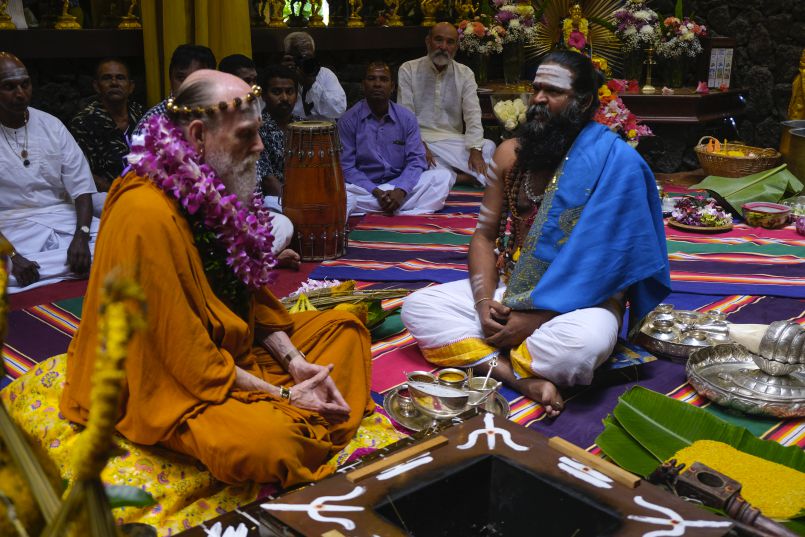
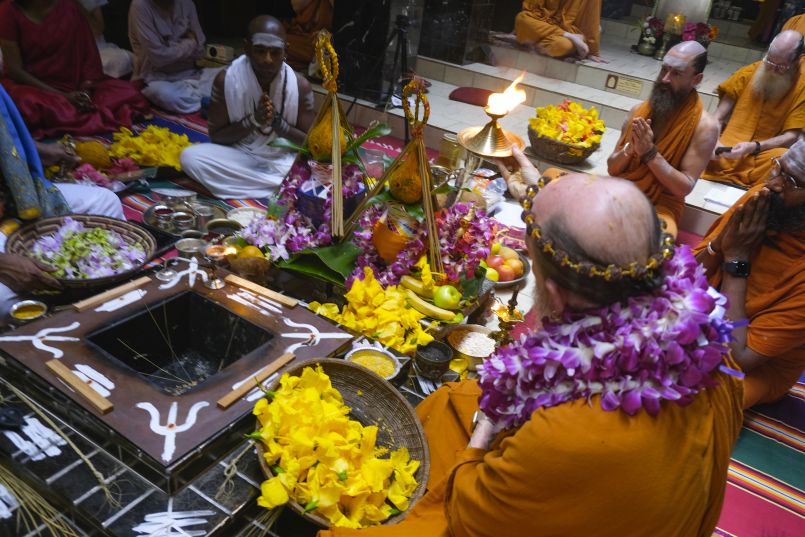
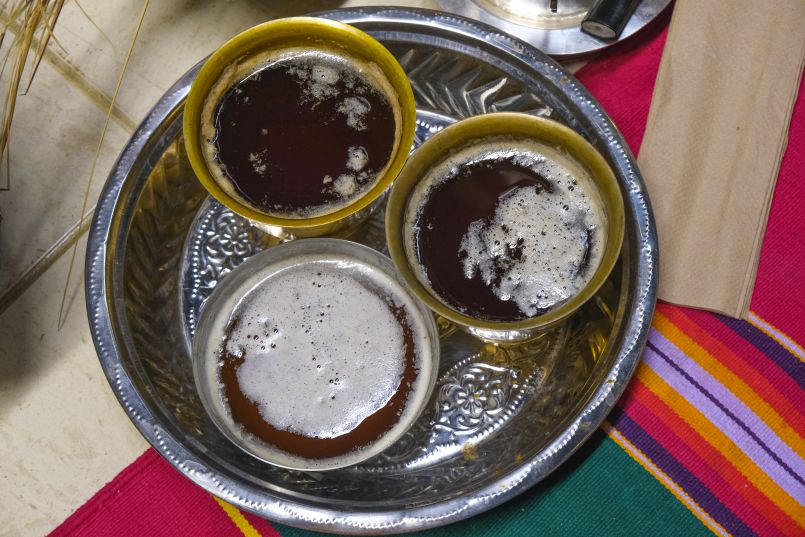
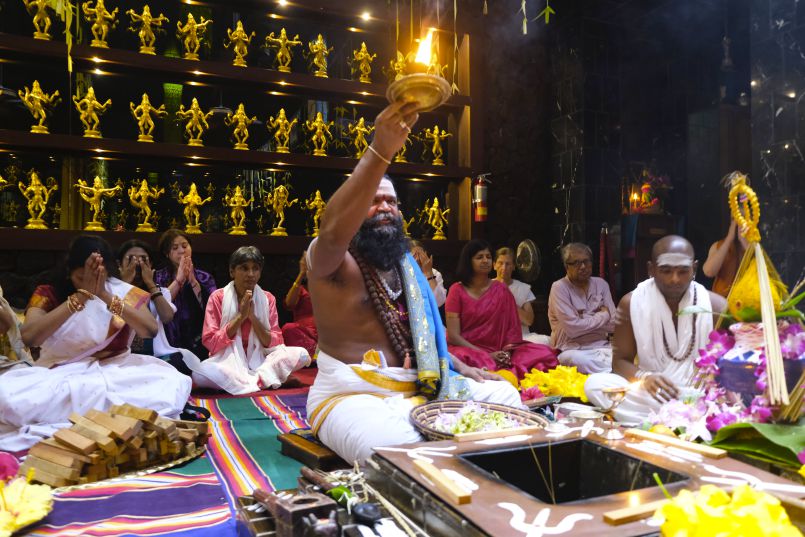
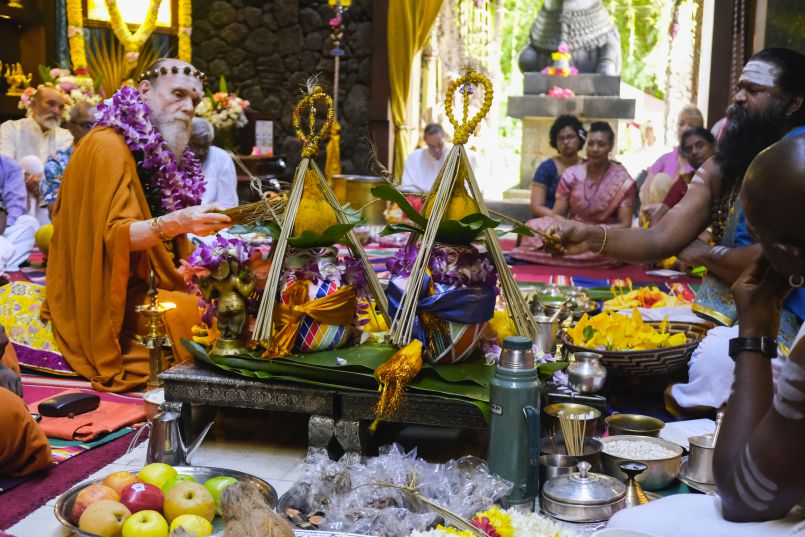
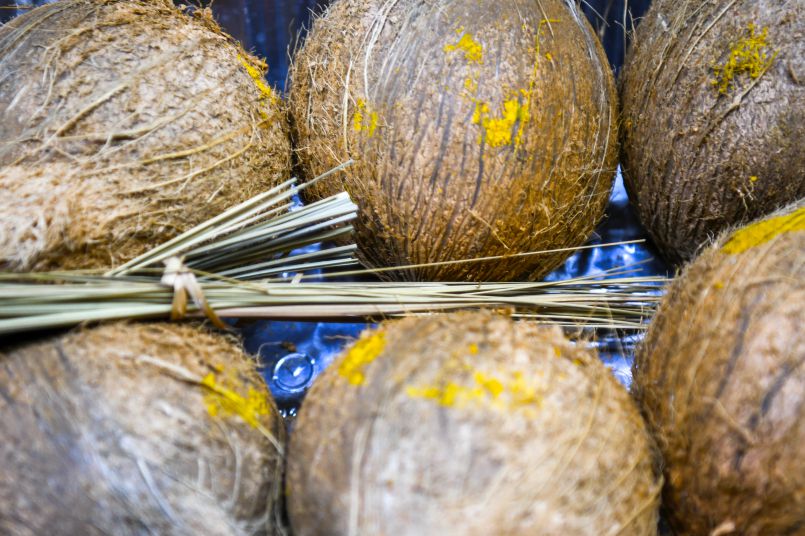
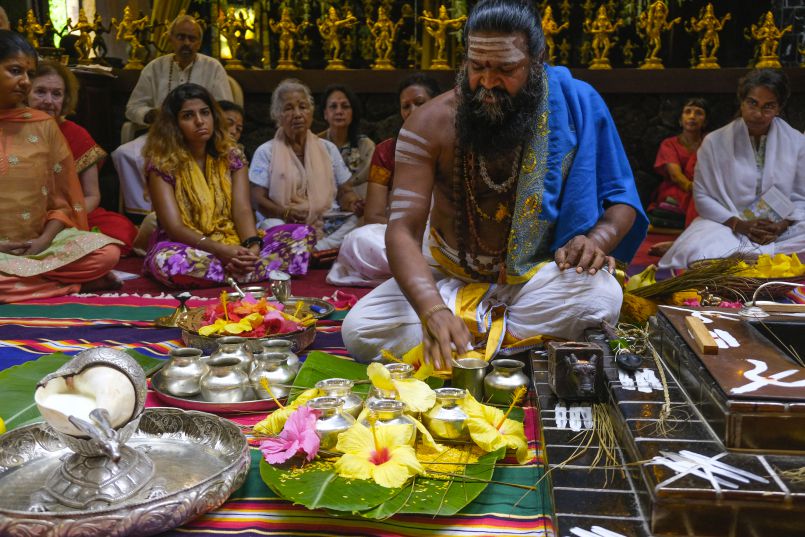
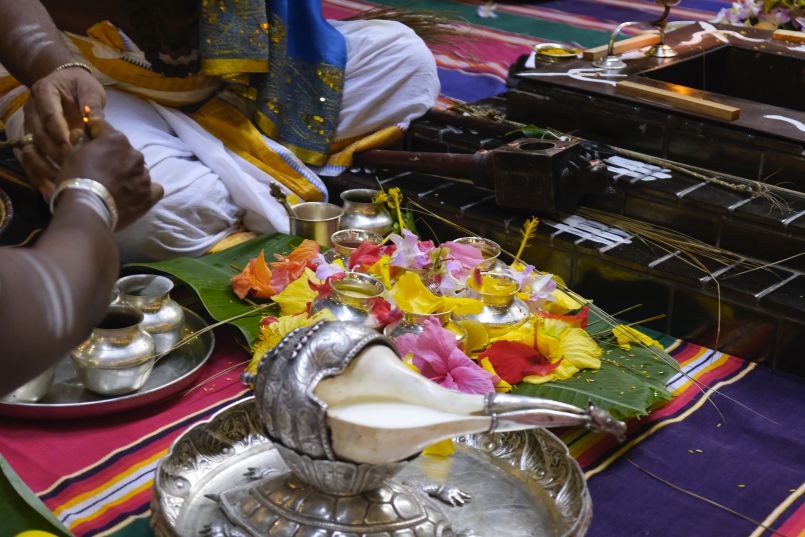
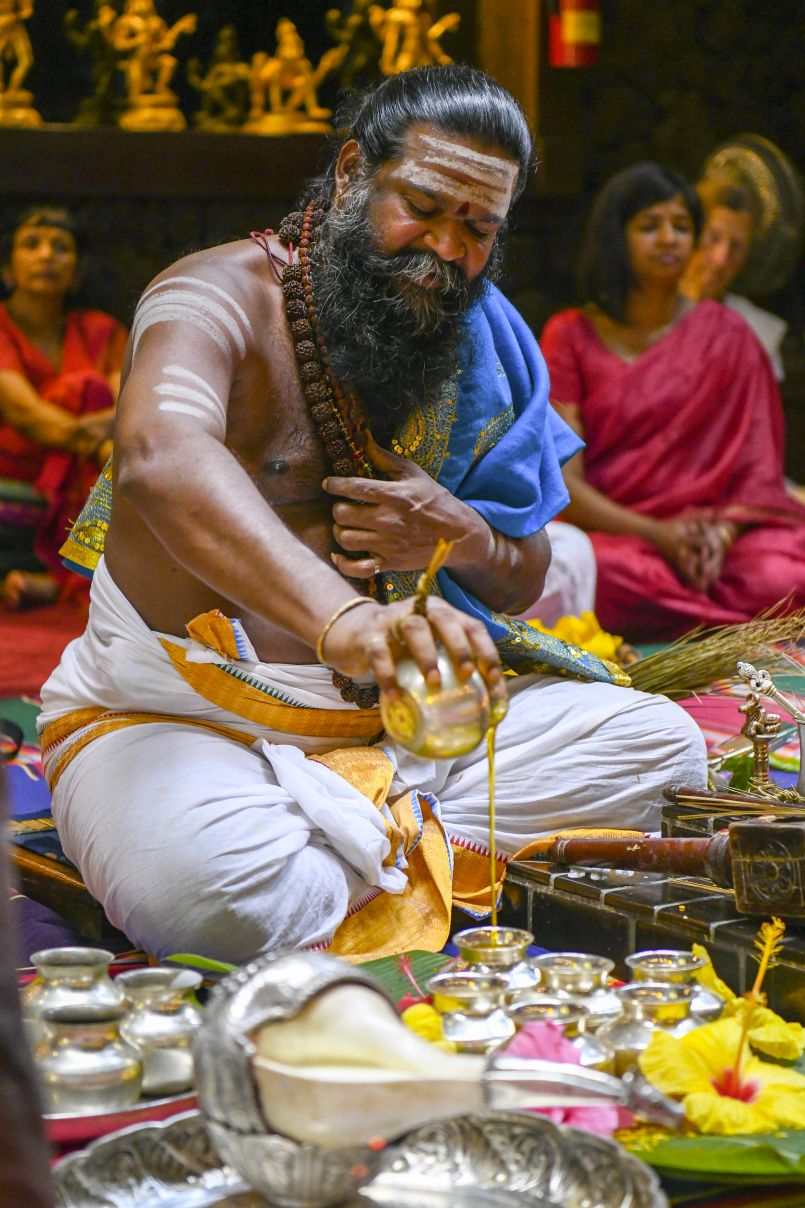
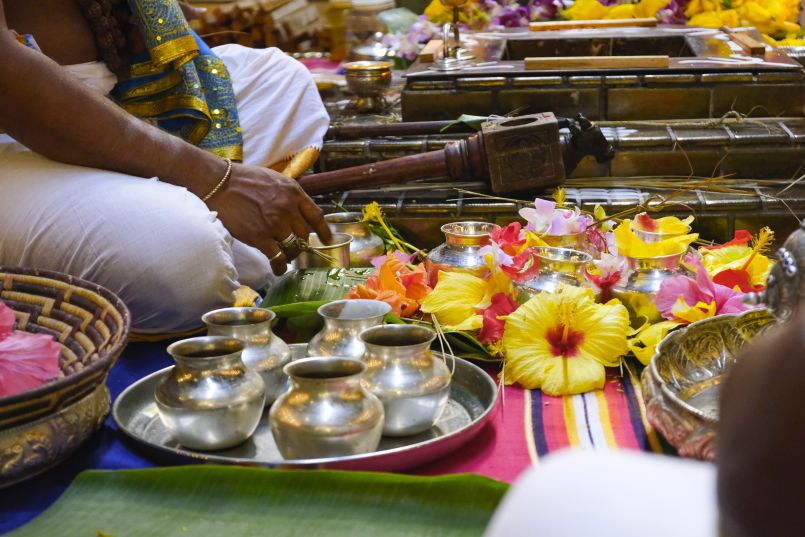
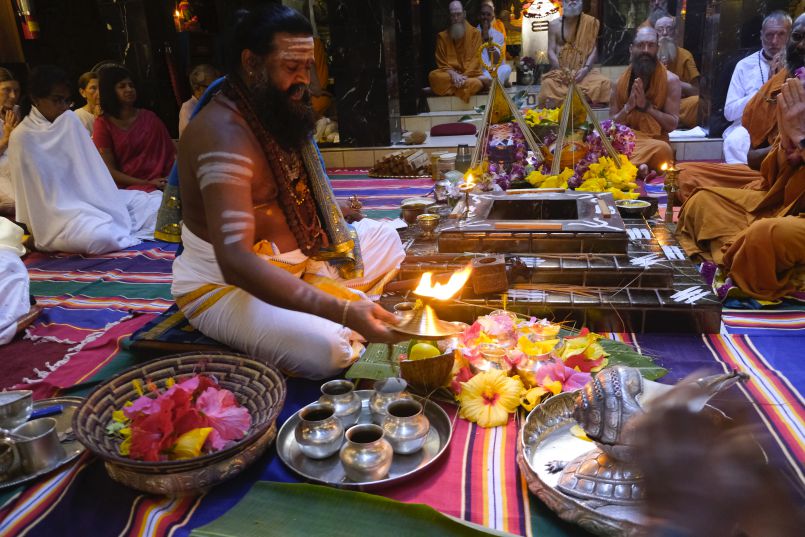
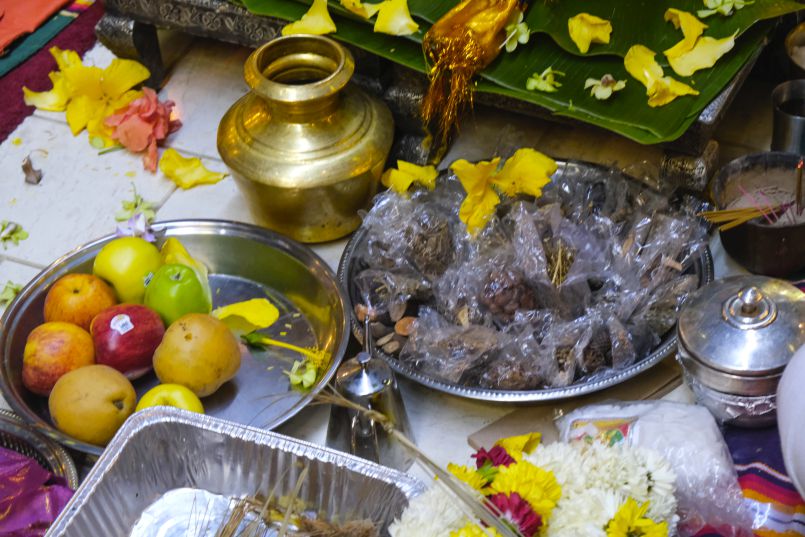
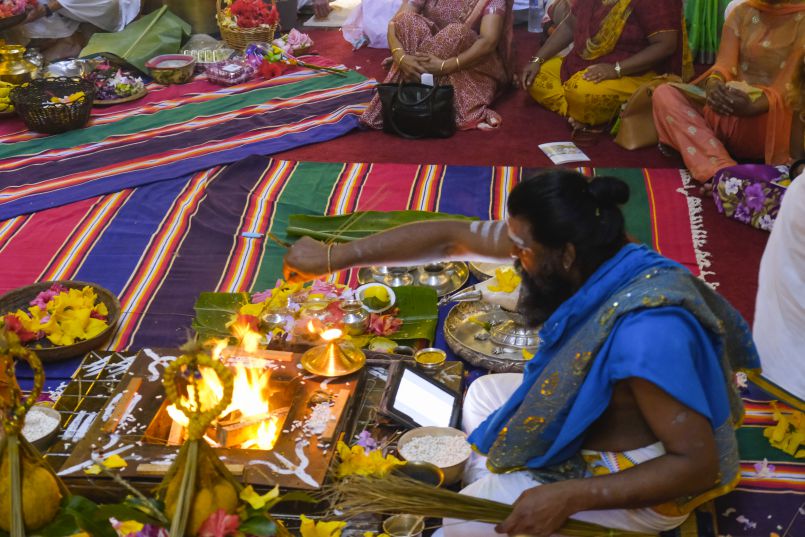
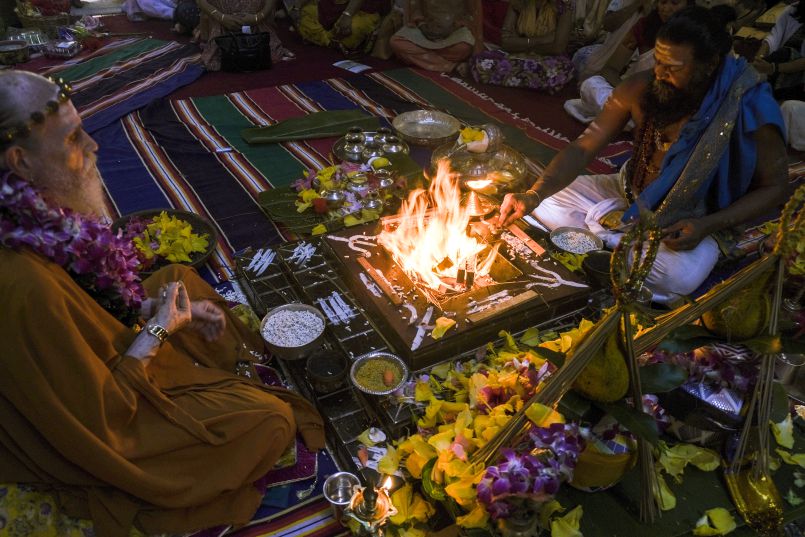
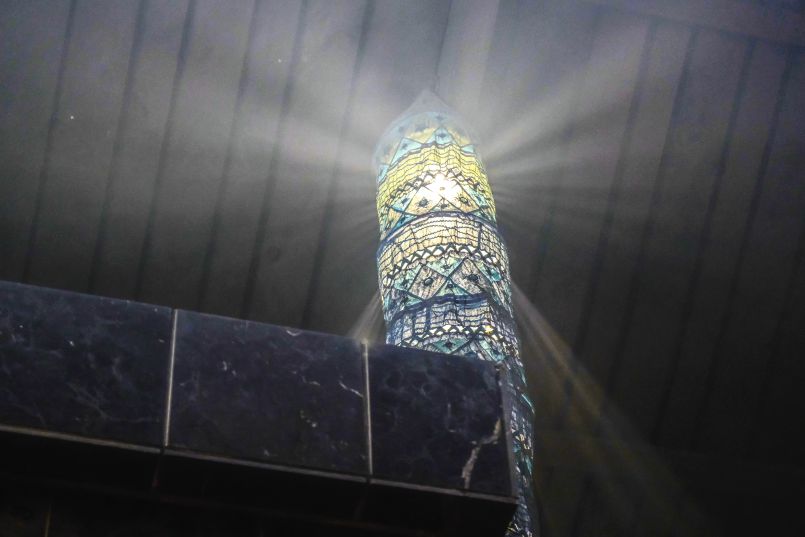
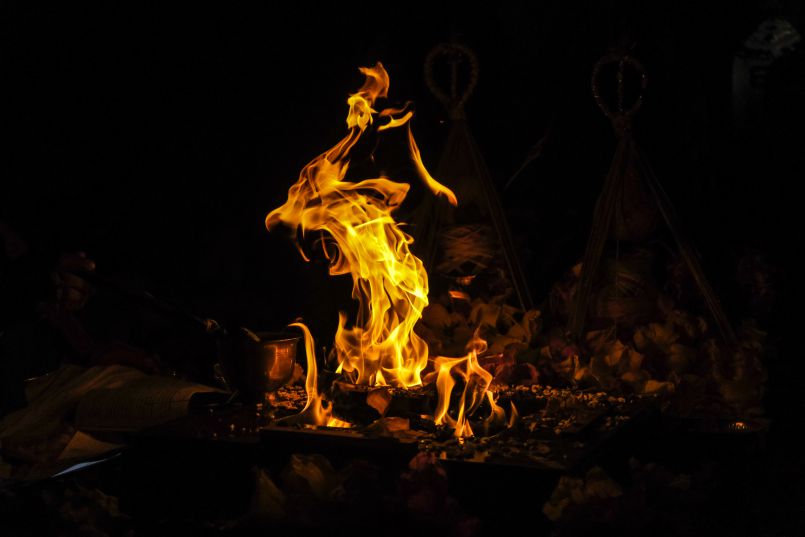
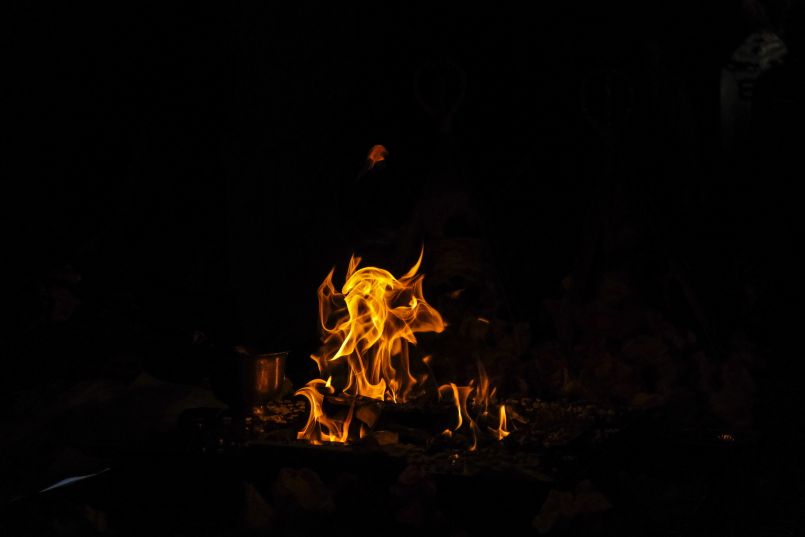
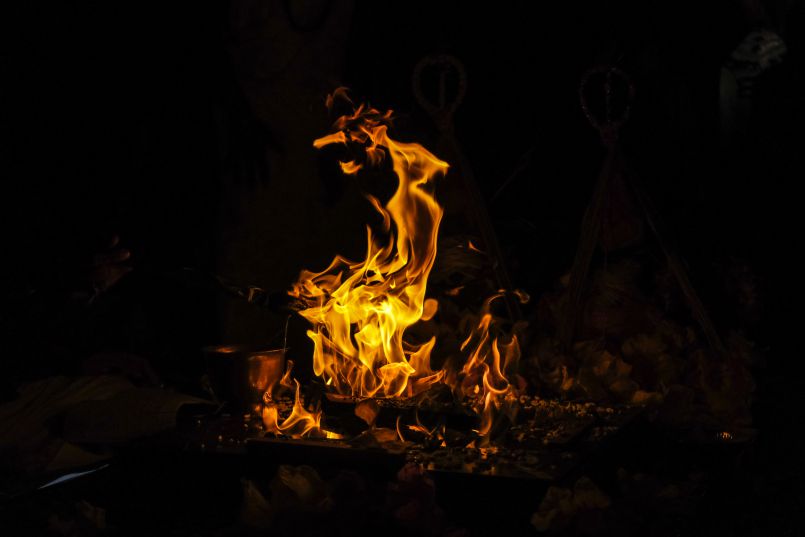
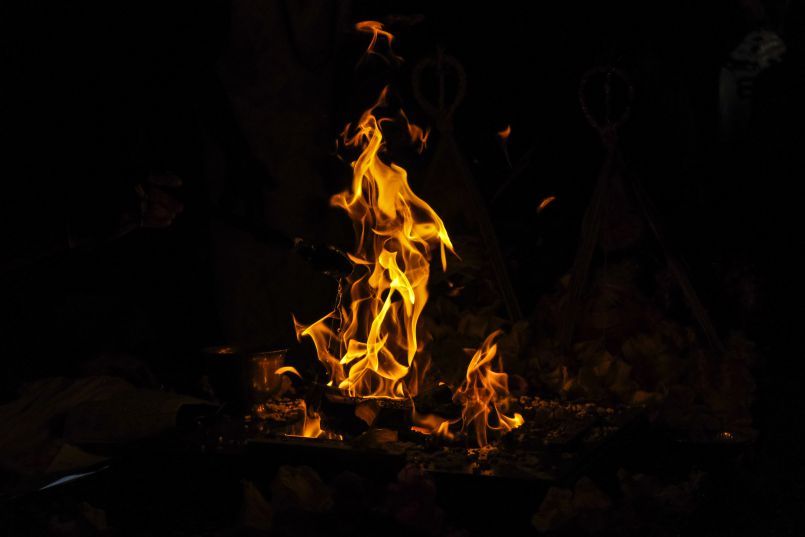
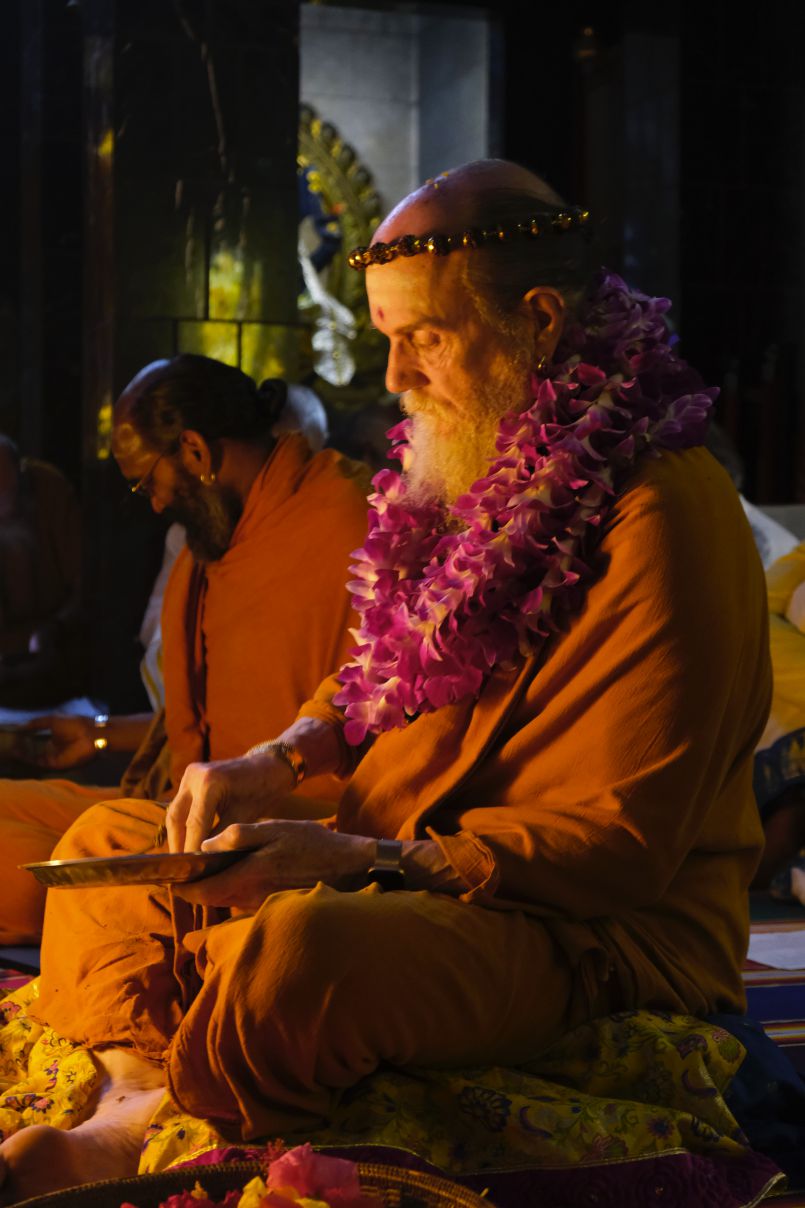
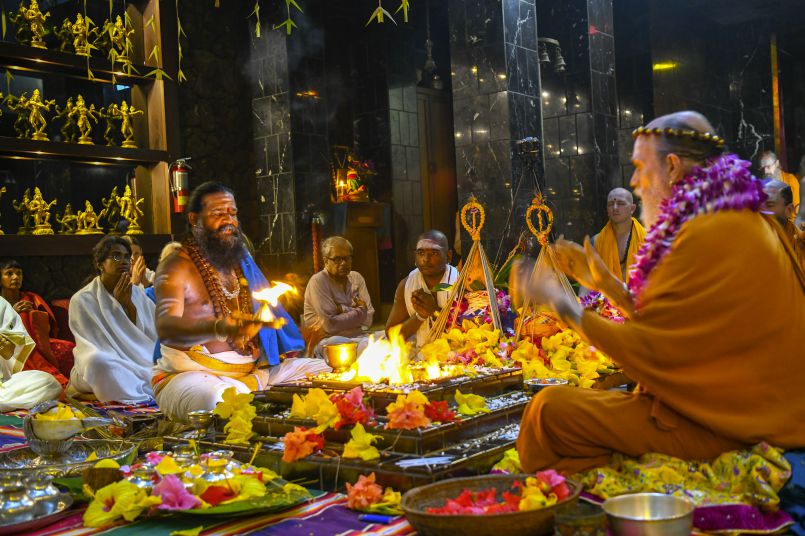
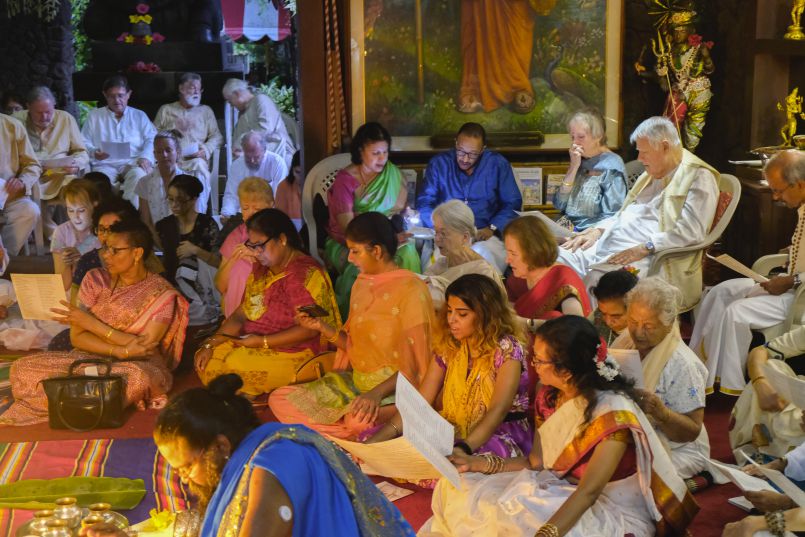
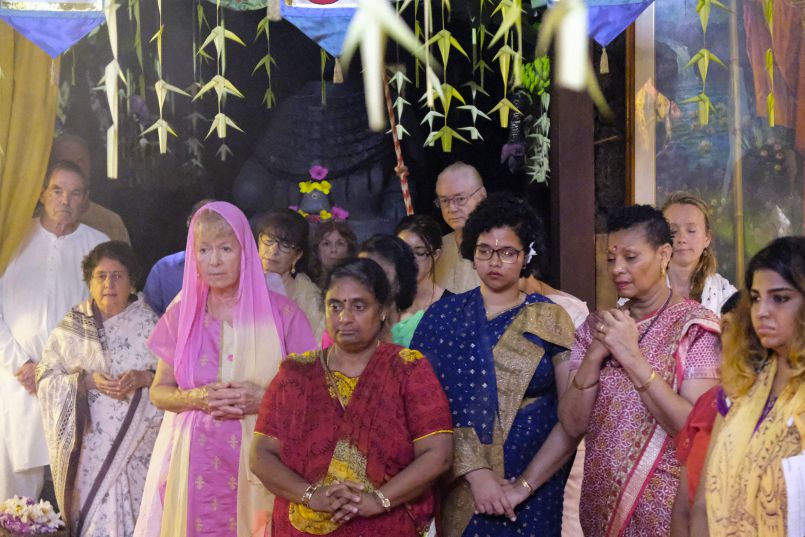
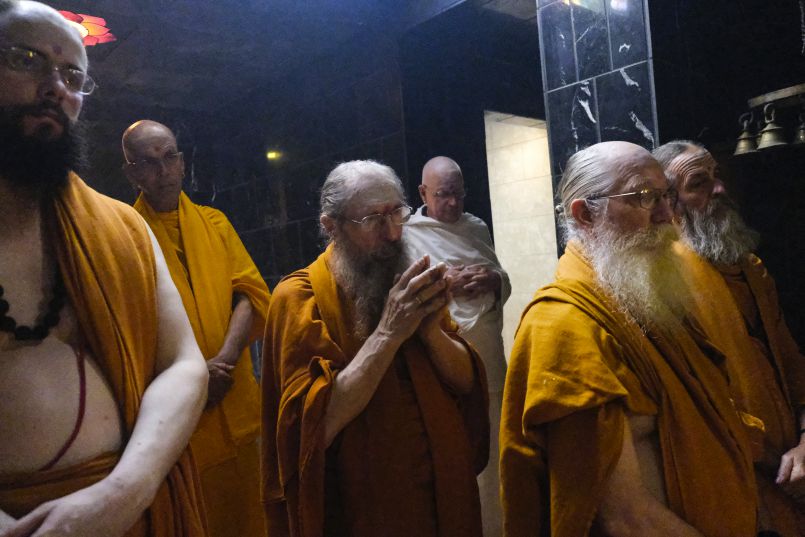
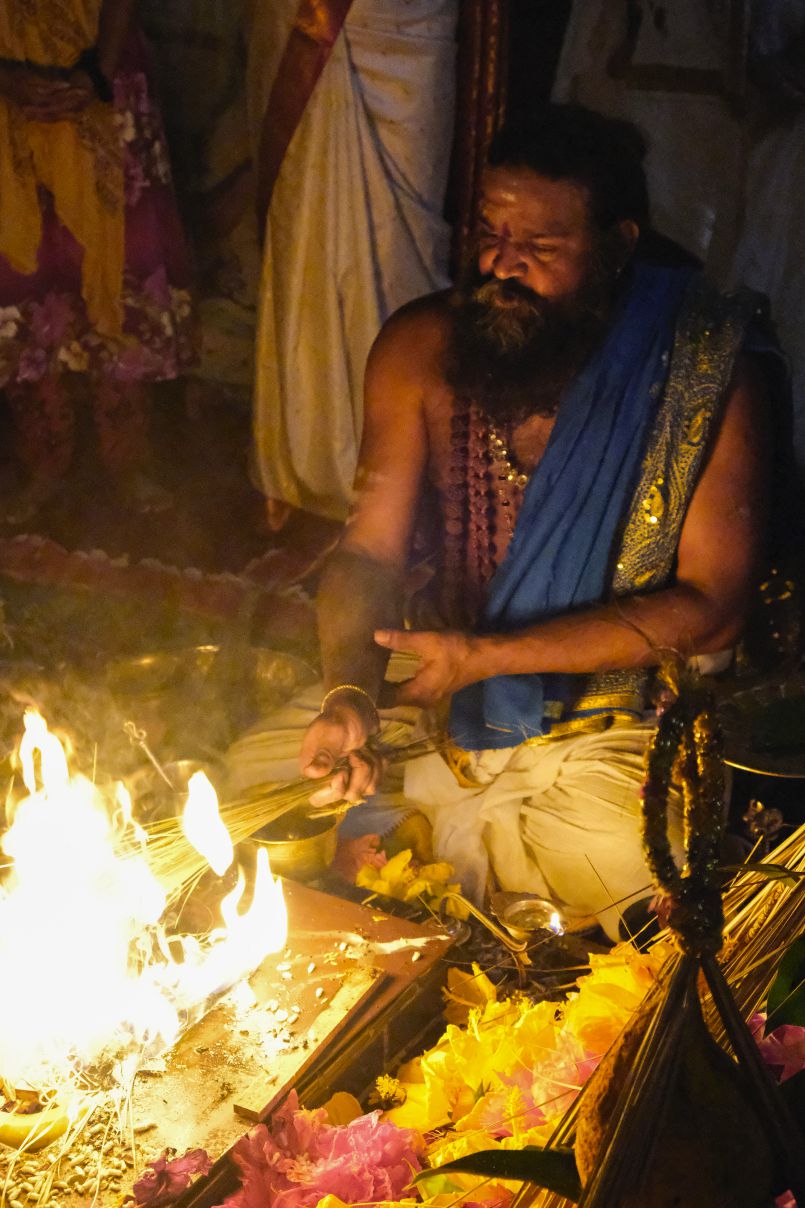
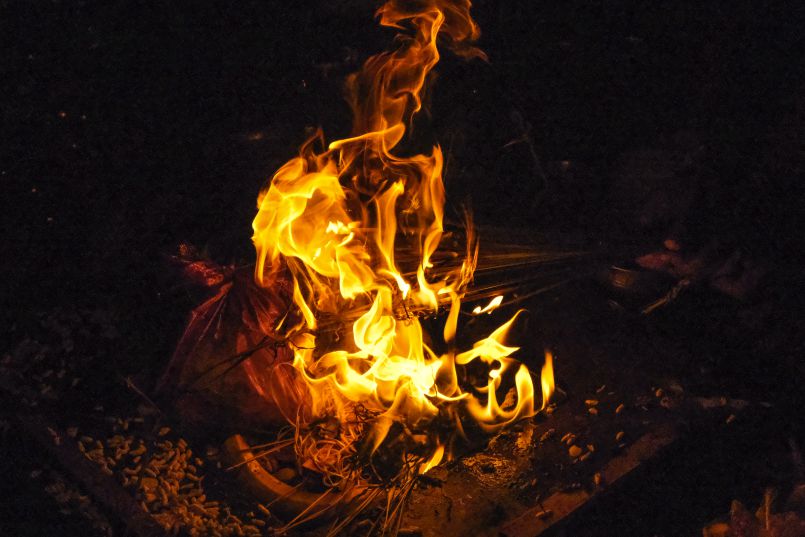
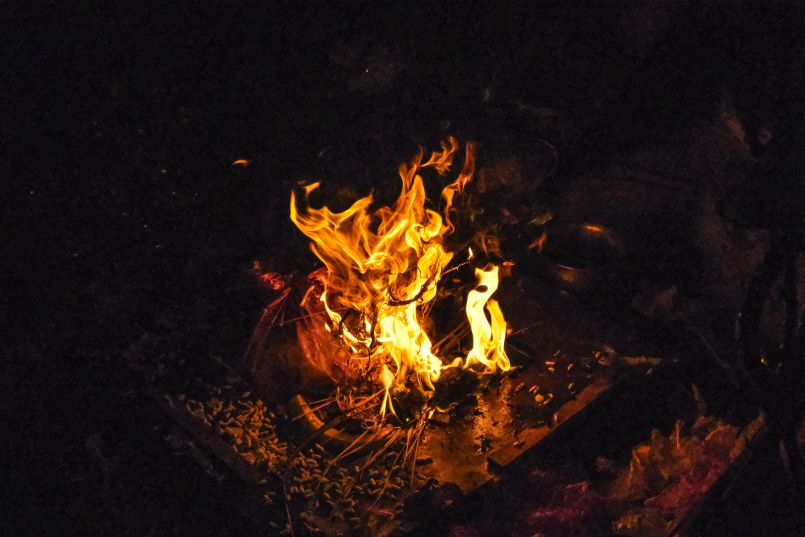
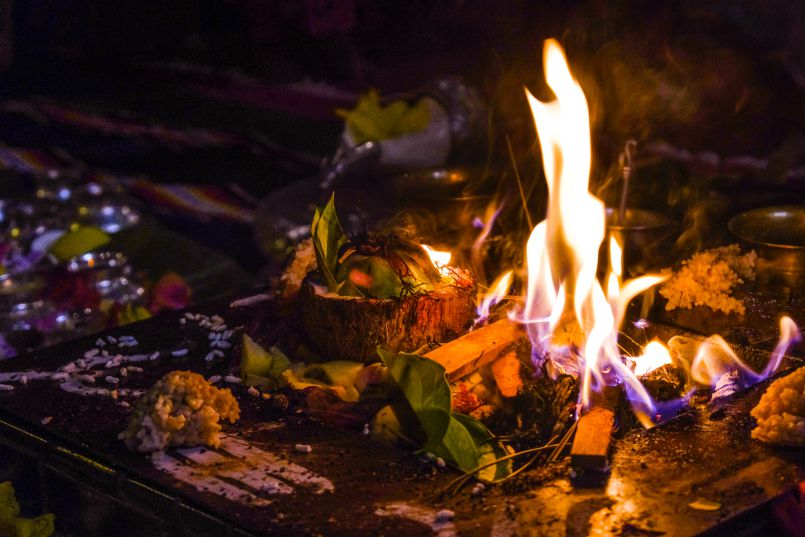
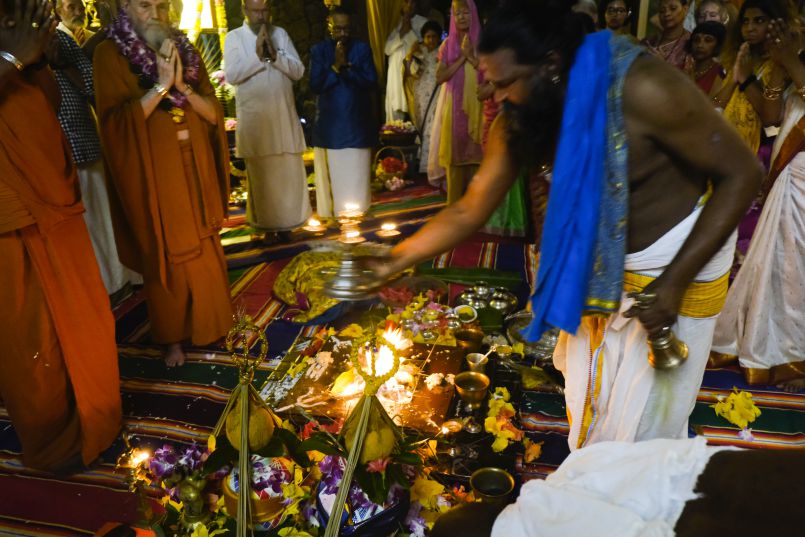
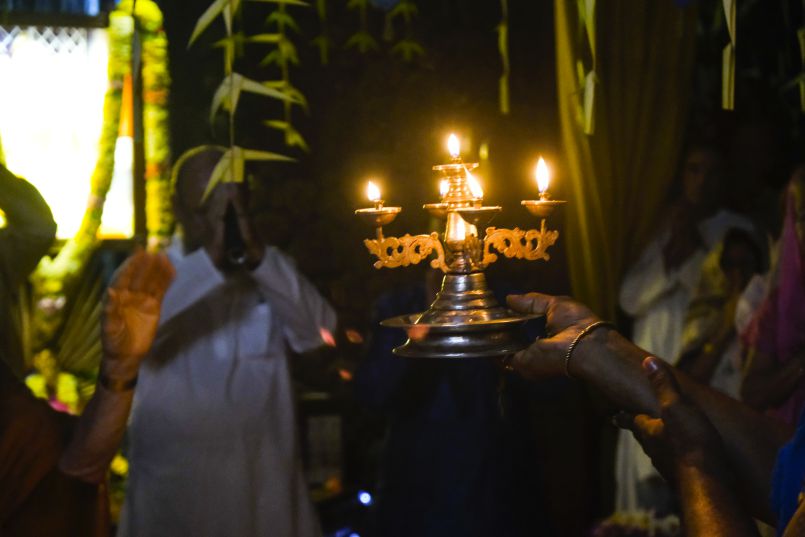
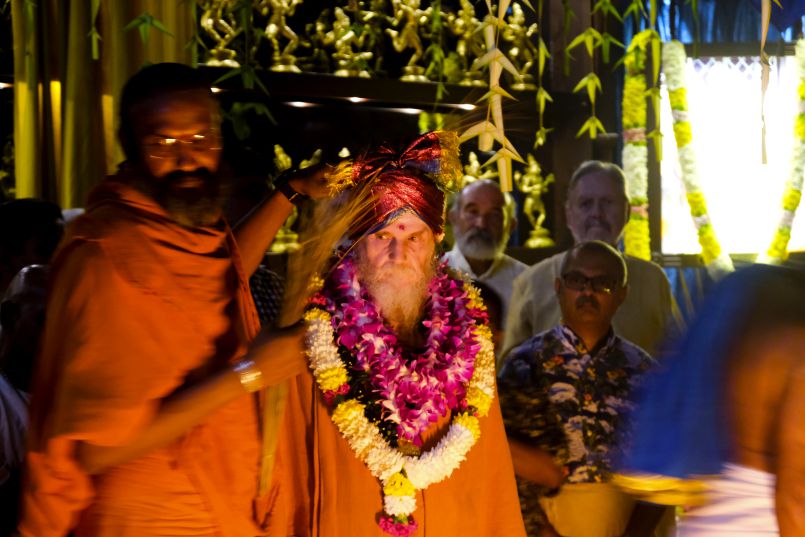
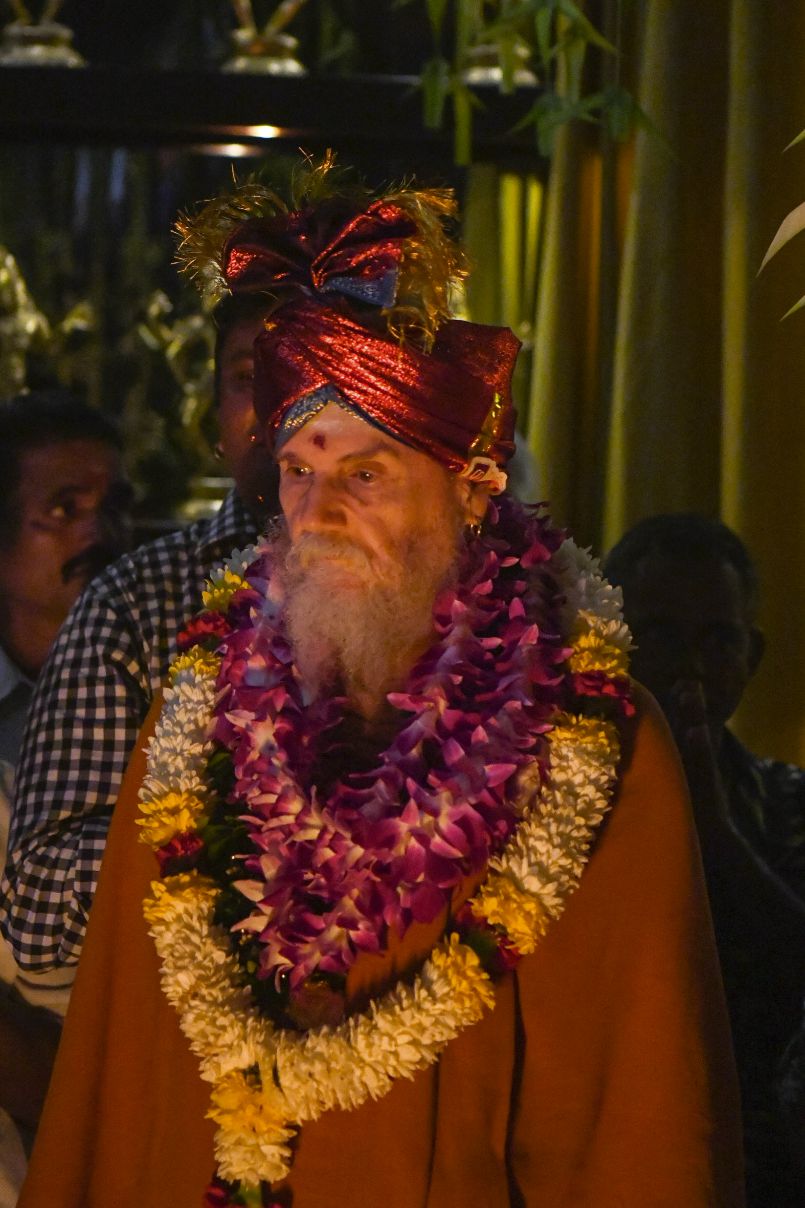
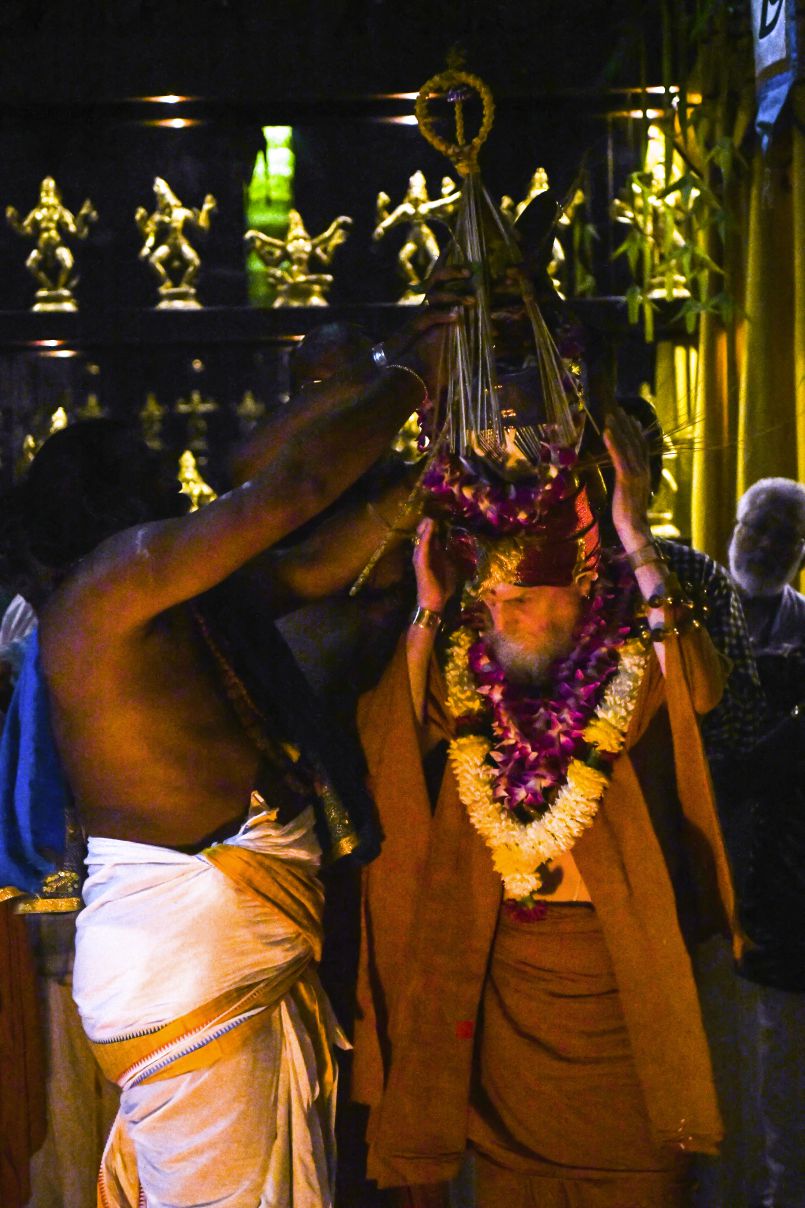
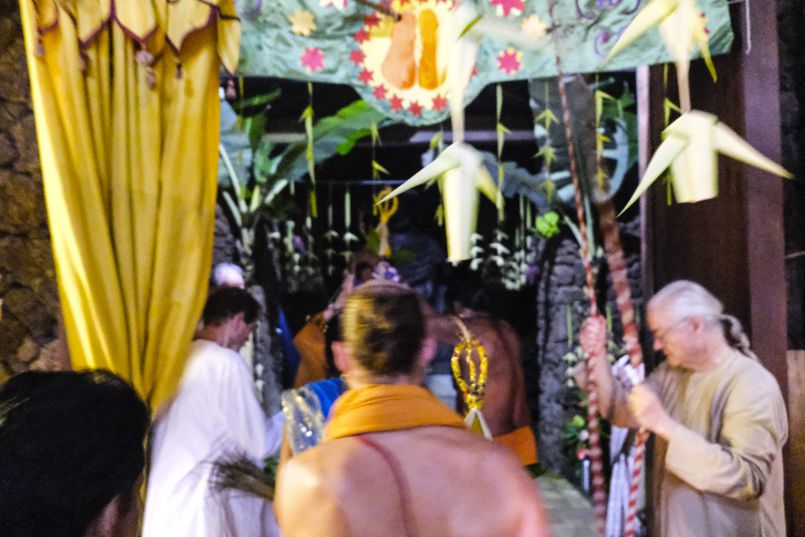
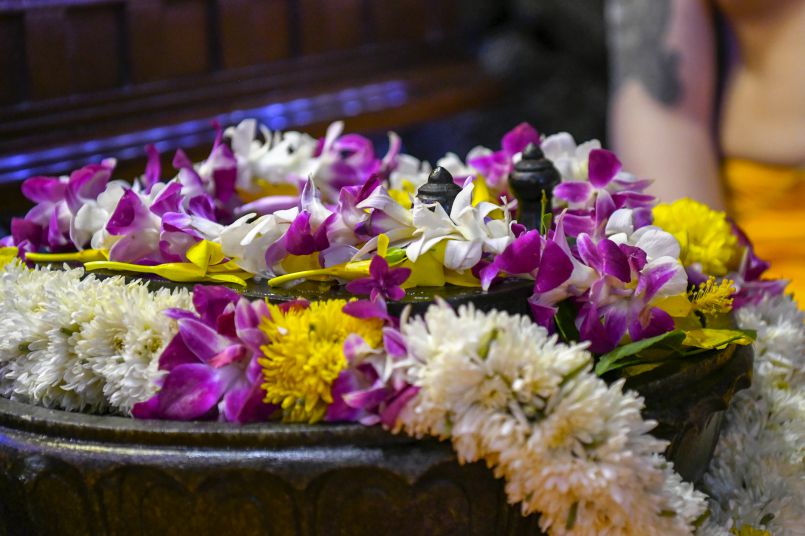
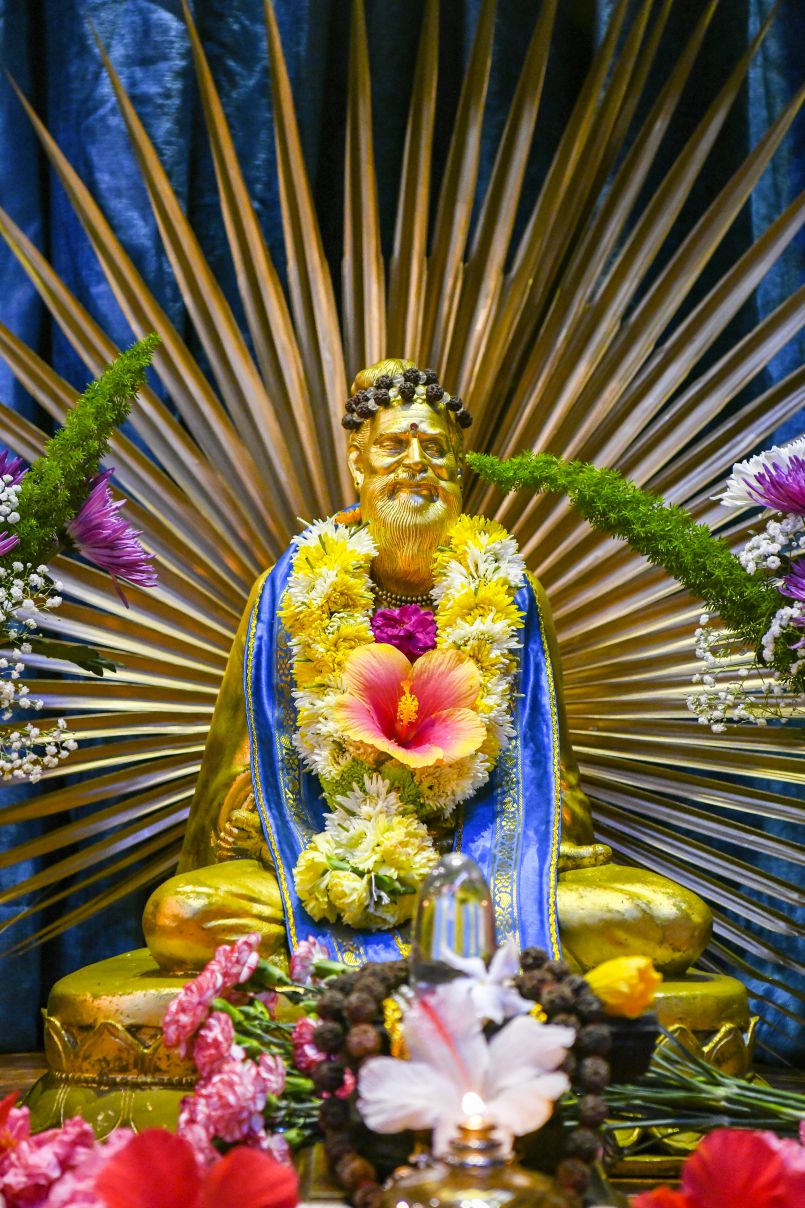
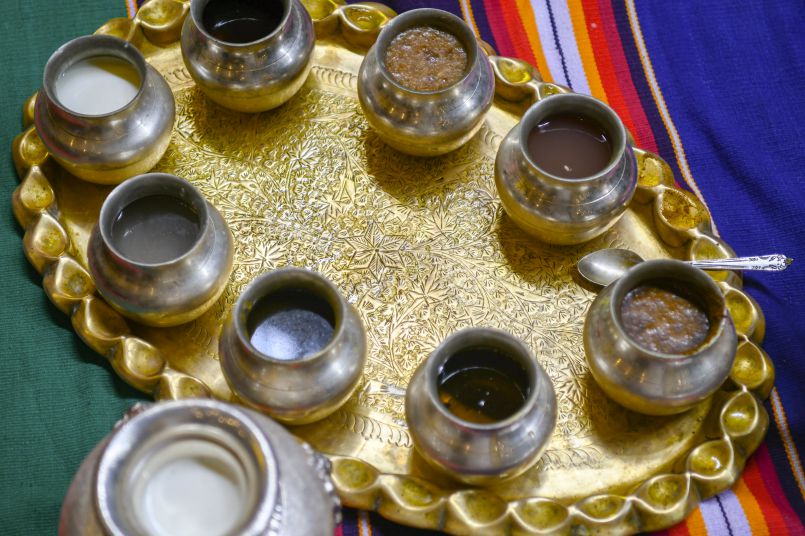
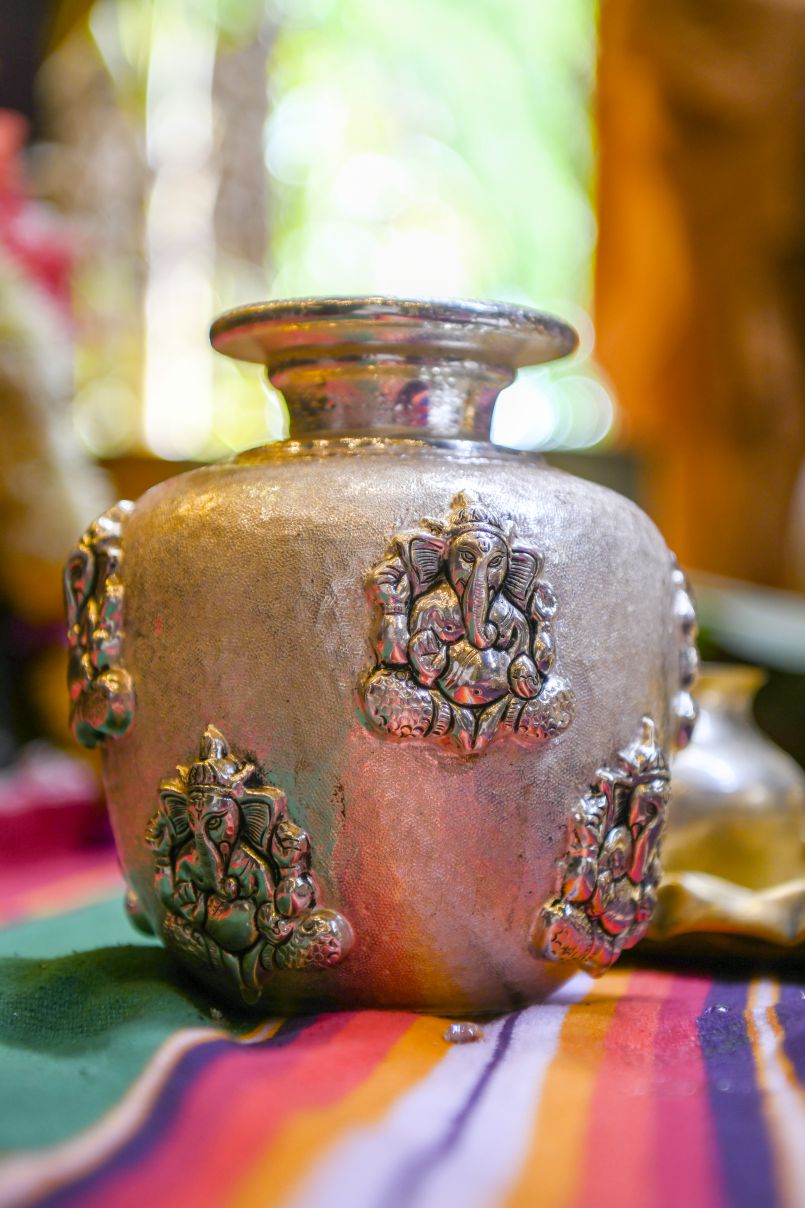
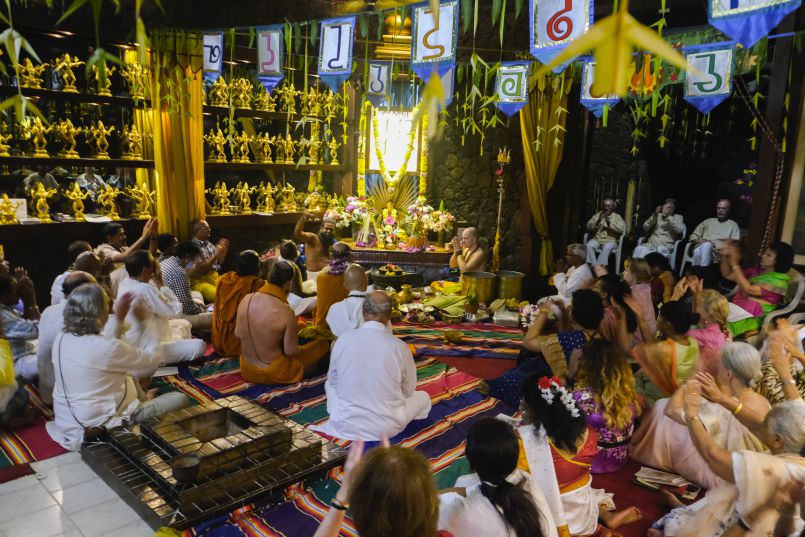
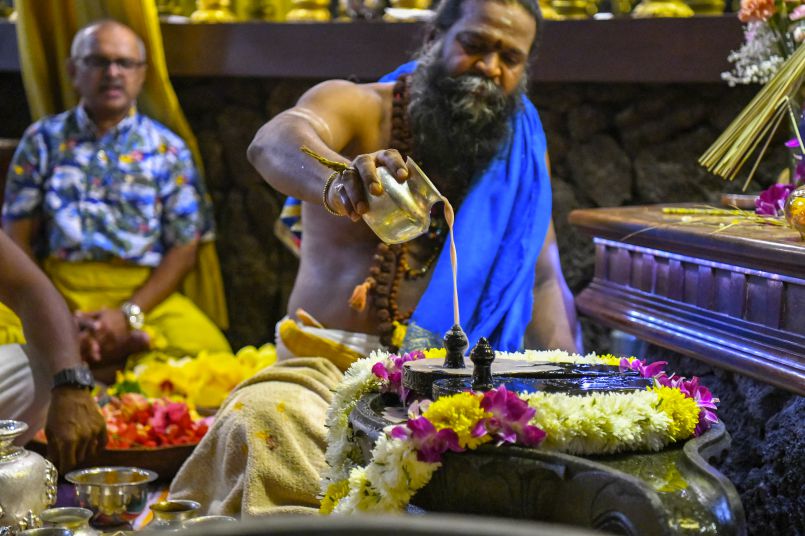
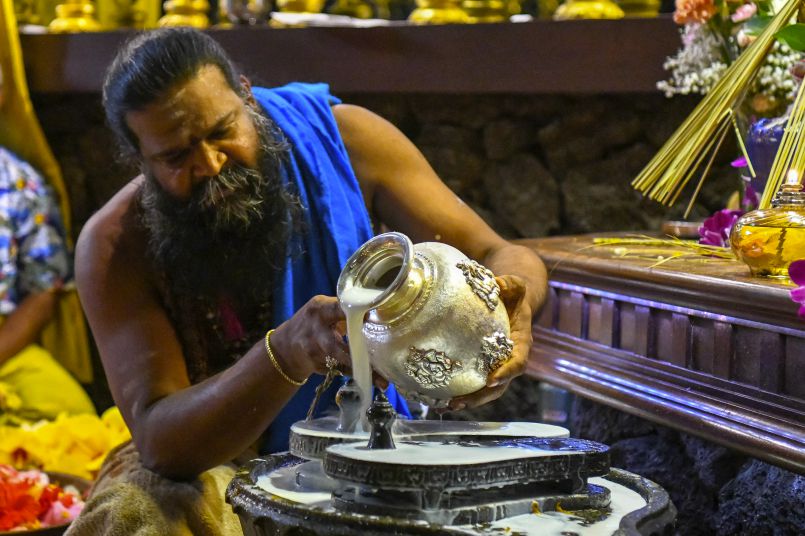
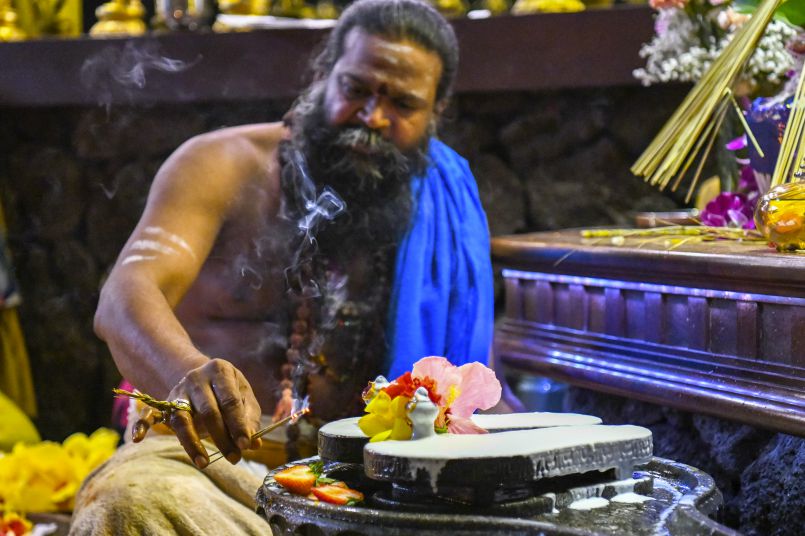
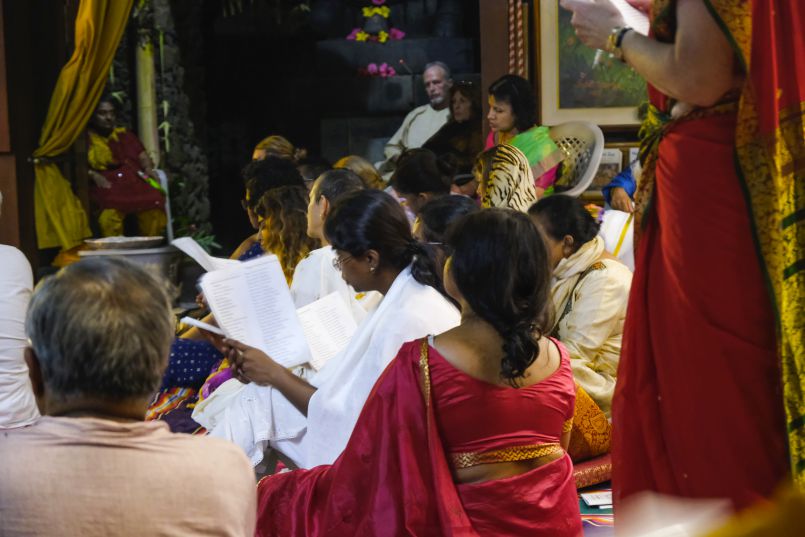
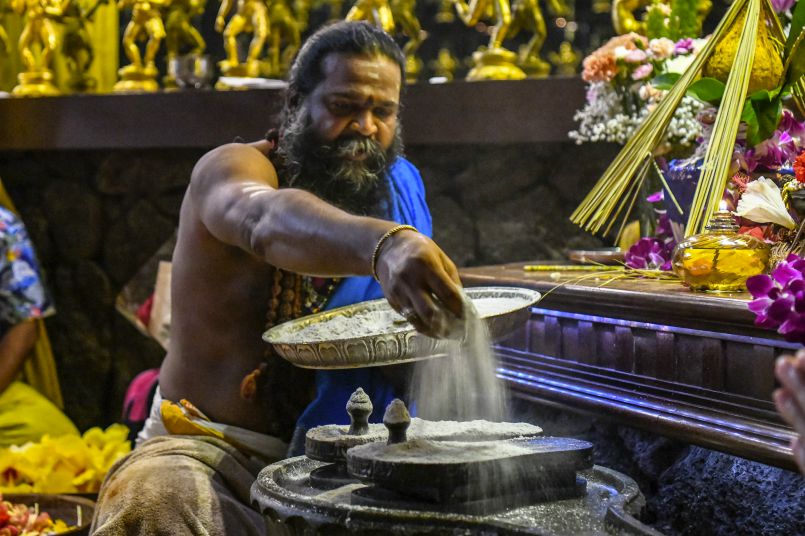
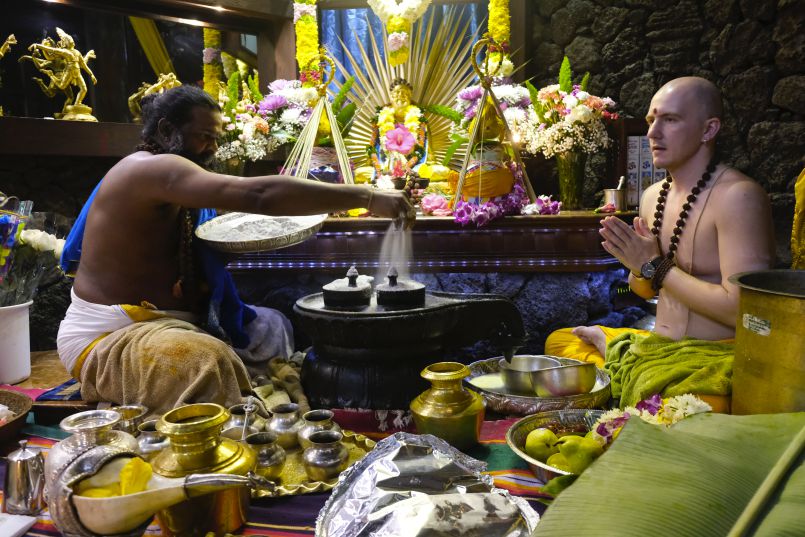
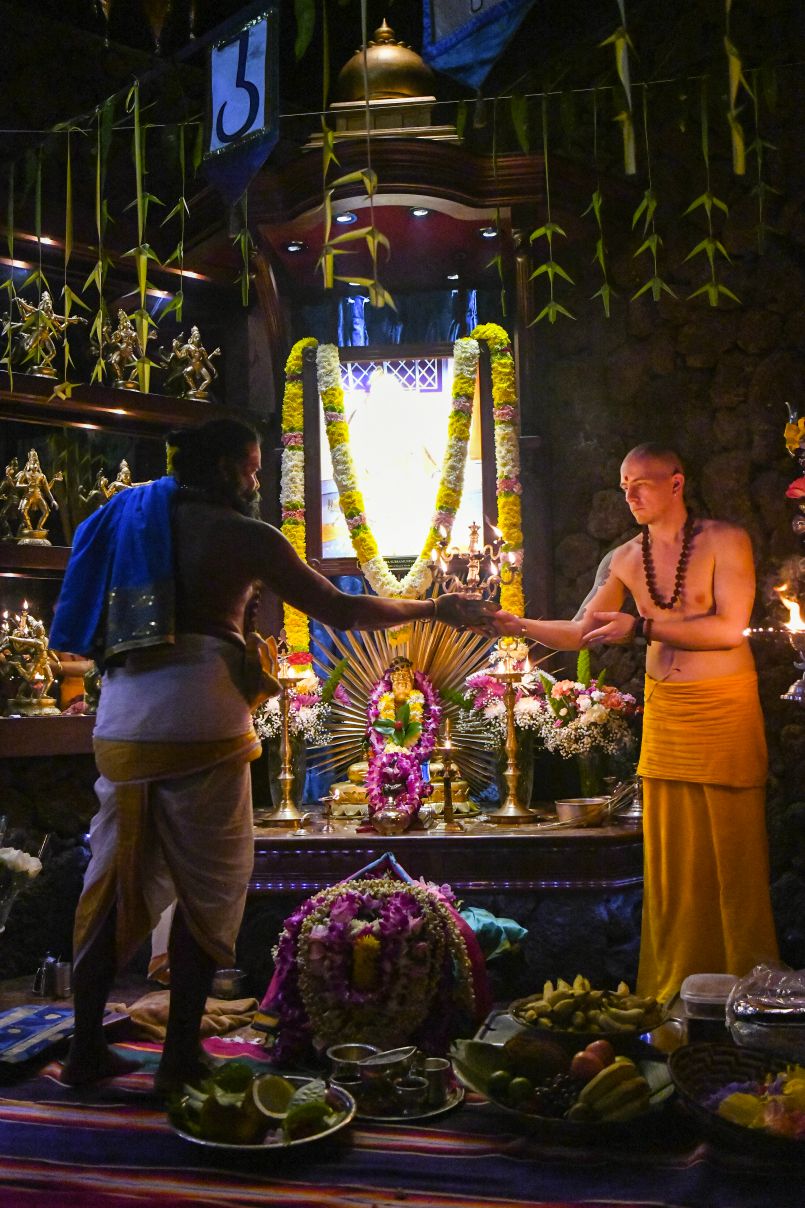
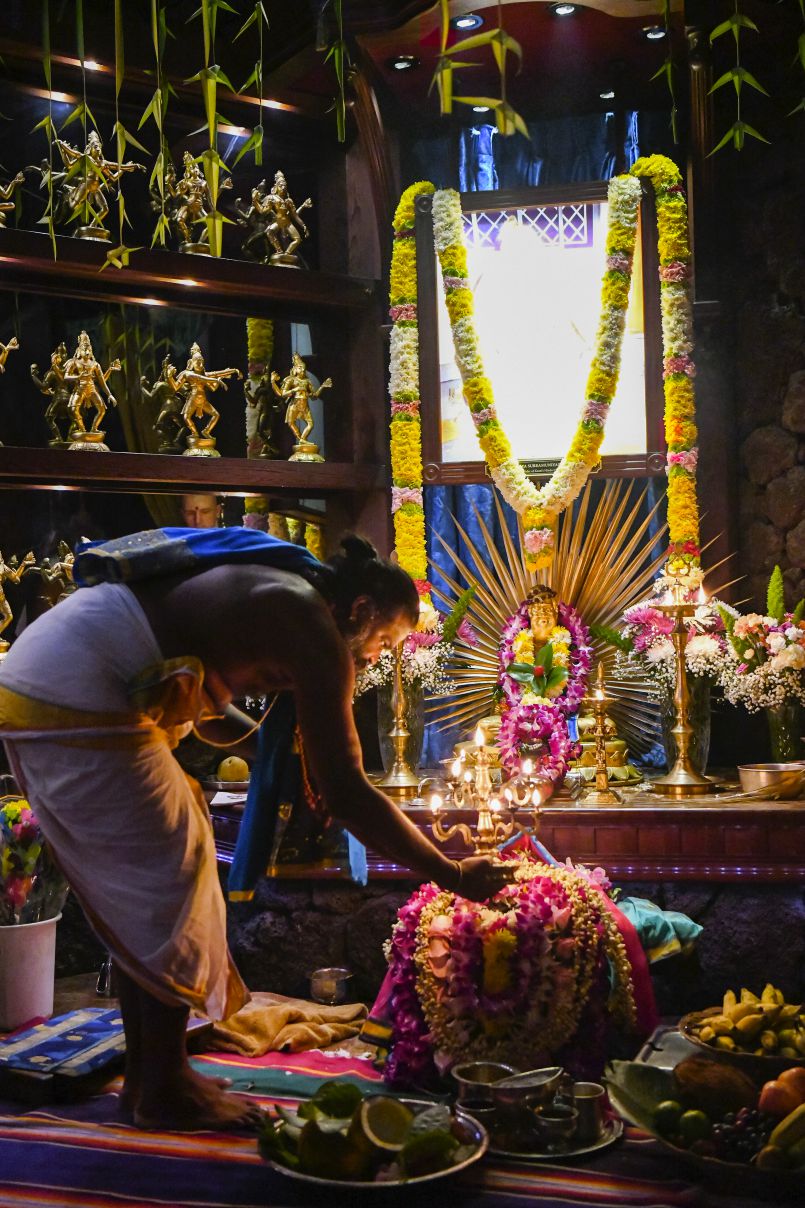
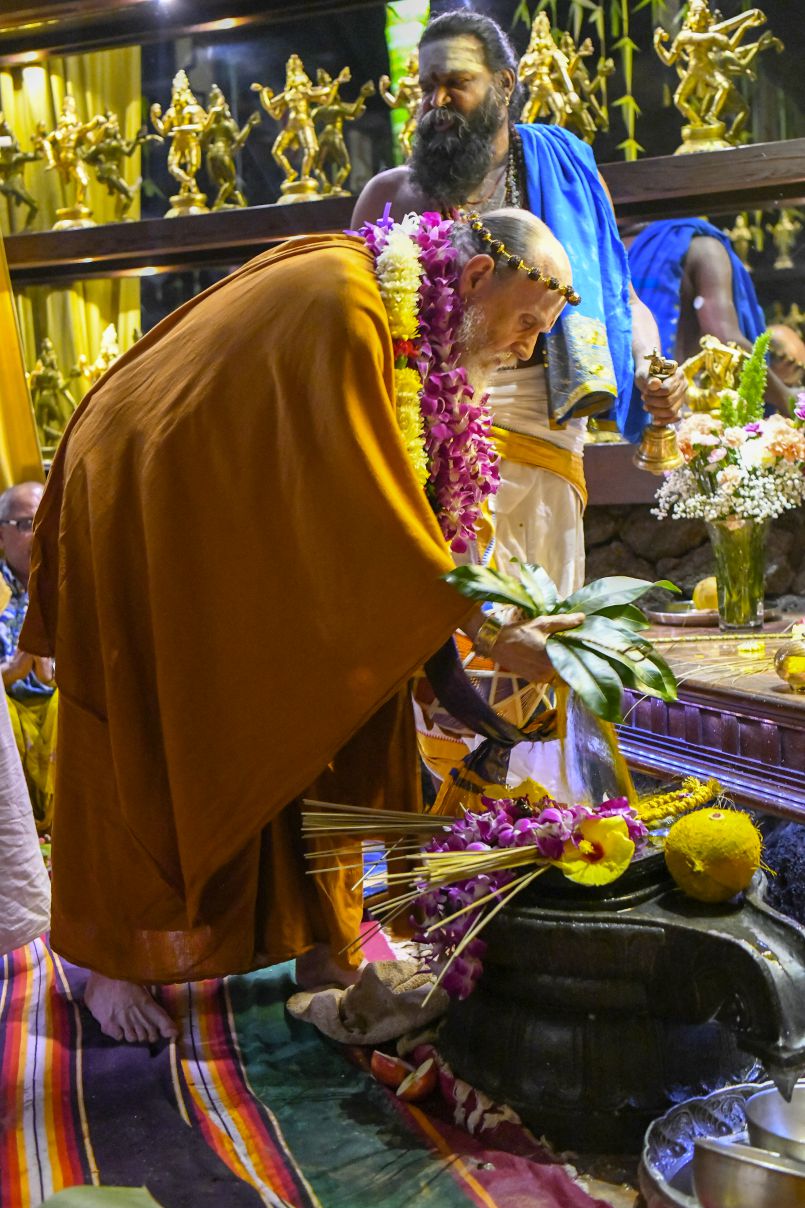
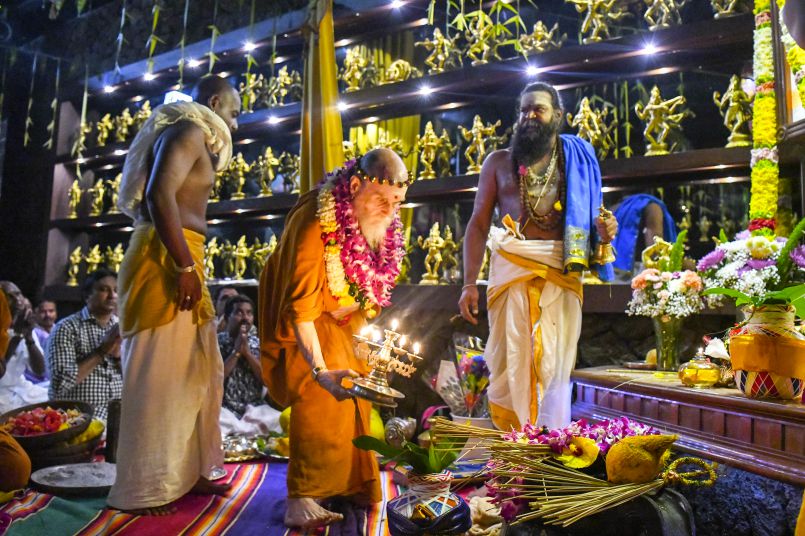
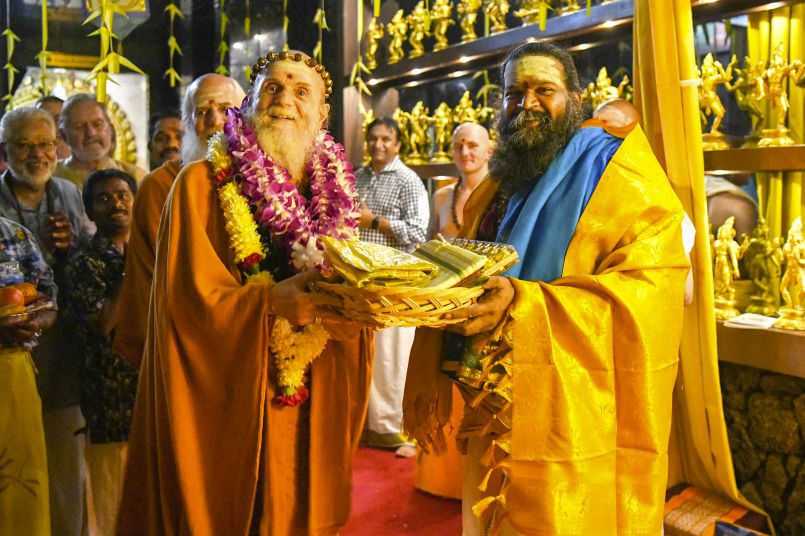
November 9, 2018On November 5th the Aadheenam observed the 227th Chitra padapuja to Gurudeva Sivaya Subramuniyaswami. This, at the end of four days of morning pada pujas and classes for pilgrims. Sivachariyar Kumar Gurukkal performed the elaborate homa and the following abhishekam to Gurudeva's tiruvadi.
\"To the traditional Saivite, the guru is everything.\"
As Satguru Siva Yogaswami sang, \"Mother and father are Siva. Sisters and brother are Siva.\"
Therefore, the guru is Siva; and that is everything, because Siva is everything.
Before books were invented, the traditional way of conveying information was through the spoken word.
This is called sampradya. Sampradya, verbal teaching, was the method that all satgurus used
A satguru can only give his sishya as much as the sishya can hold in his mind at any one time.
If the sishya comes with an empty cup, the cup is filled by the guru.
But if the sishya comes with a cup that is already full, nothing more can be added by the guru.
Many satgurus work with their devotees in unseen ways.
They have the ability to tune into the vibration of a devotee anywhere his physical body might be on the planet, feel how he is feeling and send blessings of protection and guidance.
The guru-sishya system of training is personal and direct.
Much is unspoken between them, so close is the mental attunement.
The traditional observance of brahmacharya helps to stabilize this relationship.
An advanced sishya is one whose intuition is in absolute harmony with that of his satguru
This harmony does not occur in the beginning stages, however, when the devotee is probing the subject matter of the gurus teachings for answers.
Only after he has conquered the fluctuating patterns of the thinking mind does an inner flow of harmony begin to become apparent to both guru and sishya.
The sishya is expected to cultivate his inner life as well as his outer life.
The more sincere and consistent he is with his inner work and his inner friendsGod, Gods and guru the more safe and secure and blessed he will be.
Your relationship with your guru is growing stronger even now as you come to better know yourself and proceed in your study
Hindu temples sustain Hinduism around the world.
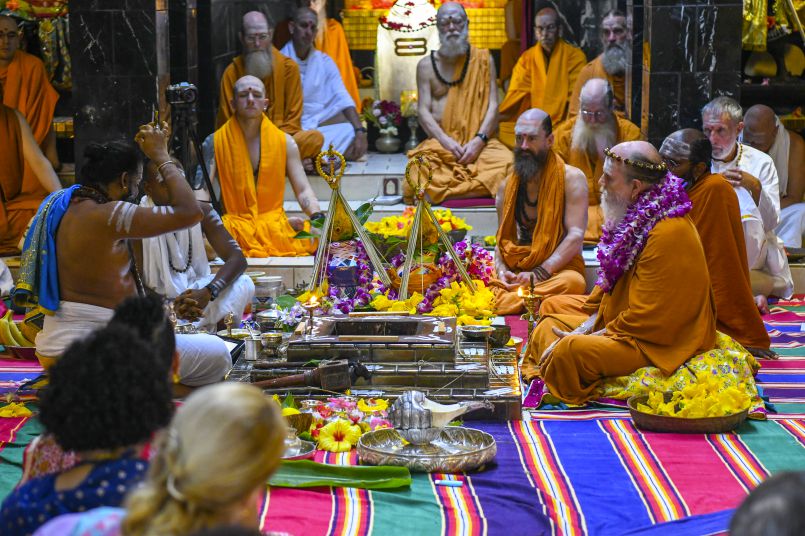
Scriptures keep us always reminded of the path we are on and the path we are supposed to be on,
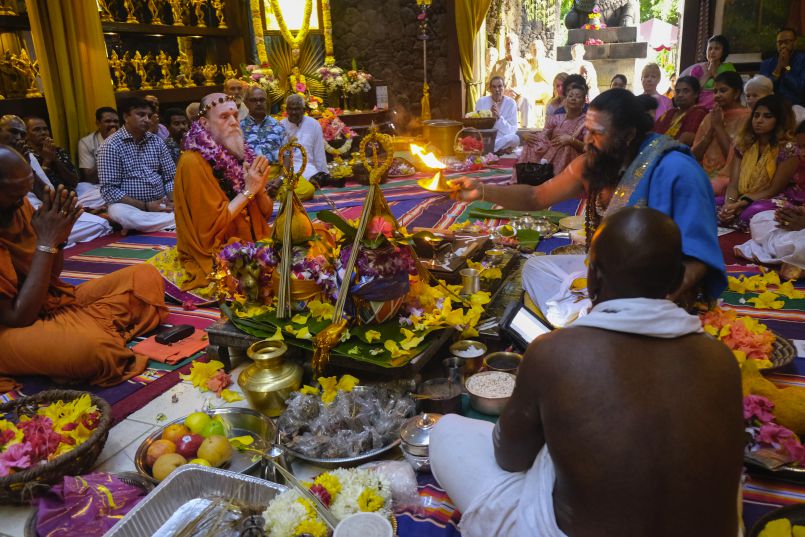
but only from the satguru can you get the spirit, the sakti, the sustaining spirit, to make it all come to life in you,
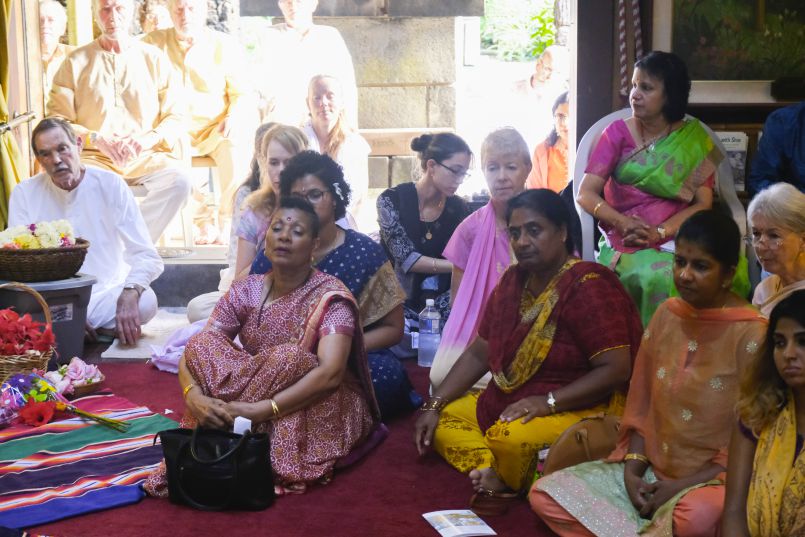
to make the temple meaningful and to complement the scriptures with your own sight, your own third-eye sight.
Otherwise, its just words.
Nathas are not on the path of words.
The Rishi wandered down from the Himalayas to Bangalore. What did he say? Nobody knows. Whom did he talk to? Nobody knows.
Did he influence crowds of people? Perhaps, but he only had to influence one individual, Kadaitswami, to speak out to the world.
Kadaitswami caught the spirit of the Rishi, who had caught the spirit of the previous rishi, the previous rishi and all the ones that preceded him.
It is that spirit of sampradya that makes the traditional teachings meaningful,
that gives you the power to discriminate between what is real within those teachings and what is superfluous or just plain nonsense,
that gives you the power to blend Siddhanta with Vednta, Vedas with Agamas.
The irreversible spirit of the guru carries through all of the sishyas.
It is basically the only gift agurucan givethat sustaining spirit.
He doesn\
t have to give knowledge, because that has already been written down.'
He doesn\
t have to build temples, because there are more than enough temples for everyone.'
The rare and precious gift that he can convey is the inner spirit of his religious heritage.
That is his unique gift to the world.
Nathas do not follow the way of words.
If I had not journeyed to the northern part of Sri Lanka and gone to iva temples, worshiped there and received initiation from Yogaswami,
would I have returned to America and built a Siva temple or helped found over fifty other Hindu temples scattered around the world?
No.
Would we have a monastic community? No.
Would we have an international Saiva Siddhanta Church? No.
Would we have a Himalayan Academy? No.
Would we have a Hindu Heritage Endowment? No.
Would we have a HINDUISM TODAY magazine? No.
Would we have family missions all over the world? No.
Would we be sitting here right now? No.
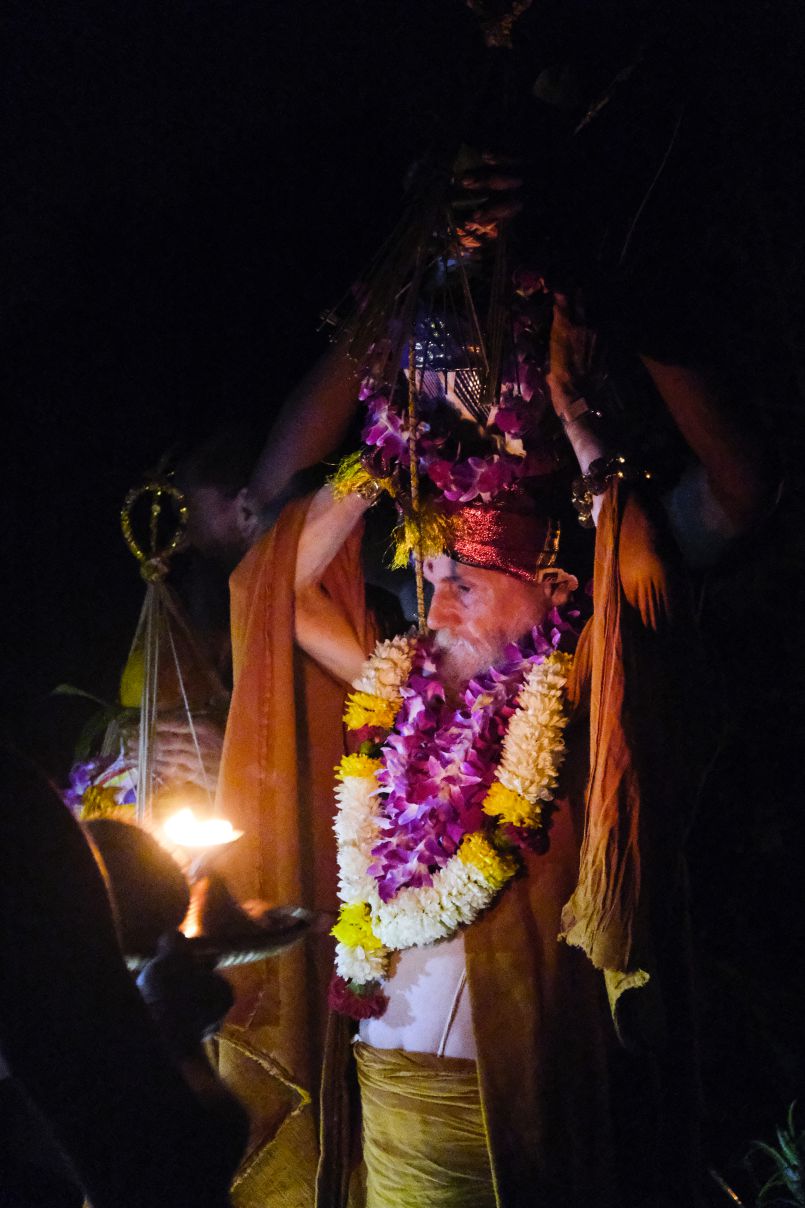
Only because of the existence of one satguru in this venerable line of gurus, I caught the spirit;
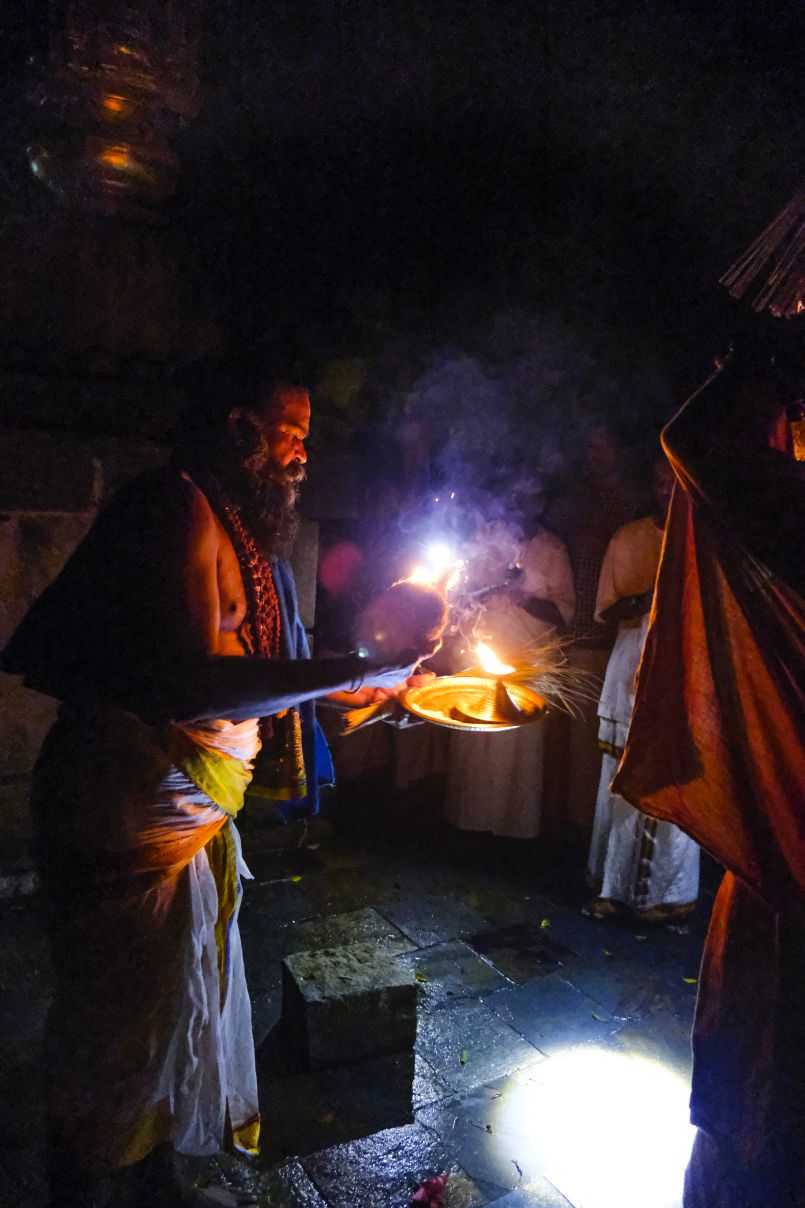
and through this spirit the words manifest, the activities manifest, the devotees maintain that straight path,
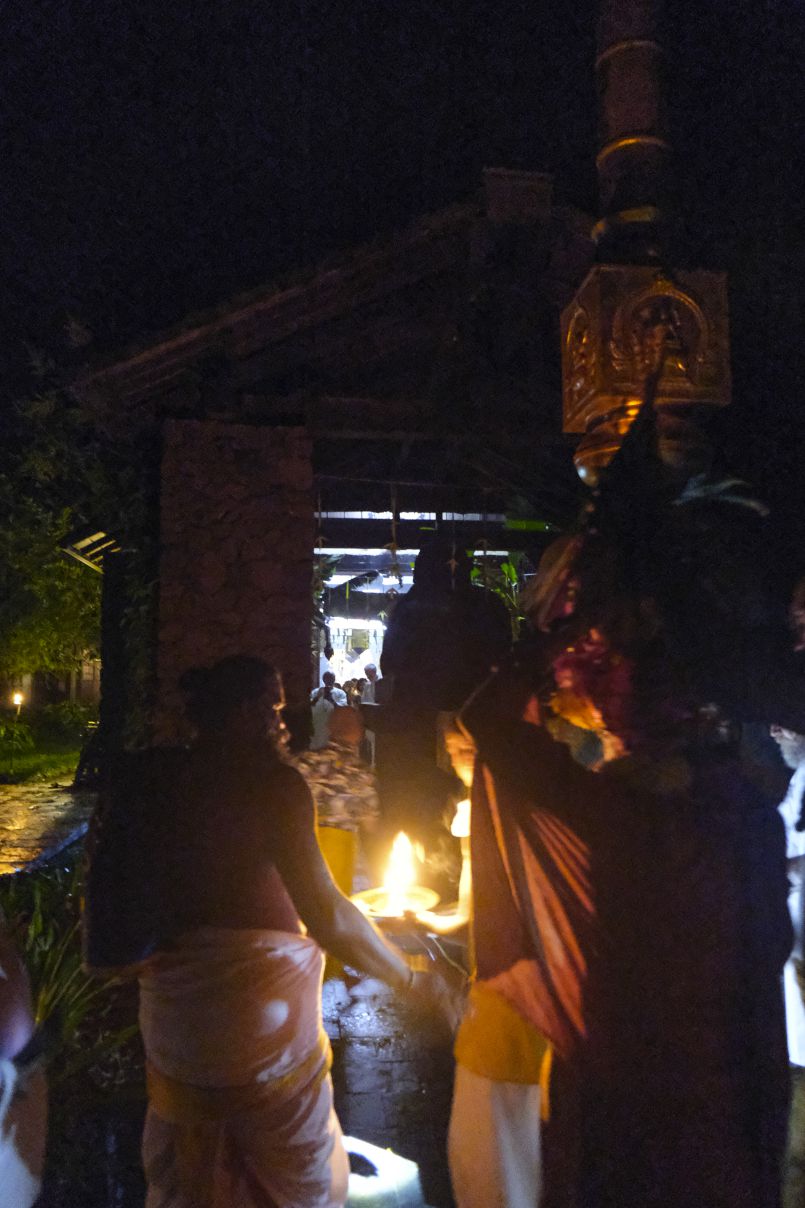
the disciplines bear fruit,
the inner sight comes, and after it comes, it stays
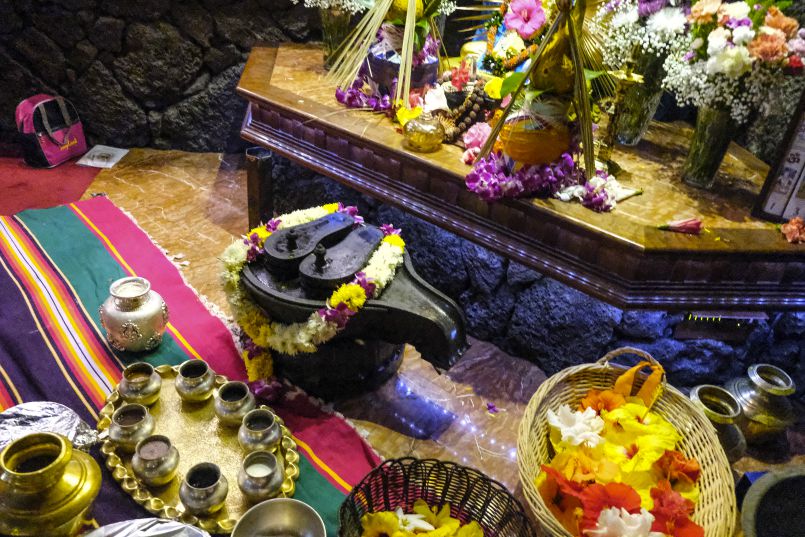
Without satgurus, we would only have temples and scriptures.
Without satgurus, we wouldn\
t have the spirit,'
and people would stop going to temples and stop reading the scriptures.
A satguru doesn\
t need a lot of words to transmit the spirit to another person;'
but the sishyas have to be open and be kept open.
The little bit of spirit extends like a slender fiber, a thin thread, from the satguru to the sishya, and it is easily broken.
A little bit more of that association adds another strand,
and we have two threads, then three, then four.
They are gradually woven together through service, and a substantial string develops between the guru and the sishya.
More strings are created, and they are finally woven together into a rope strong enough to pull a cart.
You\
ve seen in India the huge, thick ropes that pull a temple chariot. That is the ultimate goal of the guru-sishya relationship.'
Upon the connection between guru and sishya, the spirit of the parampara travels,
the spirit of the sampradya travels.
It causes the words that are said to sink deep. They don\
t just bounce off the intellect;'
the message goes deep into the individual.
Spiritual force doesn\
t just happen.'
Its a hand-me-down process, a process of transmission,
just as the development of the human race didn\
t just happen.'
Aum Namah Sivaya
}
];