
Monastery Chef Presents...
March 30, 2016Today we bring you another installment of life inside Nataraja Nilayam, or the monastery kitchen. We present a simple slideshow of Natyam Nandinatha's process of making idli sambar – the classic South Indian dish consisting of idli, fermented and steamed savory rice and dal cakes and samba; an intensely flavorful, liquidy, spicy vegetable and dal creation. All culinary traditions around the world have their version of soup and bread, and we think it's safe to say that idli sambar is the Tamil version of that.
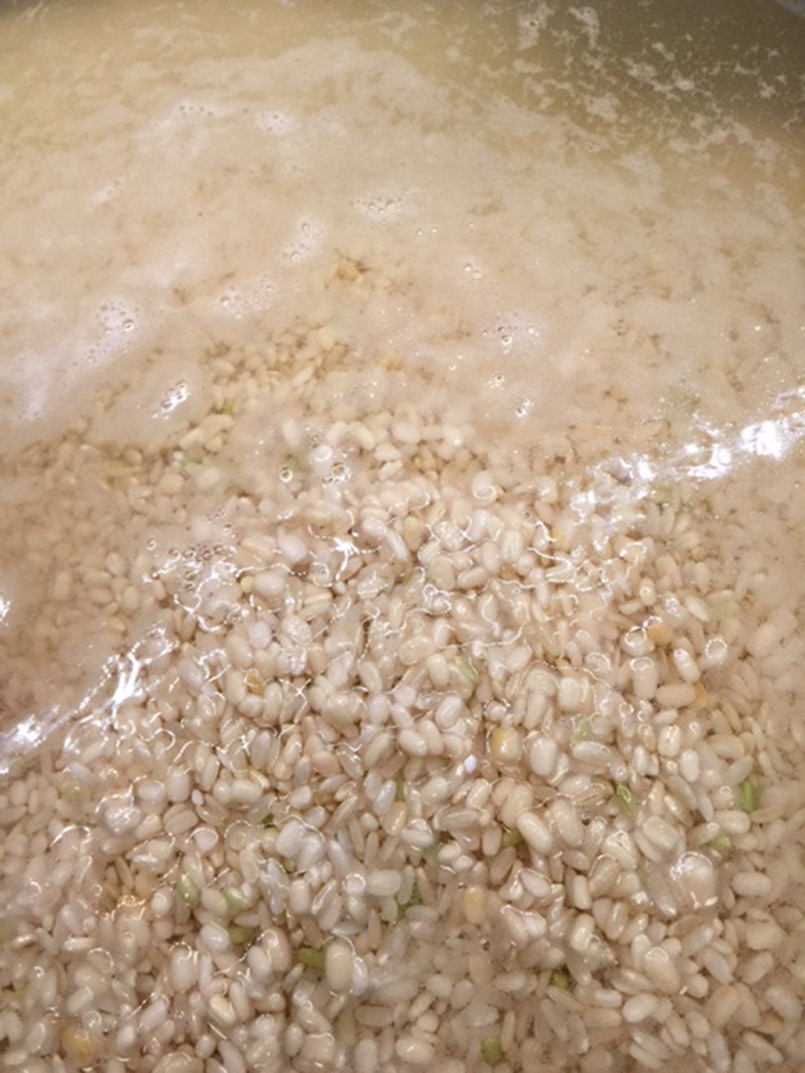
The day before you want to make the idli, soak rice and dal in a 2:1 ratio. Here, we have 10 cups of brown rice and 5 cups of urad dal and a small handful of fenugreek seeds. It\
s been soaking for about 6-8 hours and is soft enough to grind.'

In goes the rice and dal. Add only just enough water to grind it into a somewhat thick batter.

The grinding is about half way done for this batch. It\
s getting thick, but many chunks remain. We want it completely smooth.'

Ah! Thick, silky smoothness achieved!

Now add salt to your batter. Natyam advises using non-iodized salt for this at the iodine can hinder the subsequent fermentation process.

It\
s vital that you use your bare hands to mix the batter, NOT a spoon! The natural bacteria from your hands is what acts as the \"starter\" for the idli batter. Don\'t be shy – just get in there. Also, you must mix much longer than you think you need to!'

It looks and feels right.

Ok! Your batter is ready to be fermented. Place a secure lid over the vessel and allow it to ferment for about 6-10 hours or overnight, in a draft-free place. A room temperature of about 21ºC - 32ºC (70ºF - 90ºF) is needed for this.

Thanks to Internet magic, it\
s now the next morning! You can see that our batter has fermented nicely.'
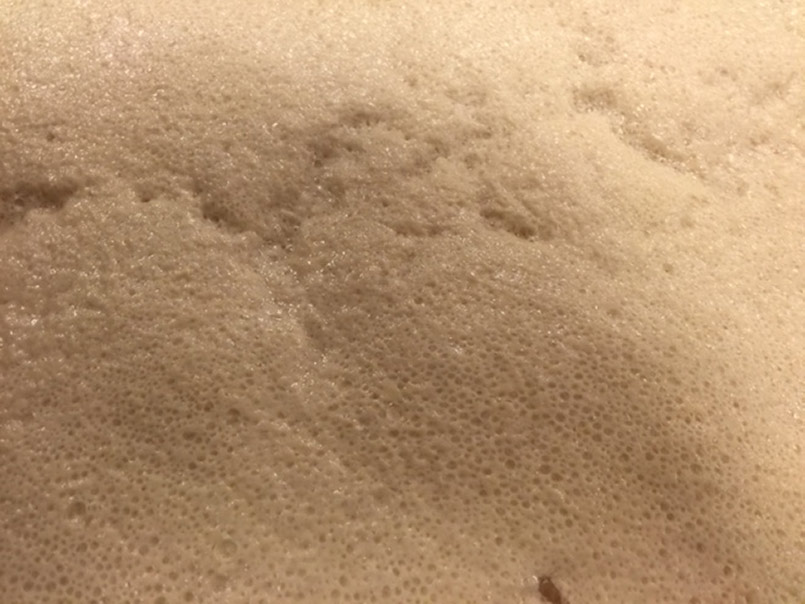
Look at all those bubbles! This fermentation not only makes the batter rise, but will give the idli their quintessential sourness and fluffiness. Can\
t wait…'
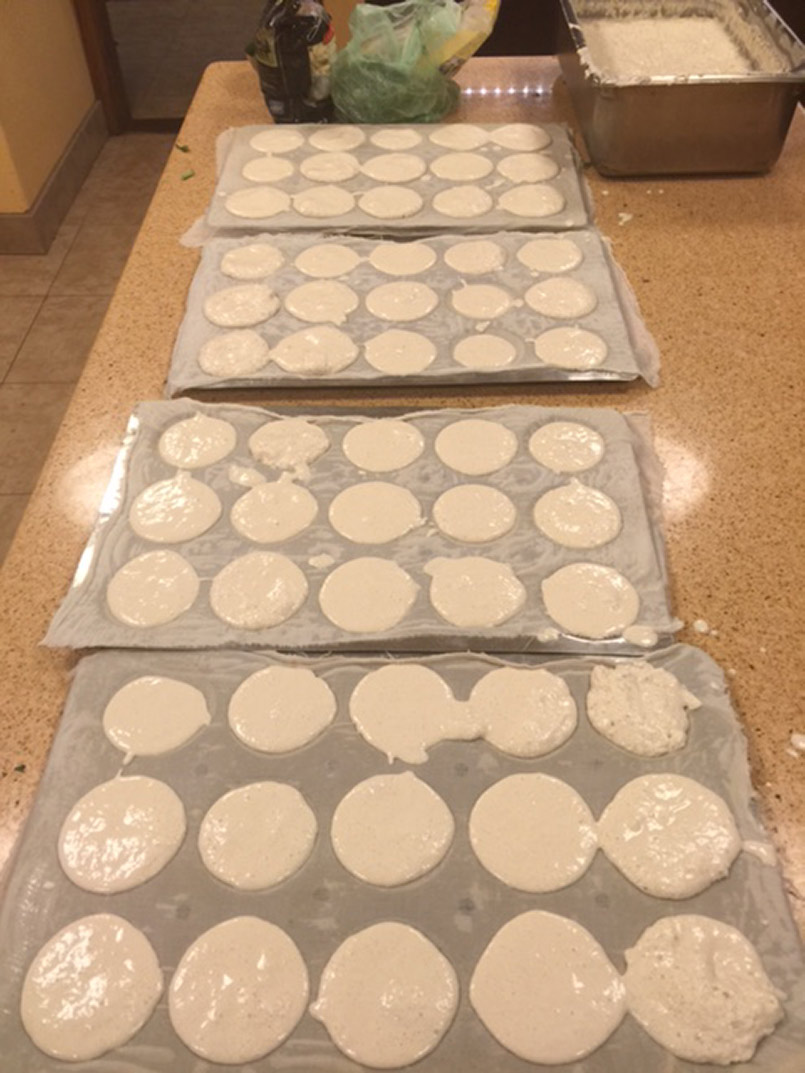
Nandinatha has lined our idli steamer trays (each one with a slotted divot to house the batter) with clean, wetted, and greased thin cotton. Each compartment gets a scoop of the fermented batter. Here, we see a batch of 60. Natyam will make two such batches, resulting in 120 idlis for 21 monks!
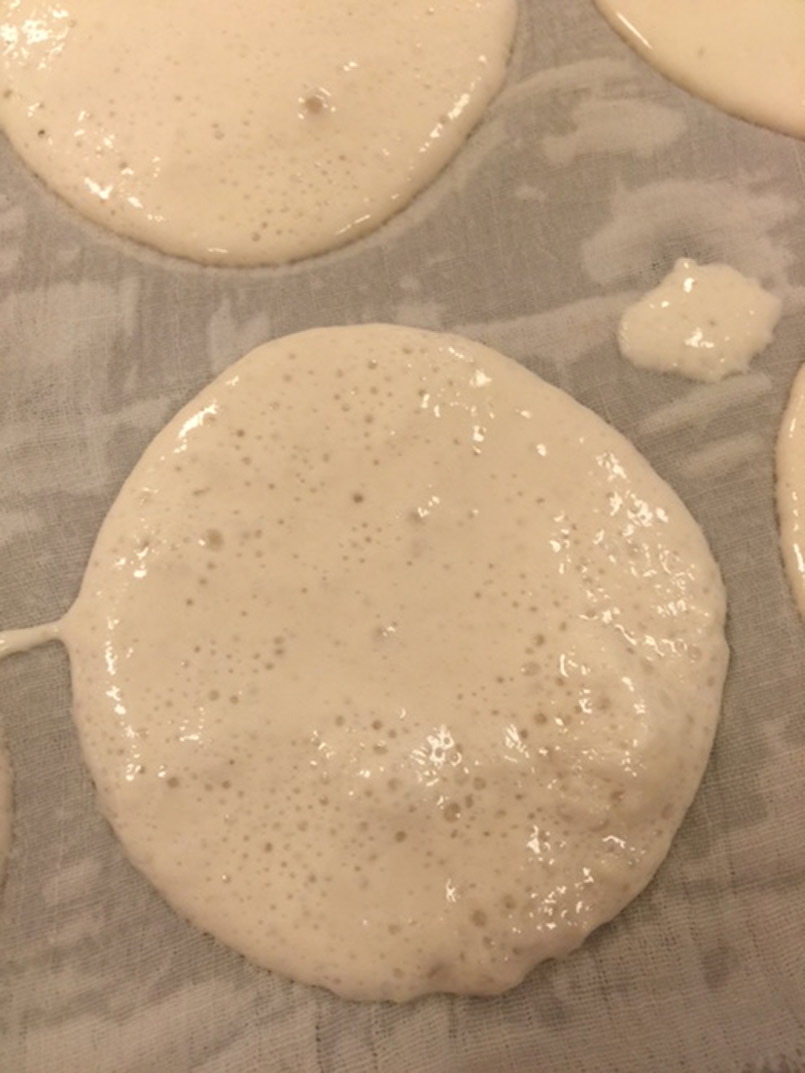
Those bubbles in the raw batter are very precious and need to be respected! A gentle handling of the batter is needed so as not to deflate it.
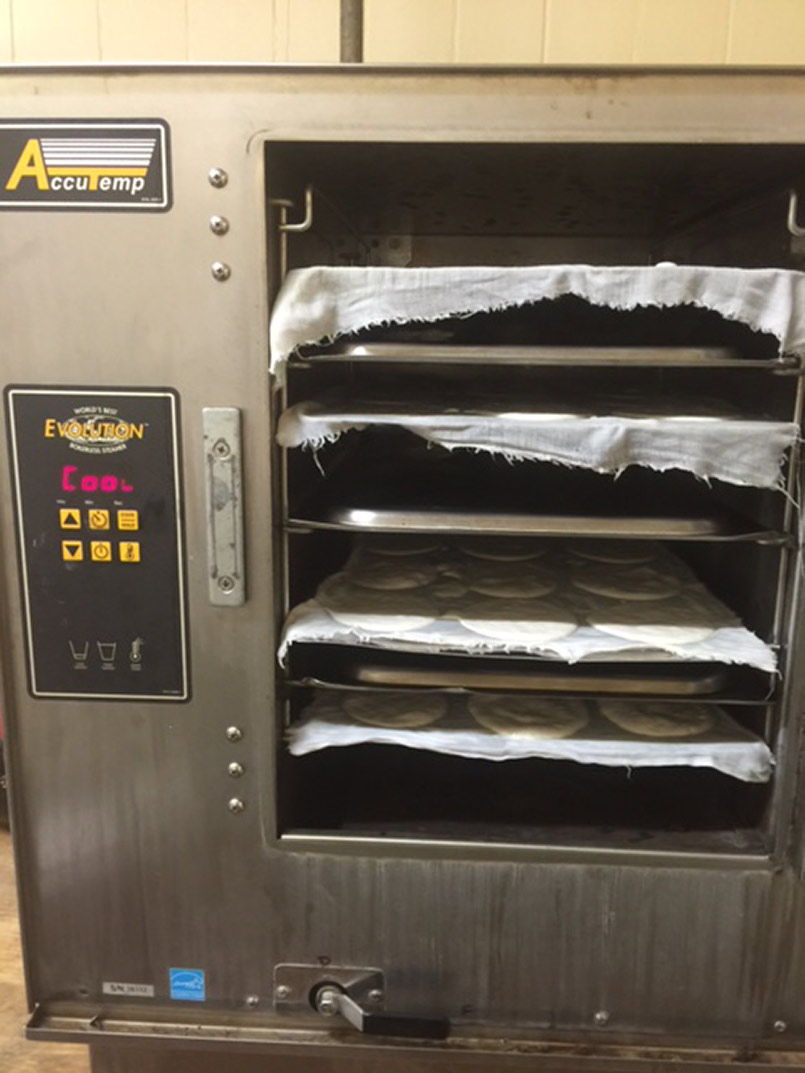
In they go to our commercial kitchen steamer for 20 minutes at about 98ºC (210ºF)
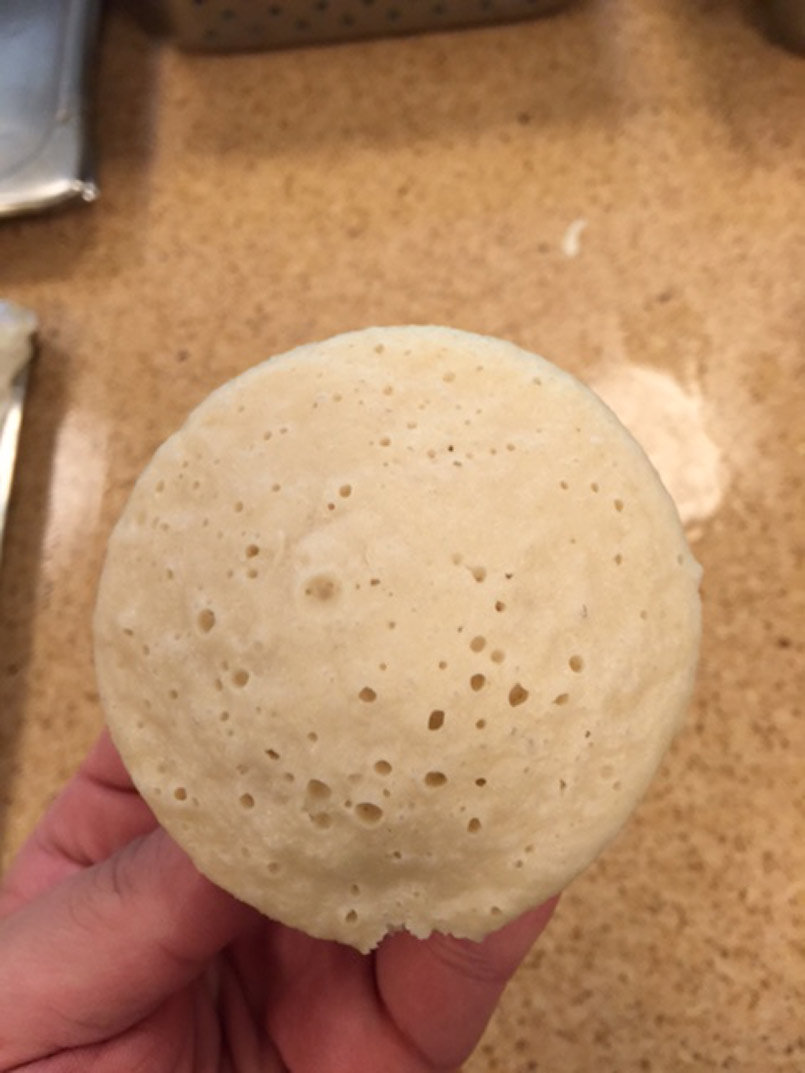
They\
re done! Natyam allows them to cool a bit, then removes the cloth with the idlis attached to them, flips it over, wets the back, and slowly peels off the cloth to reveal completely cooked and ready-to-eat idli. See those air bubbles? They stayed put during cooking! We wanted that.'

A good idli will puff up while cooking to create a flying saucer shape like this. Spongey, and soft to the touch. But what are they like inside?

Woah! Now that IS fluffy! Yum!

Look at all those cute little idli all tightly snuggled up to one another! Idli is a testament to the creativity of Indian women. Being able to take something like rice and dal and turn it into this…much pranams and love to the intelligence and spirit of the Indian woman! Thank you! Thank you for your many splendid gifts to the world, ever contributing to the beauty and expression of humanity.

Ok, let\
s get on with the sambar part of this meal. Most any variety of vegetables can be used for this – whatever\'s in season, on sale, or just in your house at the time. Onion, ginger, green chilies, and garlic are pretty essential, but beyond that it\'s flexible. We see ginger, green chilies, garlic, onion, tomato, potatoes, eggplant, chayote, and brussels sprouts. On the right is some toor dal which Natyam likes to boil separately and add near the end. Some cilantro for garnish, too of course.'

For tempering (frying in oil first in order to begin the dish), we have channa dal up top, then moving down to the right we have dried red chilies, curry leaves, urad dal, mustard seed, fenugreek seed, fennel seed, and cumin seed.

Now for spices! The white one is salt, the moving upwards, we have turmeric, hing, cumin powder, coriander powder, fennel powder, and red chili powder.
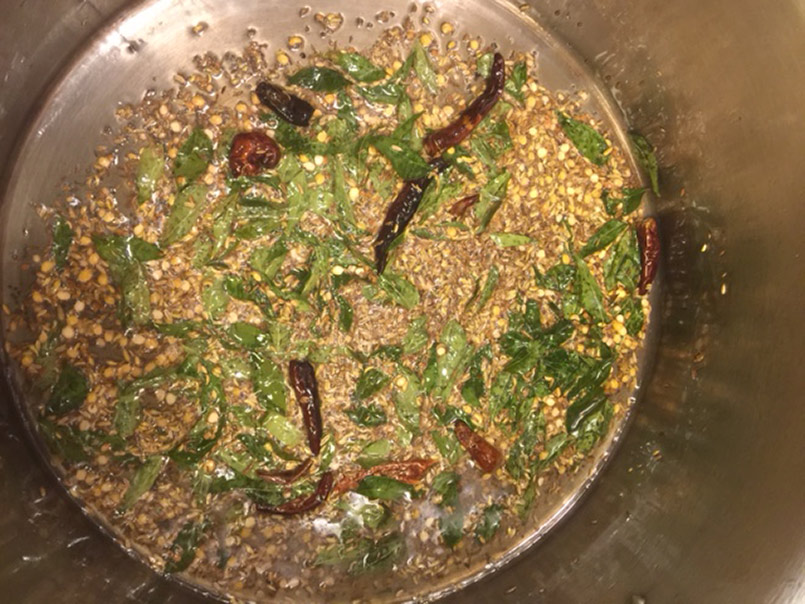
In coconut oil, Nandinatha fries all the dry grams for tempering.
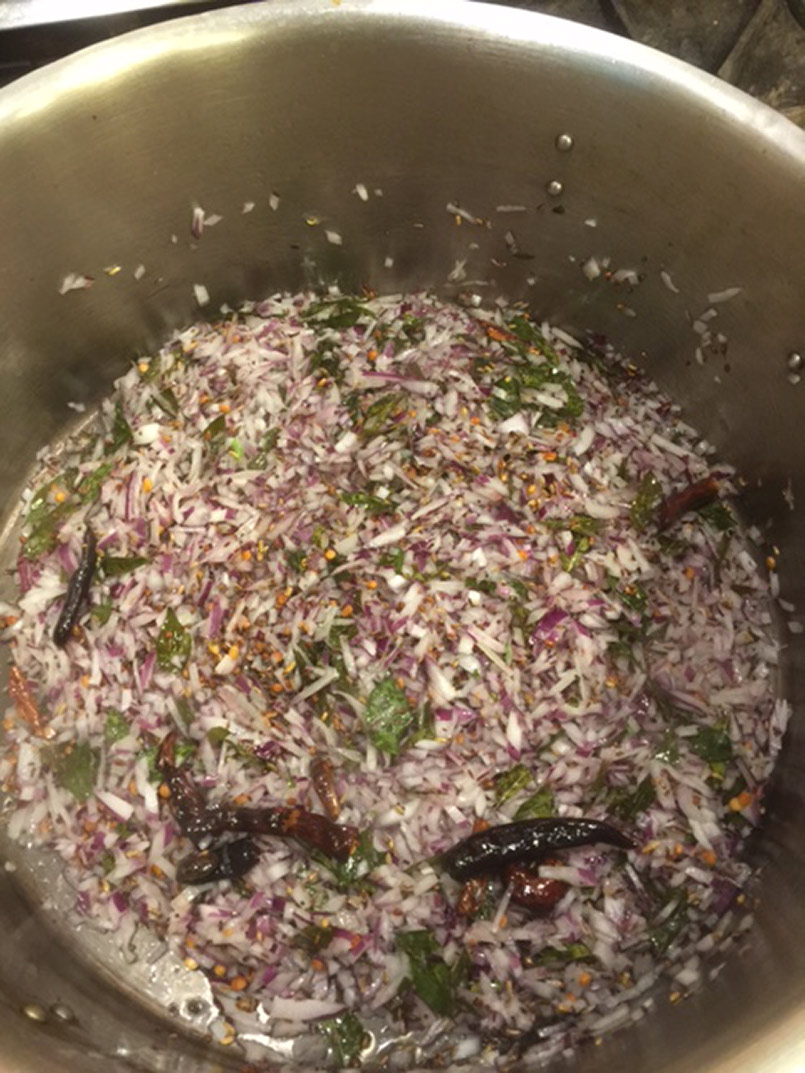
Then go in the onions, green chilis, turmeric, hing, and salt.
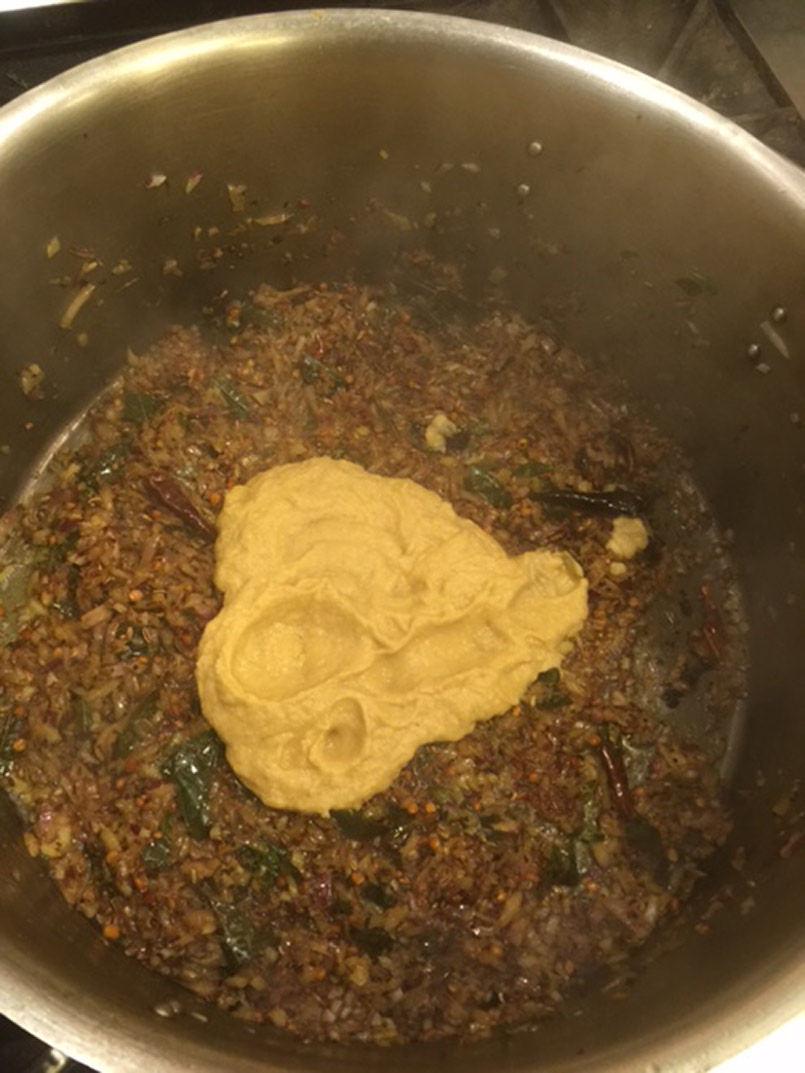
The garlic and ginger are ground into a paste and then added.
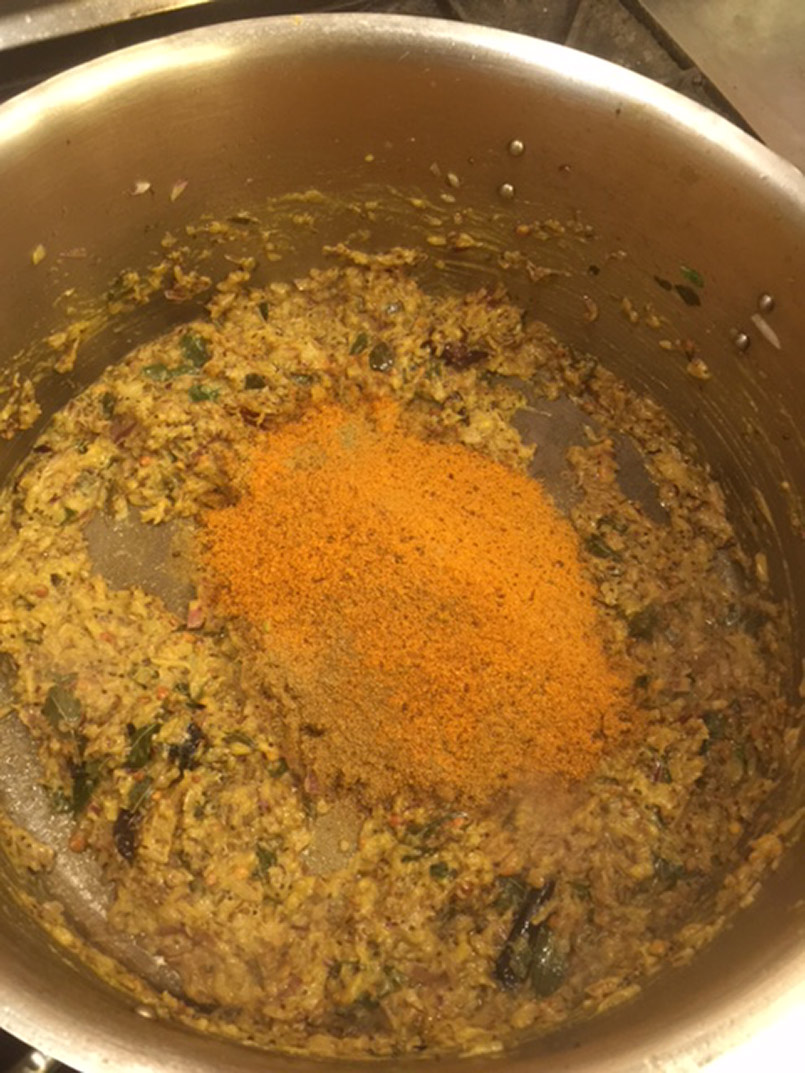
All the other dry spices are added.
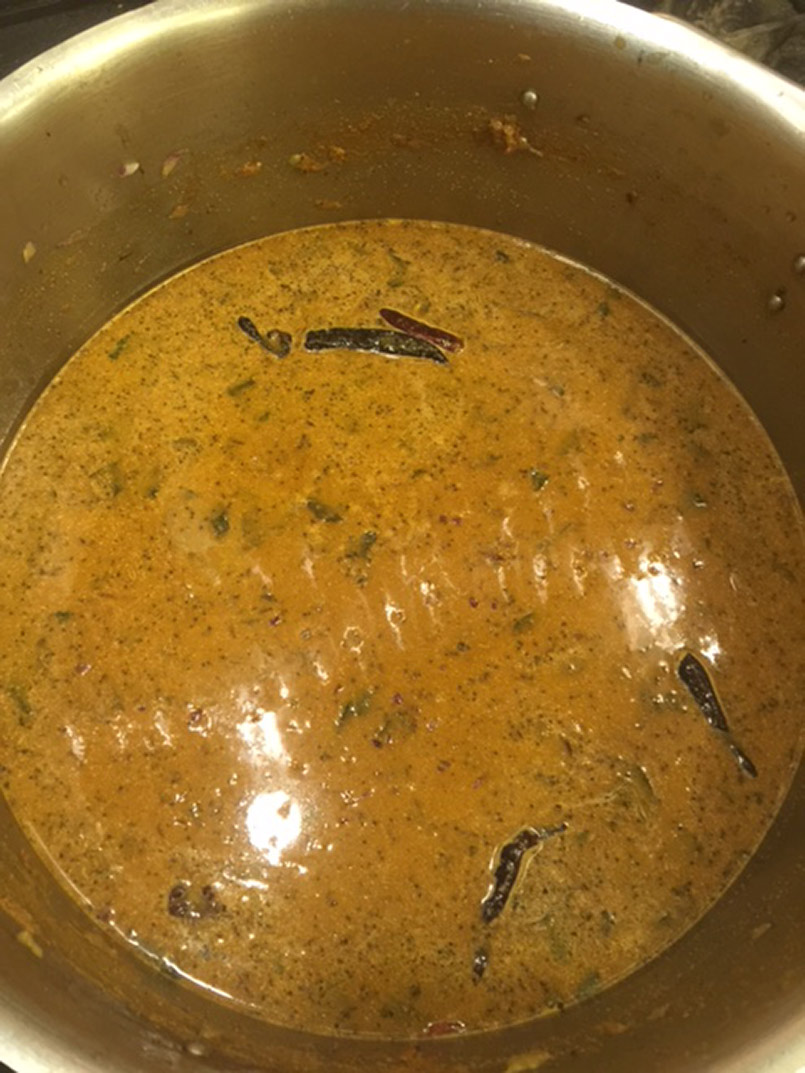
Water is slowly added while stirring to make a homogenous liquid. The spices need to boil for a bit and the ginger-garlic needs to finish cooking.
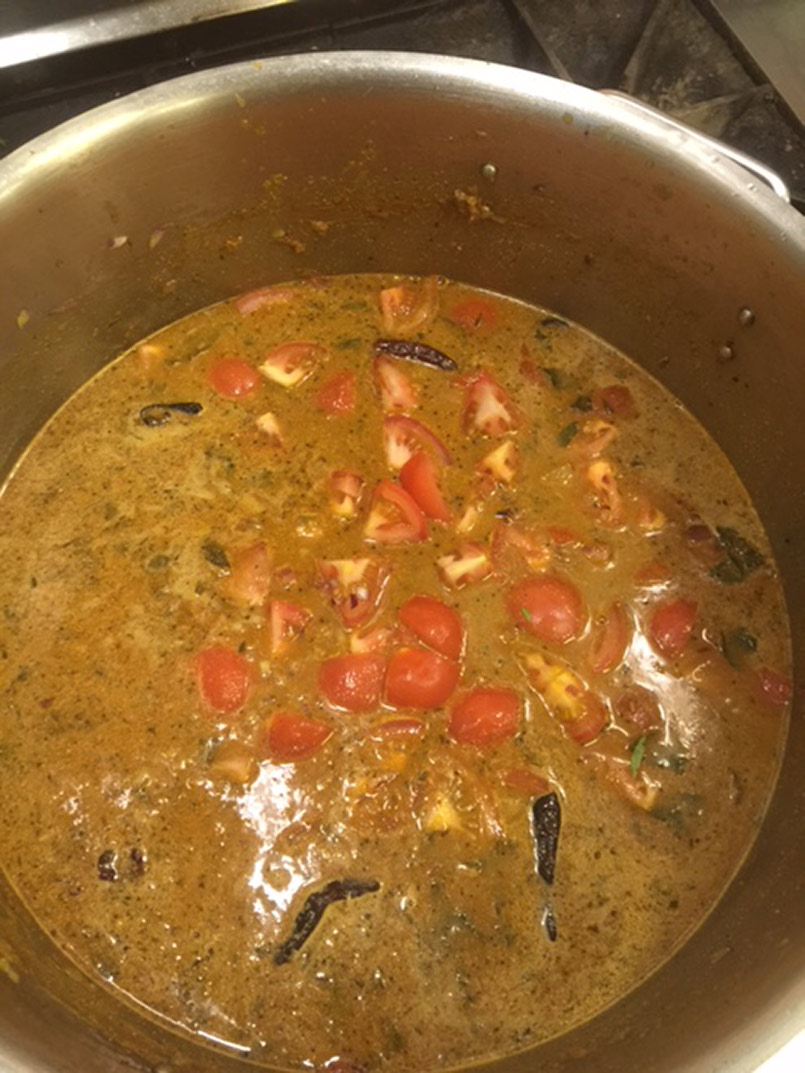
Add tomatoes…
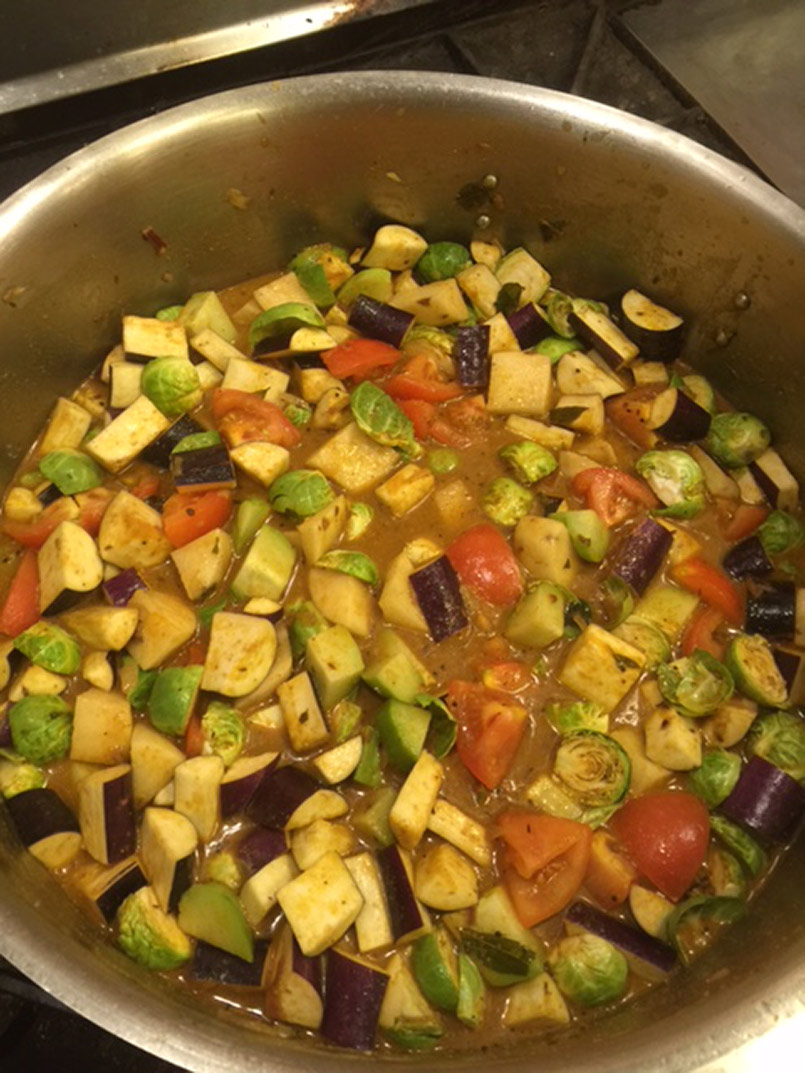
Then all the other vegetables.
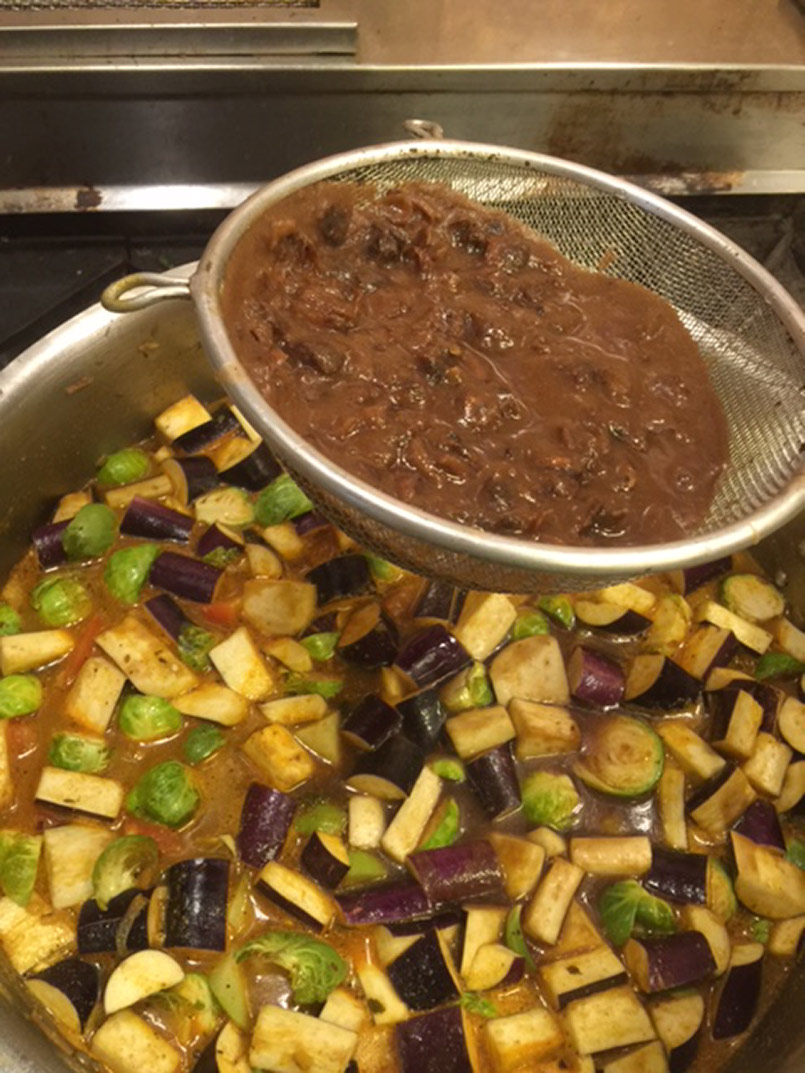
Oops! Nandinatha meant to add tamarind paste while the spices were boiling. It\
s cool though, it can go in now and still be ok. He strains the thick, sour paste from the pulp and seeds of the fruit.'

Now we\
re really cooking. Let that sambar boil and then simmer to develop all those flavors.'

The vegetables in sambar should be in fairly large pieces, and remain whole when cooking. They should also, however, become completely and utterly soft to the point where they nearly melt in your mouth.

It\
s done and ready to be served with those idli!'

As a side, this is the view that Nandinatha sees every day as he stands washing dishes at the kitchen sink. We see Nakshatra Garden, which houses all sorts of delights such as various chilies, ginger, galangal, curry trees, mint, coriander, parsley, lemongrass, pandan…etc!
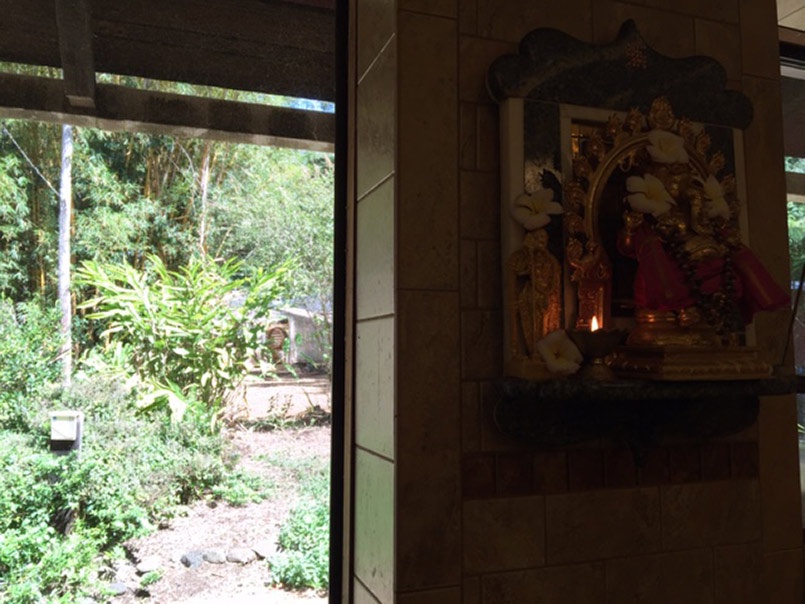
What\
s that inside the kitchen to the right of Natyam\'s view?…'

The Nataraja Nilayam shrine! Lord Ganesha and His little brother, Lord Murugan, keep Natyam company as he performs his daily culinary Sivathondu.

The view Nandinatha sees while dishwashing if he turns his head to the right a little.

Oh, right we were cooking! Here is the final product of idli sambar. In the upper right, we see a little idli podi with some ghee to enjoy with the meal and a small fresh garden salad. Romba romba tasty!
}
];
transitionSpeed:150});