
Final Peethams Installed and Publication Spotlight: Guru Chronicles
December 5, 2016We welcome the final installation of our Saiva Saint Path peethams and we reflect on our guru lineage. The Guru Chronicles is filled with the history of the siddhars that guide Kauai's Hindu Monastery and continue to develop the powers it contains. We quote from the book in this slideshow and try to give a glimpse of its miraculous tales.
Introduction:
These are the stories of remarkable souls who knew the
Unknowable and held Truth in the palm of their hand.
They confounded their contemporaries, revealed life’s
purpose and path, and became inexplicably aware of the
future. They worshiped God as Siva, knowing Him as All
and in all, as the God— by other names—of every faith and
path. Many are the gurus; but these knowers of God—those
who have achieved the ultimate goal of yoga, transcending
the mind itself—are called satgurus. Their successors still
live, their powers transmitted and maturing from one to
the next, now flourishing in the 21st century. But their stories
have remained largely untold, a kind of universal spiritual
secret. Here, for the first time, what moved and motivated
them is revealed, to the extent they let it be known.
Here, for the first time, what they said and did is shared
outside the circle of initiates.
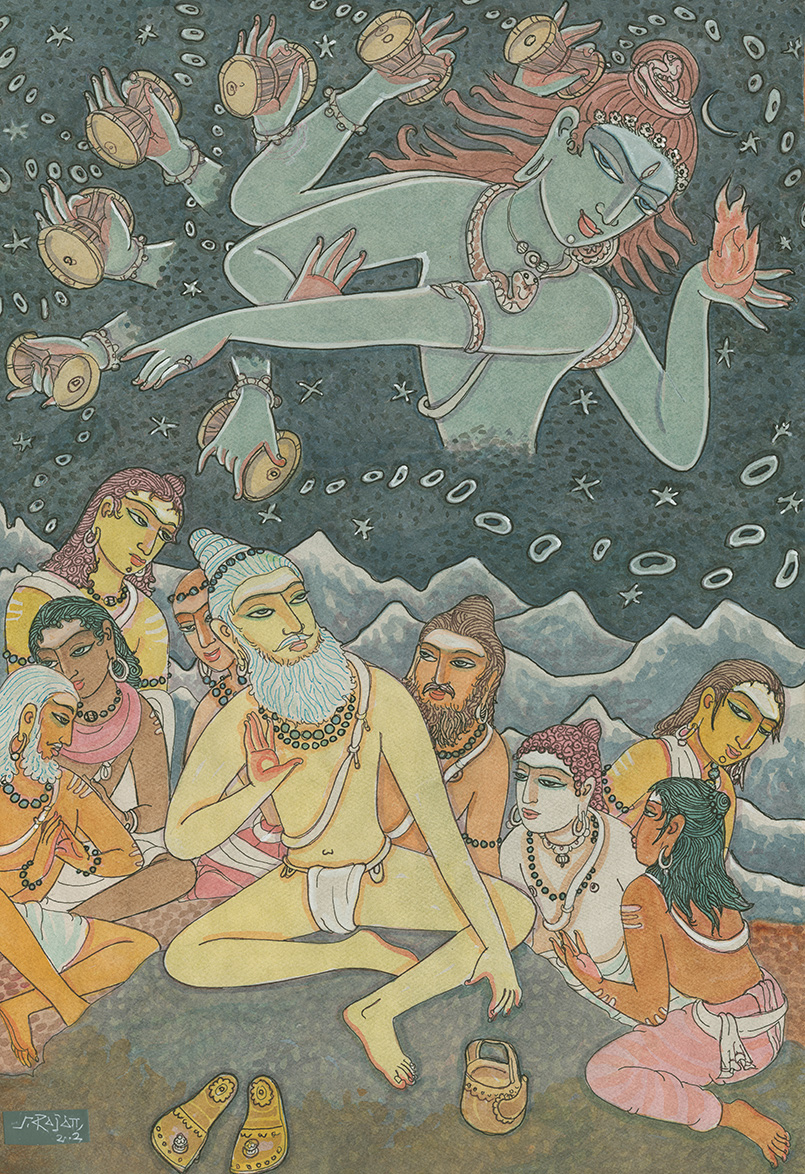
Having achieved the eight siddhis and perfect enlightenment at the feet of the Natha guru Maharishi Nandinatha in the Himalayas, Rishi Sundaranatha, later to become known as Rishi Tirumular, joined the venerable Natha lineage, and later became one of its most celebrated yogis.
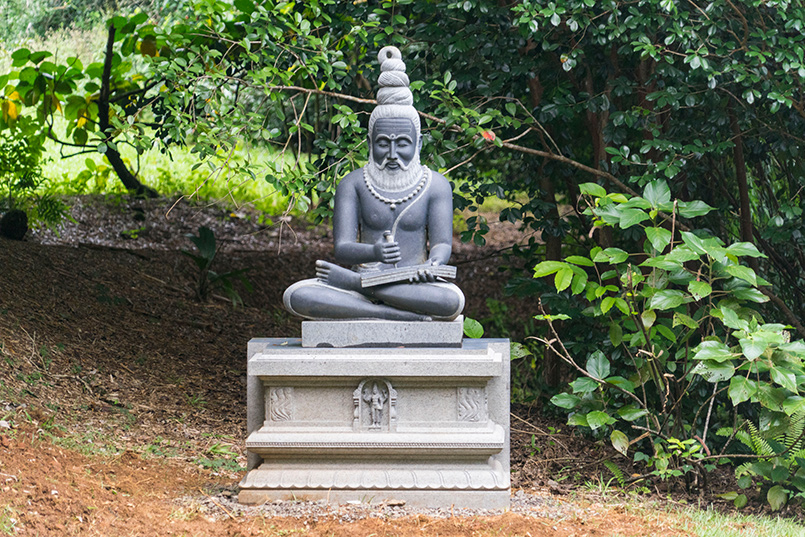
By Nandi\
s grace, master I became; By Nandi\'s grace, I sought Mular; What can happen without Nandi\'s grace? I remained, seeking to expound Nandi\'s path.'
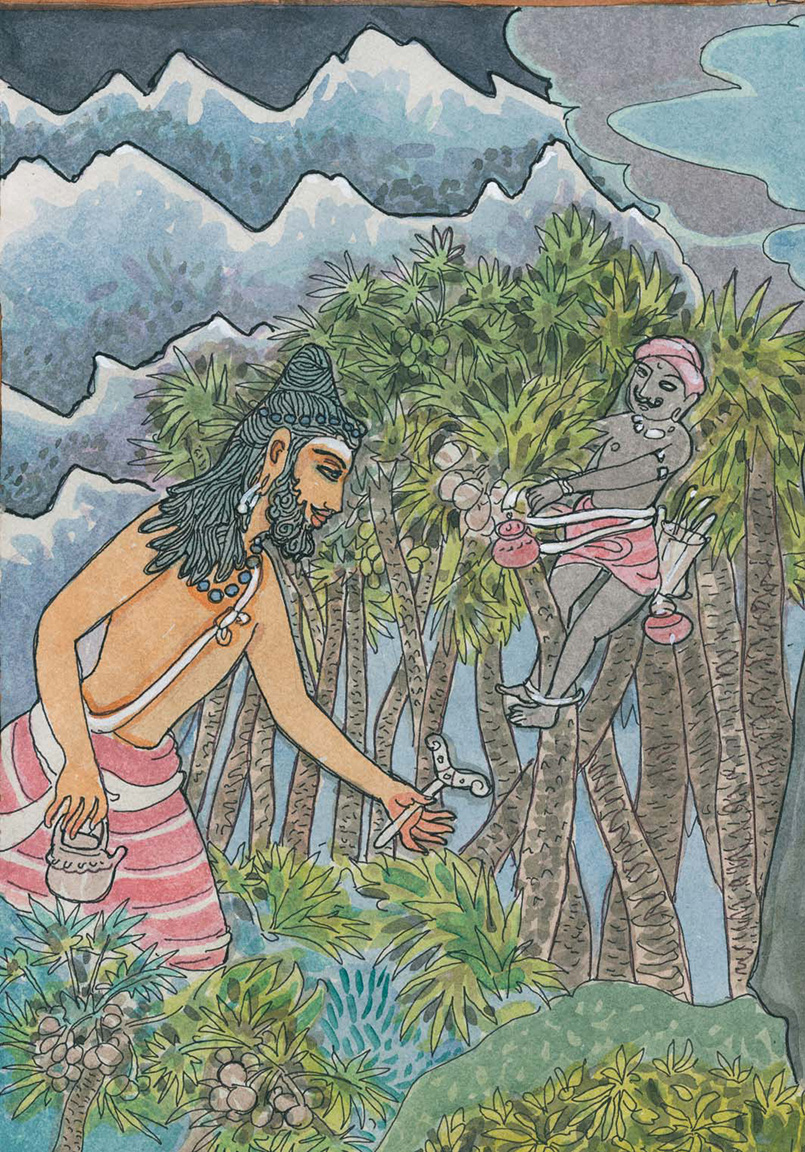
The great siddha Nandinatha blesses his disciple, Sundaranatha, instructing him to undertake the arduous journey to the South of India, there to promulgate monistic Saiva Siddhanta in order that mankind may overcome the illusion of separation in the ultimate experience of Parasiva, where God and soul are one.
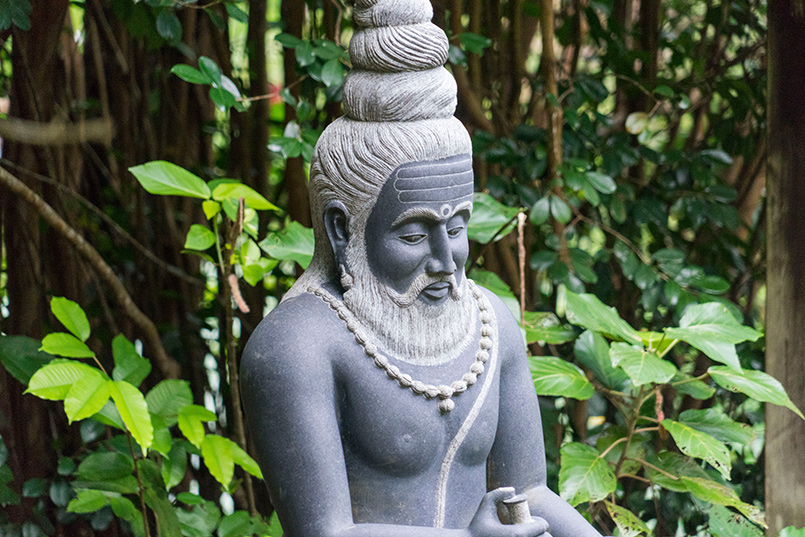
By the grace of Nandi, I sought Mular; By the grace of Nandi, I became Sadasiva; By the grace of Nandi, I became united with supreme wisdom; What I am is by the grace of Nandi.
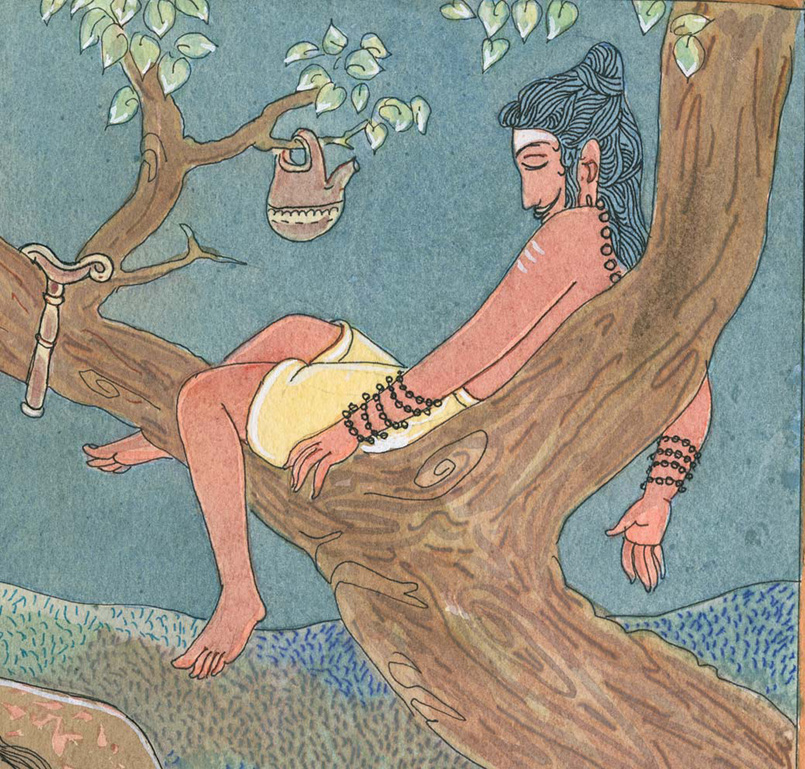
Sundaranatha reached Chidambaram in the deep South of India. He lived in the wilderness, not drawn to the townships and their activities. He bathed in the streams and slept on the ground, and occasionally in the crook of a tree to avoid animals and insects.
Of what use will the subsequent births be If the previous one is not marked by austerities? A purposeful birth God gave me, That I may well render Him in Tamil.
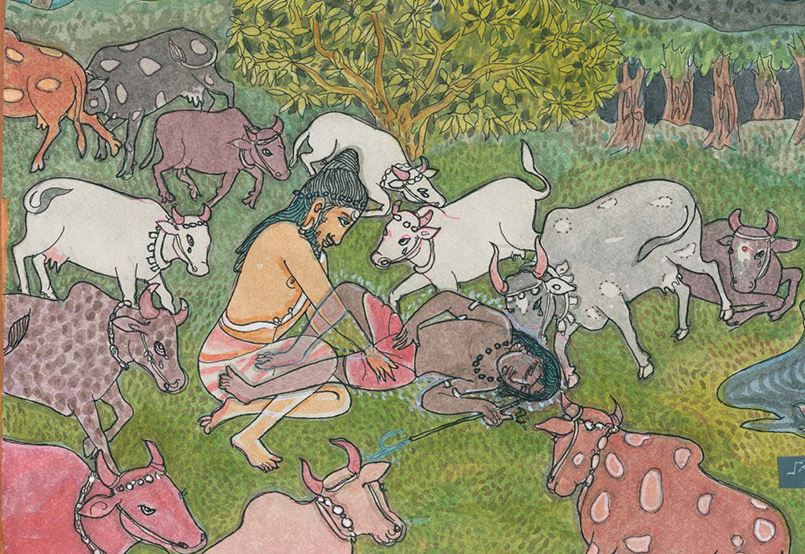
In his astral body, sage Sundaranatha approached the dead cowherd, psychically entered the corpse and brought it back to life. His fi rst sight upon awakening in the Tamil body was the herd of cows, happy to see their caretaker alive and well again.
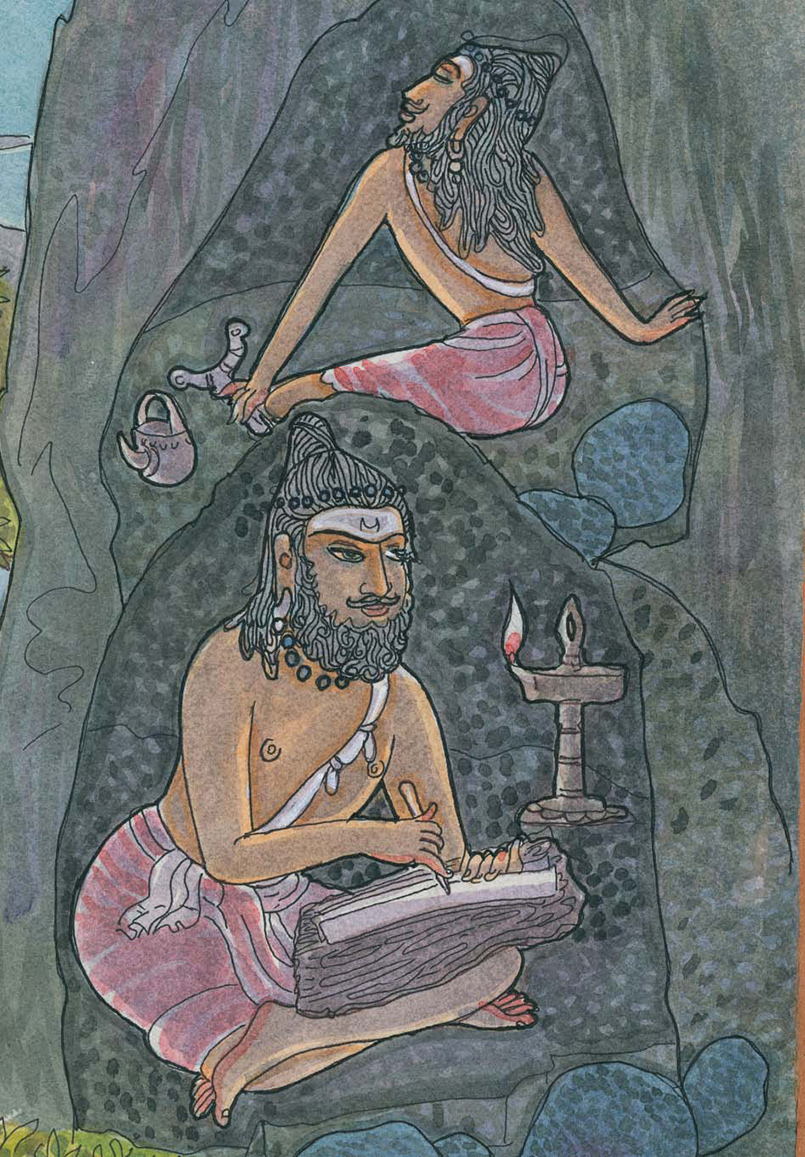
Legend speaks of Tirumular\
s years alone in a cave, deep in samadhi. At the end of each year he would write a single verse, scribed with a stylus into a palm leaf, capturing in that verse the sum of one year\'s meditations. Thus, patiently, he composed the mystical text, Tirumantiram.'
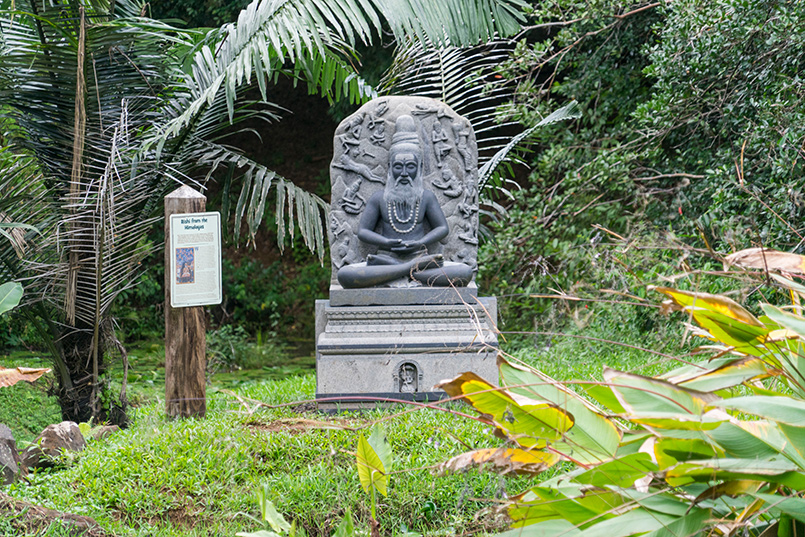
What little we know of the next satguru in the Kailasa Parampara, a Natha siddha who had some 157 satgurus before him, of which 155 remain nameless.
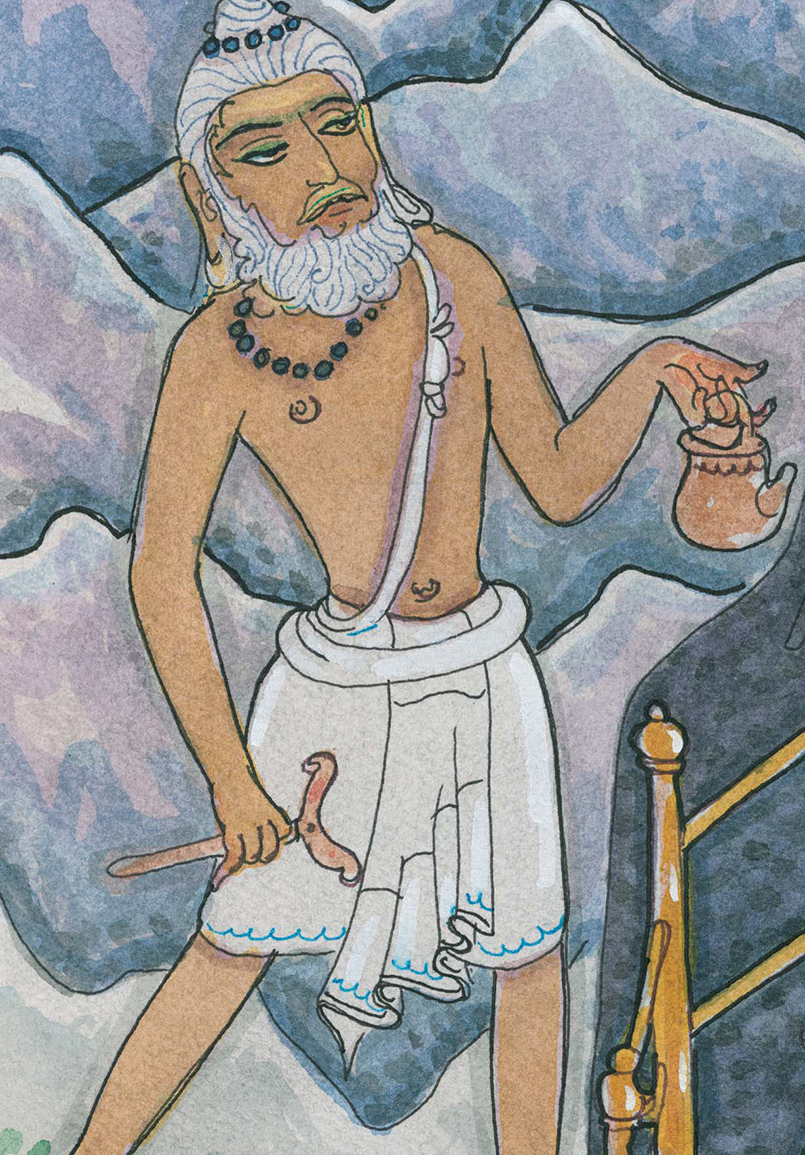
Walking the 2,200 kilometers from the Himalayas to Bangalore was not merely arduous, it could be life-threatening. It required enormous stamina, and it called forth a simplicity few could sustain. Here Rishi from the Himalayas makes the journey carrying only a water pot and yoga danda for meditation.
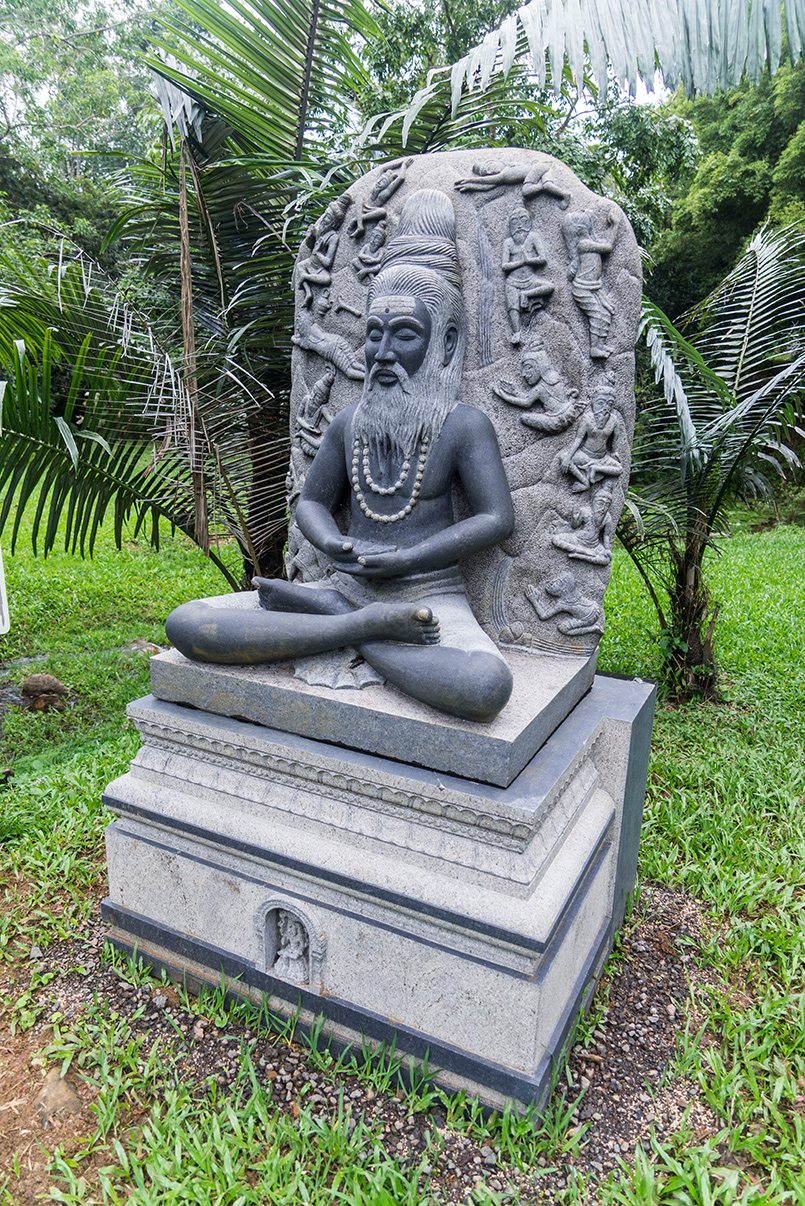
In the absence of even a name, he is called Rishi from the Himalayas, and the details of his life are tellingly sparse. There have been mystic intimations of his life and times, little more, into which the following fi ctive story breathes vivid detail and color, telling of India\
s hoary tradition of world renunciation, self-inquiry, sitting at the feet of masters, and God Realization.'
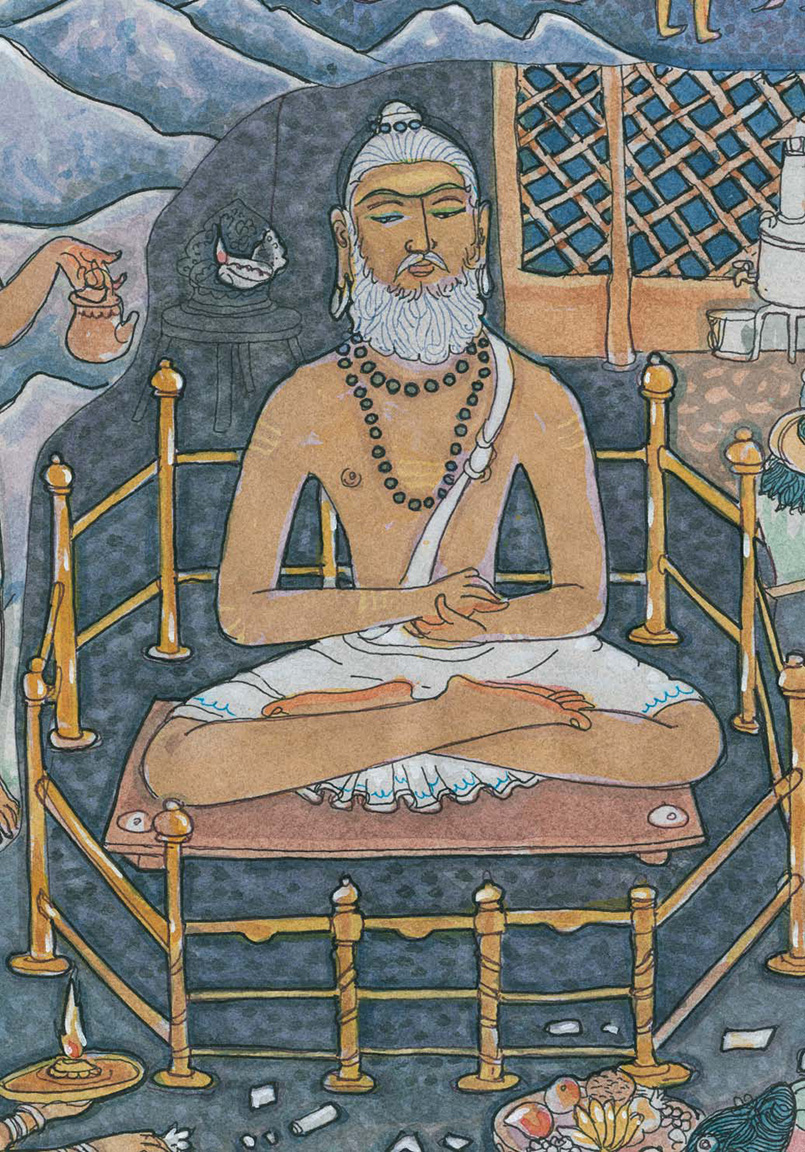
Rishi from the Himalayas became a legend when he sat for seven years in a tea shop without moving. People came from far and near to witness this miracle, so many that a brass railing was installed to keep the crowds from touching him and disturbing his meditation.
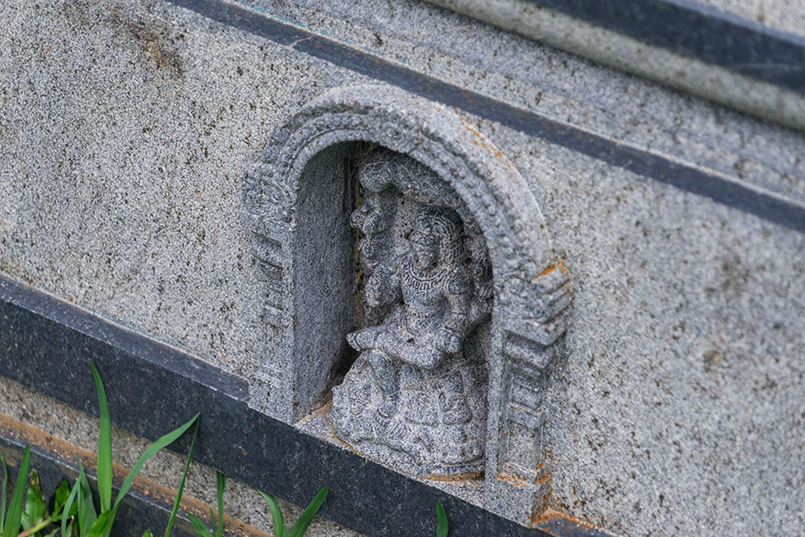
Rishi was regarded variously by those who visited the tea stall: yogi, magician, oracle and Deity. No matter how they saw him, visitors approached with trepidation and reverence for the remarkable man who lived apart from ordinary consciousness.
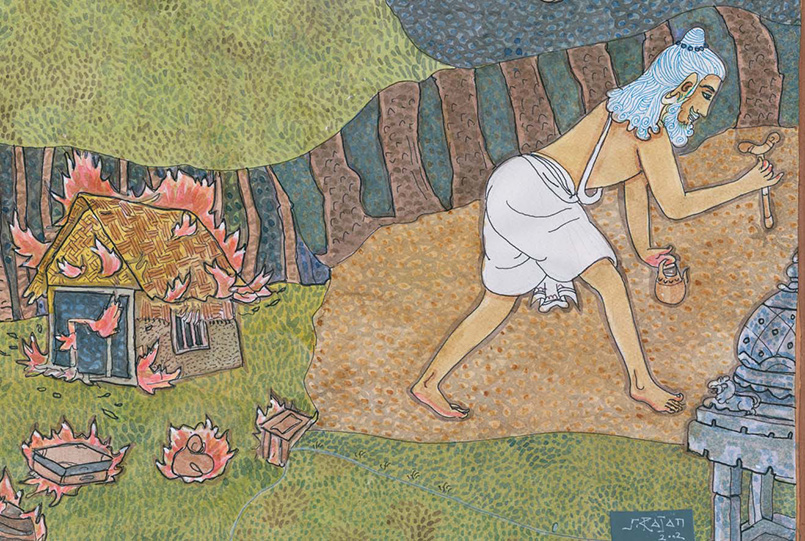
Rishi\
s serenity during the silent years in the tea shop gave no indication of his fi ery nature, which was experienced later. Villagers wanted him gone, but before they could engineer his departure, he torched his simple thatched hermitage and left the region forever.'
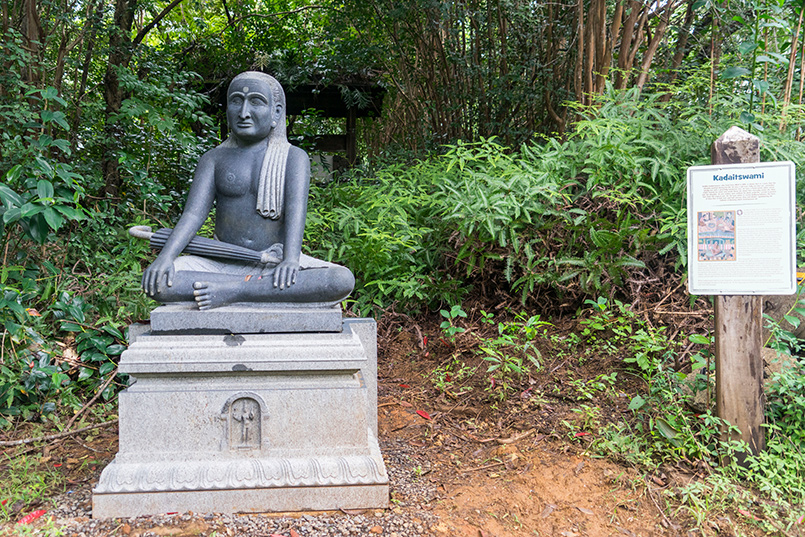
One day, in High Court in Bangalore, Karnataka, a magistrate presided over a murder case. The verdict was never in doubt, and the jury was unanimous. When the time came to pronounce the mandatory death sentence, the judge stood up to address the court. His tall, imposing stature brought silence to the courtroom. Before he spoke, he removed his shastri\
s shawl, his robes and ornaments. Looking around the courtroom for the last time, he announced, \"God created this man. Who am I to decree his death?\" Refusing to deliver the death sentence, he solemnly walked away from the bench and was never seen in that region again.'
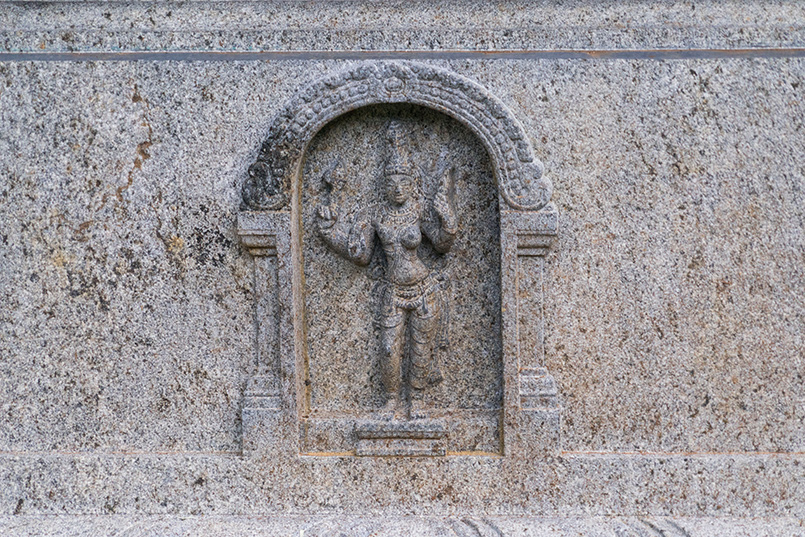
Speaking to others about his inclinations toward sannyasa, he came to know of the rishi in the tea shop. He was regaled with stories of this remarkable sage, stories that moved him deeply and led him to seek to meet that awakened being in person.
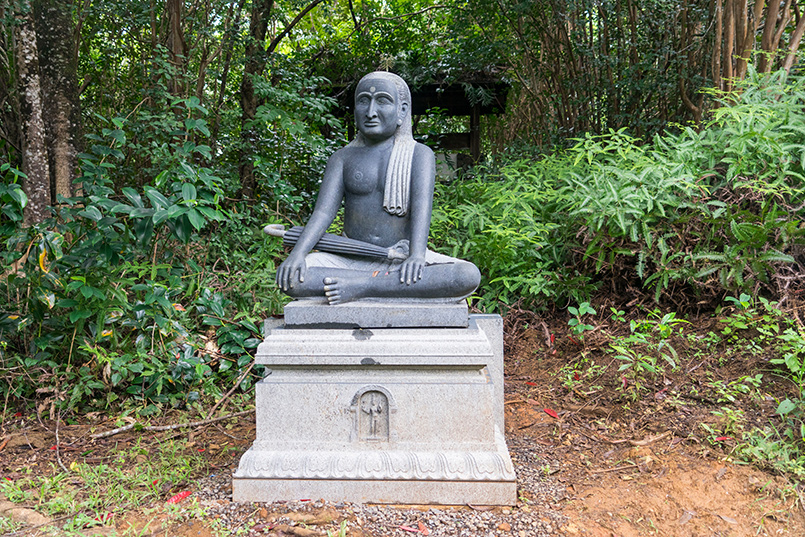
His unusual height and beggar\
s way of life attracted attention wherever he went. It was no use trying to blend into the background, and he didn\'t try.'
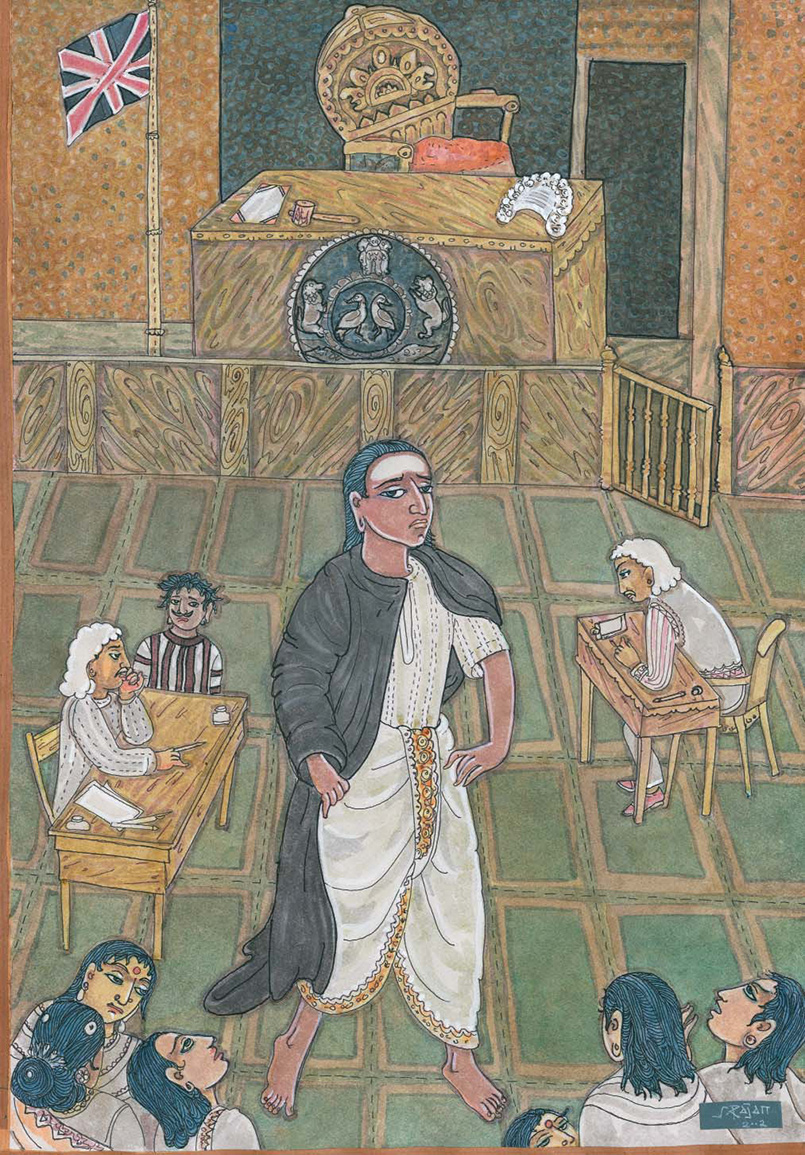
Duty demanded that an Indian judge sentence a guilty murderer to death, but he could not bear that karma. Instead, he removed his wig and judicial robes, stood and walked out of the courtroom, never to return, never to practice law again.
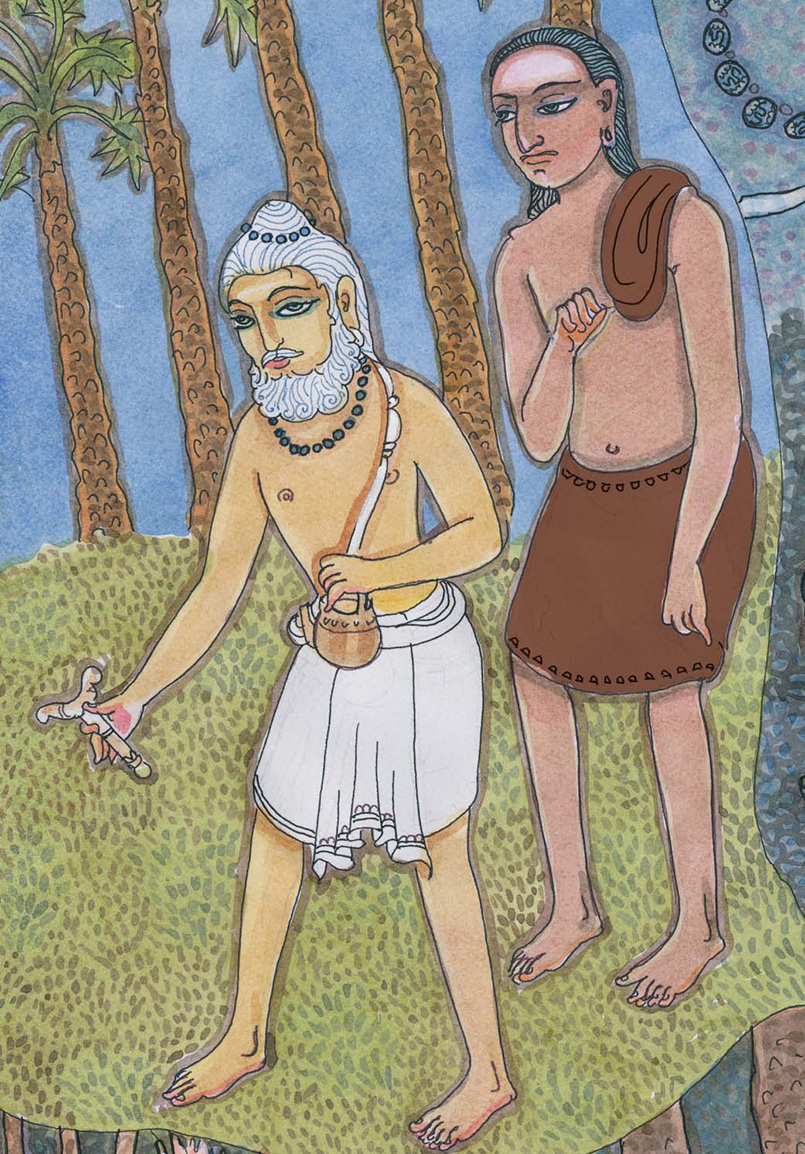
The young sadhu found his guru, Rishi from the Himalayas, at Palani Temple. The two were inseparable, and always on the road, never staying more than two nights in one place, true mendicants, begging for their meals and living under no man\
s roof.'
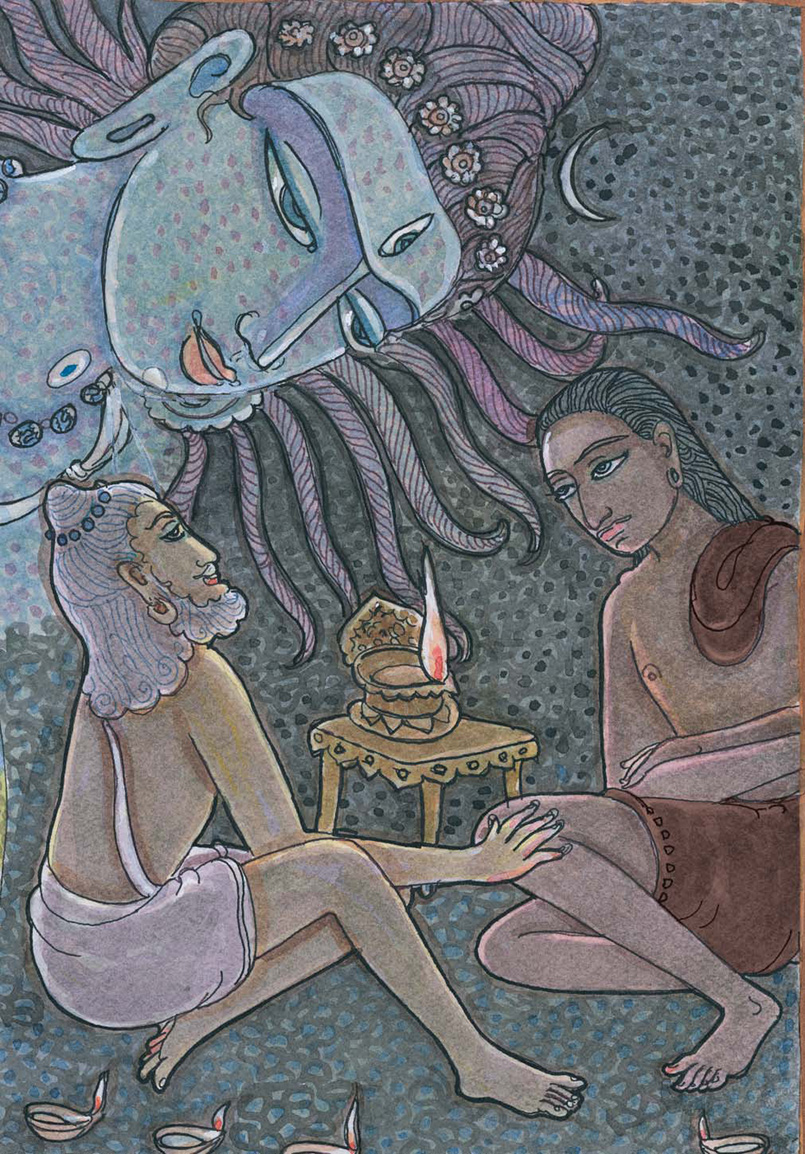
On the last day they were together, Rishi initiated his shishya into the great Kailasa Parampara, pouring the light and love of Siva into this new vessel with a simple, but puissant, touch on the knee.
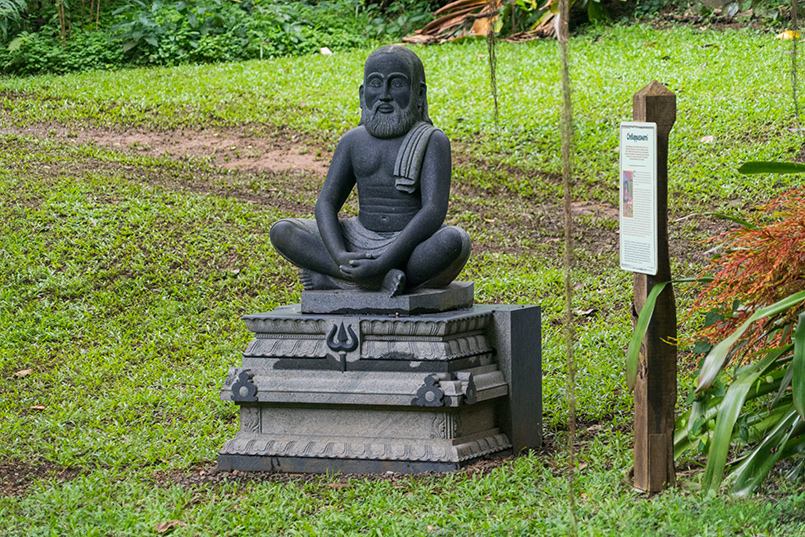
By the time he was sixteen, Chellappa\
s peculiar distance from people was so pronounced that he routinely went for days without speaking to anyone at all. His parents feared something was seriously wrong with him, and from time to time took him to various doctors, astrologers and other learned men, seeking a sensible diagnosis.'
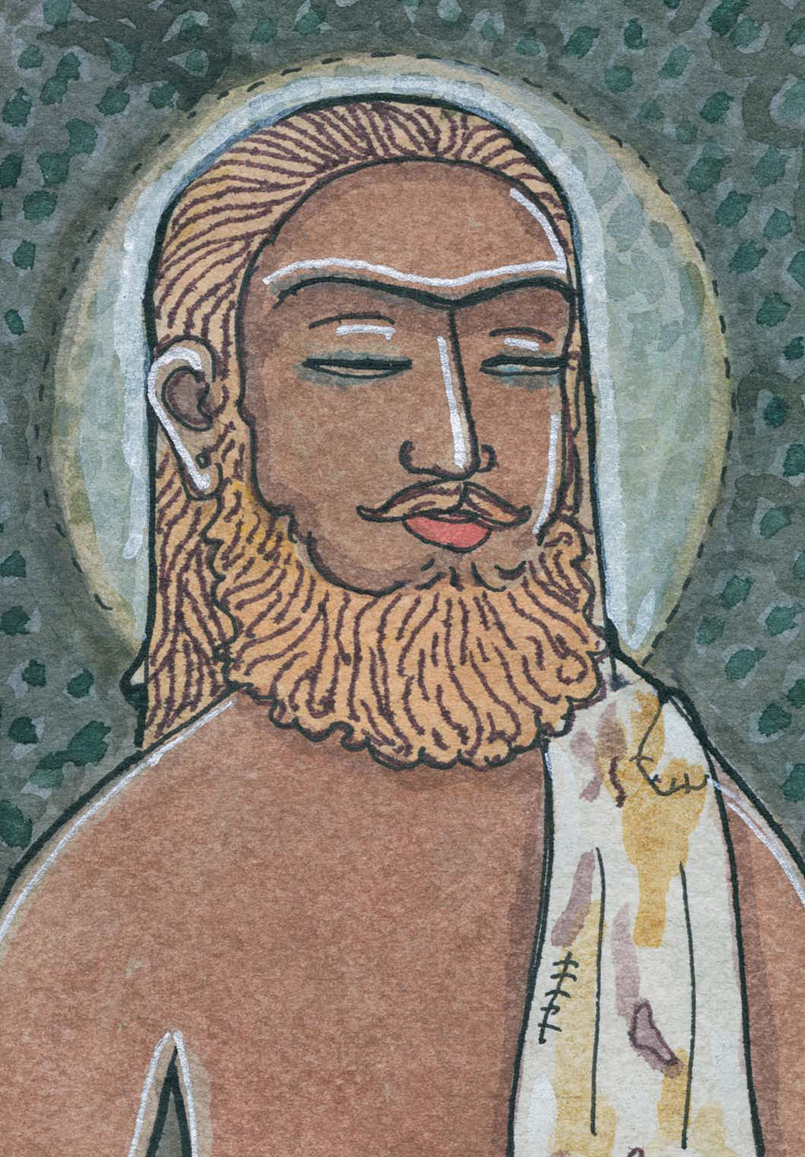
Chellappaswami was a difficult man to be near, fiery and outspoken, bold and taunting, preferring his own company and often mumbling nonsense. With his tattered veshti and unforgiving manner, it is little wonder only a few strong disciples drew close.
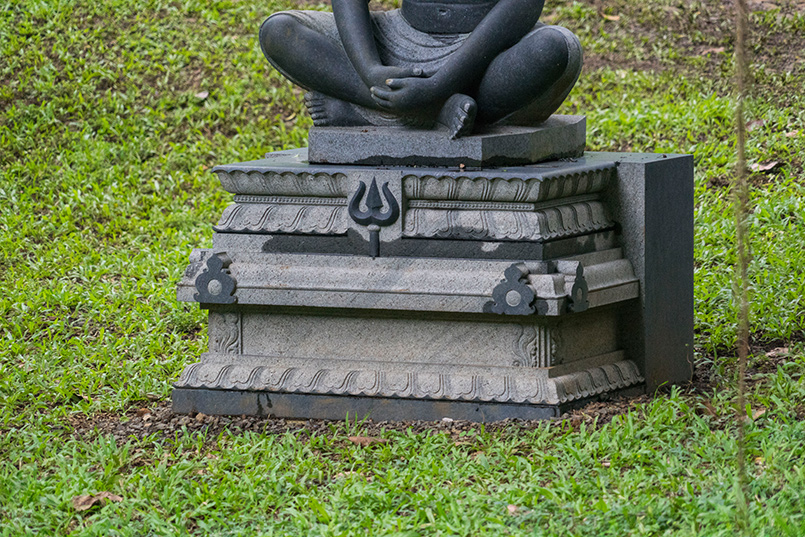
Seeing him withdraw more and more into states they interpreted as aberrant, his relatives arranged special pujas for him in which the priests tried to exorcise the spirits they assumed had possessed him. To no avail.
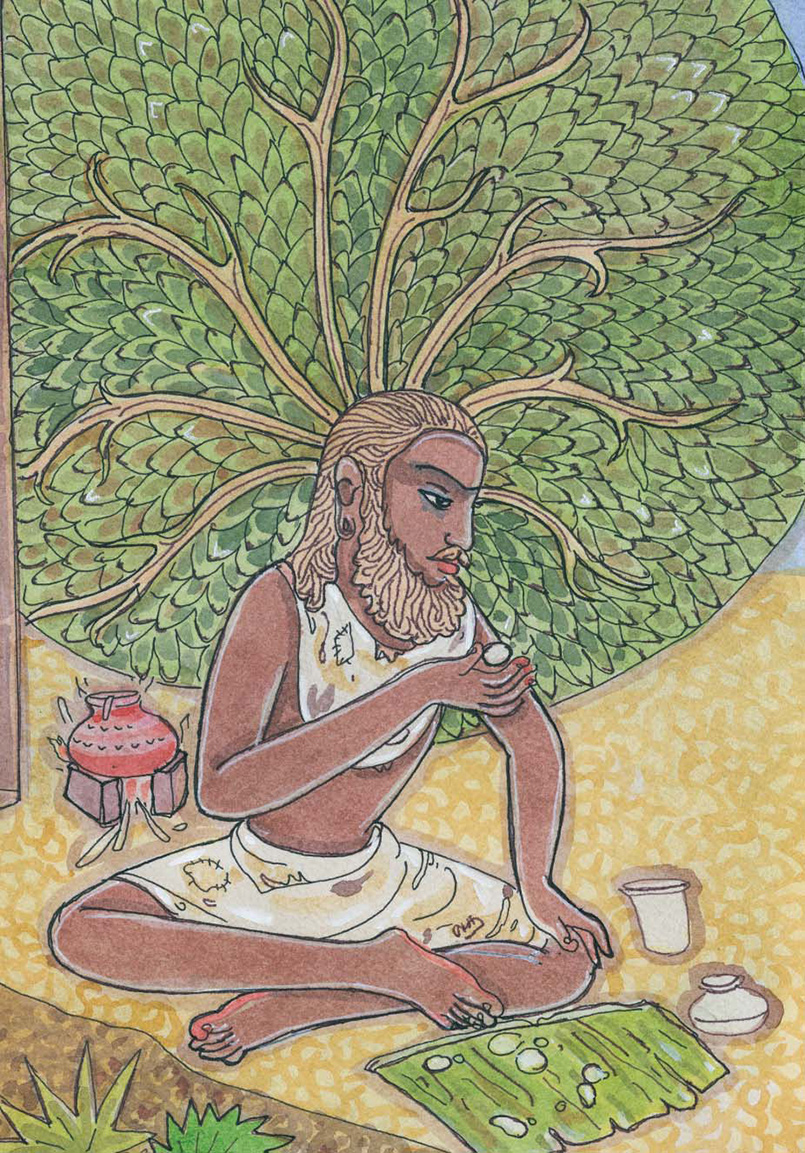
Chellappaswami kept a tight rein on his desires and appetites. His meals were taken in solitude most of the time, prepared on a simple wood fi re in the shade of the Nallur temple bilva tree.
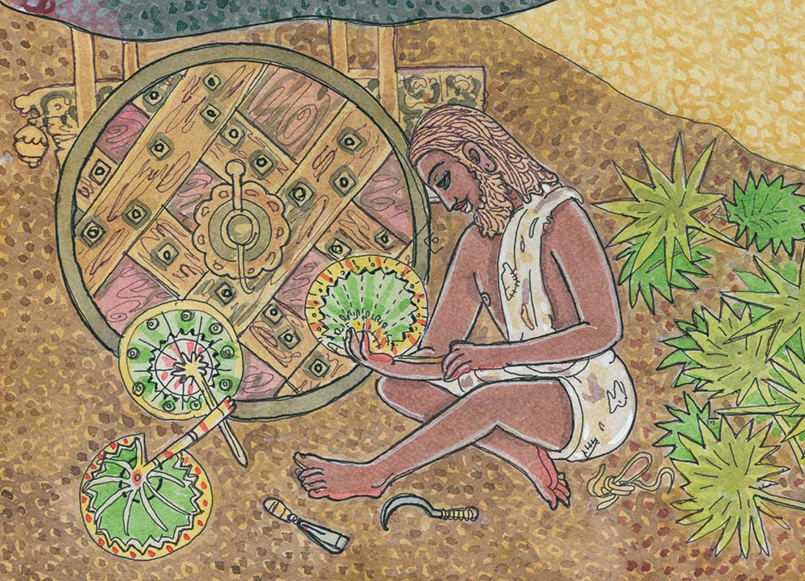
Chellappaswami would spend hours cutting and weaving the rigid fronds of the palmyra tree to make traditional fans, which people used to fend off the sweltering heat. Those who received his fans regarded themselves immensely blessed.
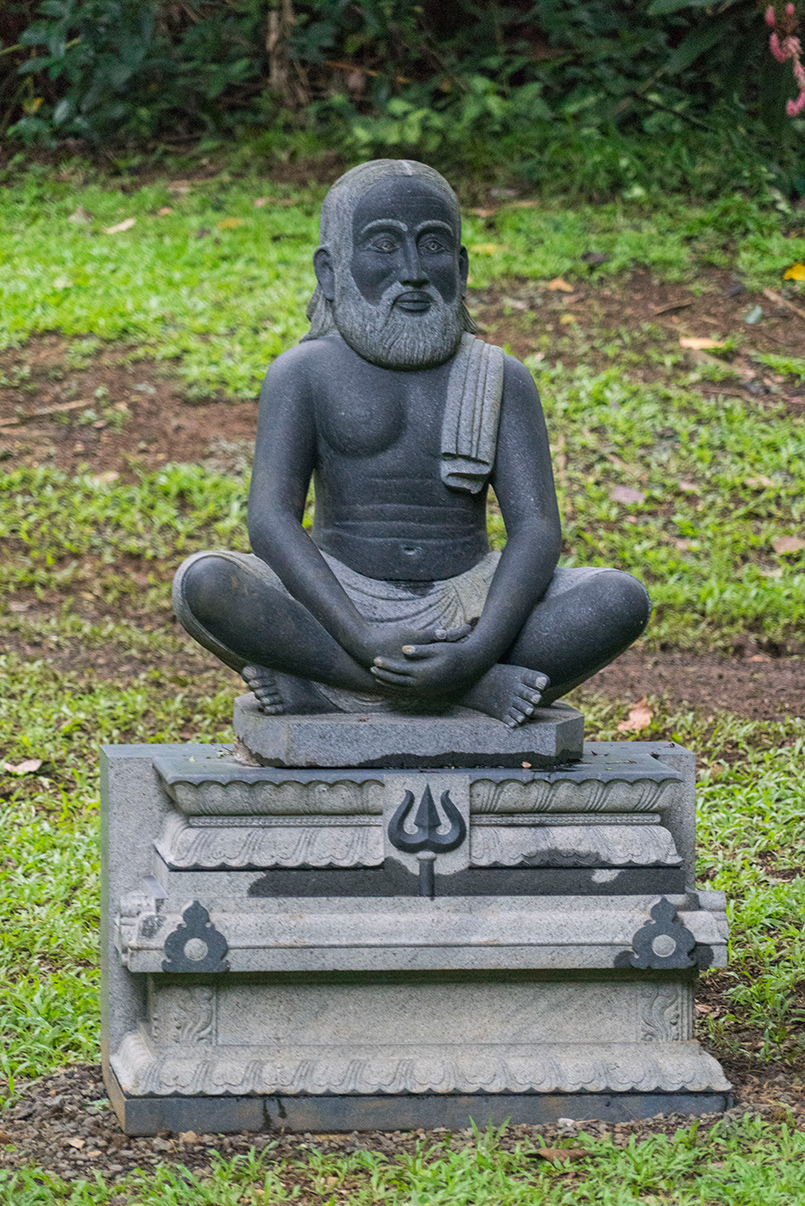
Chellappaswami continued the parampara\
s mighty mission of slowly but surely, step-by-step, awakening Saivism within the hearts and souls of Tamils everywhere on this lush, garden island. Were it not for him, there is no way of knowing whether Saivism would have survived into the 21st century.'
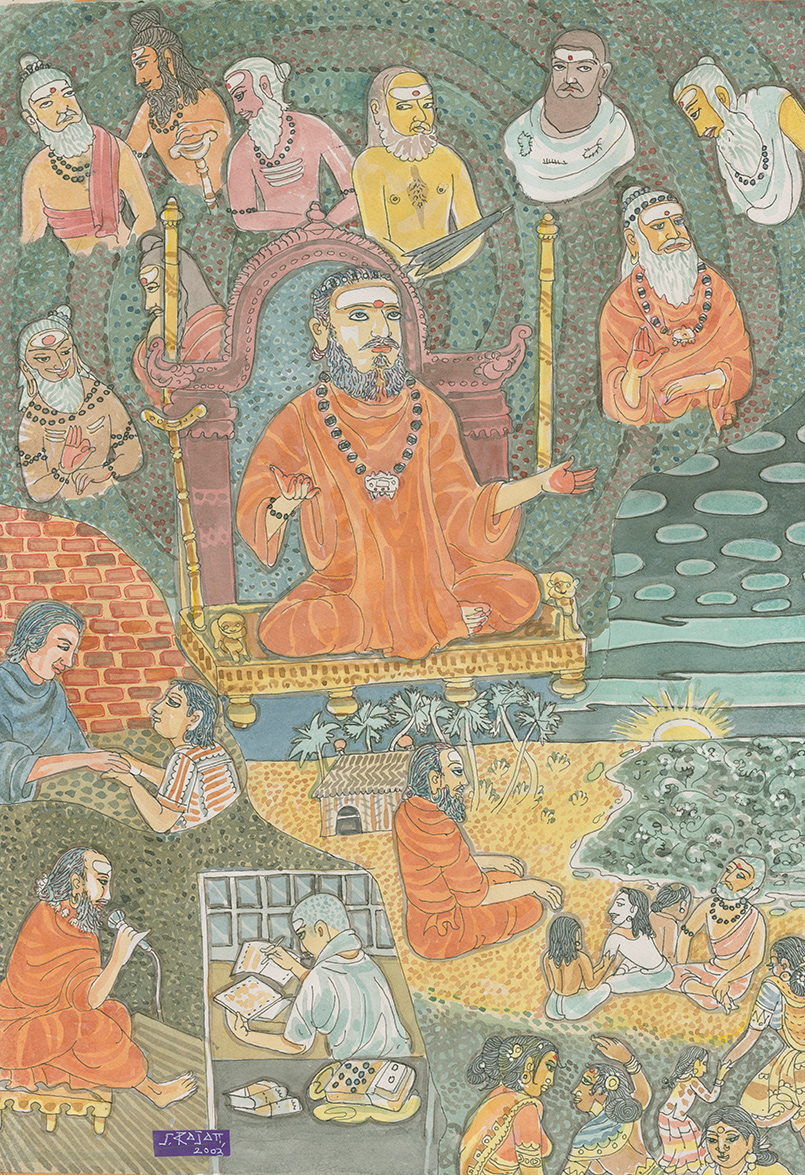
A parampara is like a mighty river, its waters ever fresh, its vitality unremitting. Branching out and winding through the centuries, through many nations and cultures, the Kailasa Parampara brings life-giving waters to all who thirst for Truth.
}
];
transitionSpeed:150});