
Our Friendly Planets
May 16, 2017In the Hindu view, the planets are not mere celestial bodies circling the Sun. They are also divine beings. Each is like a prism, conveying subtle energy from the far galaxies, thus impacting affairs on Earth according to its unique nature and location in the sky. The ancient science of space and time that understands and maps this influence is called jyotisha (literally science of light) or Hindu astrology.
Hindu Vedic astrology is based on the basic beliefs of karma and the reincarnation of the individual soul. It is a complete science of understanding ones past, present and future patterns of experiences, as well as personality traits and character. Your horoscope is an interpretation of the positions of the stars and planets at the moment of your birth, which form the unique karmic map of your birth chart.
Astrology is a part of Vedic self-understanding. We look to the stars to see ourselves better, to discover the mysteries that lie all about us and within us. In rita dharma, that heavenly cosmic orderliness, stars are more than massive conglomerates of molecules or fiery furnaces fleeting afar. They are entities, potent presences that affect us despite their distance. There are, of course, many Hindus today who pooh-pooh such notions. "Stuff and nonsense," they will cry, "What thoughtful person can accept that stars, so remote, influence life on Earth?"
But what thoughtful person, asks the astrologer, would deny the powerful tides dragged across our planet by a faraway moon, or gainsay the not-so-subtle solar forces that are the very stuff of life here? "Ah, but go out another few thousand light years and tell us what petty influences persist," our doubter might challenge. The jyotishi (Vedic astrologer), realizing the basic East/West difference in world views, attempts to help the skeptic understand the Hindu perspective. "In Eastern thought, particularly Hinduism, we conceive of all existence including the stars and planets not as being out there, but rather in here within the consciousness of each one of us. In other words, consciousness encompasses all of creation. The outside and inside are mirror images, and the essential nature of the cosmos is not that of multitudinous distinctions but rather the many-faceted expression of a one unified Reality. Thus we do not follow the mechanistic, externalized approach typical of Western thought."
Learn more here: https://www.himalayanacademy.com/media/books/jyotisha-hindu-astrology_ei/web/ch38_53.html
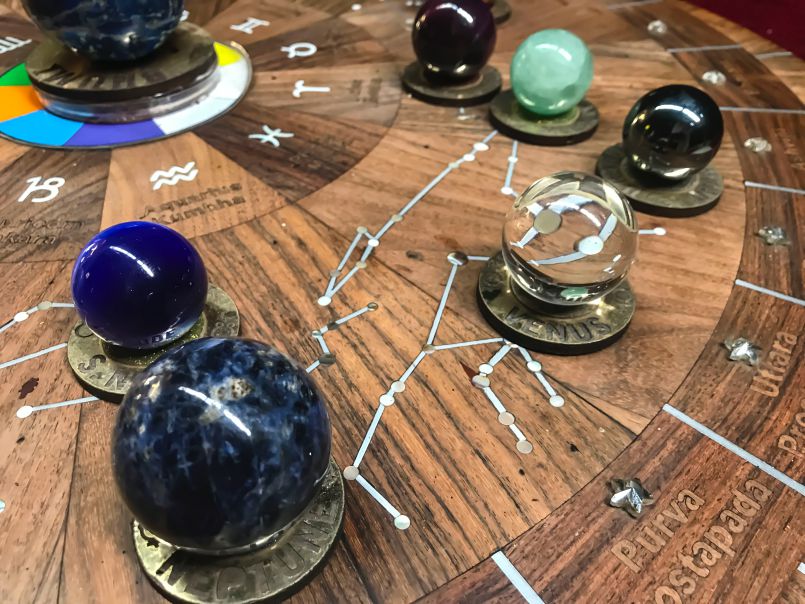
The Navagrahas in Kadavul Temple
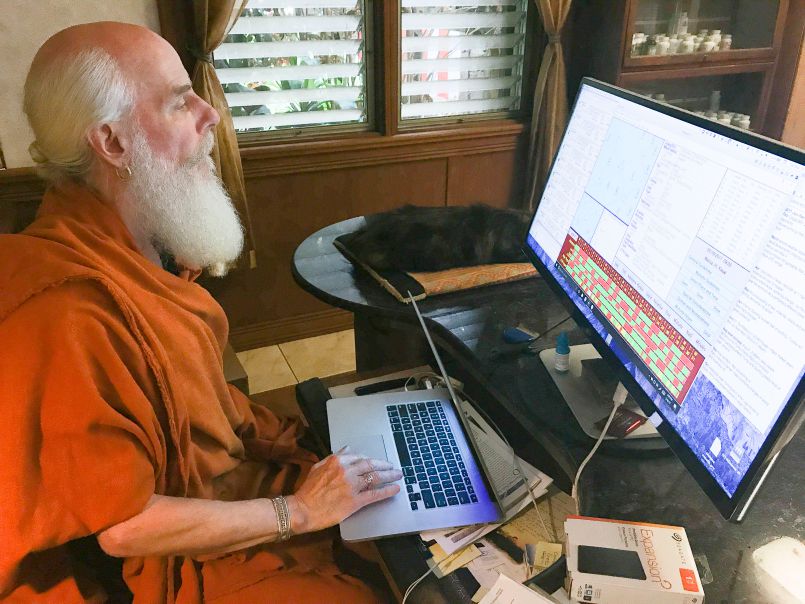
Paramacharya Sivanathaswami is our most astrologically-learned monk.
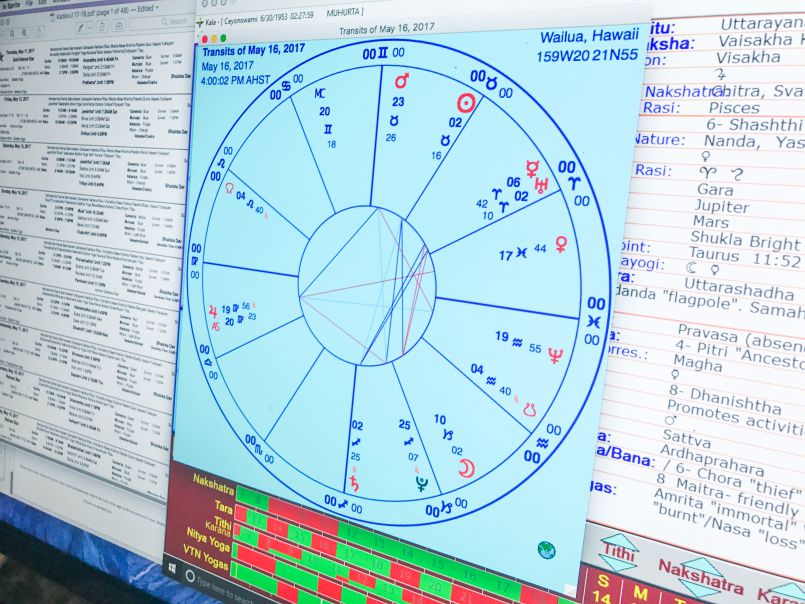
He shows us the chart for the this very moment!

Swami explains some of his uses for the daily chart, particularly in the temple puja.
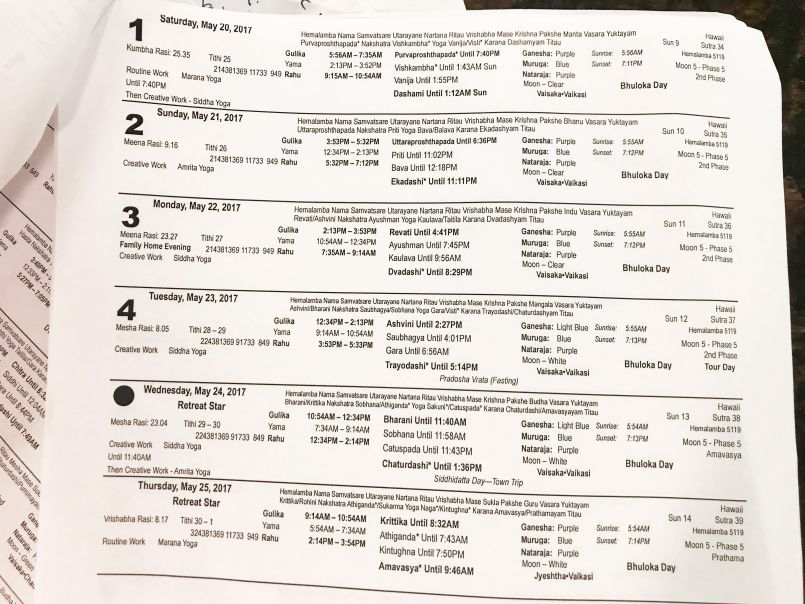
We have a printed calendar, or panchangam, which you can get at www.himalayanacademy.com\/readlearn\/panchangam
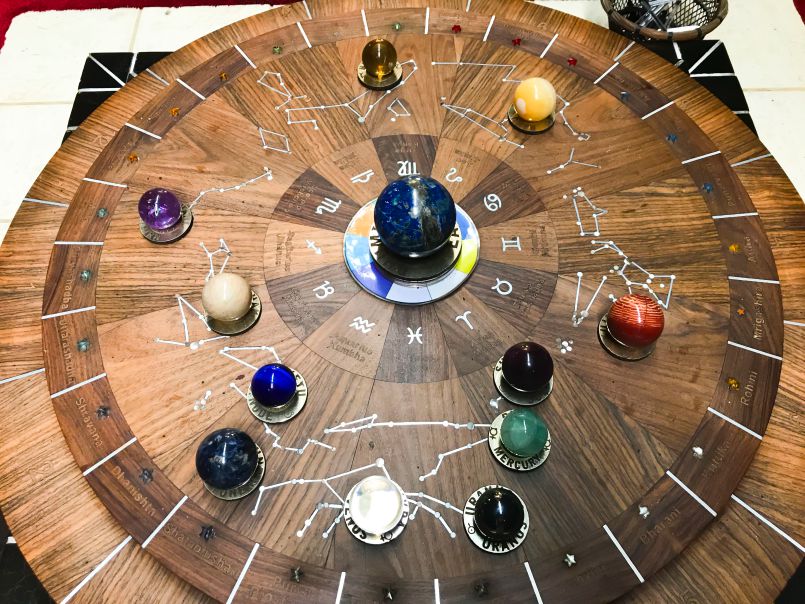
Our Navagraha board in Kadavul. Many temple\
s have full Murtis for each planet, as Iraivan Temple will. The Sanskrit word \"Graha\" is often taken as the equivalent of the English word planet. This is a very simplistic translation which hides the deeper meaning of this word. \"Graha\" refers to an entity that has the power to \"seize, lay hold of or grasp\". Therefore, Graha means to grasp meaning the planets possess, or take hold of us.'
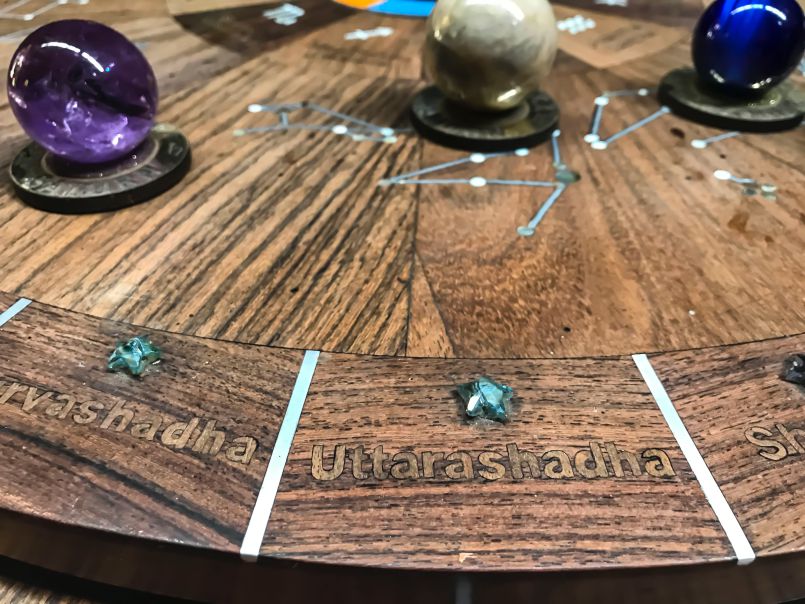
Today\
s Nakshatra, or star which the moon is polarizing, is Uttarashada.'
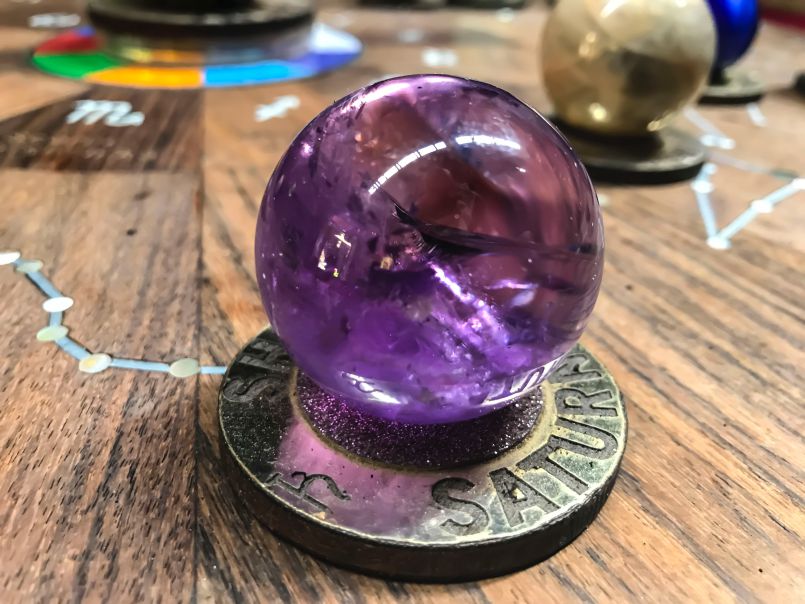
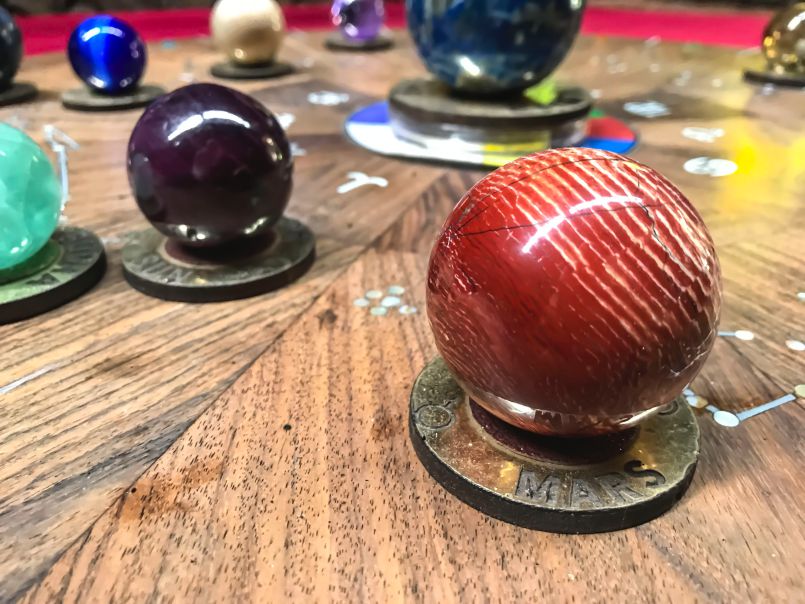
Each stone here is one that relates to its corresponding planet
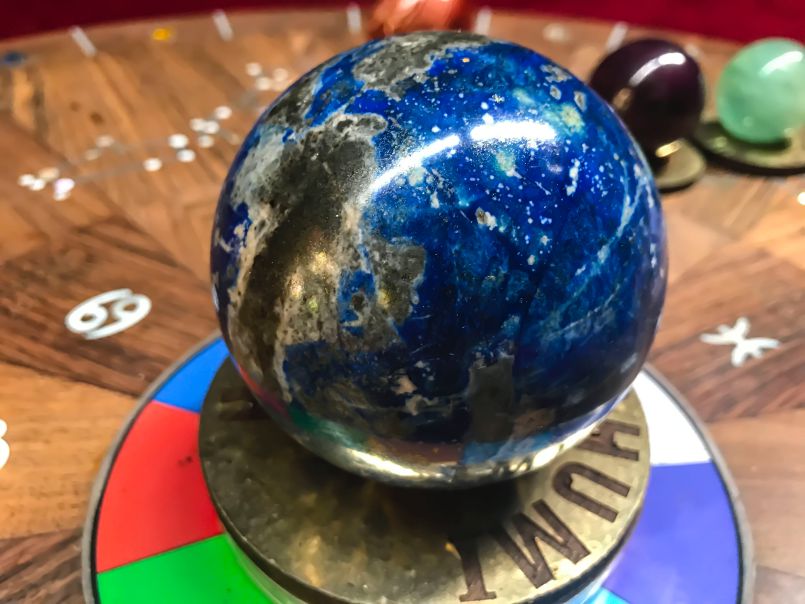
Mother Bhumi sits in the center
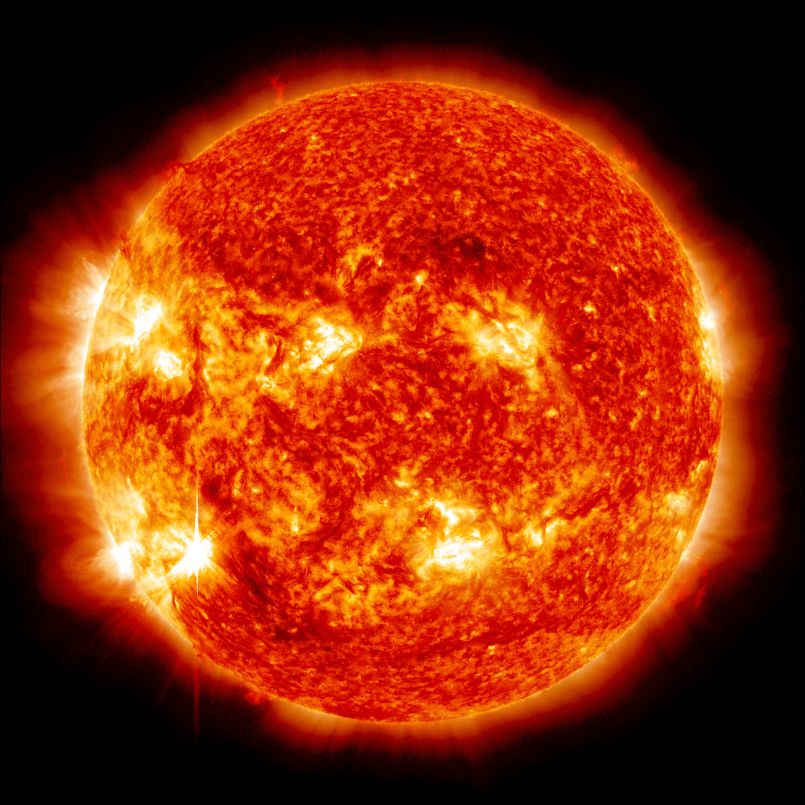
Lord Surya, the Sun. The Sun represents the soul, the ego and the body of the individual, and therefore its placement is of great importance.
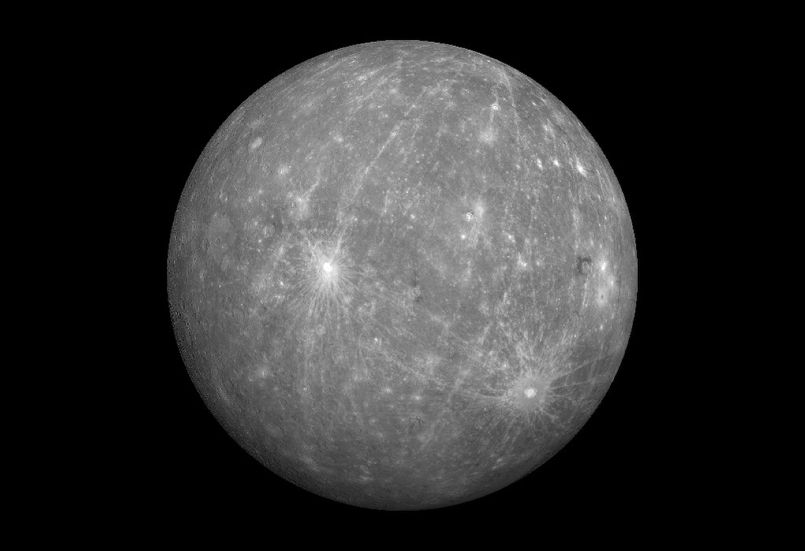
Mercury\/Budha, being youthful, is neither mature nor convinced about anything for certain, and is easily influenced by other planets. Any planet near Mercury in a chart will influence him. So Mercury is called \"mutable\" or \"changeable.\" Mercury always stands for the thinking capacity in a person, which in Sanskrit would be called your \"Buddhi\" or \"intelligence.\"
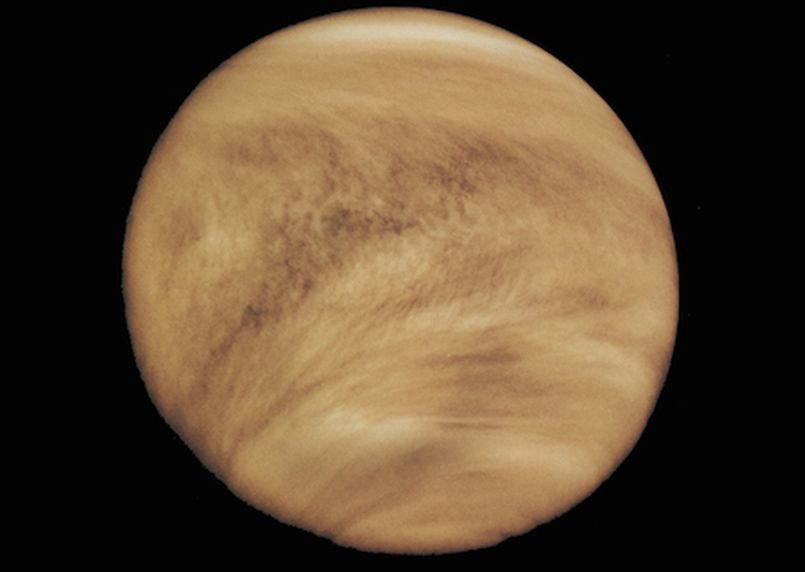
Shukra\/Venus rules over all types of refined things that are desirable such as art, music, flowers, love, beauty, etc. A well placed Venus in a chart that is well disposed towards Venus will grant to the person a life full of nice things.
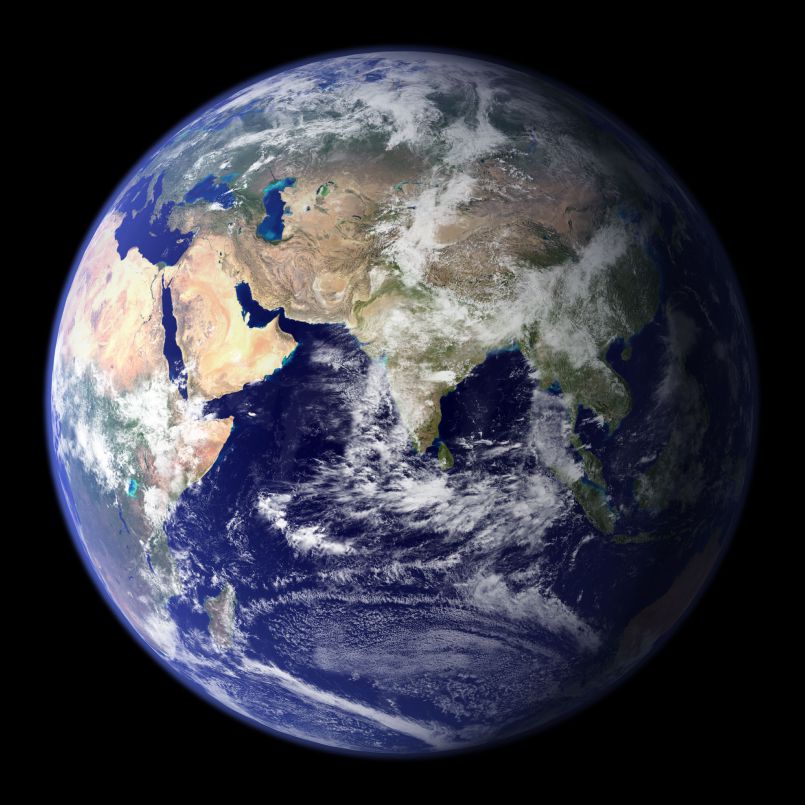
We all know our Mother Bhumi well
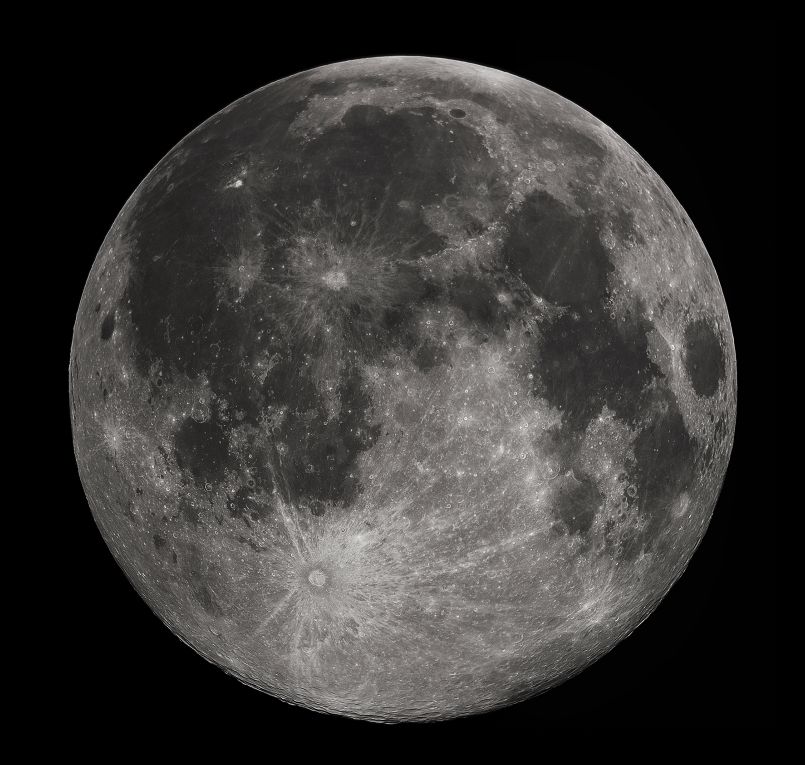
Chandra\/Moon with North and South nodes of Rahu and Ketu. The Moon is close to us, and reflects the light of the Sun. The Moon is indeed very dear, close, and friendly. Unlike Western Astrology where the Sun is most important, in Jyotish the Moon is the first Graha to look at and plays a central role in many calculations
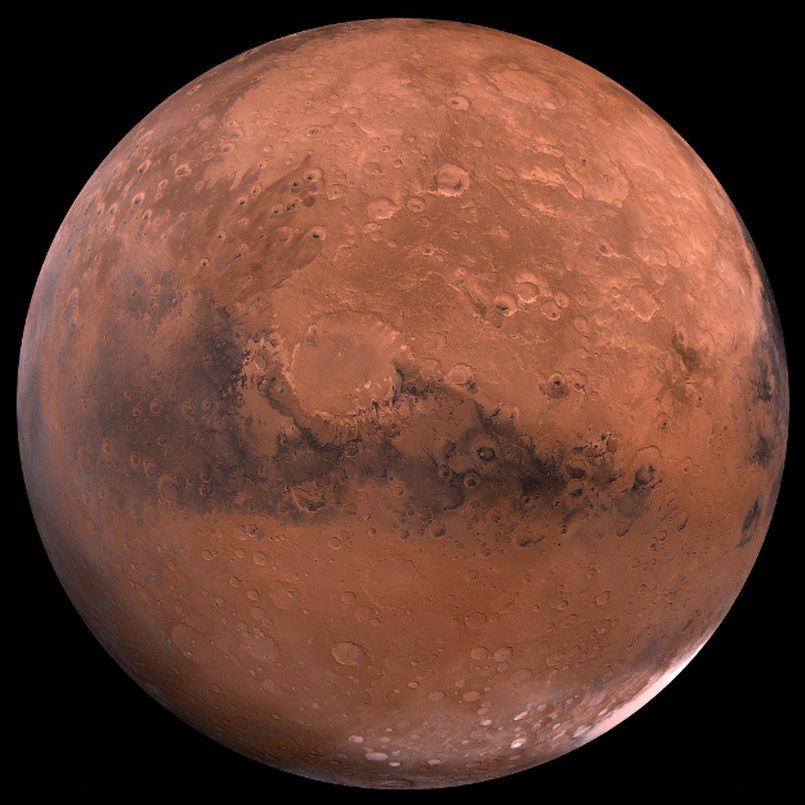
Mangala\/Mars represents the energy and stamina of the individual. If well placed, it brings strength and focussed energy.
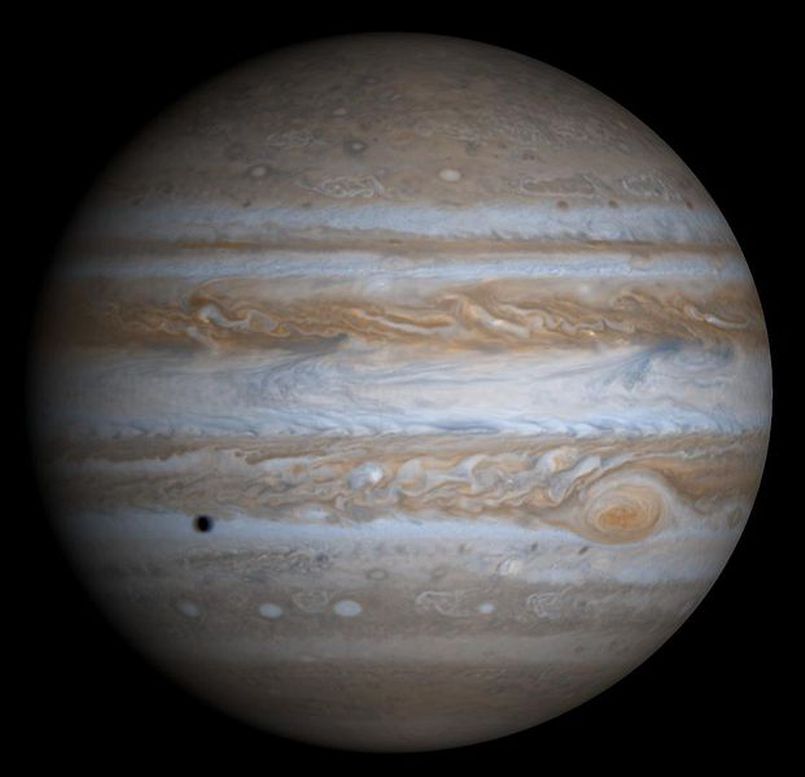
Brihaspati\/Jupiter is the \"Guru of the Gods.\" Jupiter is called \"Guru\" in Sanskrit. Jupiter is a large planet, and so rules large things, and tends to expand things.
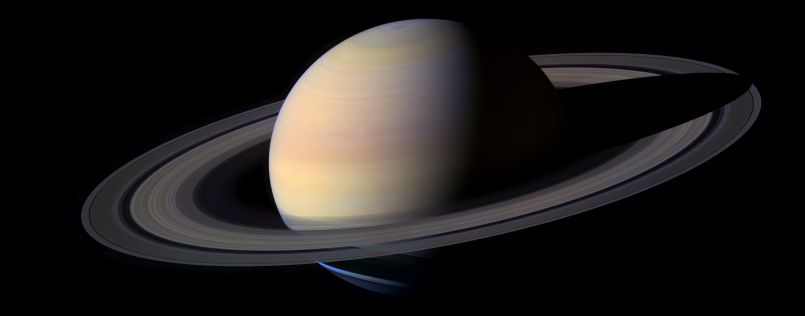
Shani\/Saturn is large and slow, and rules these things. Large slow things cause a lot of pressure, and so does Saturn. The trials and struggles that Saturn puts us through teach us hard lessons.
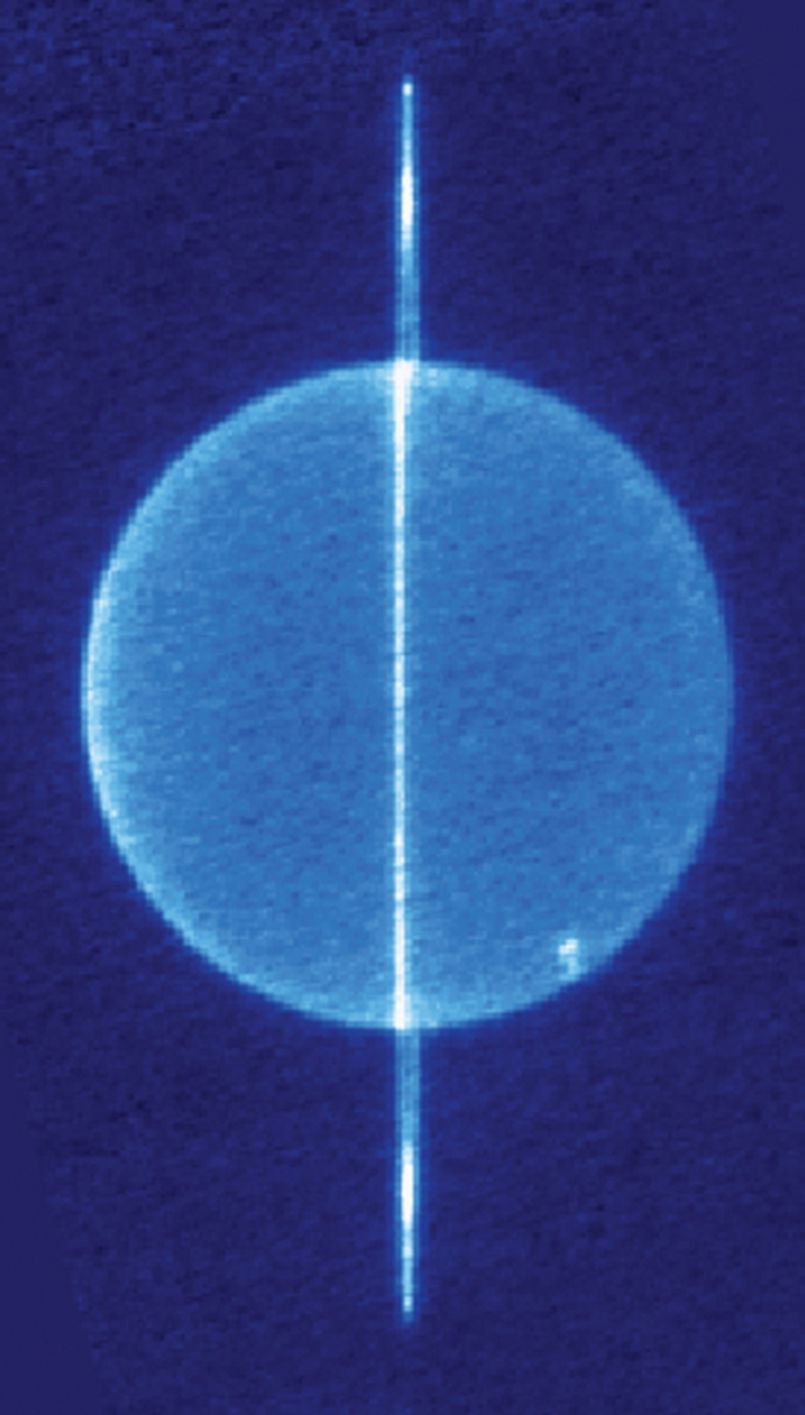
An infrared image of Uranus, which shows its rings. Uranus is not typically part of Vedic astrology, but does influence very large cycles
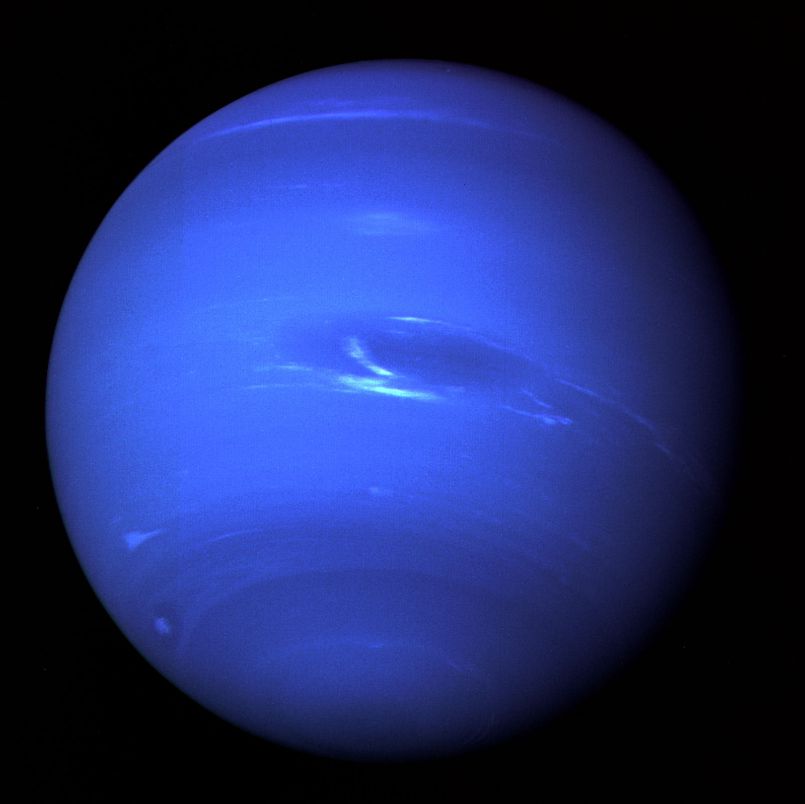
Neptune is in the same category
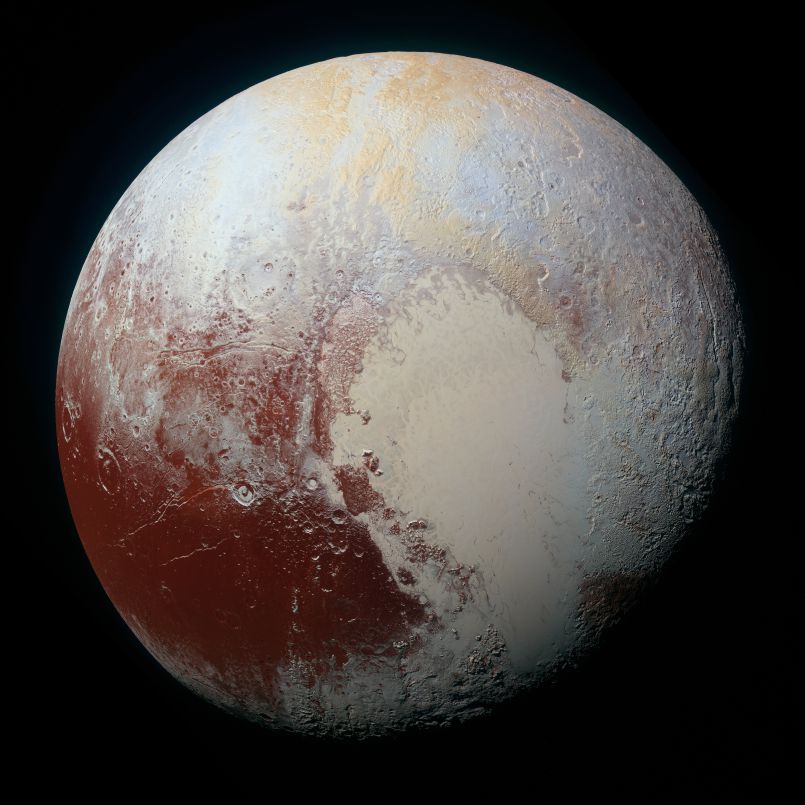
And while Pluto is technically not a planet, we\
ll count him anyway.'
}
];
transitionSpeed:150});