
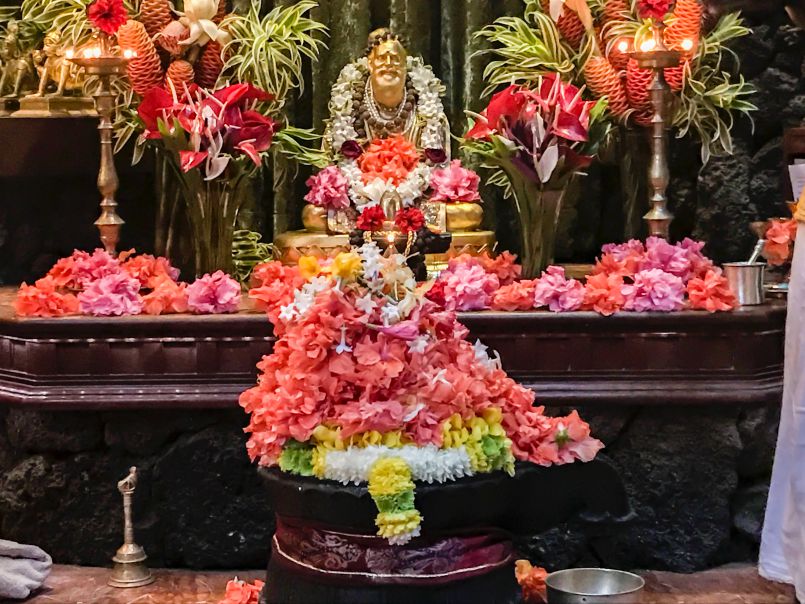
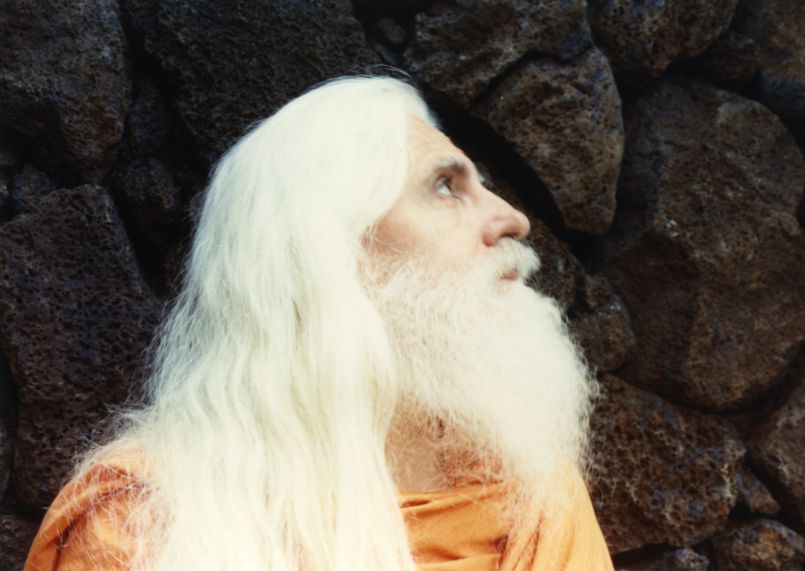
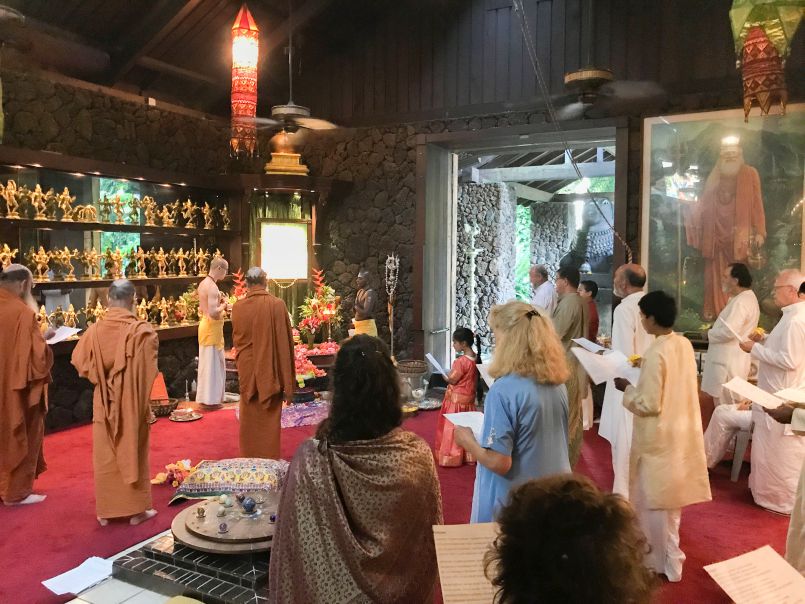
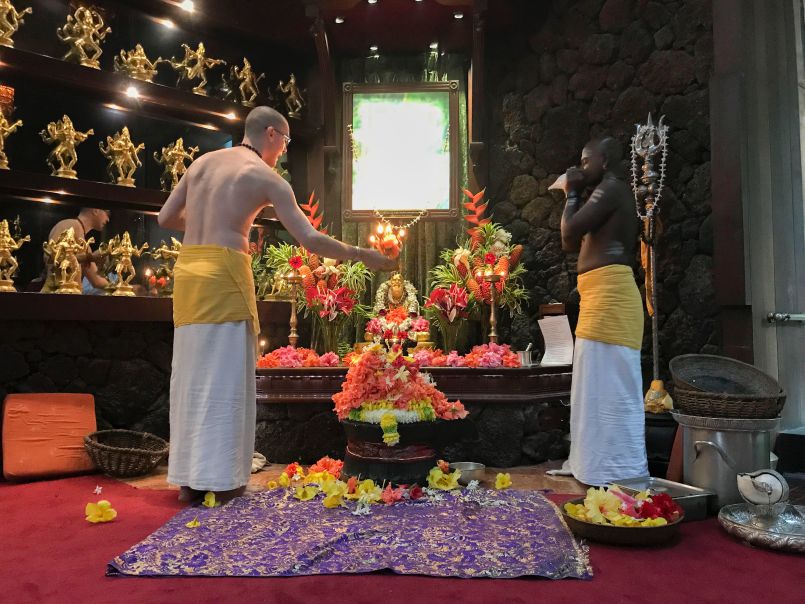
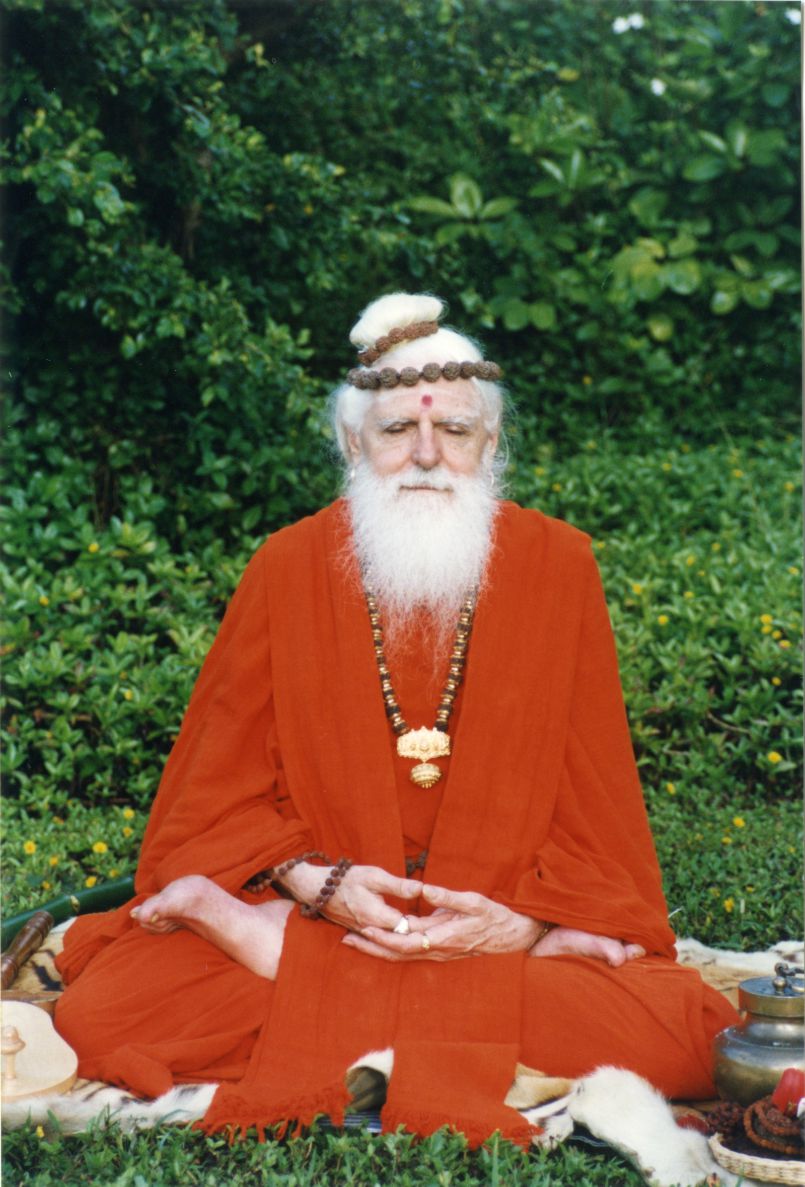
Today We Worship Our Gurudeva
July 29, 2017Devotees around the world are honoring Gurudeva today. It has been 5,738 days since his Great Departure, and today was our 209th monthly honoring of that day. A devotee sent an amazing and apt video of Nallur Temple festival in Sri Lanka.
The interesting thing is that the sound track is Yogaswami's Natchintanai talking about Nallur, where he met his guru, Chellappaswami. The power of the paramparai can be seen in this short video, a power enhanced by the fact that Chellappaswami lived in the chariot house on the temple grounds for years.
It was here, too, that he shook the bars and demanded from Yogaswami, "Who do you think you are?" That question was the seed of all that Kauai's Hindu Monastery is today.
Remember, we are going to Nallur Temple in Jaffna in February, 66 of us. Jai Nandinatha Sampradaya!
See the video here

Remembering Gurudeva\
s words, here follows a quote from Merging with Siva for each slide: We learn that man is not man, man is God, and that the inherent nature of his soul is divine, existing in perfect oneness with God. This identity of the soul with God always exists and awaits mans awakening into realization.'
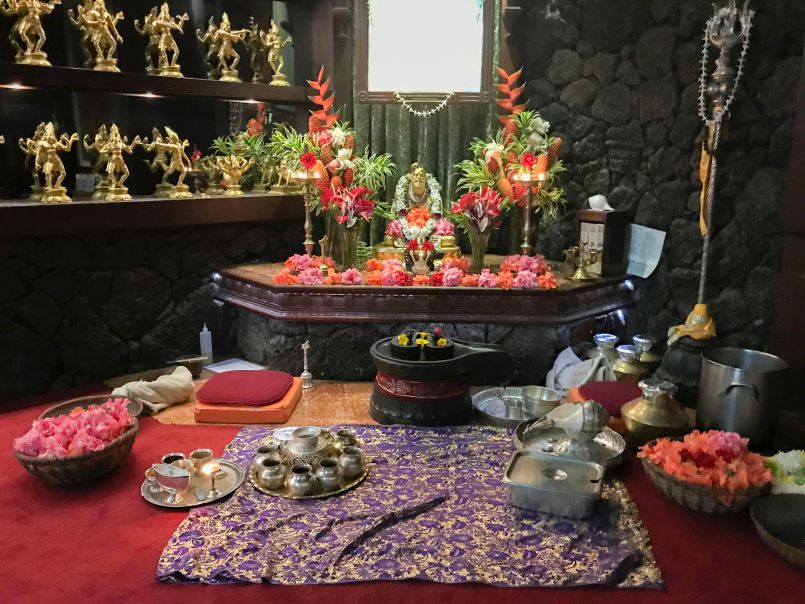
The mind cannot realize the Self. Awareness cannot realize the Self. Consciousness cannot realize the Self. There can be no name for the Self. To name it is to disqualify it into form. This is why in the incomparable Shum language it has no name, only imkaif, awareness aware of itself dissolving.
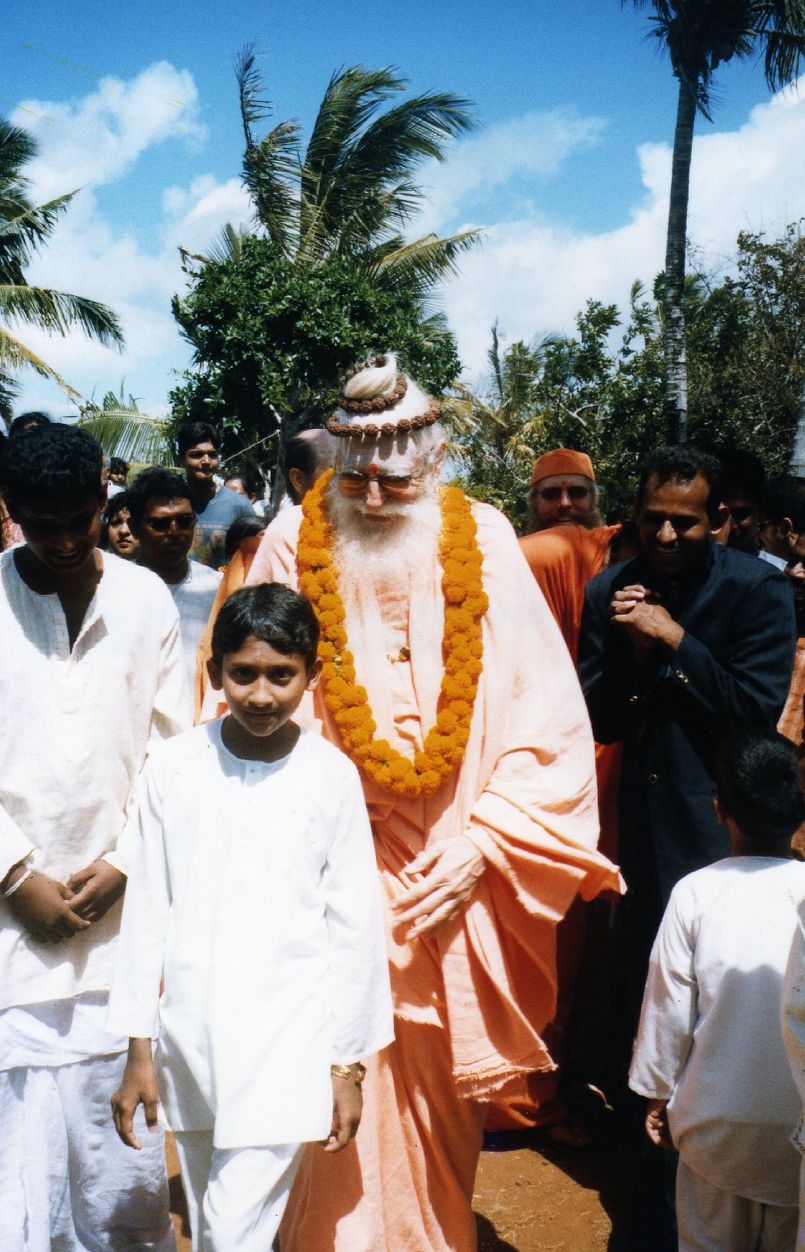
The devotee is the devotee of Siva, endeavoring to experience himself in his God. This process is called yoga, raja yoga, of which jnana yoga is a by-product of the results and accomplishments along the way.
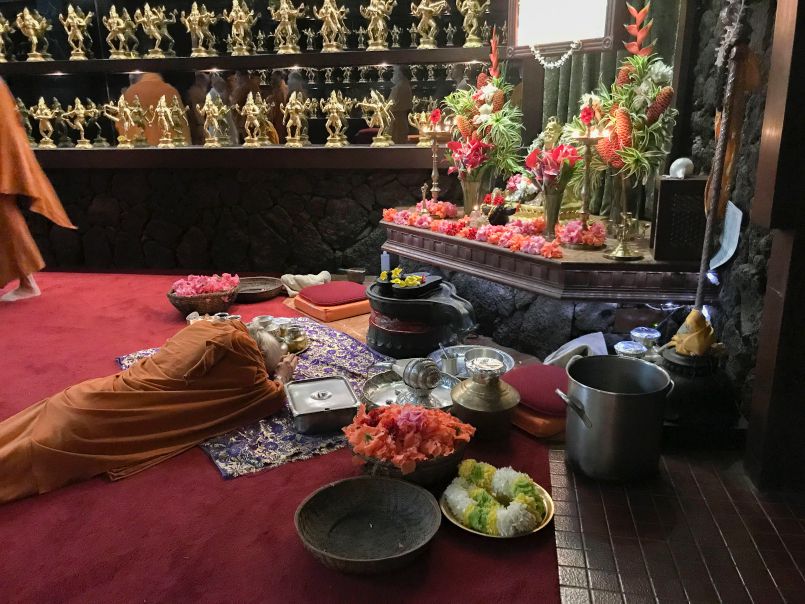
On the raja and jnana yoga path, in attempts to realize Parasiva, we go to the brink of the Absolute, hover there like a hummingbird over a flower, listening to the nada, at the brink of where the nada comes from, being the light at the brink of where the light that lights the images of the mind comes from, and this is all we can do--our one step. The Self realizes you--it\
s nine steps.'
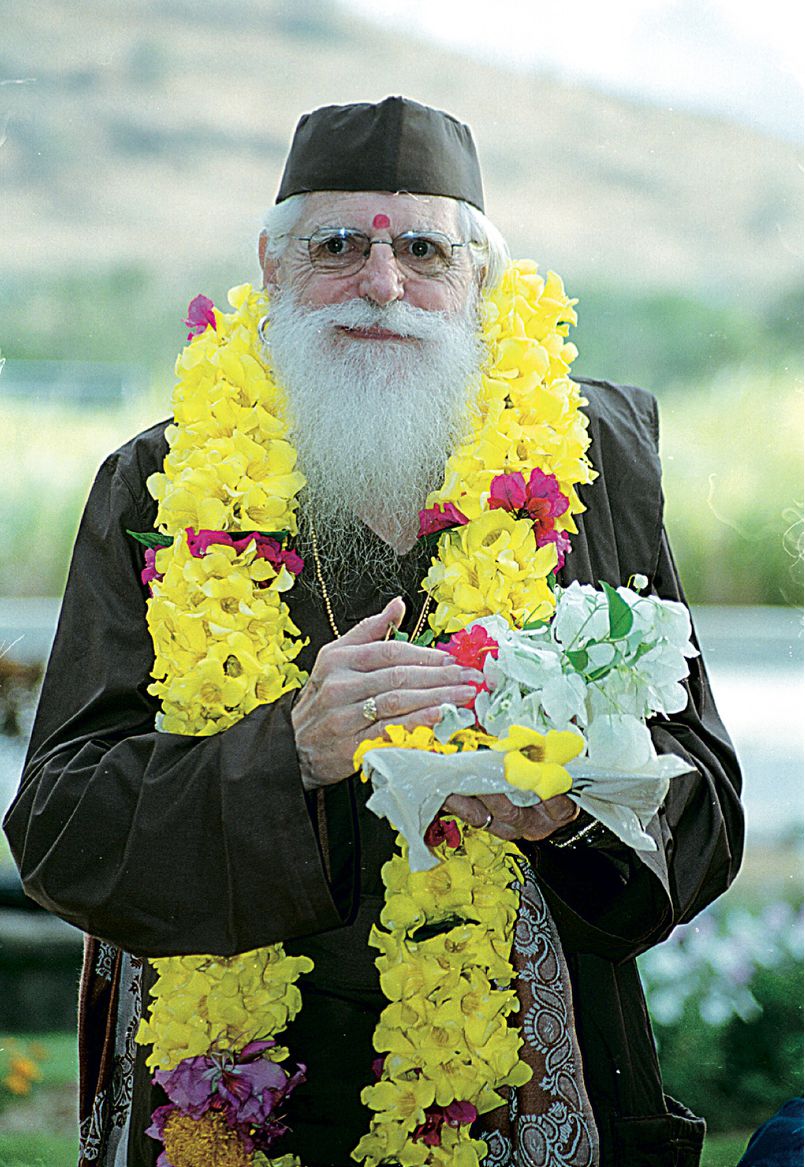
Our scriptures tell us the Self is timeless, causeless, spaceless, beyond mind, form and causation. It is what it is, to be realized to be known. It is the fullness of everything and the absence of nothing.
Our strength is in having oneness with all the Hindus around the world, even though our philosophical, doctrinal and cultural approaches may differ somewhat. This is for the benefit of the overall Hindu renaissance, which is gaining in power as the century turns, for as each becomes strong, that strength benefits the overall body of Hinduism, giving pride, stability and courage to proceed with confidence. This is Hindu solidarity, one of our heartfelt commitments.
Because our philosophy is being devoted to Siva in everyone, we support every Hindu sect equally.
As a seed becomes a bud, and a bud becomes a flower, these nine steps of spiritual unfoldment are inevitable for all humankind. A parallel analysis known as dasakariyam, ten attainments, is found in ancient Tamil texts.
And now, lastly, once the soul evolves out of the physical, pranic, emotional, mental and causal sheaths--annamaya, pranamaya, manomaya, vijnanamaya and anandamaya koshas--and they are needed no more, it evolves into visvagrasa, the ninth and final merger with Siva, as an infant effortlessly becomes a child, a child a youth and a youth an adult.
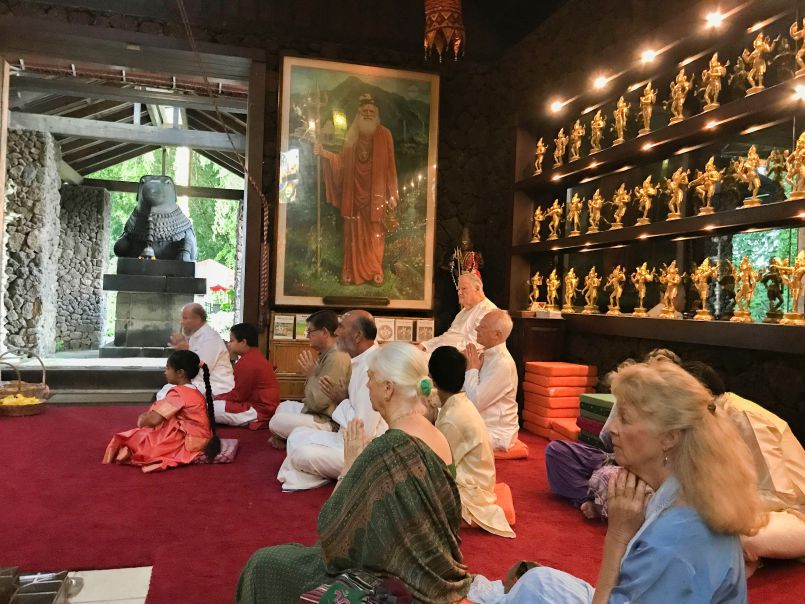
Obedience and devotion to the guru is again another merger into Sivaness, for the satguru is Sadasiva, or Siva in form, having realized Siva in Formlessness.
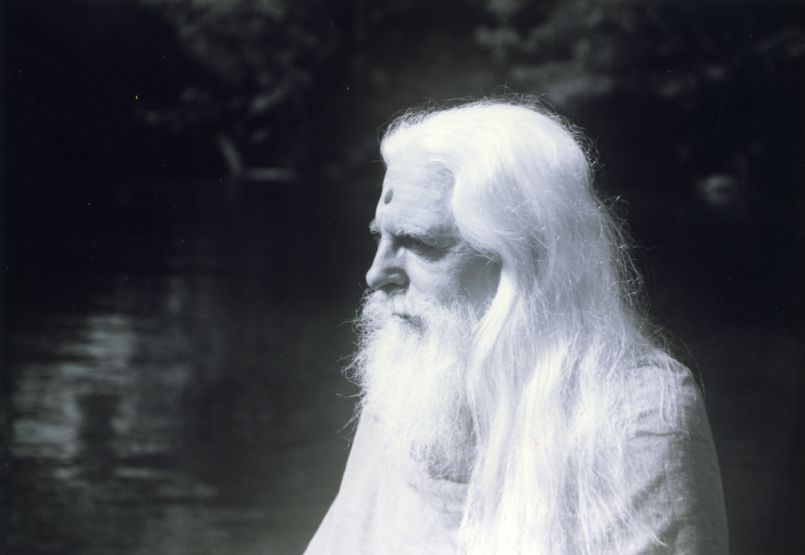
Finally, at the end of each soul\
s evolution comes visvagrasa, total absorption in Siva. '
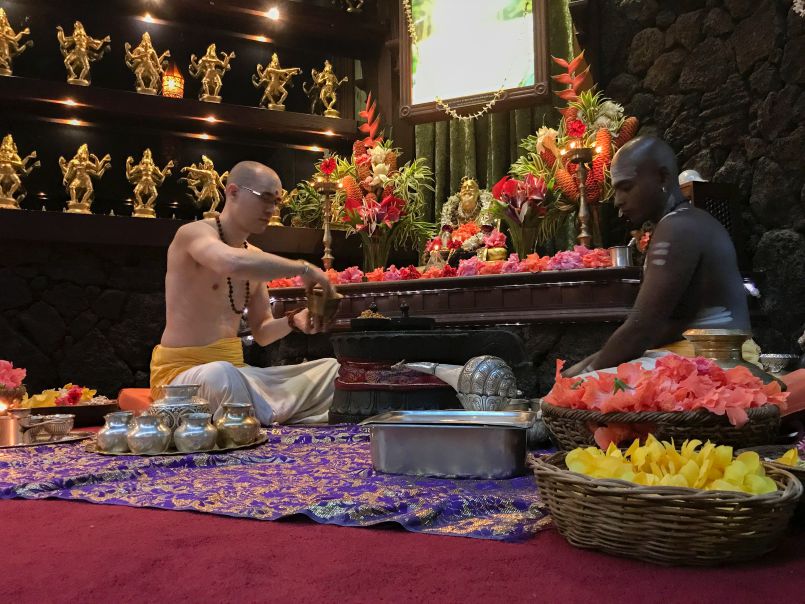
After moksha has been attained--and it is an attainment resulting from much sadhana, self-reflection and realization--subtle karmas are made and swiftly resolved, like writing on water.
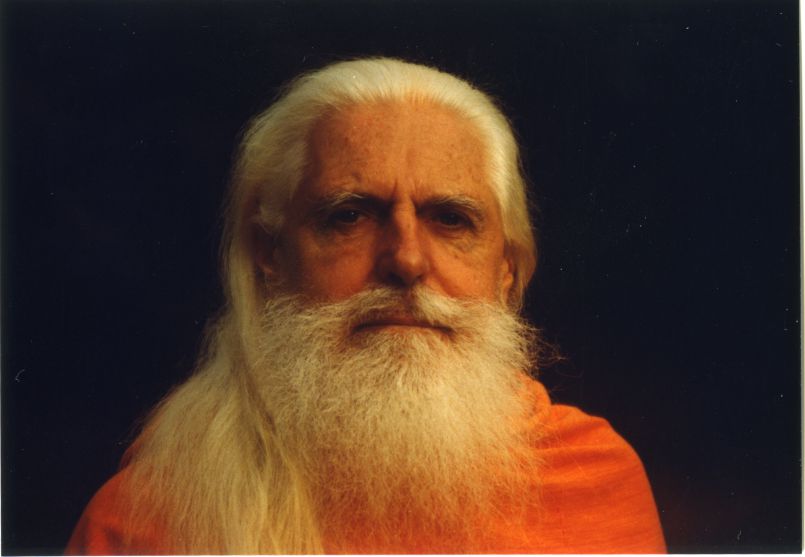
Old souls renounce worldly ambitions and take up sannyasa in quest of Parasiva even at a young age. Younger souls desire to seek lessons from the experiences of worldly life which is rewarded by many, many births on Earth.
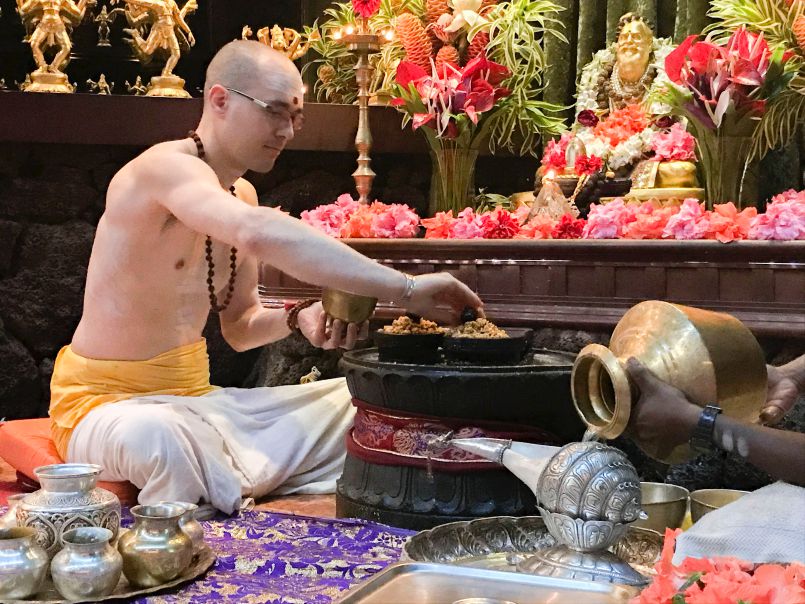
If here one is able to realize Him before the death of the body, he will be liberated from the bondage of the world.
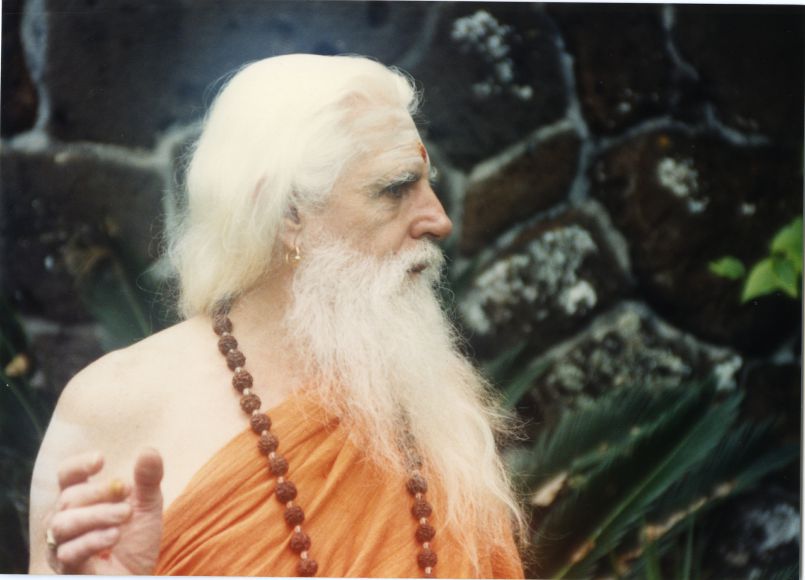
Moksha does not mean death, as some misunderstand it. It means freedom from rebirth before or after death, after which souls continue evolving in the Antarloka and Sivaloka, and finally merge with Lord Siva as does river water when returning to the ocean.
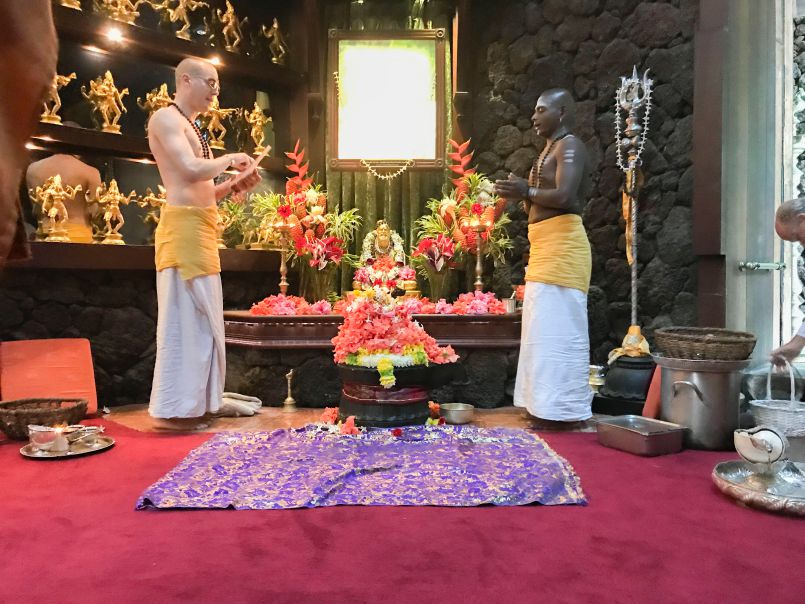
Rishi Tirumular was such a knower of the Unknowable, who held Truth in the palm of his hand, and his words are valued as a divine message for mankind.
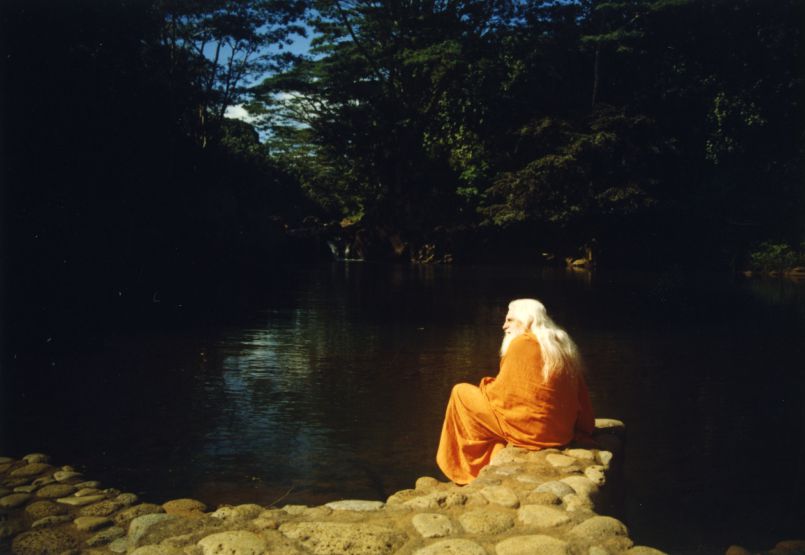
Rishi Tirumular was a pre-eminent theologian of our Saiva faith, but not merely a theologian. He was also a siddhar, an accomplished yogi. His satguru was Maharishi Nandinatha who had eight disciples. Some were sent to China and others elsewhere. It was Tirumular who was sent to South India to teach monistic Saiva Siddhnta and resolve the Monism-Pluralism problem, which was present even then.
We only see opposites when our vision is limited, when we have not experienced totally. There is a point of view which resolves all contradictions and answers all questions. Yet to be experienced is yet to be understood. Once experienced and understood, the Quiet comes.
Most people have not realized that they are and were Siva before they search for Siva. They are confined to their own individual anava, their personal ego and ignorance. When we realize that we have come from Siva, the way back to Siva is clearly defined. That is half the battle, to realize we came from Siva, live in Siva and are returning to Siva. Knowing only this much makes the path clear and impels us to return to Him, to our Source, to our Self.
It is God and Gods in form that help us to find the formless God.
Past and future are equally unreal and a hindrance to spiritual unfoldment. A person functioning in the now is in control of his own mind. He is naturally happier, more successful. He is performing every task with his fullest attention, and the rewards are to be seen equally in the quality of his work and the radiance of his face. He cannot be bored with anything he does, however simple or mundane. Everything is interesting, challenging, fulfilling. A person living fully in the now is a content person.
Seeing the mind in its totality convinces the seeker that he is something else, he is the witness who observes the mind and cannot, therefore, be the mind itself. Then we realize that the mind in its superconsciousness is pure. We do not have to purify it, except to carry out its native purity into life, into the intellect by obtaining right knowledge and transmuting the instinctive or animal qualities. This is accomplished from within out. It is not as difficult as it may seem.
}
];
transitionSpeed:150});