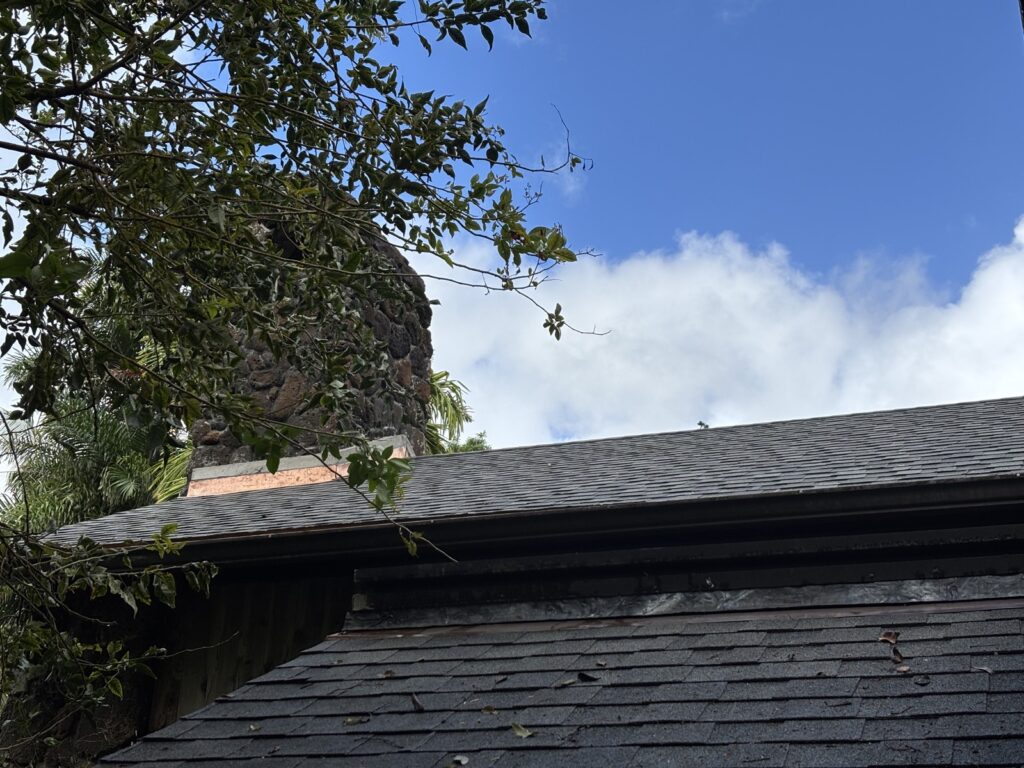
We were able to get three straight logs from the recently felled rudraksha tree clump. They are around 13 feet long and will provide valuable milled boards over the next few weeks. Kumarnathaswami painted the ends right away to protect the logs from insect infestation.
Meanwhile, nearby the milling area is a hibiscus field where we gradually add more tree branch mulch around the trunks. Not only providing nutrients as it breaks down, the mulch also helps regulate ground temperature around the plant and of course suppresses grass and weeds that would compete for nutrients.
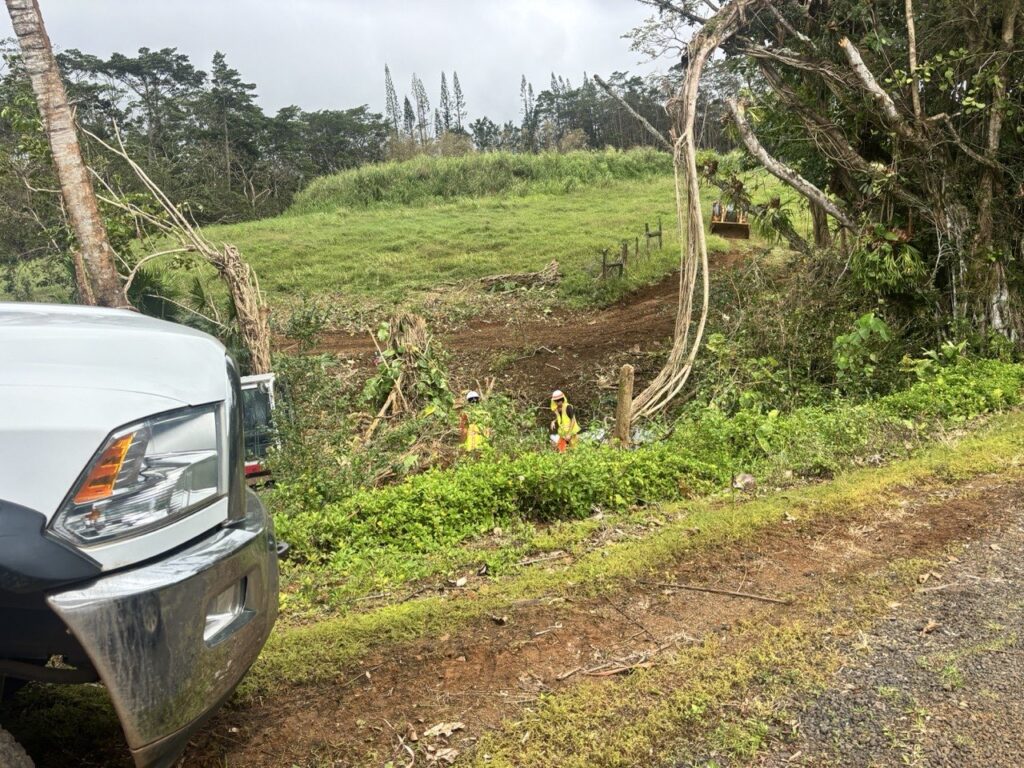
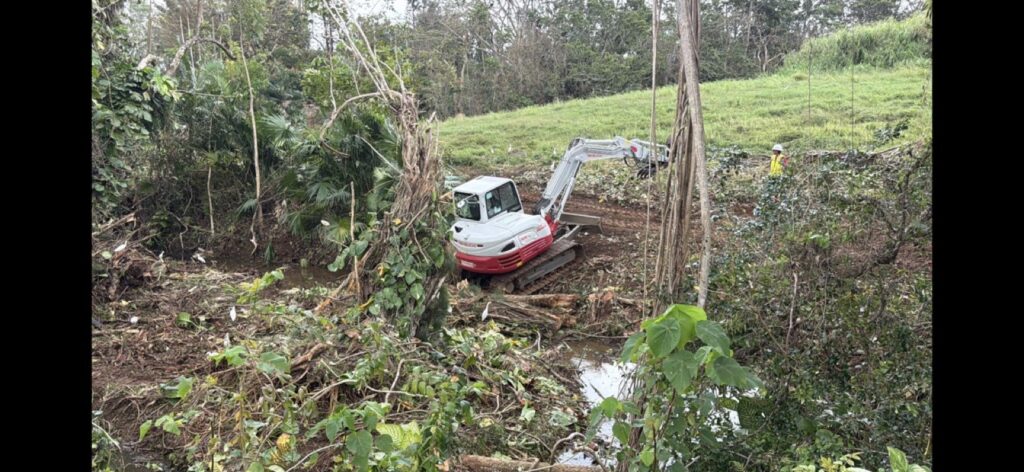
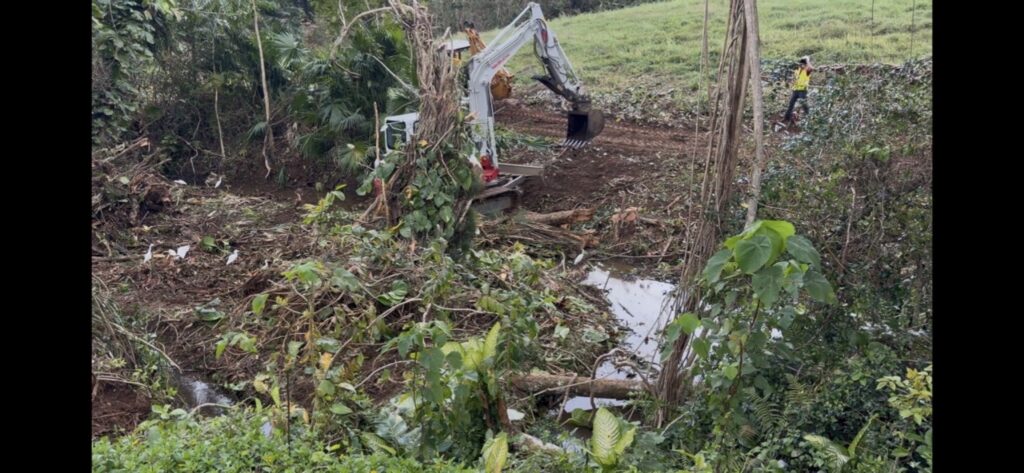
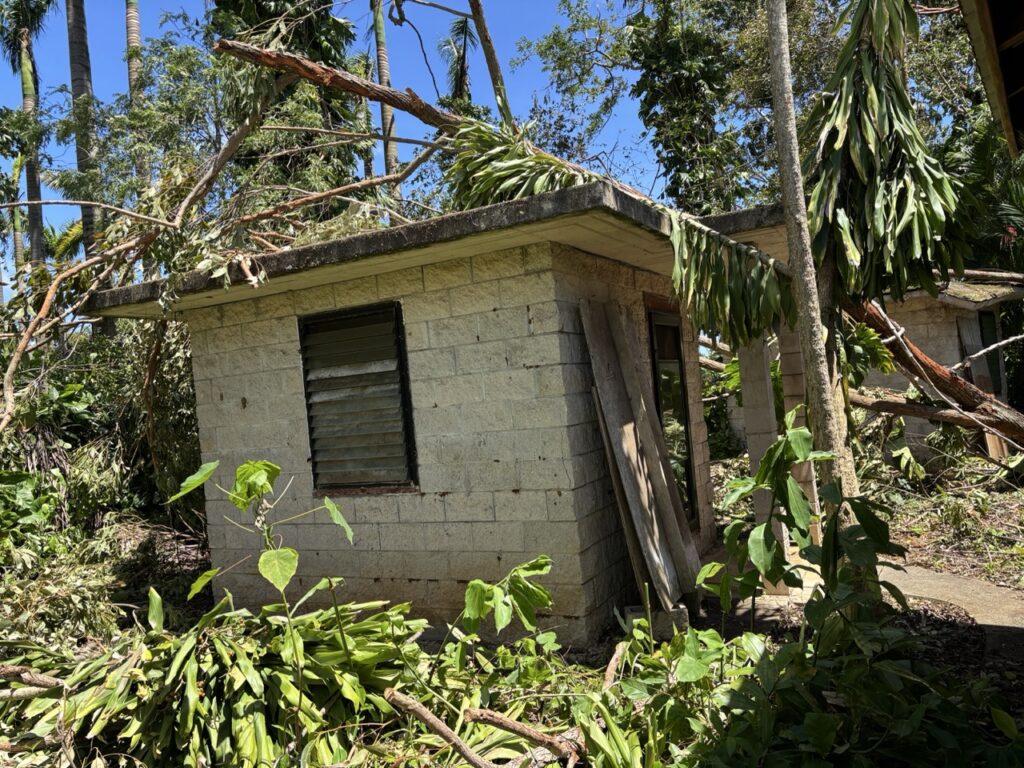
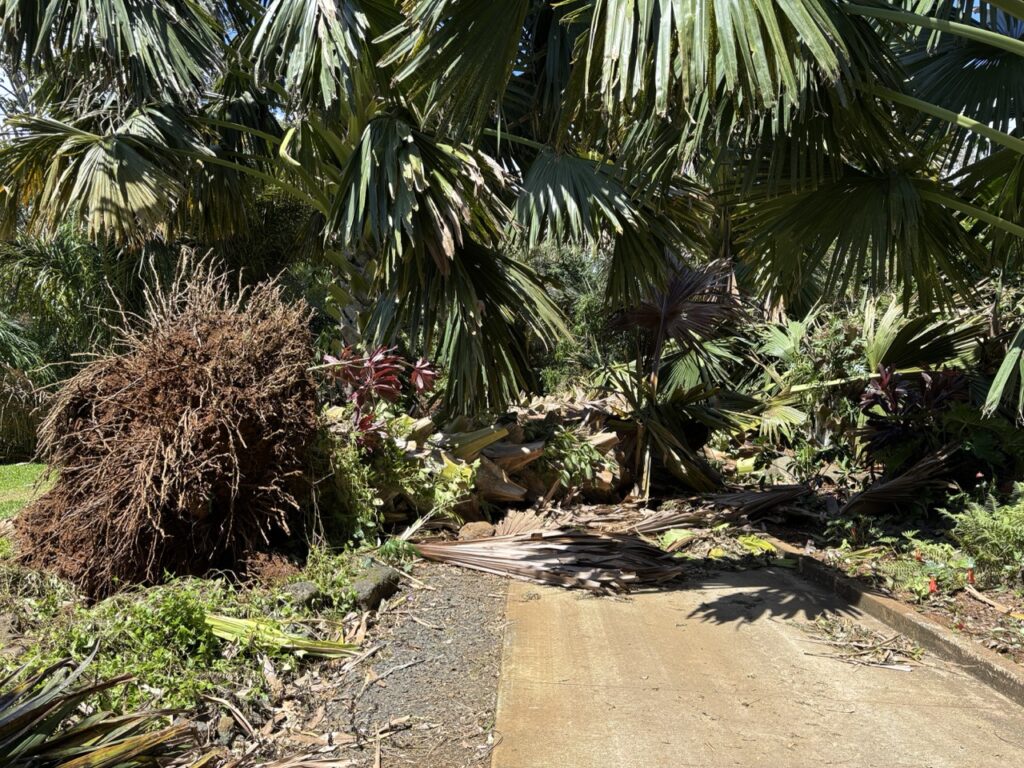
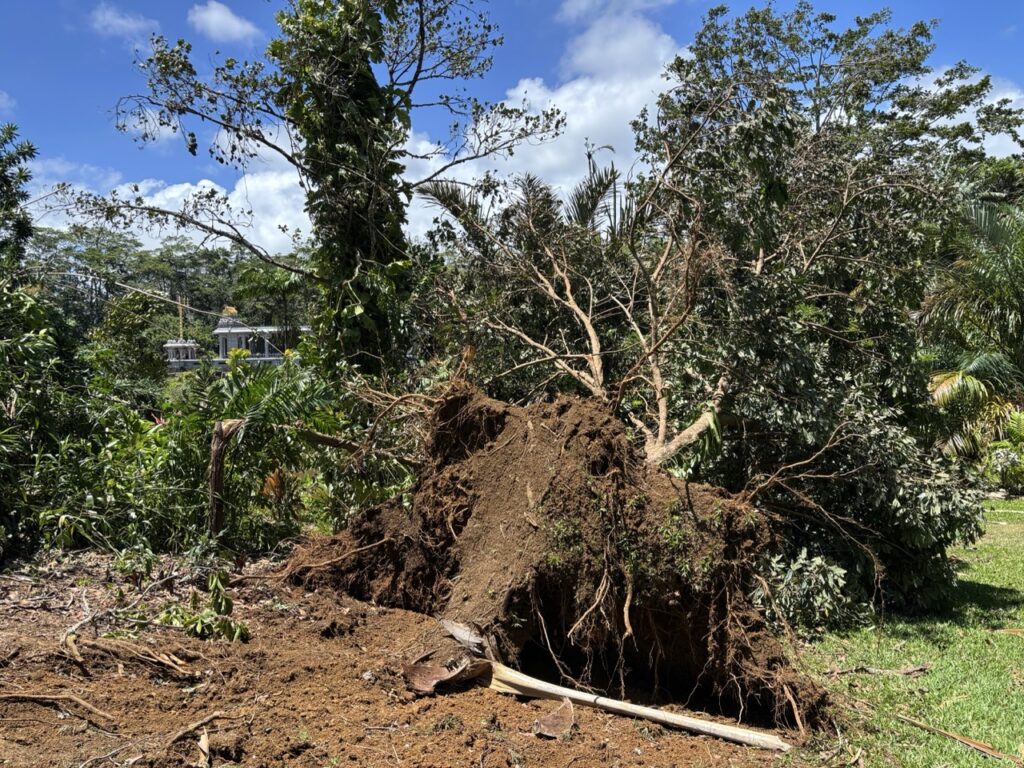
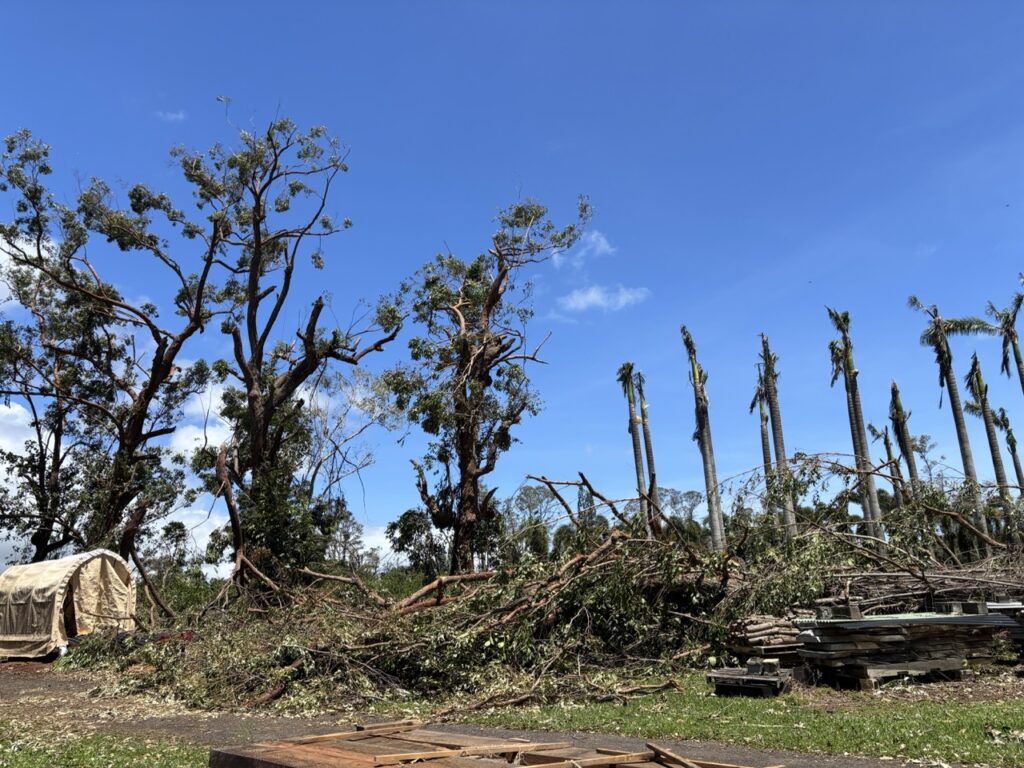
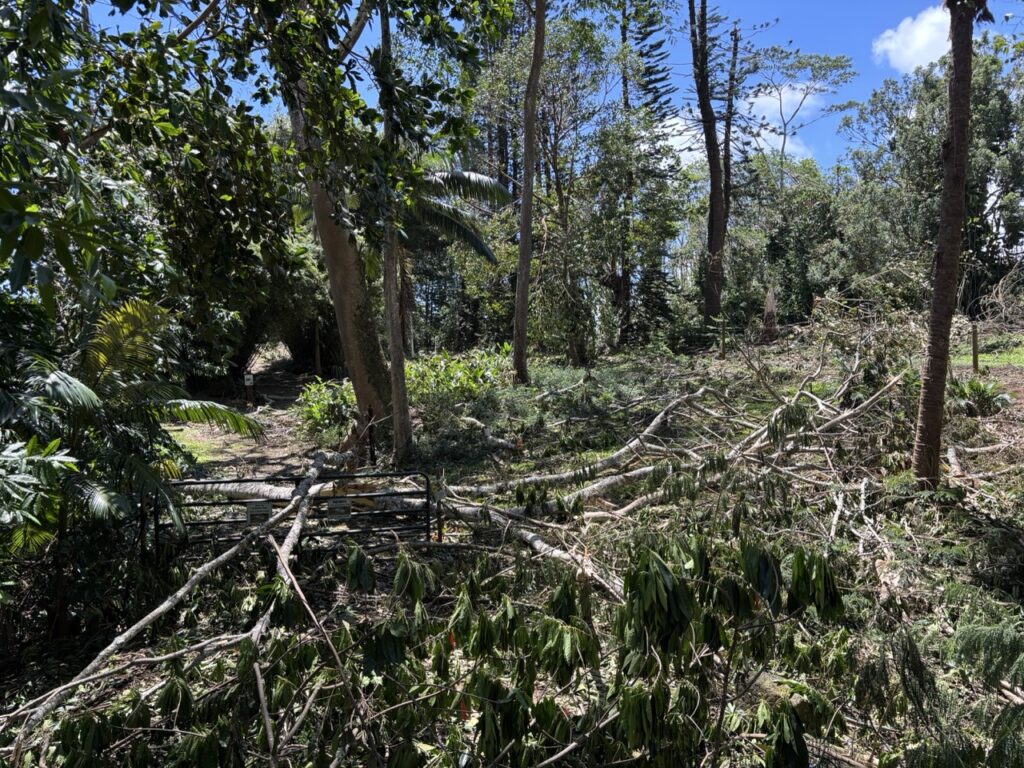
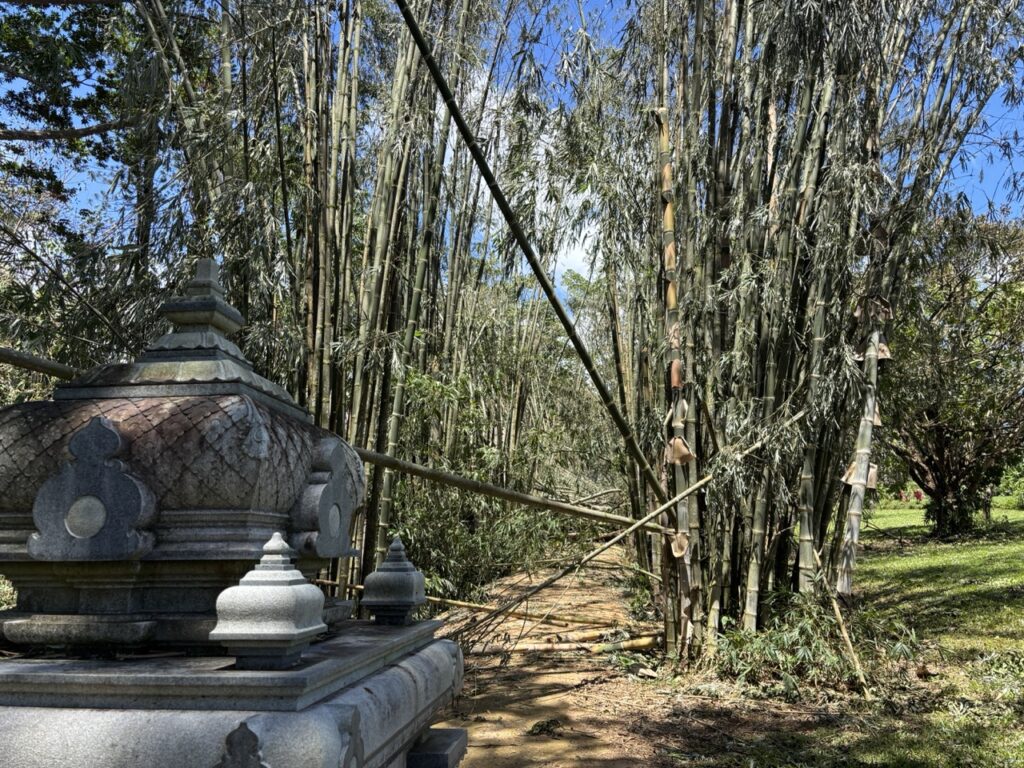
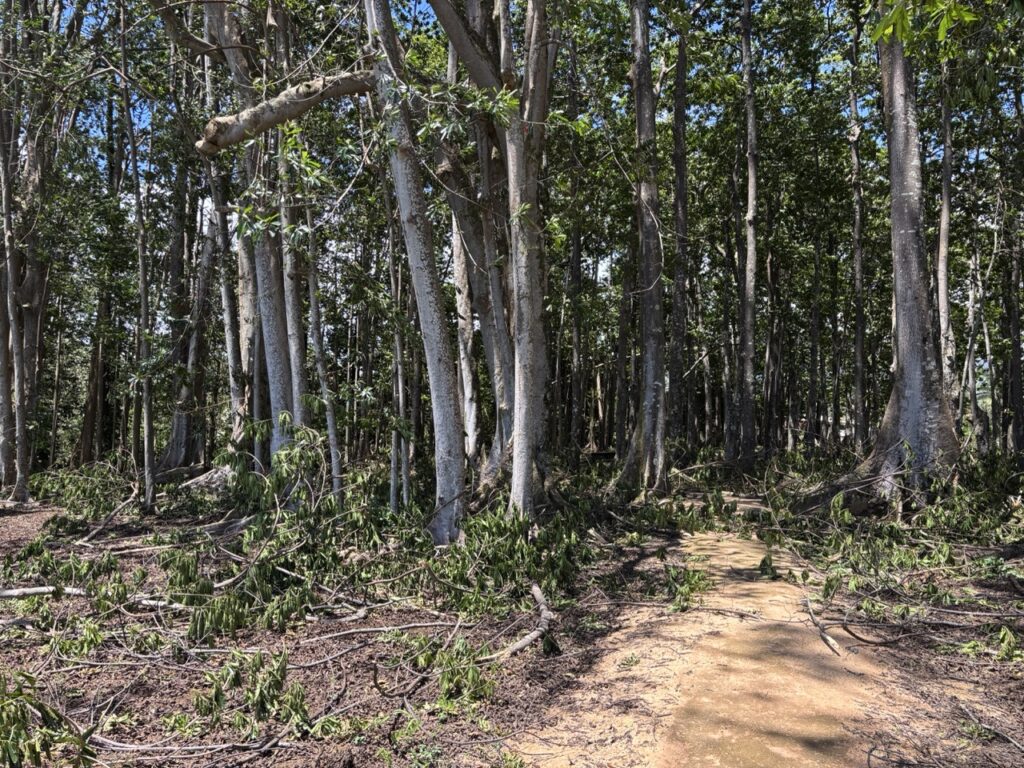
As we shared a week or so ago, recent strong winds were too much for a very tall rudraksha tree clump that has been growing in a low swampy area for decades soon after the Ganesha shrine on San Marga path. The clump was uprooted, but rather than falling all the way down, it got stuck at a 45-degree angle on more rudraksha trees on the other side of the path.
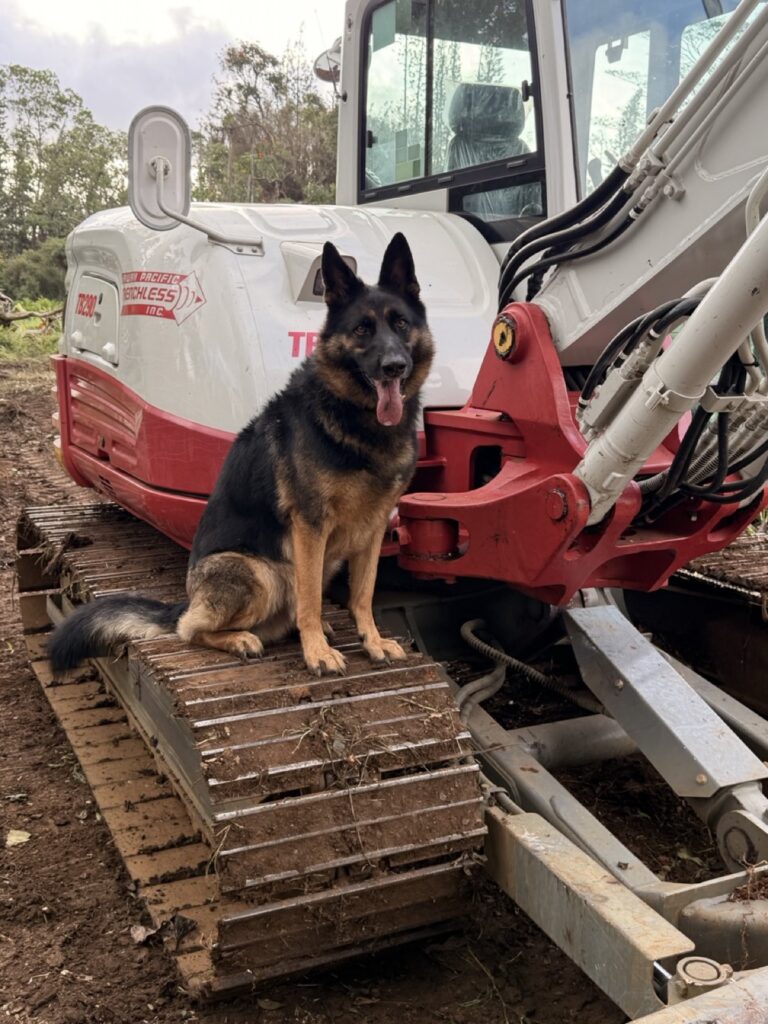
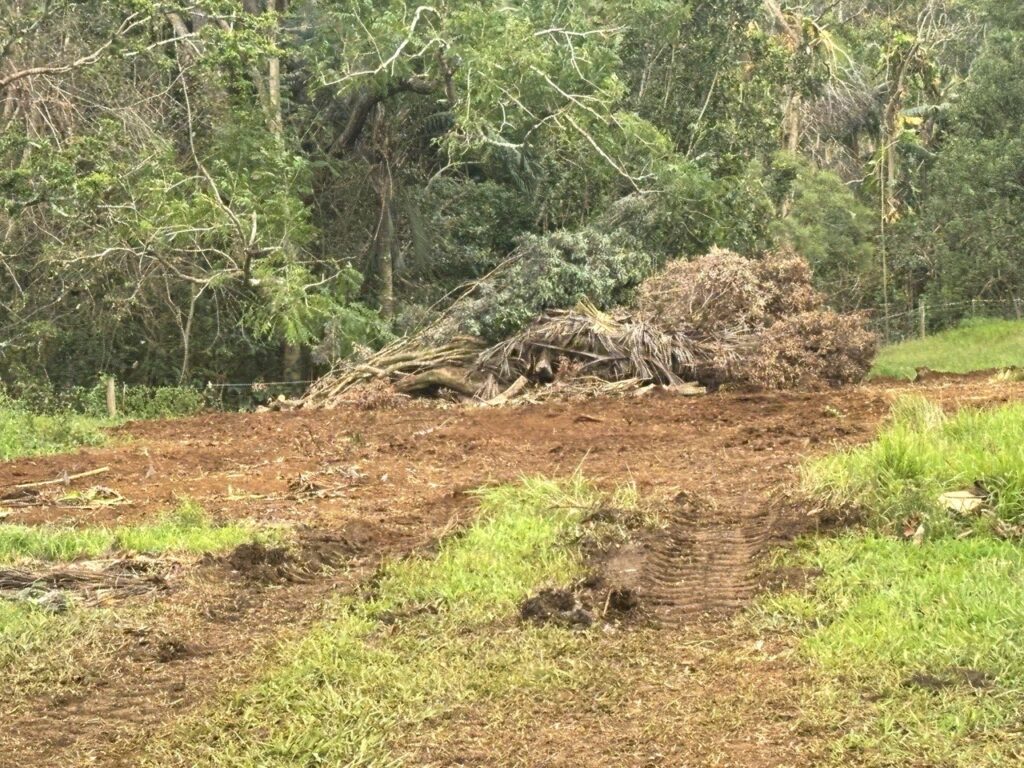
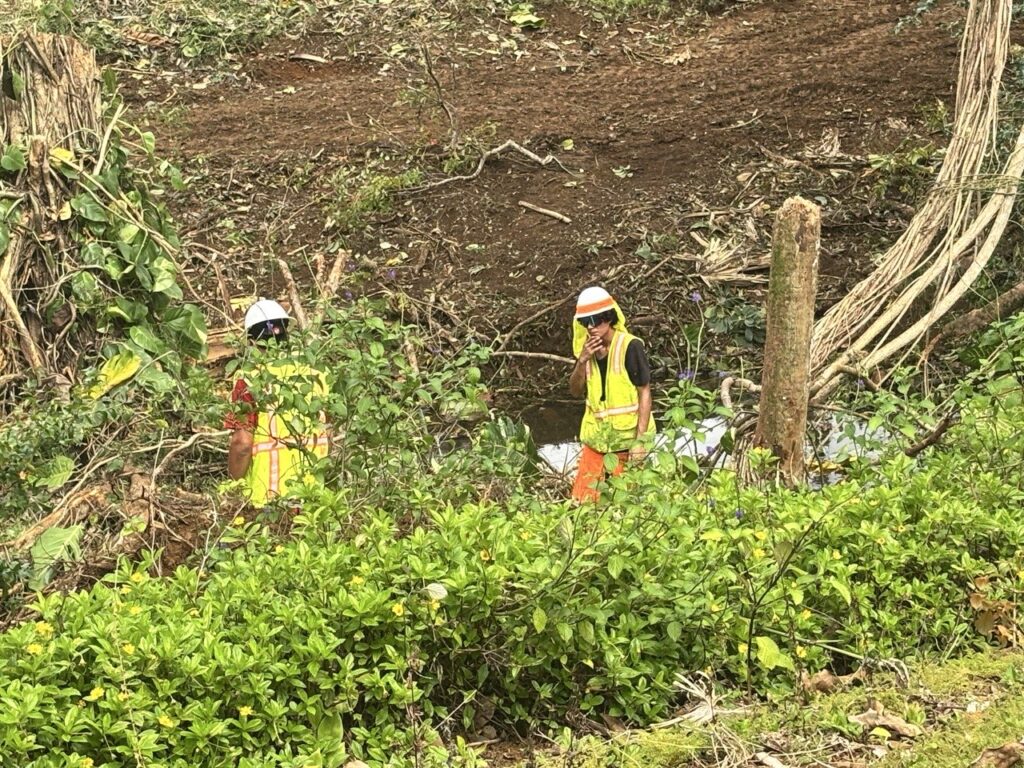
Cutting down a tree clump in this scenario is very dangerous because the weight distribution is difficult to predict. Fortunately we have professionals on the job. We got some photos of the beginning stages and thought we could come back later in the afternoon to capture some of the biggest pieces being felled, but they moved so quickly that the clump was all down by the time we came back mid afternoon!
They had to first remove some other tree branches that were in the way
A large piece in the midst of falling after being cut
Despite all the experience and best efforts, the chainsaw got stuck at least once. They had to attach rope to a section and pull the branch down with with a excavator arm
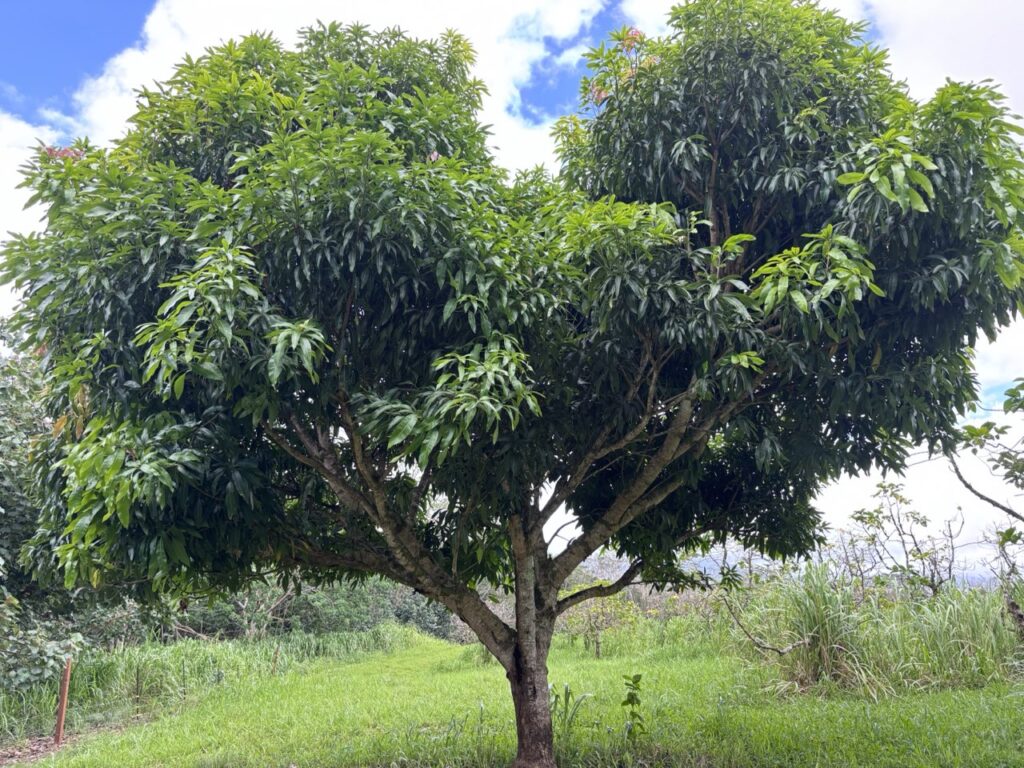
Though time consuming to apply, our avocado and other fruit trees respond well to mulching, so the Siddhidata Kulam is carving out time to replenish the mulch layer around them more frequently. This is partly possible due to a large amount of material being regularly delivered by tree trimmer companies when they work in our area. We are very thankful for this.
Many of the avocado trees are putting out blossoms and tiny fruits right now, so this is the time to add more mulch.
A couple new avocado saplings
Lots of baby avocados
The tree is loaded
Mulch arrives
The egrit birds always gather around work like this, waiting for insects to show their faces
Source plant of this white hibiscus, with new air layer attached
Opening the air layer after around six weeks
Air layering results now planted in the ground
A couple of our common tropical hibiscus varieties planted in the ground are so resilient that you can just take cuttings from a mature plant, stick them directly in the ground and they’ll grow new plants. With more complex varieties, not so easy. For a long time we were temporarily putting cuttings in pots that serve as a gentler way station for them to put out new roots. After a while we would transfer them to the ground. However, this method was not always successful, especially with more complex hybrids, and took many months to accomplish.
Then we heard about air layering, a faster, more reliable propagation method whereby you expose the inner stem of a young branch and wrap a growing material around it, such as coco peat or sphagnum peat moss, held together by foil or a plastic bag. It only takes about 1.5 to two months for new roots to form and be ready to transfer to the ground. We are having good success with it. The slideshow above shows the process from start to finish for a fluffy double white hibiscus.
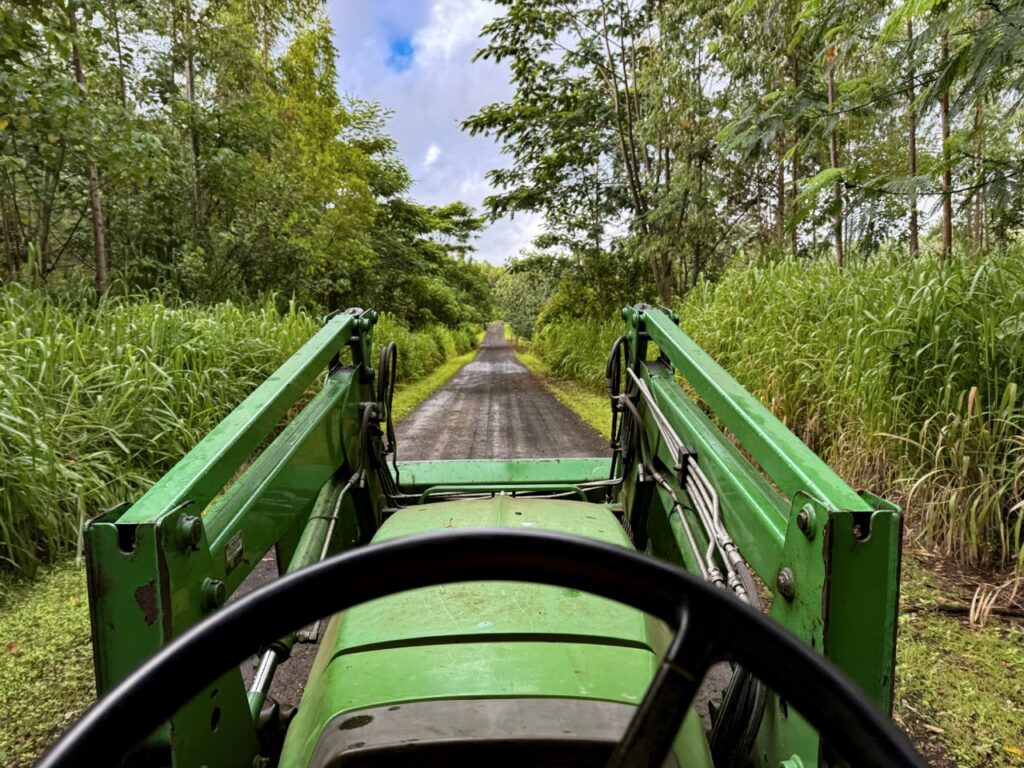
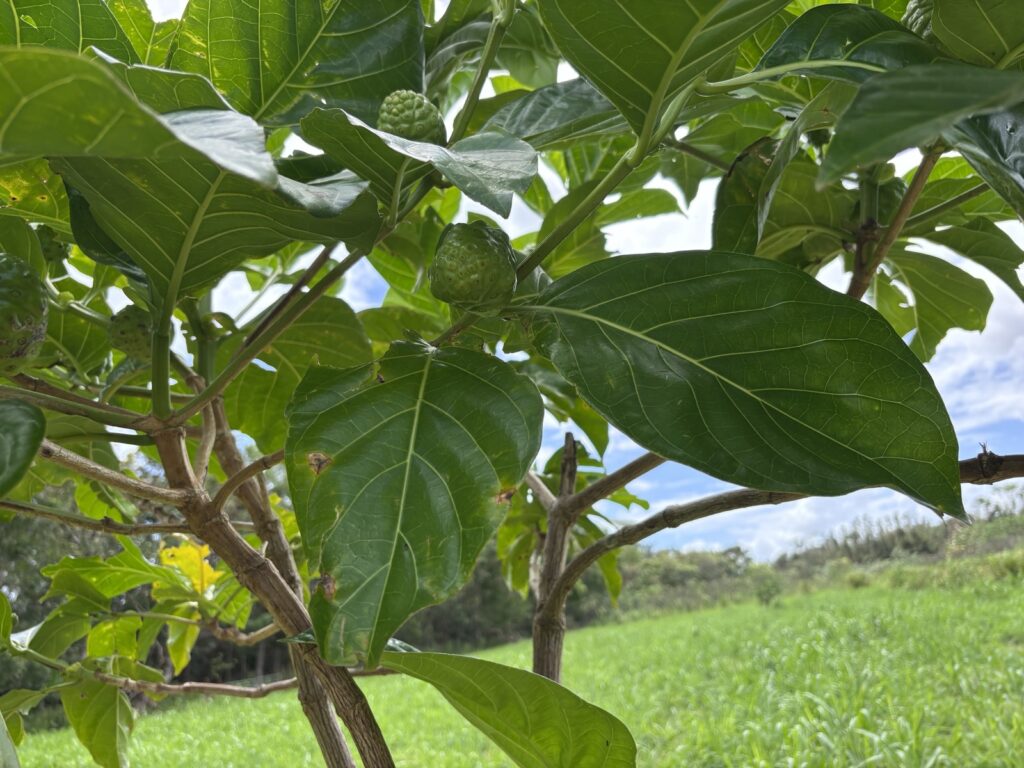
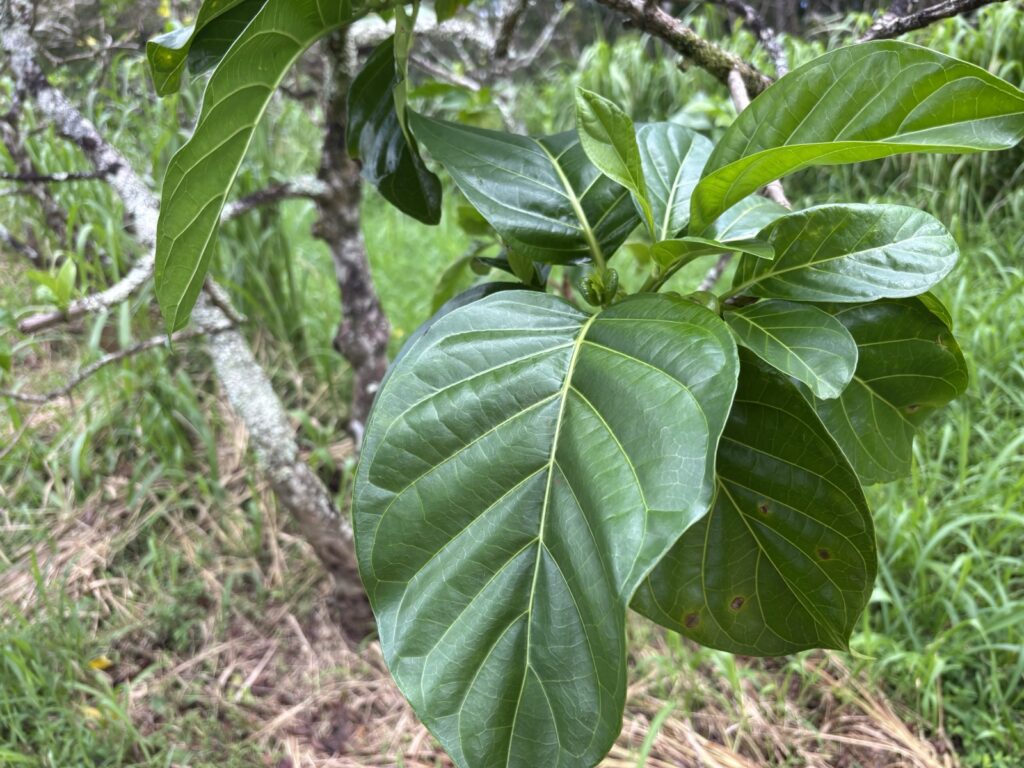
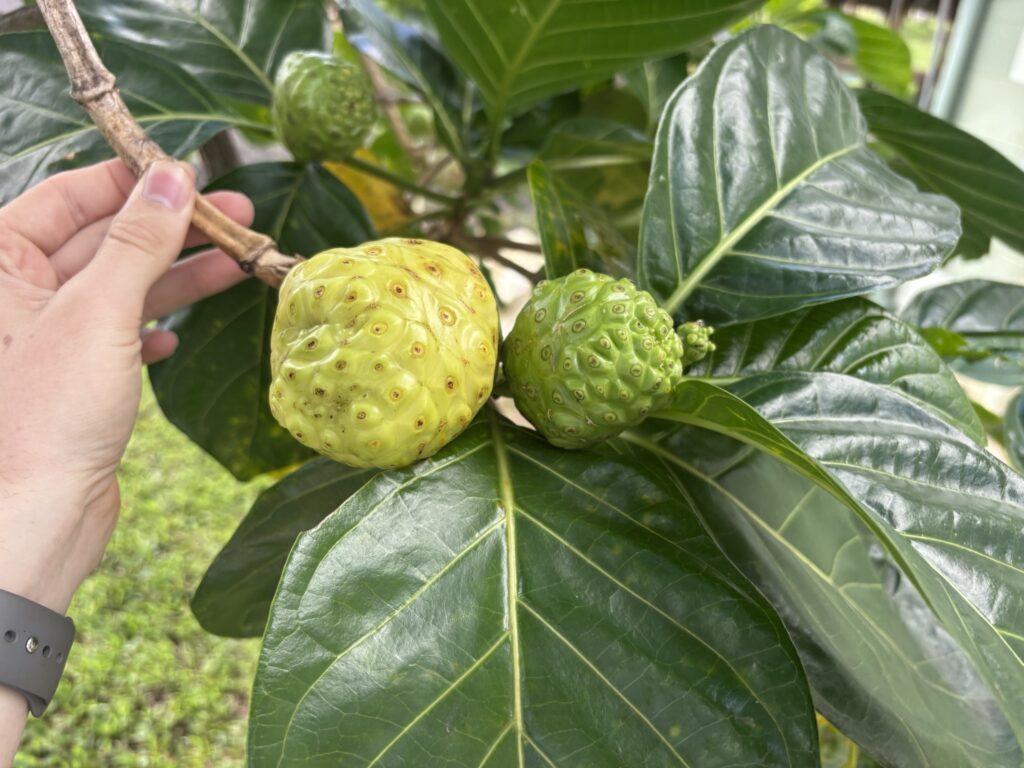
The primary task across the river on our Himalayan Acres agricultural land is to keep the vigorous guinea and elephant grasses mowed down next to and between the rows of noni and hardwood trees. However, the tractor must stay a distance from the tree to avoid bumping and breaking its lateral branches. To accomplish this and still mow grass right next to the trunk, we mount mowers that stick several feet out to the right side, beyond the tires. Our old Ford tractor has just been fitted with a new rotary mower on the back which is stronger than the previous mower. It needs to be strong enough for when the grass sometimes gets extra tall and thick. Some extra reinforcement was added to handle the weight of the mower.
At the front of the tractor is mounted a small rotary mower that sticks out even further. It is able to safely cut right next to the trunk because the blade is underneath a slightly wider circular disk which turns freely and can roll against the trunk.
We have entered fall/winter season and lots of citrus is ready to harvest. This allowed for plenty of orange and grapefruit juice to be offered during Skanda Shasthi abhishekam yesterday, along with lime garlands
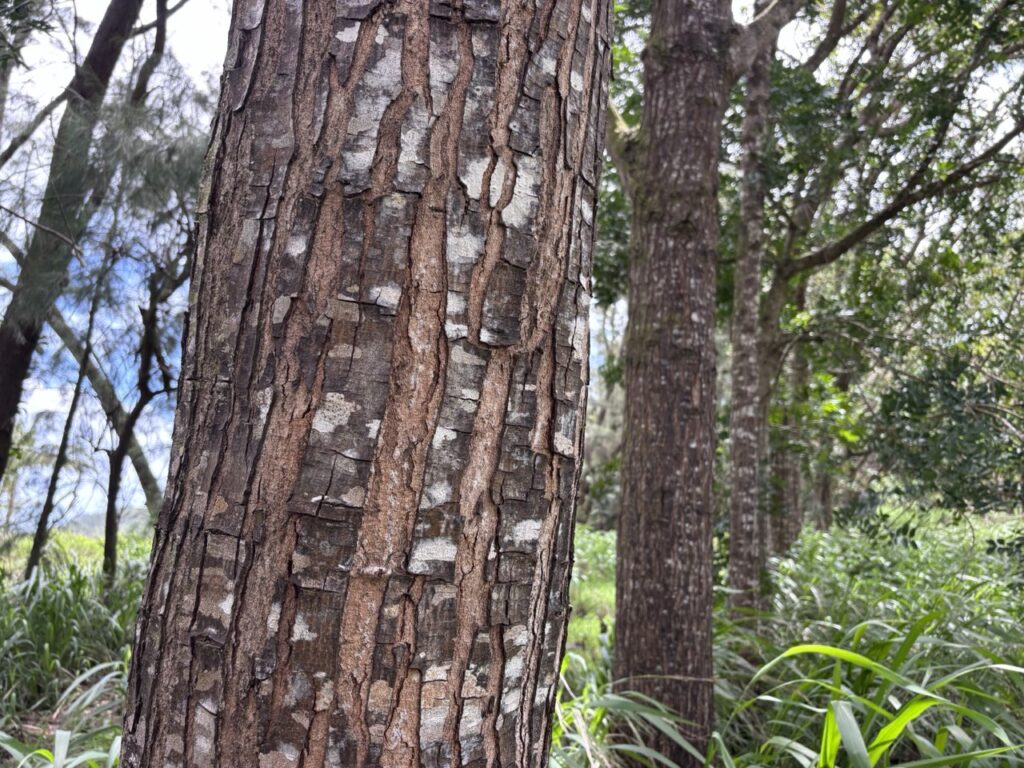
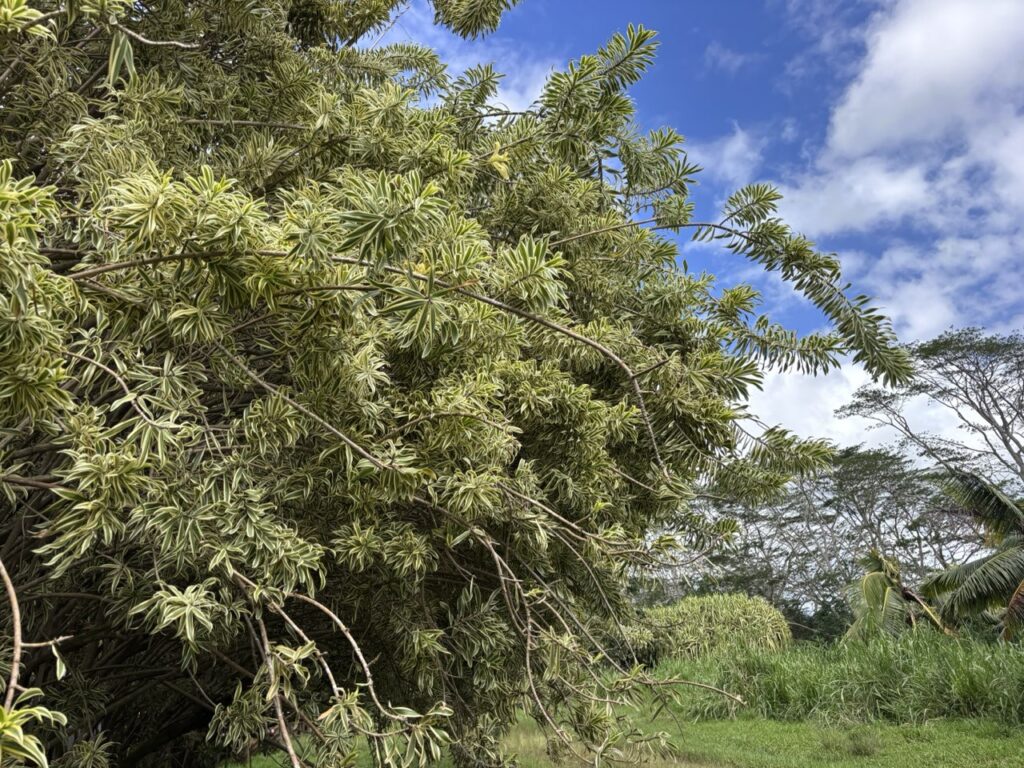
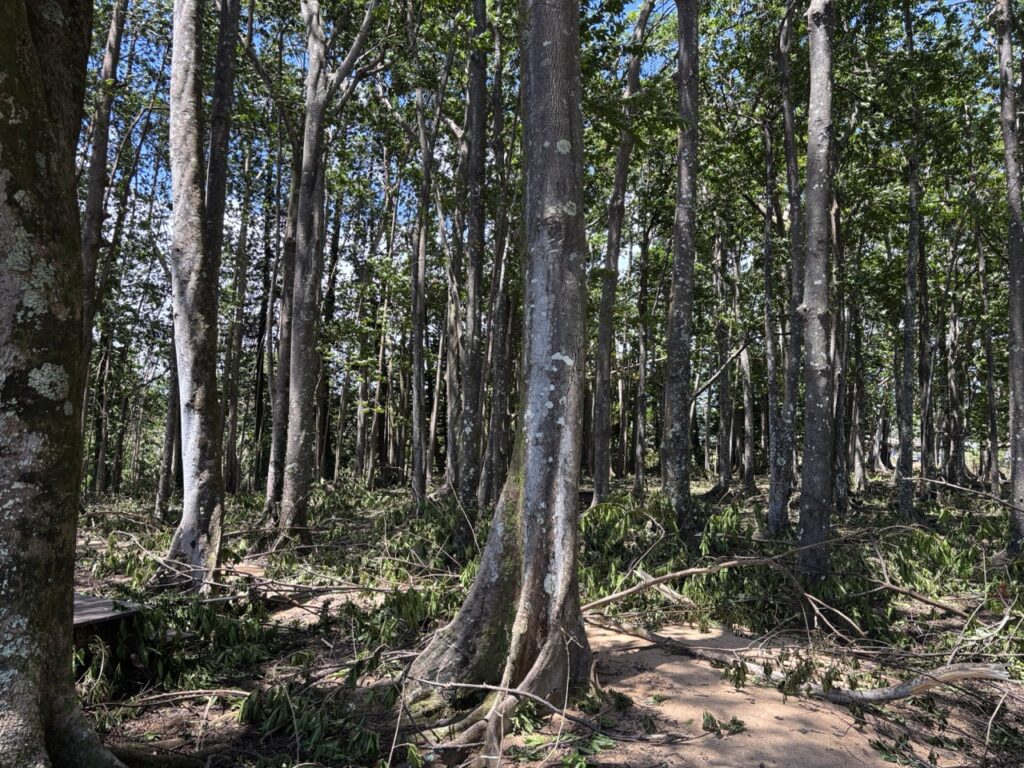
Teak trees grown up very straight, next to load banana trees