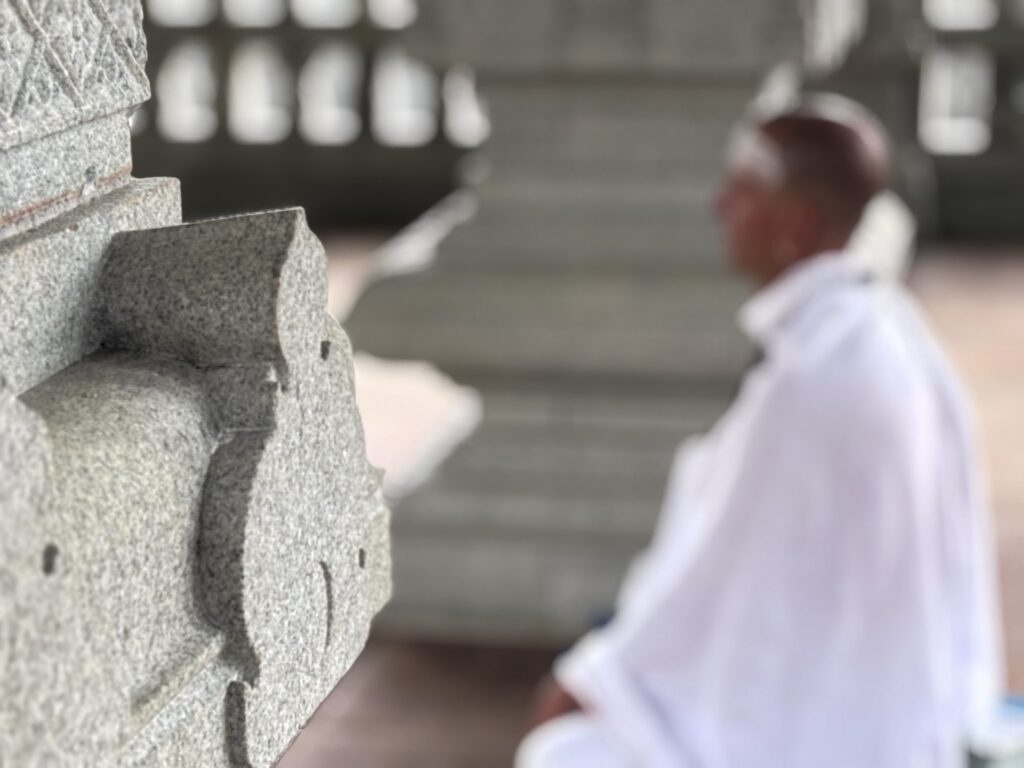
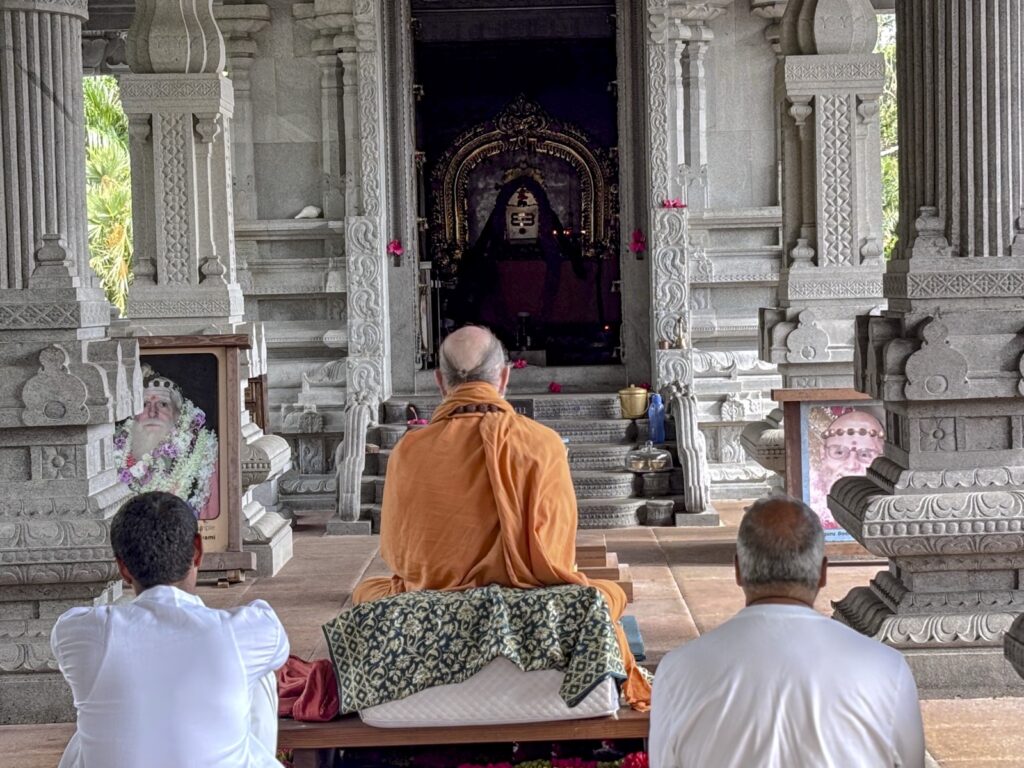
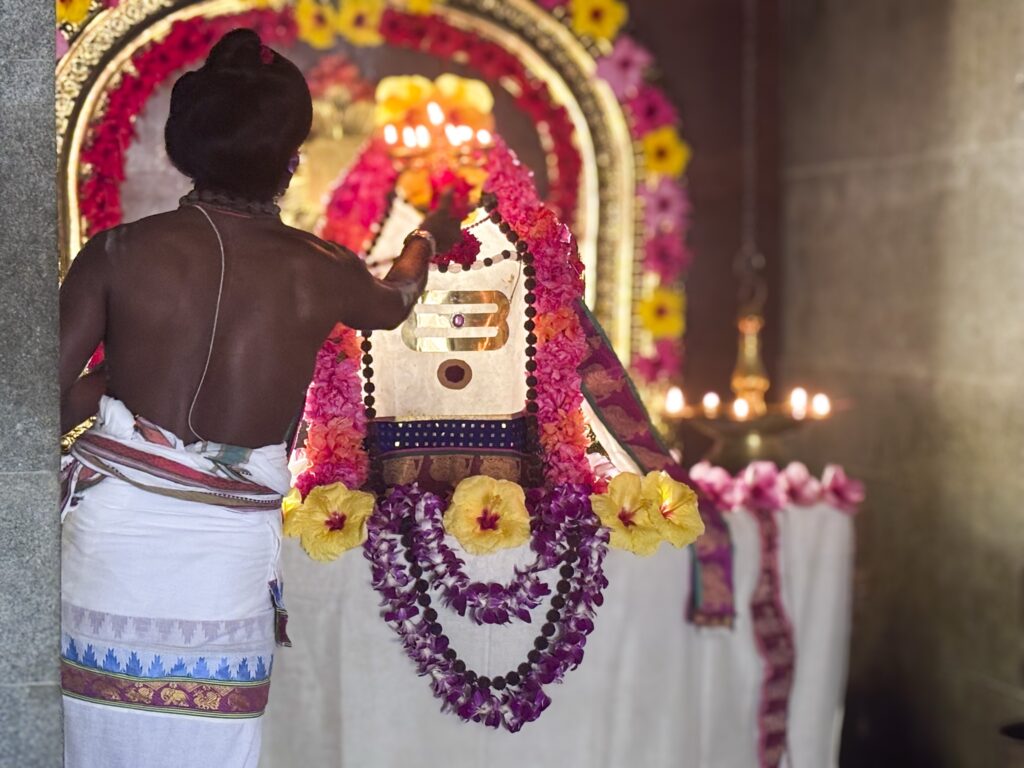
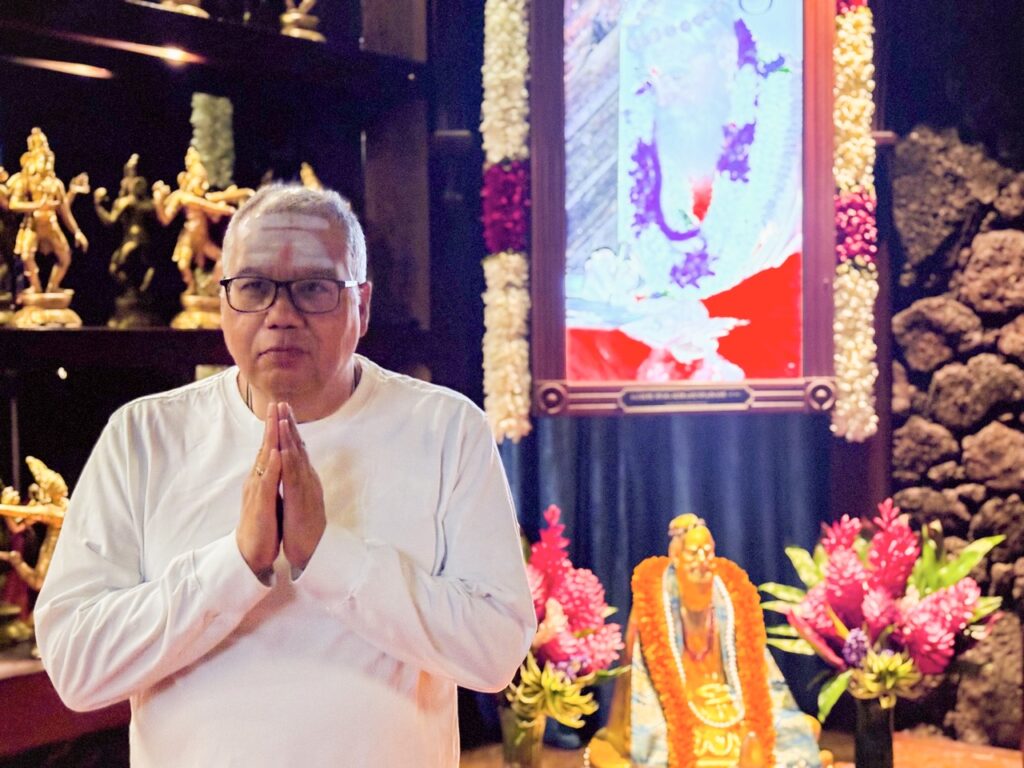
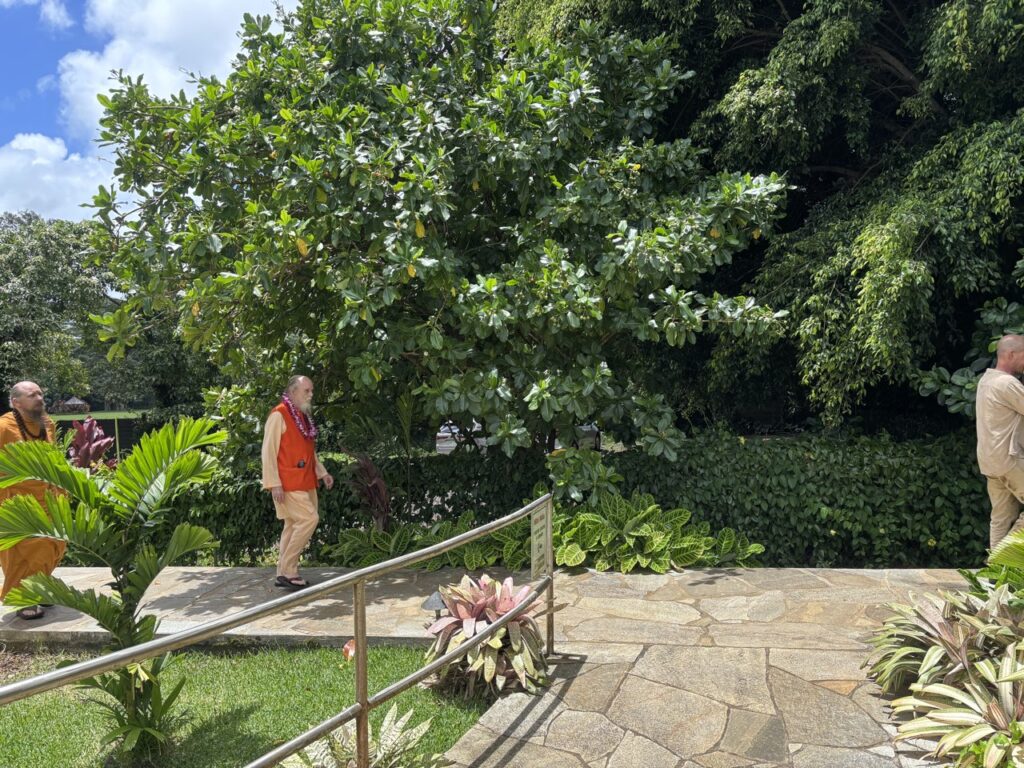
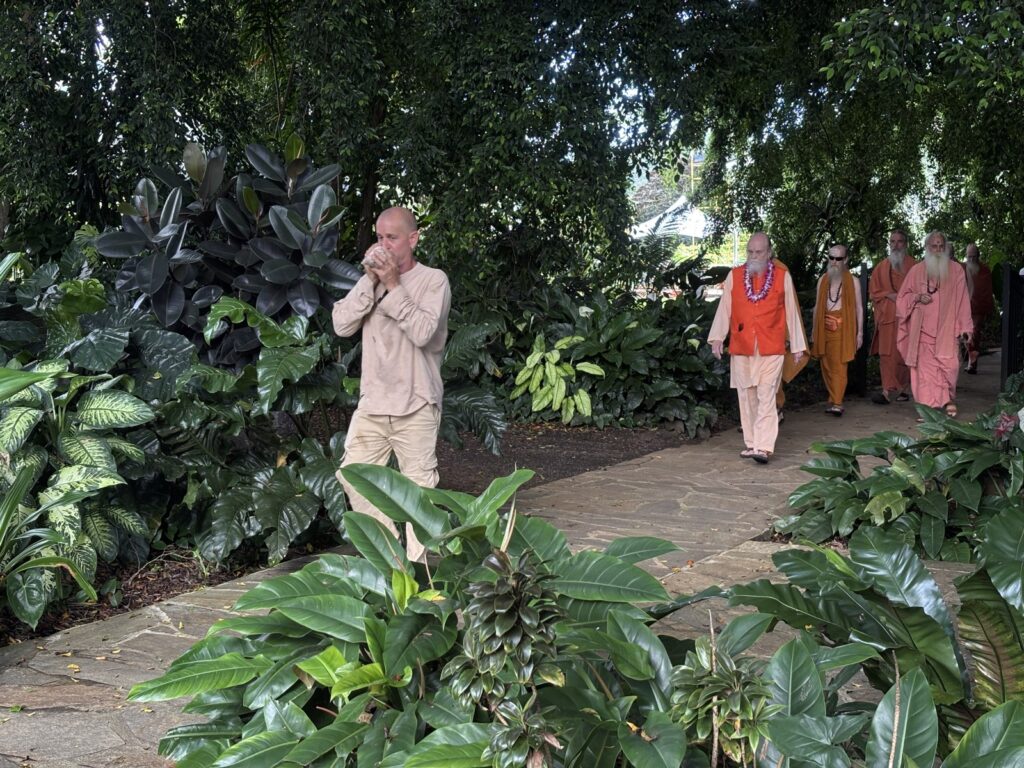
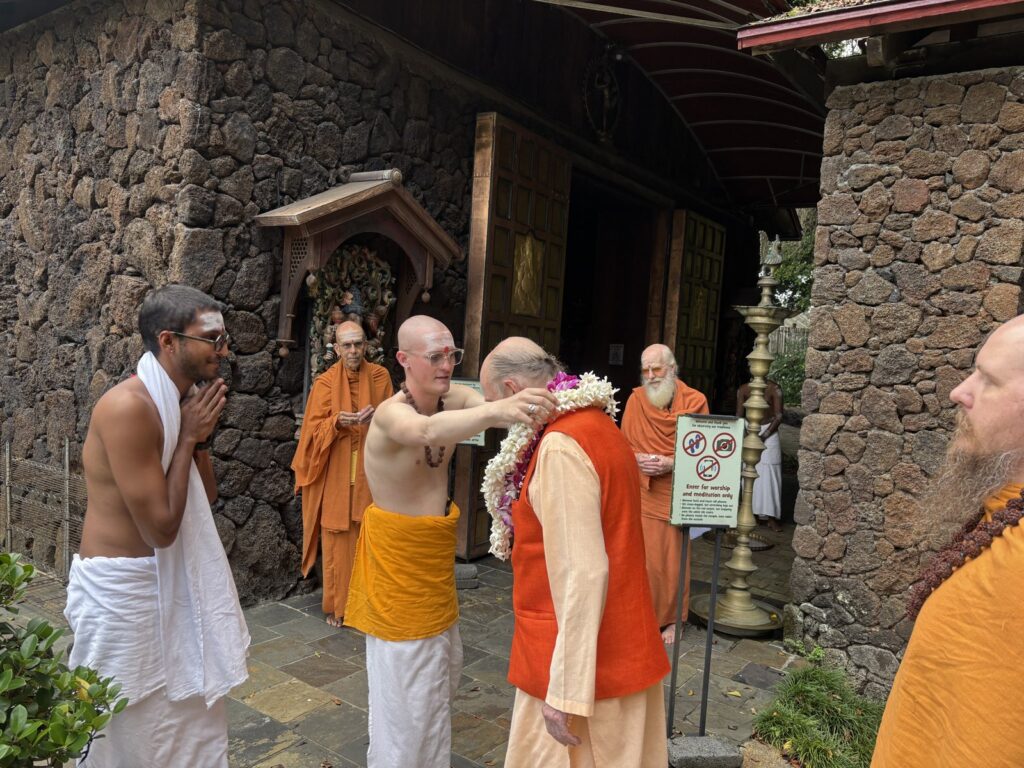
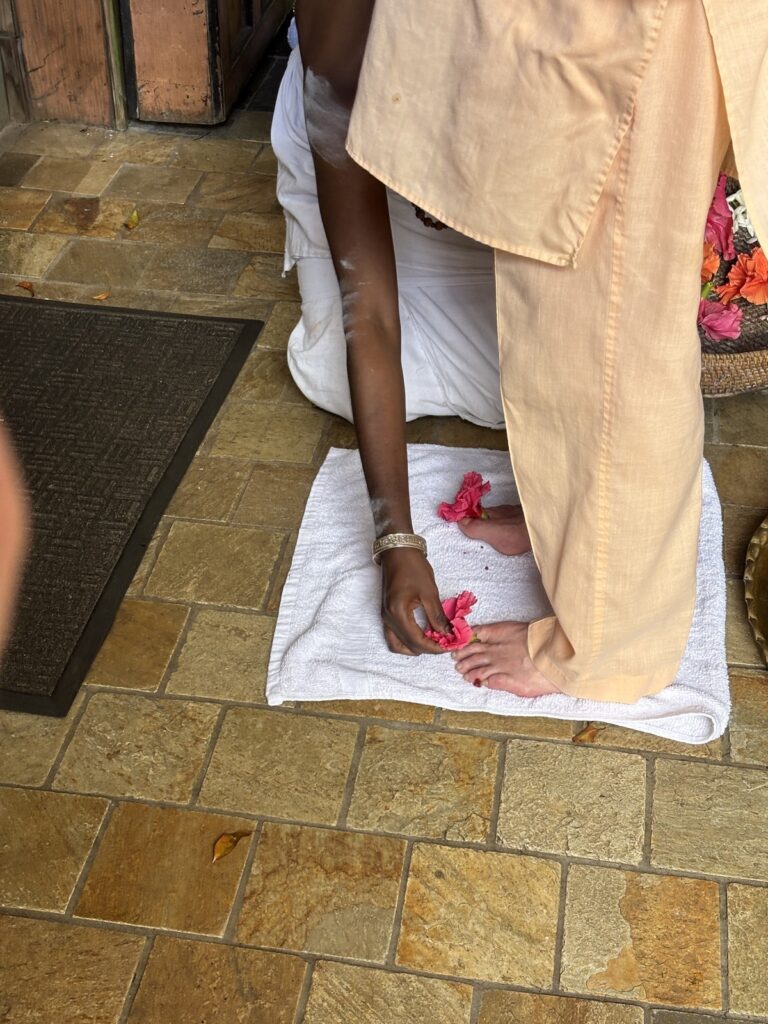
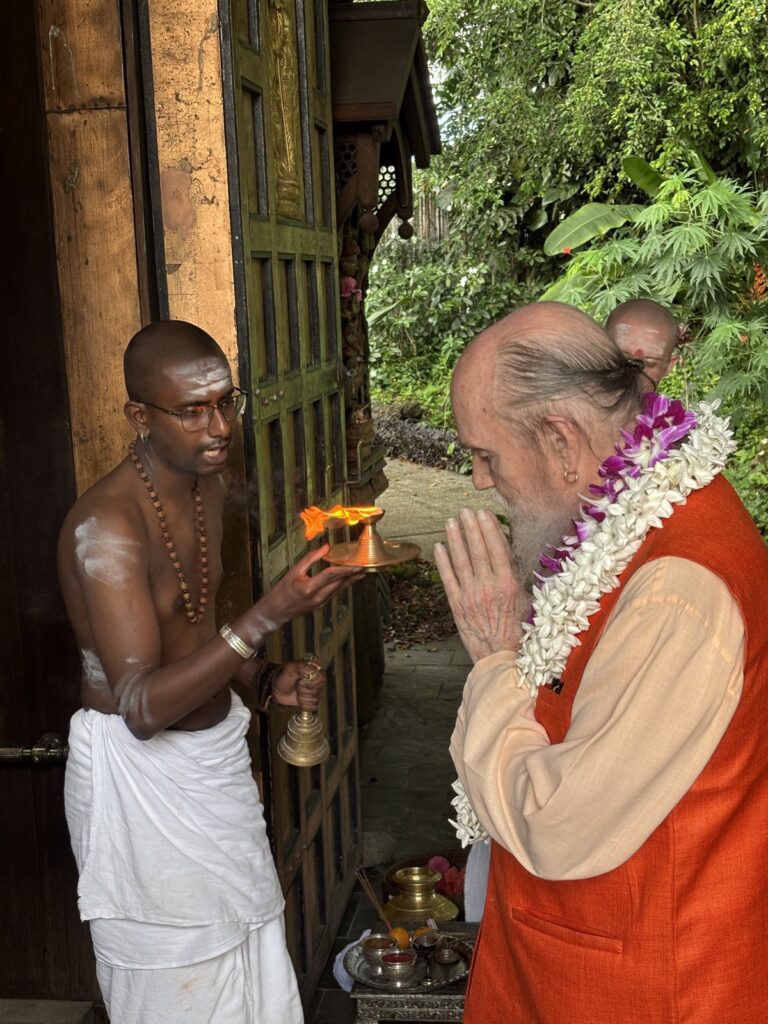
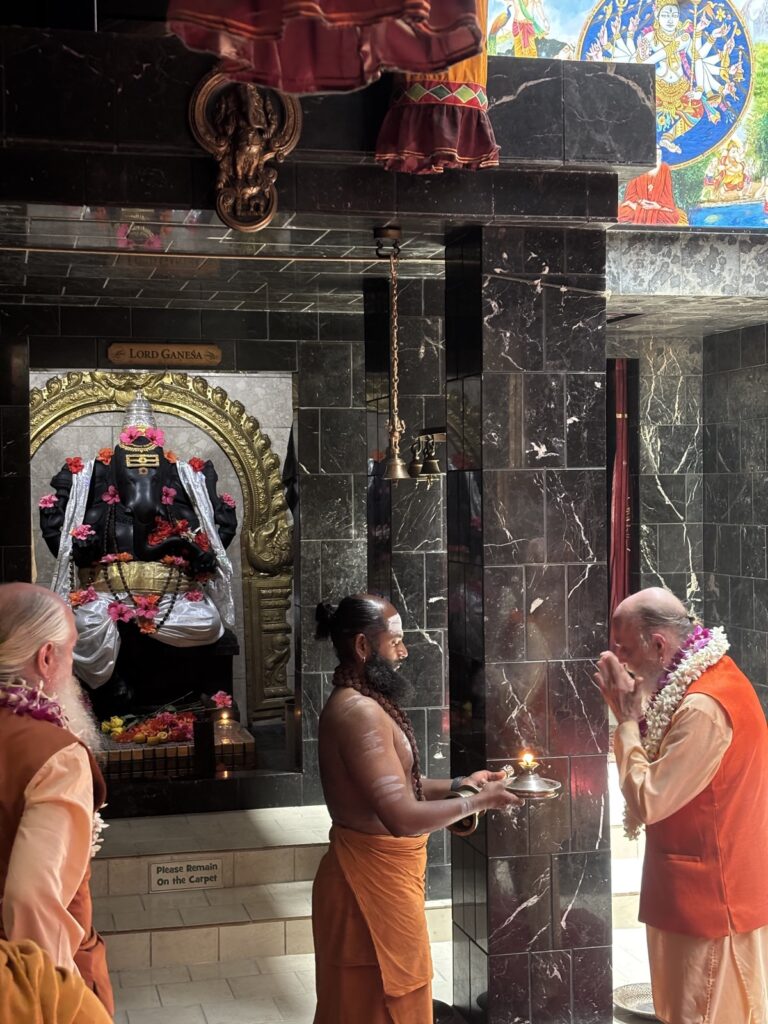
Not long ago, The 9am Iraivan temple was joined by Satguru, Sadhakas, and Shisyas. Nirvani Tejadevathna did japa yoga while the priest decorated Mahalingeswara. After the Abhishekam and Alankaram, Sivacharya Pravin Kumar Sivam invoked Lord Siva’s cosmic rays of divine love, with various offerings. Everyone Attending felt many blessings.
In the early morning Jai attends the morning monk siva puja.
Aum Namah Śivaya!
Recently, Jai returned to the taskforce program for several weeks. While he participates daily with seva, working alongside swamis and sadhakas in the Siddhidatta Kulam. So far, he has helped with digitally inventorying heavy equipment and machinery onto our maintenance server.
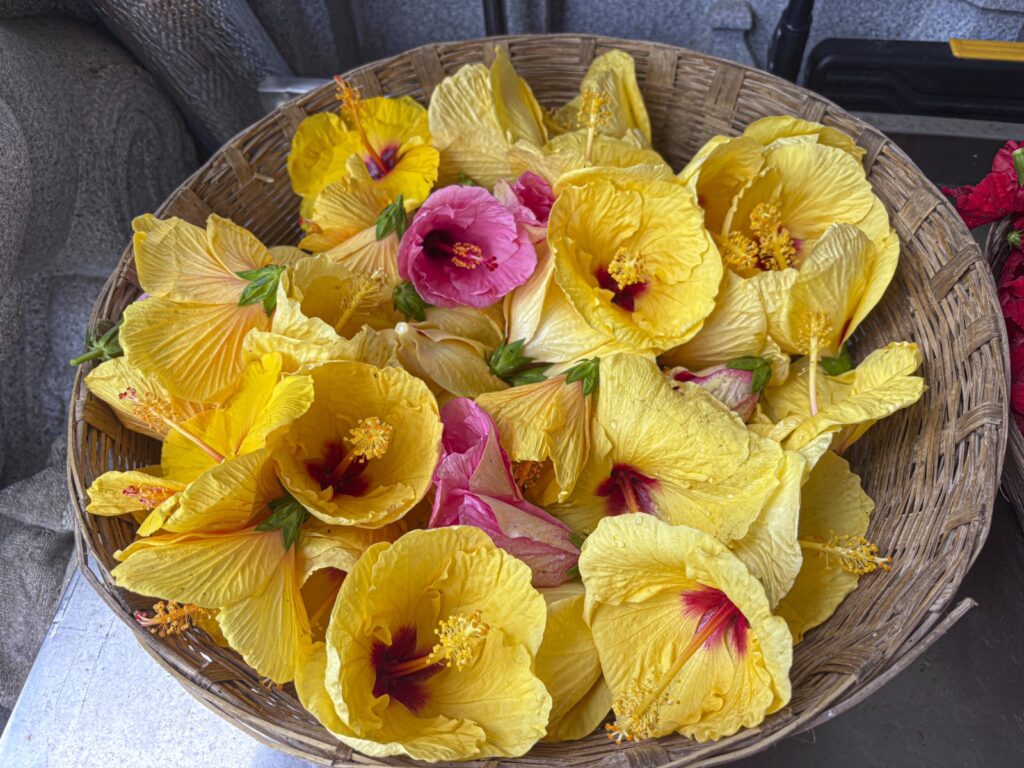
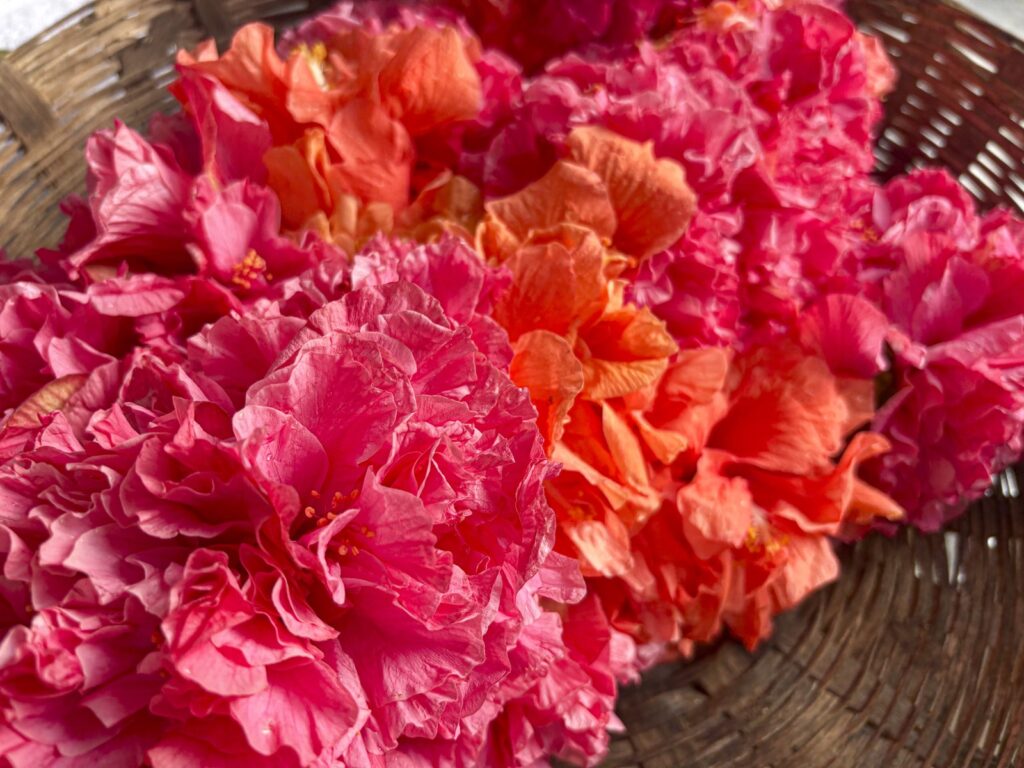
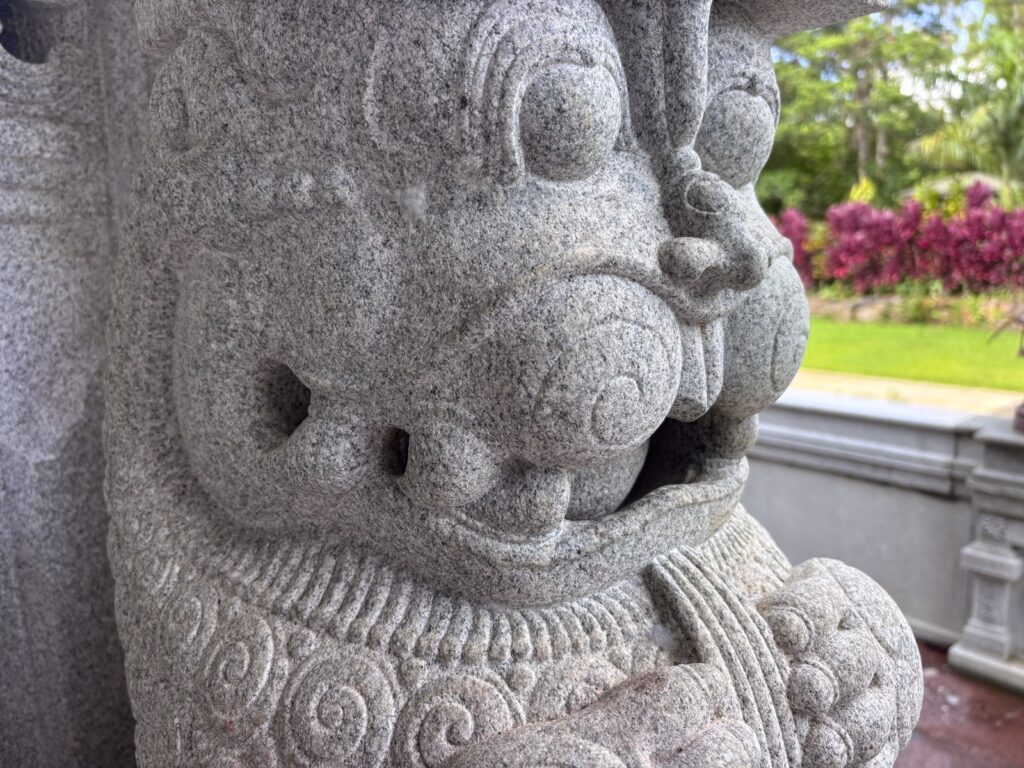
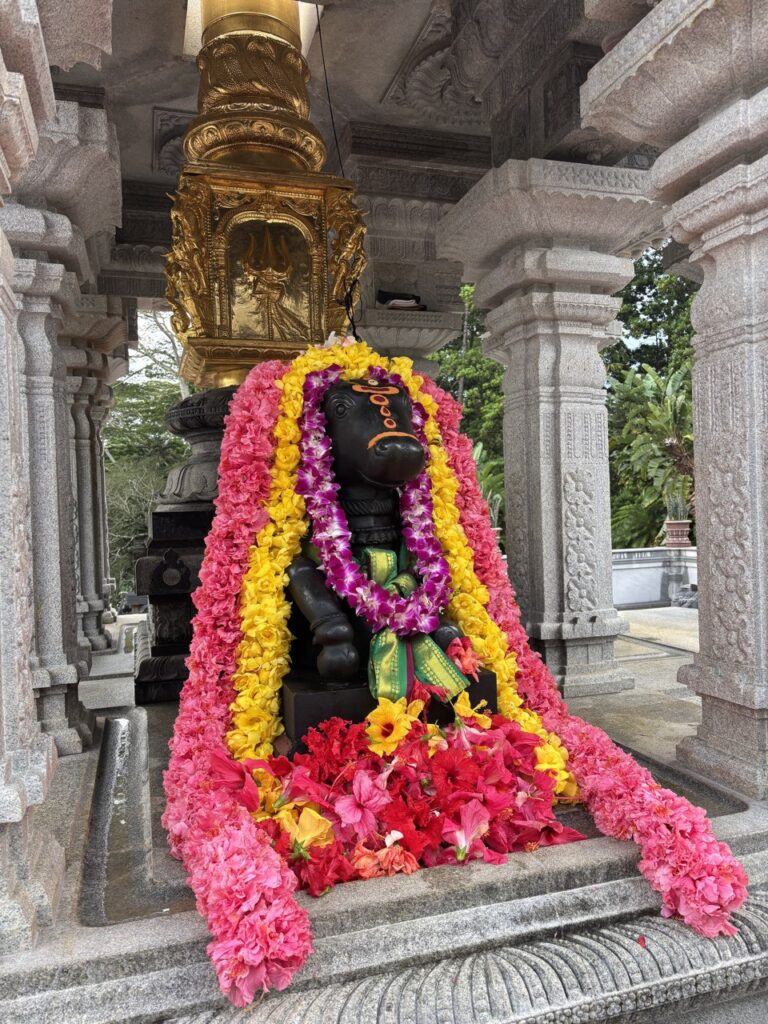
In the first image, Nandi at Iraivan Temple’s Pradosha Puja yesterday was bedecked with extra flowers due to these warmest months.
Today on a sunny afternoon, Satguru and Shanmuganathaswami returned from the US and Canada mainland trip after stops and satsangs in Montreal, San Francisco area and Los Angeles area.
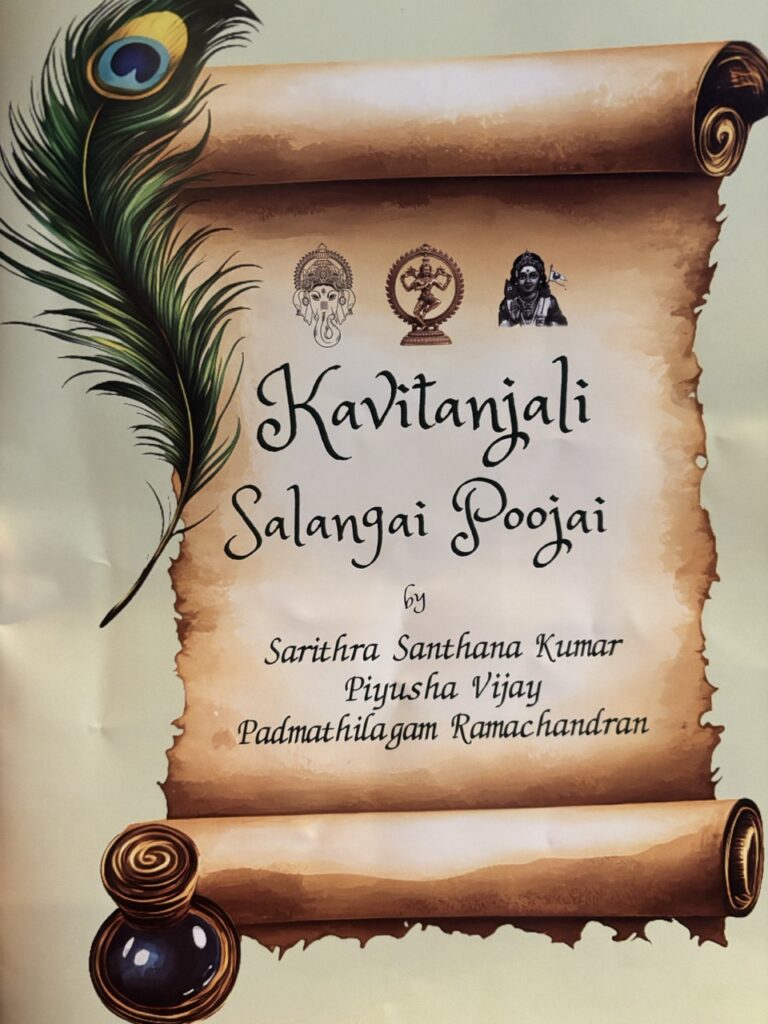
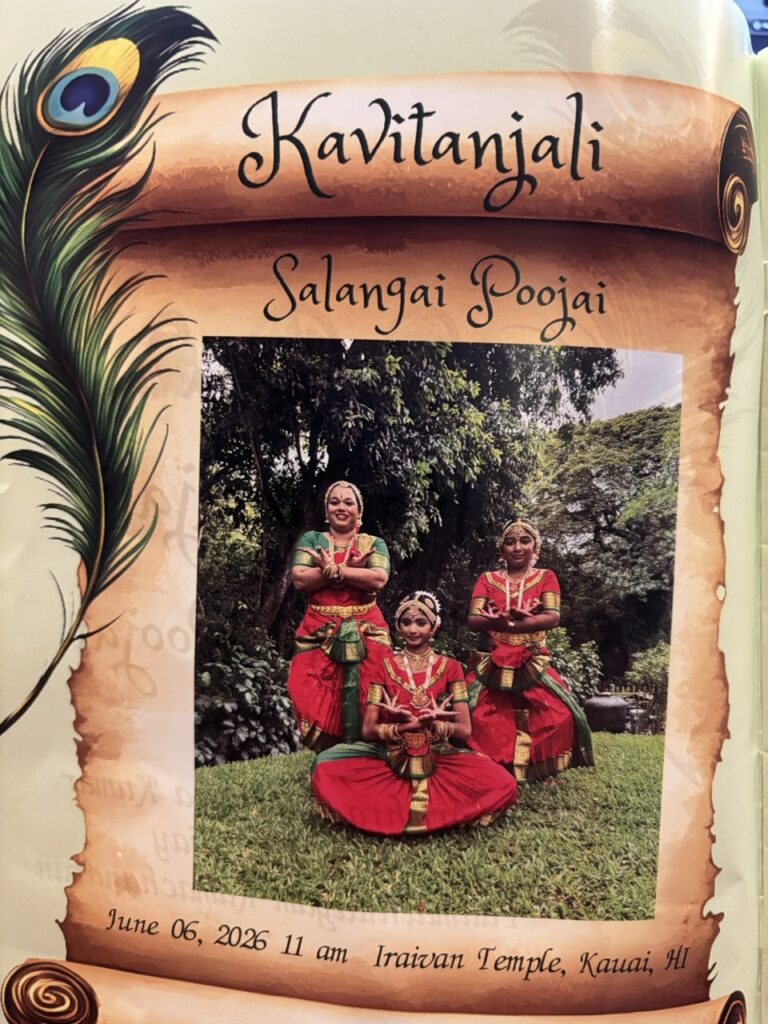
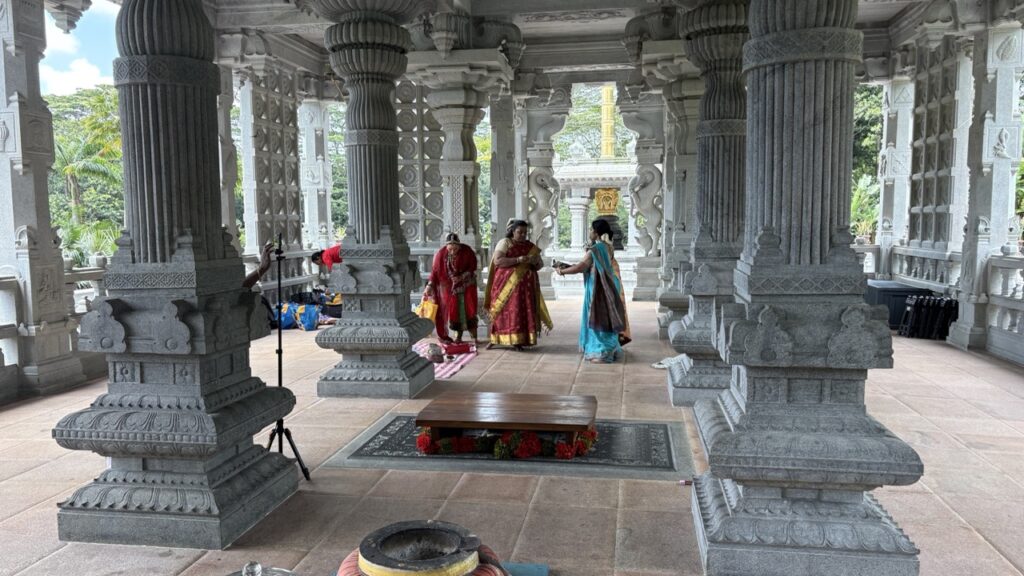
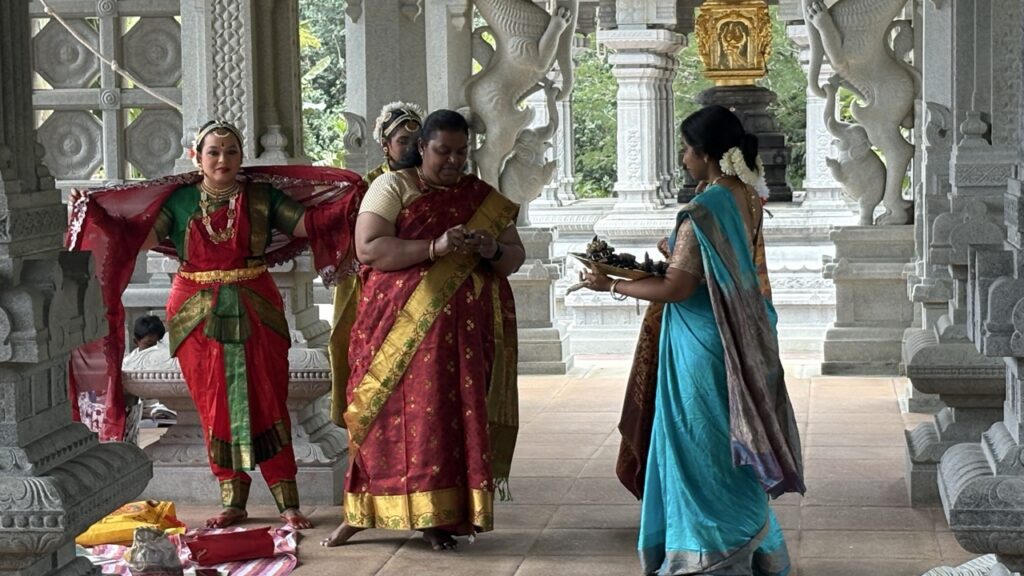
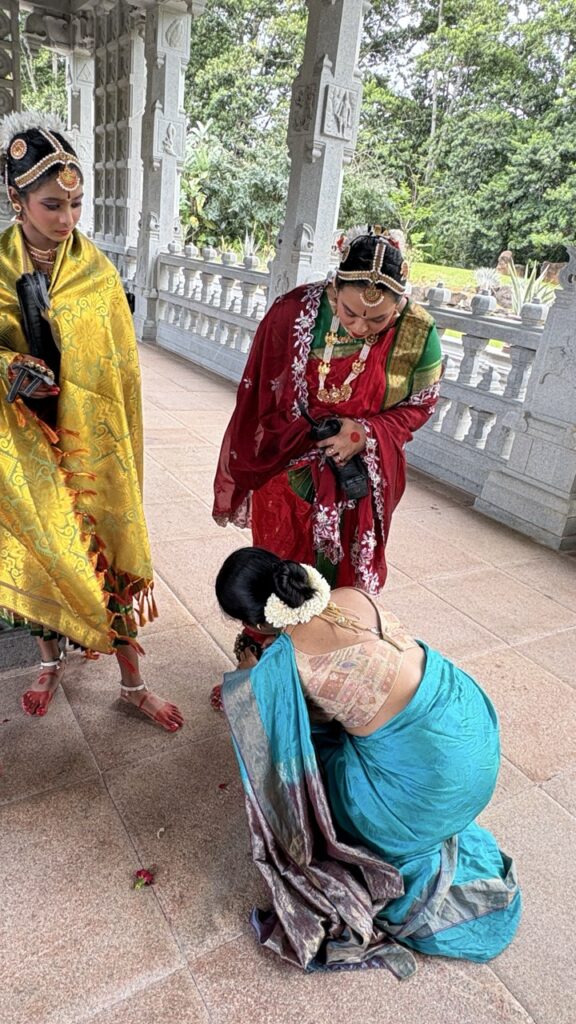
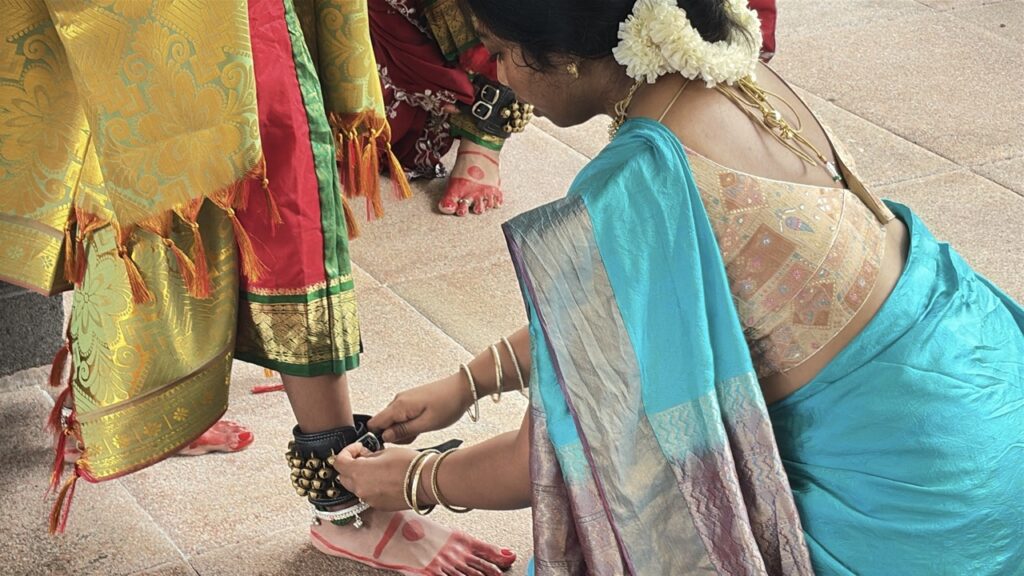
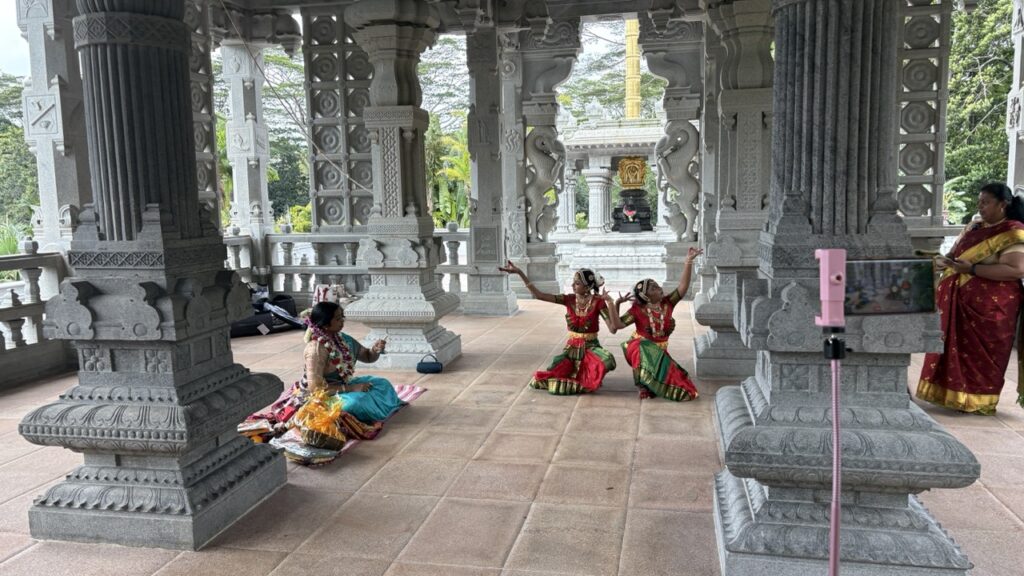
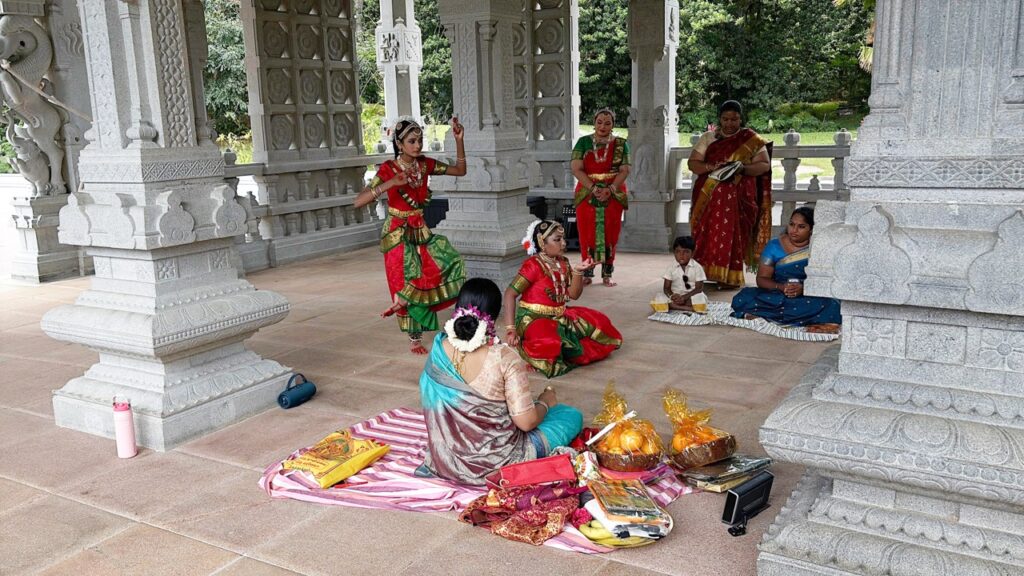
Young budding bharatanatyam dancers from the Hawaiian island of Oahu, flew to Kauai with their teacher and parents so they could perform the Salangai Pooja at Iraivan Temple. Sarithra and Piyusha are fourth and fifth graders and officially received their bell anklets today from their teacher acharya, Dr. Janani Lakshmanan. They were accompanied by special guest dancer, Kavya Bhagawatula. The family prepared a beautiful pamphlet to commemorate the occasion. Below is a description of the Salangai Poojai from the pamphlet–
“A Salangai Poojai is a sacred milestone in classical Indian dance, Bharatanatyam. It is the auspicious ceremony where a student receives and wears their salangai (ankle bells) for the very first time, symbolizing their readiness to transition from a beginner to a practicing dancer. In Bharatanatyam, the salangai is treated as a divine instrument of the art which consists of small metallic bells tightly woven onto a cotton or leather strap. The ringing bells are said to awaken the divine energy within the dancer and connect their rhythm to the cosmic rhythm of Lord Nataraja (the Lord of Dance).
“The event usually takes place on an auspicious day at a temple or a dance studio, often in front of family, friends, and invited guests. The ceremony begins with an invocation (usually a pooja dedicated to Lord Ganesha) to remove obstacles from the dancer’s journey. The ankle bells are placed on the altar and blessed through sacred chants. The Guru (teacher) personally ties the salangai onto the student’s feet. This highly symbolic act represents the passing down of knowledge, tradition, and the Guru’s blessing. After the bells are tied and the Guru grants their final approval, the dancer gives their first performance indicating the dancers ability to match rhythm. The Salangai Poojai remains a soulful, spiritual celebration of the teacher-student bond and the dancer’s lifelong commitment to the art.”
Here is a short clip of their dancing today–
We also just received this short timelapse created by drone footage of the concrete path recently constructed around Iraivan Temple. It is best viewed as a visual representation of the process rather than a frame-by-frame record of the actual construction sequence.
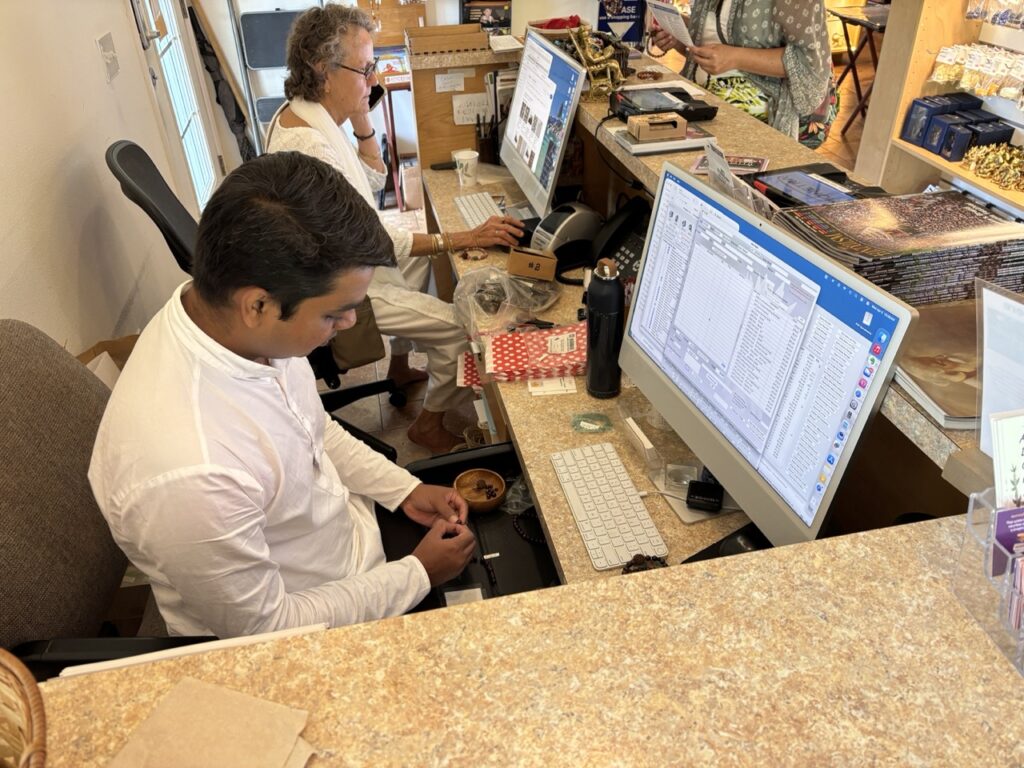
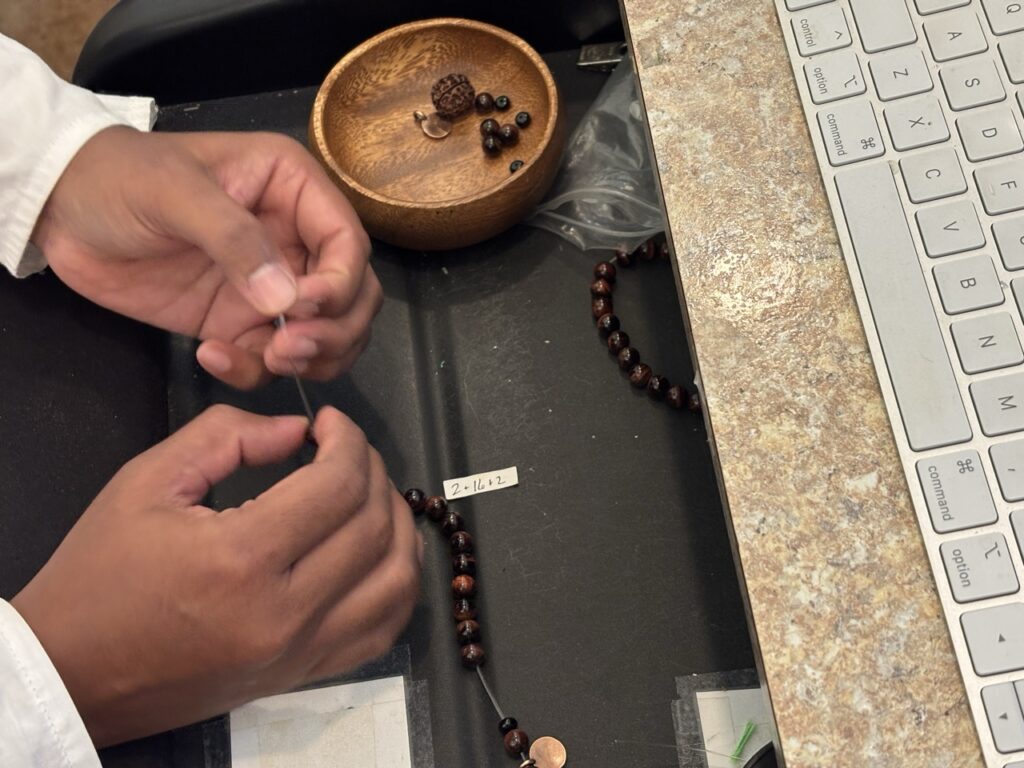
As Nitya Shankaran Mogan comes toward the end of his taskforce stay, he is spending about a week helping out the Minimela staff in the mornings. Here he is at the cashier desk, being efficient with time by making more bracelets in between visitor purchase inquiries. He also shared a couple of the photos he took over the last few weeks.
Thank you Nitya for your tireless service for a month.
Finished bracelets and other items on display
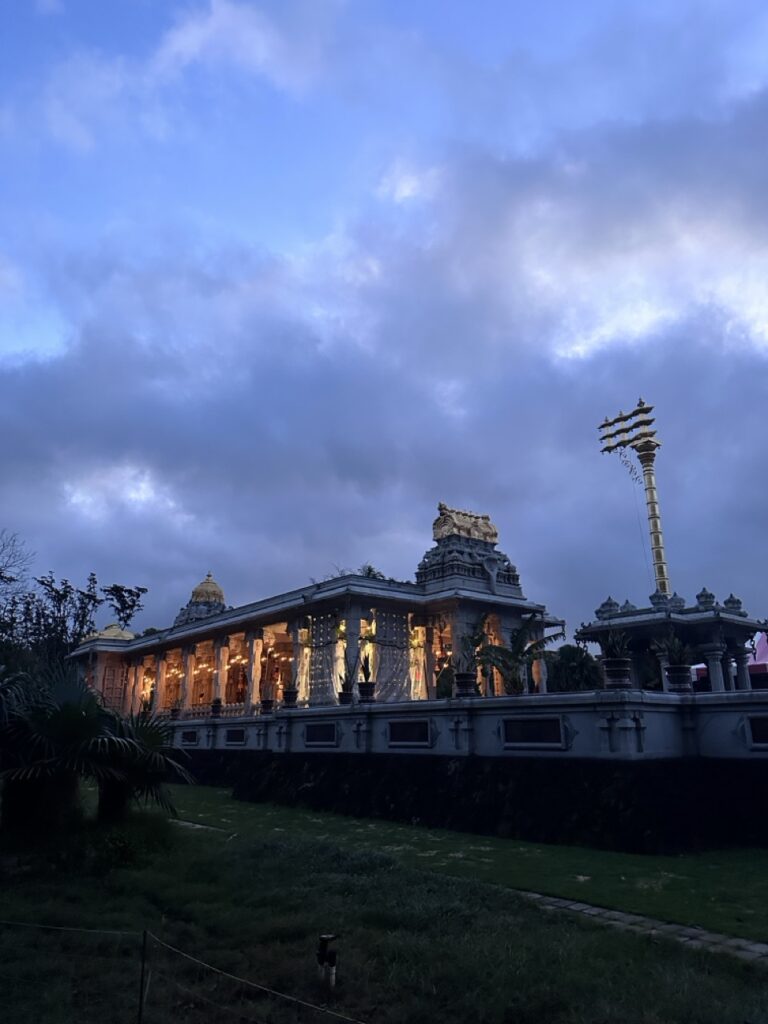
Nithya took this photo during the Iraivan Samvatsara Puja
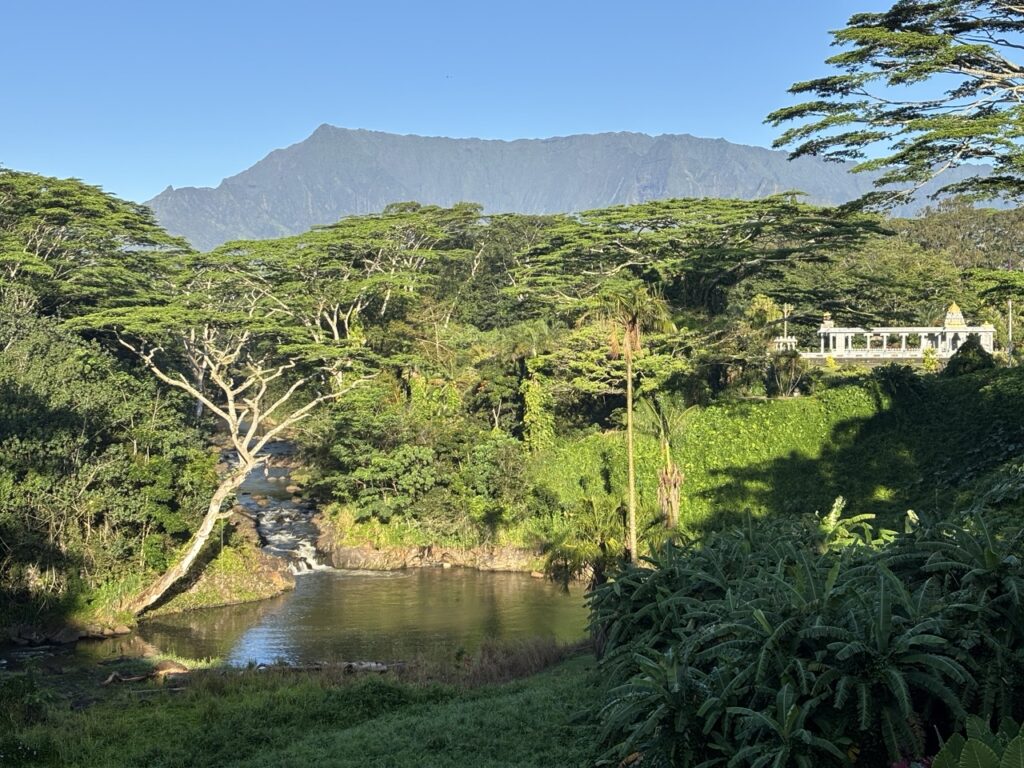
Nithya took this sunrise photo from the back porch of our taskforce residence
A clear day this morning before heavy rains are forecast starting this afternoon through tomorrow

 Nirvani silently preforms japa