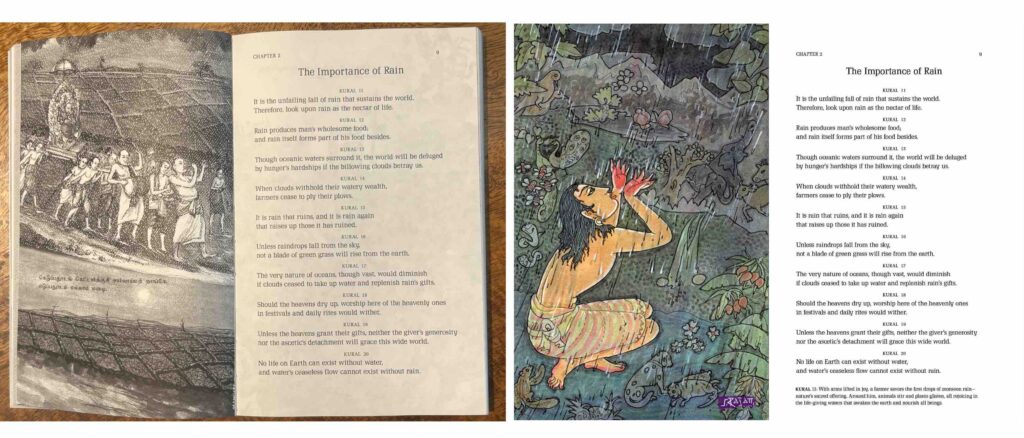
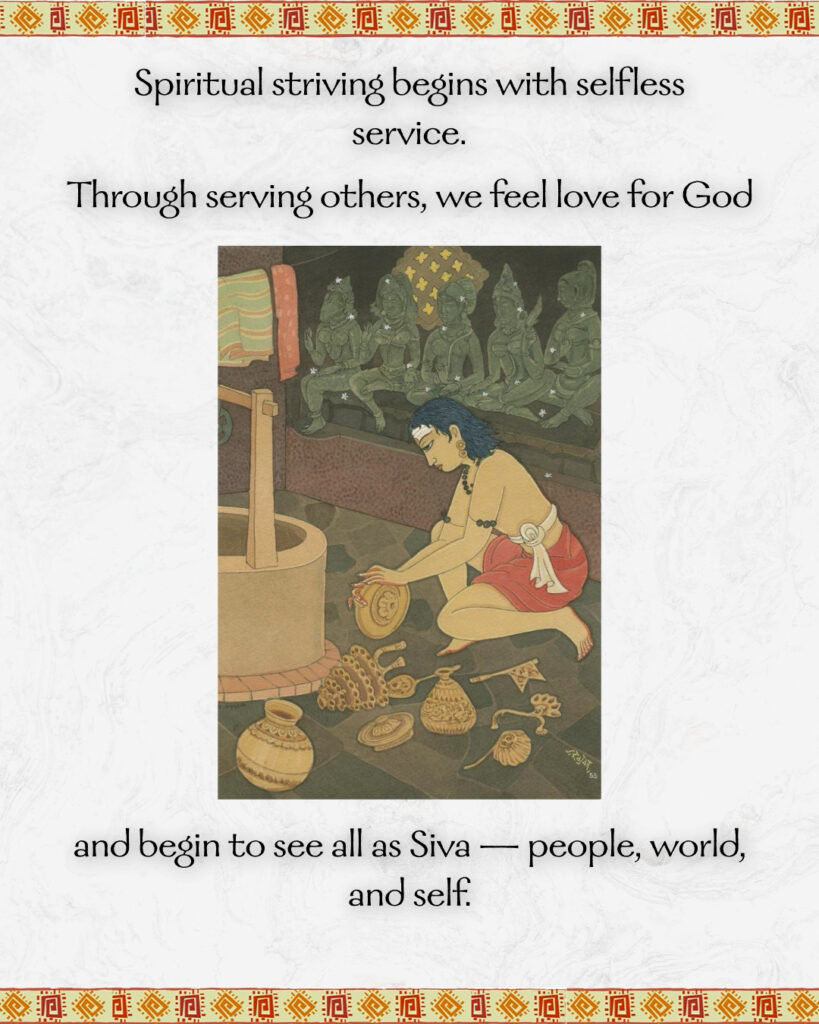
Recently we’ve been exploring different formats to deliver our books to seekers, particularly for social media. Last week we created one of these short presentations for Path to Siva: Chapter One, and today we invite you to explore the content in Chapter Two.
The monastery cherishes its role in serving the people of Kauai, always striving to foster amity, cooperation, and good-neighborliness across the island. One such effort took shape recently when we were invited to restore a Peace Pole we originally crafted and installed at Lydgate Park in 2009. That same year, we also created a Peace Pole for the SPARK M. MATSUNAGA INTERNATIONAL CHILDREN’S GARDEN FOR PEACE in Hanapepe—each a quiet testament to the aloha spirit and global unity (a famous one is at the Gandhi Smriti in New Delhi where Gandhi was martyred.
The International Peace Pole Project was launched in post-war Japan by Masahisa Goi, who envisioned a world united under the prayerful message, “May Peace Prevail on Earth.” From that humble beginning, over 250,000 Peace Poles have since been planted around the world, standing silently as beacons of harmony across nations, faiths, and generations.
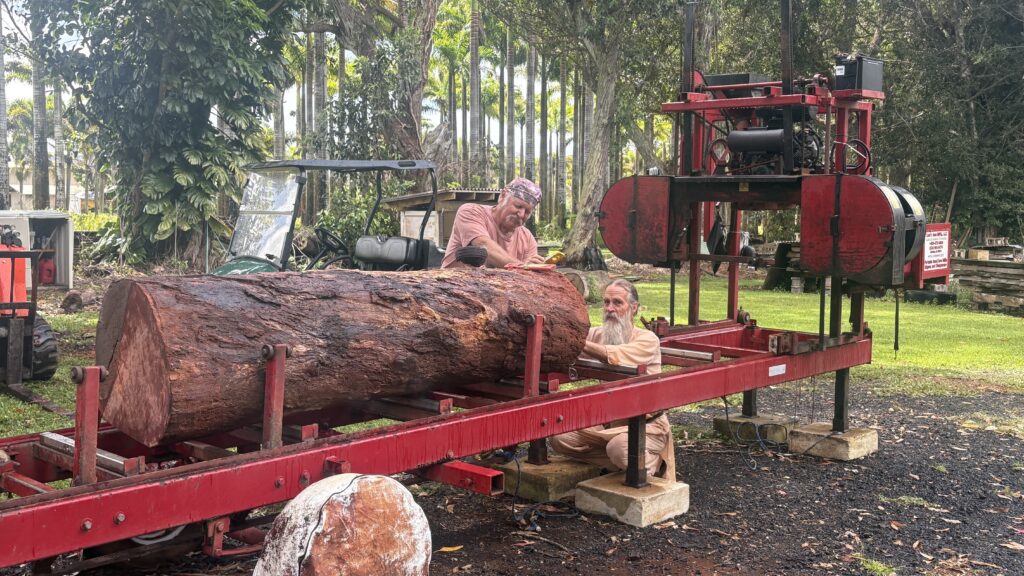
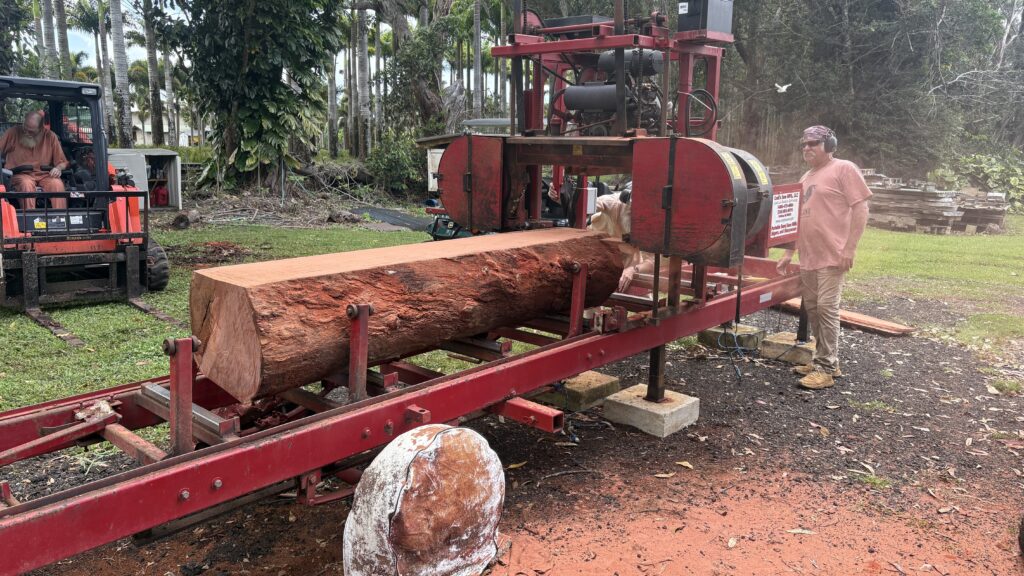
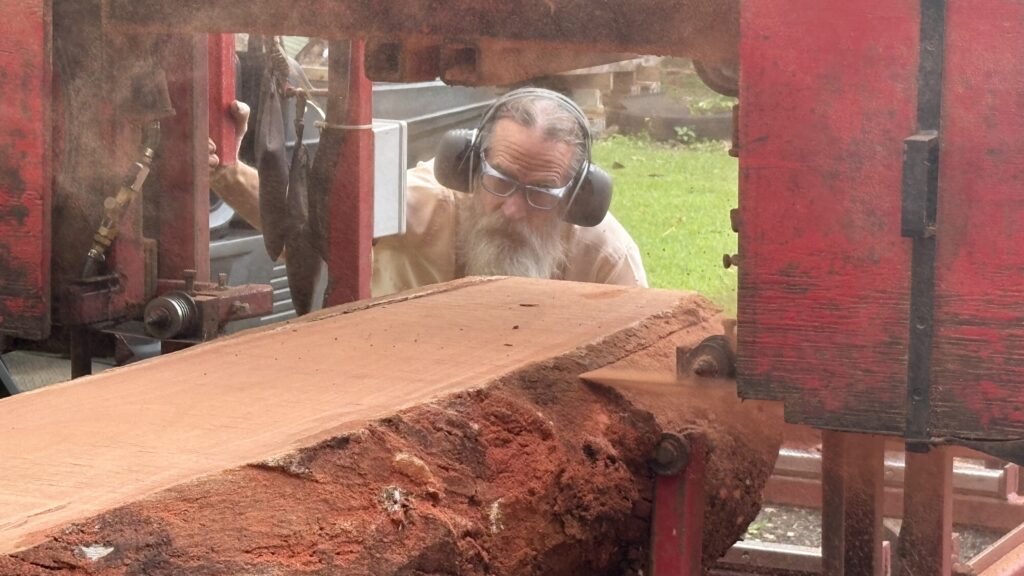
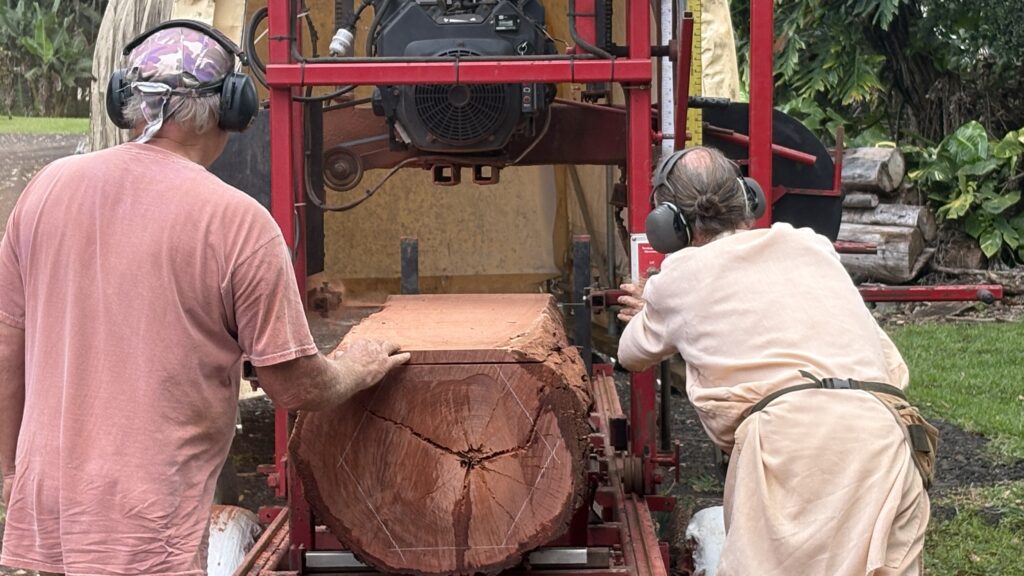
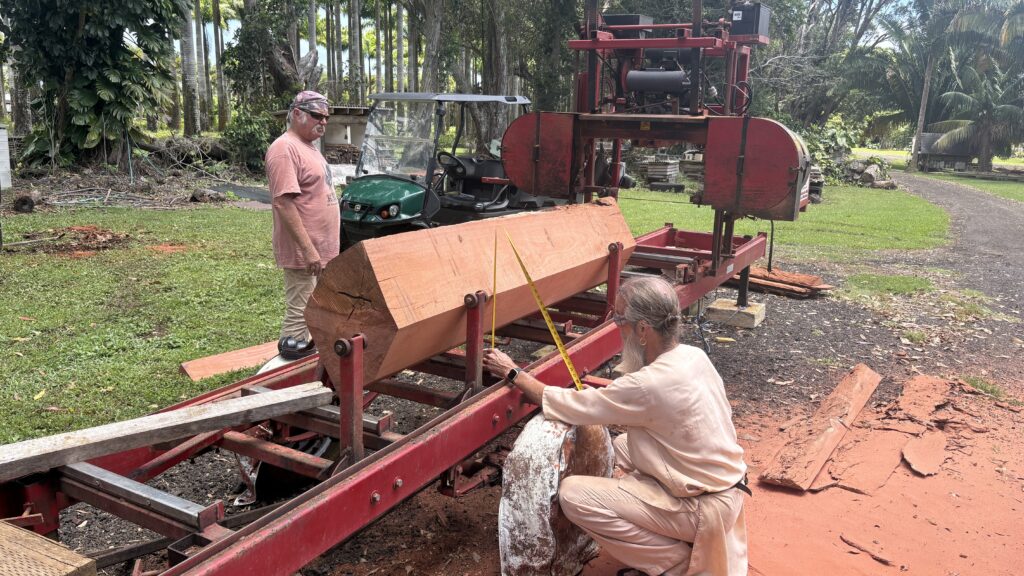
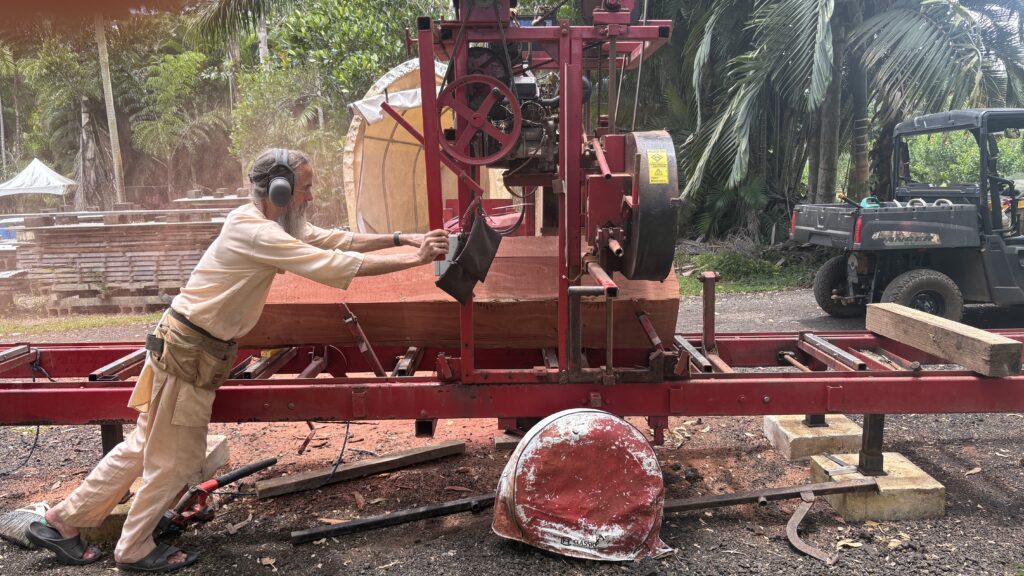
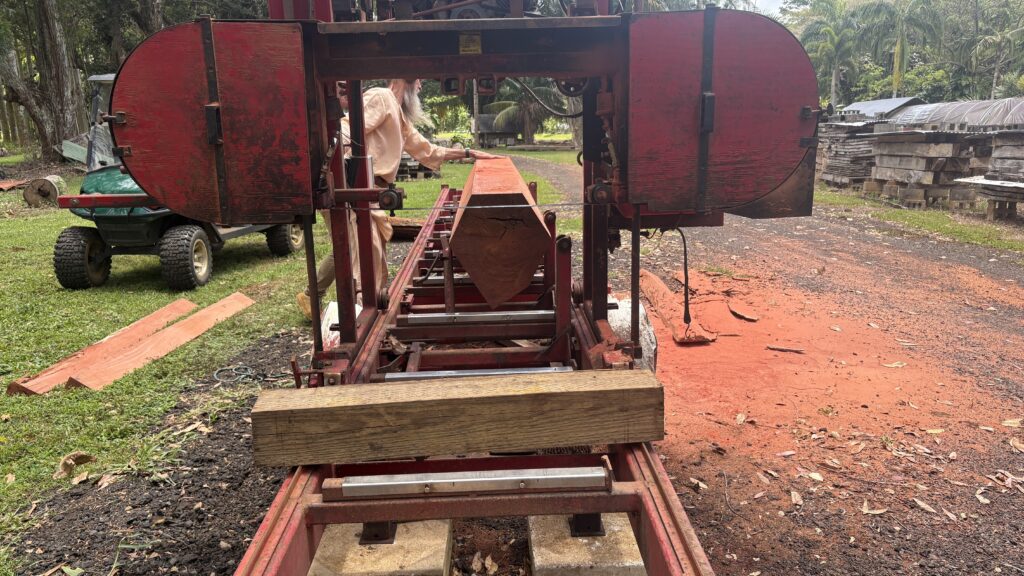
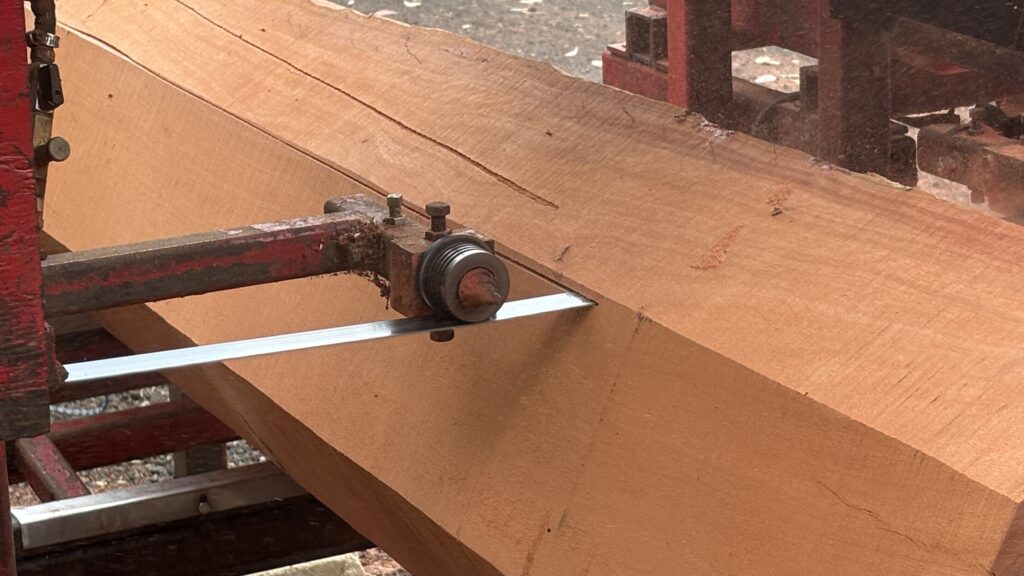
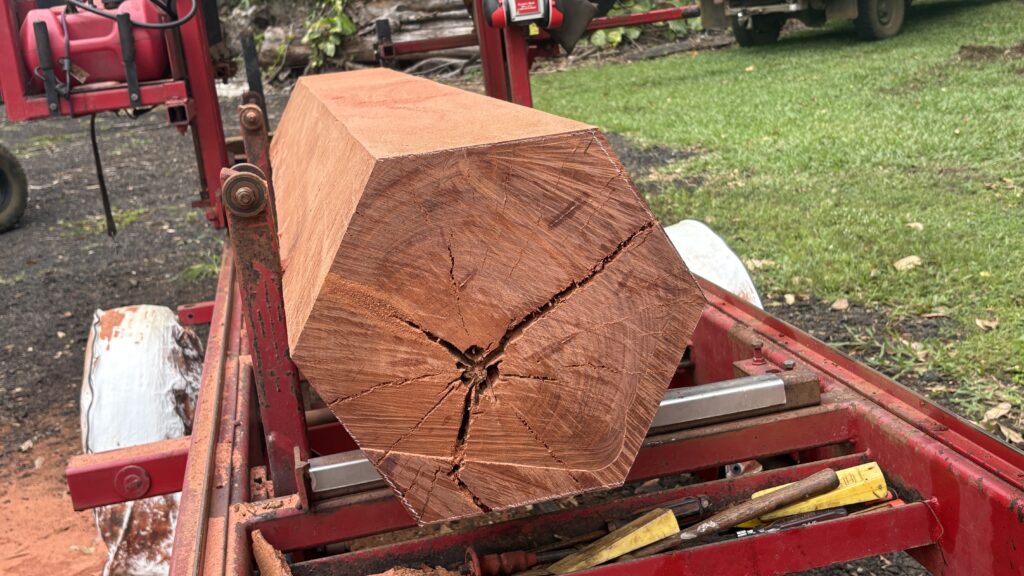
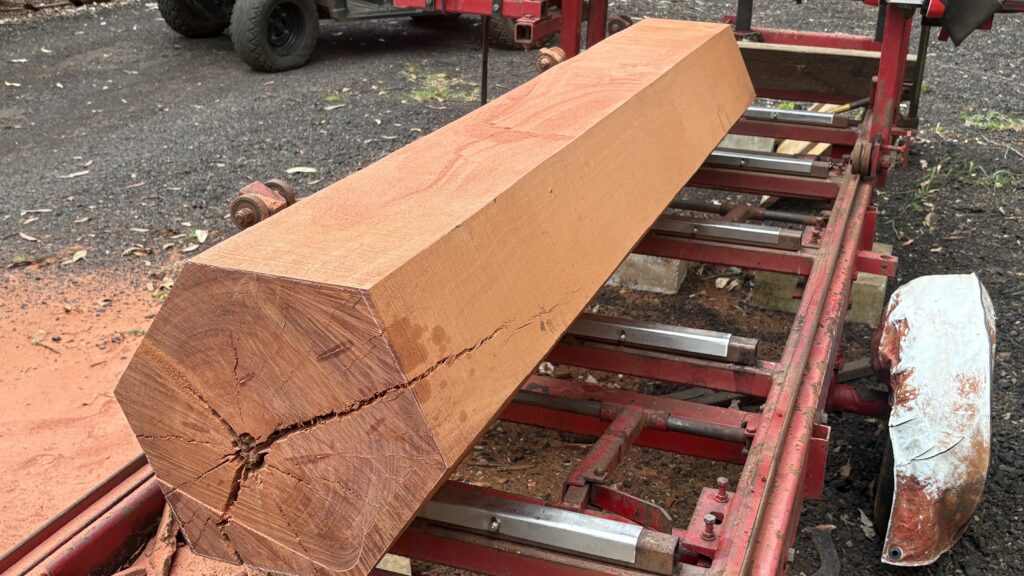
Upon inspection of the Lydgate pole, we found it better to create a new one. Just days ago, we milled a Eucalyptus robusta log into a beautiful six-sided sculpture. In just four hours, the raw log, still clad in bark, was transformed into a smooth, golden-reddish Peace Pole. The slideshow captures the story of this transformation.
Next, the original wooden language panels will be restored and carefully mortised into the new pole. Stay tuned as this symbol of island peace and unity continues its journey.
The log is super dense and heavy. The tree is also called Swamp Mahogany.
First cut.
Acharya carefully guides the blade.
Precision is a must if it is to be six-sided
So hard is the wood the blade needs resharpening after two cuts
It worked!
Now to assemble the six language panels and mortice them into the pole.
This morning in Kauai we observed Gurudeva’s Chitra Padapuja for the month of May. In California Satguru Bodhinatha was also given padapuja at a satsang.
And, below are livestreams of the final day of kumbhabhishekam ceremonies at the Concord Shiva Murugan Temple.
The structure is built for all seasons, and houses its kodimaram inside
To adorn the temple vinamanam and gopurams
The yagasala has been going to several days already, building up power for the consecration
Pitchai Gurukkal was also present
Aum Namah Sivaya!
Several days ago, Satguru Bodhinatha Veylanswami, and Sannyasins Shanmuganathaswami and Siddhanathaswami boarded a flight bound for the Bay Area. They arrived in Concord to attend the Mahakumbhabhishekam for the newly completed Concord Shiva Murugan Temple that replaces the aging temple, which was established here from Gurudeva’s original Palaniswami Sivan temple in San Francisco. It was later managed as Himalayan Academy, California branch, by our monks and devotees, and then given over to the Hindu community when Gurudeva consolidated all his teaching activities at Kauai Aadheenam. It has come a long way, and the new temple is a beautiful structure, complete with more parking and a nearby community center which was built in tandem. Aum.
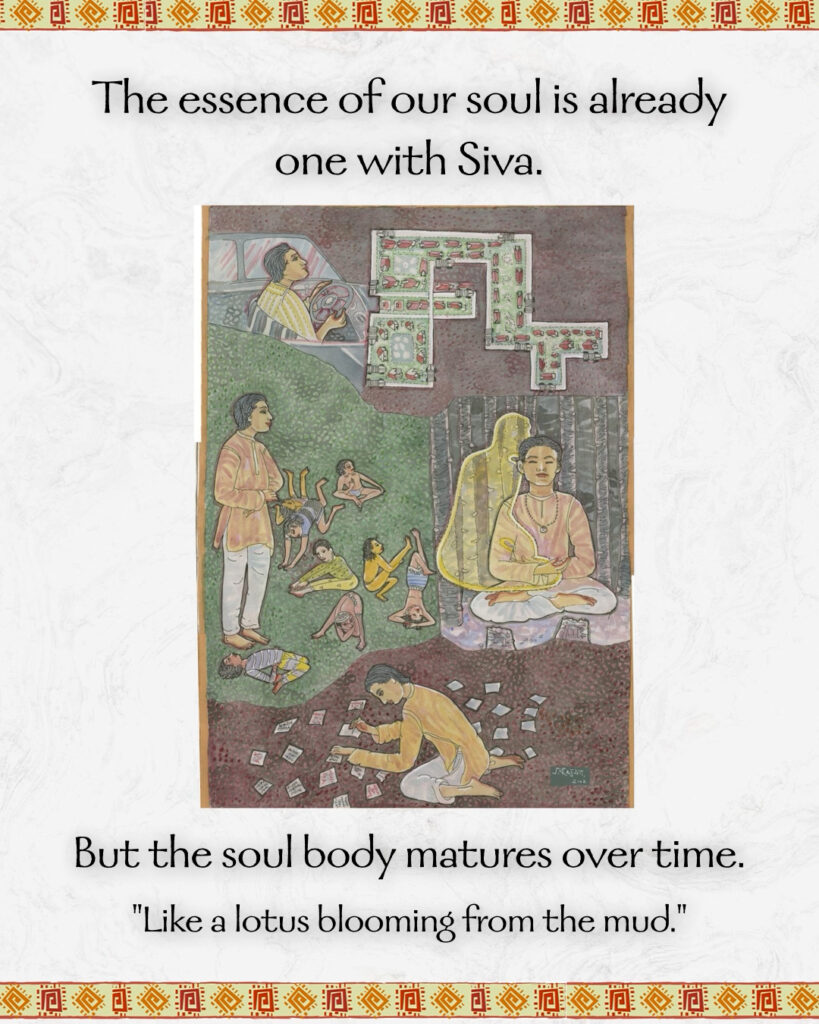
With the Aadheenam’s great many publications that are available to explore and share, we decided to present some here in a different format than usual. The idea was to convert the Path To Siva book into a shorter and simpler version for everyone—as a preview of what the chapter is all about. Something that works well for social media, for example. Below is the short-video format of Chapter 1. Who Am I and Where Did I Come From? Following that are nine slides with simple animations. You can download the video to view it in a better quality by clicking the vertical ellipses in the bottom-right of the video frame. Aum.
Deep in shady Asian forests, the Amorphophallus konjac sprouts a curious secret — a single, spooky flower smelling faintly of old socks or (some say) dead rats. While its cousin the corpse flower grabs headlines, konjac quietly changes the world. Its underground tuber becomes silky noodles, jellies, and even facial sponges! Blooming only once every few years, konjac’s weird beauty hides its superpower: feeding millions and inspiring some of the coolest plant-based products on Earth.
It is blooming today and it really does stink! But the design is astonishing. And the size impresses, fully four feet tall and seems to be made out of a crinkled taffeta or crushed velvet.