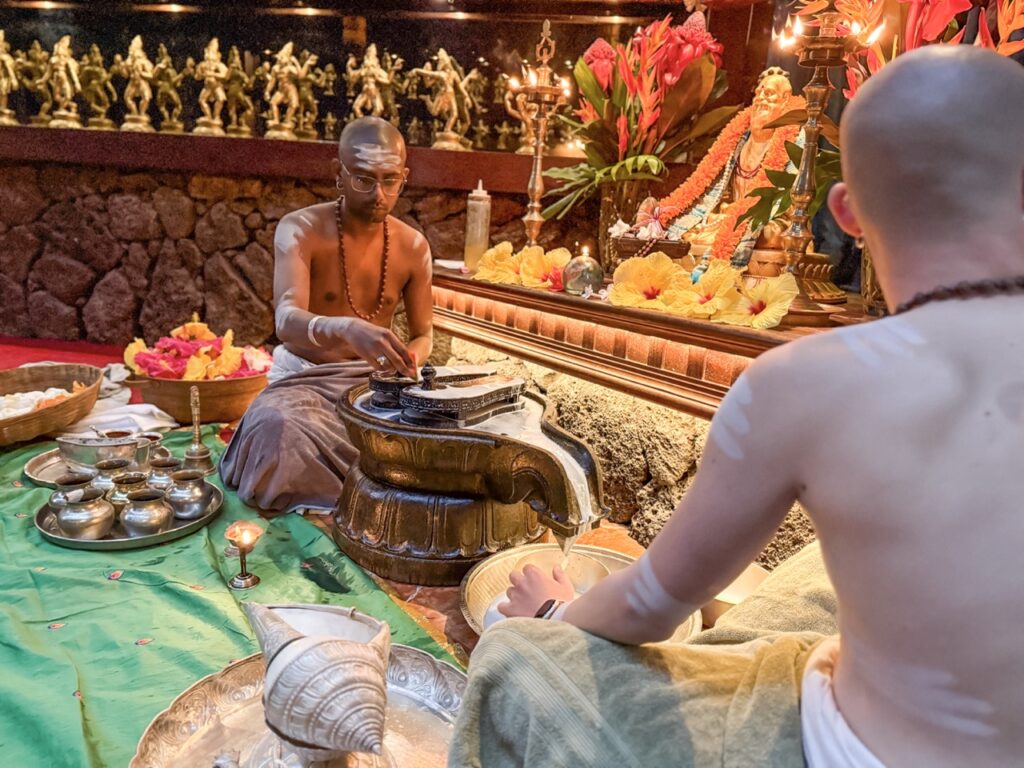
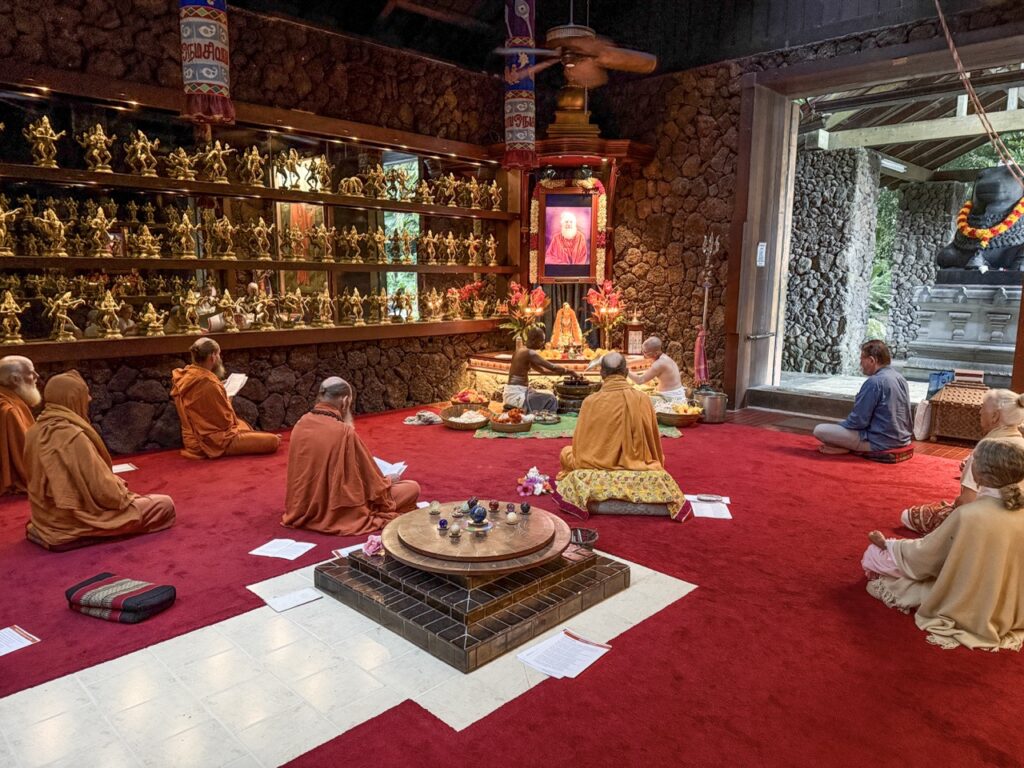
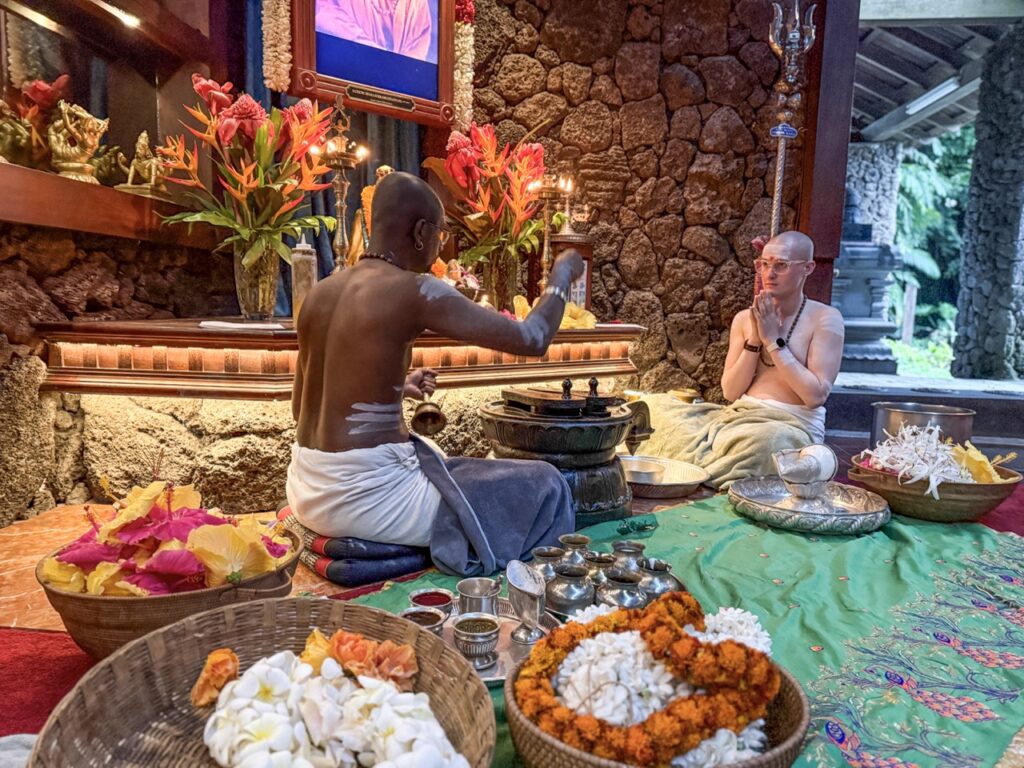
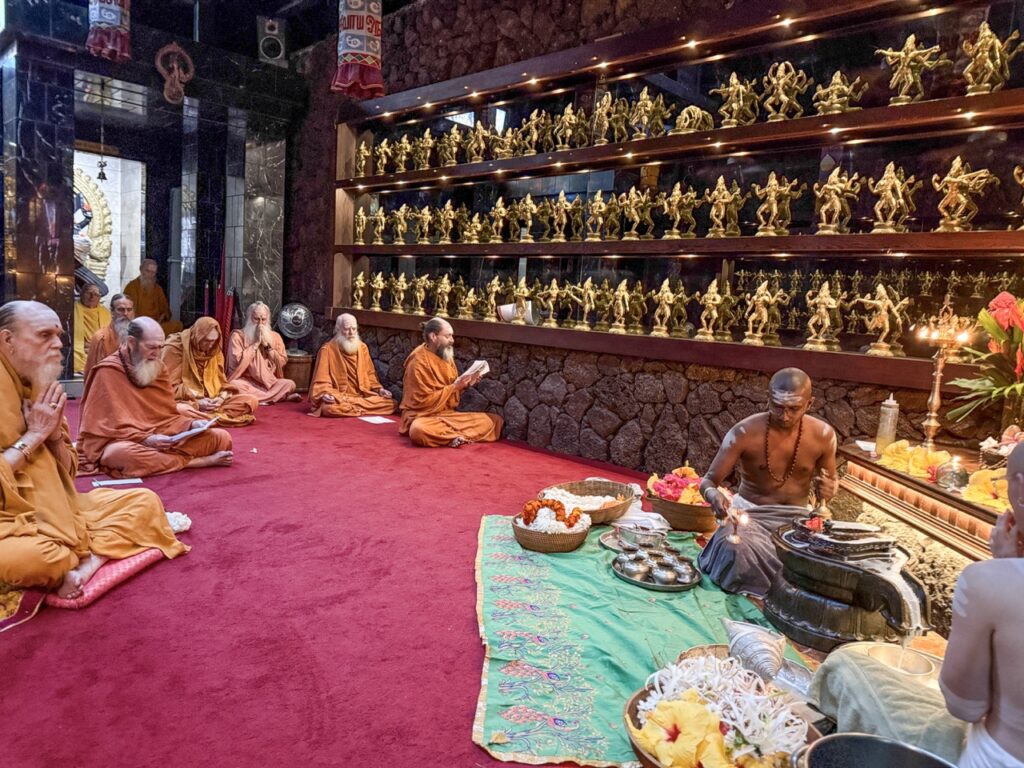
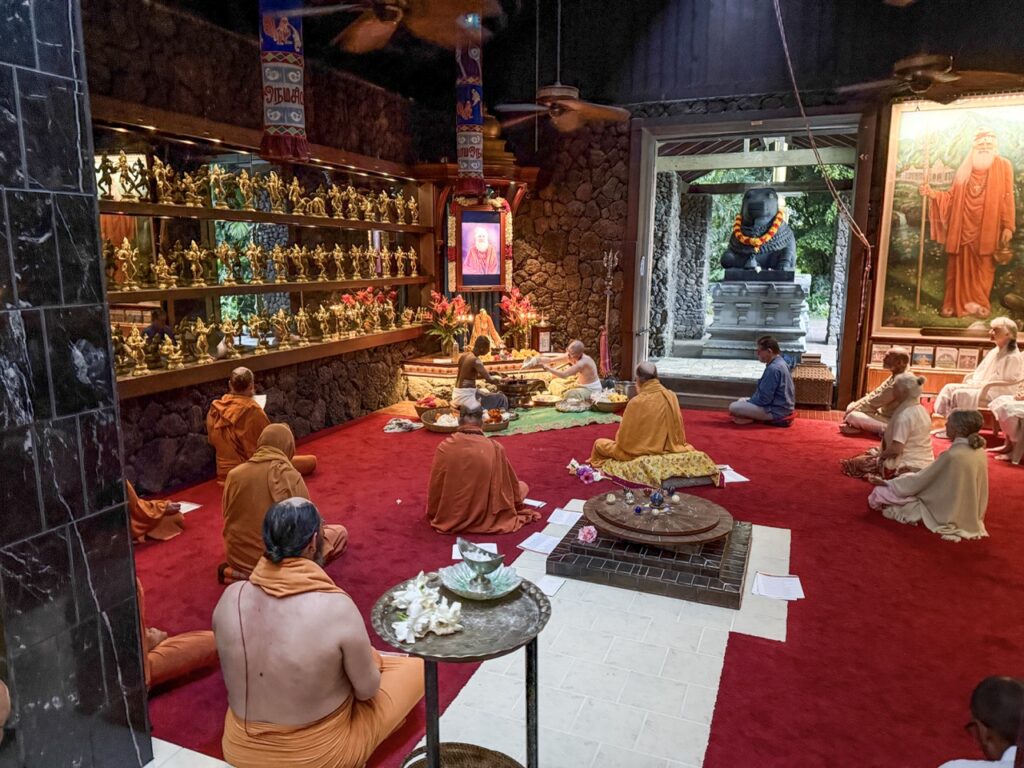
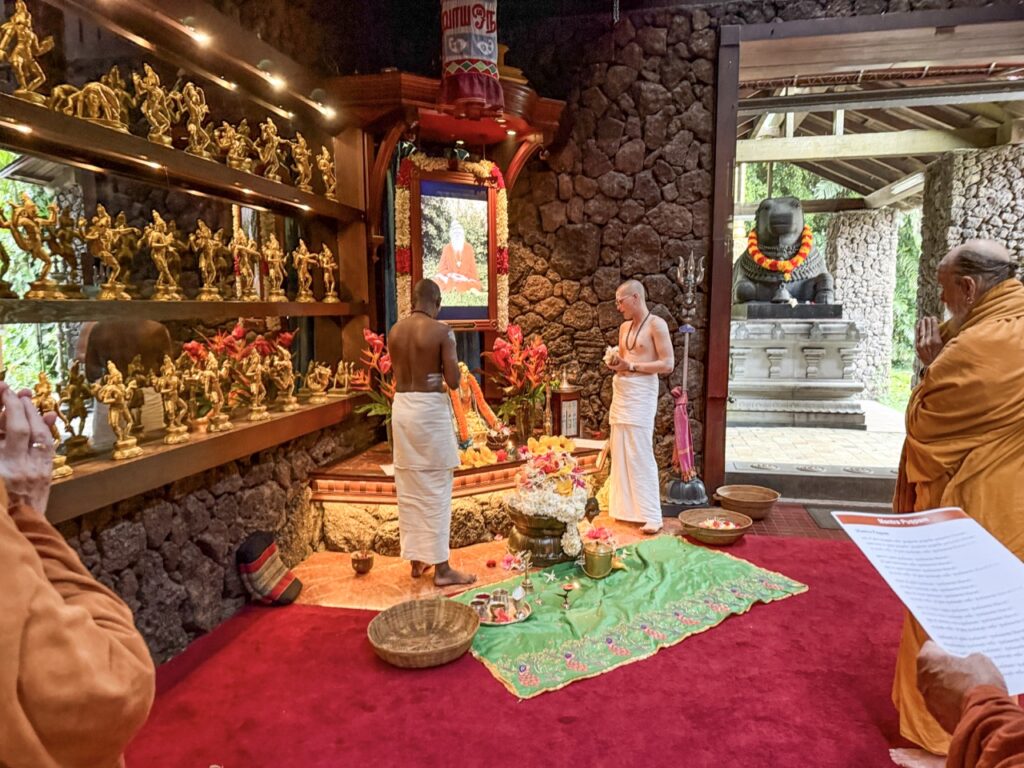
Sadhaka Sabānatha and Sadhaka Shankaranatha perform today’s puja
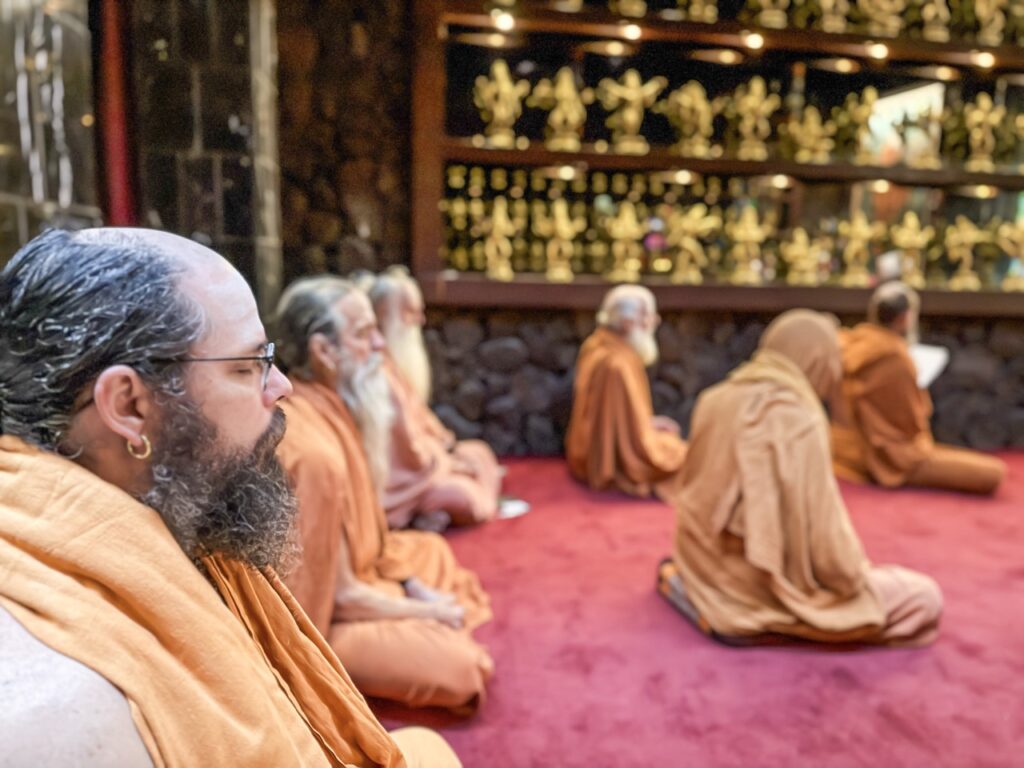
Monks and local members attend
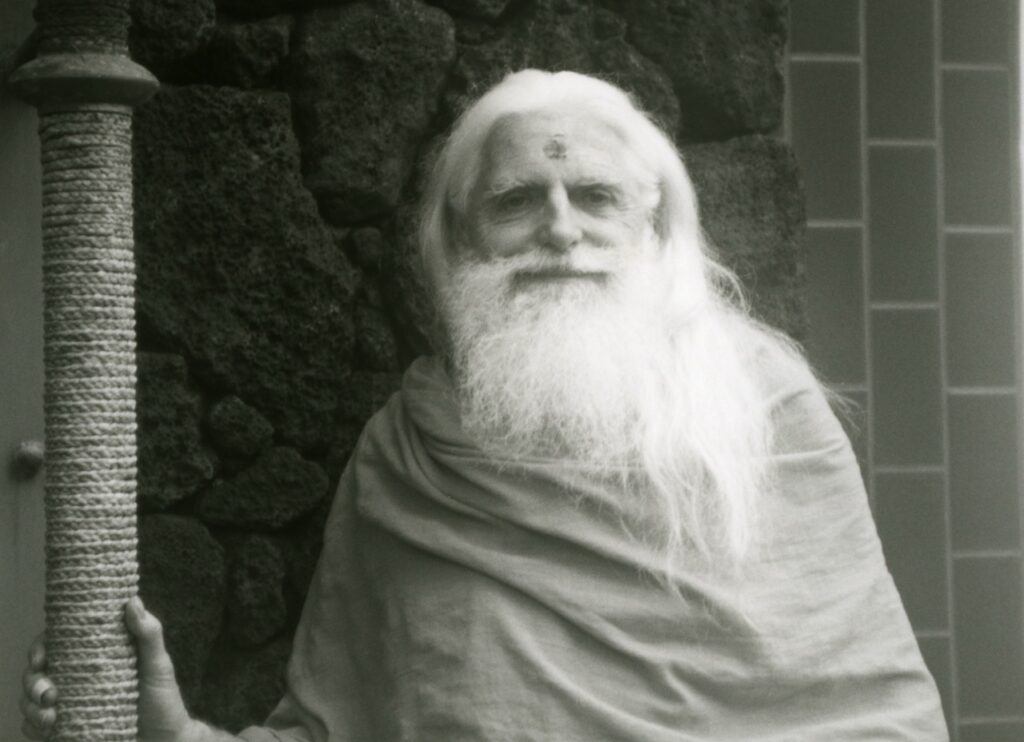
“Even harsh karma, when faced in wisdom, can be the greatest catalyst for spiritual unfoldment.” – Gurudeva
Arinien helps to chant Sri Rudram with the monks. Did you notice Gurudeva sitting on his shoulder?
“Flow with the river of life and merge in Siva’s ocean of oneness.” – Gurudeva
“To know yourself is why you are on Earth. You were born to realize the Self. You are not here to make money, to clothe yourself or to entertain yourself. These are incidentals.” – Gurudeva
Jai Gurudeva!
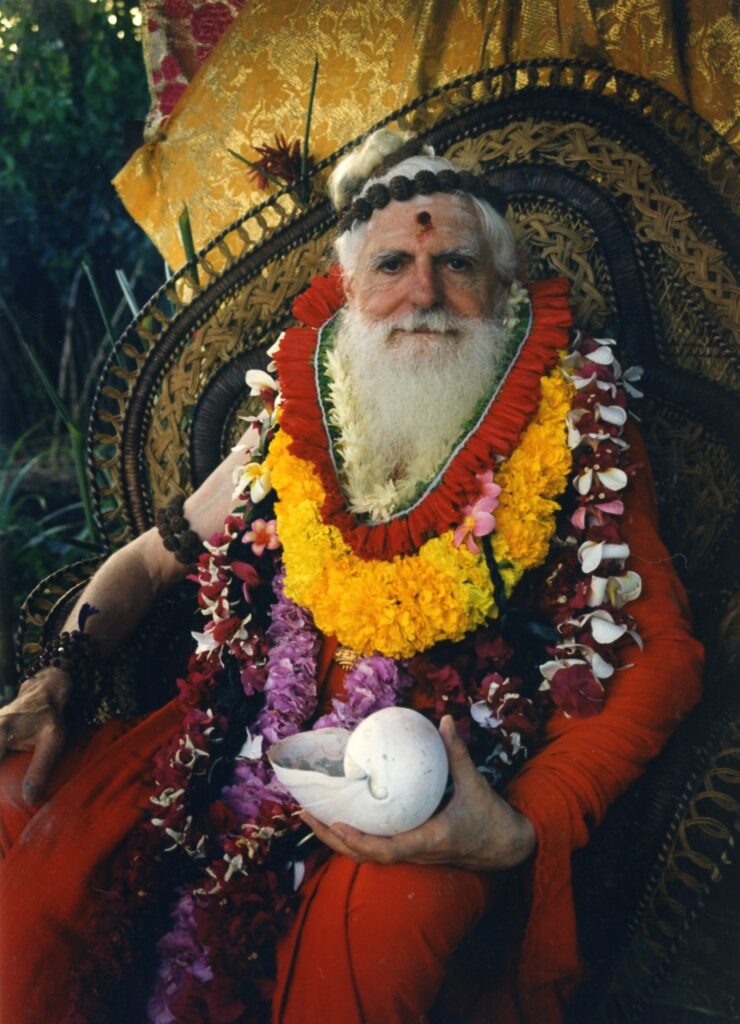
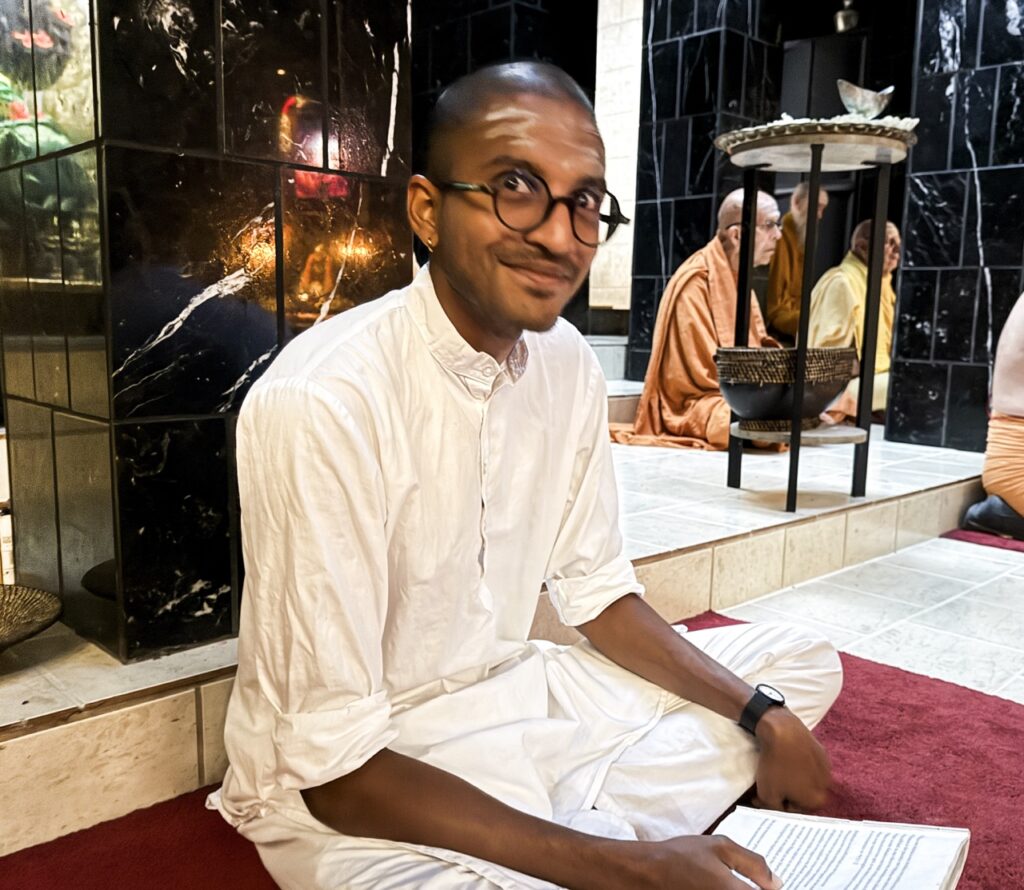
Today is the Chitra nakshatra, meaning today we observed our monthly padapuja to Gurudeva’s tiruvadi in Kadavul Temple. At 6am the monks and island members arrived to place flowers at Gurudeva’s shrine, chant Sri Rudram and offer milk, honey, sandalwood, incense and more. This day is always a good time to inwardly connect with Gurudeva for blessings and insights.
Aum Namah Śivaya
“Intuition travels through a purified subconscious. Before we can utilize the superconscious or intuitive realms of the mind, we must be able to resolve those past experiences which may still vibrate in our subconscious.” – Gurudeva
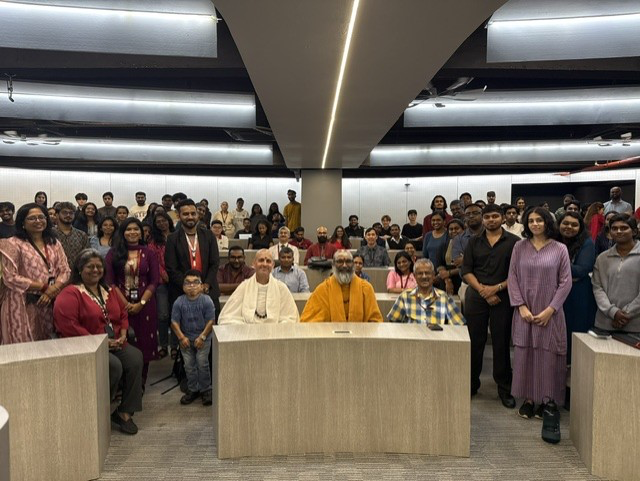
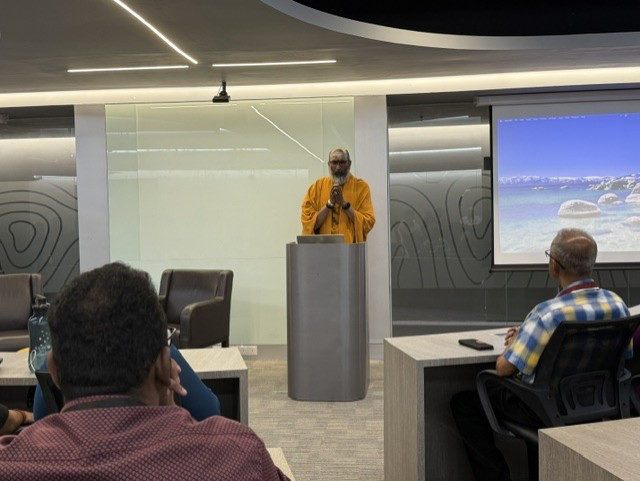
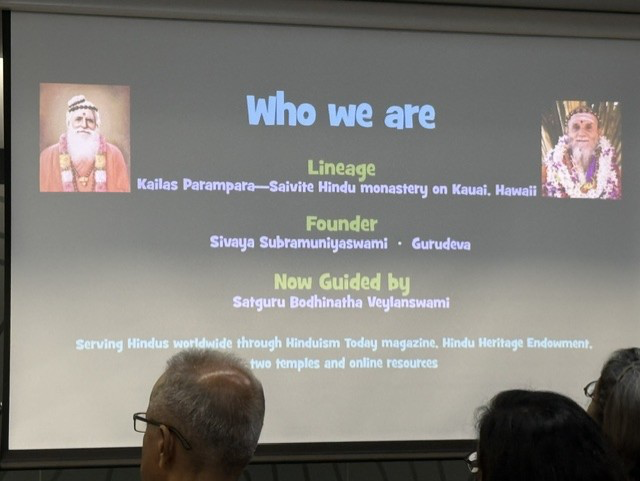
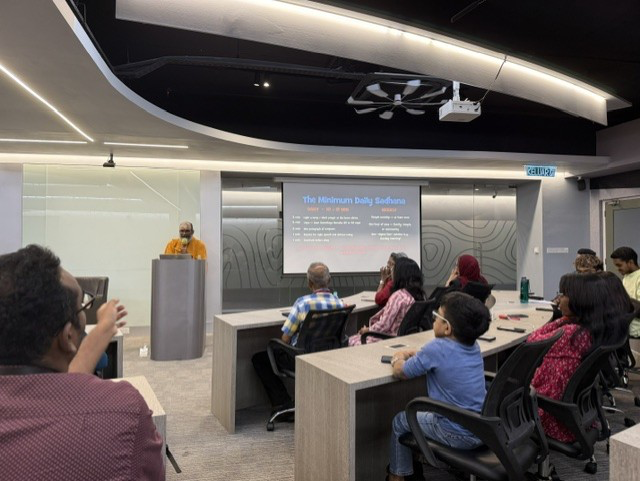
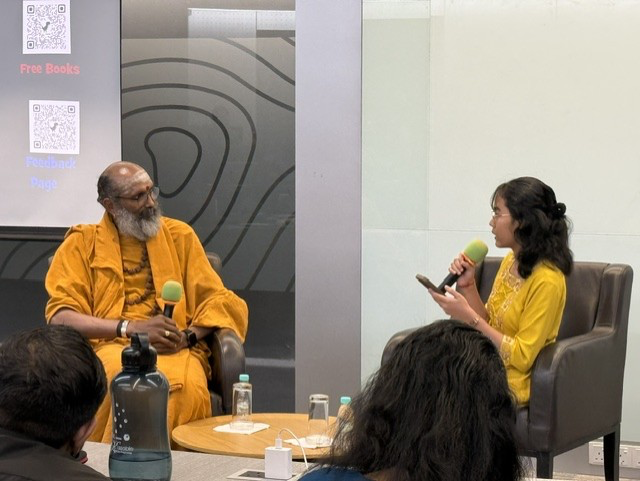
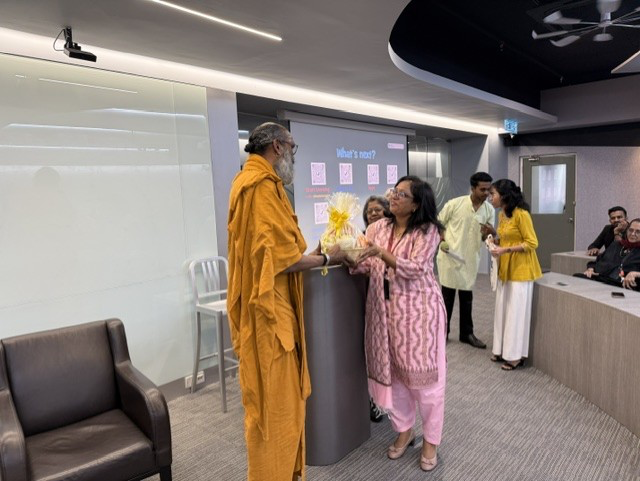
Traveling monks shared an update from their travels. Yoginathaswami gave a speech at Quest International University in Ipoh. The workshop covered topics such as Hinduism as a complete way of life, the current state of Hinduism, who the monks are, and the importance of maintaining a minimum daily sadhana. Yoginathaswami also showed a video about the monks, which the students enjoyed very much. More than 70 students attended the event.
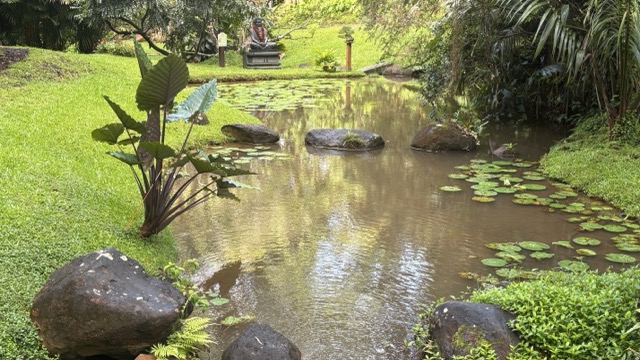
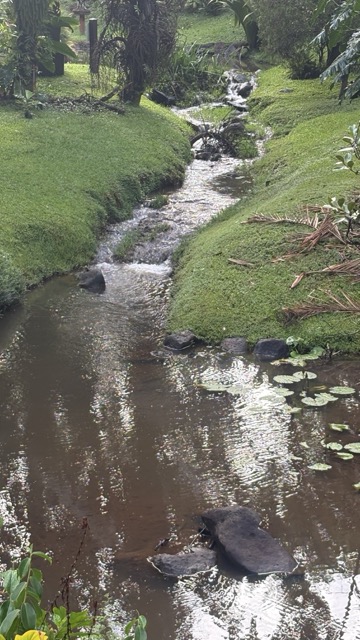
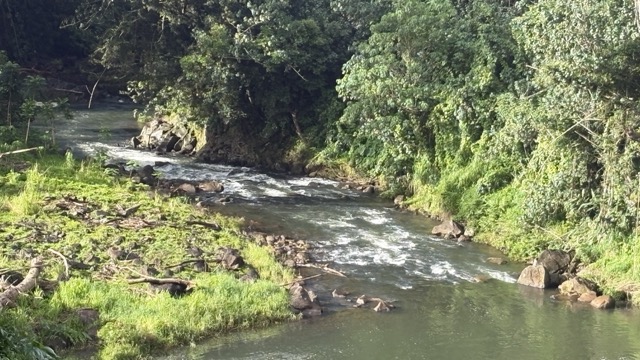
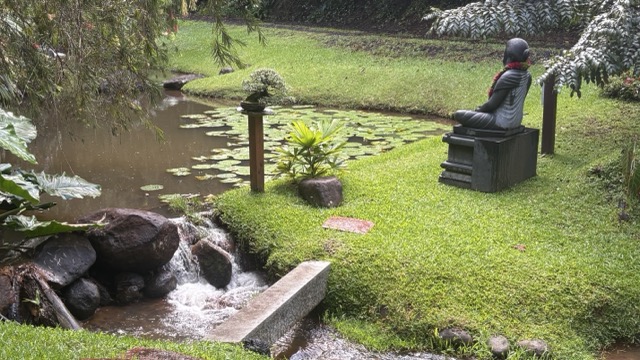
Photos from today’s walk through the monastery sacred garden on Kauai
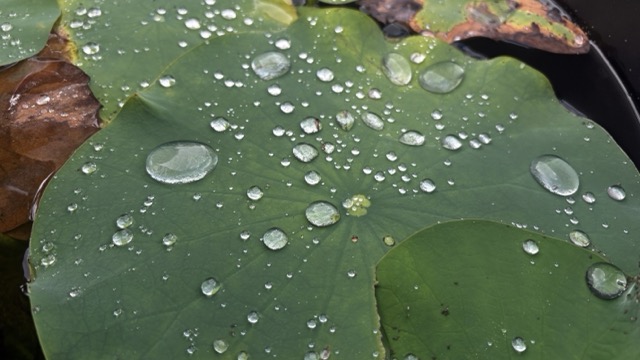
Today’s amble through the monastery’s sacred gardens became a meditation on water — among the most common substances on Earth, yet also one of its rarest treasures. Without it, no garden could flourish, no forest could endure and no human life could continue. On our island of Kauai, water appears in many forms at once: rushing rivers, quiet pools, misting rain, waterfalls tumbling over volcanic stone and delicate droplets resting silently on lotus leaves. It is an essential offering to Siva in the temple sanctum during abhishekam. Clear water appears empty, but contains 5-6 million forms of life in a single drop. Patiently, persistently, unceasingly, water moves toward its source, the sea, just as the soul moves toward God.
Water is endlessly adaptable. It accepts every shape without losing its own essence. It yields to obstacles and moves around them effortlessly. It can appear gentle enough to cradle a lotus leaf, yet powerful enough to carve valleys through stone over thousands of years.
Scientifically, water is astonishing. A simple molecule made from two hydrogen atoms and one oxygen atom forms the basis of nearly all life on Earth. Its unusual properties allow plants to draw moisture upward against gravity, help living cells regulate temperature and enable oceans to store immense amounts of heat that stabilize the planet’s climate.
In Hindu thought, water has always carried sacred meaning. It purifies, renews and restores. Temples are traditionally built beside rivers, tanks or oceans, recognizing water as both a physical necessity and a spiritual symbol. Watching the streams move through the monastery gardens today, one is reminded that water teaches by example. It yields, adapts, nourishes and continues moving forward without resistance.
We have much to learn from water’s ways.
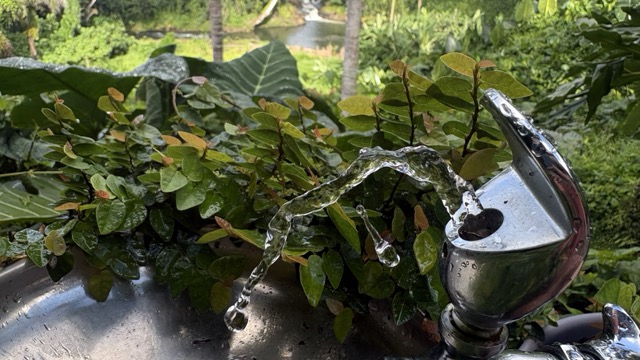
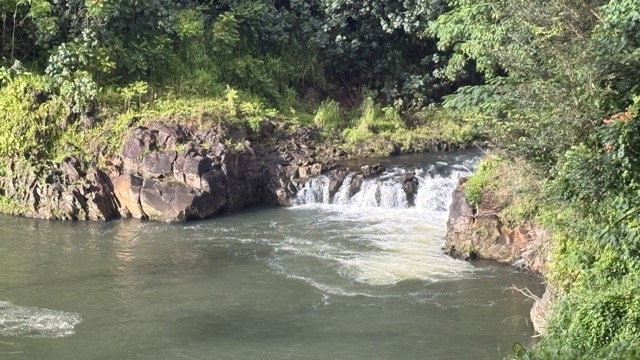
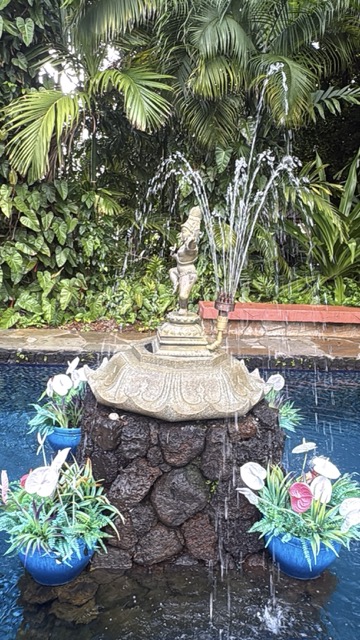
A drinking fountain stream arcs gracefully through the air, suspended for an instant before returning to earth. The river waterfall observes from the distance.
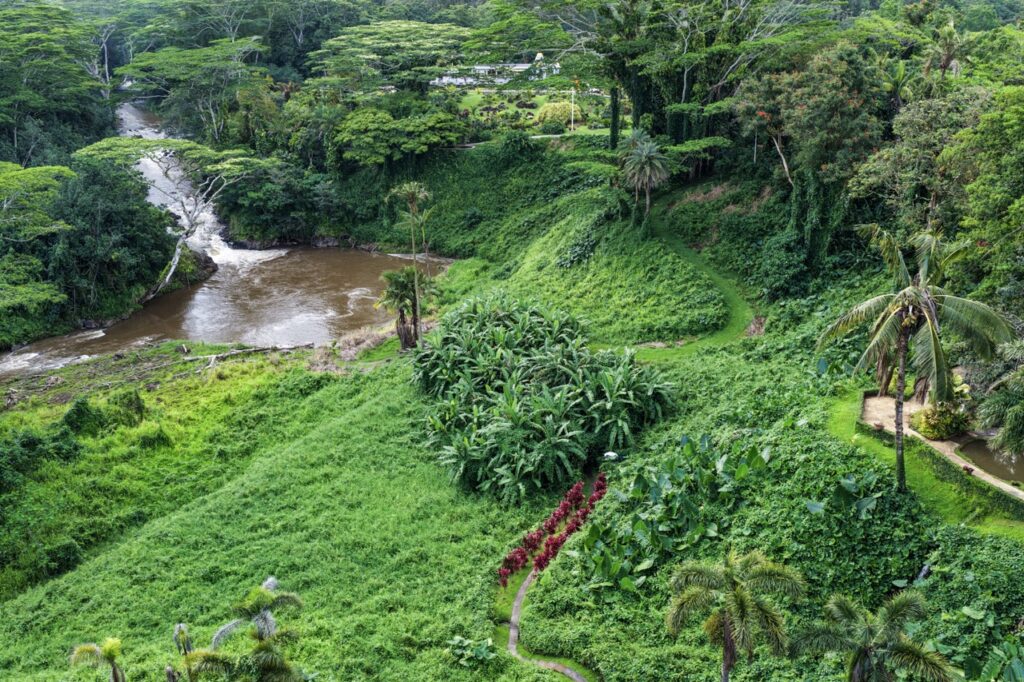
The Wailua River winds through dense greenery, carrying fresh mountain waters to the ocean.
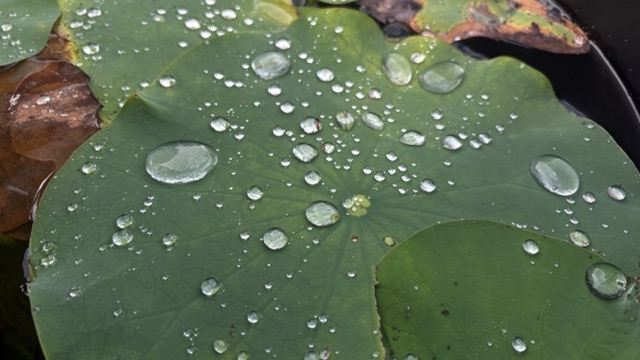
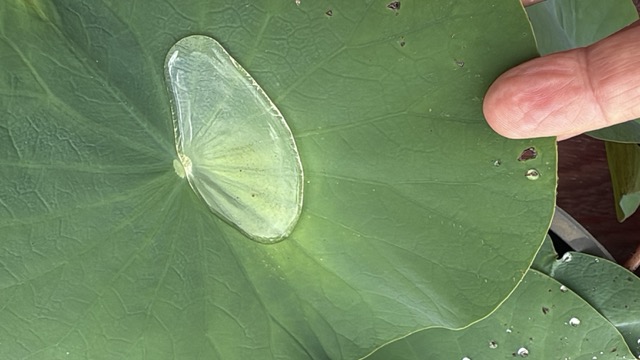
Lotus leaves float peacefully atop a small pond, collecting drops of fresh Kauai rain.
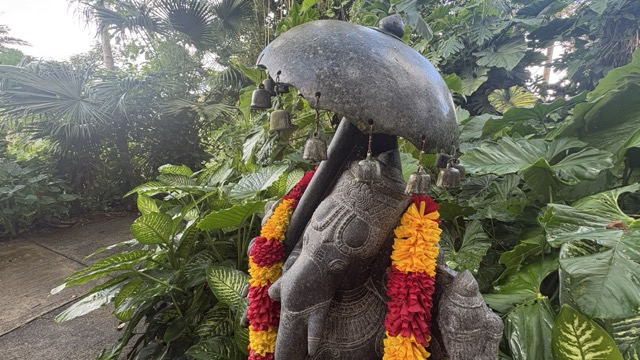
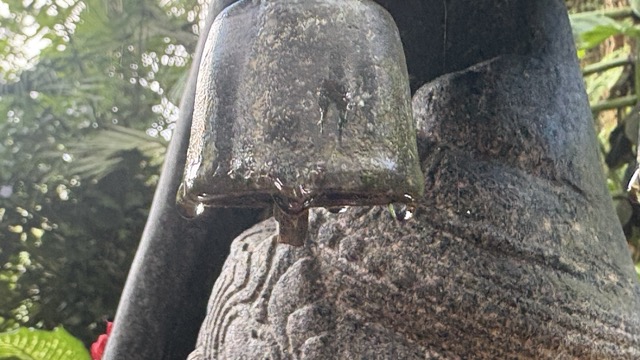
Knowing He would be outdoors in the tropical rains, we provided Ganesha with an umbrella.
A tiny pond of water rests perfectly upon a lotus leaf, unattached, as we should be.
Four drops of water gather on the small bell attached to the umbrella.
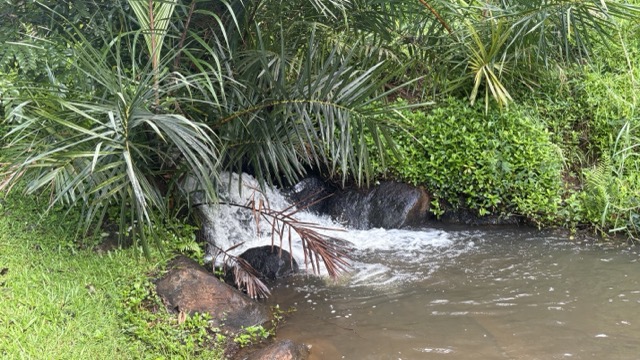
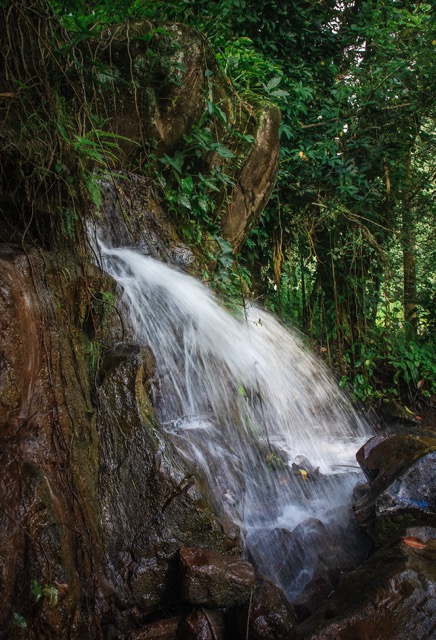
One of many falls, this one emptying into Rishi Valley Pond.
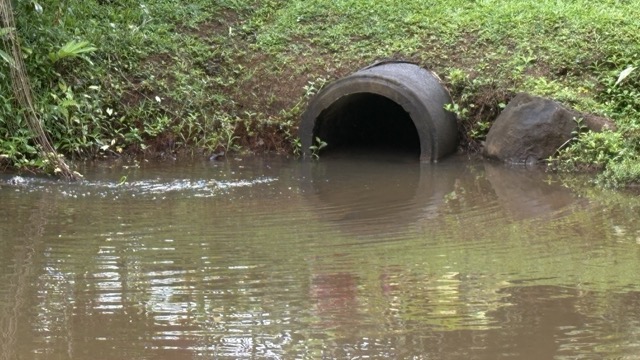
Getting the water under the paths and roads. Not pretty, but oh-so-necessary.
Water lilies looked after by Yogaswami in the distance.
Raindrops on the lotus leaf.
Narmada Stream connects two ponds.
Wailua River moves toward the sea, 3 miles away.
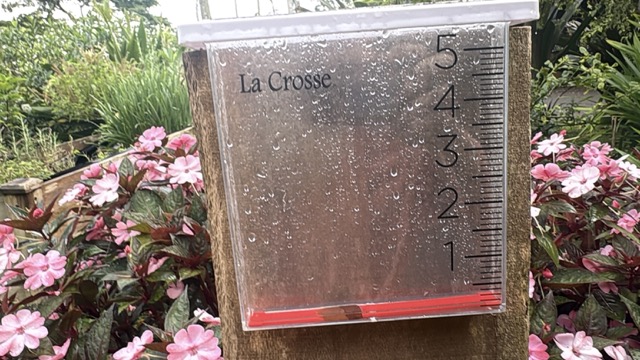
The monks log any rainfall over .5 inche. We get about 100 inches a year!
Saint Sambandar dances in his fountain.
A seldom traveled path in the garden.
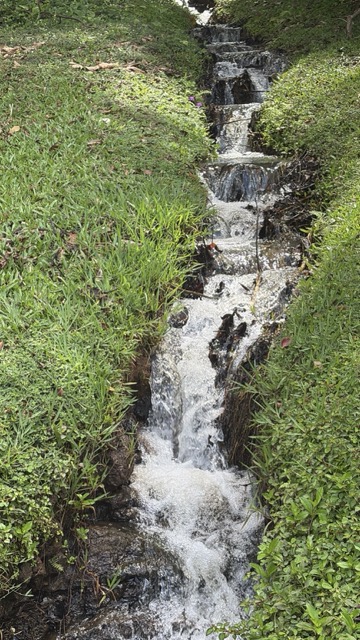
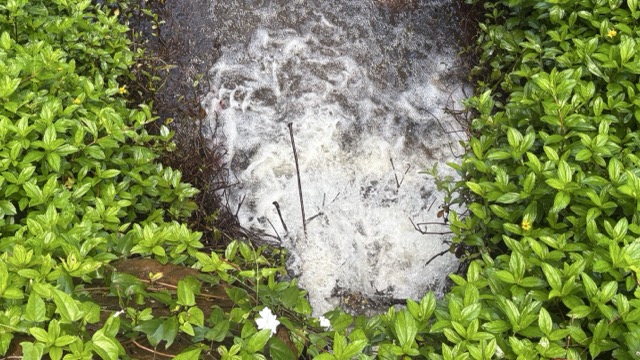
Cascading down a steep slope.
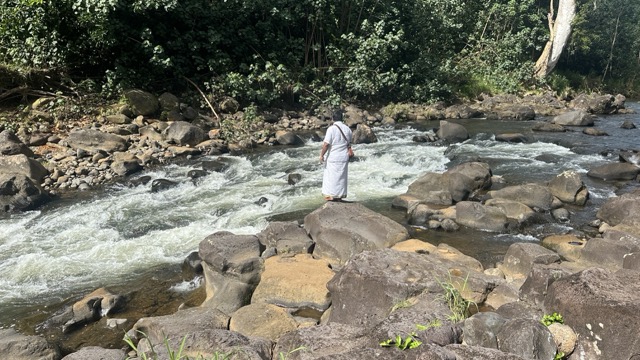
Pilgrims love the solitude of the river rocks.
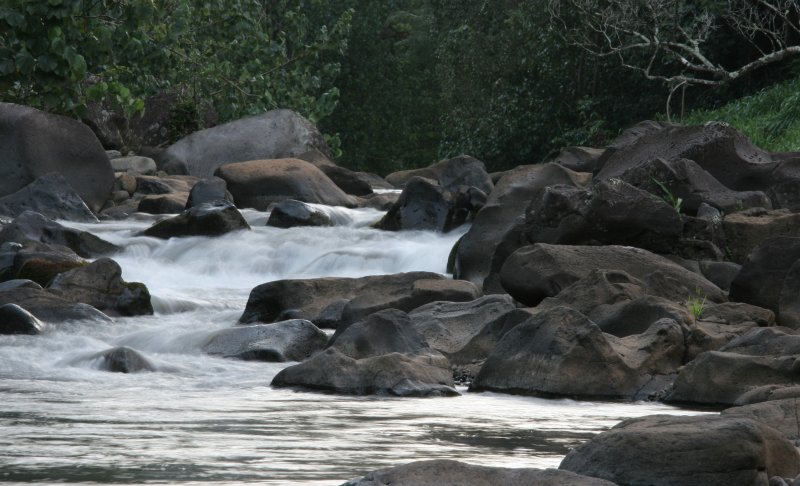
Black rock and water, what a combination.
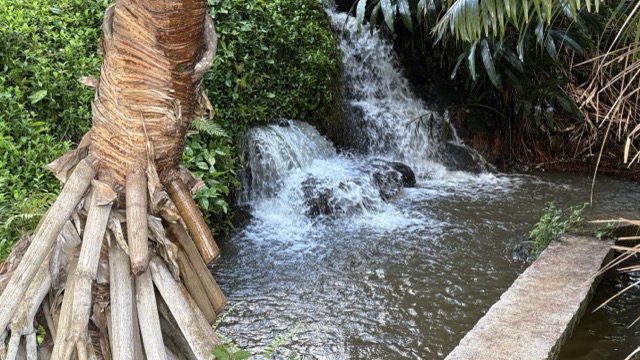
Bali Hai waterfall, just 15 feet away from falling into the river.
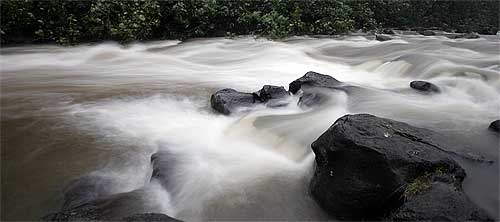
A carefully set exposure.
Small fall near Yogaswami’s murti.
Looking straight down as water enters the Narmada pond.
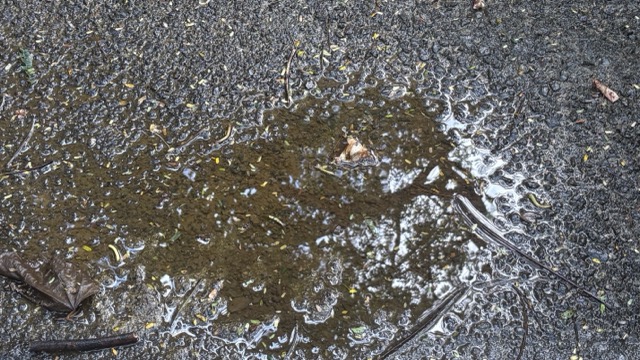
A shallow rain puddle captures fleeting reflections of sky, leaves and passing clouds.
Satguru Bodhinatha Veylanswami gives his weekly upadesha in Kadavul Temple at Kauai’s Hindu Monastery in Hawaii. It is part of a series of talks elaborating on the inspired teachings of Satguru Śivaya Subramuniyaswami as found in his book Merging With Śiva.
“So many in the world are unaware of the great joys that are the reward of a religious life lived well. They seek their fulfillment outside of themselves and fall short time and time again. One day they will conclude, as you all have, that it is the inner life, the spiritual life, that alone brings eternal, unchanging happiness. This outer world and consciousness can never bring the soul real contentment, real fulfillment. Oh, you can find a temporary happiness, but it will be followed by its opposite in due course. The outer consciousness of the material world is by its very nature a bondage. It binds one through karma. It binds one through māyā. It binds one through āṇava, or ego identity and ignorance. That is the nature of the world, to bind us. “
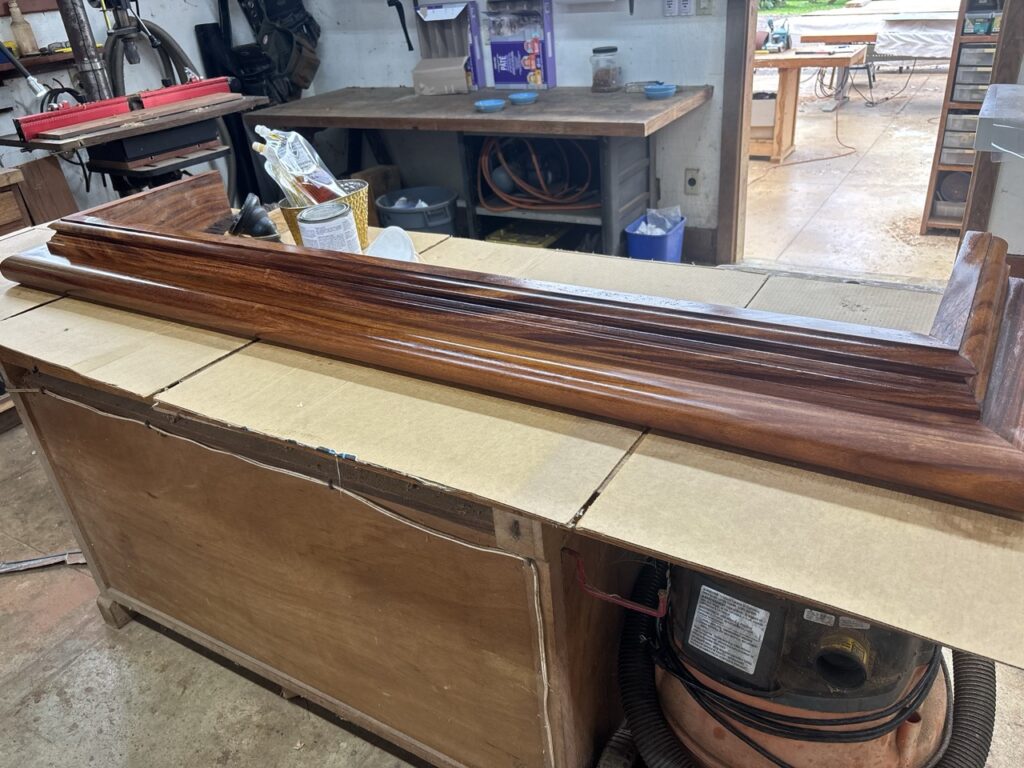
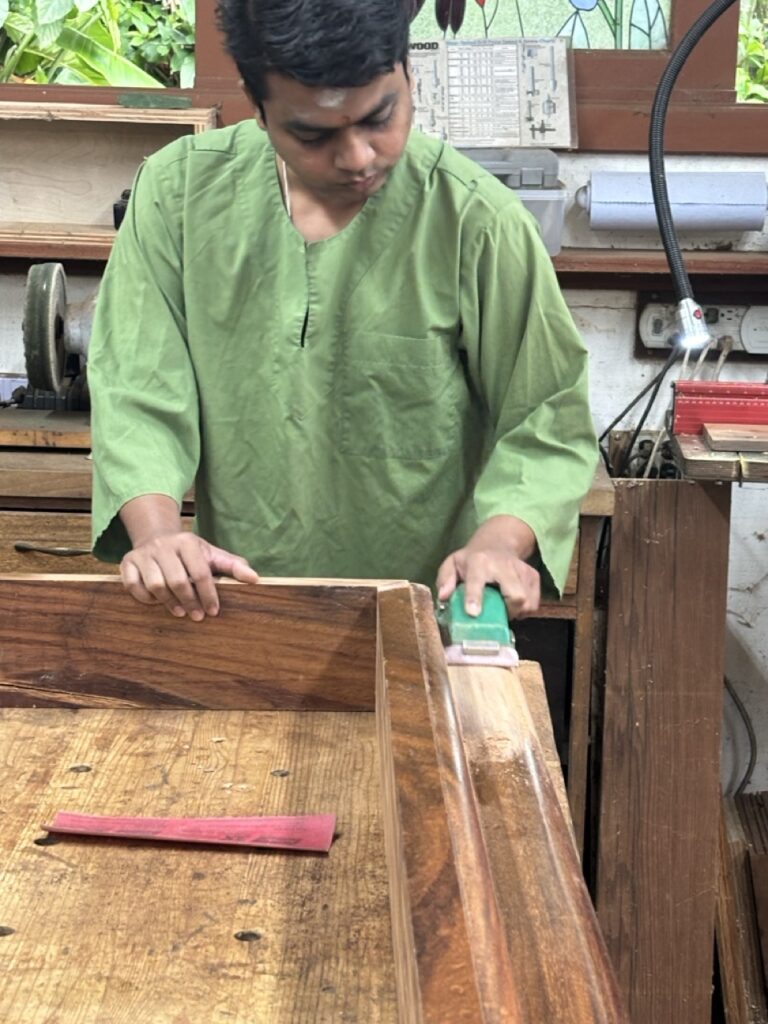
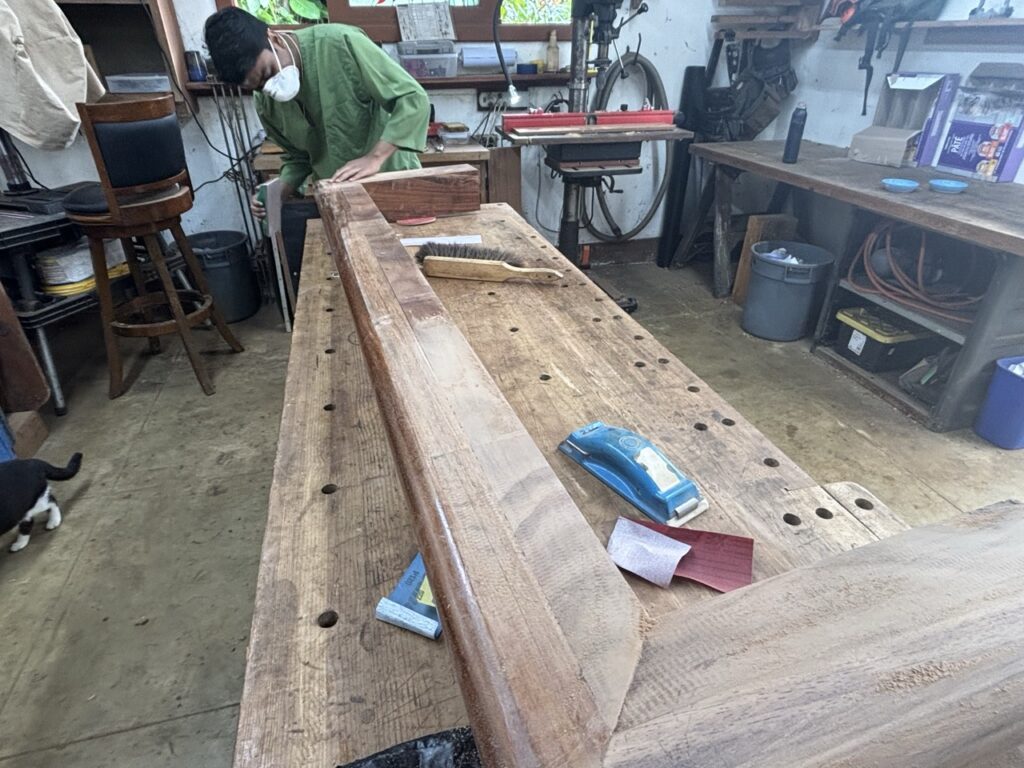
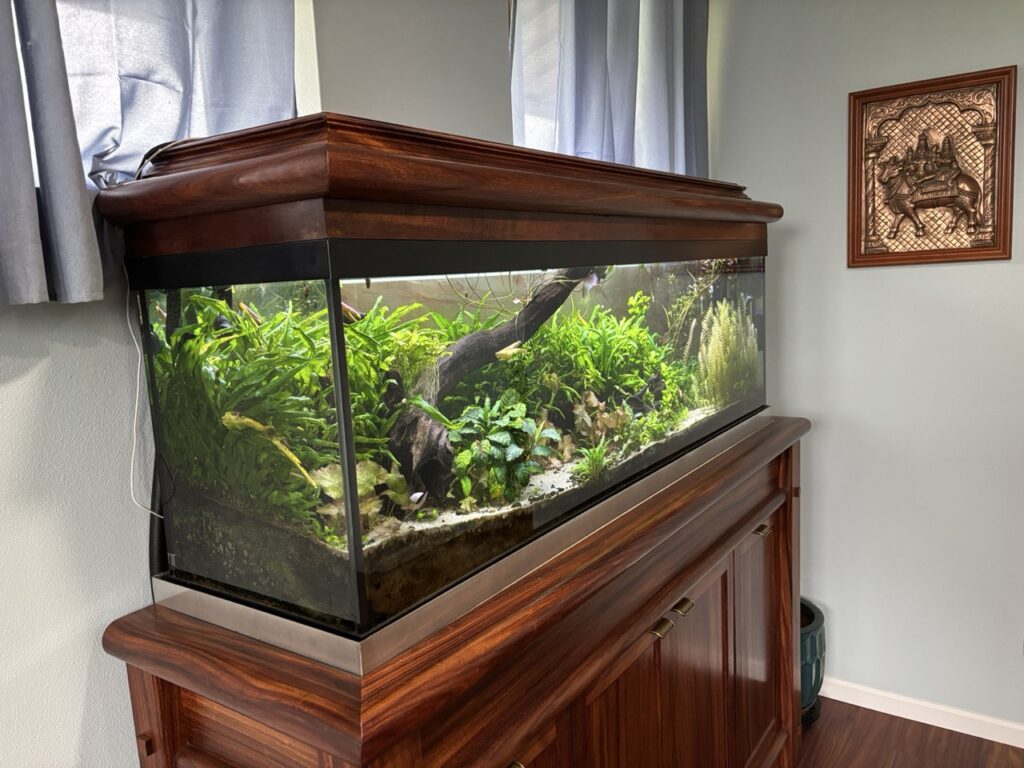
The Siddhidata Kulam has been steadily crafting a beautiful wood edge to wrap around the top of their fish tank for providing a balance to the base and cabinets underneath. Nityashankaran Mogan from Malaysia helped when he was here in March/April. Well, it’s finally been completed and is now installed on top of the tank, looking stately.
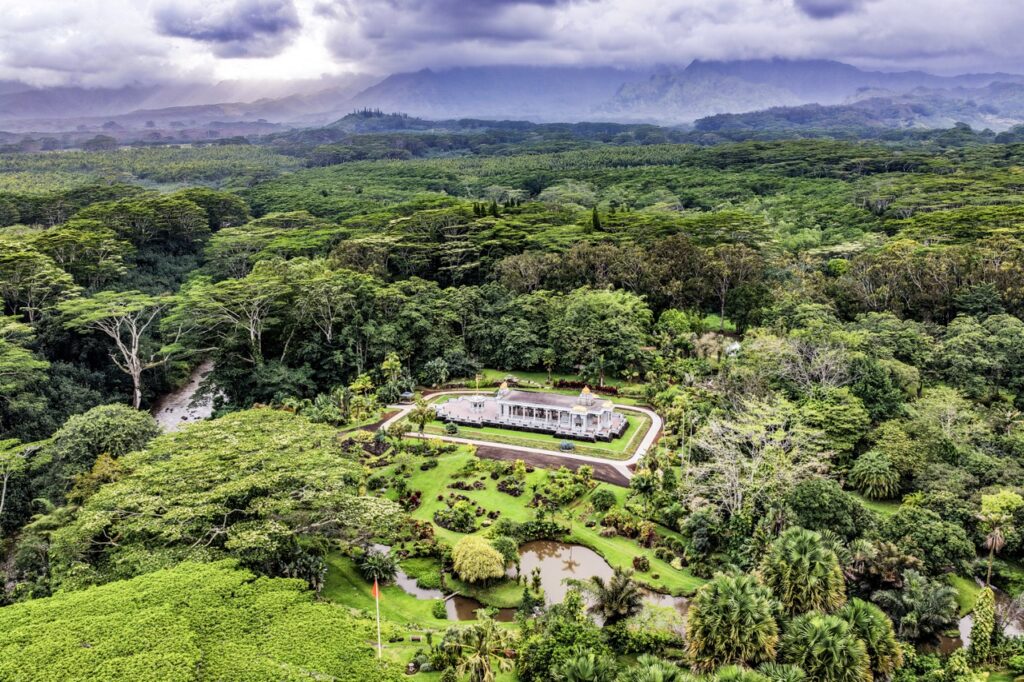
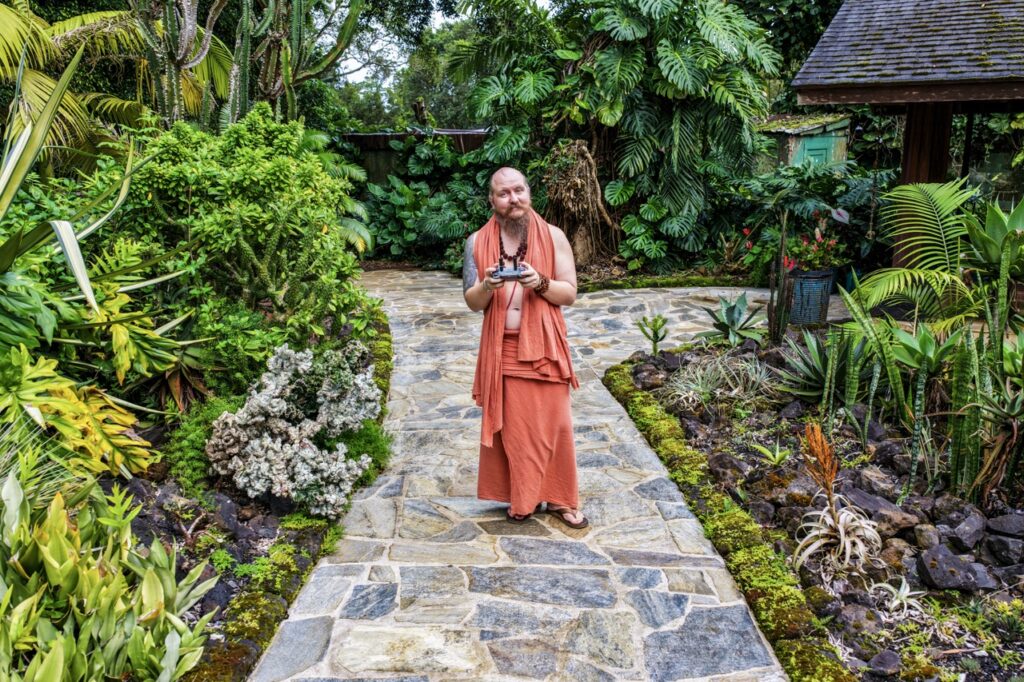
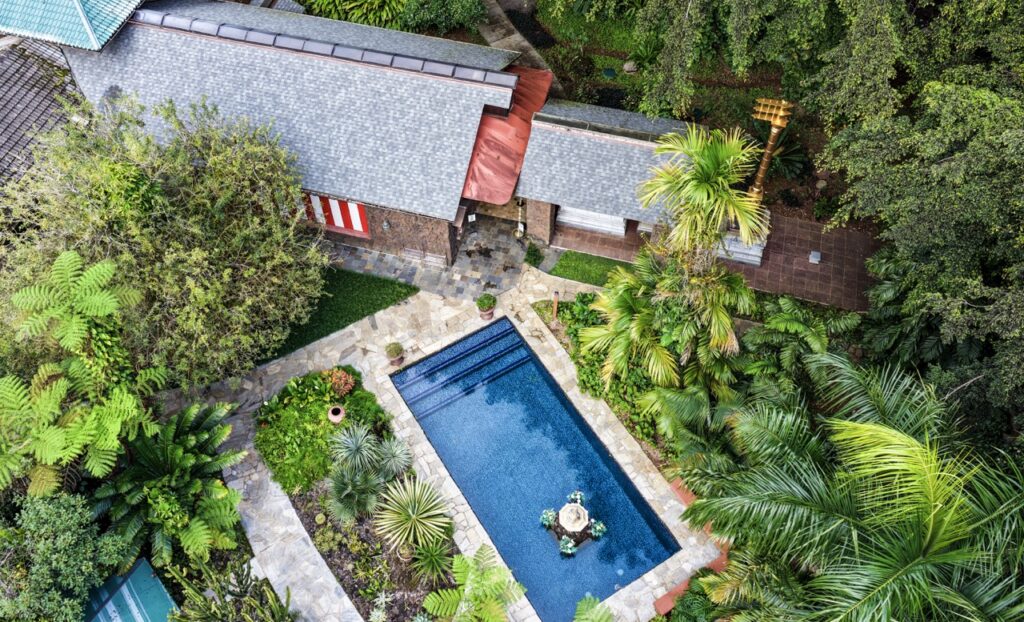
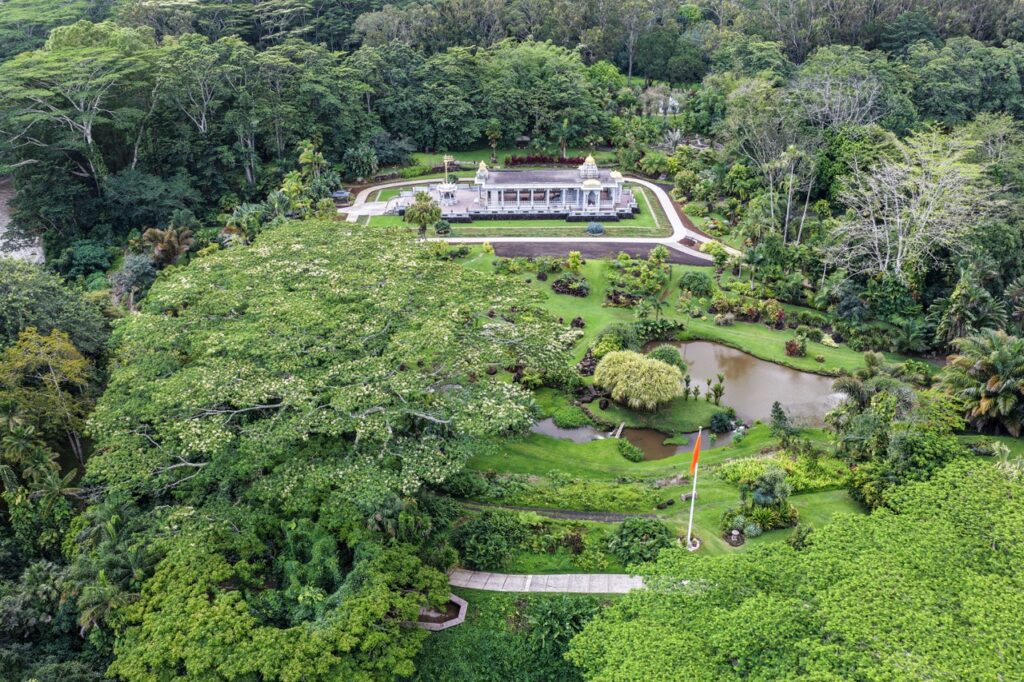
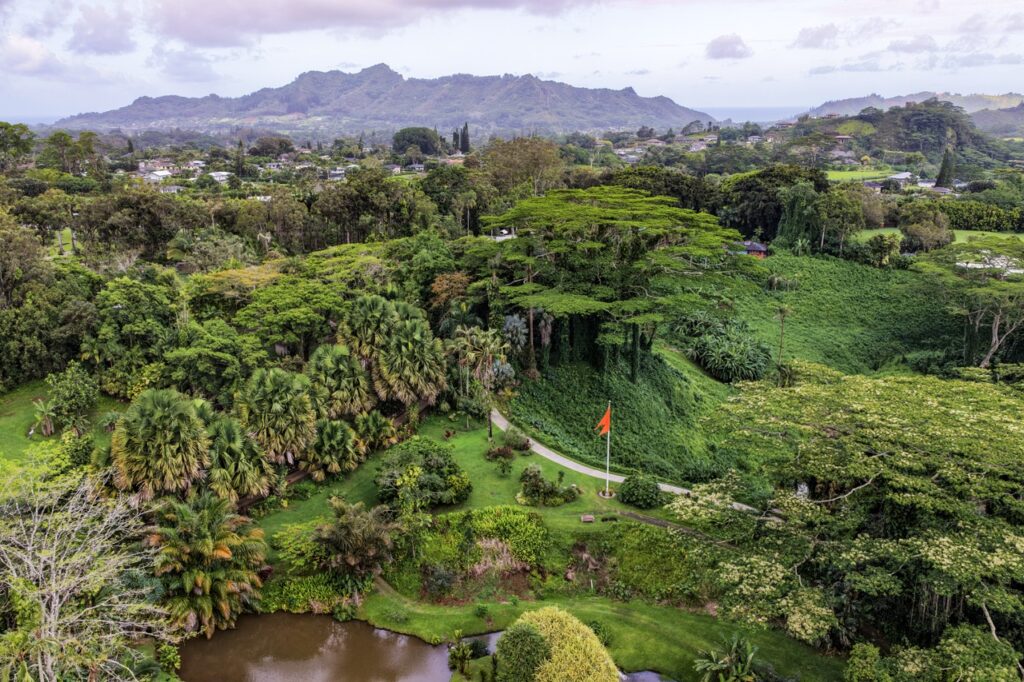
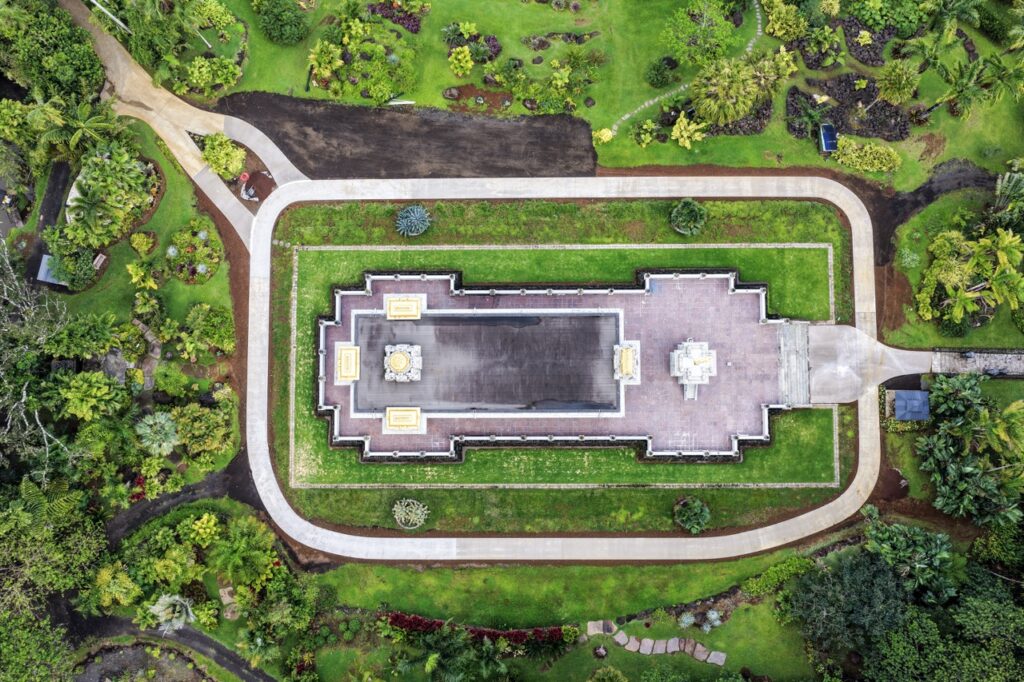
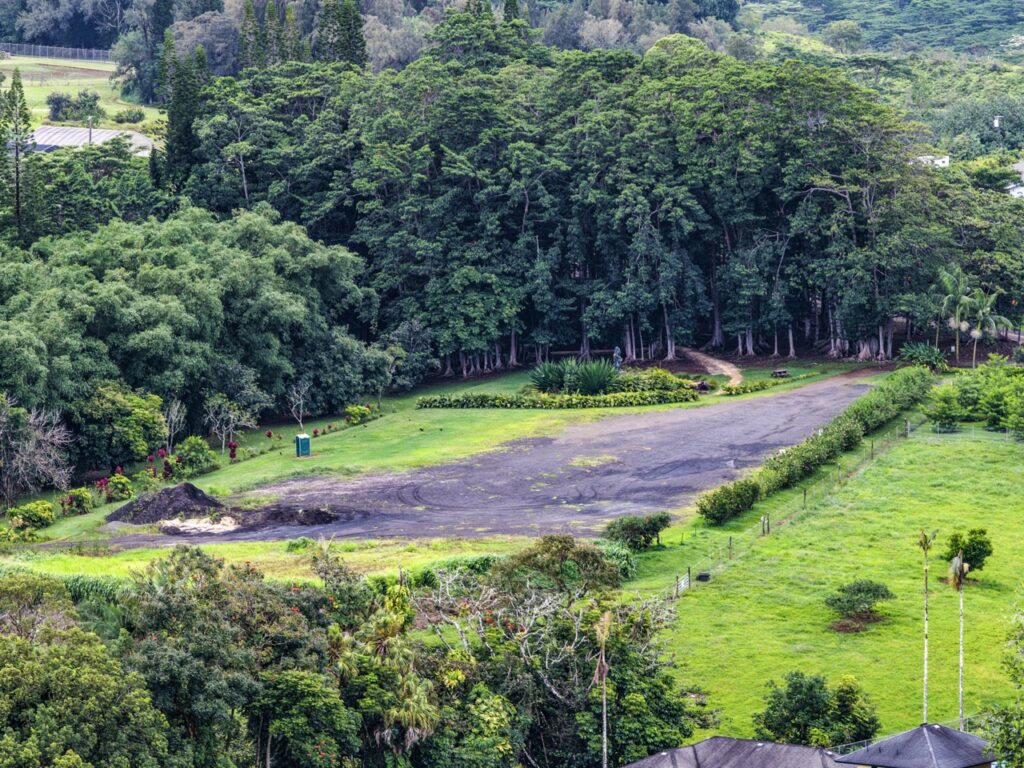
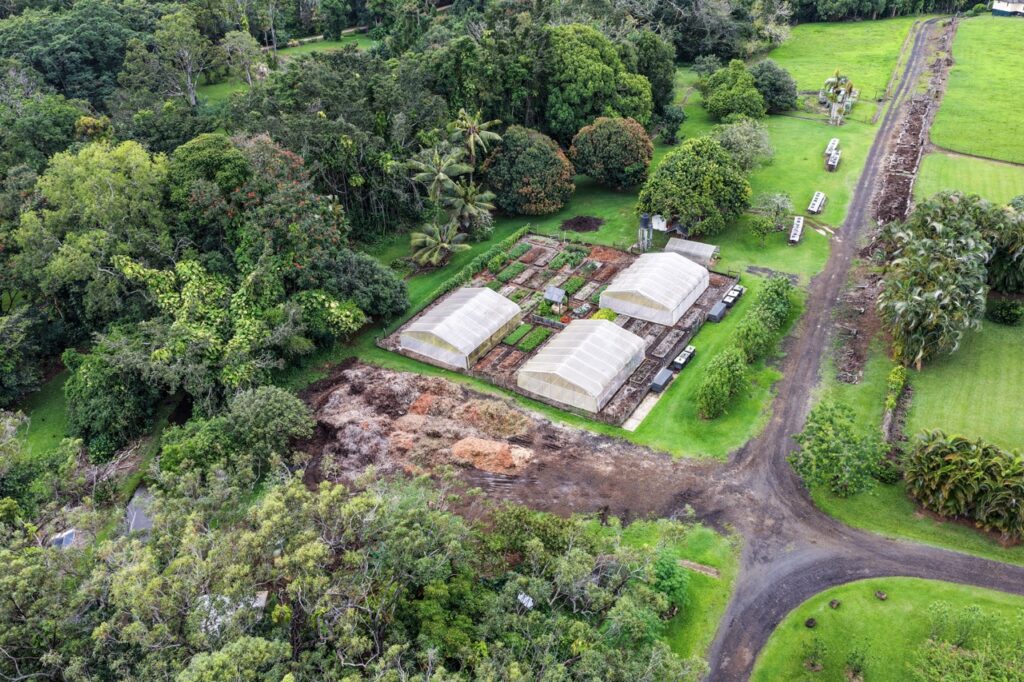
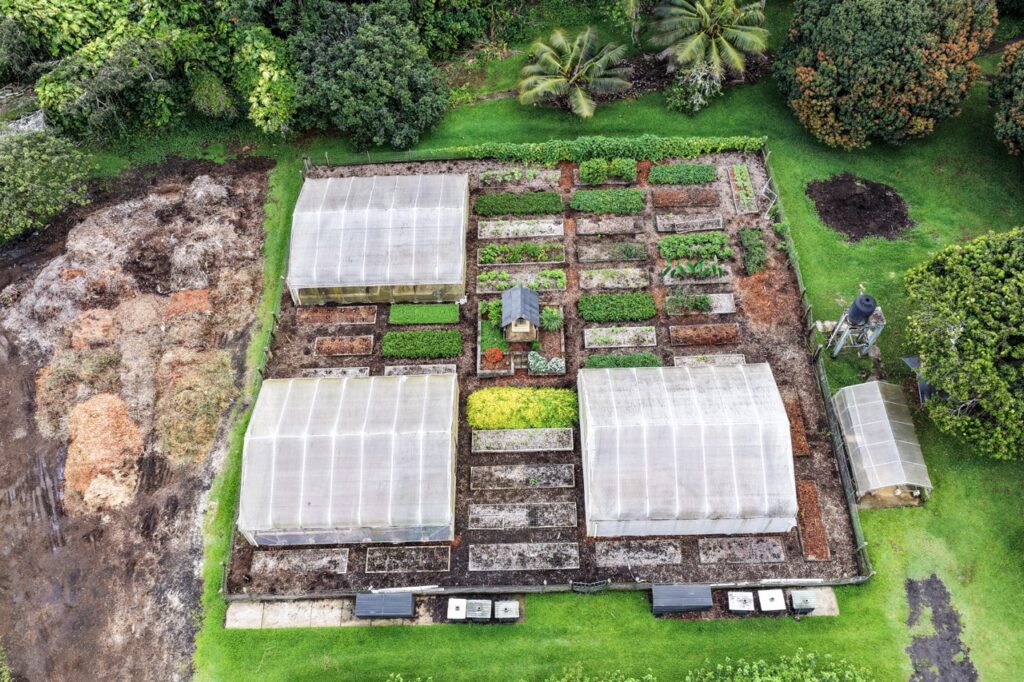
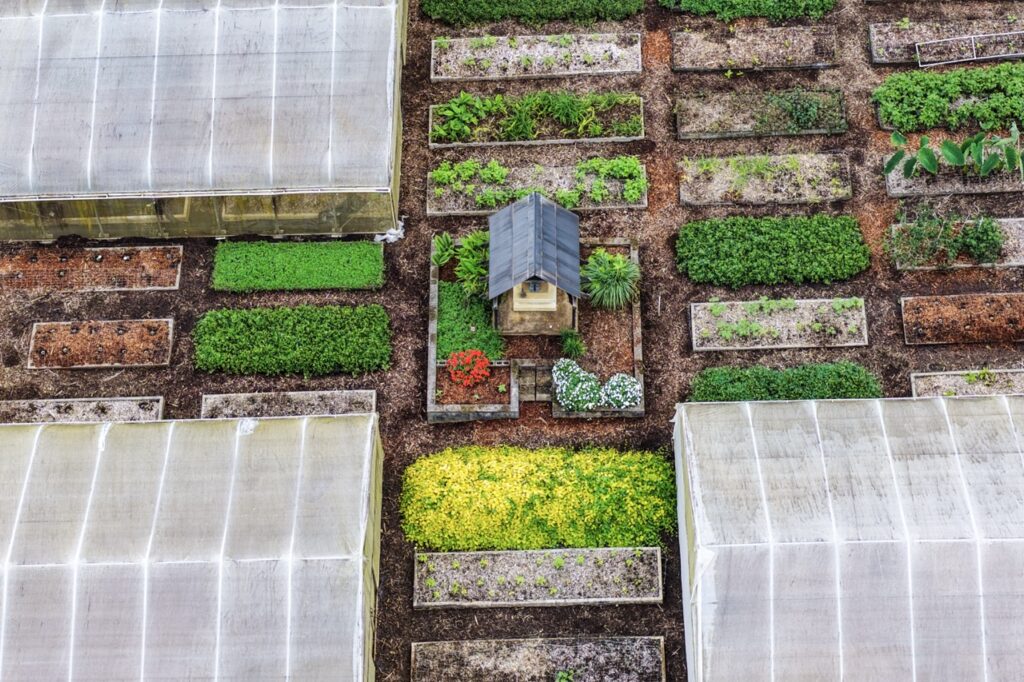
Today our monks were able to send up our new drone for a quick test flight, and capture a few photos with its Hasselblad-engineered lenses.
Apart from using drones for taking pretty photos, the Aadheenam puts them to work in other capacities as well, such as in surveying our agricultural, construction and landscaping projects. They are also used for taking updated images of our sprawling, nearby agricultural water systems—an important part of our island’s local sustainability efforts in our area.
A view from the top
The aadheenam’s new survey drone. Time to launch.
current test pilot
Kadavul Temple
It takes just a few seconds to fly over the pali to Iraivan Temple
Looking back we can see to the ocean
The temple’s new path foundation is looking bright!
A quick journey to the rudraksha forest parking area. Can you spot Hanuman?
Our vegetable garden looks quite organized from up above
The mulch (on the left) is gifted to us by island tree trimmers

 Sadhaka Sabānatha and Sadhaka Shankaranatha perform today’s puja