
Loveland Bronze Tour
September 28, 2016We have a special treat for you today. Thanks to Bobby and Kathy Page, of Loveland's very own Page Bronze team, we bring you the step-by-step process of a bronze piece. Our traveling monks got to see some updates of Iraivan's work, and also an entire lesson on coloring, or bronze patination, work on a sculpture.
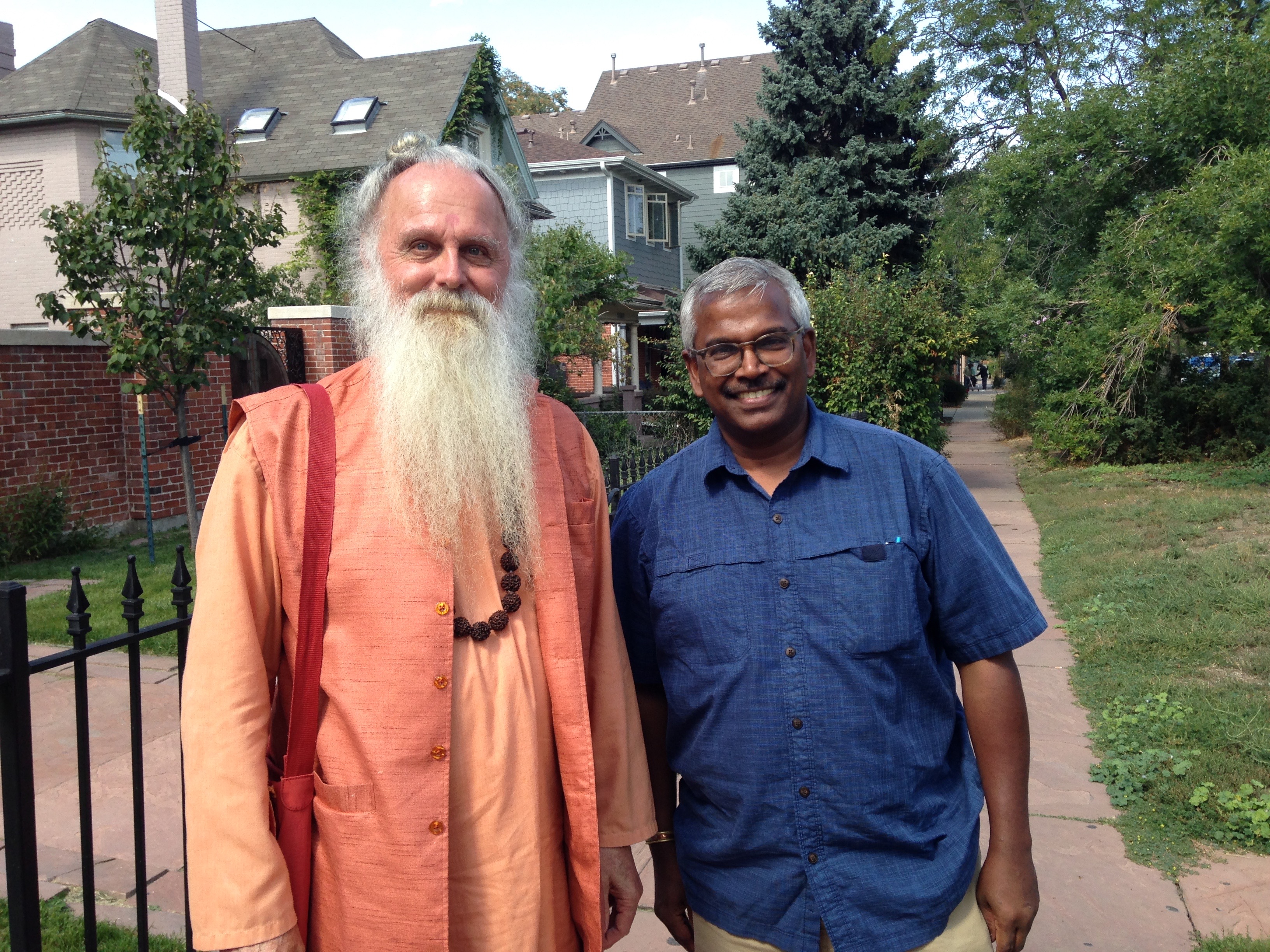
Colorado starts off with our wonderful church member Rajkumar Manickam. He took care of the monks with transport, photography and amazing stories of him and Gurudeva. Thank you Rajkumar. Rajkumar also comes to the monastery to clean our bronze memorial once a year, a unique and selfless seva.
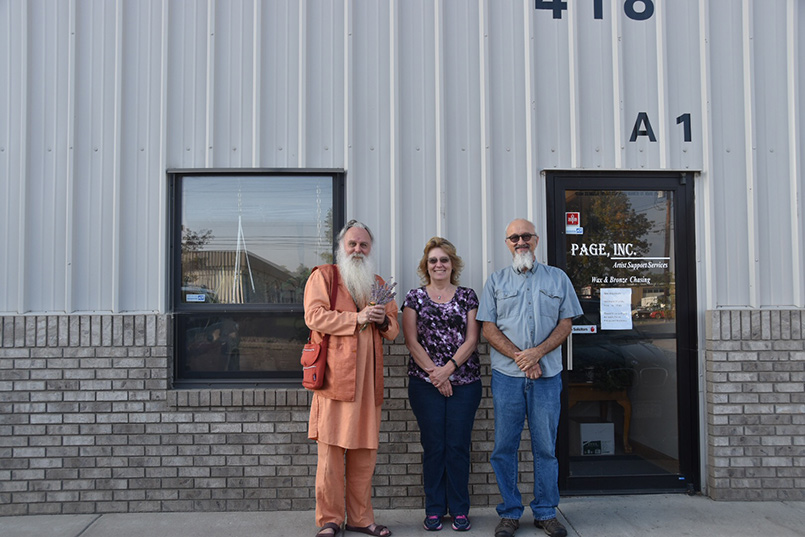
We made it to Page, Inc., home of Bobby and Kathy Page and their amazing craft
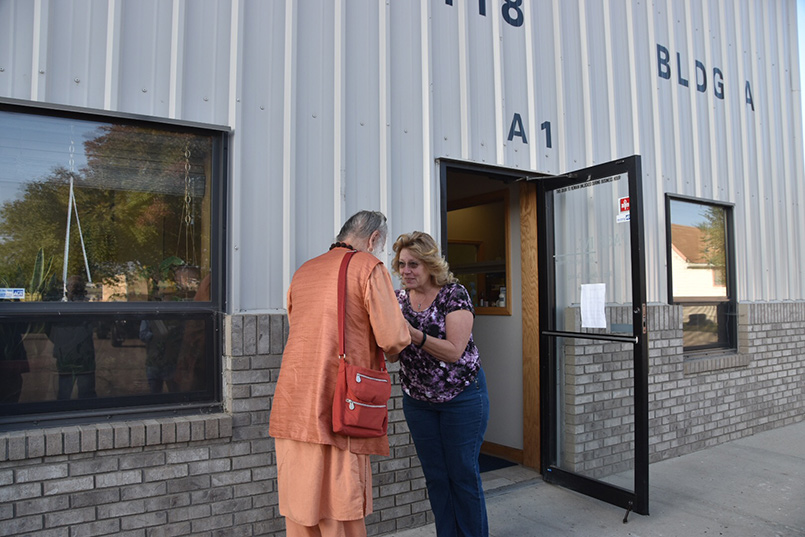
Gifts and pleasantries were shared by all. Bobby and Kathy read the Master Course and always have mystical insights during our meetings.
The first item to inspect is the wax work by Kathy. She really has mastered the art of bringing Holly Young\
s casting work to life. This is the next step after Holly\'s stay in Hawaii. '
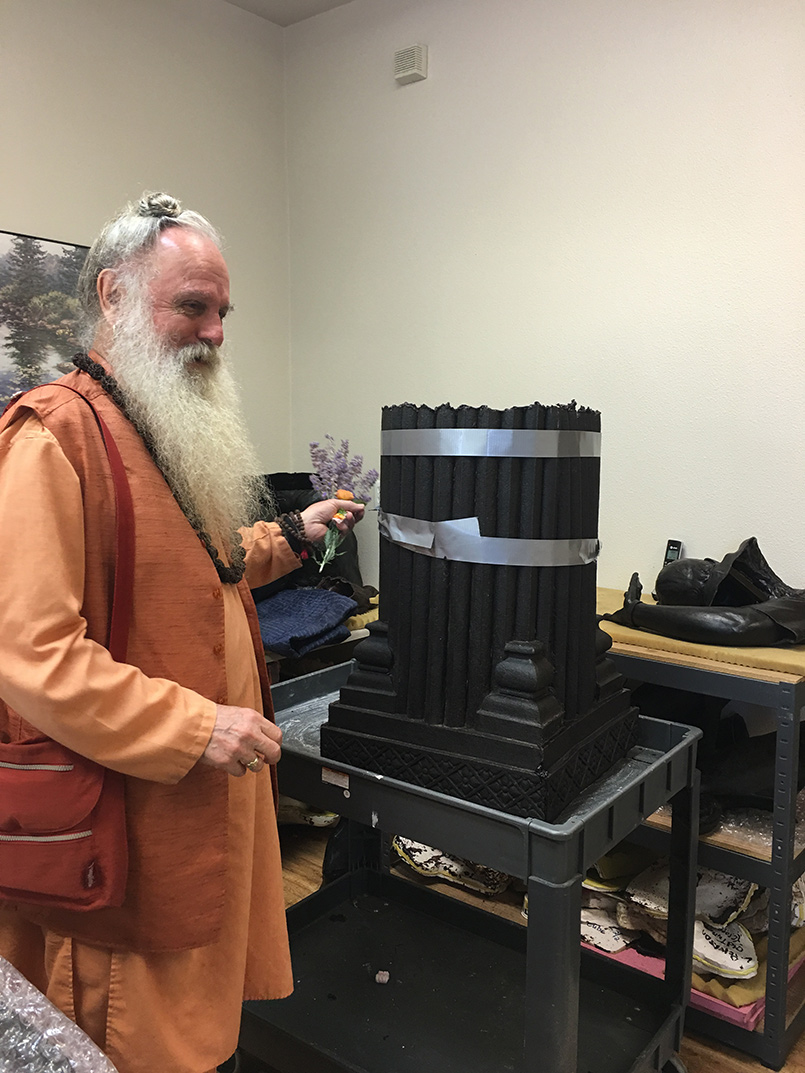
Swami and Rajanatha find out that the secret to this work, and also to all of life, is duct tape
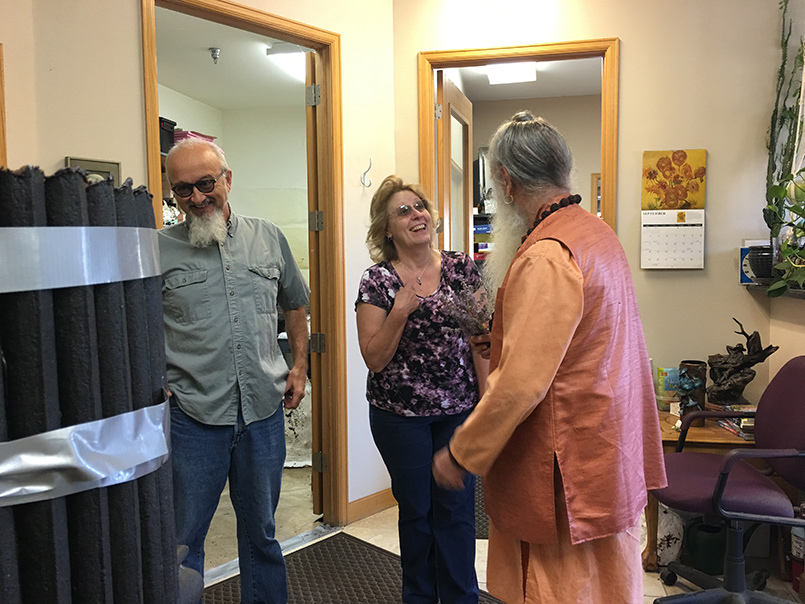
Yup...duct tape is the secret
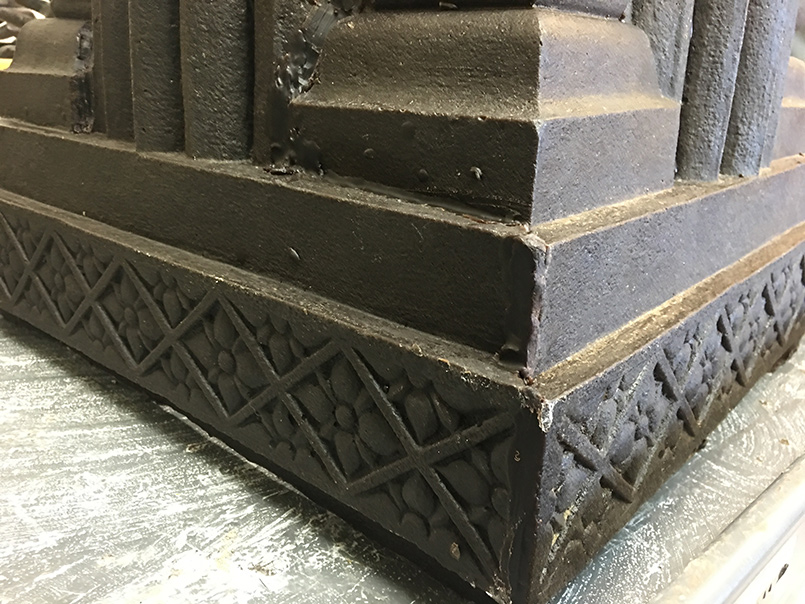
The precision required for each stage of a bronze piece draws one into a speechless moment when thoughts and feelings escape the being
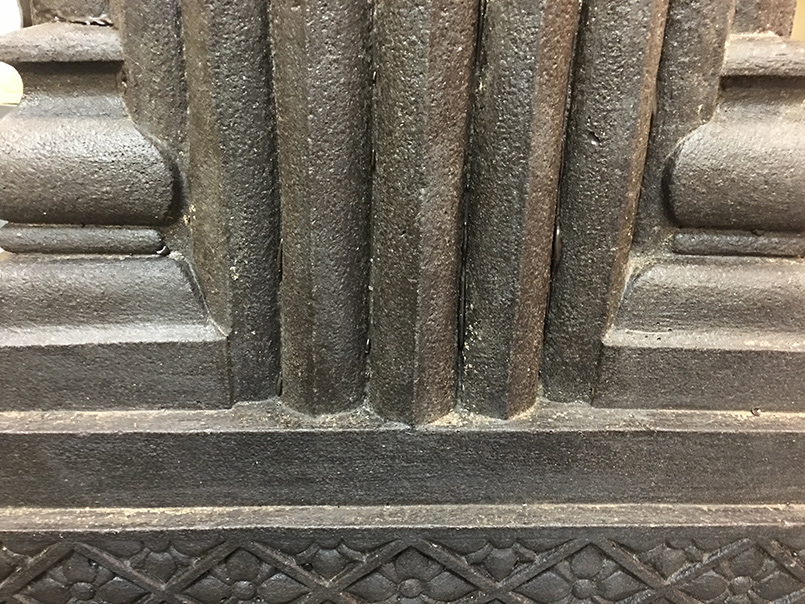
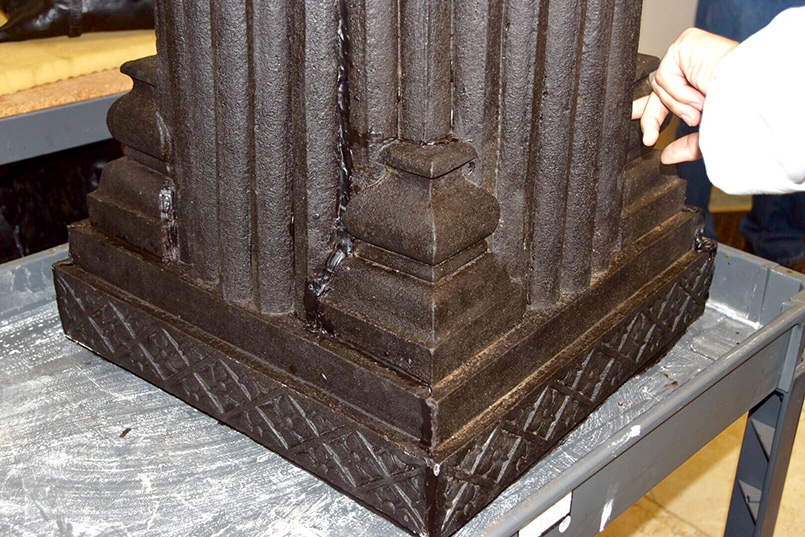
This pillar is a near-exact replica of our Iraivan stone pillars. From Holly Young to Kathy Page, these two obviously have an inner-plane connection in order to communicate so well.
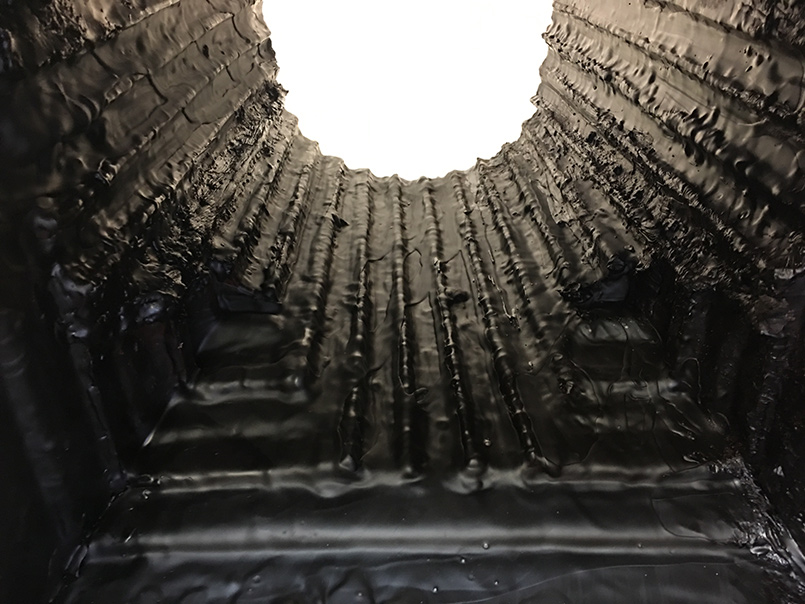
The inner core of the wax pillar mold. Is that like the spine? I think I see the white light.
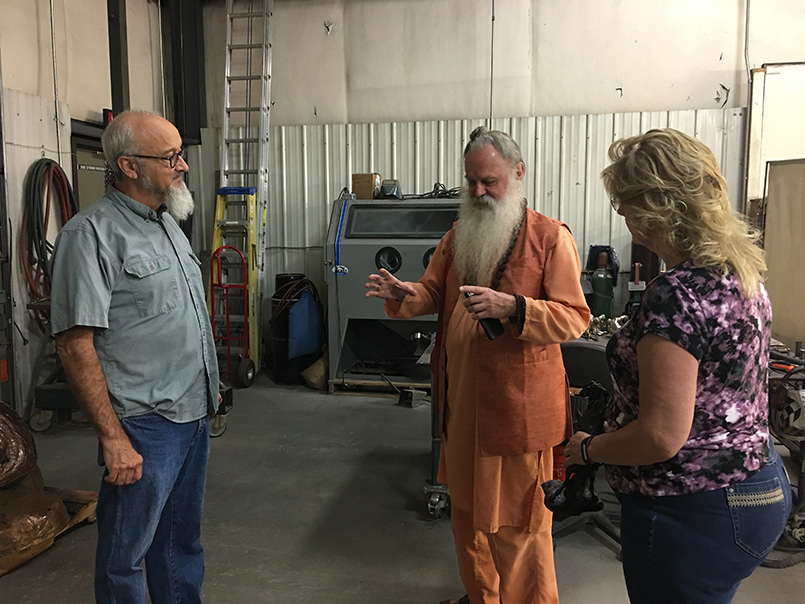
Next we go into the heart of the shop where Bobby does his welding. He has a small shrine for Gurudeva and offers incense to each corner of the shop and returns to Gurudeva before starting the day\
s work. '
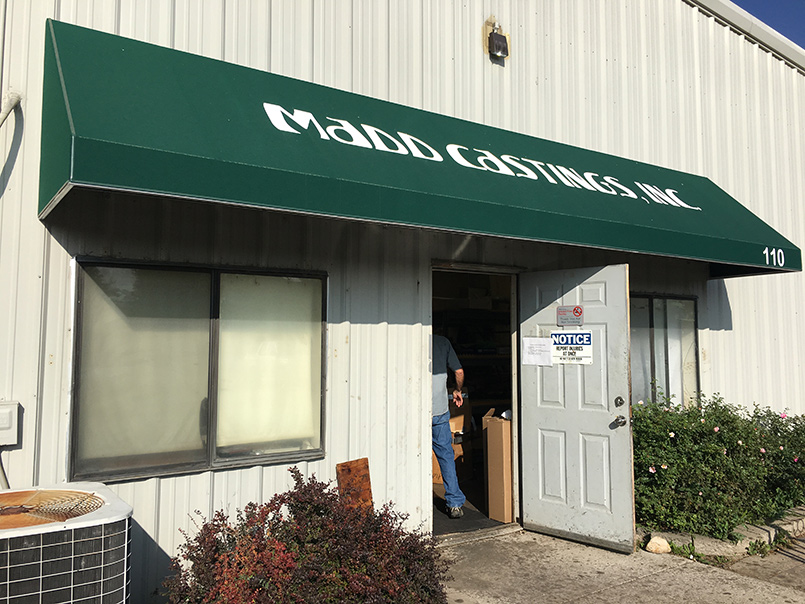
The next step of the process is to take the wax mold from Kathy and make it into a hunk of bronze at Madd Castings. Started by Moose Googleman and now run by his son Chris, Madd Castings has taken all of Iraivan\
s work and made it into metal. '
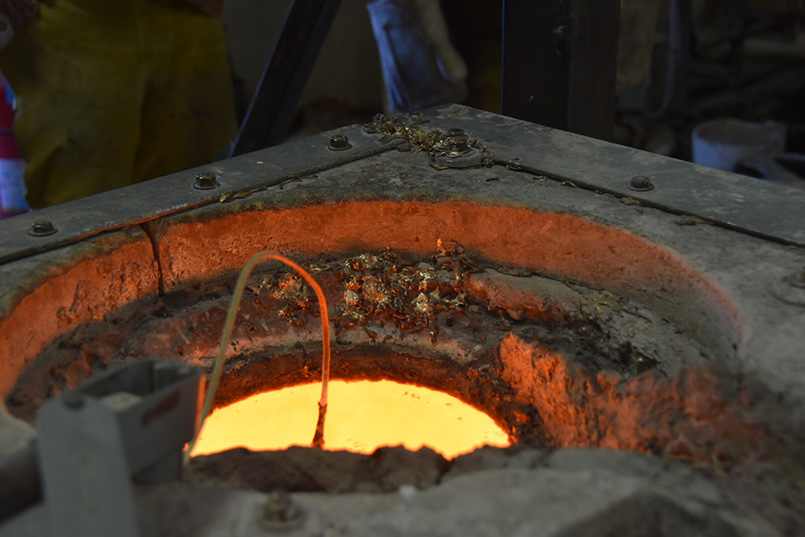
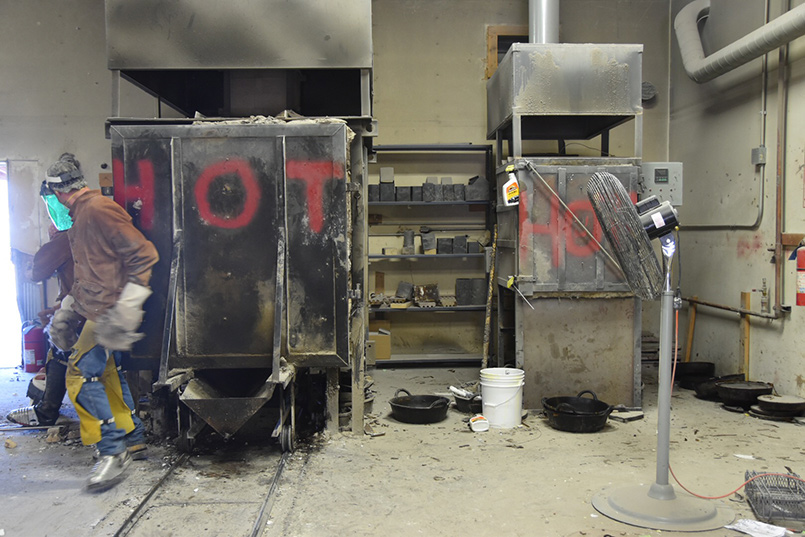
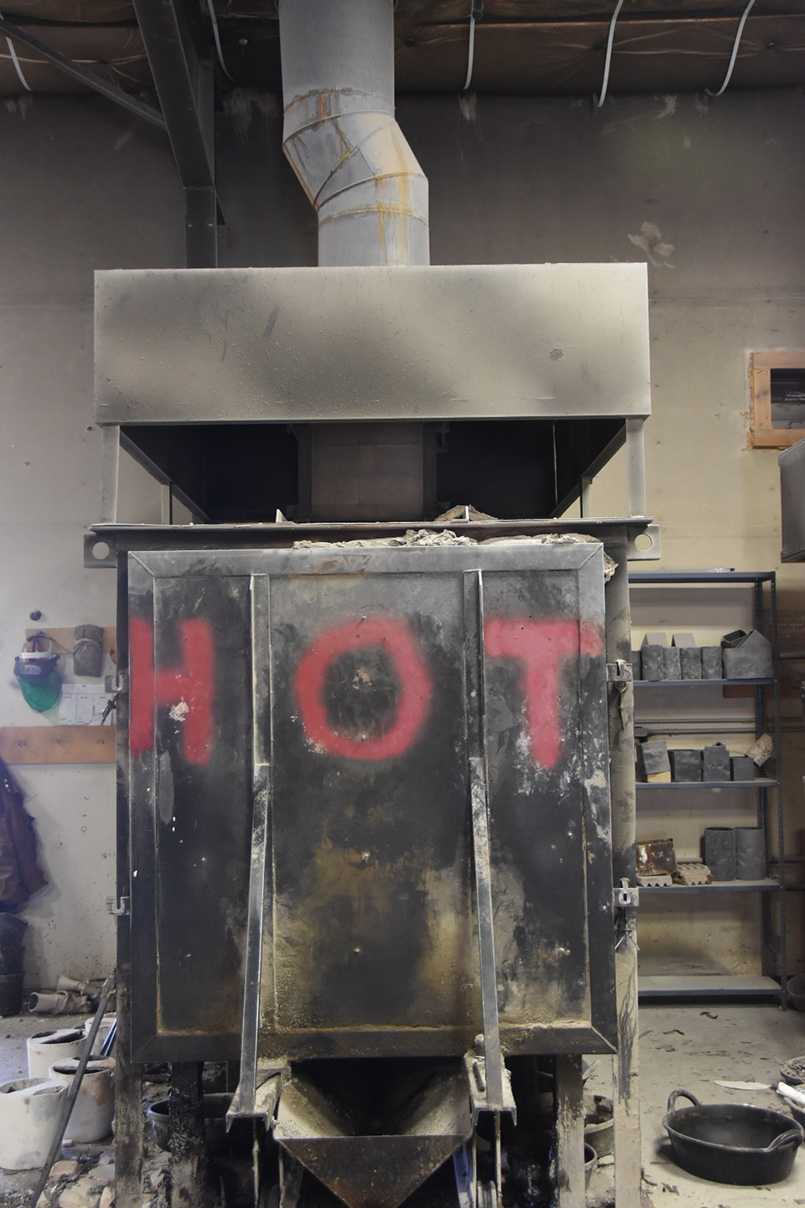
Their electric furnace heats metal in a 2,000 degree F environment. You can feel the heat upon entering the room, and it\
s a giant room. '
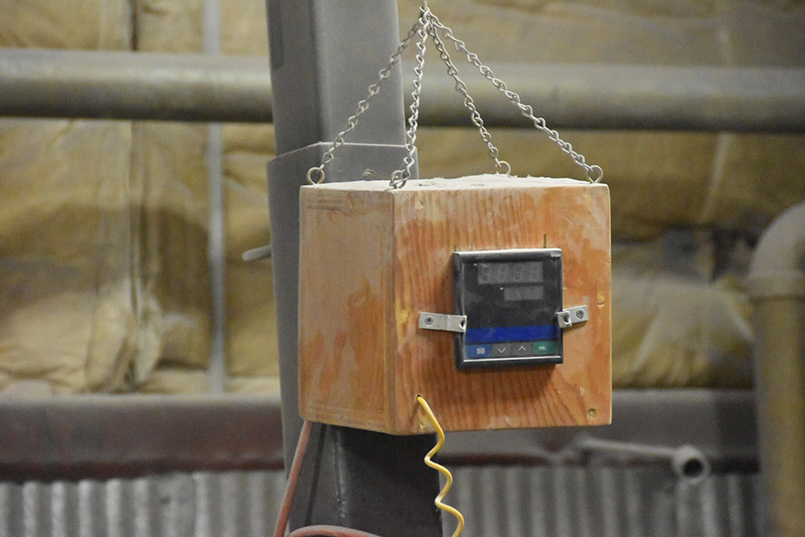
Temperature box
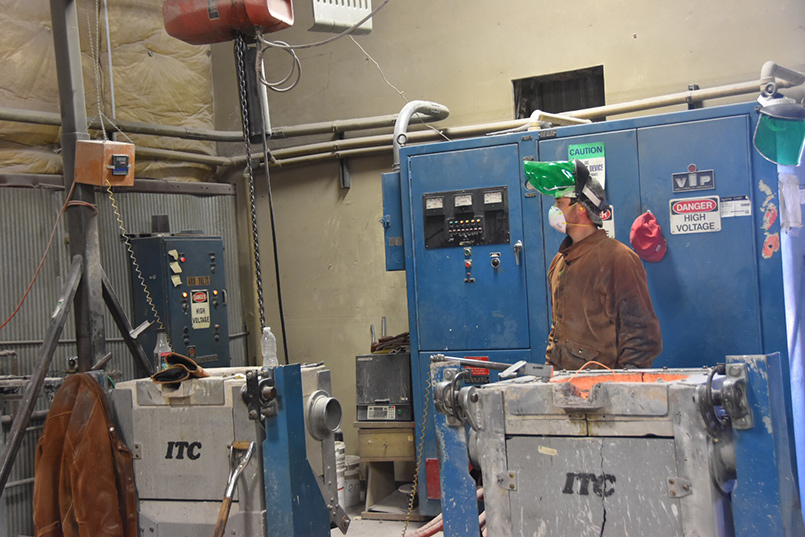
Checking....holding...waiting for that magic time when temperatures reaches optimal points
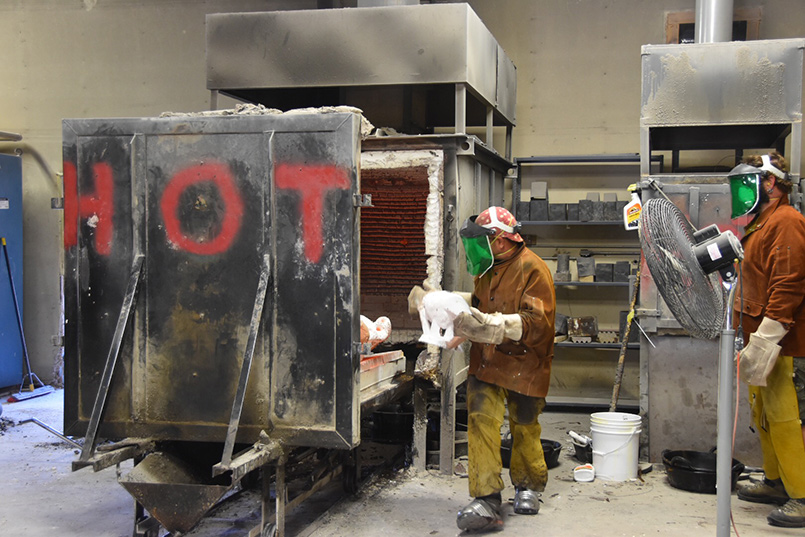
OK. Time to open up the giant kiln, take out the dipped molds and pour into their shell.
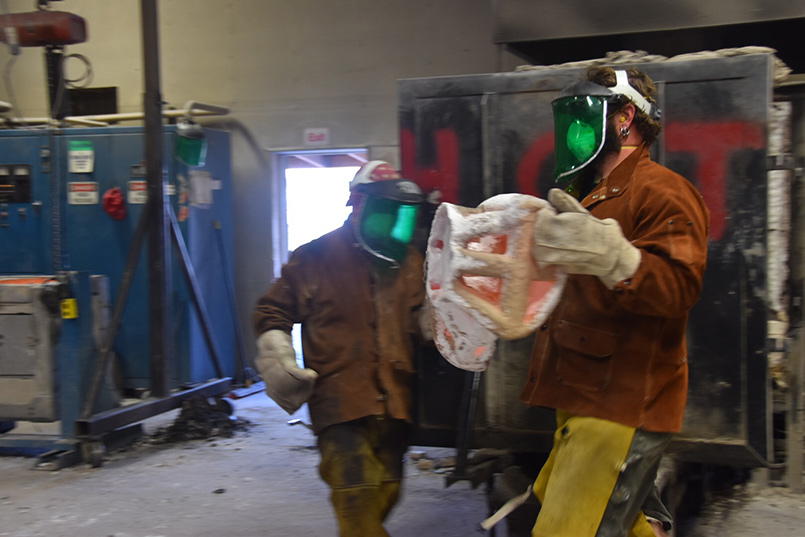
These casts create the barrier around the wax mold in order for the bronze to take shape. I am not doing this process justice! It will take me a few visits to understand the basics.
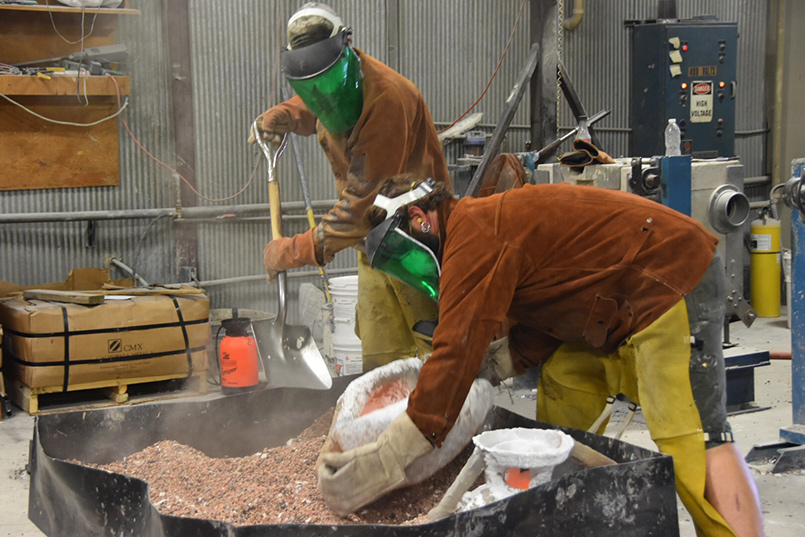
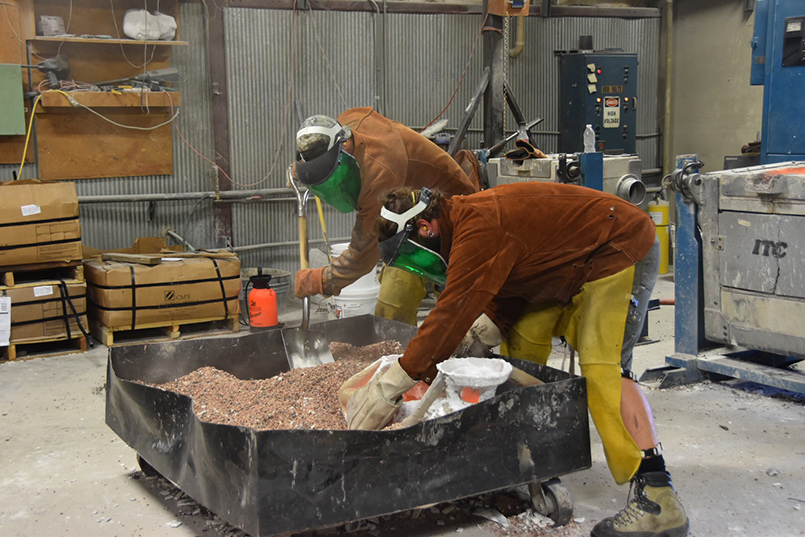
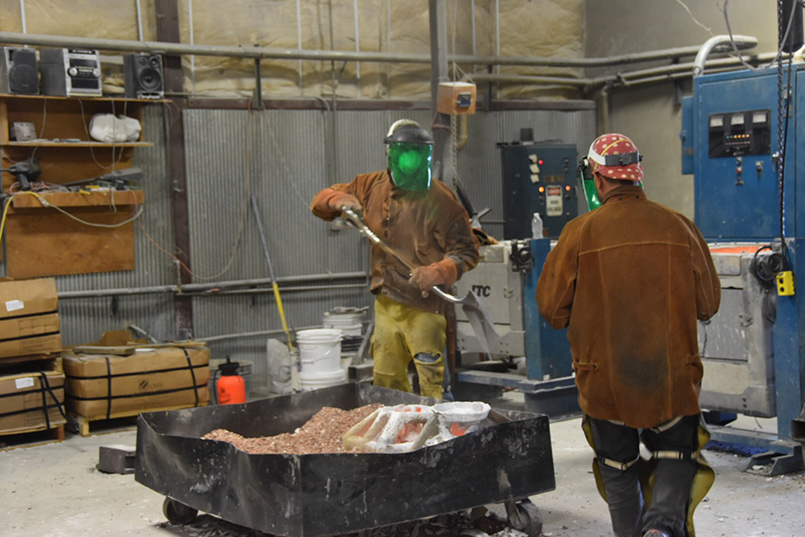
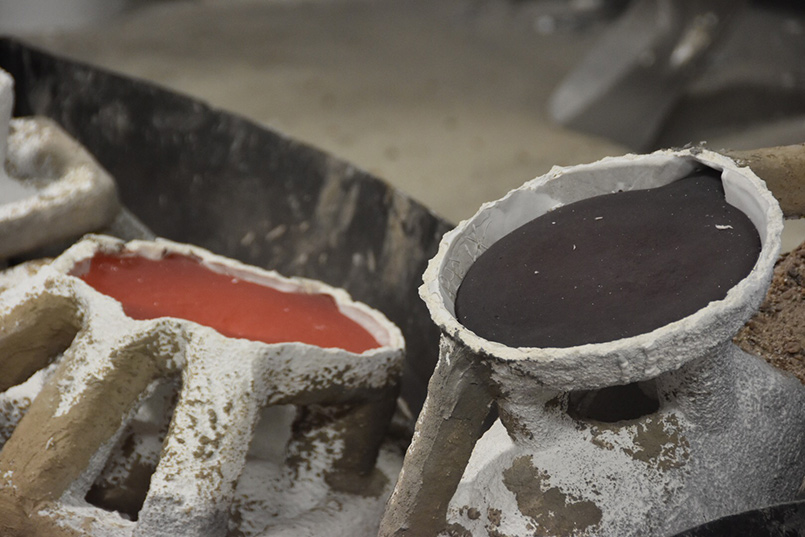
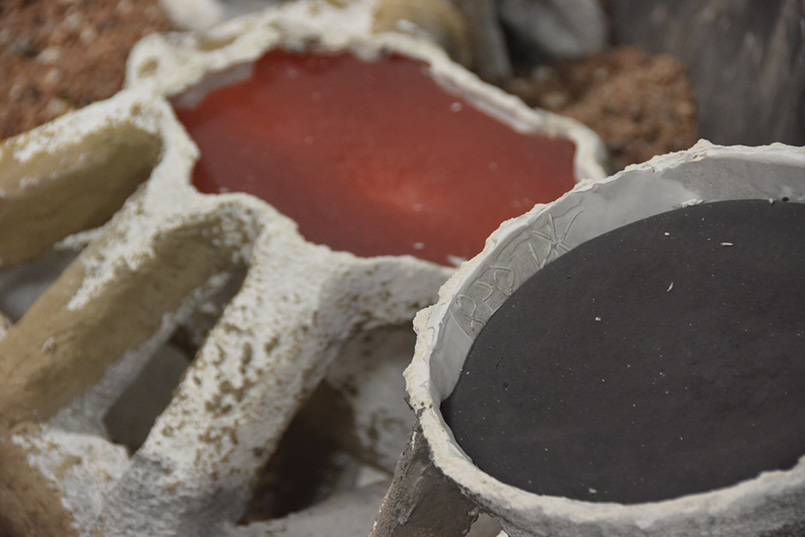
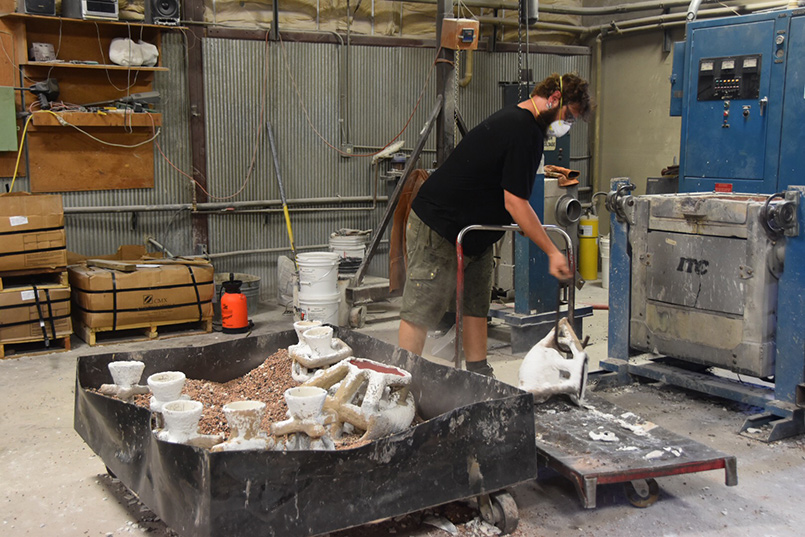
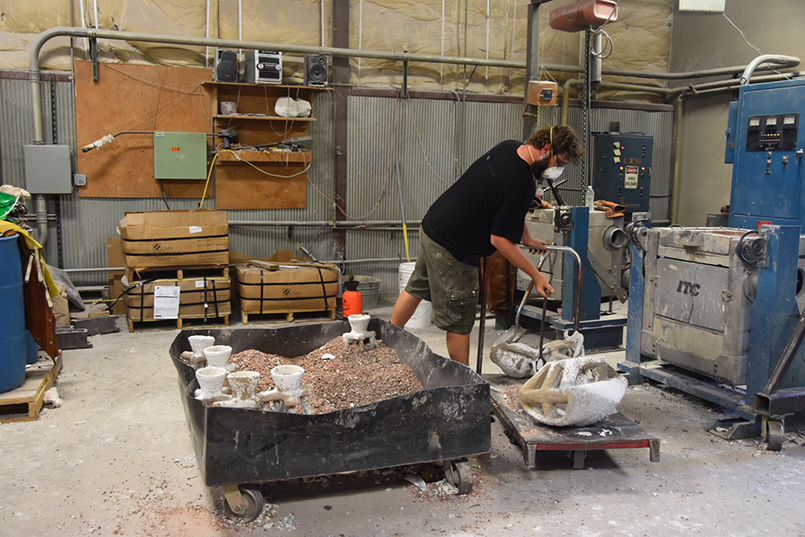
Placed in this \"sandbox\", the cast rests bottom side up where the opening is. There are open points in each wax piece in order for the metal to fully pull into each crevice.
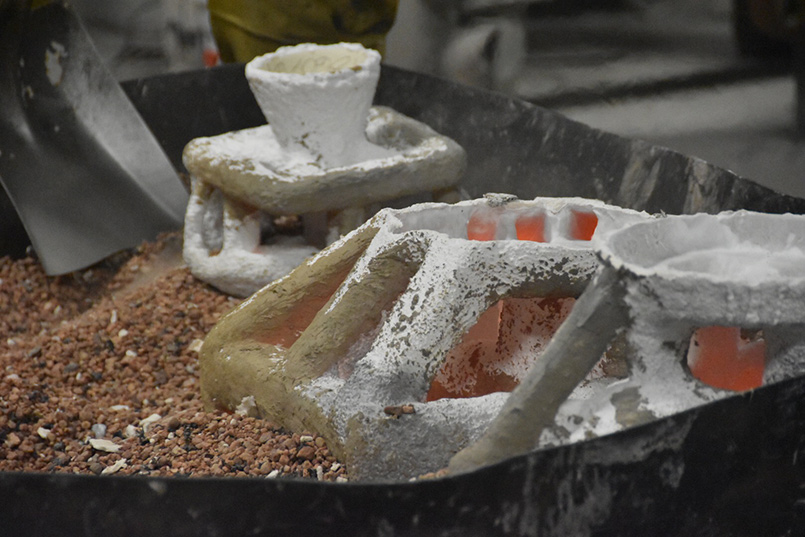
The process of creating this white cast is shown later in the slideshow. Basically the wax piece is dipped into a vat of this casting material and hardened in the kiln. The kiln also keeps everything hot so the temps don\
t fluctuate too much. '
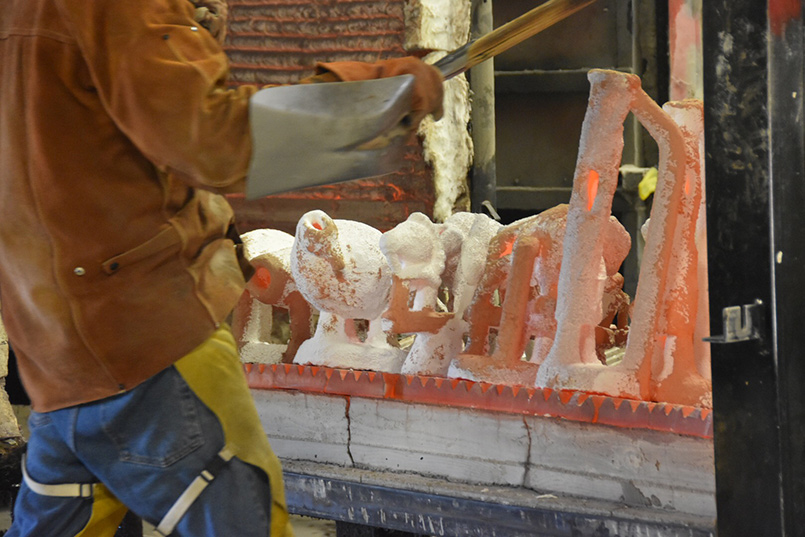
This stuff is red hot
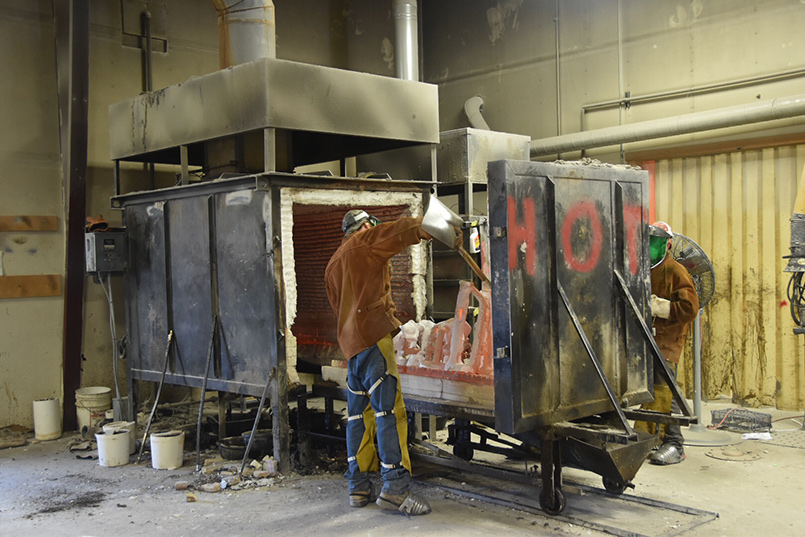
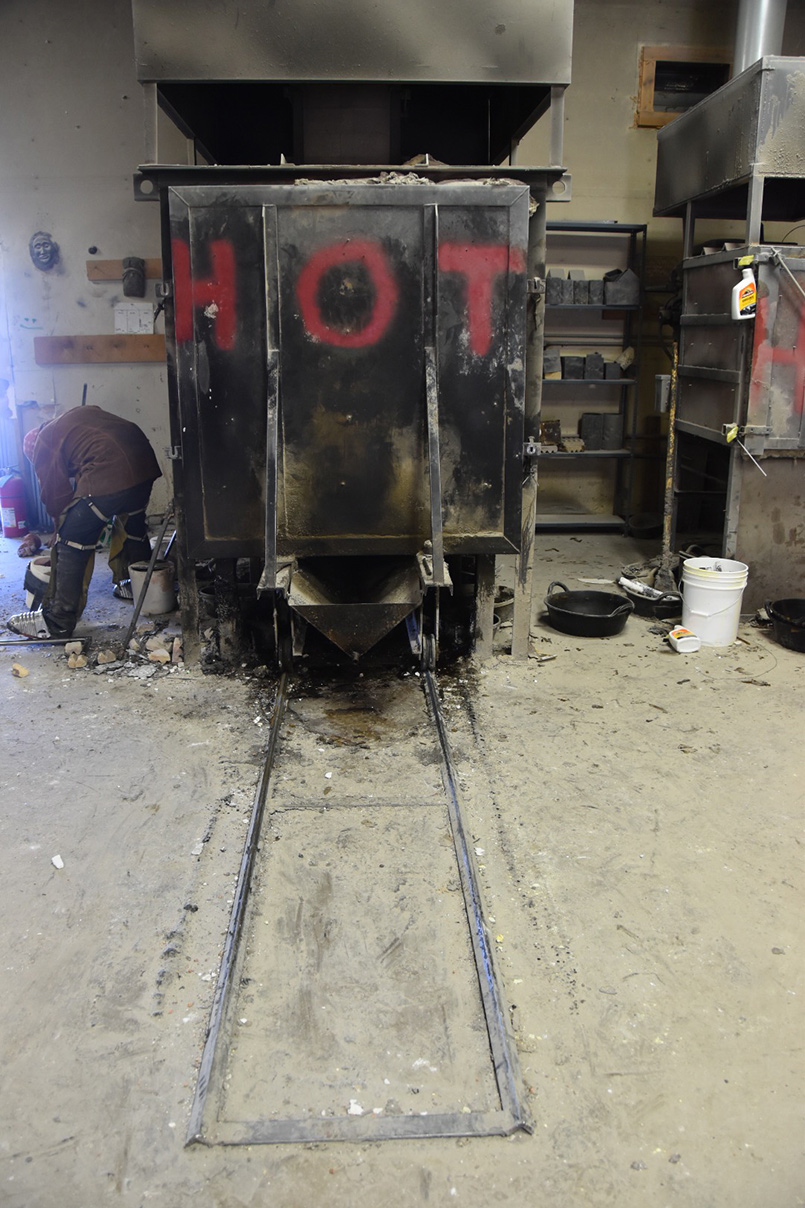
When this kiln door opened the entire room, even with the door open to the outside, got really really hot. Everyone was looking closely before the door opened and were forced back due to the open door.
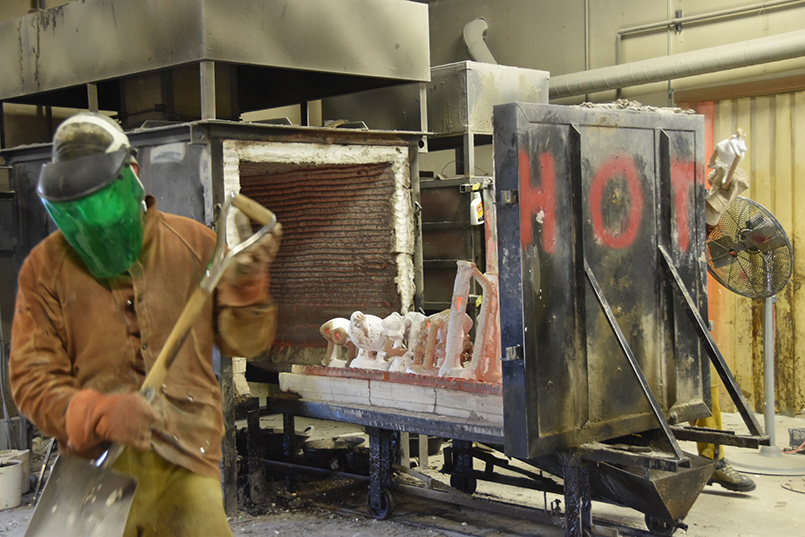
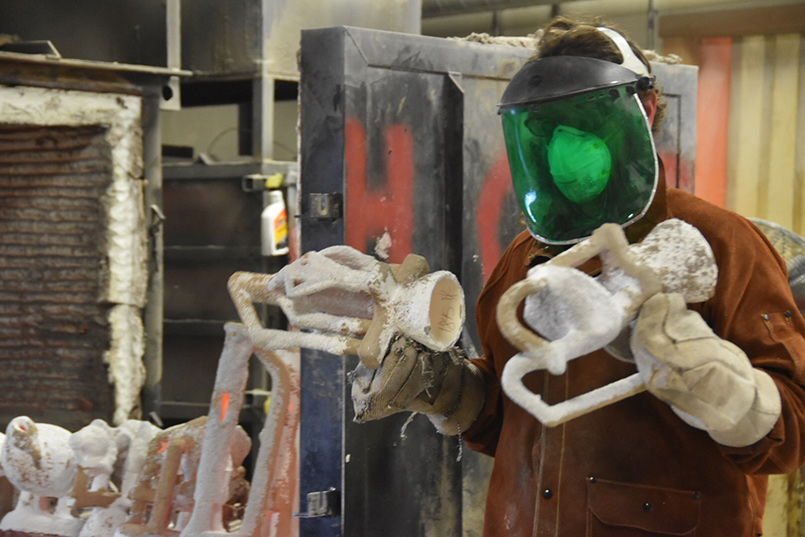
The future bronze is shaped by the molding on the inside and the shell on the outside
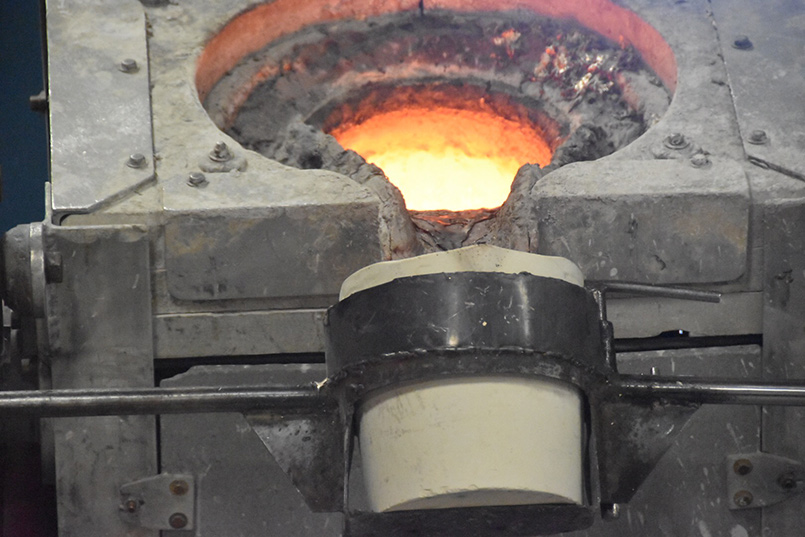
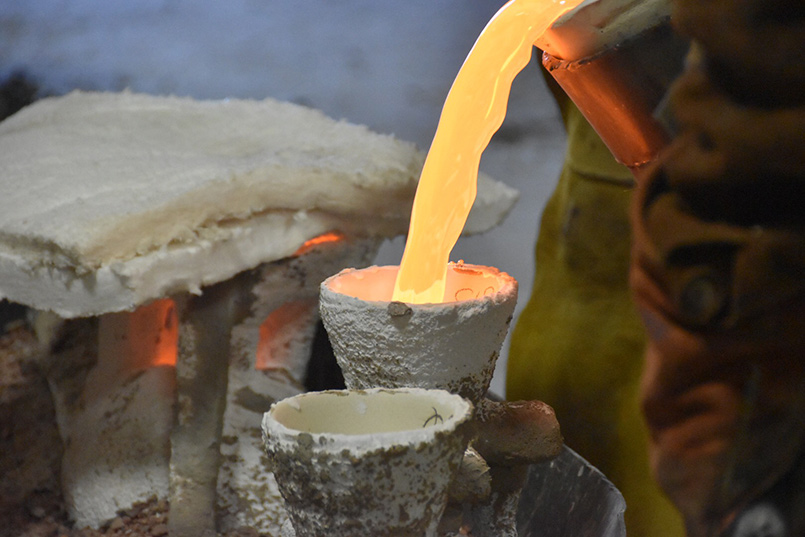
The molten metal is dipped into the crucible and carried over to the piece and poured in
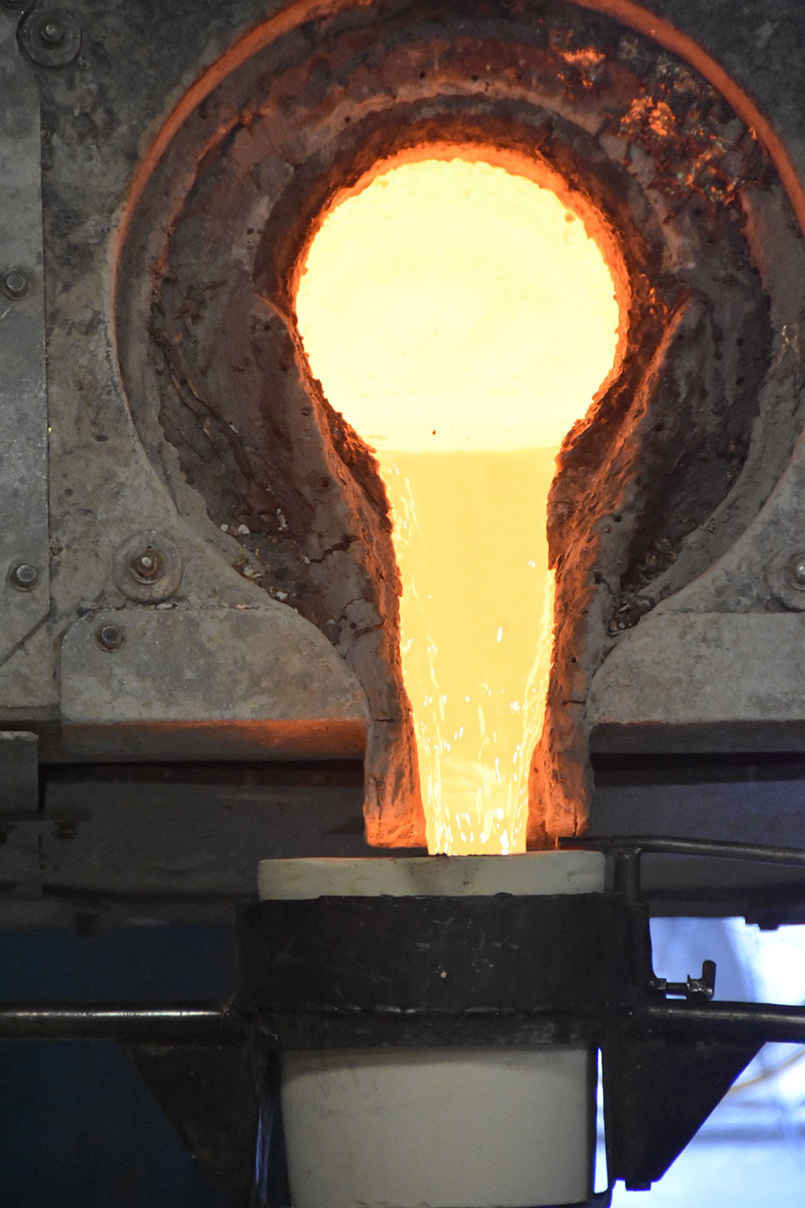
Only a little at a time. Too much and the work time must increase exponentially. Thermal mass must remain constant. Too much molten and it would harden in the crucible after only a few pours into too many casts.
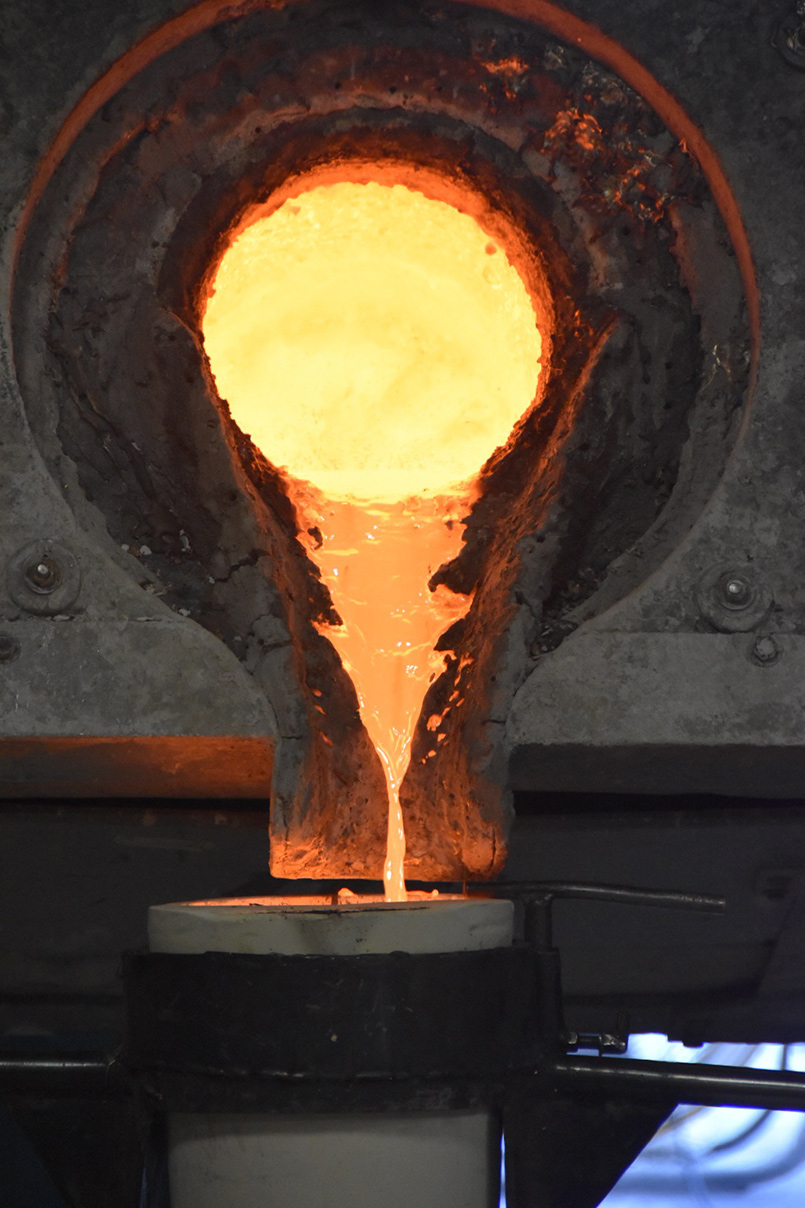
Rajkumar captured all of these wondrous photos for us
In the words of Bobby Page: \"This is all the Dance. It\
s all his Dance. It\'s the Dance that Gurudeva speaks about.\" You see what I mean? Bobby talks like that all day. '
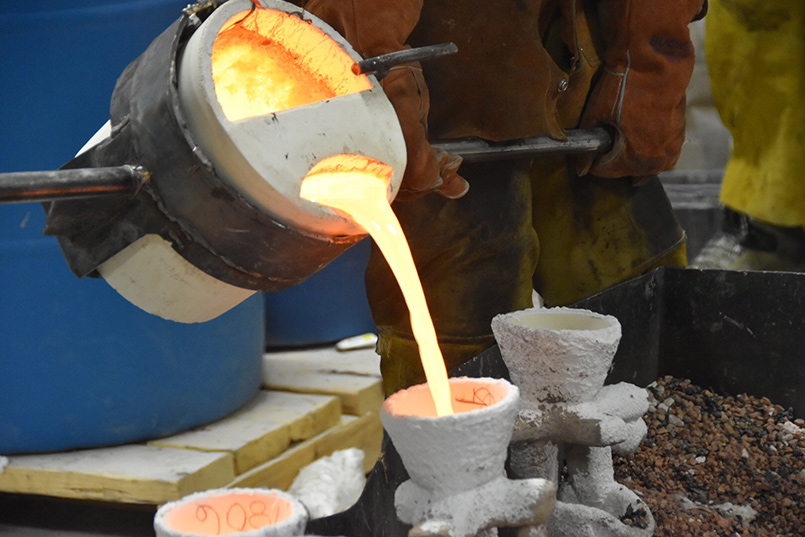
Two workers pour a few molds at a time. They each share about 75 lbs of load.
Running back and forth from kiln to sandbox
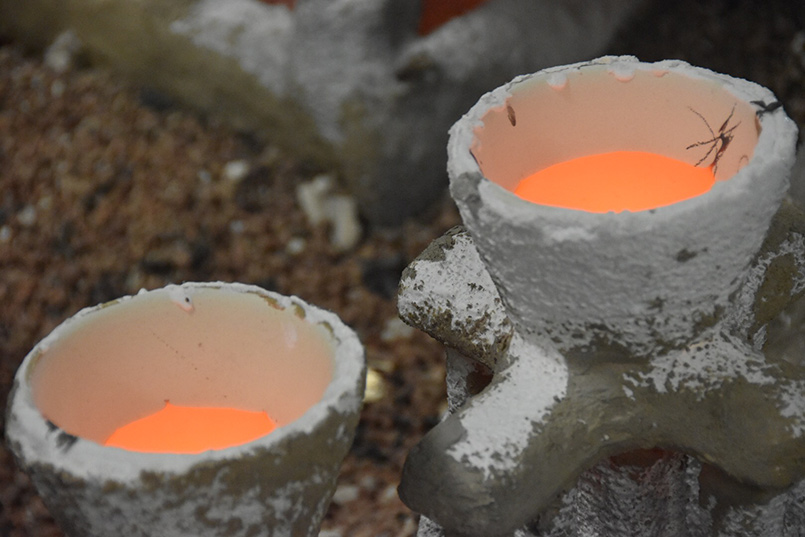
Red hot molten rests inside the piece and becomes the bronze sculpture
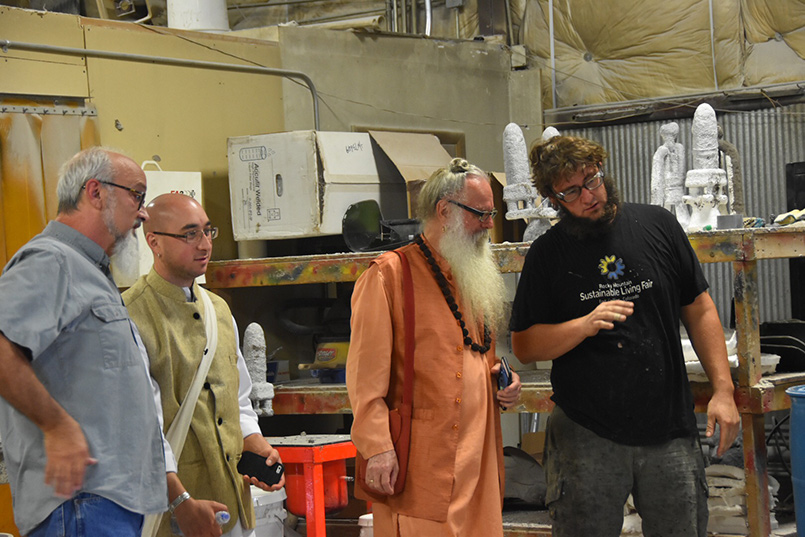
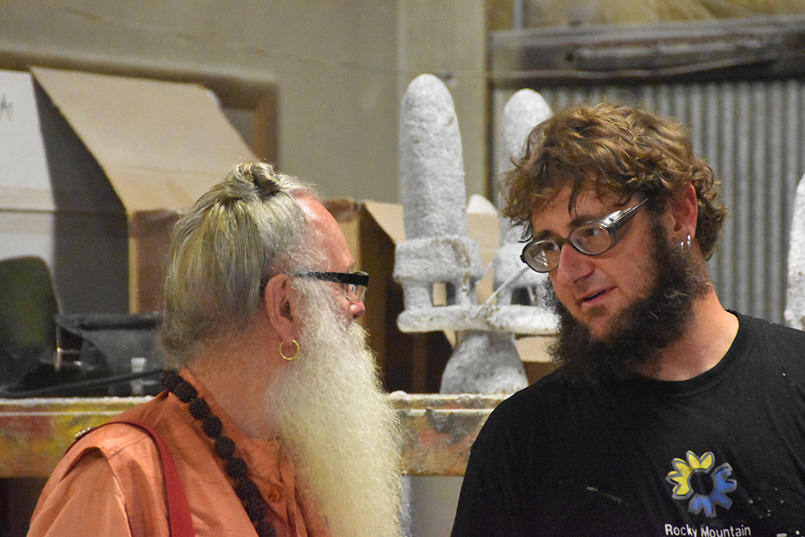
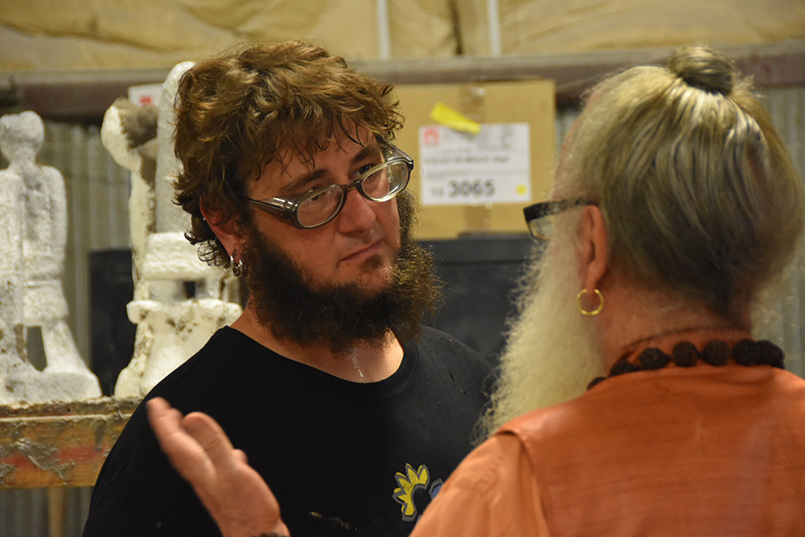
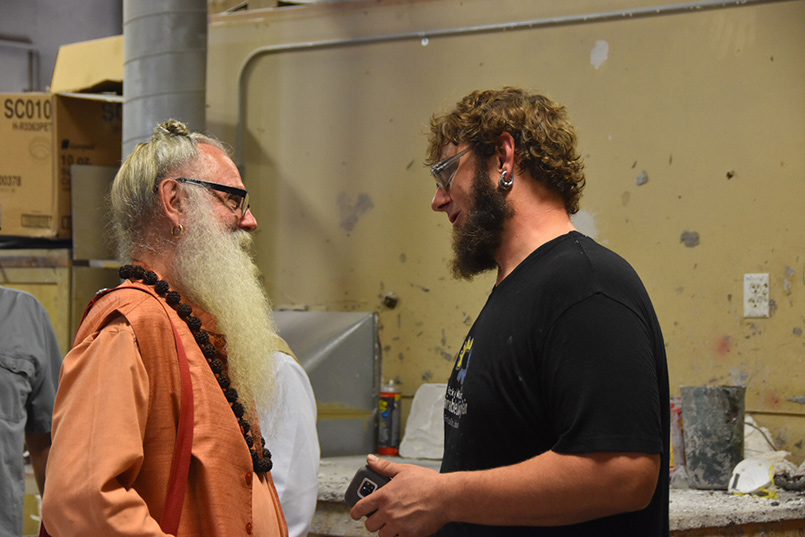
We are getting a rundown of the process from Chris Googleman, owner and operator of the foundry. Chris grew up in the foundry and was always admired for his work ethic.
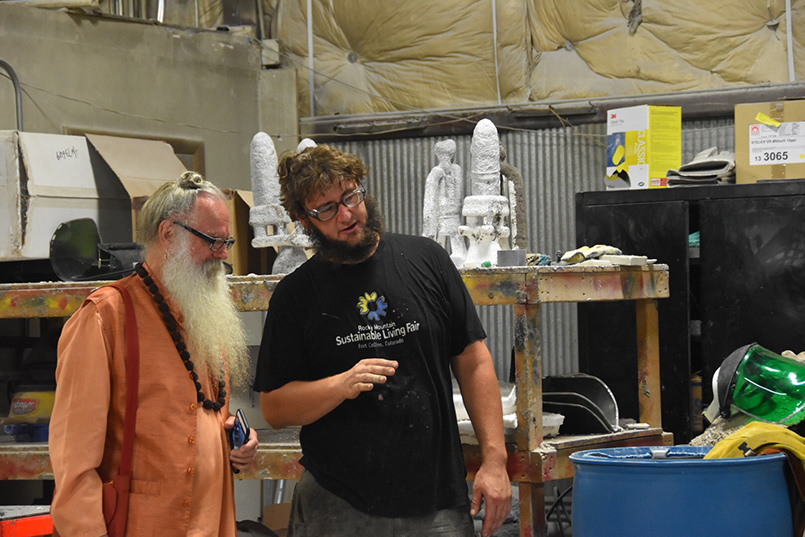
He would out work many of the adult crew and learned the ropes from the ground up. Chris and Bobby Page have a close relationship both as friends and professionals and never hesitate to discuss a problem, or how to avoid a possible one.
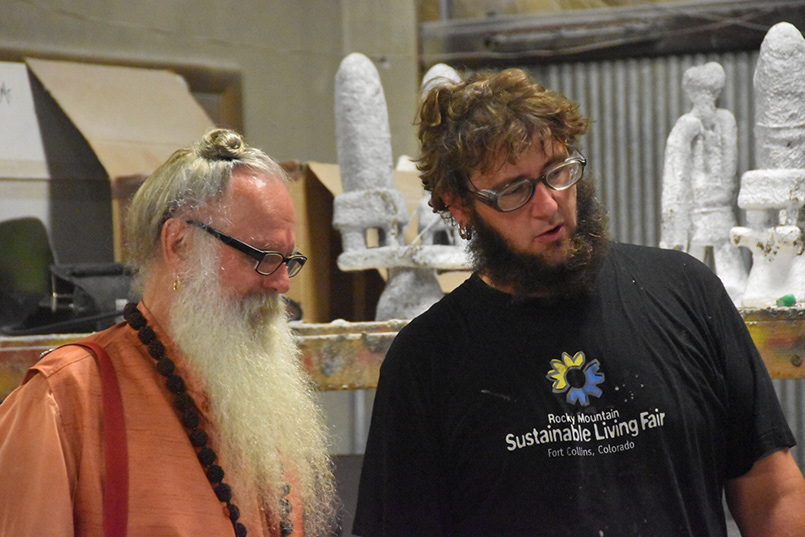
He now is a family man with children but the Pages still see the little kid who ran through the shop with his dad. He is part of a passed down tradition ( father to son) that is sorely missing in the craft culture.
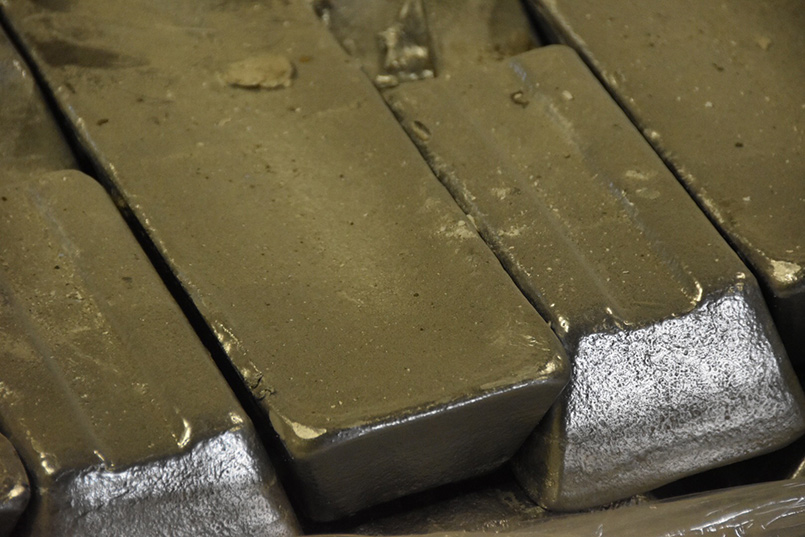
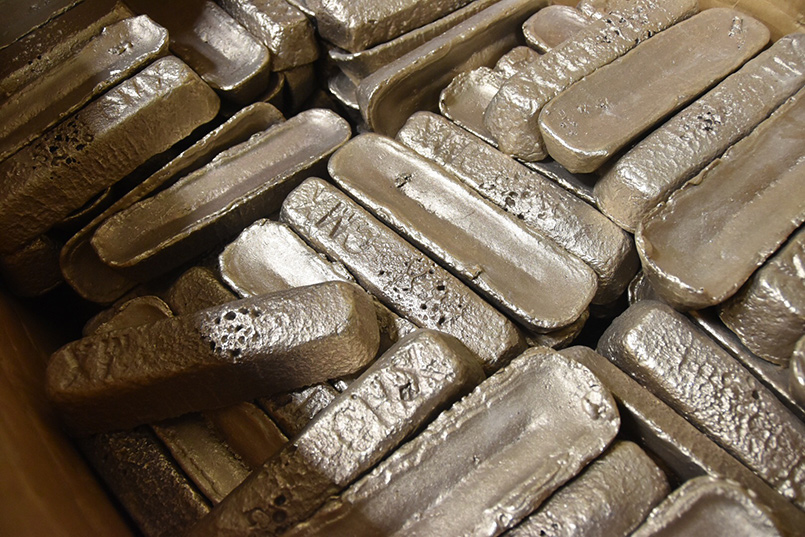
Bars of bronze metal to be heated and melted down
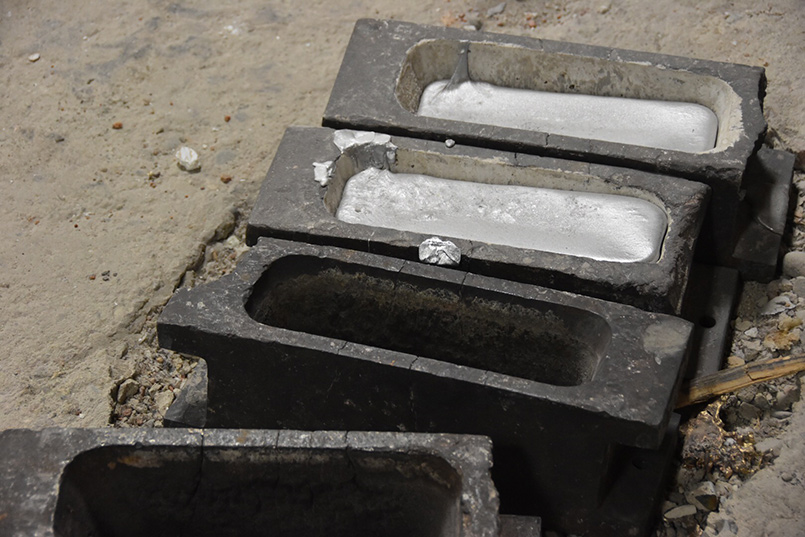
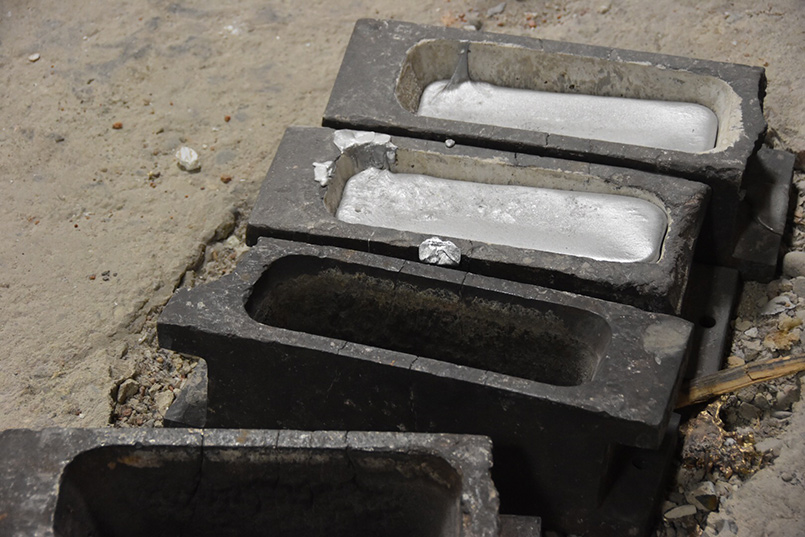
This is aluminium bars being made. Metal is reused in this craft, nothing goes to waste.
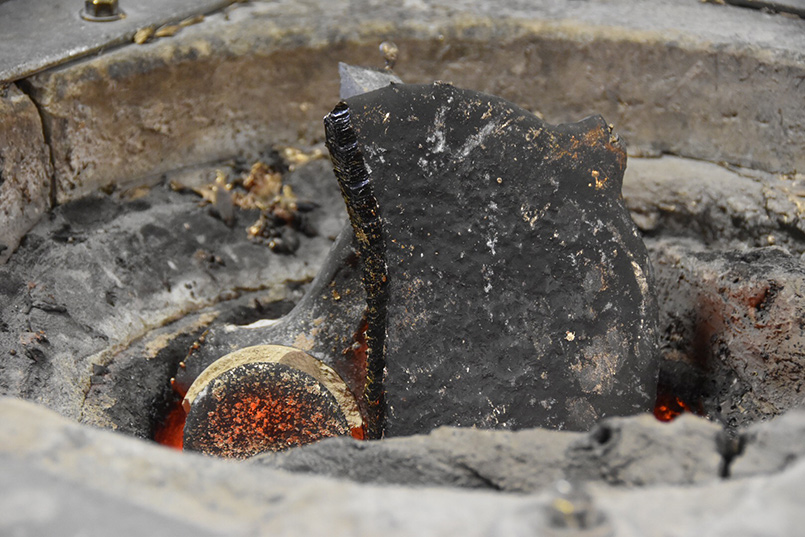
Old bronze metal is put back in to be melted and used again
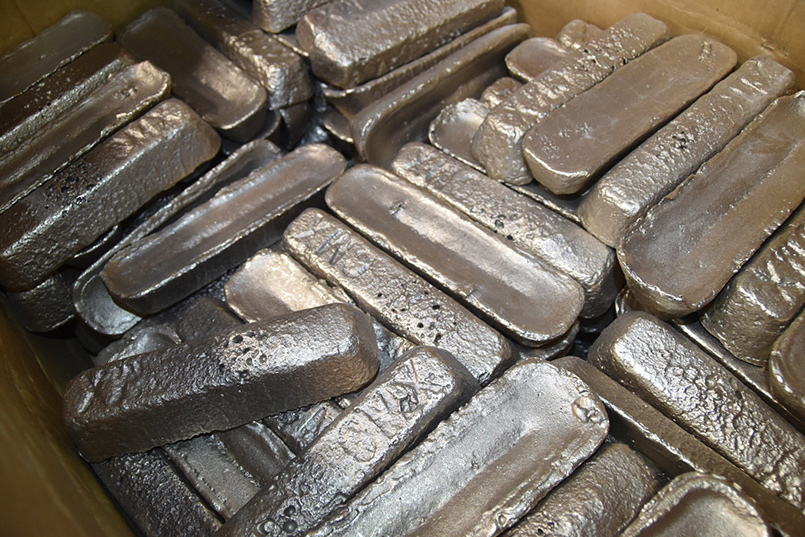
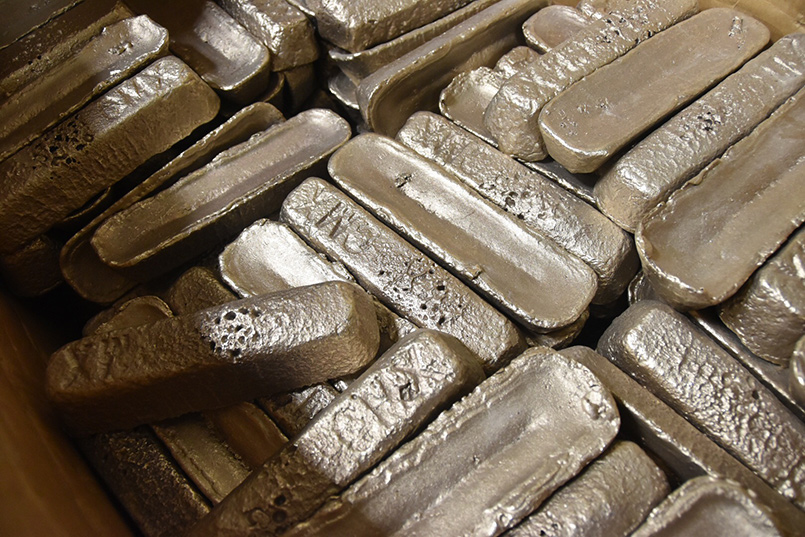
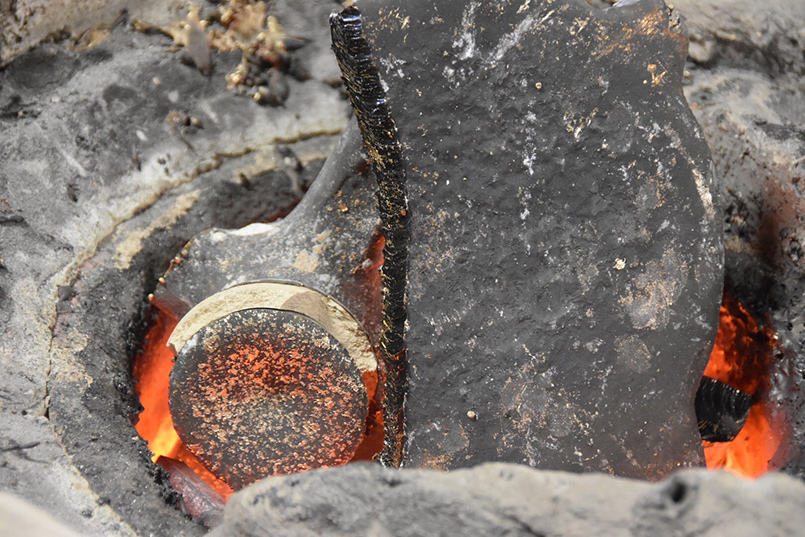
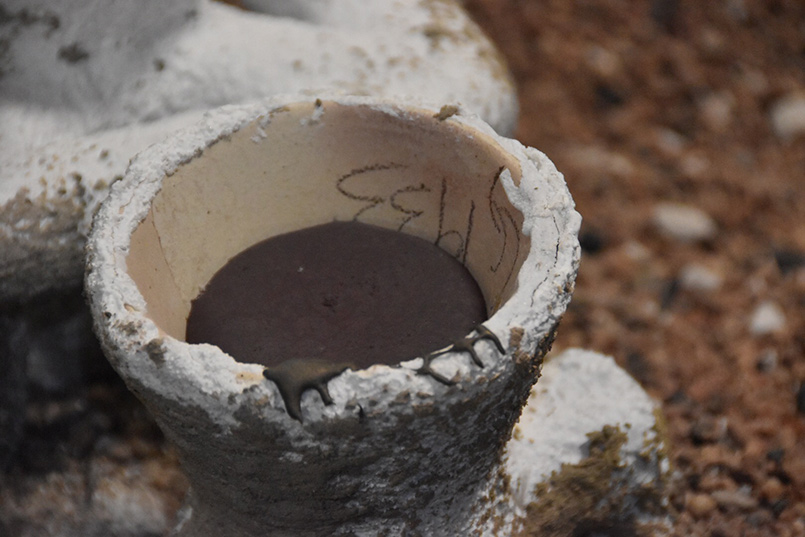
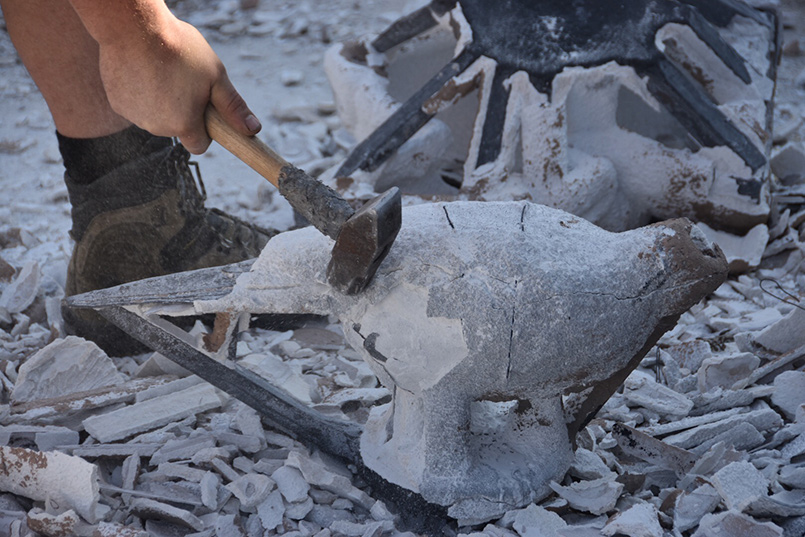
Somewhat cooled and fully hardened, this cast is now ready to be broken and expose the sculpture
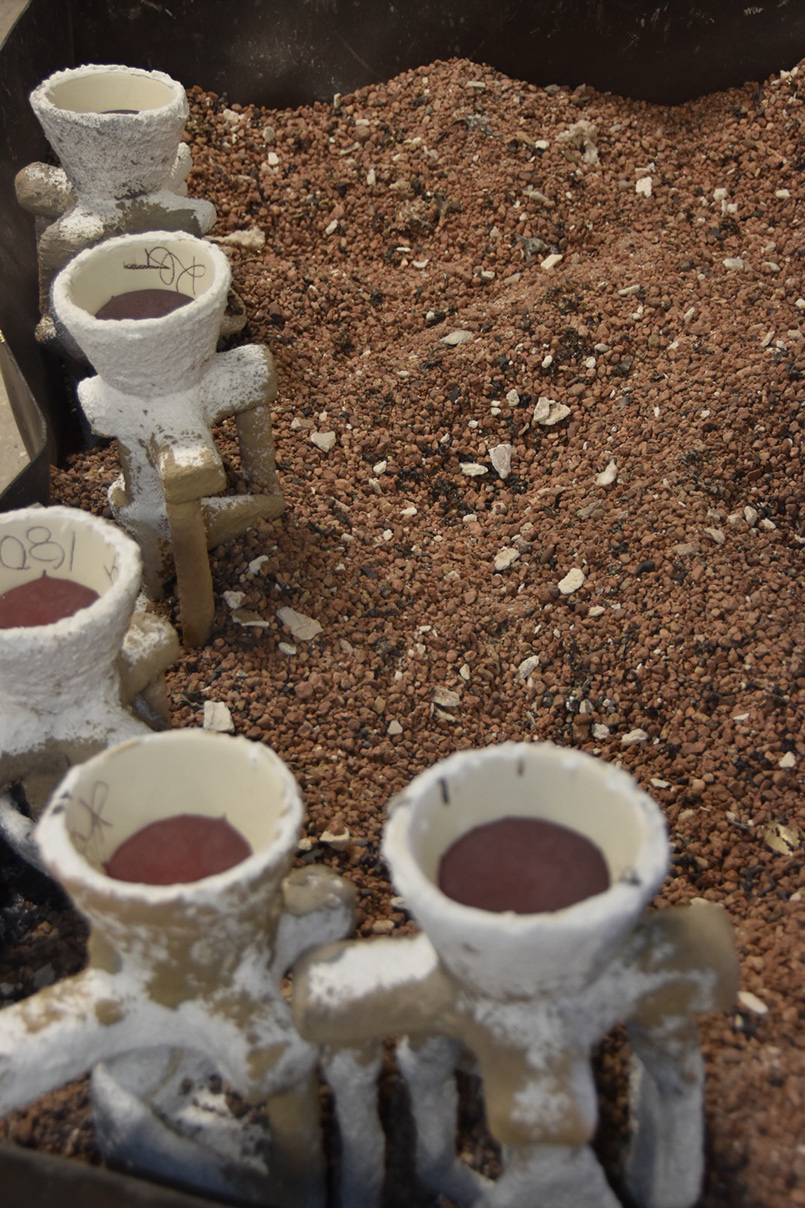
The pieces are cooling
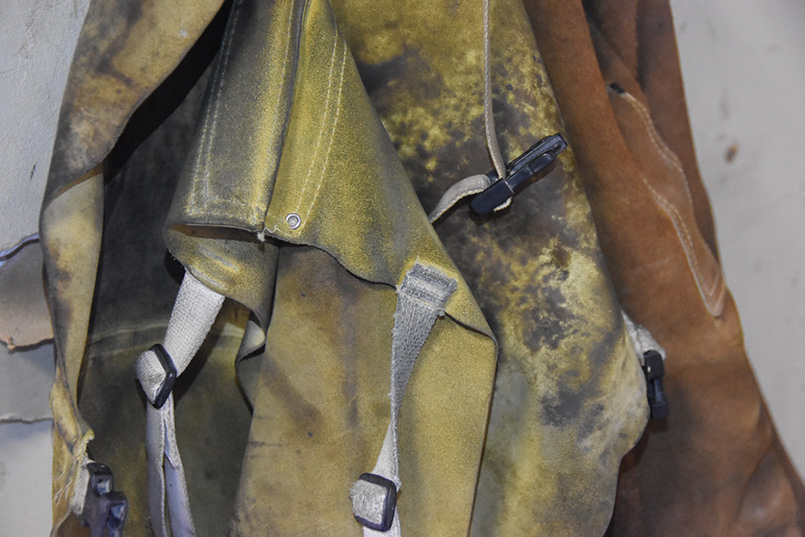
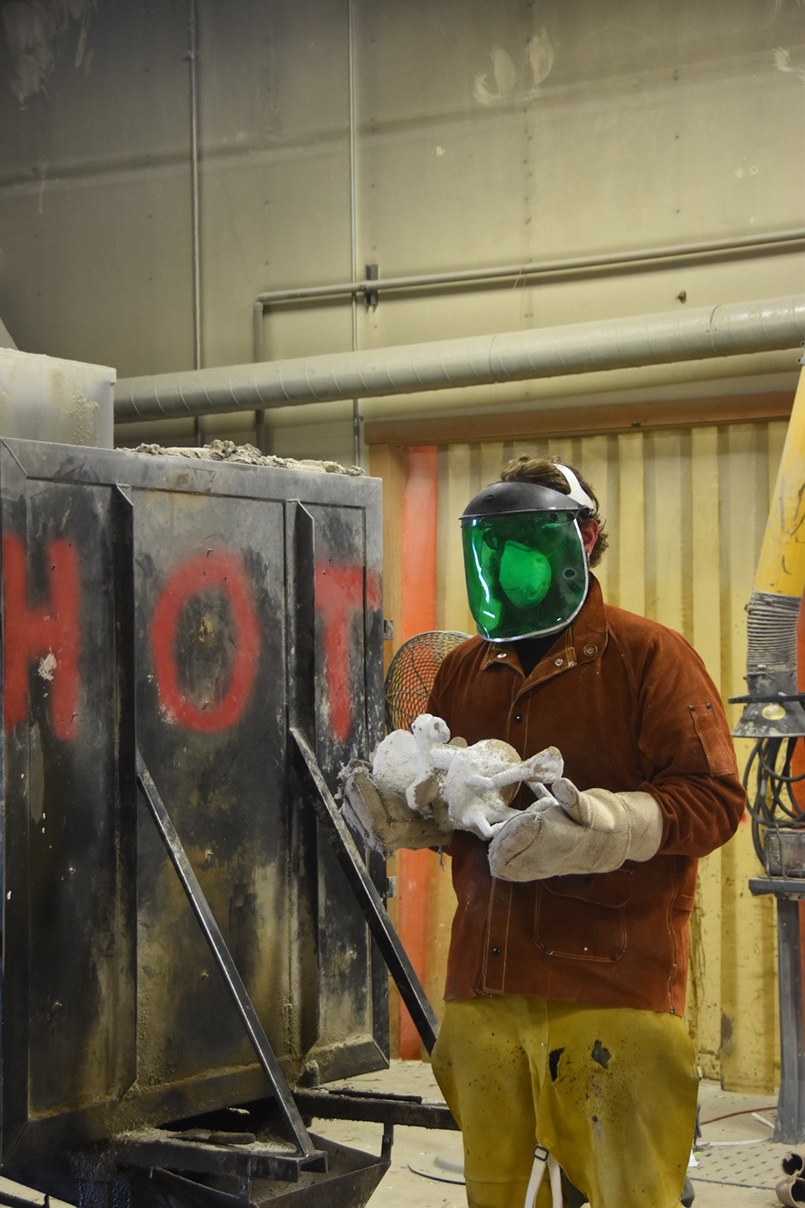
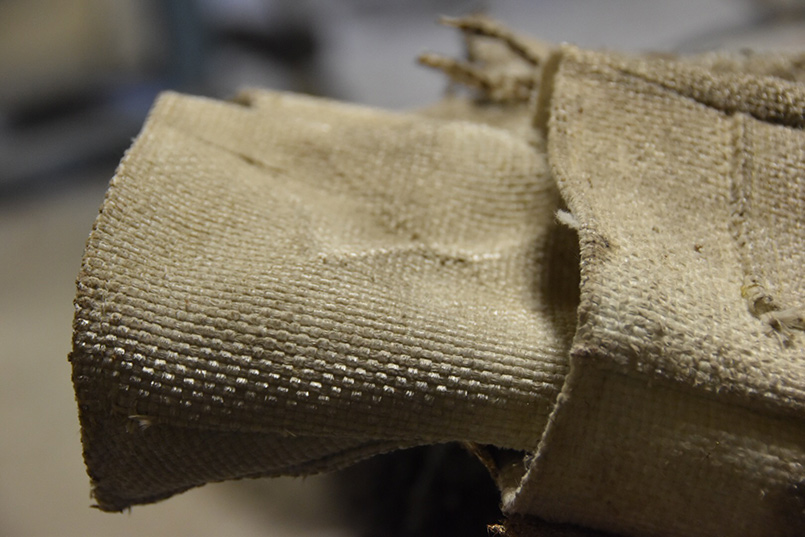
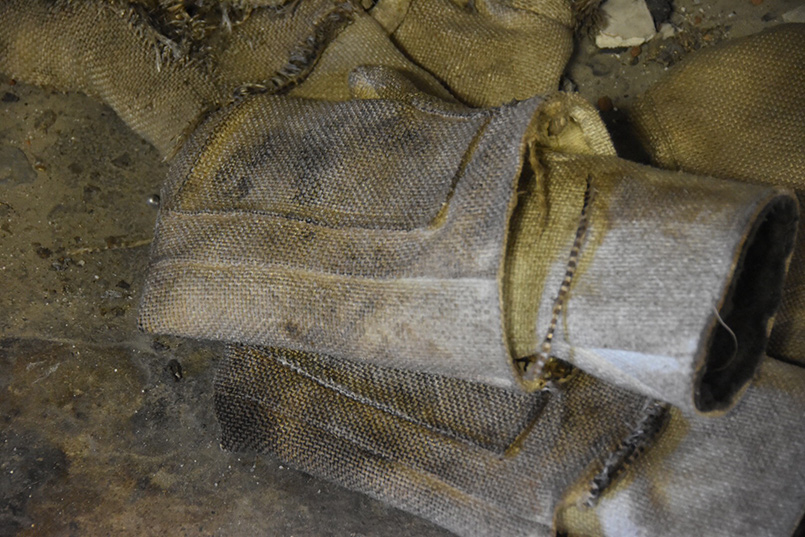
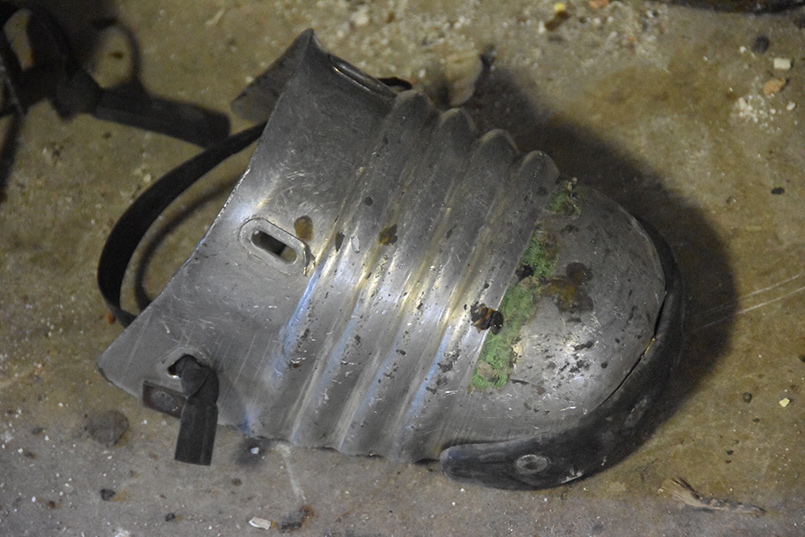
Tools of the trade. One cannot wear plain clothing and still work in this shop. Several protective layers must be applied before getting too close.
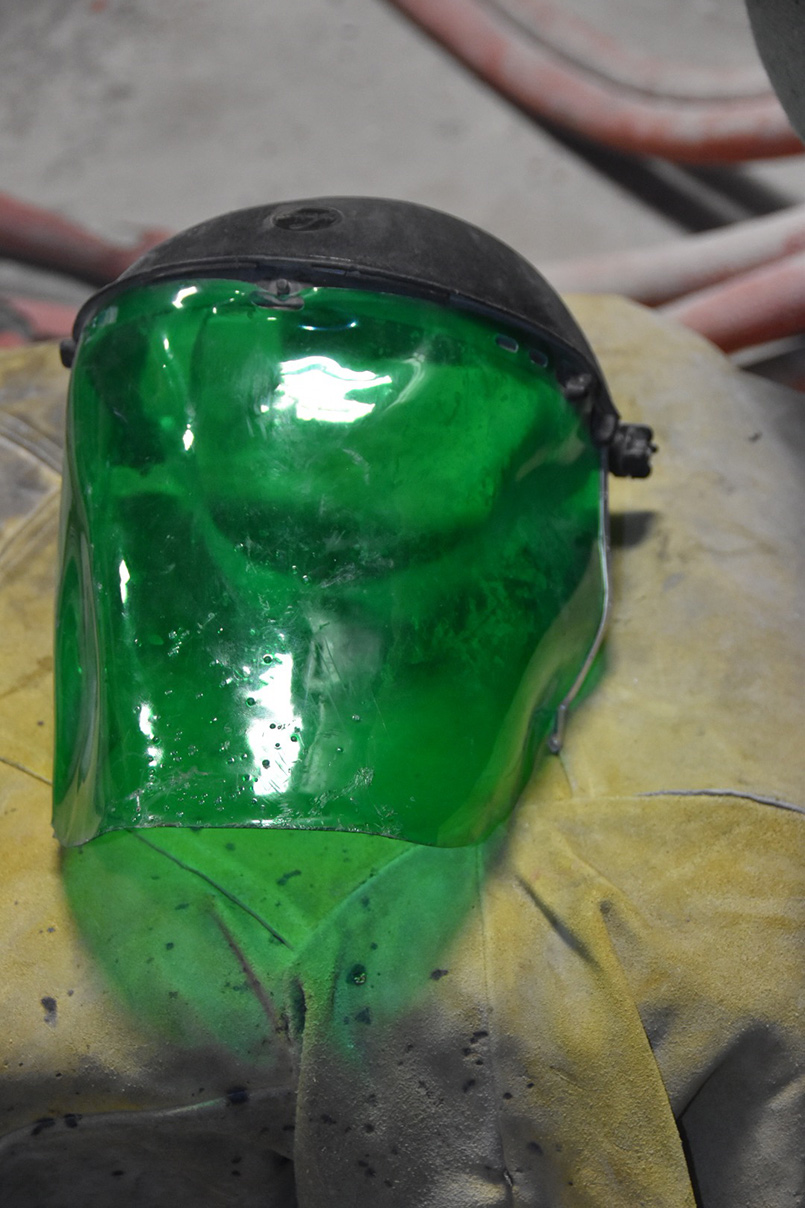
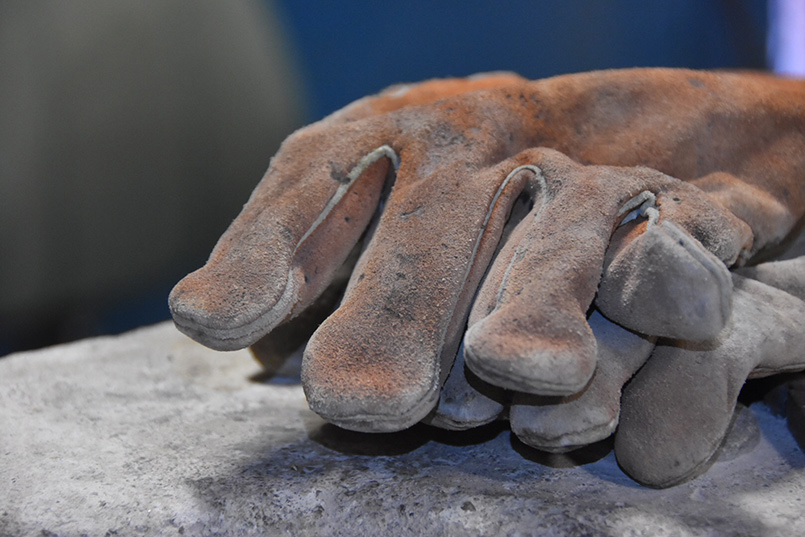
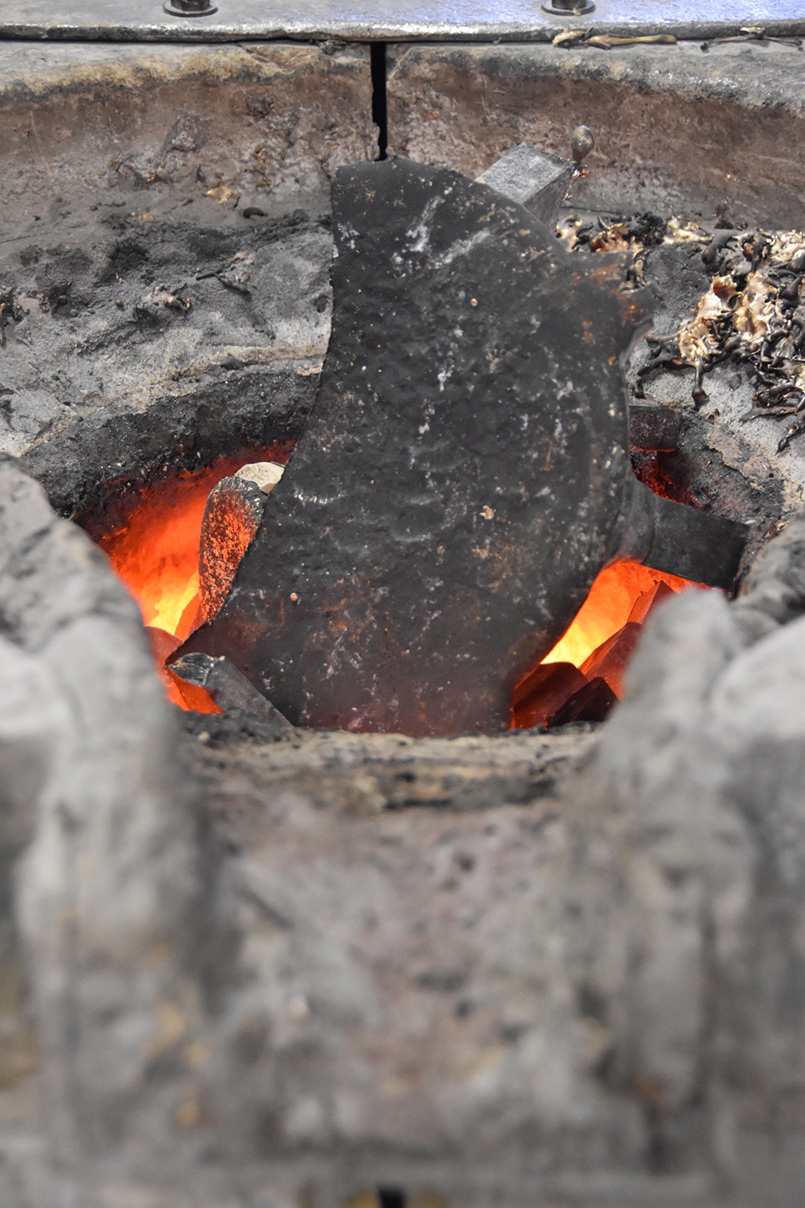
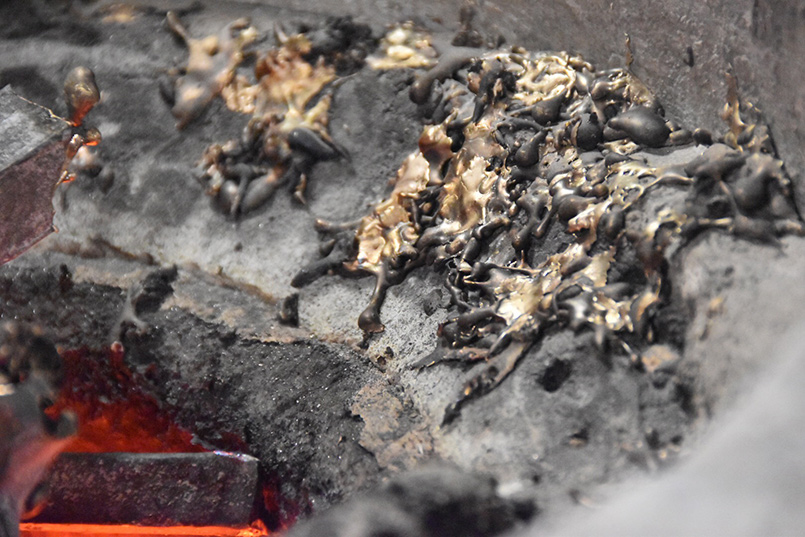
All photos courtesy of Rajkumar
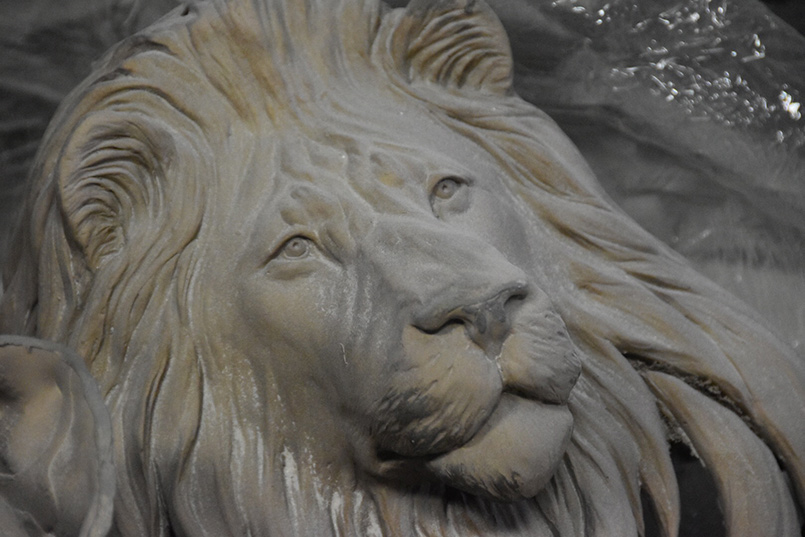
This is a finished piece. Well, finished for this part of the process anyway. Next is air-blasting the casting off and sent over to welding, finishing work and coloring or patination.
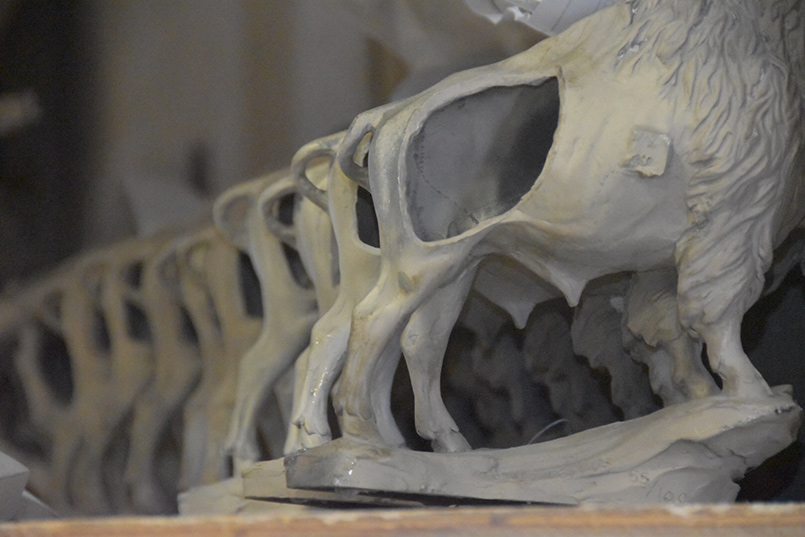
Open spots are future welding points. That is Bobbies specialty. It also, as mentioned earlier, is the point where metal can fully enter the core of a piece without bubbles.
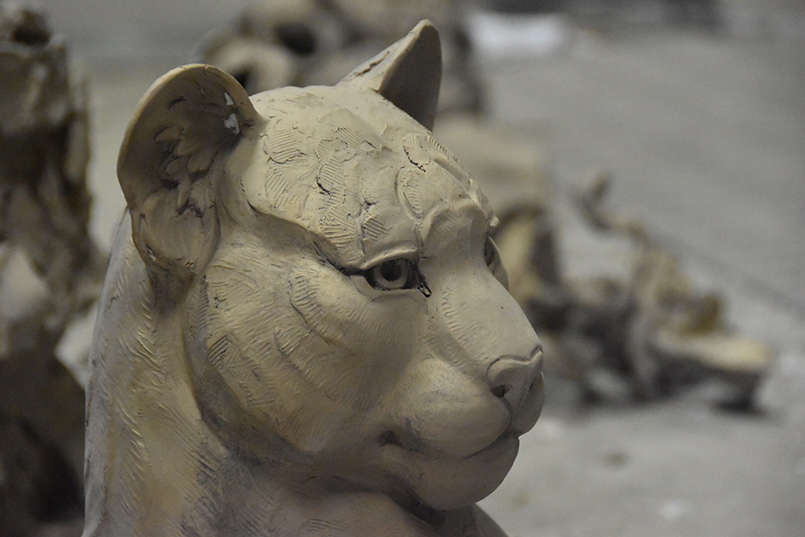
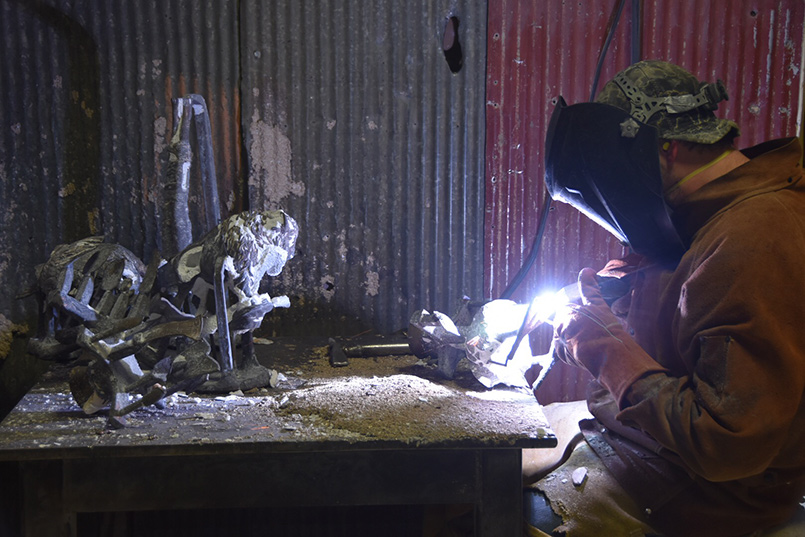
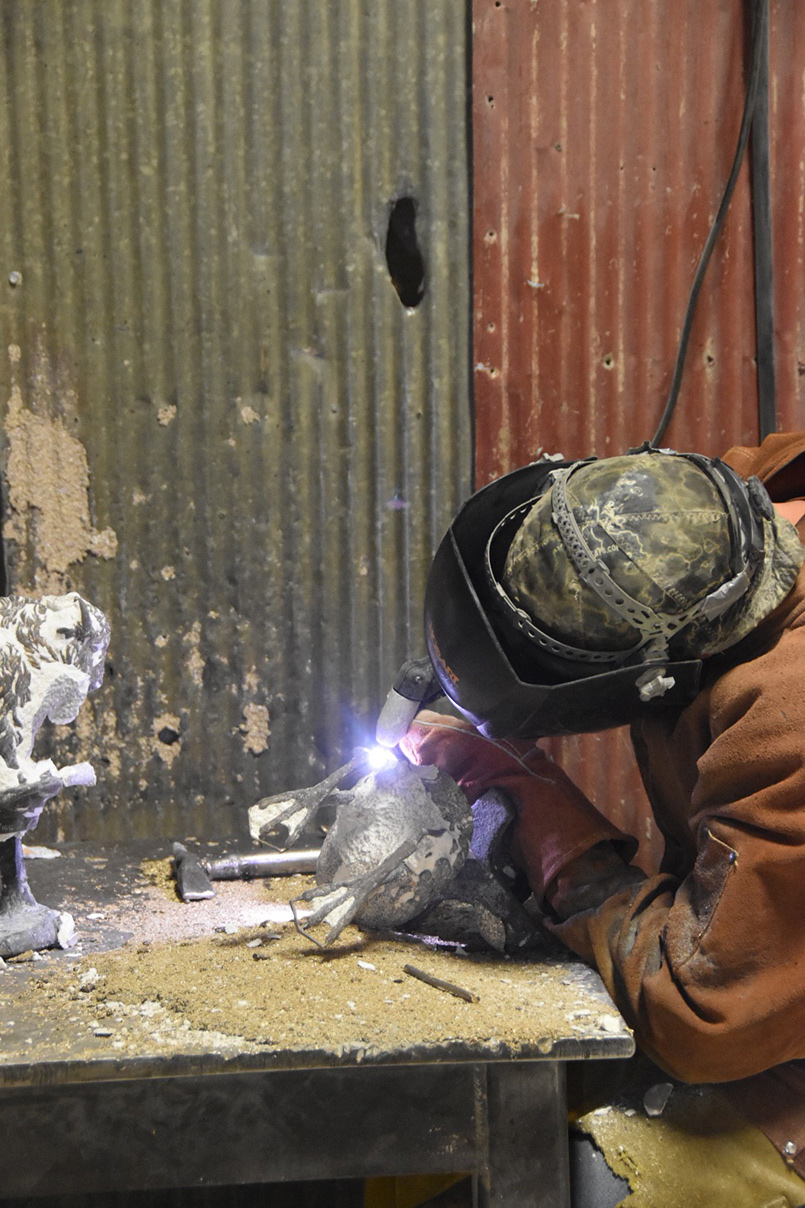
This is not welding but plasma cutting. Parts of the cast lays deep within a piece and must be cut out.
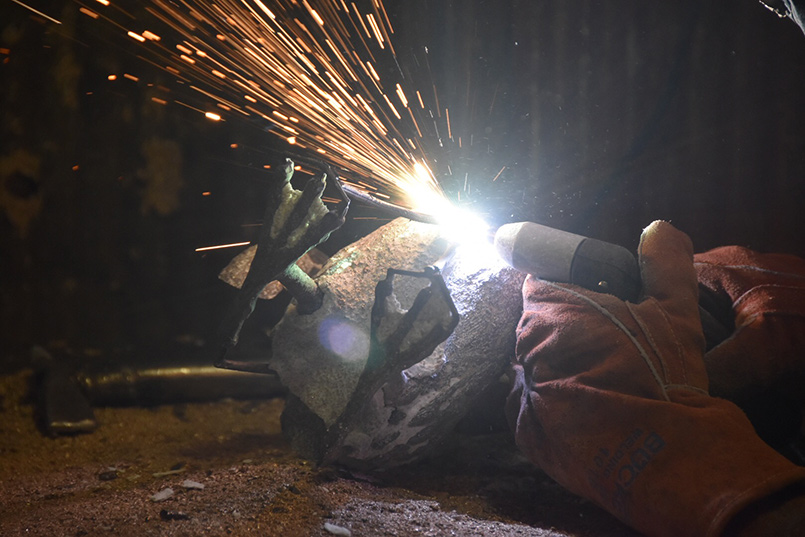
Part of the cast is cut off with a plasma cutter
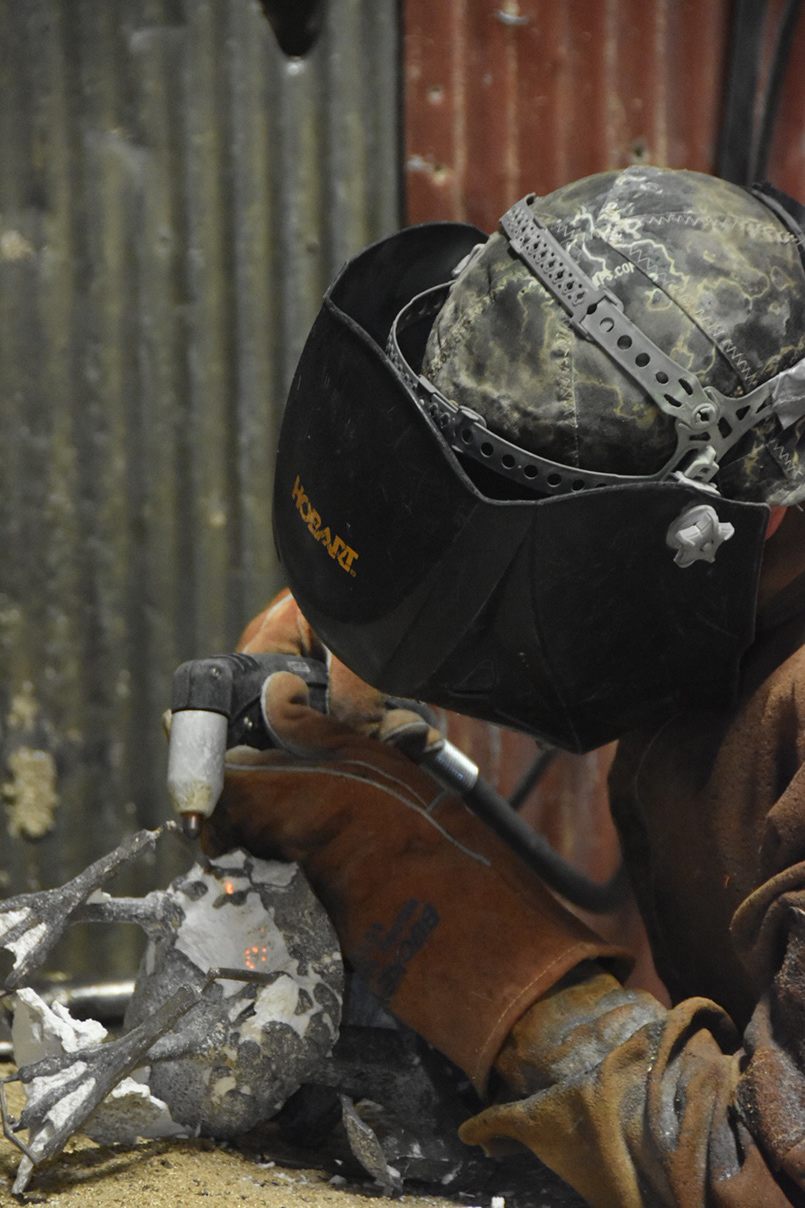
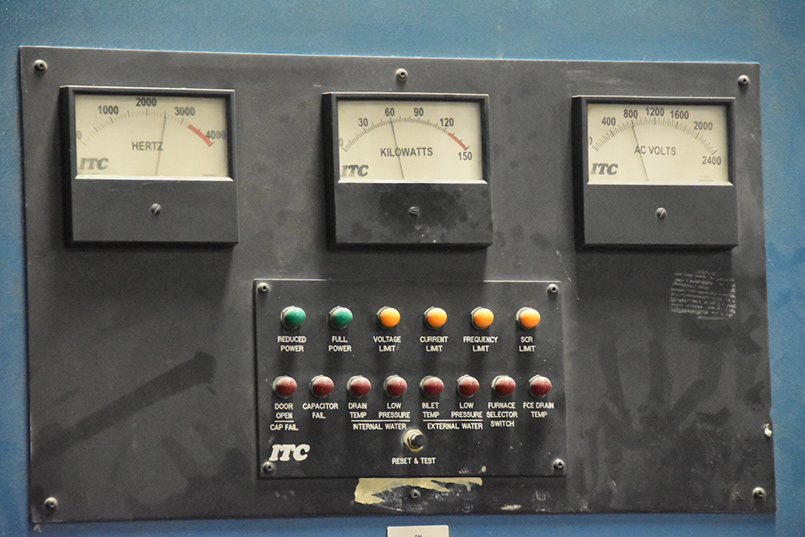
These numbers mean something...and they do something...I think
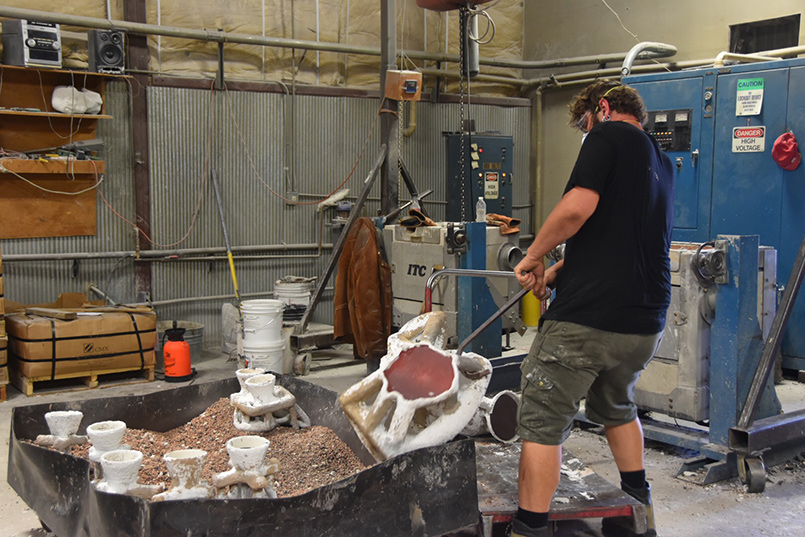
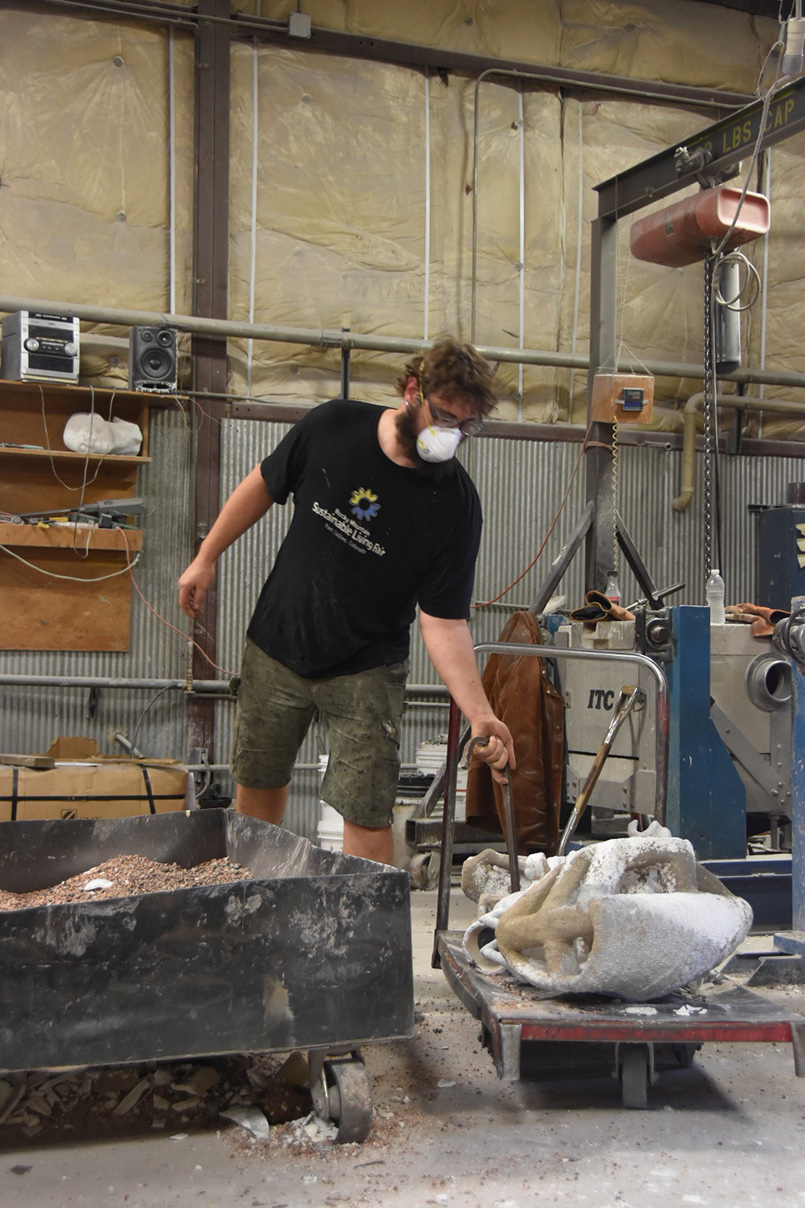
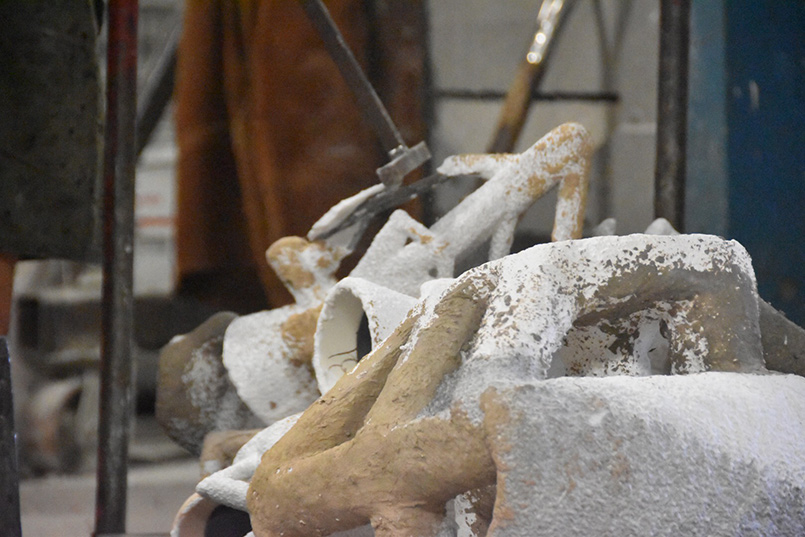
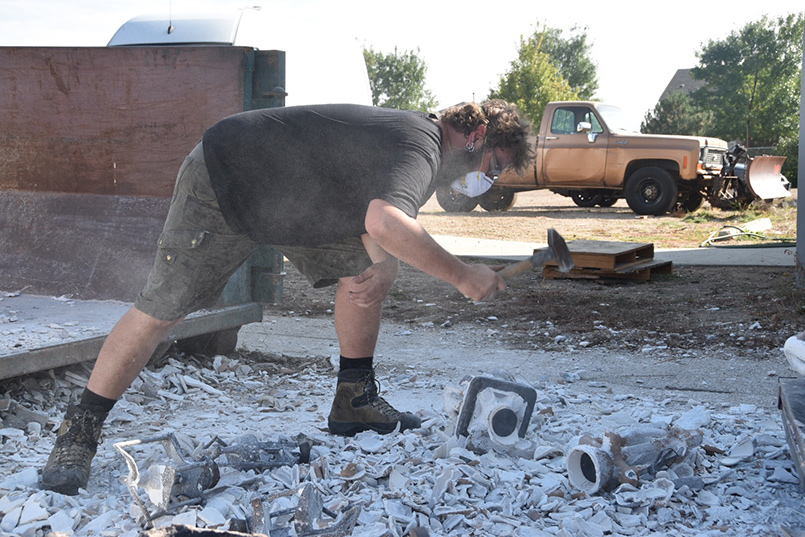
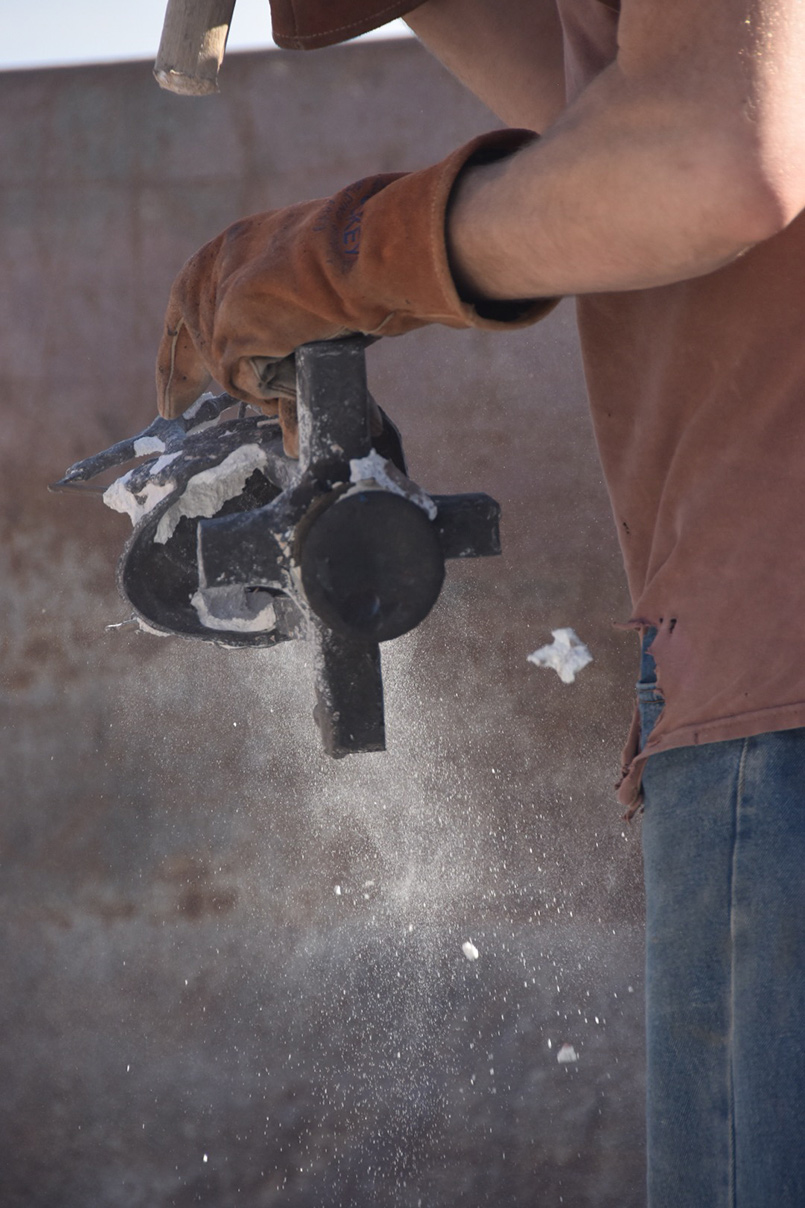
Cool enough. Time to crack these casts off with a hammer.
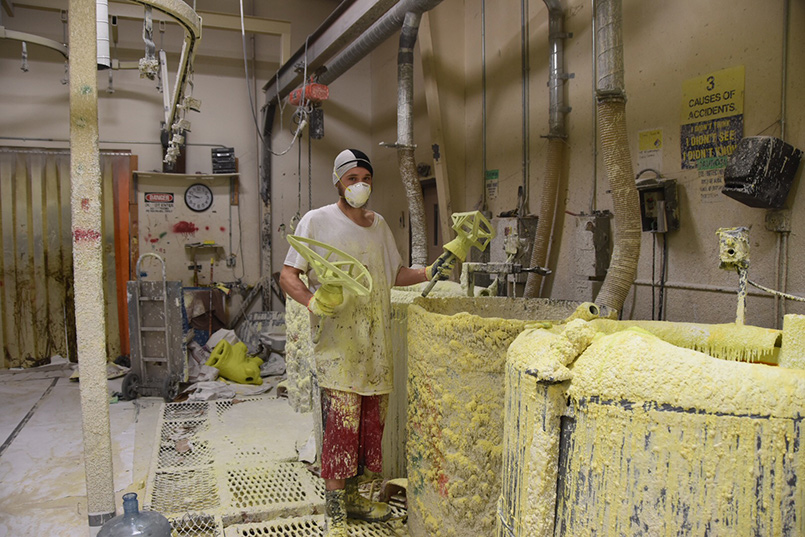
Ok before we break open the cast, let\
s look at how that cast goes around a wax mold'
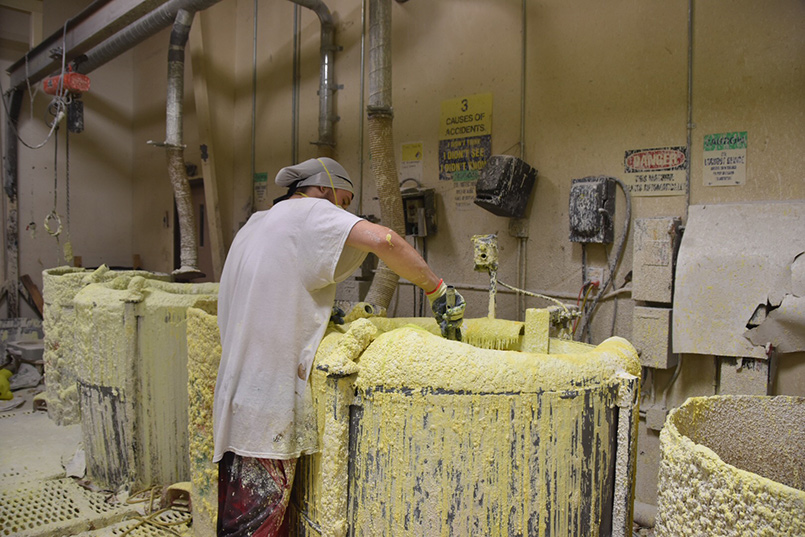
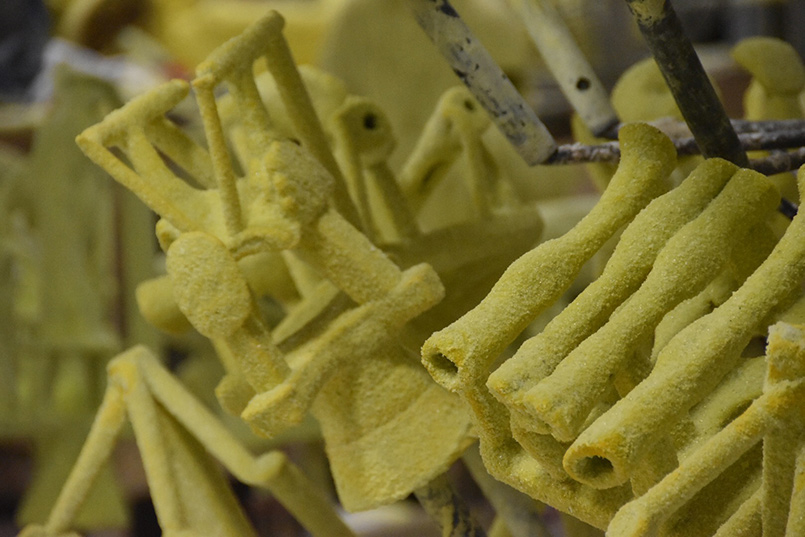
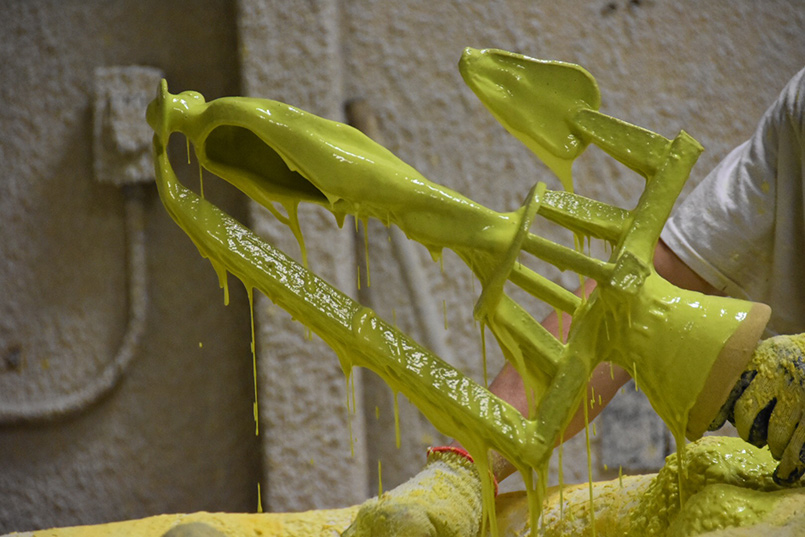
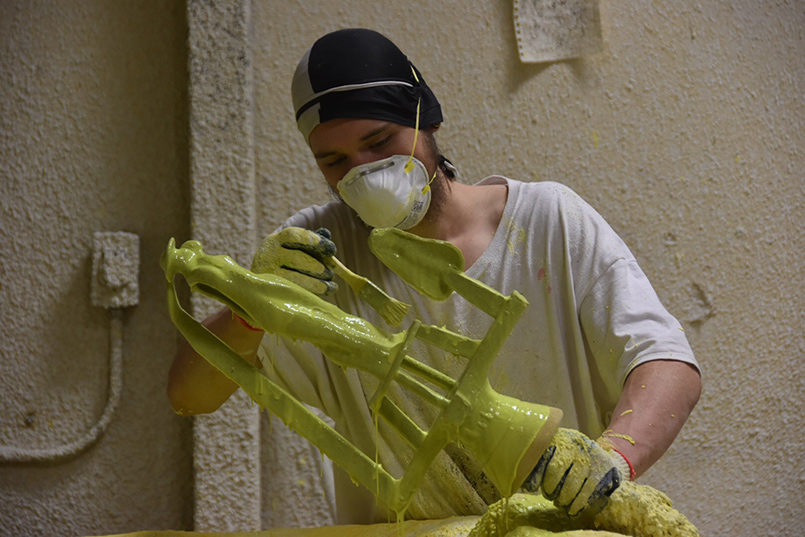
Yup, like dipping a strawberry into hot chocolate, the mold goes into this solution of magic and comes out with a hardened cast around it
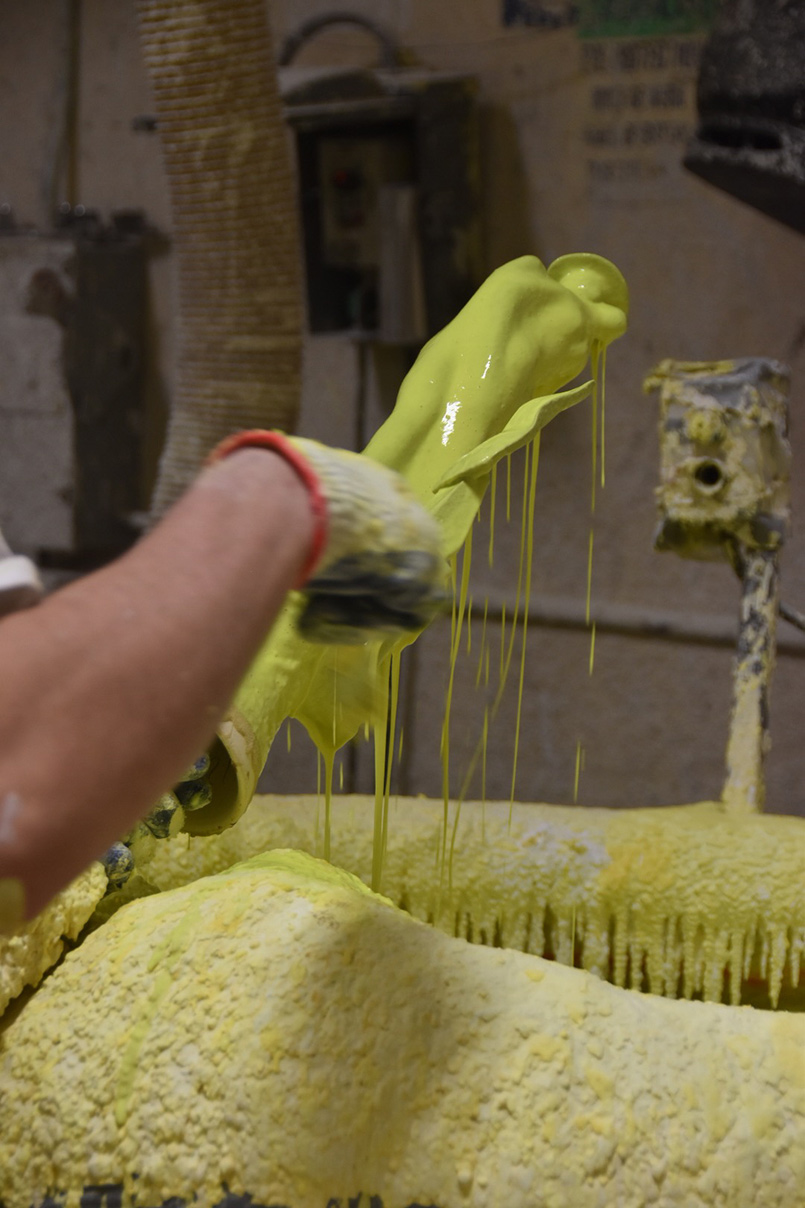
The hand is left on to create the opening effect. This lets the bronze enter.
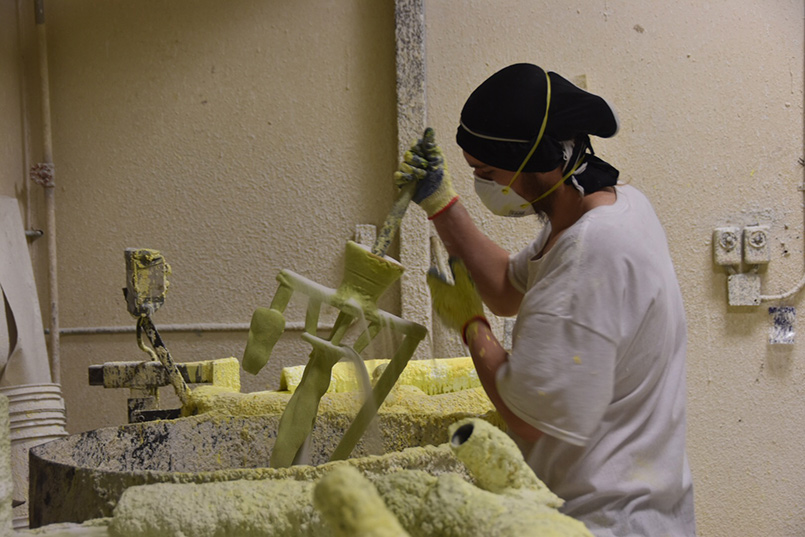
See the handle? That is carefully crafted for each piece.
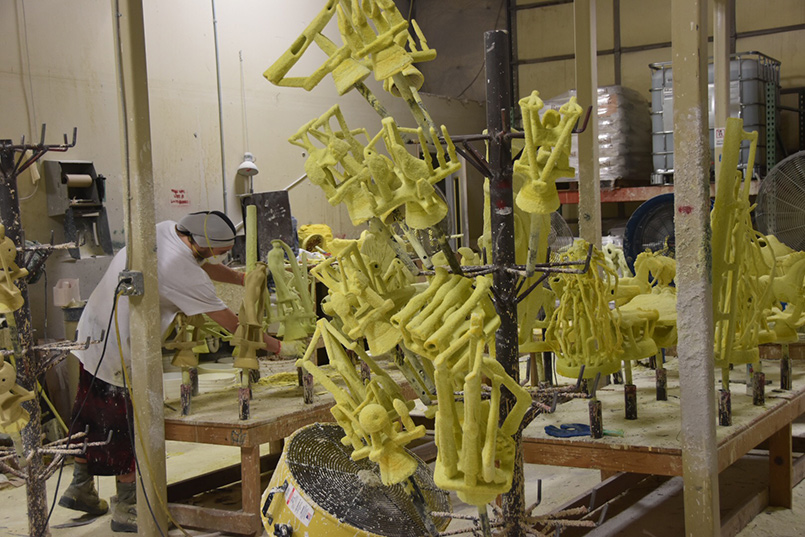
Many wax molds enter this shop and are never the same again
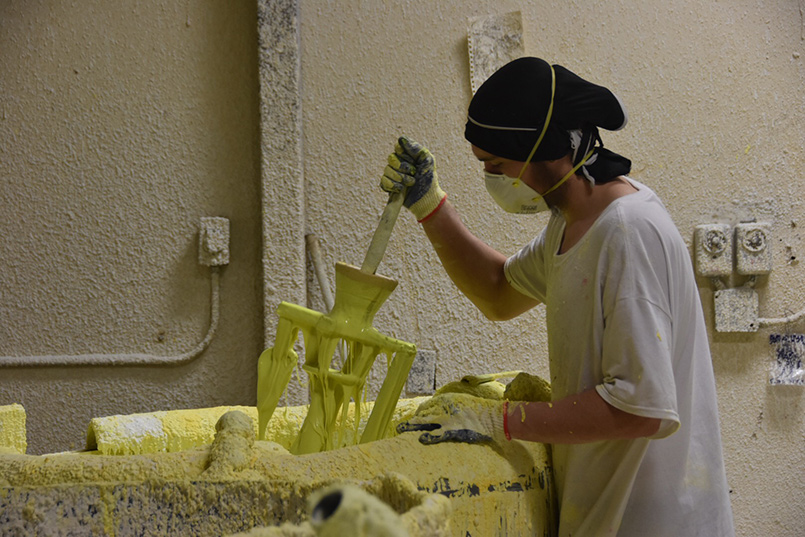
My white clothes and I photographed from afar
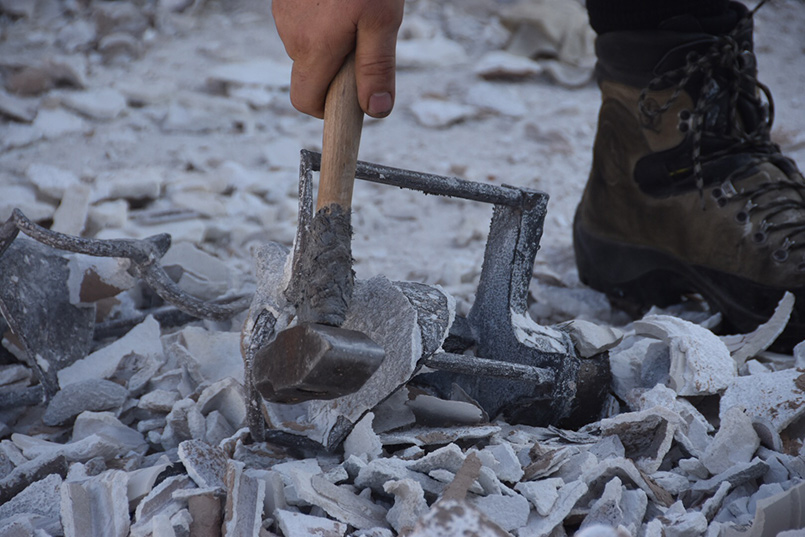
Time to break open the piece and reveal the bronze!
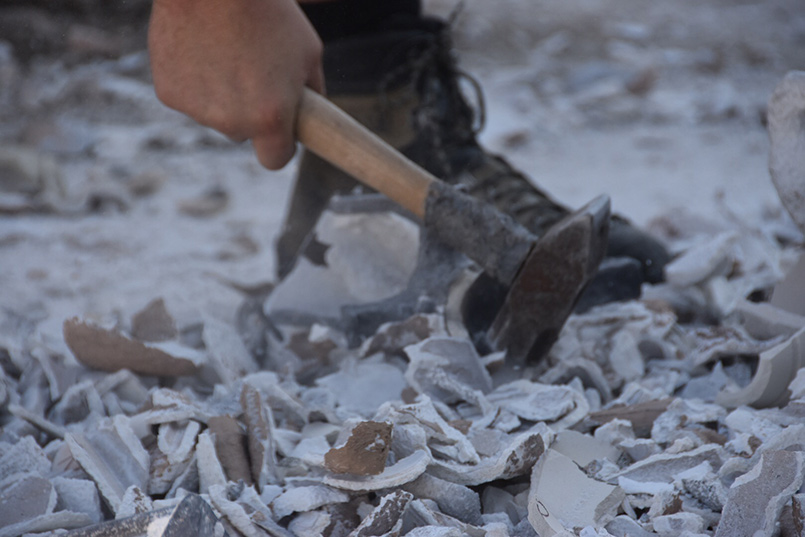
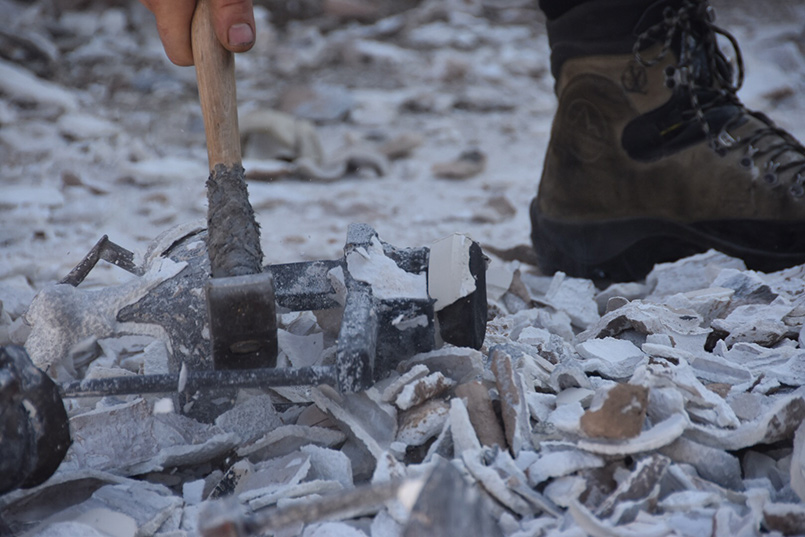
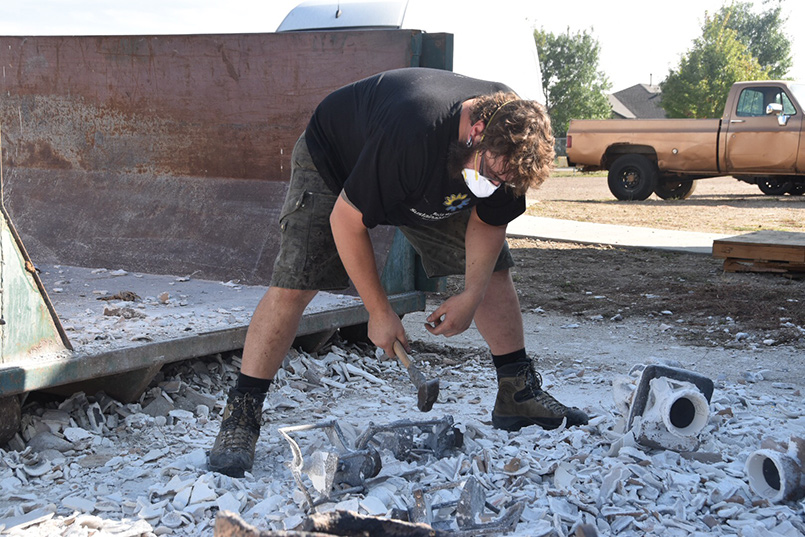
We saw roughly 5 pieces being exposed. It\
s hard to visualize the finished work since everything has to be welded together and then colored still.'
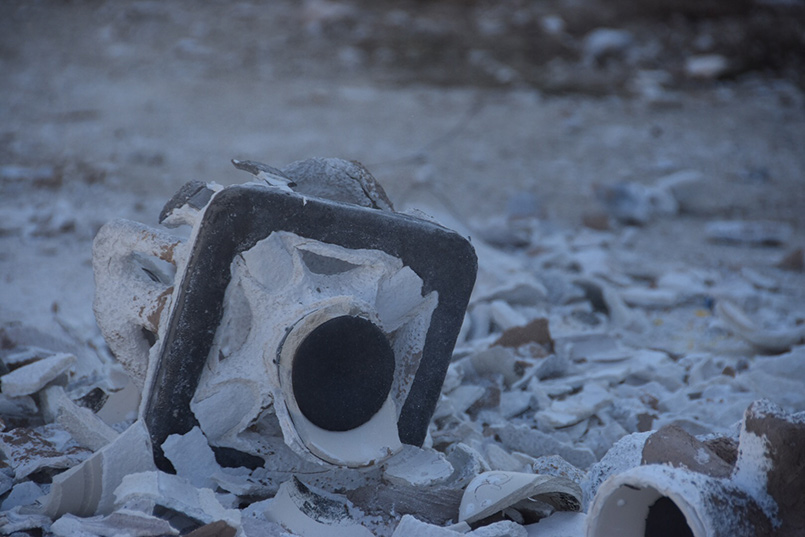
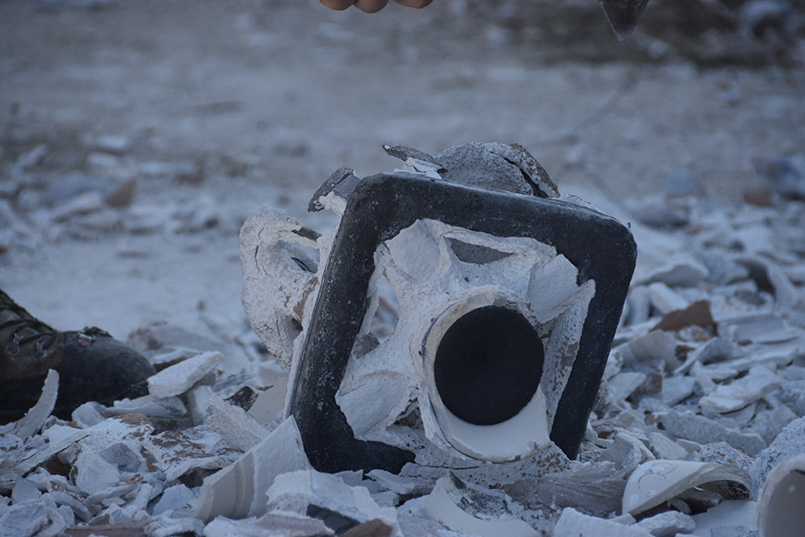
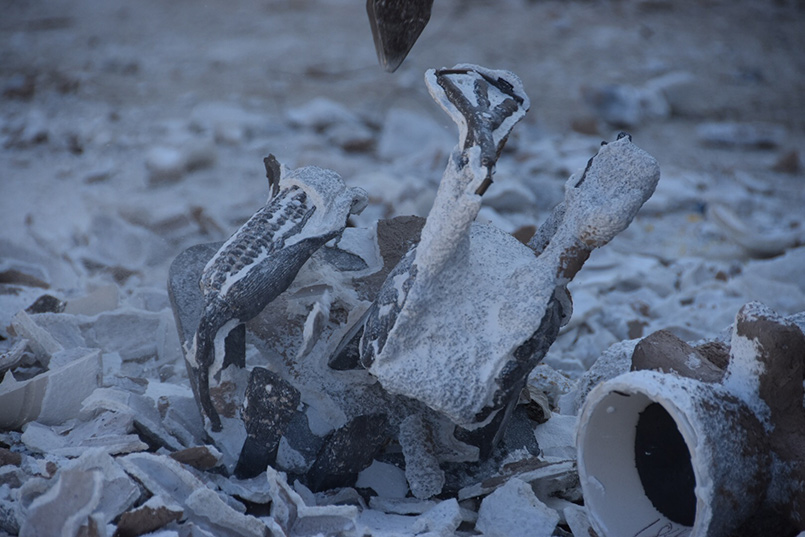
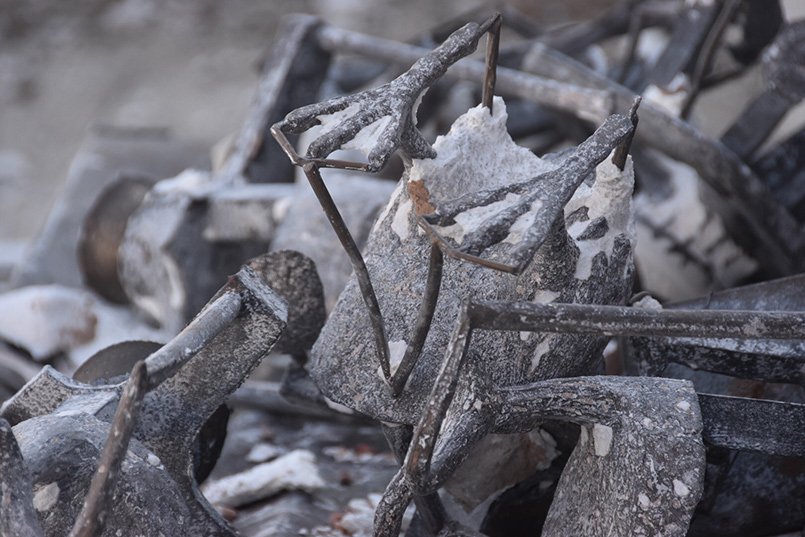
Oh wait I see a birdfoot! And an ear of corn?
Another bird of some kind
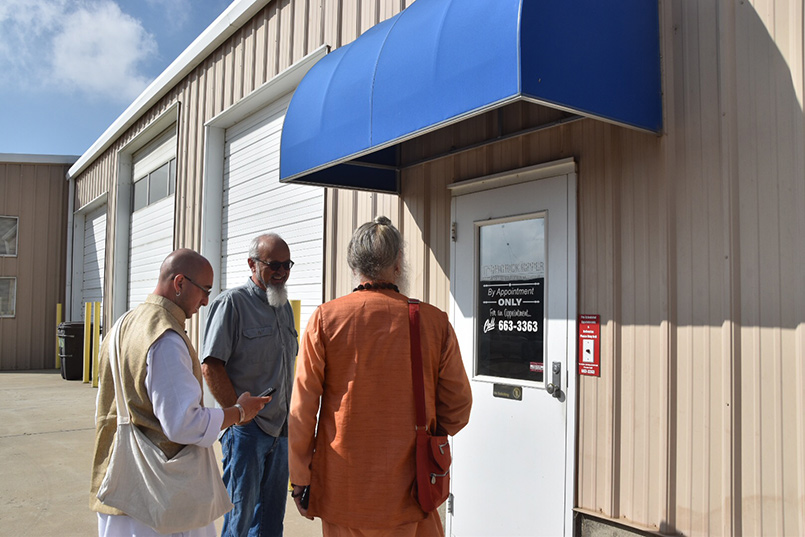
Next the group gets a delightful demonstration of coloring a bronze at another world renowned patination shop owned and operated by a very special man
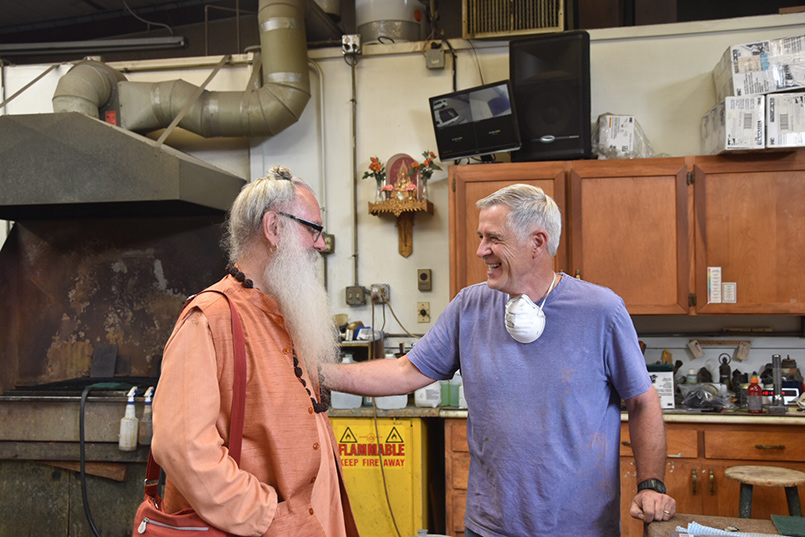
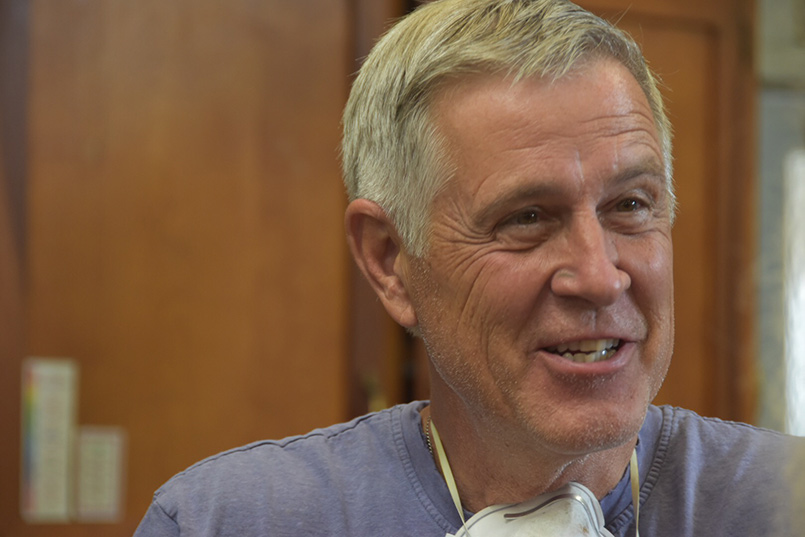
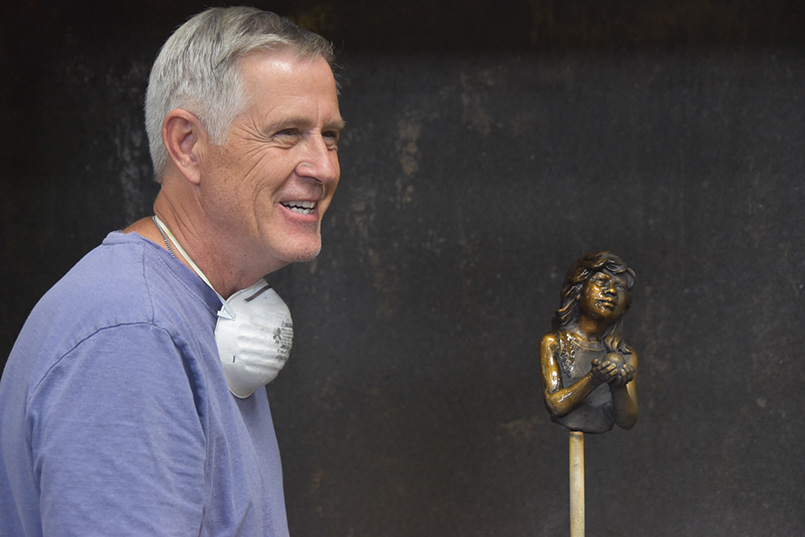
Patrick Kipper, a world renowned bronze patination expert, gives us a look around his hermit cavelike shop and shows us how he does it
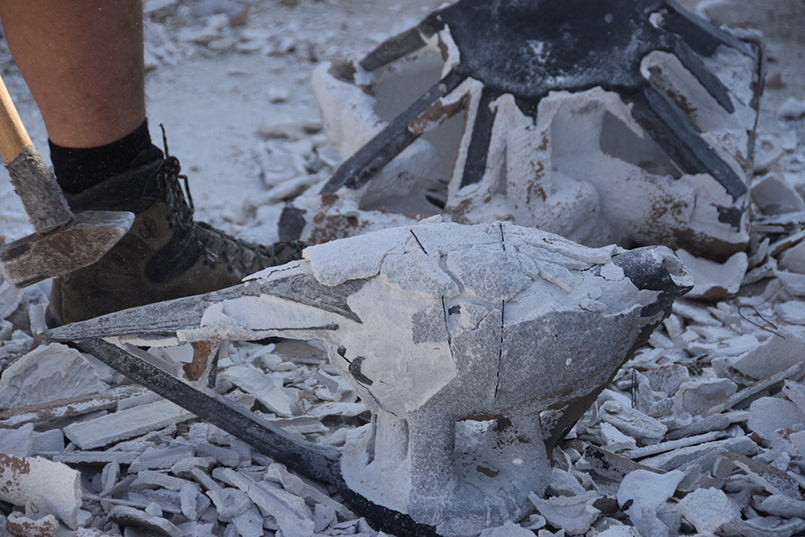
More bird...It\
s more exciting to put some photos out of place in a slideshow, keeps you on your toes'
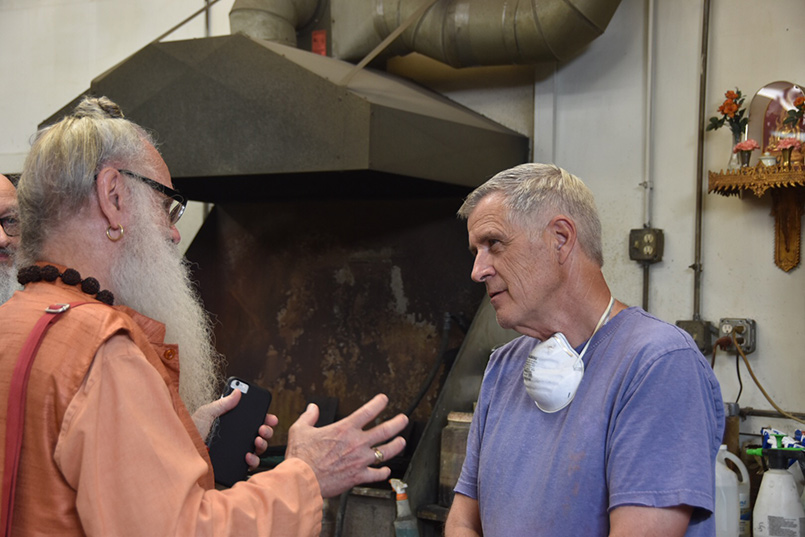
Patrick not only explains his work, but answers our own detailed questions on caring for the future of our bronze memorial. He is a repository of knowledge in this field with over 40 years of practice.
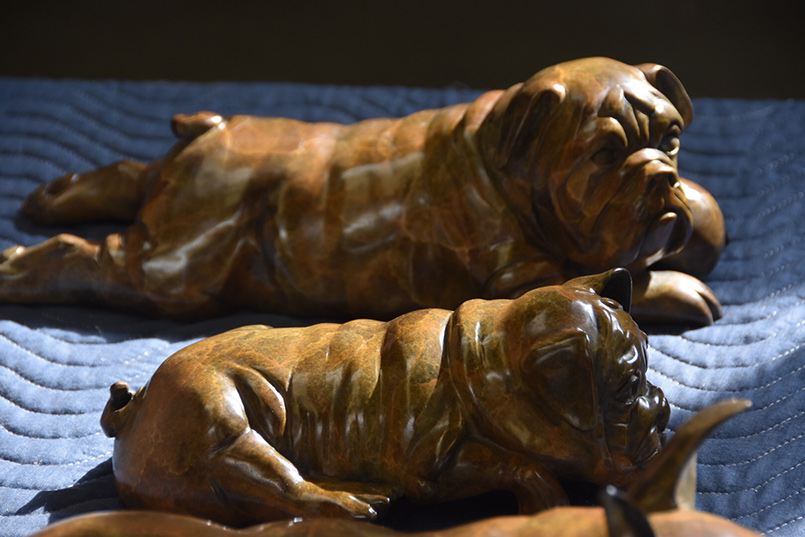
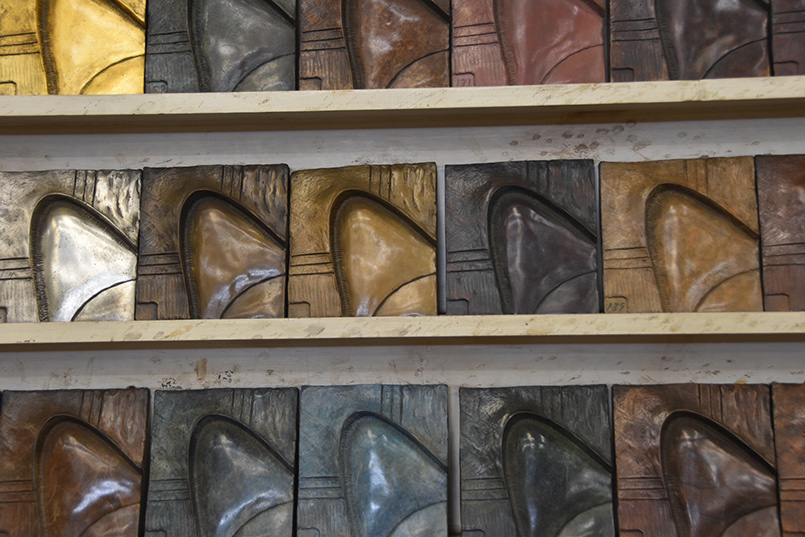
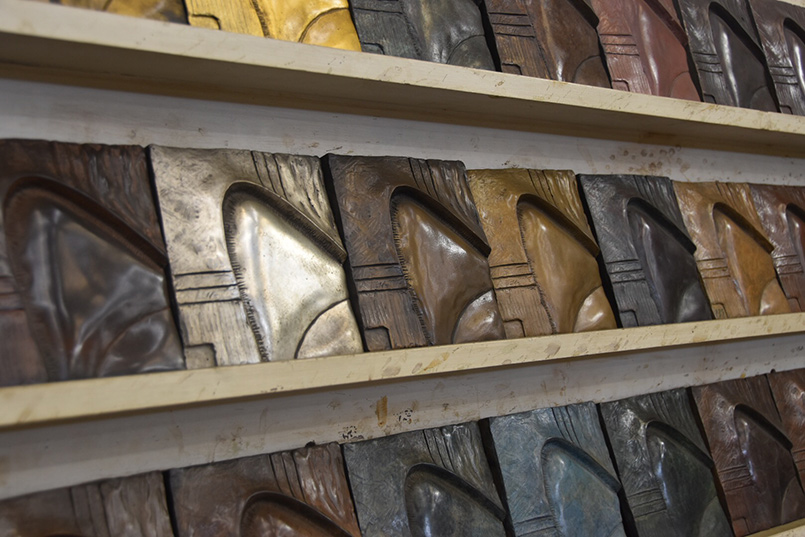
Some work he had done earlier that week. Patrick has developed several unique coloring designs that are all kept in secret. He shared a bit with the monks!
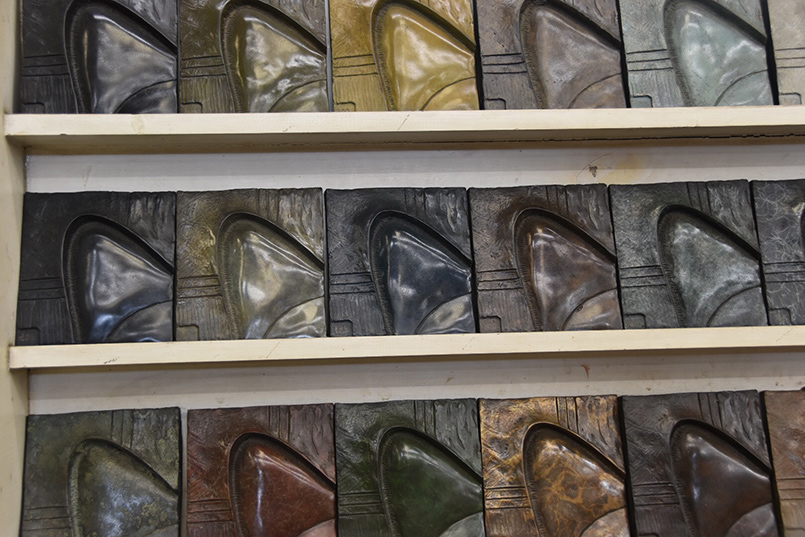
As a result of working for over 40 years in the art of bronze patination, Patrick has one of the largest patina palettes nationally and internationally
Patrick consults with sculptors, patineurs, museum, and gallery personnel on a daily basis to help solve existing problems such as patina application, choosing the right patina, how to handle problems that arise as a result of incorrect patina applications and much more.
He even has written and self published the book \"Patinas for Silicon Bronze:\" a step by step instruction manual of the various patina processes used on bronze artwork.
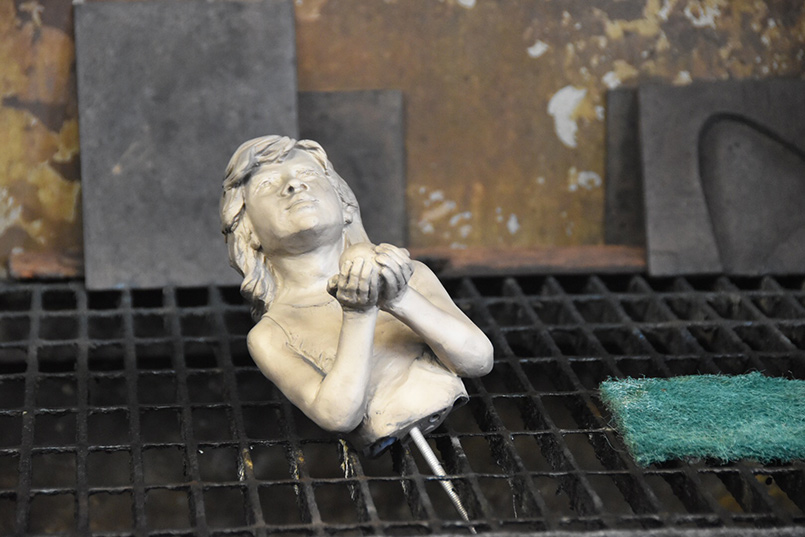
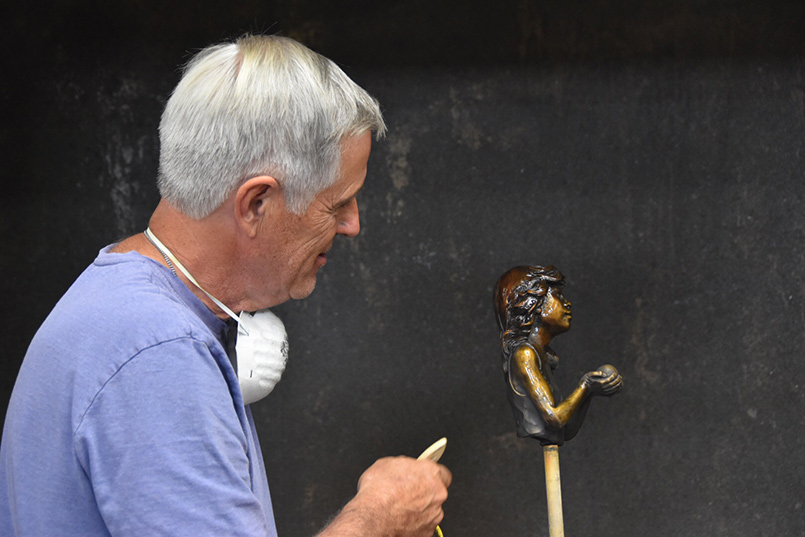
A raw bronze ready for coloring. Now begins our demonstration of patination. Again there are so many nuances and chemical names, my explanation is extremely simplified. I apologize to all craftspeople everywhere!
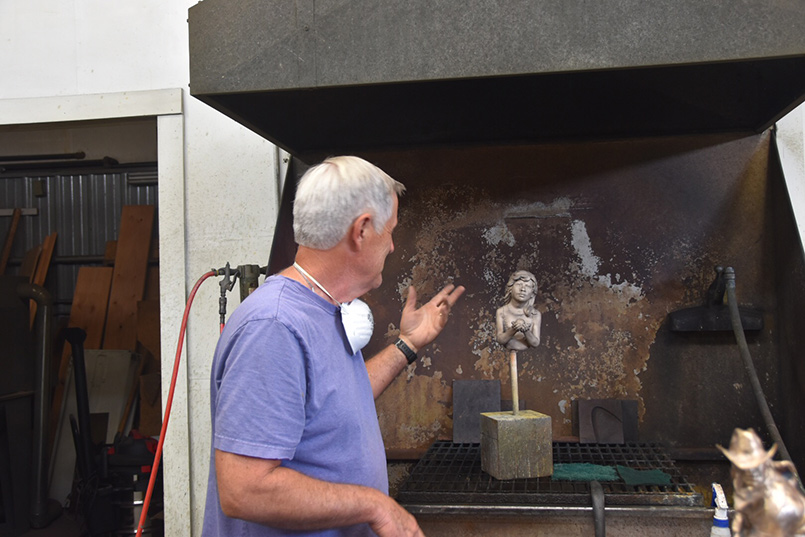
Patrick explains each step of the way. We will leave out the details of Patrick\
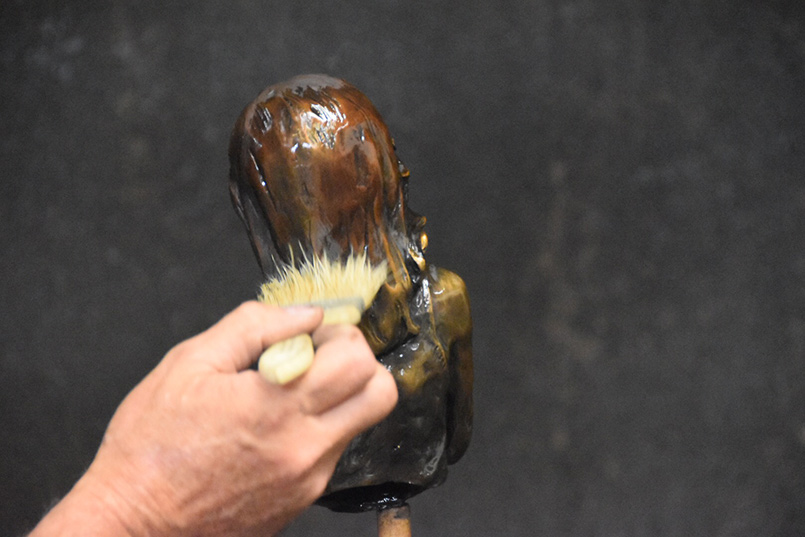
s secrets but what we can say is that once the piece is cleaned, sulphur is applied for a base coloring. '
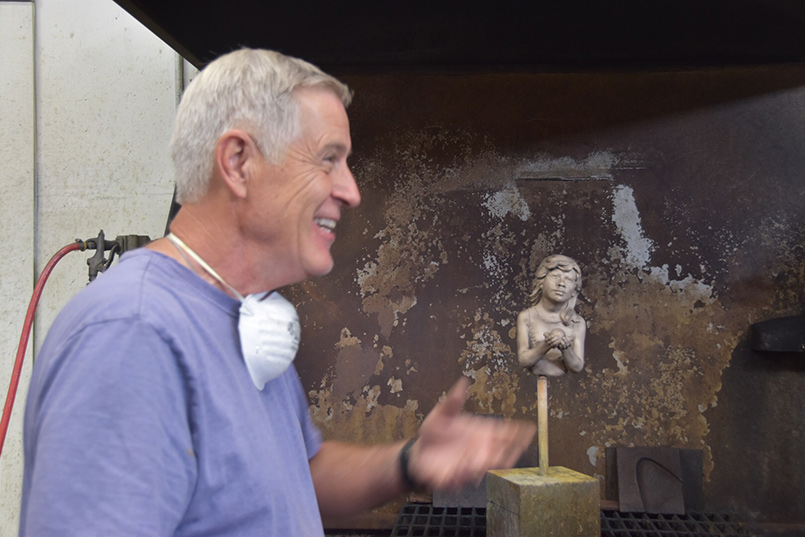
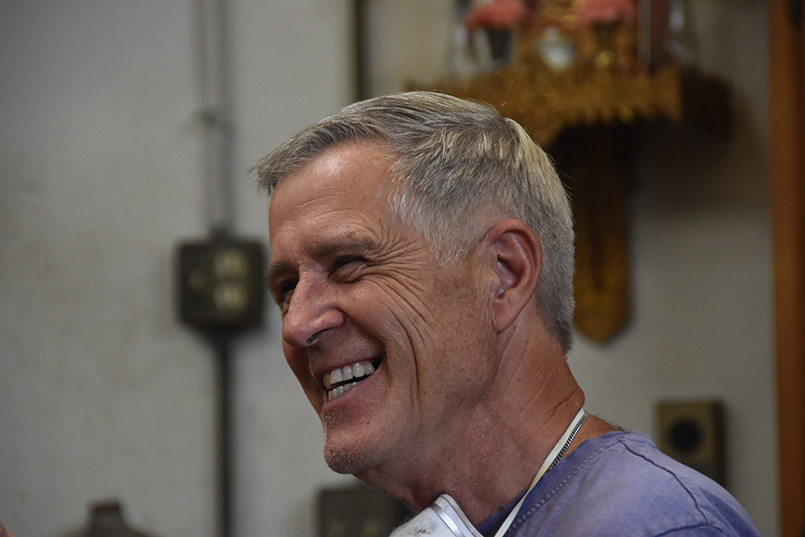
Patrick laughs a lot, probably more than me
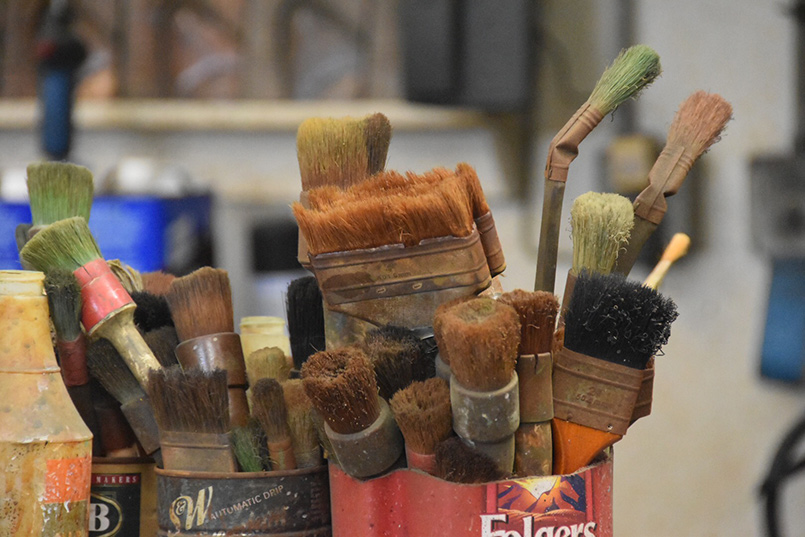
Tools of the trade
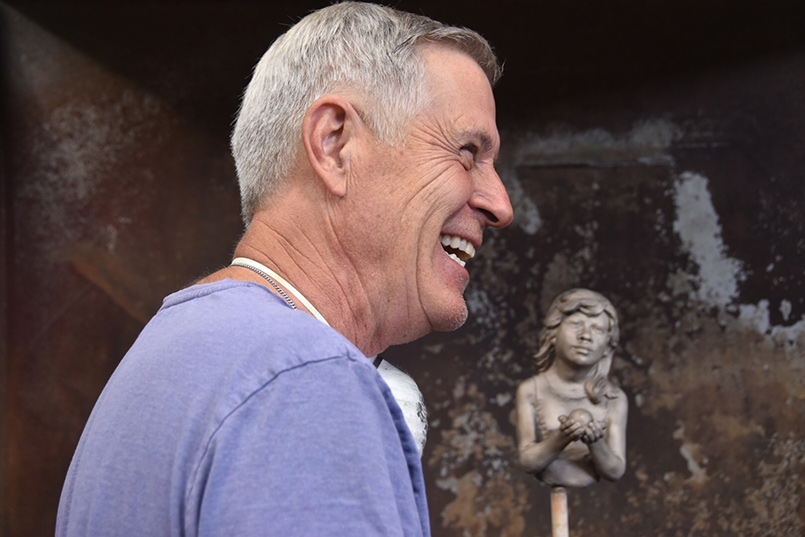
More laughing...What a great smile!
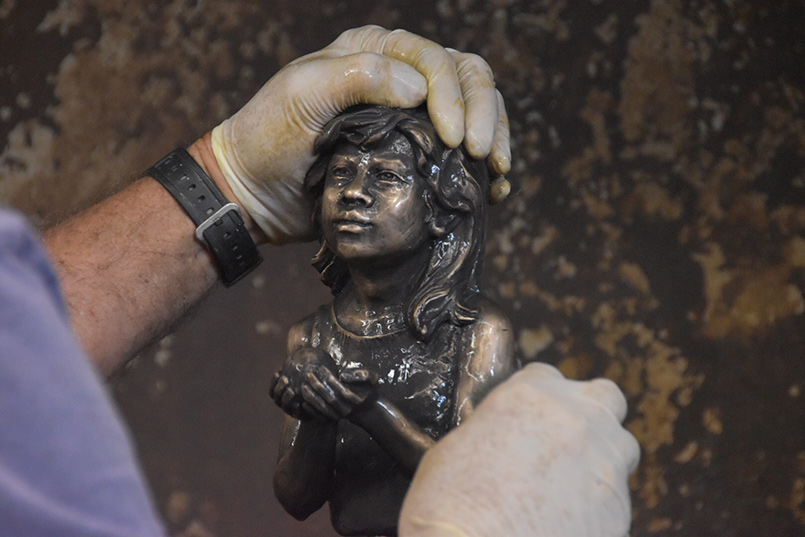
We see the sculpture take shape. Both cold and hot temps are needed for coloring. Here we see some cold work.
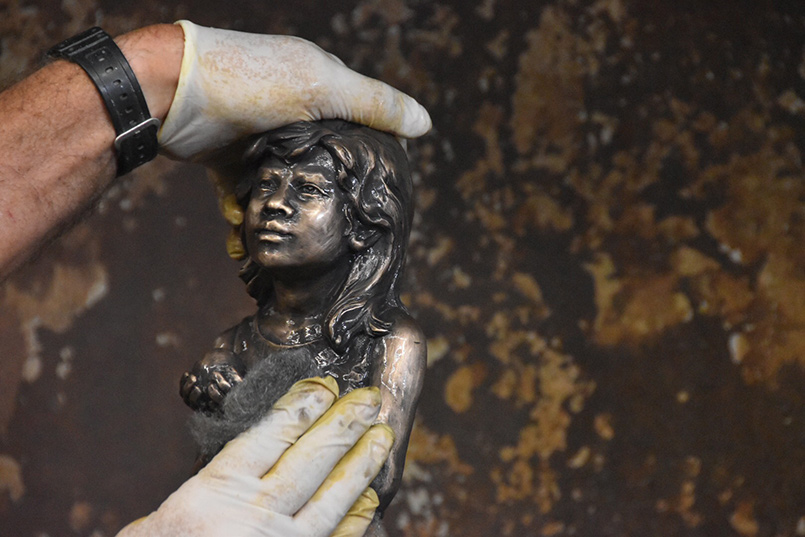
Cleaning and exposing certain areas for depth
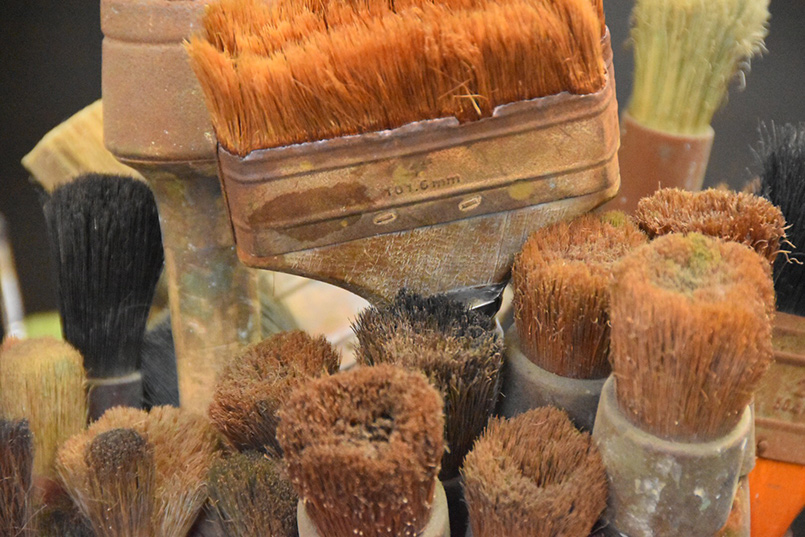
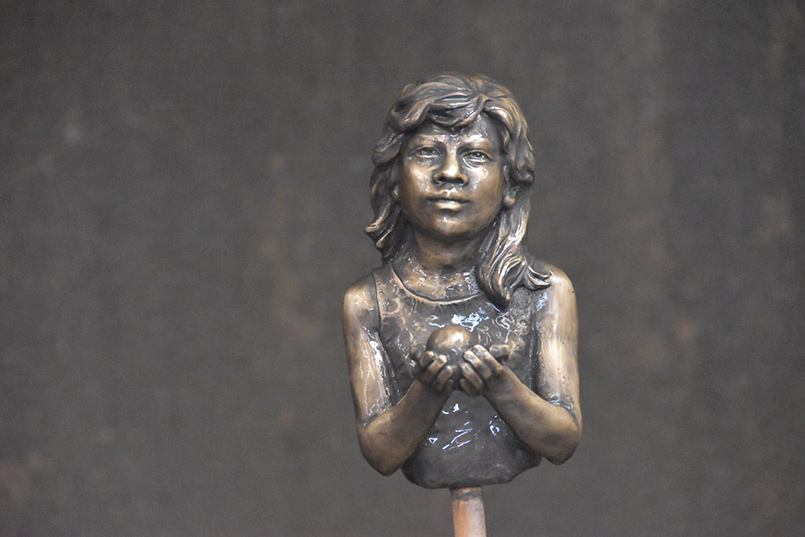
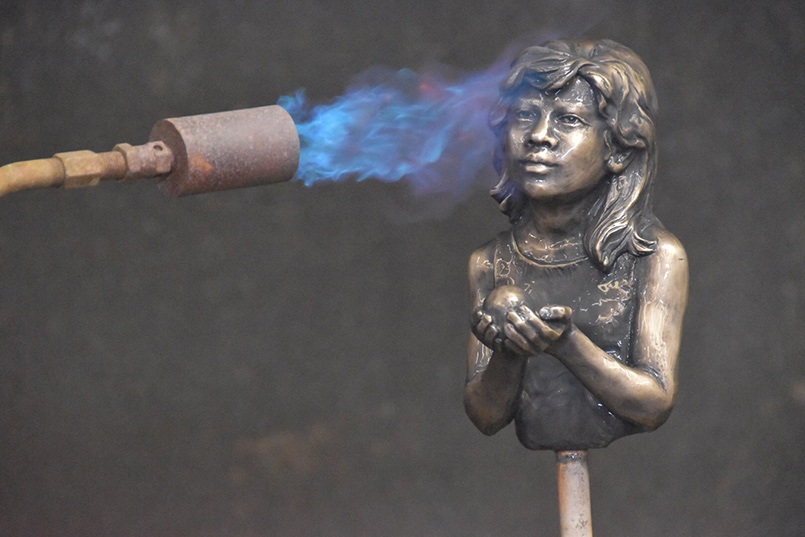
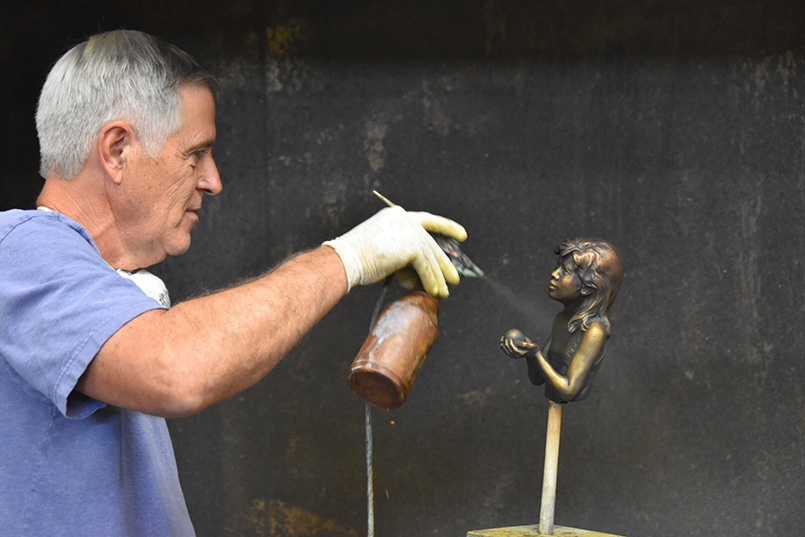
Hot work. Once the piece is a certain temp Patrick can apply more colors that will look better and last forever.
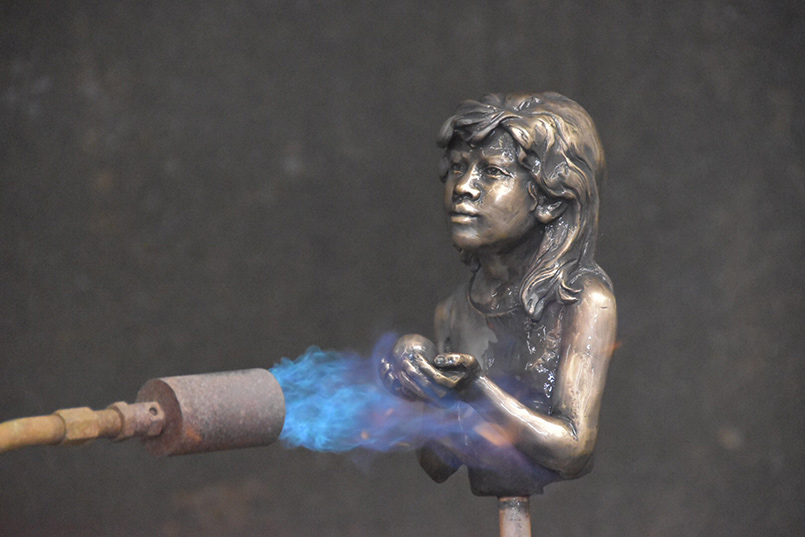
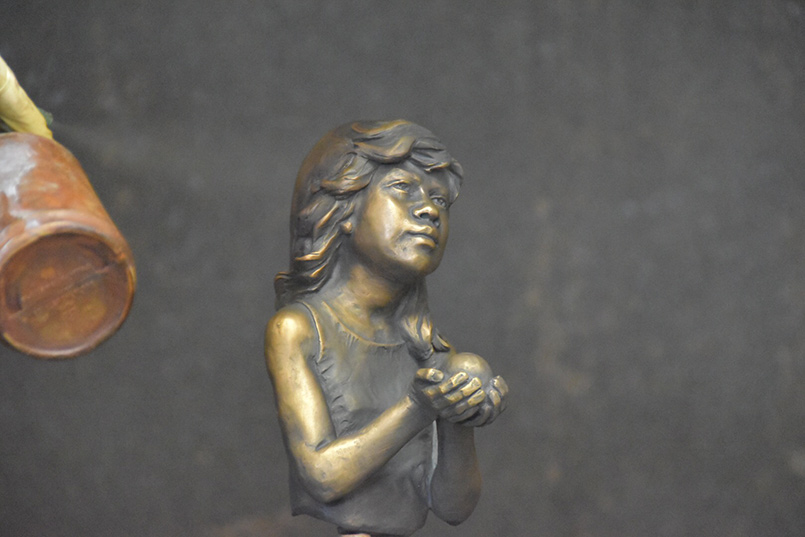
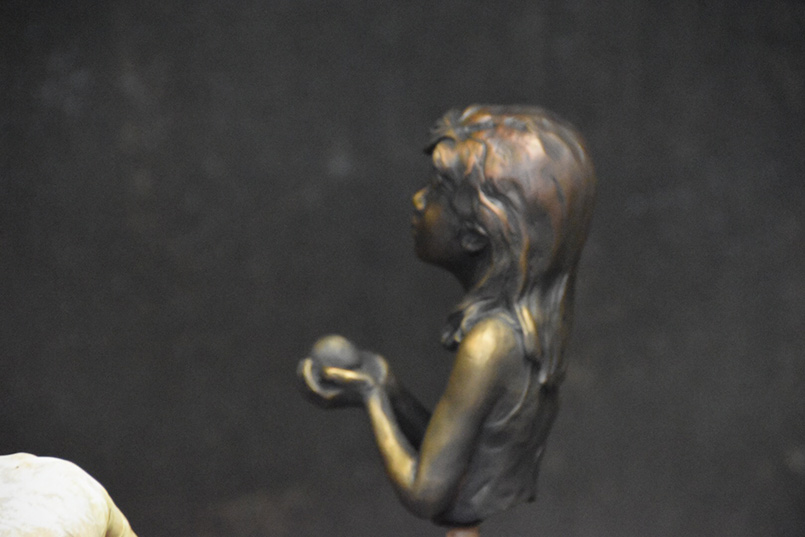
Spraying the hair
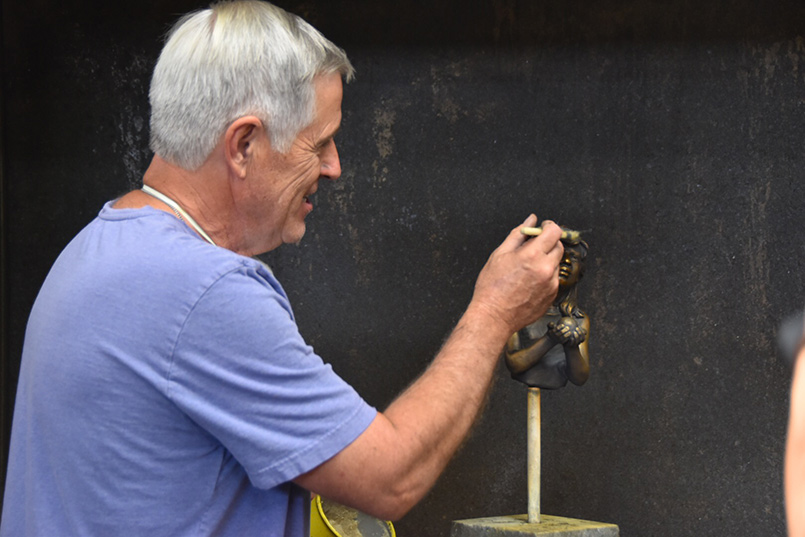
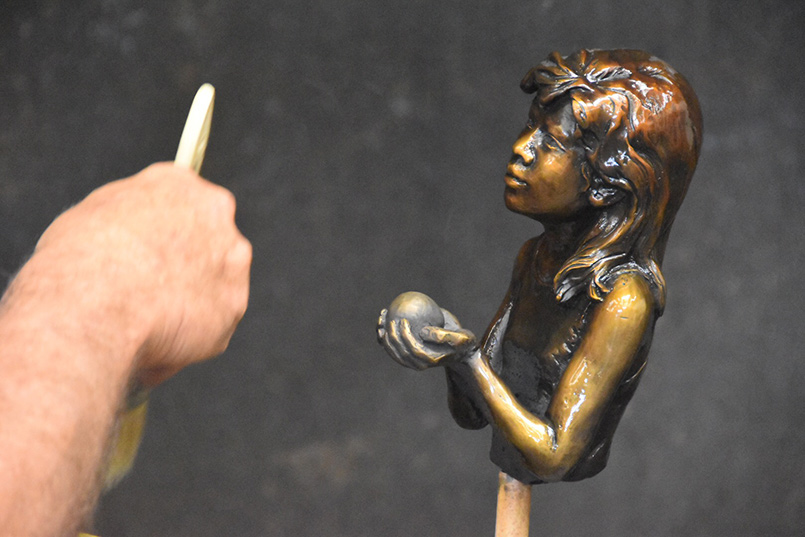
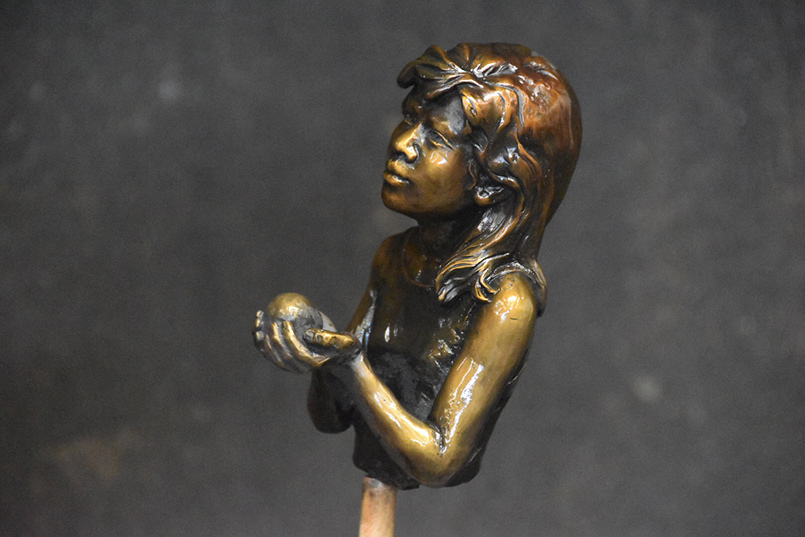
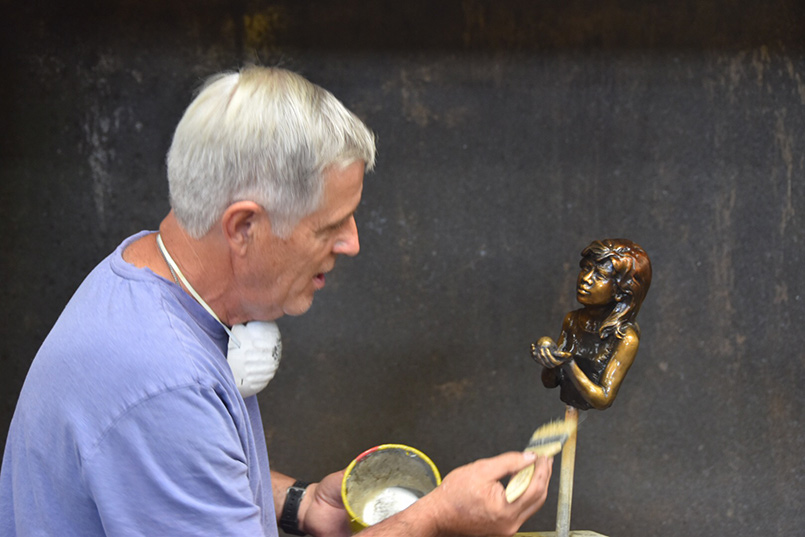
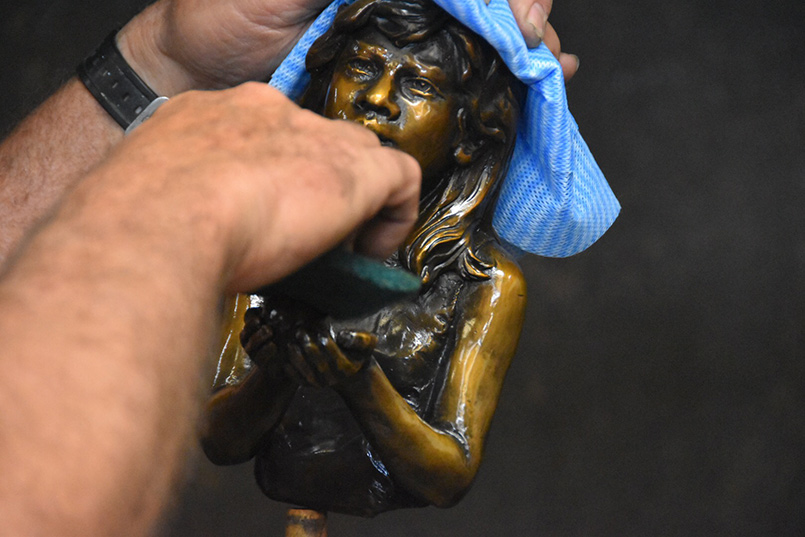
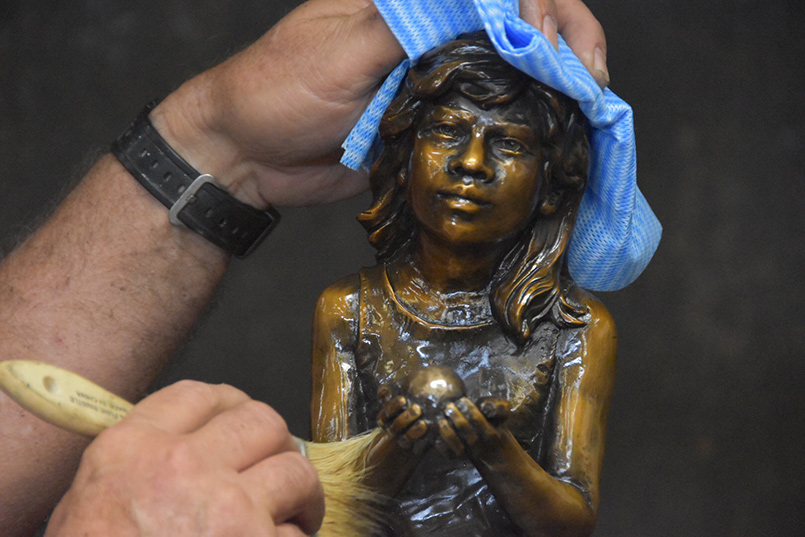
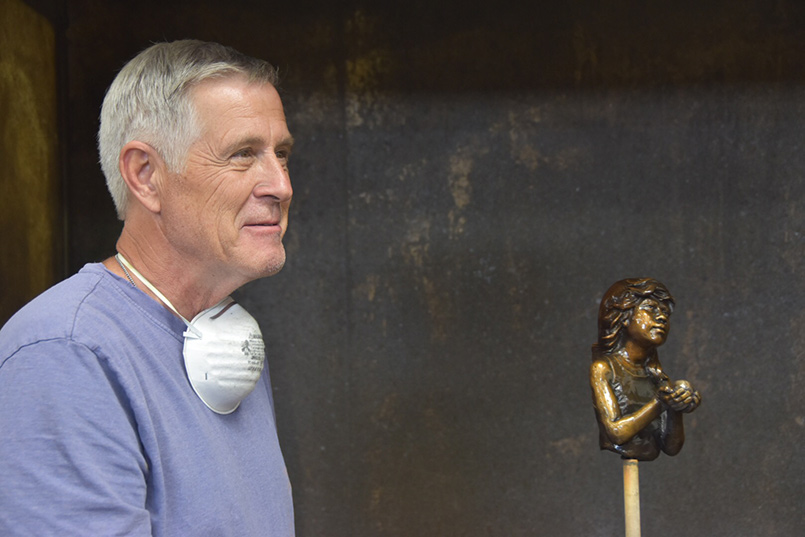
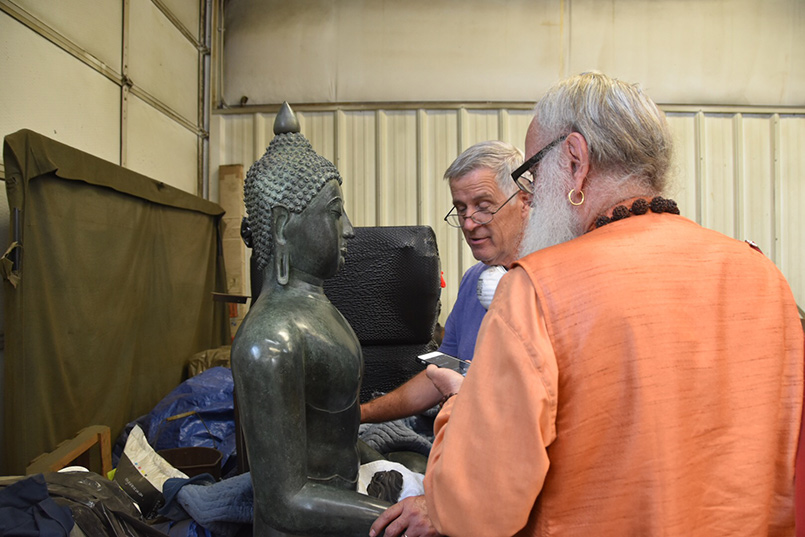
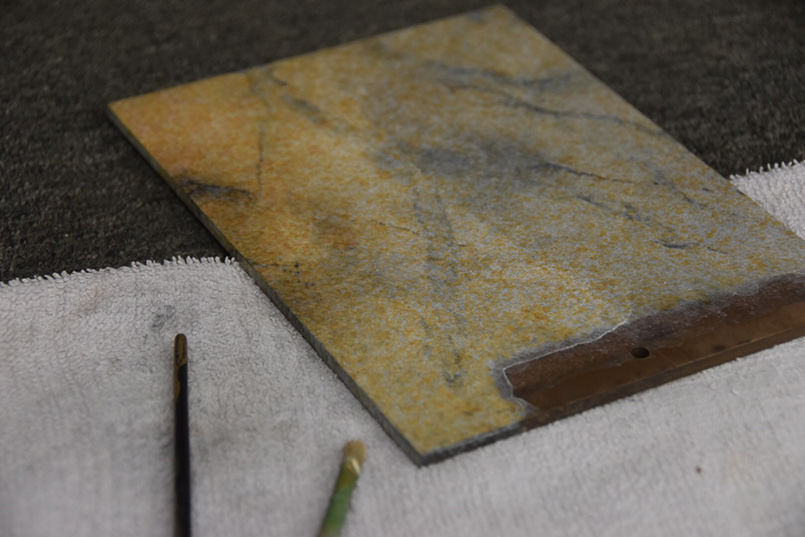
Patrick then goes on to show us a beautiful bronze that he made look like marble
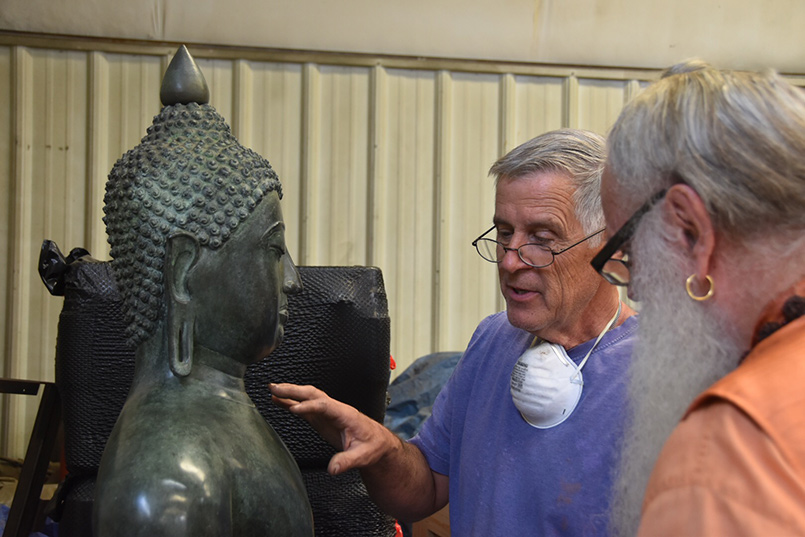
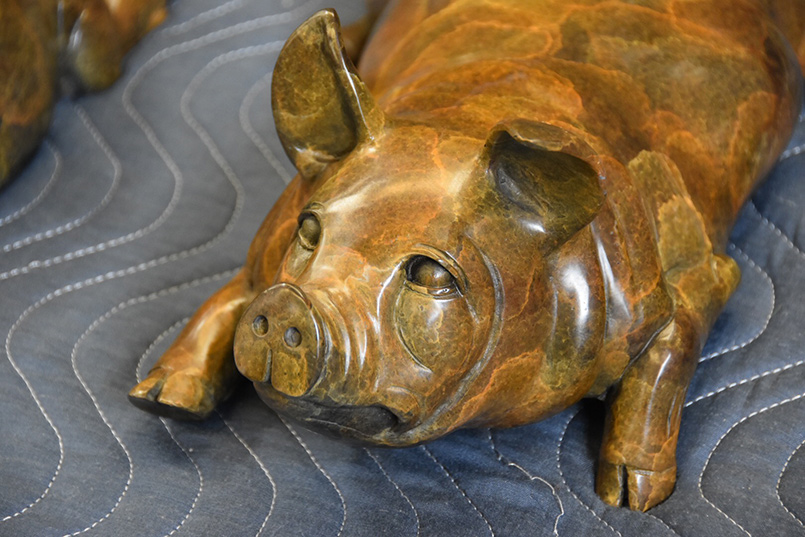
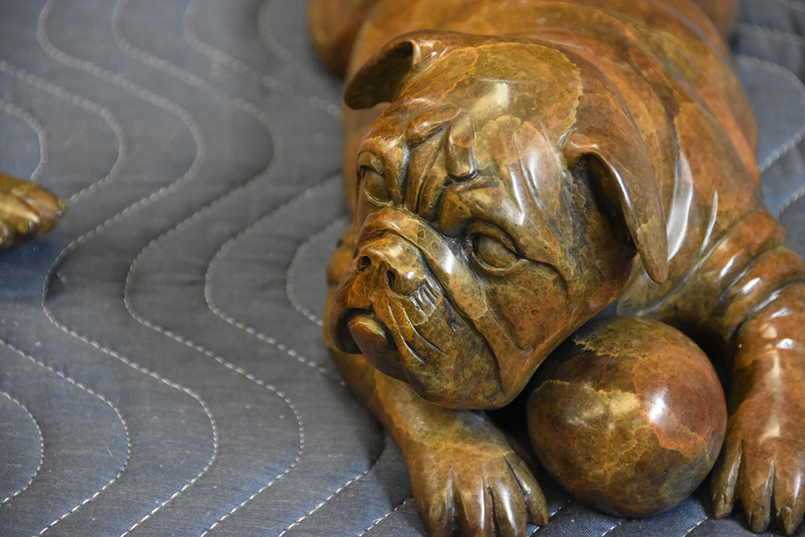
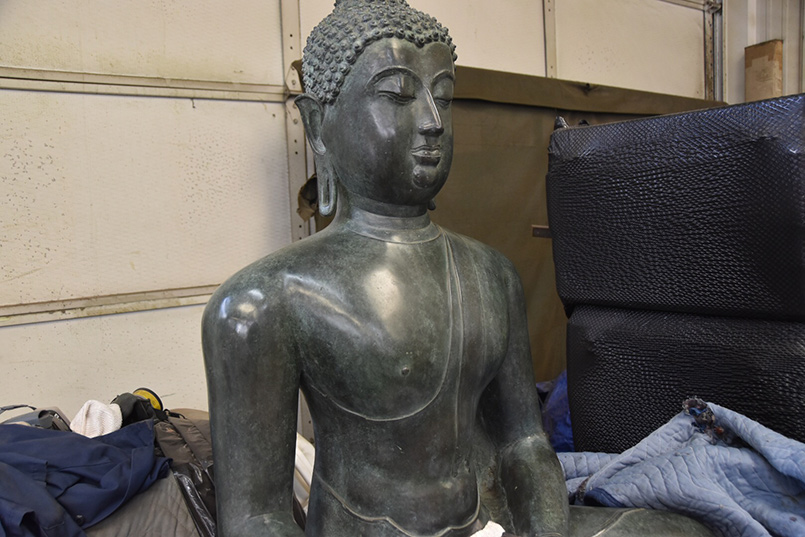
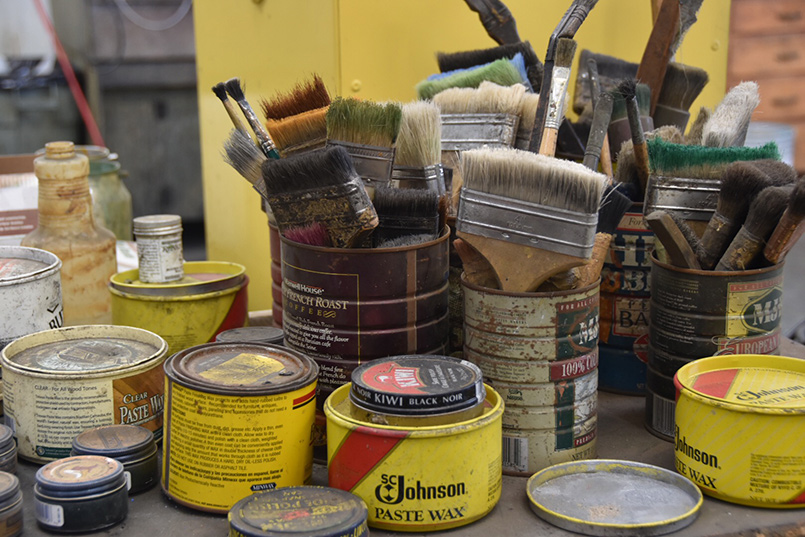
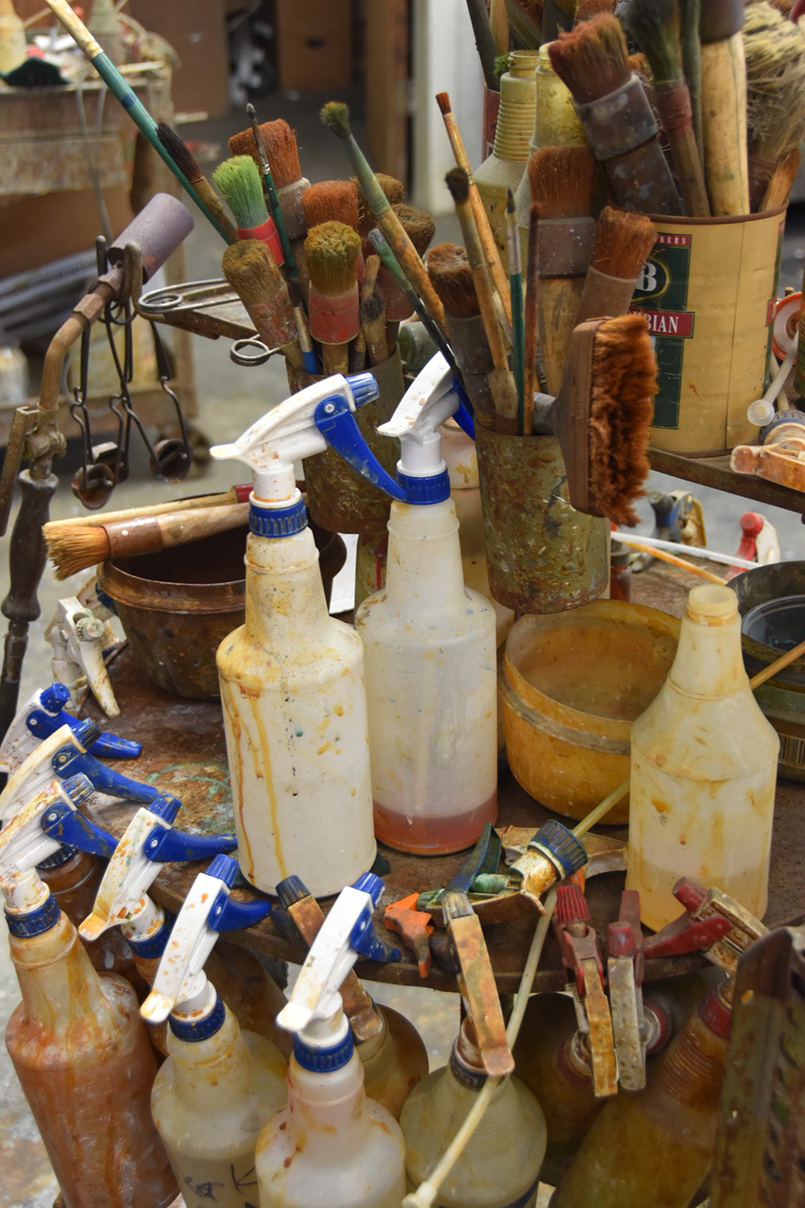
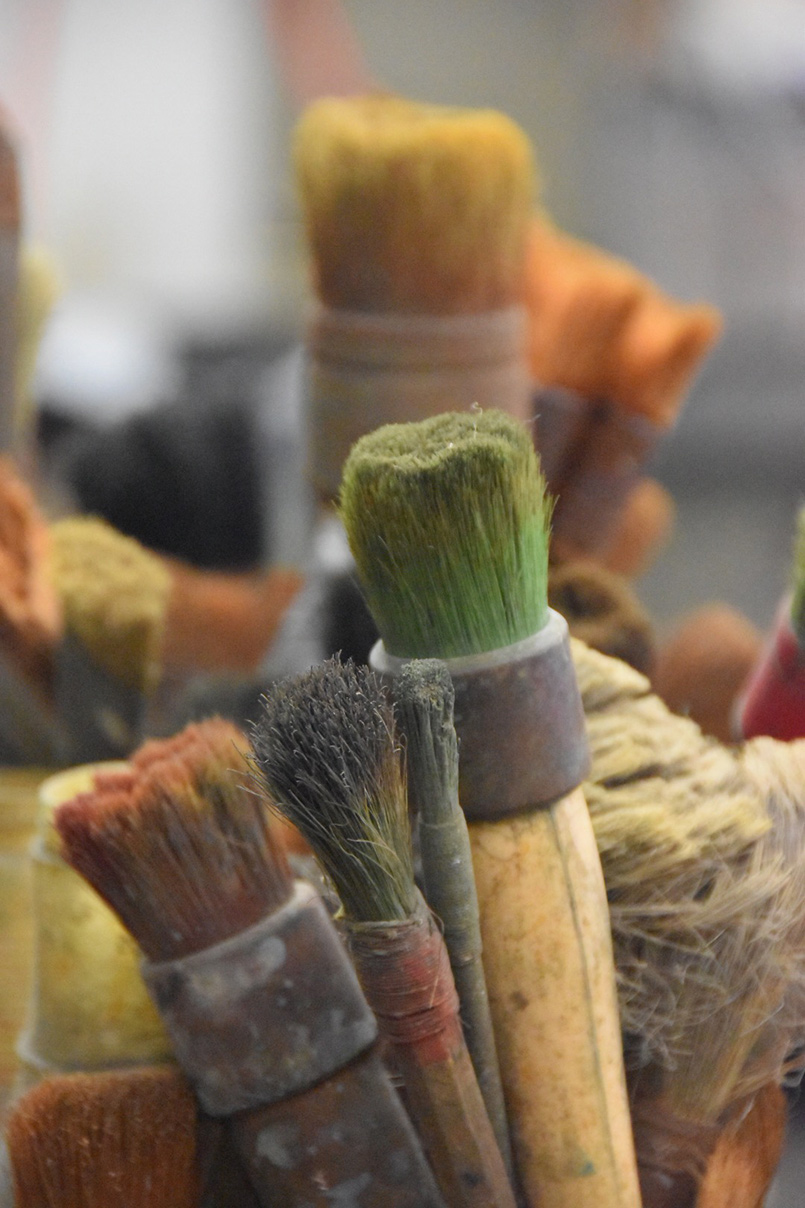
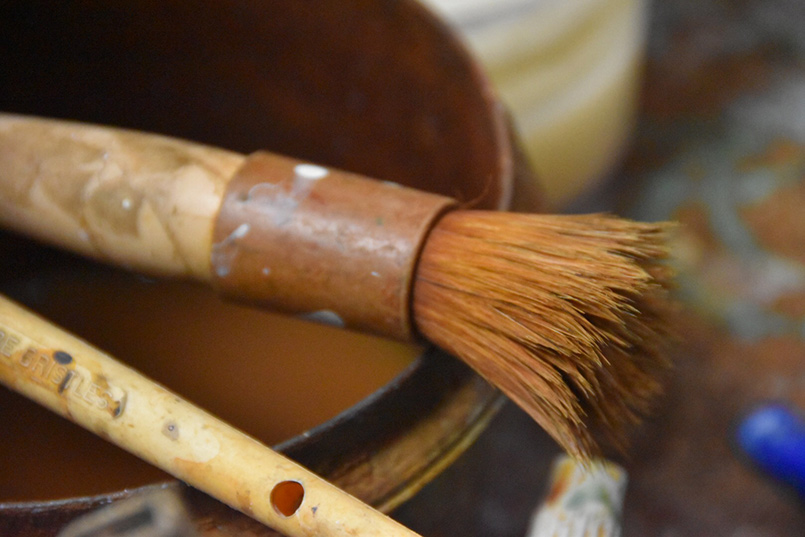
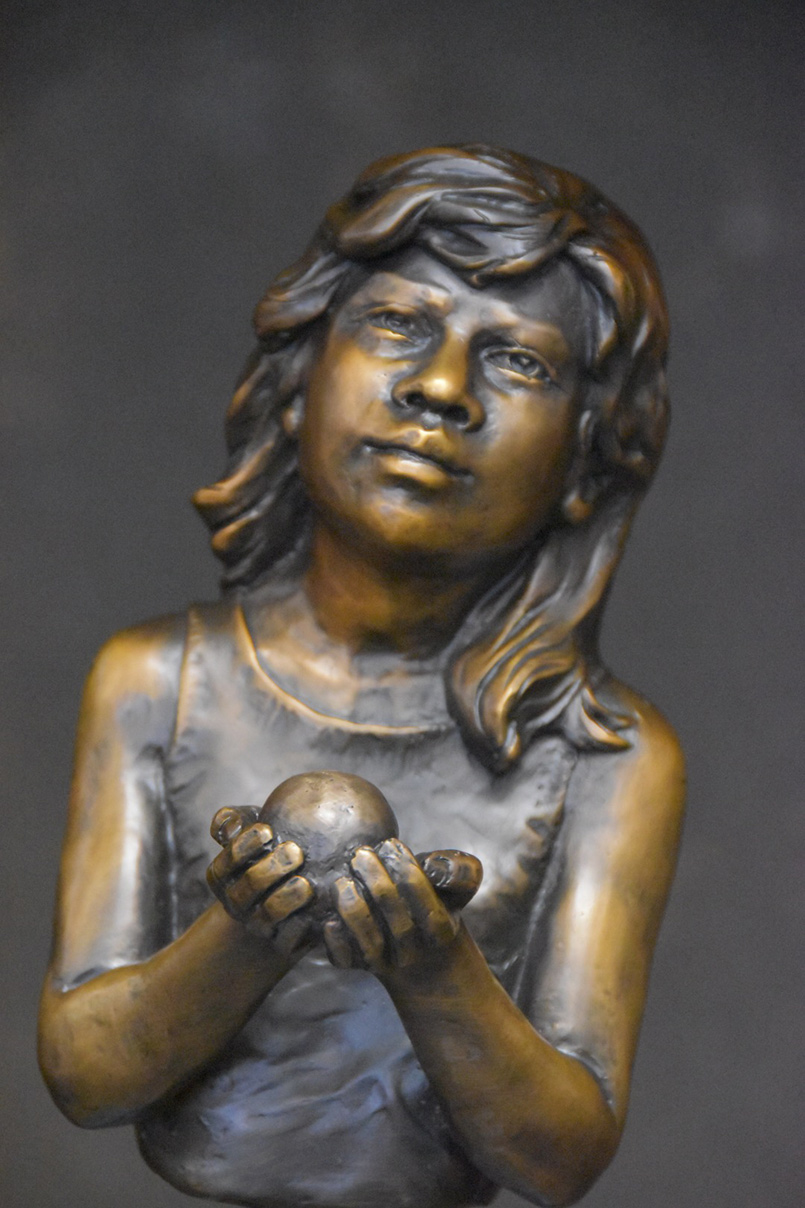
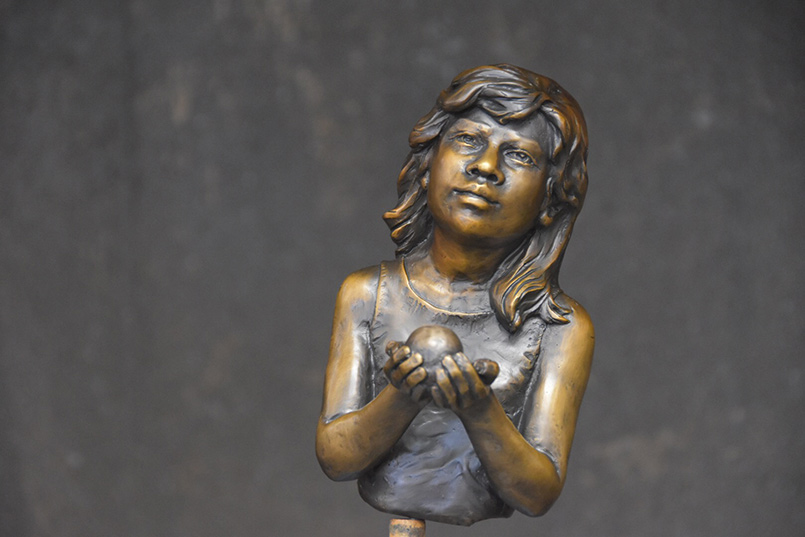
You can see how after this morning was over, I now carry a huge appreciation for bronzes. Thank you Bobby, Kathy, Madd Castings and Patrick for telling us a fraction of what you know and how you do this miraculous work.
}
];
transitionSpeed:150});