Monastery

Chitra Puja, & Jivana Ritau Begins

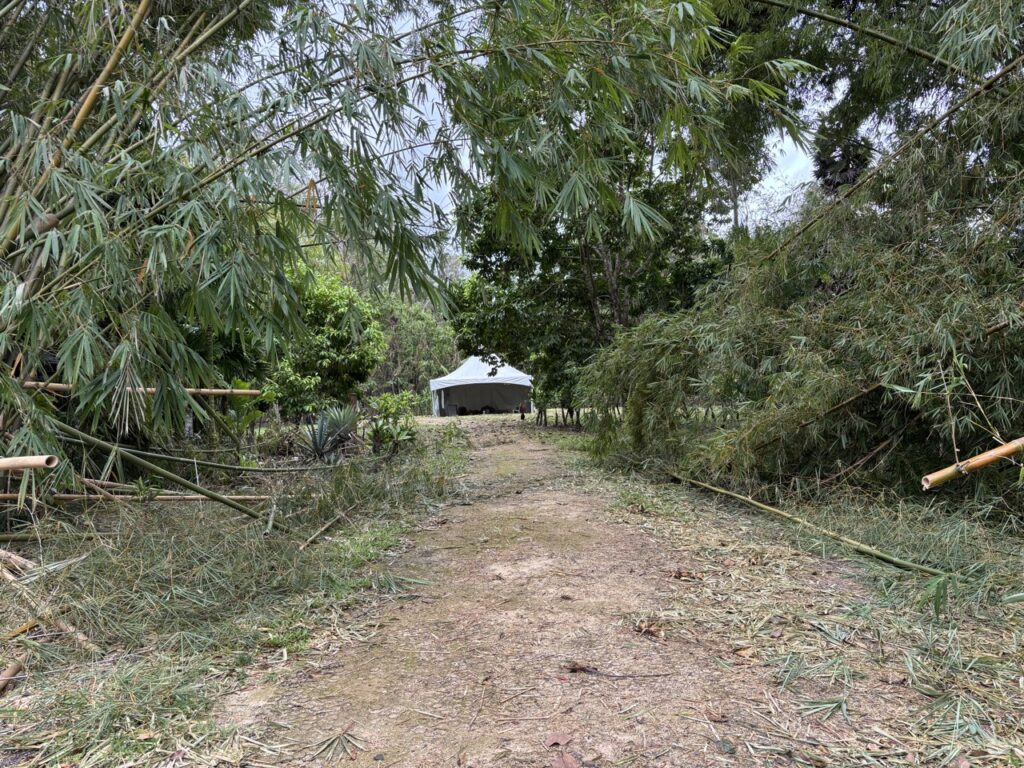
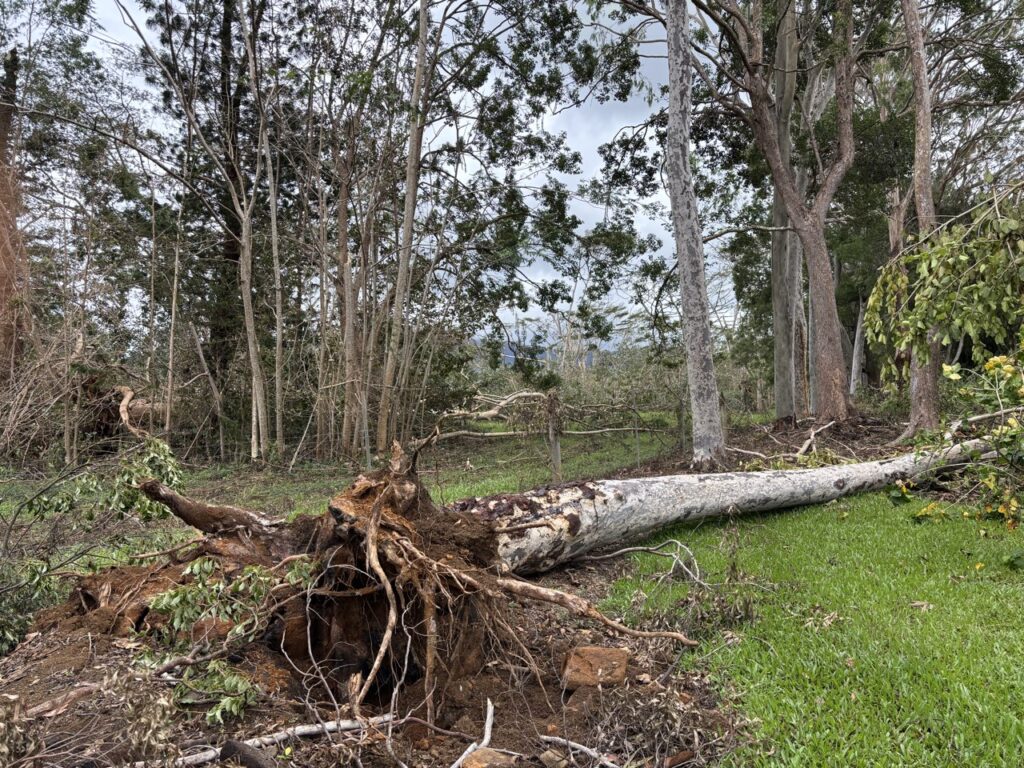
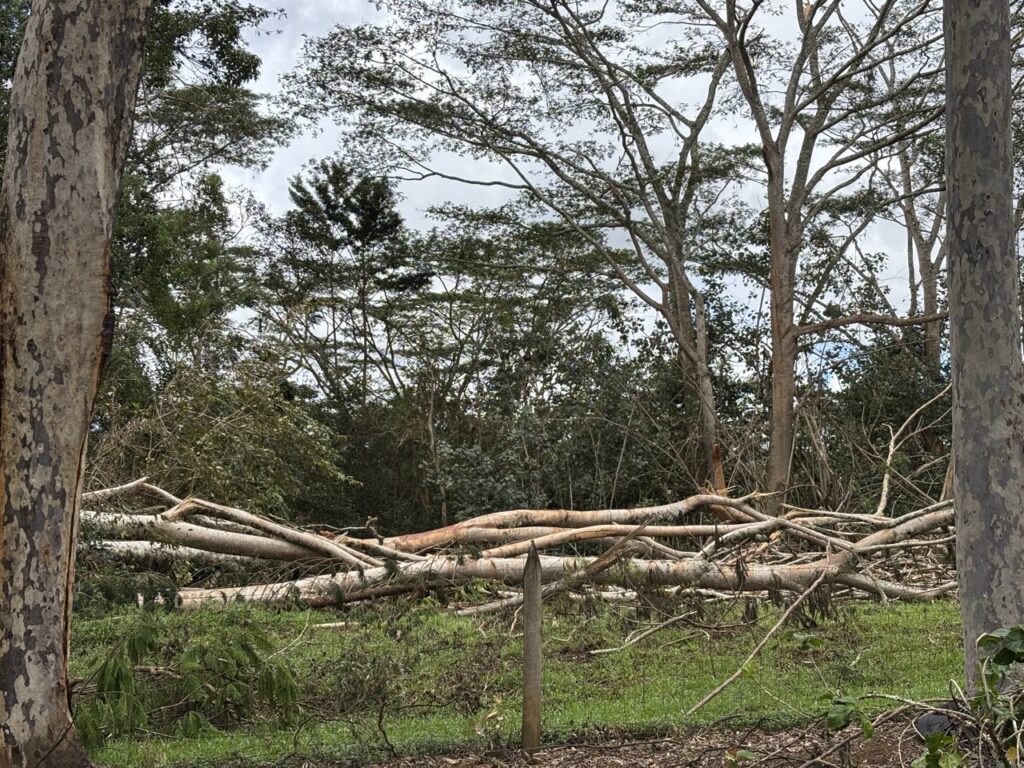
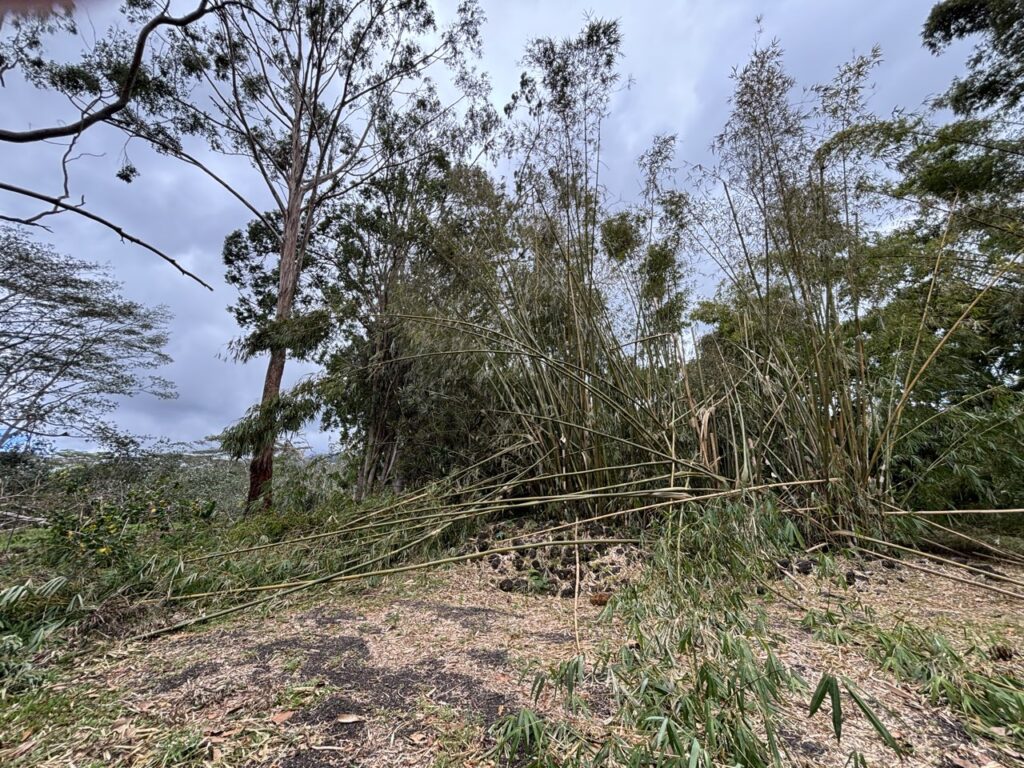
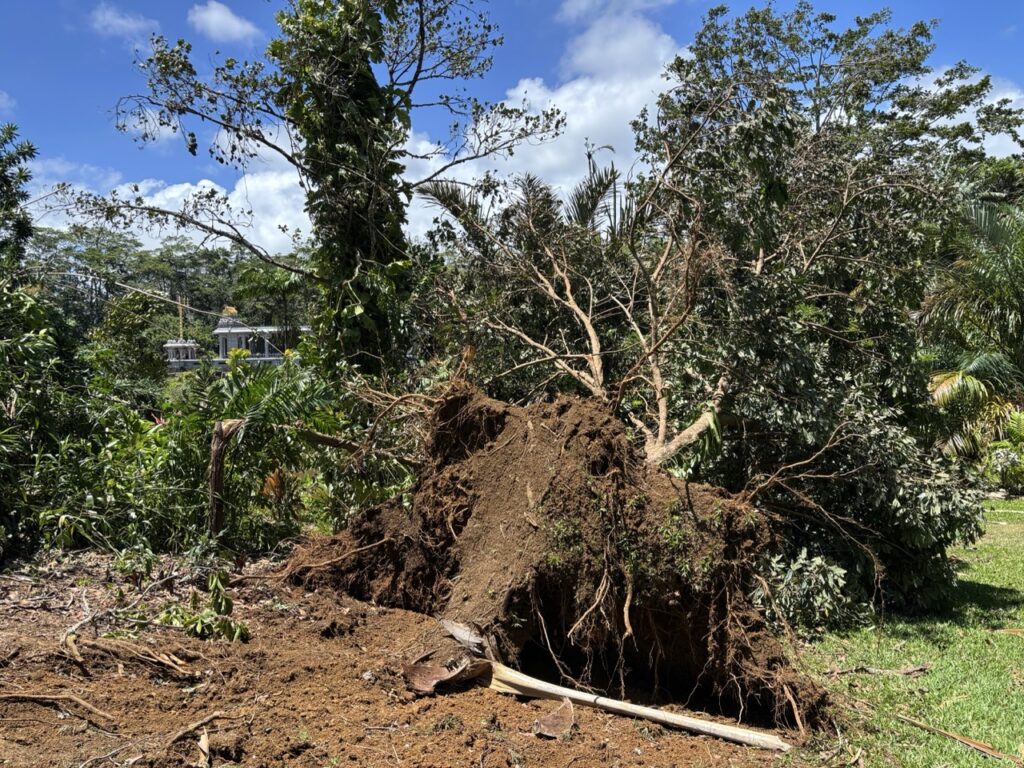
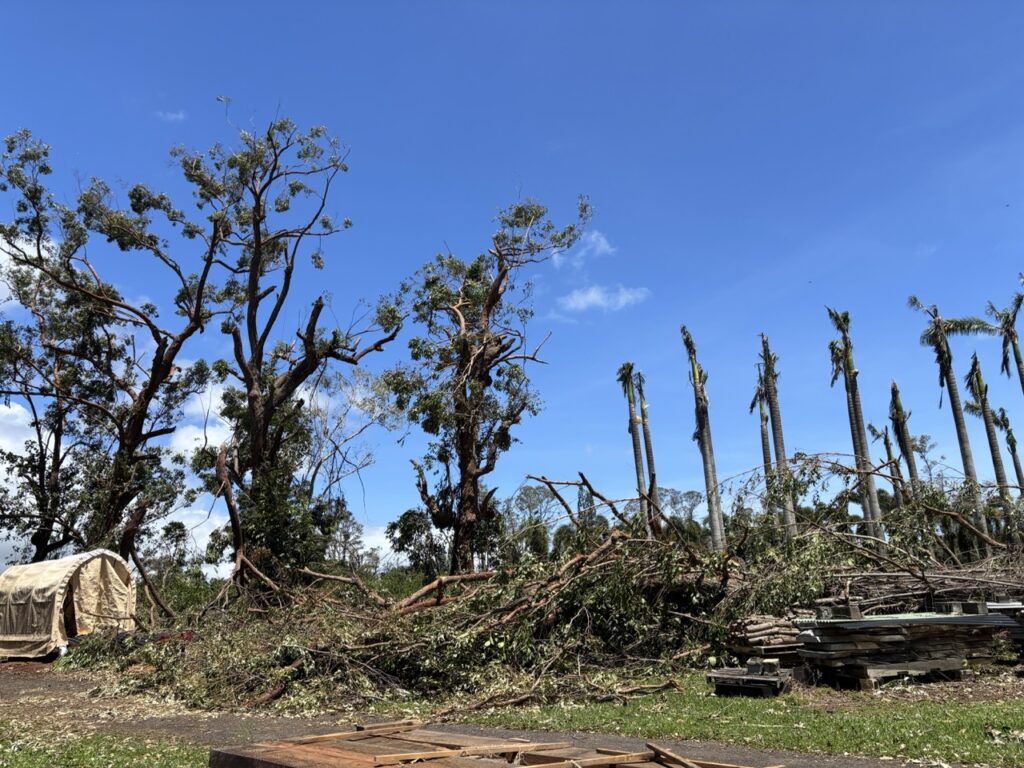
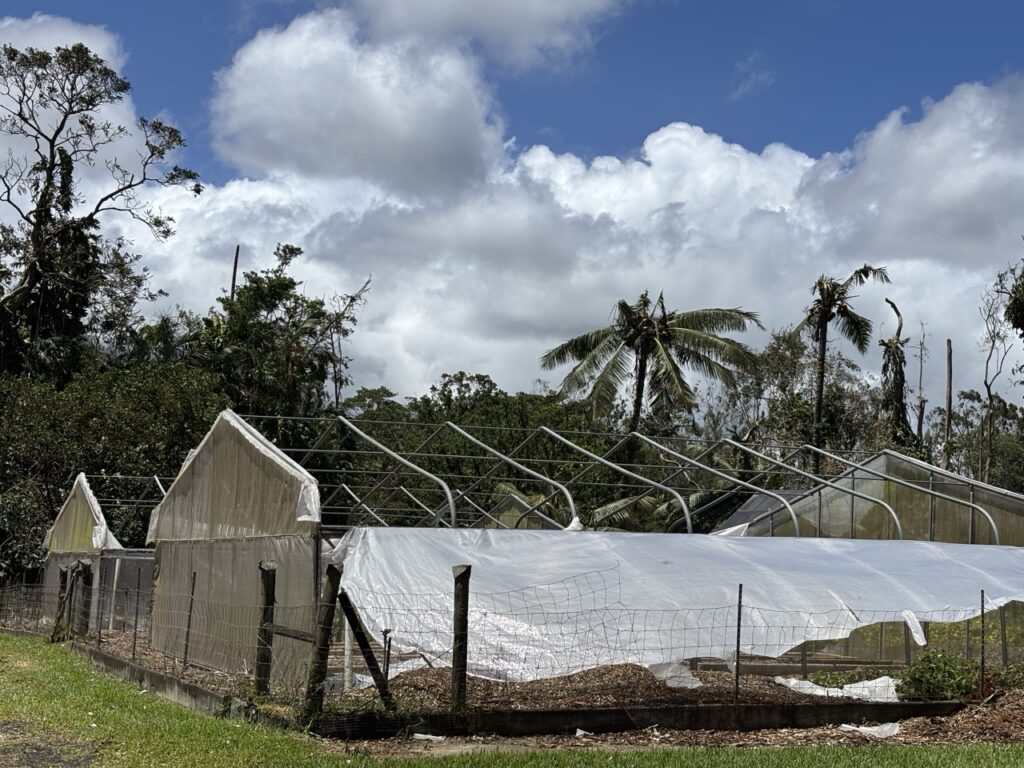
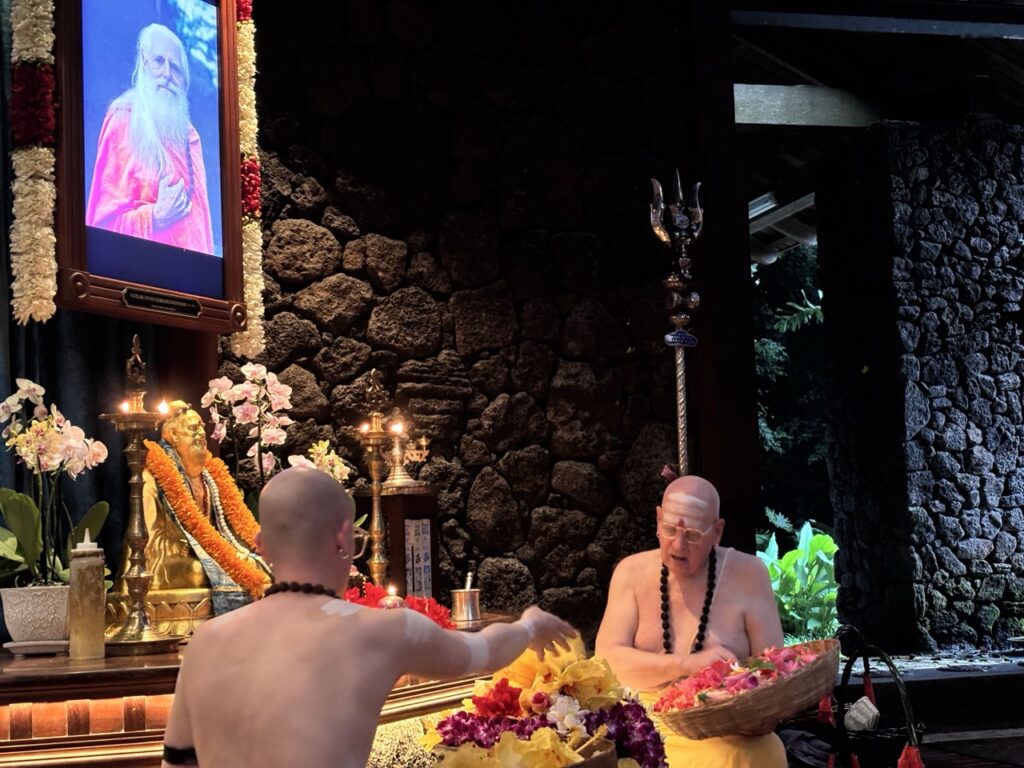
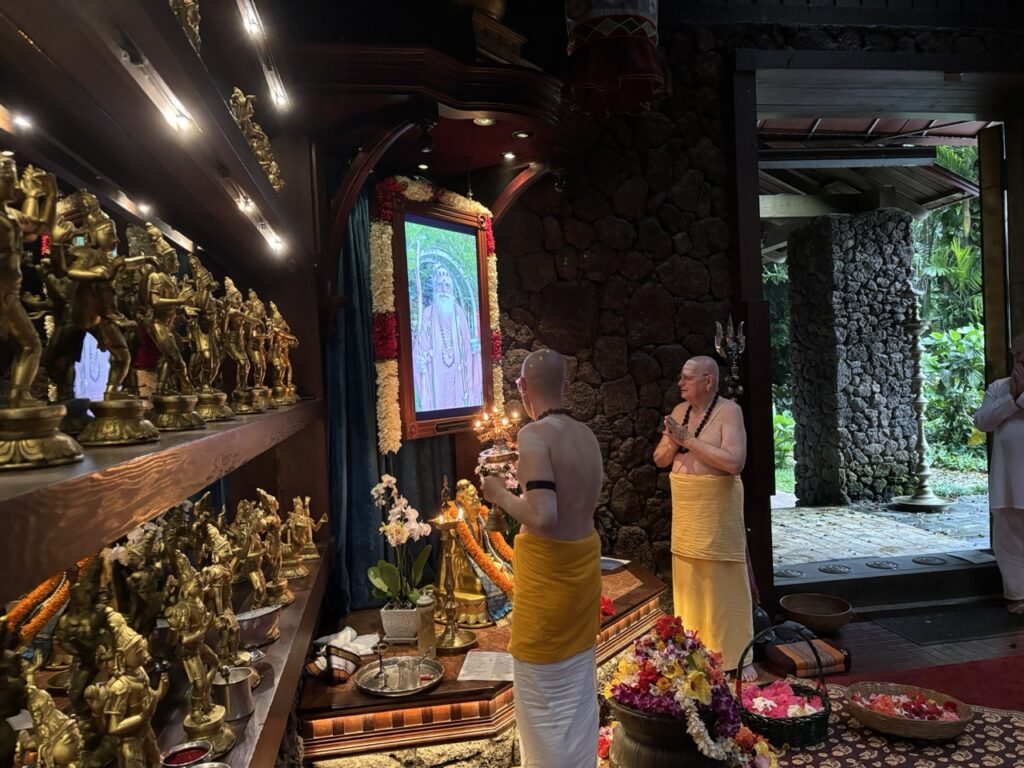
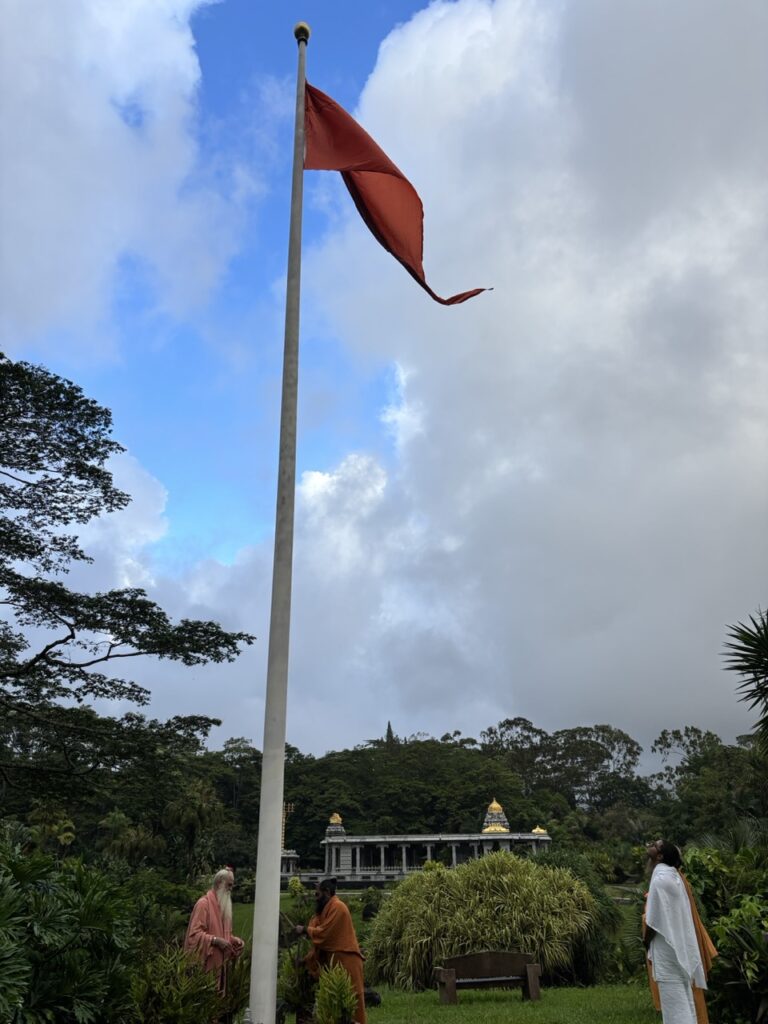
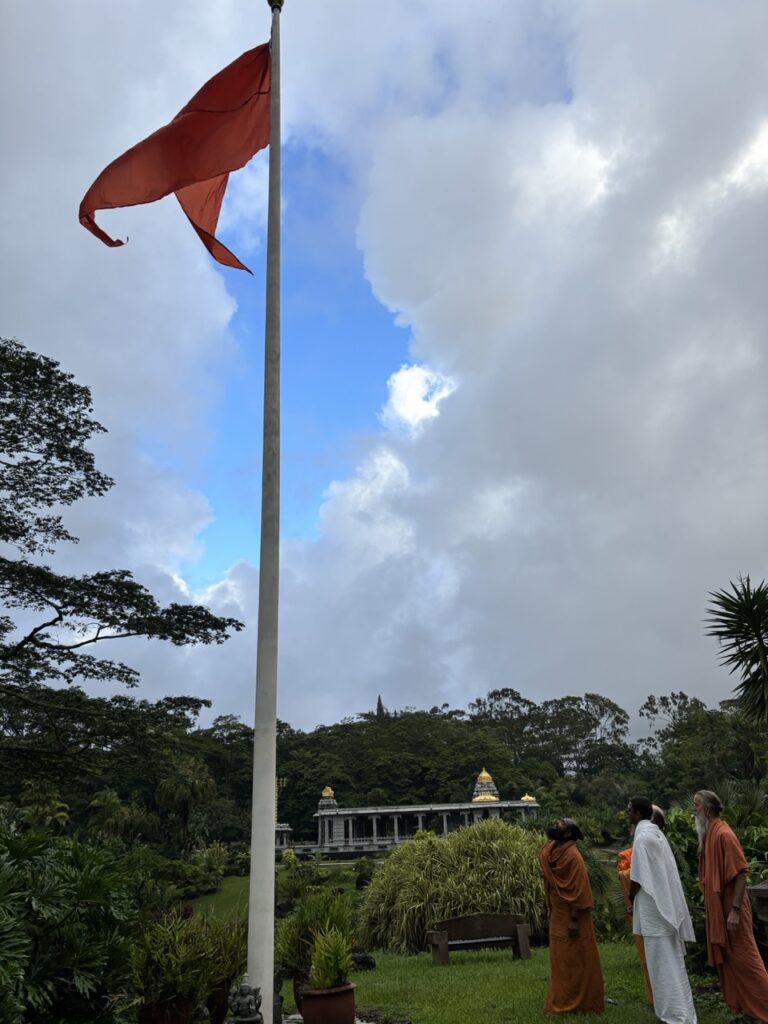
As Mother Nature quieted down in the aftermath of the Lala tropical storm, small patches of blue sky began to peek through still-dense-but-fast-moving clouds as we enjoyed another Gurudeva Chitra nakshatra padapuja in the early morning. The puja coincided with the ending of our restful Sadhu Paksha period and entering the season of Jivana Ritau. Hence a small parade then occurred to change the flag. Sometimes there is little wind and the flag doesn’t unfurl as we change it, but the tropical storm leftovers brought a majestic unfurling in multiple directions.

Excerpts from Saiva Dharma Shastras about the this time of year:
“Beginning with Hindu New Year in mid-April, three seasons of the year divide our activities into three great needs of humankind the learning of scripture in the first season, Nartana Ritau; the living of culture in the second season, Jivana Ritau; and the meditating on Siva in the third season, Moksha Ritau. Thus we are constantly reminded that our life is Siva’s life and our path to Him is through study, sadhana and realization. In ritau one, we teach the philosophy; in ritau two, we teach the culture; and in ritau three, we teach meditation.

During Jivana Ritau, the rainy season, from mid-August to mid-December,Living with Siva: Hinduism’s Contemporary Cultureis the primary text. The key word of this season is work. The colors are rust, copper-maroon and all shades of red rust for earthy preservation, copper-maroon for fulfillment and red for physical energy. The Aadheenam’s flag pole flies the rust-colored dhvaja, symbolizing environmental care. Copper-maroon and all shades of red adorn our smaller flags. This is the season of honoring and showing appreciation for those in the vanaprastha ashrama, life’s elder advisor stage. The focus is on preserving what has been created, manifesting goals and fulfilling plans made in the past. Inwardly the emphasis is on direct cognition and caring for the practical details of the external world. Practicality is a word much used this season.”

Chitra Puja, & Jivana Ritau Begins Read More »

Sacred Vows Rekindled

Aum Namah Sivaya

In our monastic order, a monk can only take lifetime vows once they become a sannyasin. Until then they are under short term vows that must be renewed every two years on the auspicious occasion of Guru Purnima. This year our postulants all gathered in the Guru Temple to renew their four vows of humility, purity, obedience and confidence. Below our the introductions to each vow. Also this year, Sadhaka Shankaranatha took his Natyam vows, the next step before eventually becoming a Yogi Tapasvin.

HUMILITY IS THE STATE OF profound maturity in which the soul, immersed in the depths of understanding and compassion, radiates the qualities of mildness, modesty, reverent obeisance and unpretentiousness. There is an analogy in the Saivite tradition that compares the unfolding soul to wheat. When young and growing, the stalks of wheat stand tall and proud, but when mature their heads bend low under the weight of the grains they yield. Similarly, man is self-assertive, arrogant and vain only in the early stages of his spiritual growth. As he matures and yields the harvest of divine knowledge, he too bends his head. In the Tamil language this absence of pride or self-assertion is known as pannivu. Pannivu also means “jewel.” In the Tirukural it is said that “Humility and pleasant words are the jewels that adorn a man; there are none other.”

PURITY IS THE PRISTINE and natural state of the soul. It is not something which the monastic attains as much as that which he already is, and which becomes evident as the layers of adulterating experience and beclouding conceptions are dissipated. Purity is clarity and clearness in all dimensions of being. It is innocence as opposed to familiarity with the ways of the world. It is for monastics the observance of chastity, called brahmacharya. In Tamil purity is given its fullest expression in the term tirikarannasutti, which means “purity in mind, speech and body.” These three–also called thought, word and deed–convey the fullness of the ideal of purity.

OBEDIENCE IS THE STATE OF willingness and cooperation in which the soul remains open and amenable to enlightened direction. For the monastic it is an unbroken pledge of trust in and surrender to the satguru, the guru parampara and the mystic process of spiritual evolution. In the Tamil language this definition of obedience is expressed in the term taalvu enum tanmai, which denotes “the quality or state of humble submission.” Obedience does not consist in blind submission and yielding to authority, nor in weakening our own will that it may be dominated by the will of another. Yet it is, in another sense, submission to a sacred purpose and the divine authority of the Second and Third Worlds. It is, for the monastic, an inner quality that allows him to remain consciously tractable and responsive.

CONFIDENCE IS THE STATE of trust in which the sacred teachings and sensitive or personal matters are not divulged to others. Spiritual matters must be protected and preserved by those to whom they are entrusted, never wantonly or indiscriminately revealed. When we confide in another, we do so with the assurance that sensitive and serious information will not be inappropriately disclosed. In the Tamil language confidence is known as rahasiyam, meaning “secret or mystery.” Confidence as applied to these Sacred Vows does not mean “certainty,” “a belief in one’s abilities” or “self-confidence.” Rather it is a confiding, a trusting and a relying upon. It is the controlled sharing of privileged teachings or information that should not be disclosed, but held in confidentiality. In its most simple form it is the keeping of a secret. Confidence for the monastic may be defined as wisdom in handling information.

Sacred Vows Rekindled Read More »

New Vehicle, and Roof Complete

We are regularly on the lookout for good deals to expand our utility vehicle fleet, and a great opportunity recently presented itself. Now we’ve added this Polaris Ranger to our lineup. The row of flowers is from it’s blessing the other day. Here, Sadhaka Shankaranatha is transporting several bins of leafy greens from the hydroponic greenhouse to the kitchen refrigerator.

The roofing team also completed the Guru Peedam hall the other day. The final layer of asphalt shingles was applied, along with copper gutters and flashing, and mortar in various places to prevent leaks. This re-roofing is a temporary fix for the next 5-10 years while we saving up for completely rebuilding the structure of the Guru Peedam ceiling, which is slowly rotting.

New Vehicle, and Roof Complete Read More »

Gurudeva Padapuja, and Guru Peedam Roof Resumes

This early morning we observed Gurudeva padapuja on Chitra nakshatra.

Gurudeva briefly answers a question on karma and the laws of the land–

Later this morning, after some days break due to sickness and the weekend, the roofing team returned to work on the Guru Peedam roof, carefully removing the old rotted boards.

Gurudeva Padapuja, and Guru Peedam Roof Resumes Read More »

Nitya Shankaran’s Final Days on Taskforce

As Nitya Shankaran Mogan comes toward the end of his taskforce stay, he is spending about a week helping out the Minimela staff in the mornings. Here he is at the cashier desk, being efficient with time by making more bracelets in between visitor purchase inquiries. He also shared a couple of the photos he took over the last few weeks.

Thank you Nitya for your tireless service for a month.

Nitya Shankaran’s Final Days on Taskforce Read More »

Leaning Tower of Rudraksha (Tree)

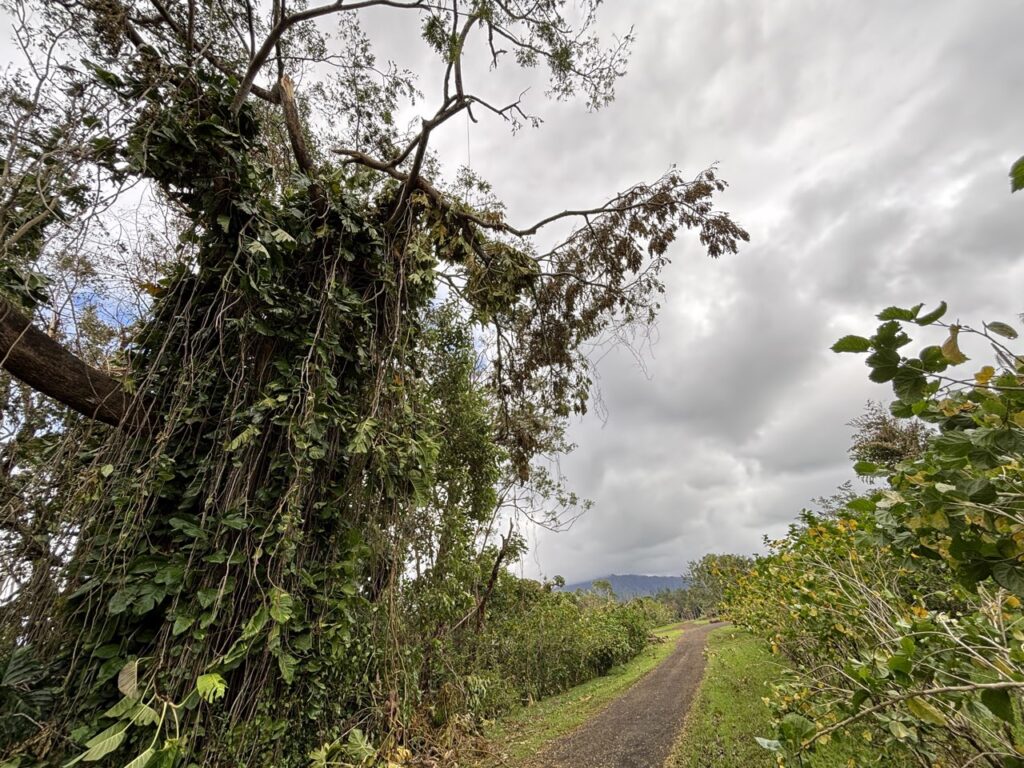
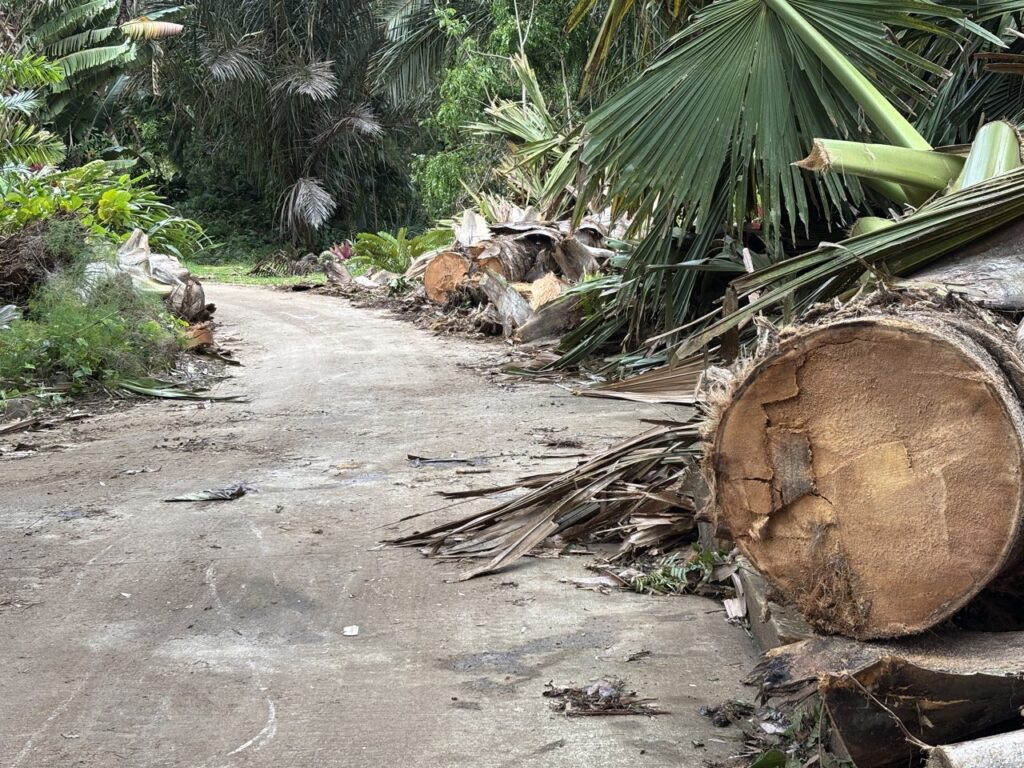
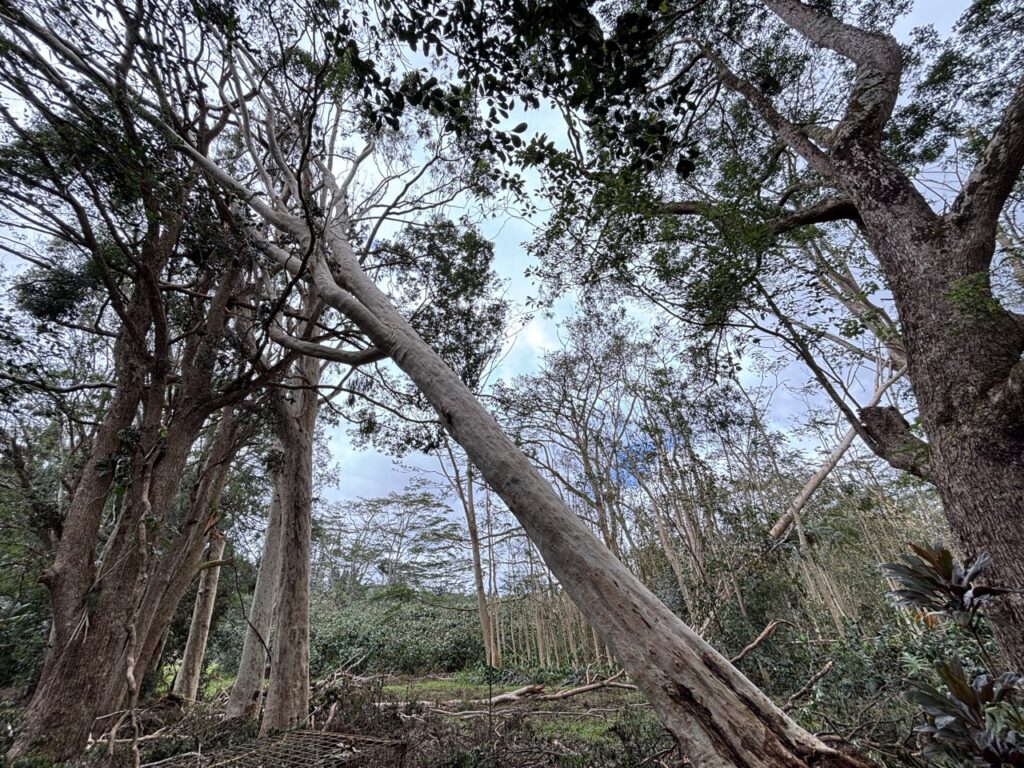
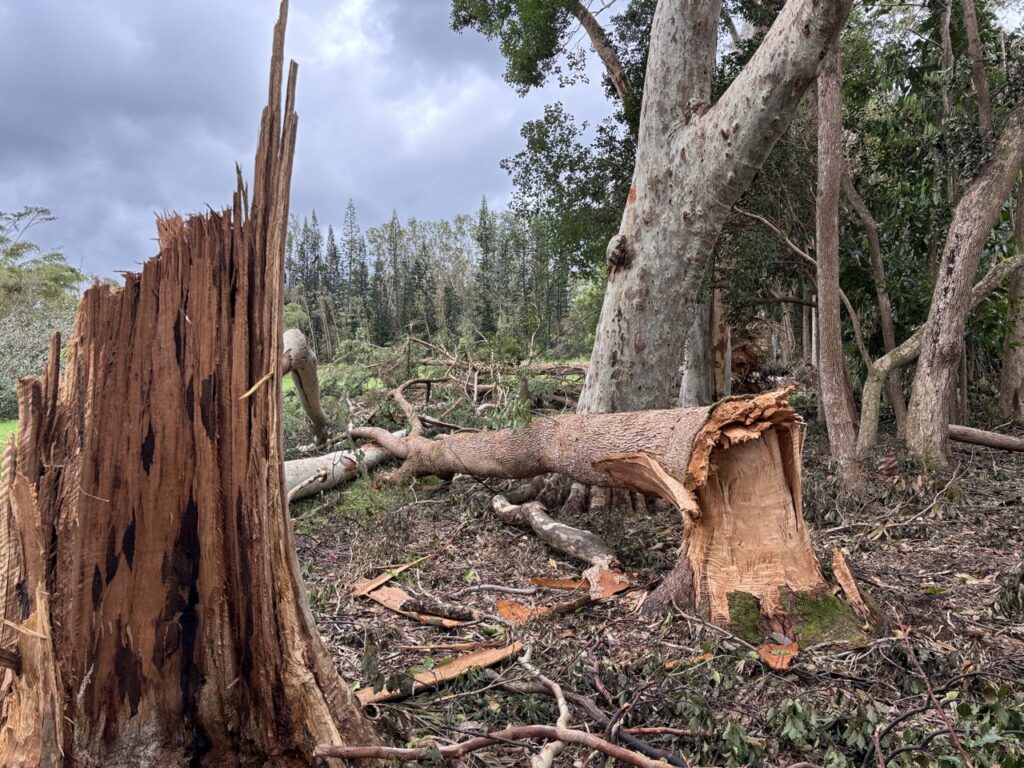
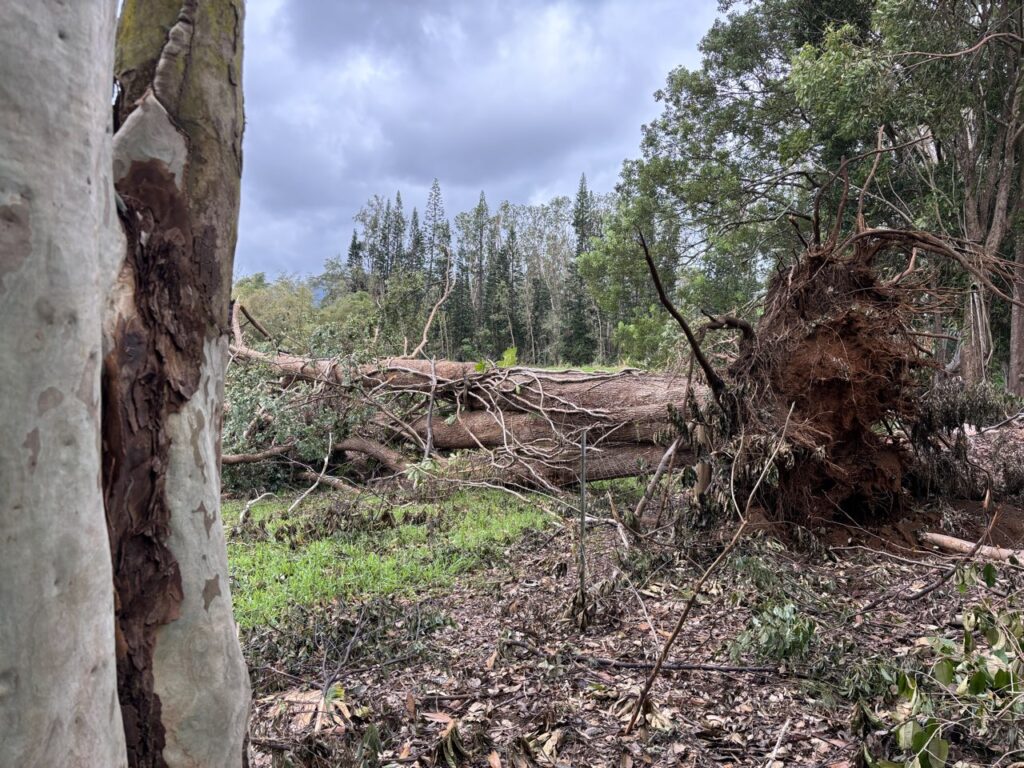
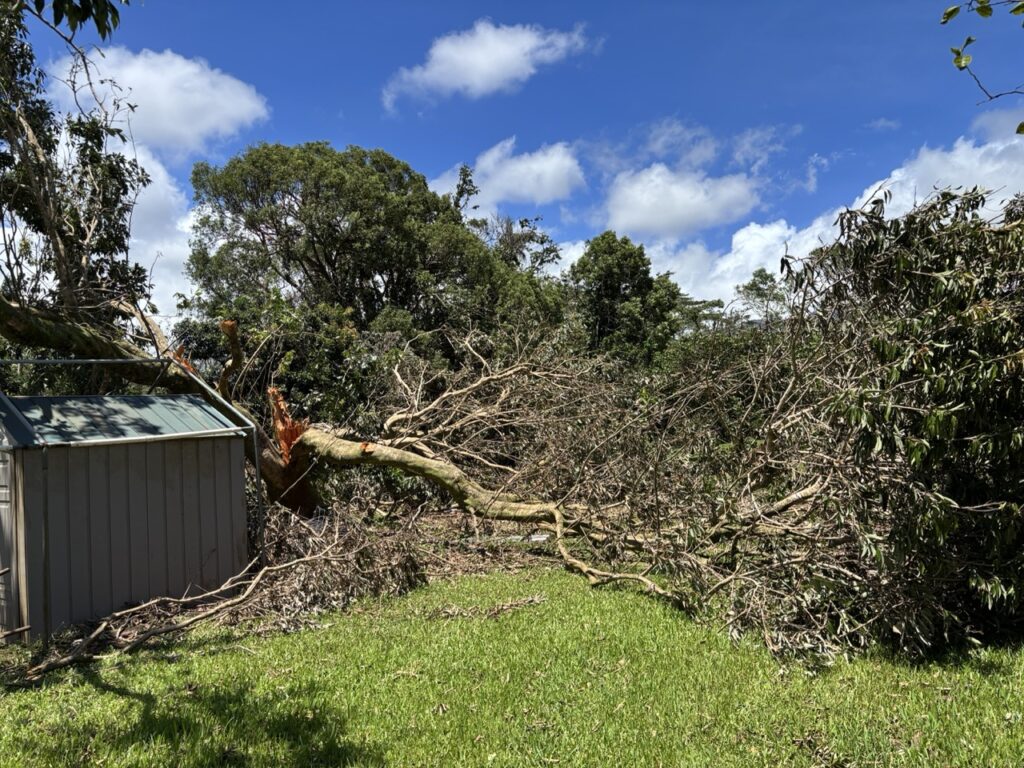
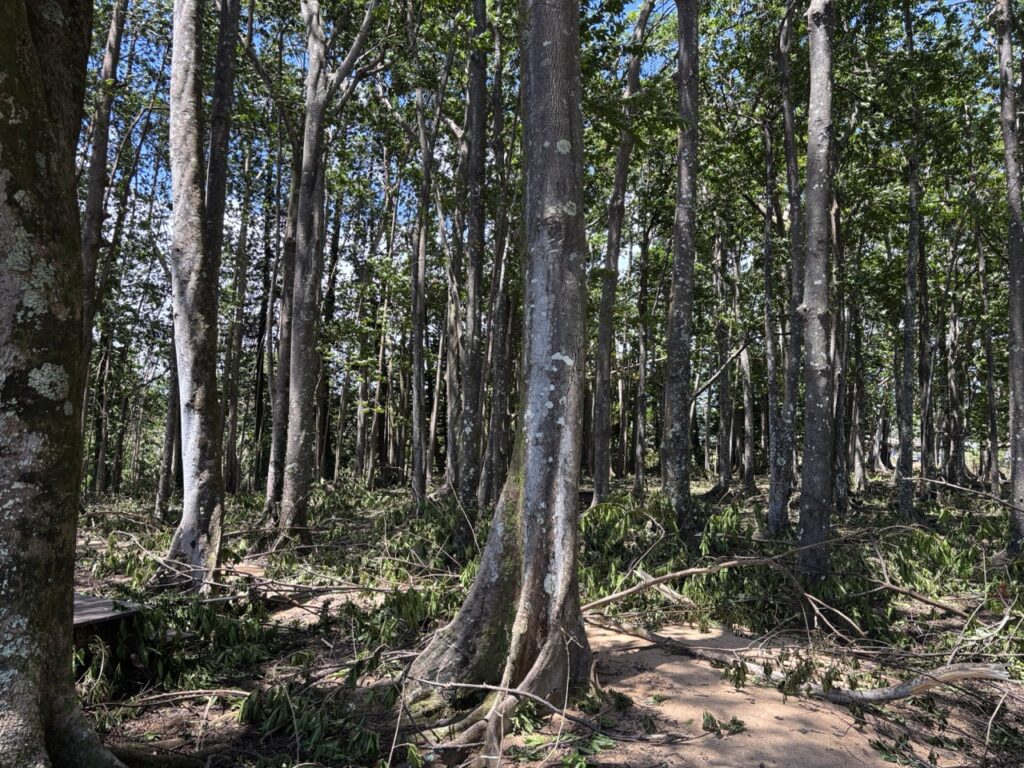
As we shared a week or so ago, recent strong winds were too much for a very tall rudraksha tree clump that has been growing in a low swampy area for decades soon after the Ganesha shrine on San Marga path. The clump was uprooted, but rather than falling all the way down, it got stuck at a 45-degree angle on more rudraksha trees on the other side of the path.

Cutting down a tree clump in this scenario is very dangerous because the weight distribution is difficult to predict. Fortunately we have professionals on the job. We got some photos of the beginning stages and thought we could come back later in the afternoon to capture some of the biggest pieces being felled, but they moved so quickly that the clump was all down by the time we came back mid afternoon!

Leaning Tower of Rudraksha (Tree) Read More »

Scroll to Top