Kauai Aadheenam

Love of the Gods, Part One

Satguru Bodhinatha Veylanswami gives his weekly upadesha in Kadavul Temple at Kauai’s Hindu Monastery in Hawaii. It is part of a series of talks elaborating on the inspired teachings of Satguru Śivaya Subramuniyaswami as found in his book Merging With Śiva.

“Devotion in Hinduism is known as bhakti. It is an entire realm of knowledge and practice unto itself, ranging from the child-like wonder of the unknown and the mysterious to the deep reverence which comes with understanding of the esoteric interworkings of the three worlds. Hinduism views existence as composed of three worlds. The First World is the physical universe, the Second World is the subtle astral or mental plane of existence in which the devas, or angels, and spirits live, and the Third World is the spiritual sphere of the Mahādevas, the Deities, the Gods. Hinduism is the harmonious working together of these three worlds. Religion blossoms for the Hindu as he awakens to the existence of the Second and Third Worlds. These inner worlds naturally inspire in man responses of love and devotion and even awe. They are that wonderful.  

Love of the Gods, Part One Read More »

Spiritual Training, Part Four

Satguru Bodhinatha Veylanswami gives his weekly upadesha in Kadavul Temple at Kauai’s Hindu Monastery in Hawaii. It is part of a series of talks elaborating on the inspired teachings of Satguru Śivaya Subramuniyaswami as found in his book Merging With Śiva.

“Prostration at the holy feet of the satguru has been performed in Hindu India and Sri Lanka for thousands of years. It’s an ancient custom and a very valuable one, because it separates the people who can prostrate from those who cannot. It separates the deeper souls from those still going through the intellectual and instinctive areas of the mind. It allows the aspirant himself to know where he is on the path, and it allows the satguru to know at a glance, without thought, where the seeker is on the spiritual path by the emanations out of the spine as he prostrates himself face down before him. Prostration issues forth definite energies when done before the guru or the temple Deity. The ego is naturally subdued, humility strengthened, and the soul of guru and disciple enjoy deep rapport in that moment. 

Spiritual Training, Part Four Read More »

Spiritual Training, Part Three

Satguru Bodhinatha Veylanswami gives his weekly upadesha in Kadavul Temple at Kauai’s Hindu Monastery in Hawaii. It is part of a series of talks elaborating on the inspired teachings of Satguru Śivaya Subramuniyaswami as found in his book Merging With Śiva.

“Through darshan power, the guru is able to communicate with his disciples. Information is passed on these rays of darshan. Unfoldment is guided on these rays of darshan. A beginning student cannot feel the darshan. That means he is not inwardly connected or “hooked in.” He does not have that open line. That is why the satguru often puts out some sort of intellectual book or pamphlets, to hold the intellect in check until the student goes deeper within. After deep study of the guru’s works, they then begin to feel his darshan occasionally from a distance, but not all the time.

Spiritual Training, Part Three Read More »

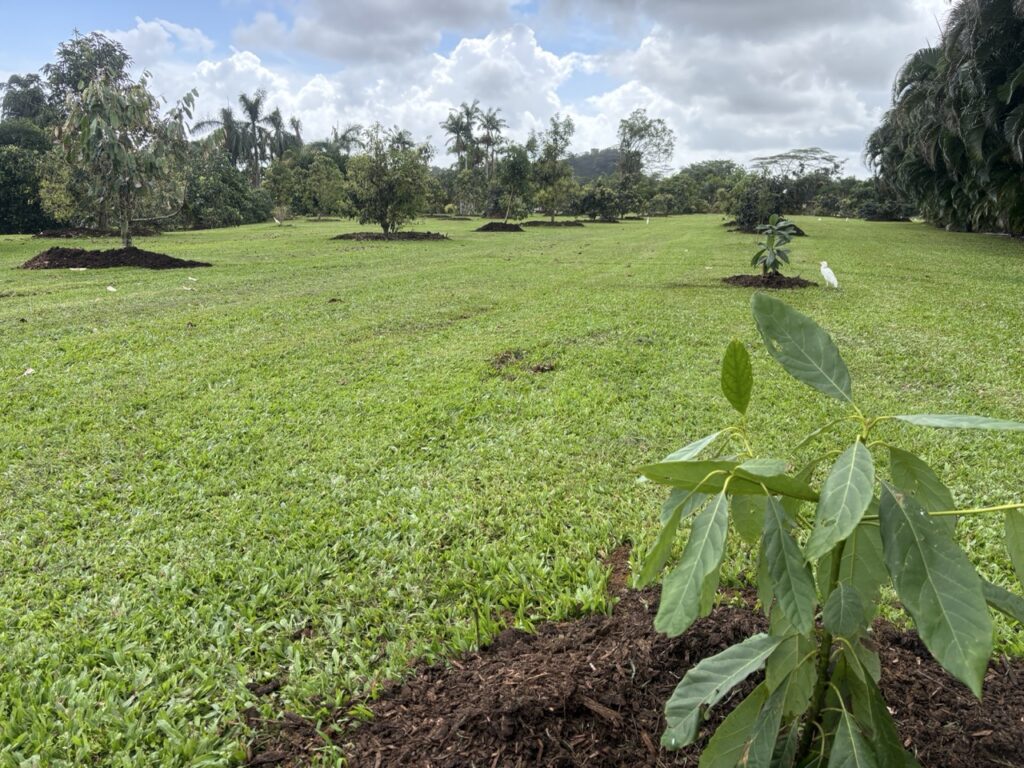
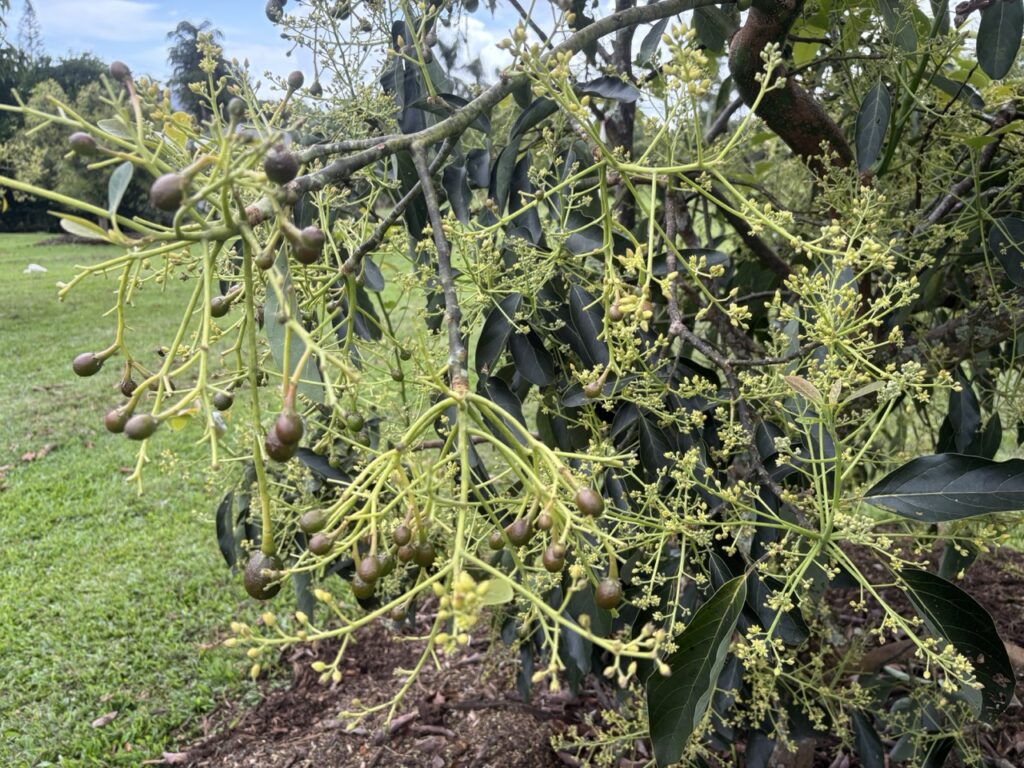
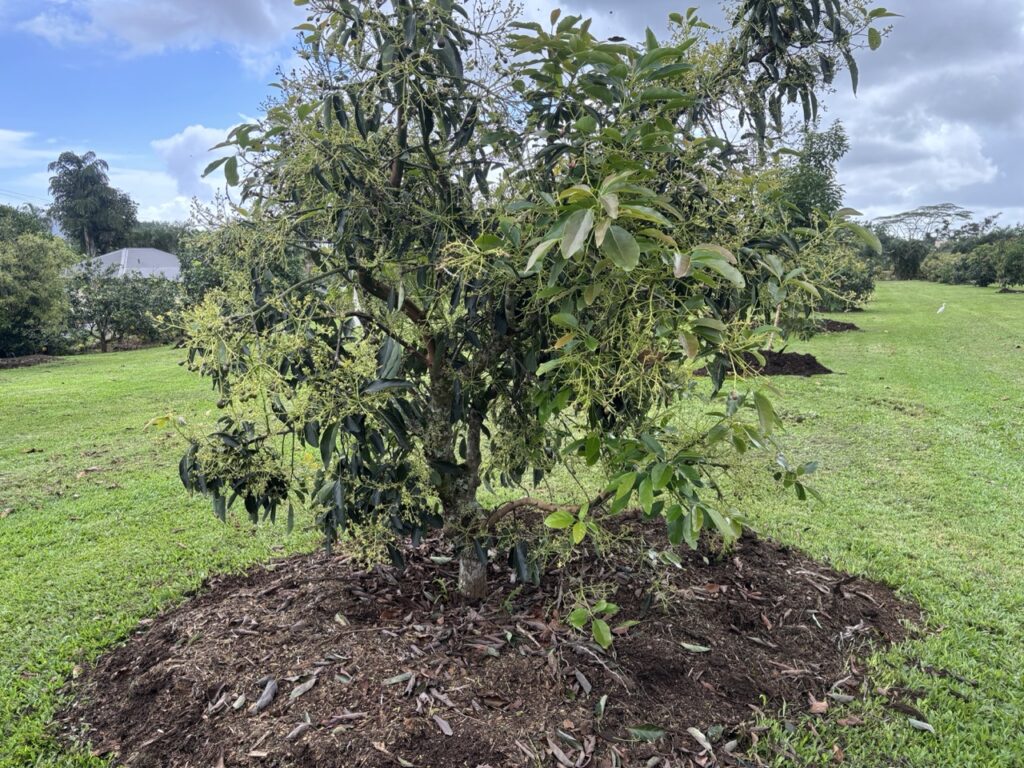
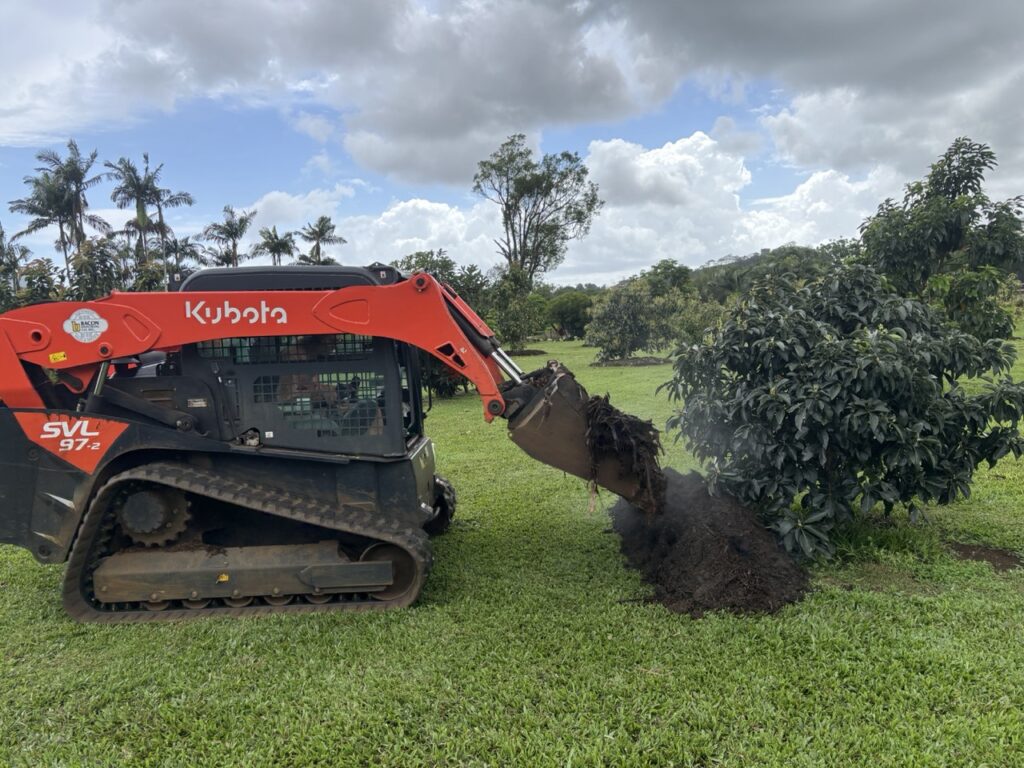
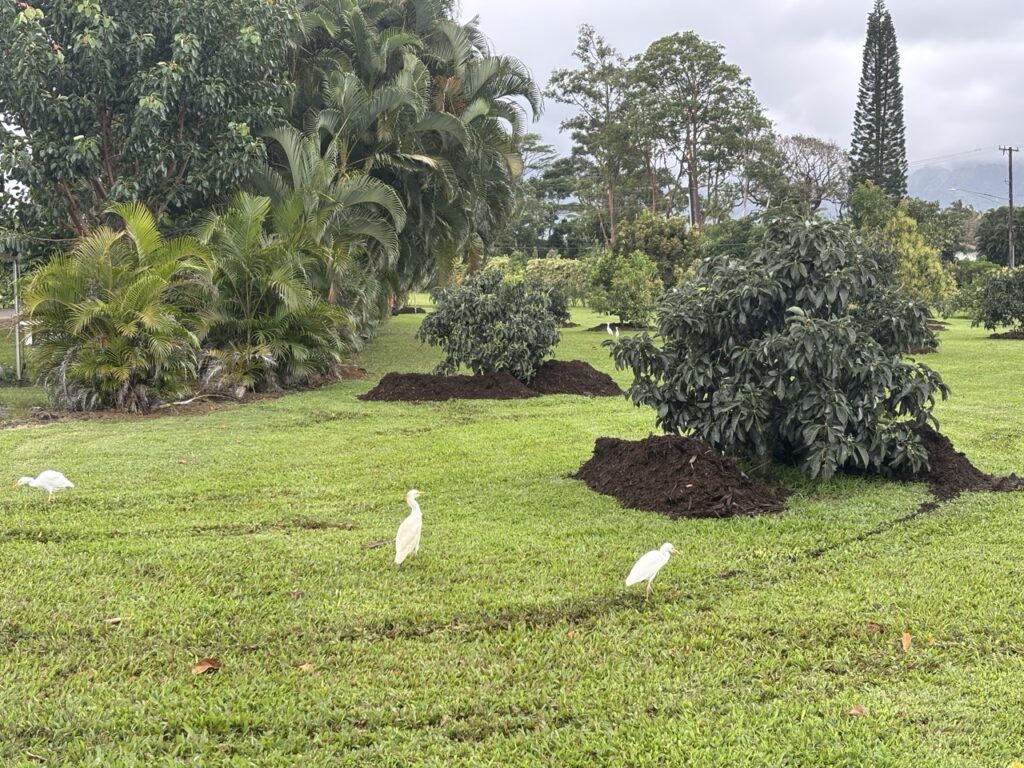
Some of the Current Orchards

Some of the Current Orchards Read More »

Spiritual Training, Part Two

(Part One was included in the previous week’s upadesha.)

Satguru Bodhinatha Veylanswami gives his weekly upadesha in Kadavul Temple at Kauai’s Hindu Monastery in Hawaii. It is part of a series of talks elaborating on the inspired teachings of Satguru Śivaya Subramuniyaswami as found in his book Merging With Śiva.

“Upon hearing of these soul-searching procedures (known as vrātyastoma), most will bow out without a word and seek less demanding groups, thus proving their insincerity. These time-proven methods prevent detractors from returning to further disrupt the group from the inside more effectively than they could from the outside. If the seeker is qualified to be readmitted after completing his prāyaśchitta, he must begin at the beginning study level and be given no special privileges, positions or recognition in respect for his prior association. The protection of the fellowship is of utmost importance for the benefit of each devotee, and for the continuing spiritual unfoldment of the guru or swāmī himself. One should not be so naive to think that disgruntled former devotees would not seek reentrance for the purpose of disrupting the organization, or be sent on a mission from an adversarial group to rejoin in order to disrupt. All this and more has happened to gurus and swāmīs since the turn of the century.

Spiritual Training, Part Two Read More »

Gurudeva Mahasamadhi, Day Three

We began the day with a short puja at Gurudeva’s samadhi shrine. Later in the morning, Satguru gave a presentation on the Klesha section of the Yoga Sutras to assembled pilgrims and gifted a copy of our new Patanjali’s Yoga Sutras book to each household.

This is the 24th anniversary of Gurudeva’s samadhi, so it carries the 12-year-Jupiter-cycle significance. Sivasri Kumar Gurukkal arrived yesterday and will perform the mahasamadhi pujas tomorrow. He is accompanied by a special guest priest on his first visit, Sivasri Rajashanmugam Gurukkal who serves at the Palani Hills Murugan temple in Tamil Nadu and is visiting California to participate in the Shiva-Murugan Temple’s first Skanda Shashthi celebration in their new premises.

Fifty-four small kumbhas are being prepared today to accompany the main kumbha. A couple of sevakas are here from Malaysia and USA to help out. They are cutting many banana leaves into small strips that serve as mats for the kumbhas to rest on.

Gurudeva Mahasamadhi, Day Three Read More »

Scroll to Top