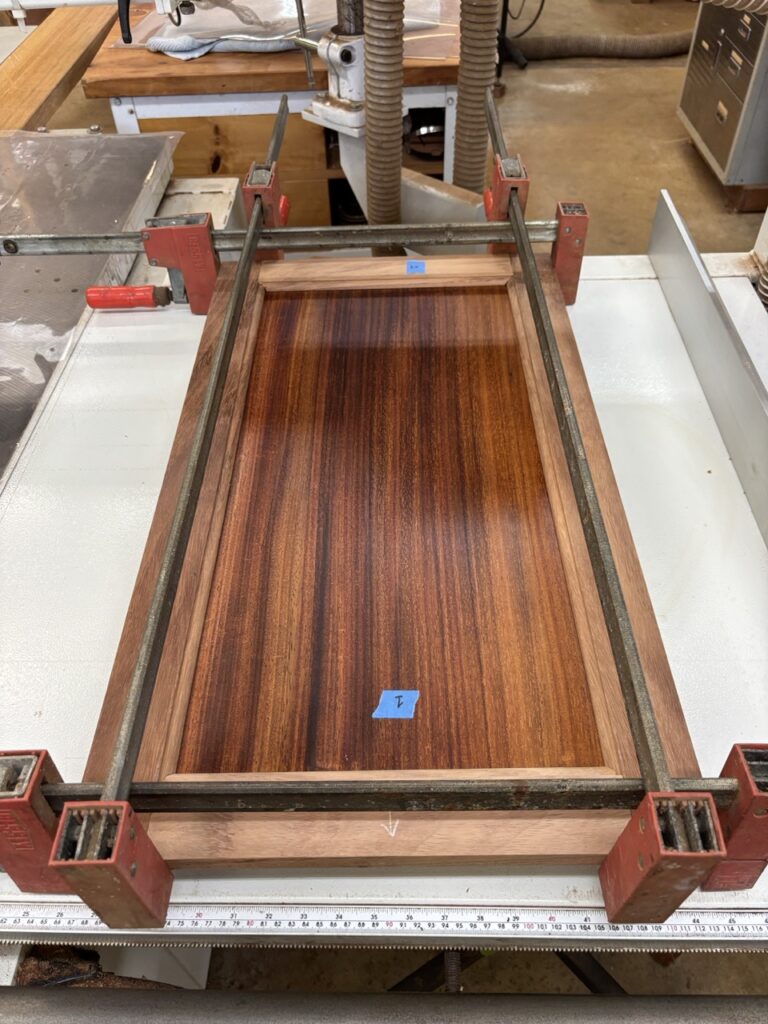
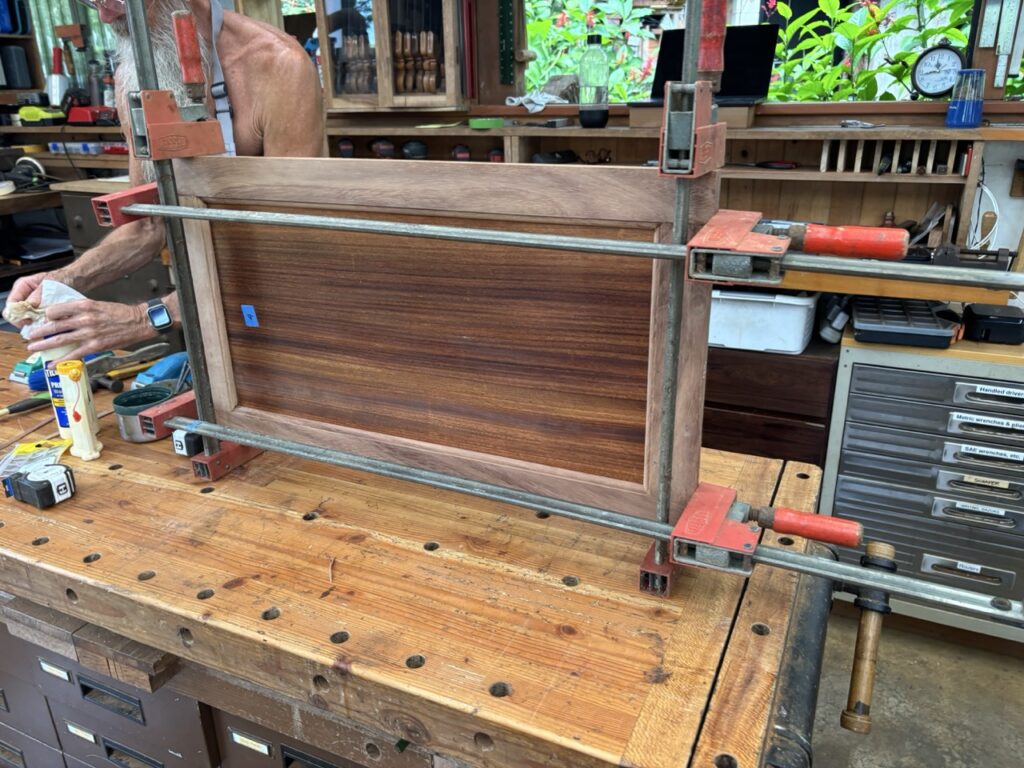
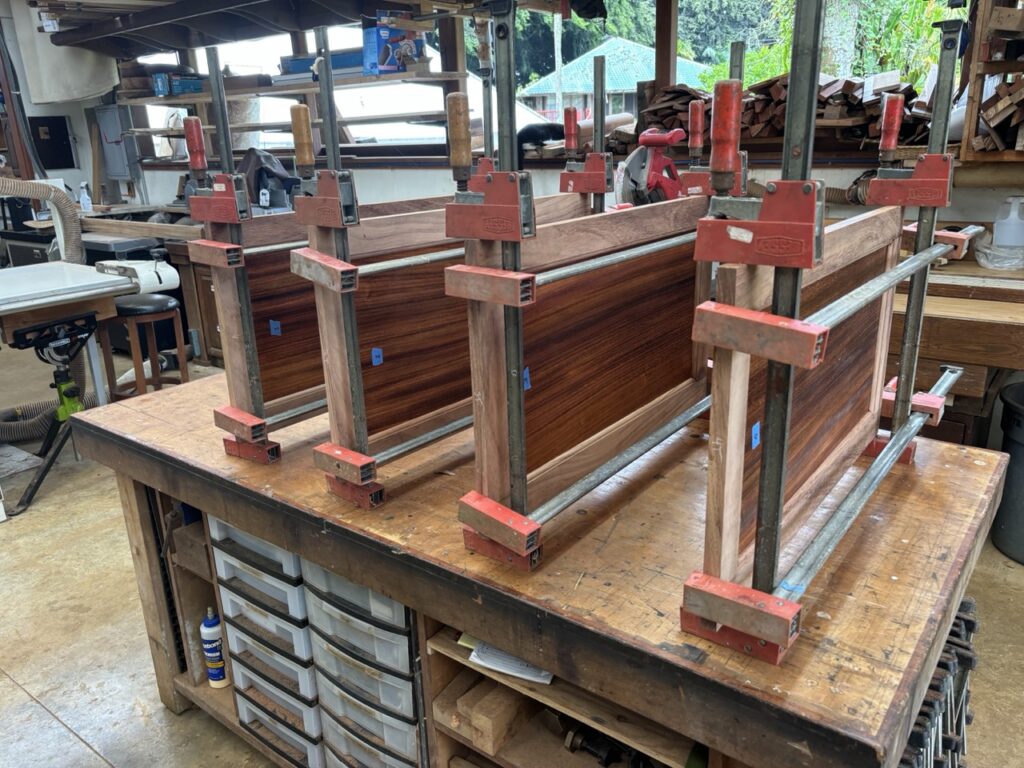
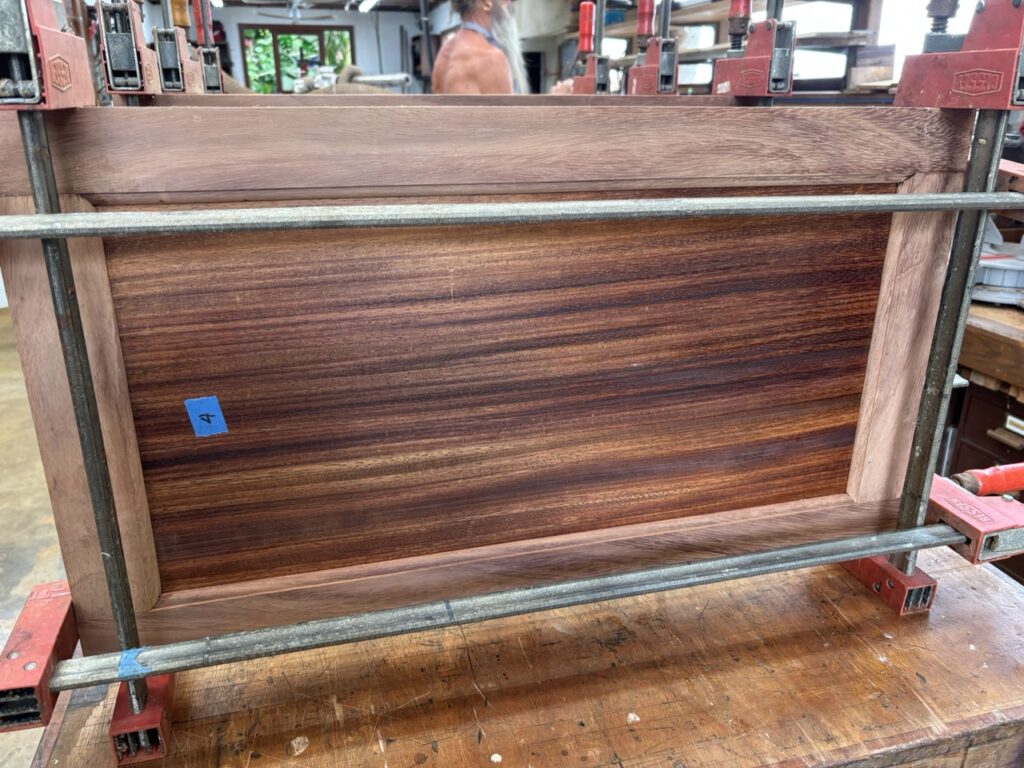
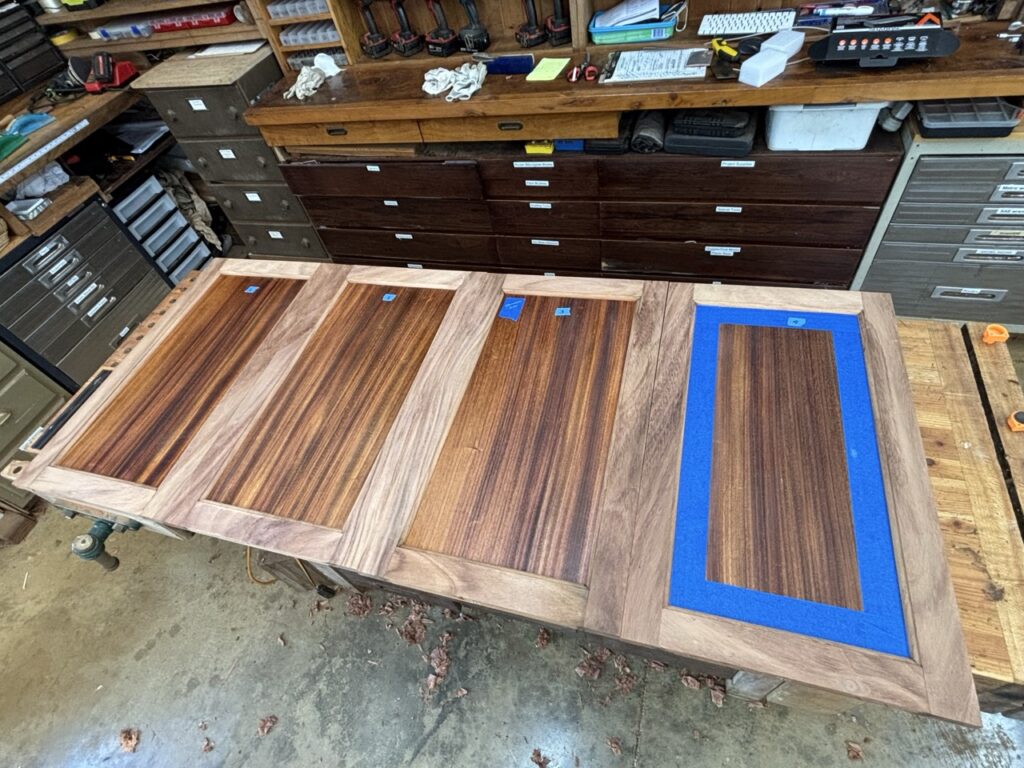
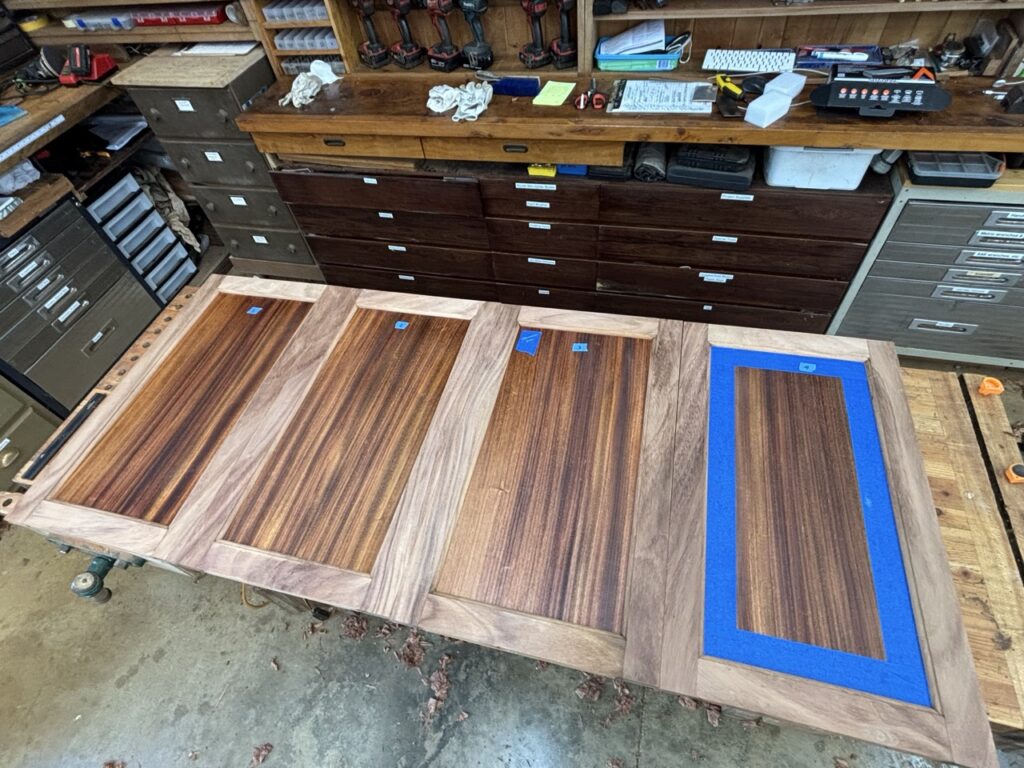
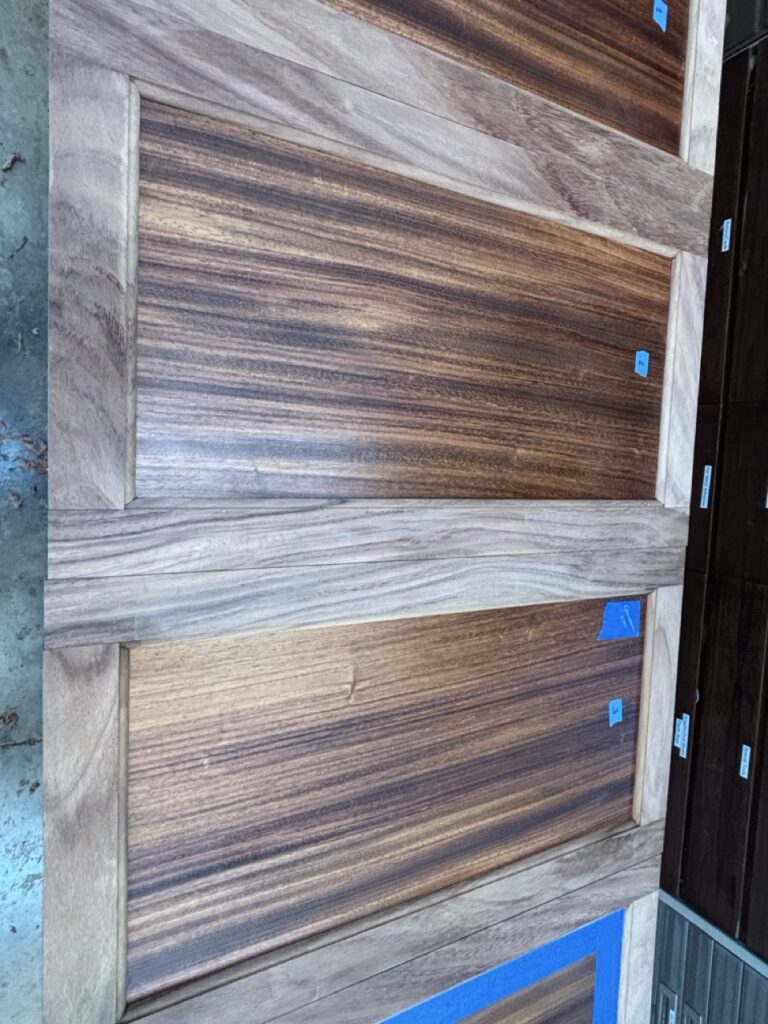
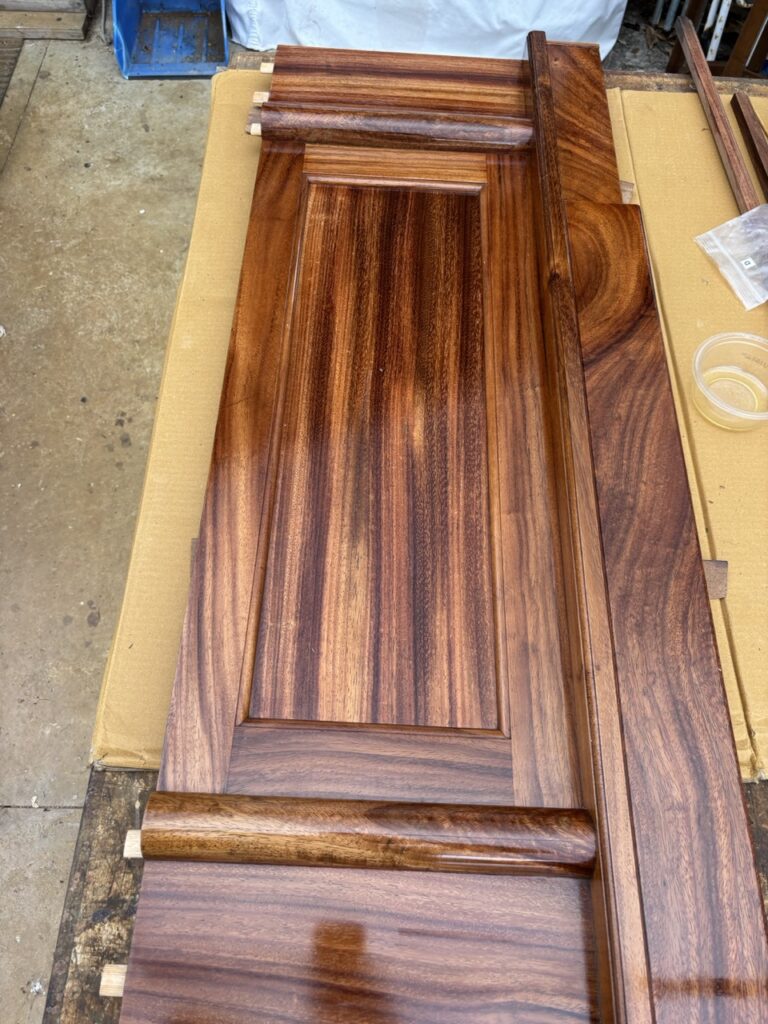
Acharya Kumarnathaswami and Sadhaka Shankaranatha assembled the four front panels of the aquarium base cladding. The photos show the panels clamped in place after the initial assembly. They are now fine-tuning the joints by sanding them and preparing to oil the stiles and rails. The panels already had their finished coat prior to the assembly.
Each season during Sadhu Paksha, the monks of Kauai Aadheenam enter a period of retreat and quiet reflection. Morning routines shift from the usual group worship and meditation, to include silent walks through the monastery grounds or other personal sadhana. It gives us a time to observe and connect with our natural surroundings. This timelapse offers a glimpse of today’s warm, tropical sunrise.
“We are divine souls on a wondrous journey. We came from God, live in God and are evolving into oneness with God. We are, in truth, the Truth we seek.“
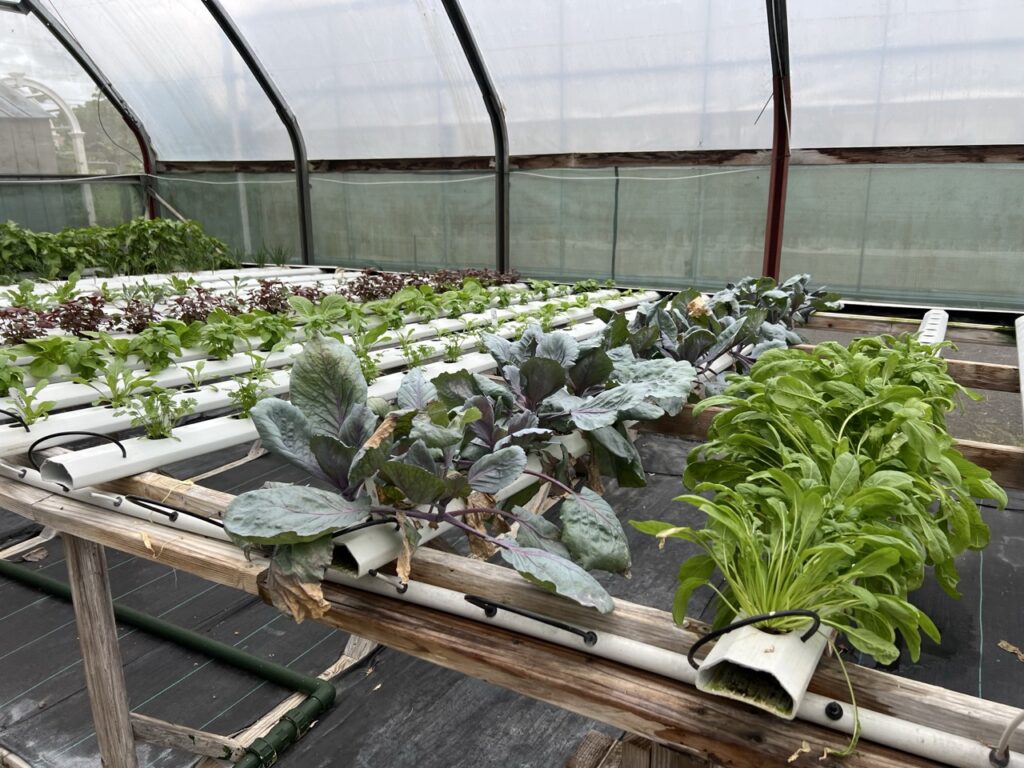
Today we explored the greenhouse managed by the mathavasi of Siddhidata Kulam. We found that many vegetables are growing there and decided to share them with you. Aum
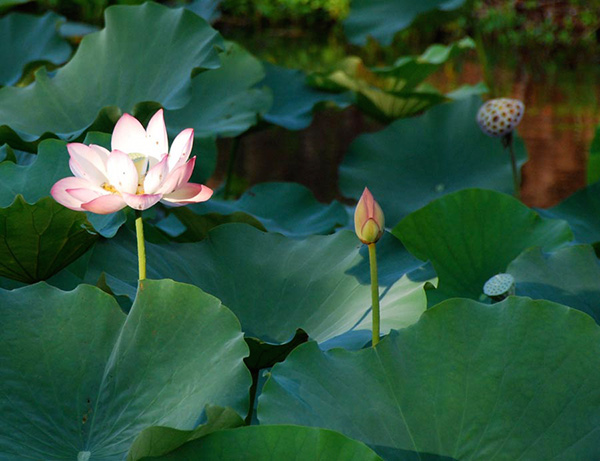
Lotuses once filled our ponds with leaves and flowers
Recently we received a gift of a special lotus from China
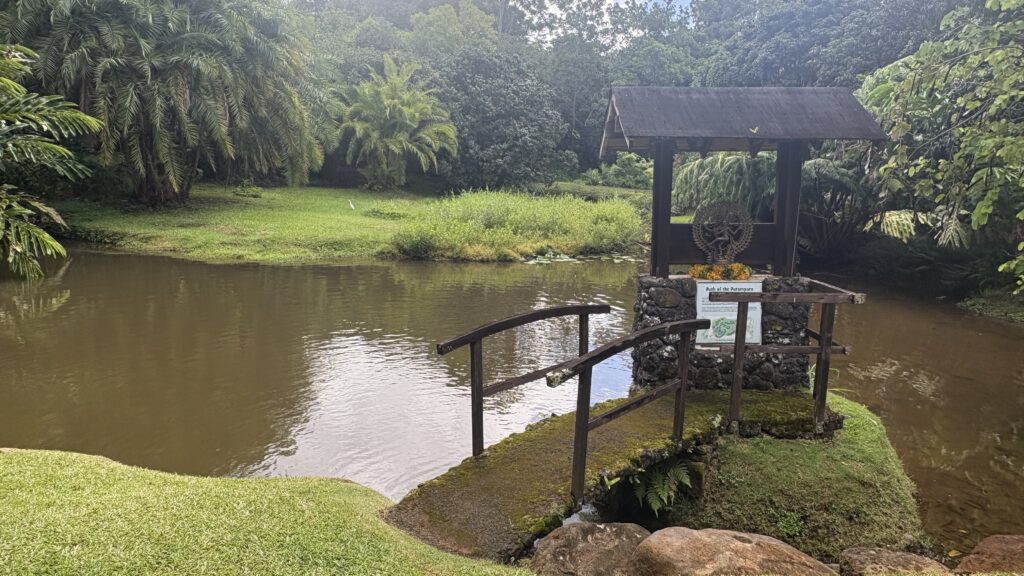
There was a time that the lotus was so dense you could not see the water in this pond.
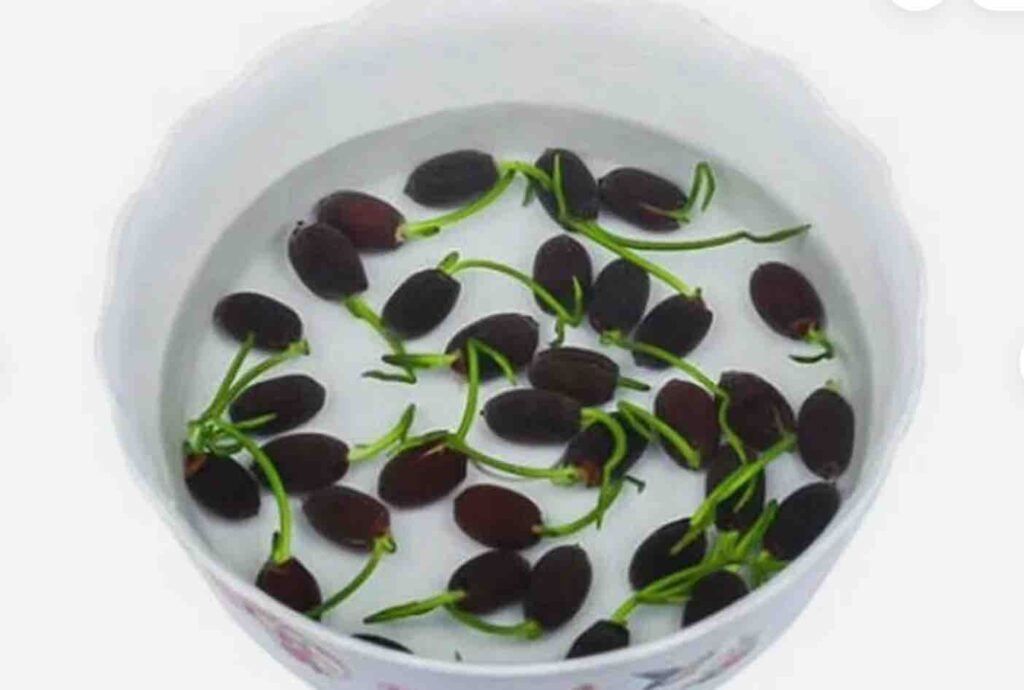
Sprouted seeds of ther lotus flower
We are creating a minature lotus pond near the Stone Bell.
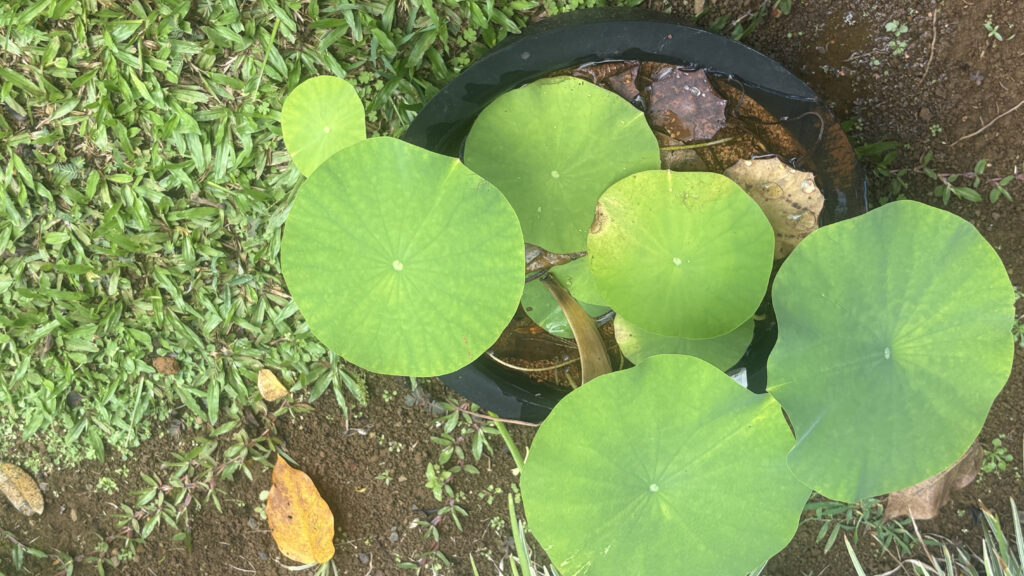
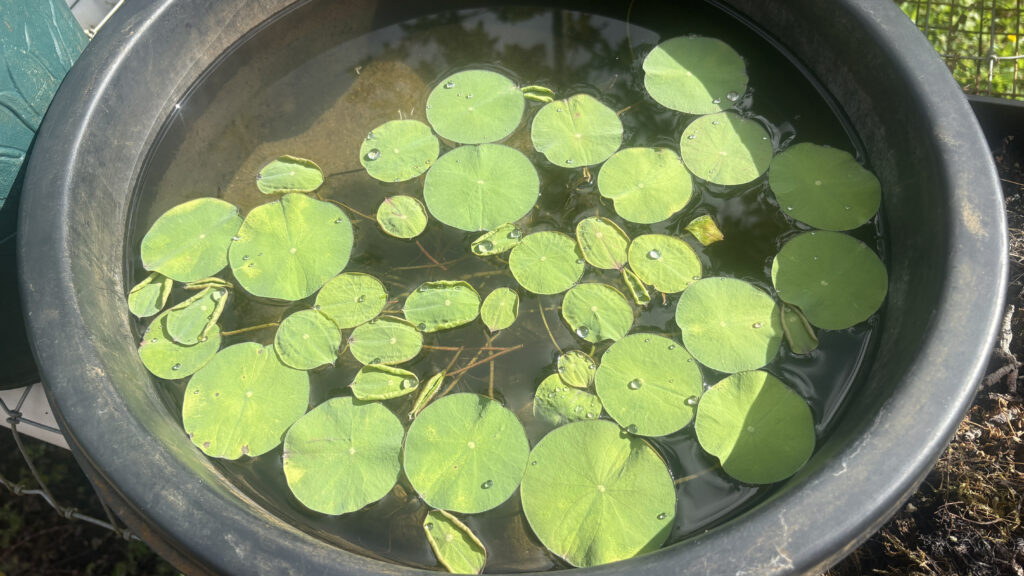
These are tiny lotuses growing from sprouted seeds from Ebay.
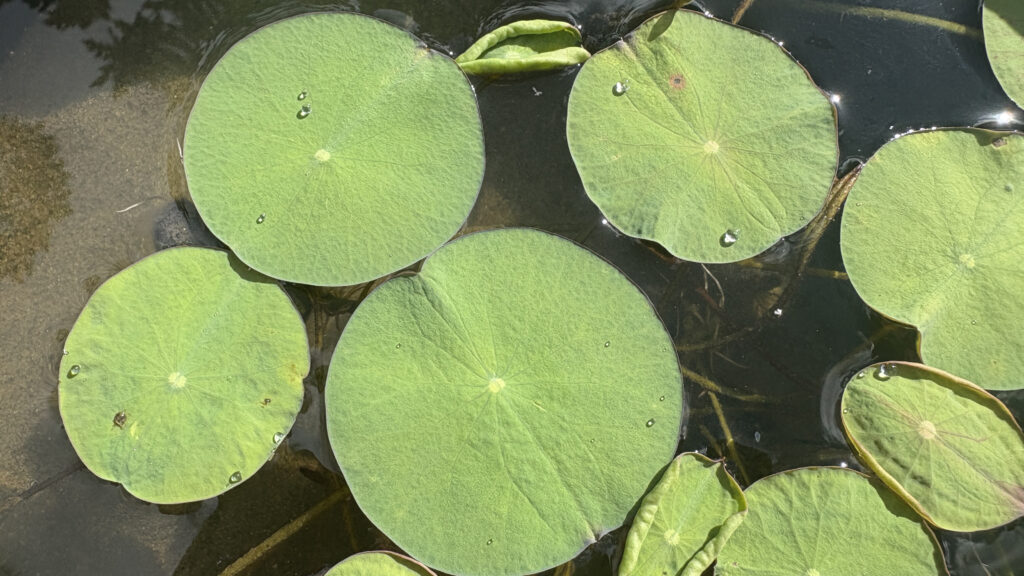
The leaves are just an inch in diameter.
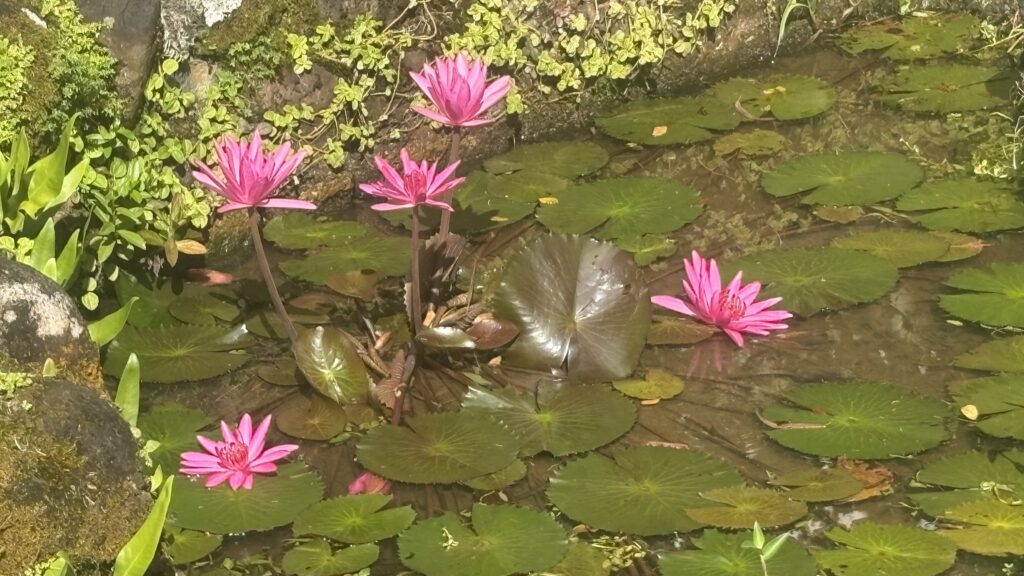
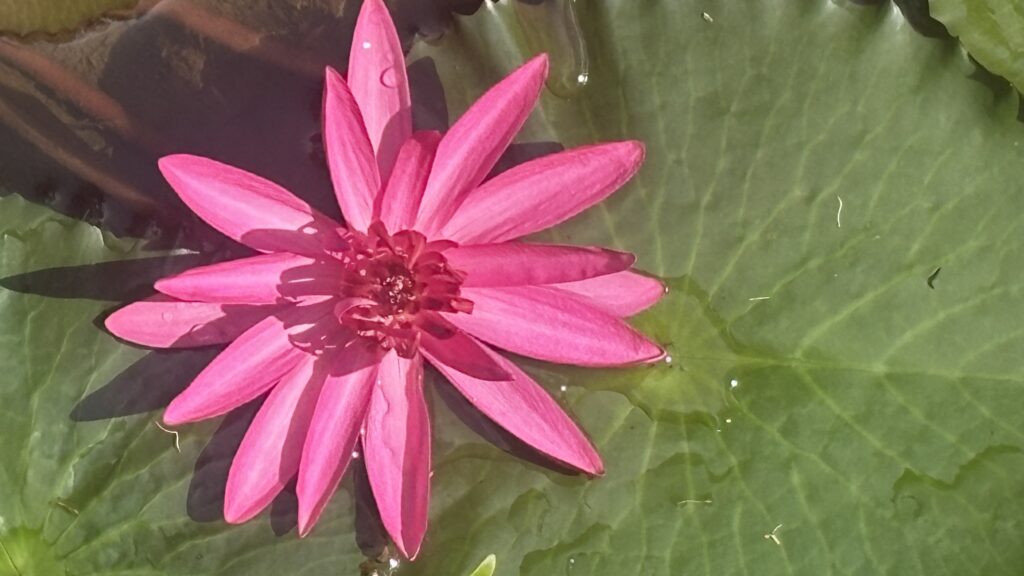
This morning a pink water lily gave five blossoms!
Often mistaken as a lotus, it is a beautiful water lily.
It seems Siva is calling for lotus flowers to once again grace His Sacred Garden.
Recently, the Prajapati family gifted the monastery a rare and exquisite lotus from China. That offering rekindled our deep love for this sacred flower. Inspired, we began preparing a 100-gallon aquatic pot—not only for the gifted lotus but also for a new collection of sprouted seeds we found through a dedicated vendor.
If you’ve ever tried to sprout a lotus seed, you know it’s no simple task. These seeds are encased in a hard shell that can preserve life for centuries. The oldest recorded viable seed, discovered in a dry lake bed in northeastern China, was over 1,300 years old—and it germinated successfully in the 1990s. In this same spirit of renewal, we brought 20 young lotus sprouts to the monastery. They now bask in the sun, growing in a warm pot that receives 4–6 hours of bright sunlight each day. They will later be transferred to our large pot.
Years ago, we had an abundance of lotus—so many that one 60-by-200-foot pond was completely carpeted in green leaves and pink blossoms. But in time, bottom-feeding tilapia devoured them all, and our attempts to regrow them have failed—until now.
This time, our approach is different. We’re planting the lotuses in large, protected pots, safe from fish, and placing them around the monastery grounds. One such pot—a 100-gallon black tub—is being buried near the Silpi Pavilion, where devotees can once again marvel at the sacred beauty of Nelumbo nucifera.
As Gurudeva once said:
“Visualize within yourself a lotus. Have you ever seen a lotus flower? I’m sure you have. Now visualize this lotus centered right within your chest, right within your heart. You have read in the Hindu scriptures that the Self God dwells in the lotus within the heart. Let’s think about that.
We all know what the heart is, and what happens when it stops. Now try to mentally feel and see the heart as a lotus. Within the center of the lotus, see a small light. You may have read that the Self God within the heart looks like a brilliant flame the size of your thumb. That light—call it your inner effulgence, your atomic power—is what motivates and illumines the mind.
The Self God is deeper still. The lotus is within the heart, and the Self God dwells deep within that lotus of light.”
Let us cultivate these sacred flowers once again—not just in the soil, but in the soul.
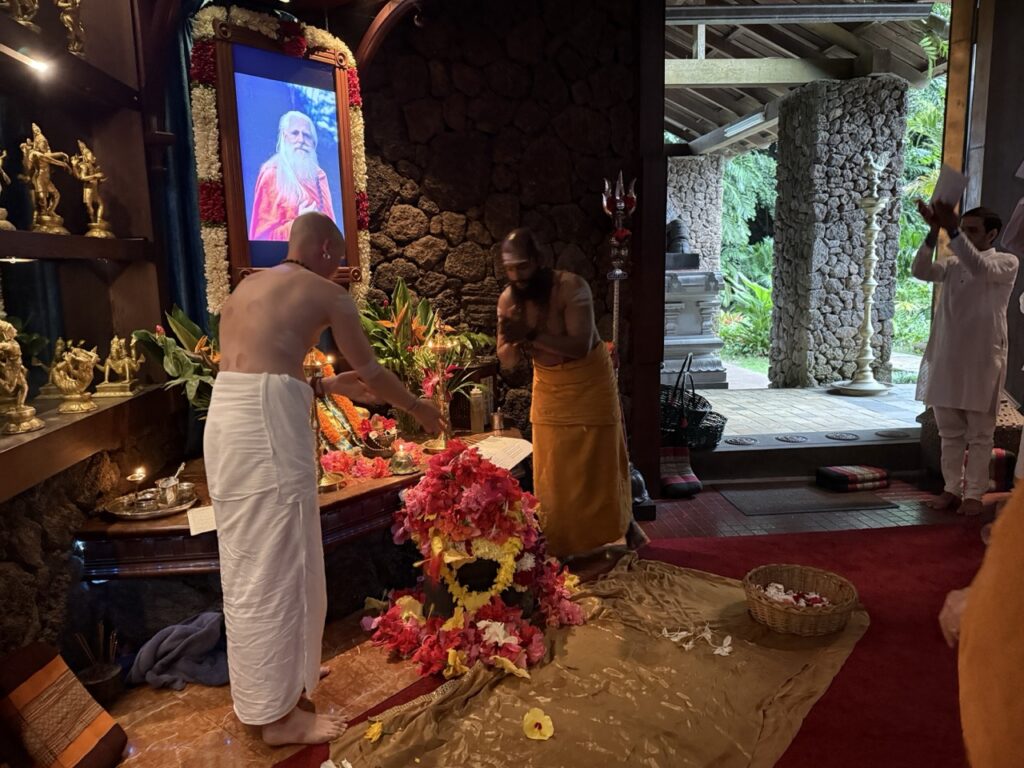
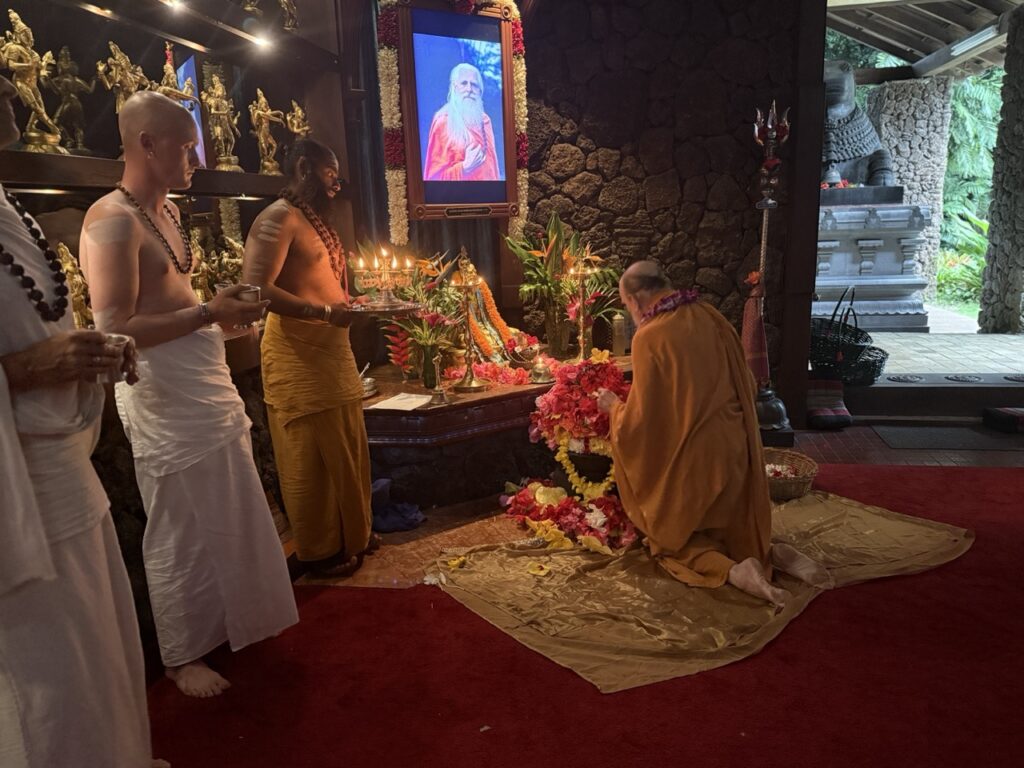
A few days ago we enjoyed the monthly Gurudeva Chitra Puja, attended this time by some sishya pilgrims from Mauritius, Singapore and Malaysia and mainland USA.
In 2001, Gurudeva spoke about diplomacy, keeping the pranas flowing in a positive way by being careful about what to share with others, also knowing what areas are best not to be talked about at all: unsolvable problems. Keeping the prana between people flowing positively by being careful not to use words that create entanglement.–
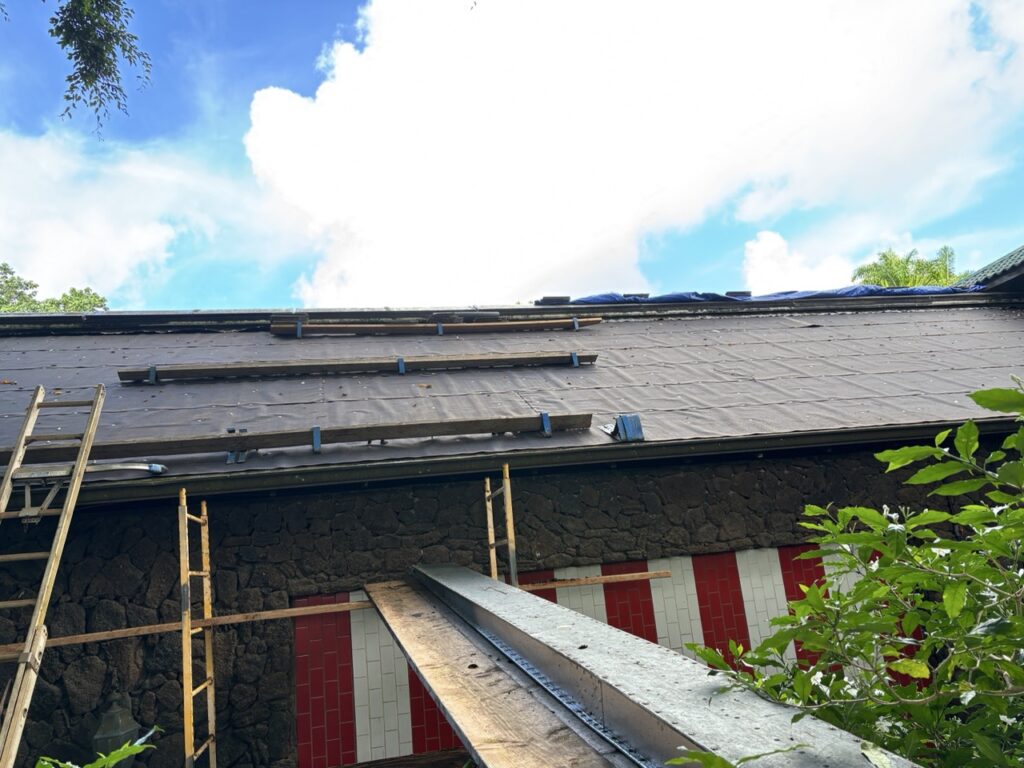
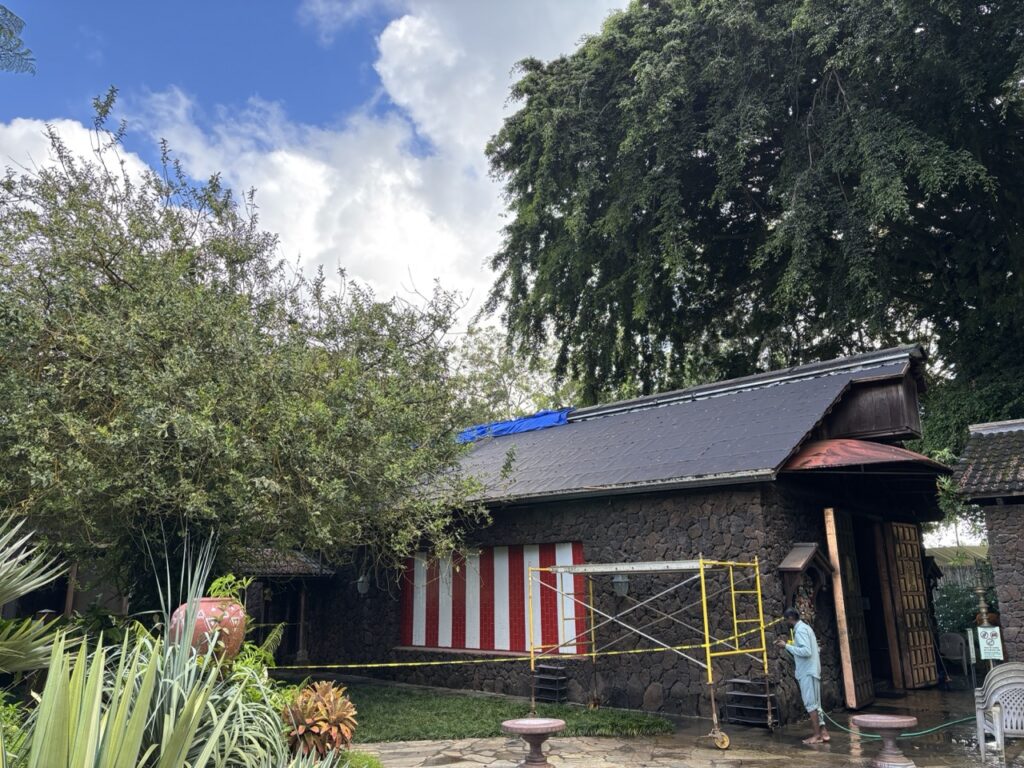
The Kadavul Temple re-roofing is proceeding apace. They have completely covered one side with new plywood and tar paper, and are halfway through the other side.
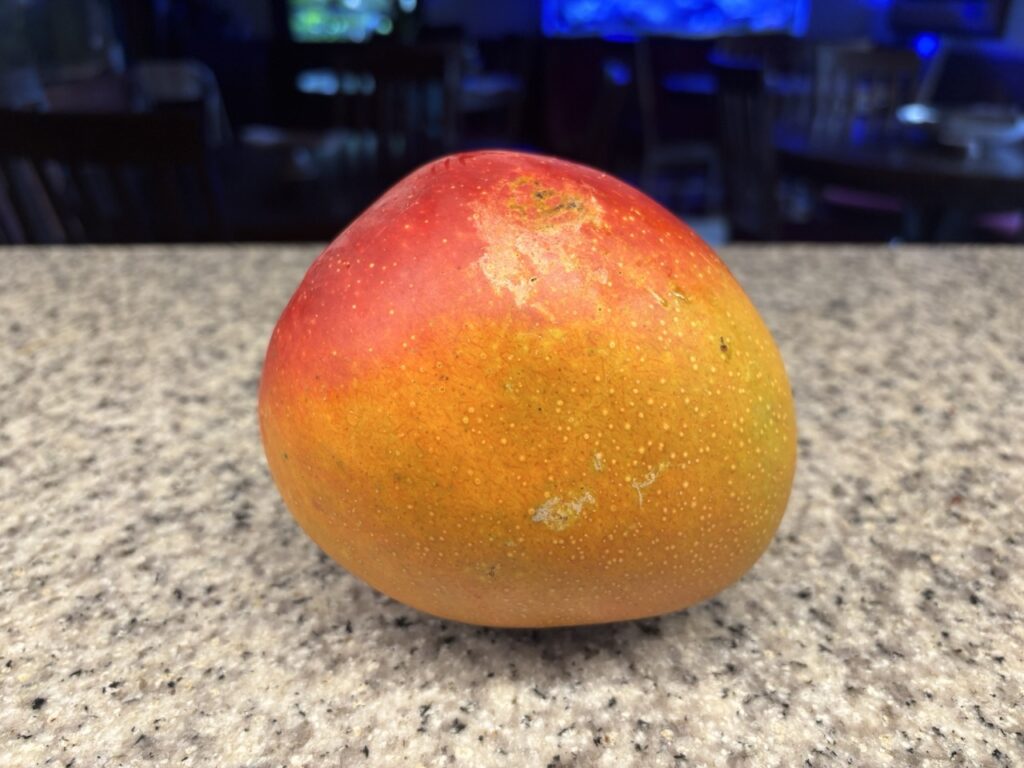
A Hindu man with a fruit farm on the dry west side of Kauai has been gifting us boxes of huge mangos in season.
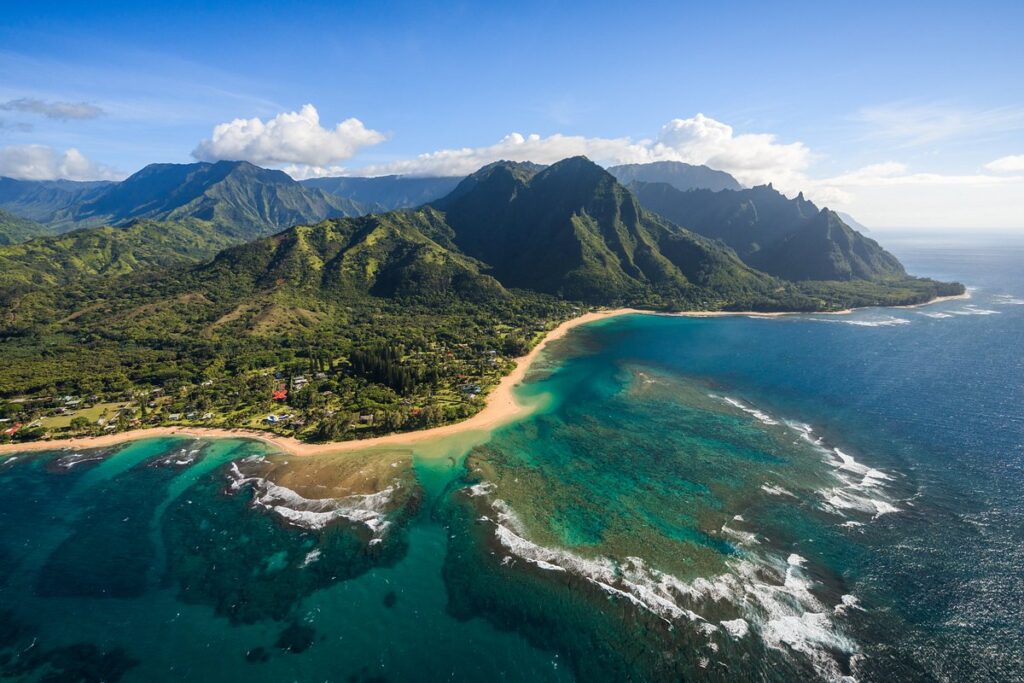
Every island in the Hawaiian chain could have been impacted by Tsunami
Jai Ganesha!
On July 29, 2025, Hawaii issued a tsunami warning following a massive magnitude 8.8 earthquake near Russia’s Kamchatka Peninsula; evacuations were ordered statewide. The first wave reached the islands around 7:17 p.m. HST, with coastal flooding (4-6ft) reported in places like Hilo Bay and Haleiwa which are Big Islands. But right now, the warning was downgraded. Officials canceled the tsunami advisory and lifted evacuation orders once the threat diminished. For us, we are safe since we are up on the mountain, far away from the shore. And some of the residents who were evacuated from their hotels came to our monastery parking for a place to stay the night in their cars.