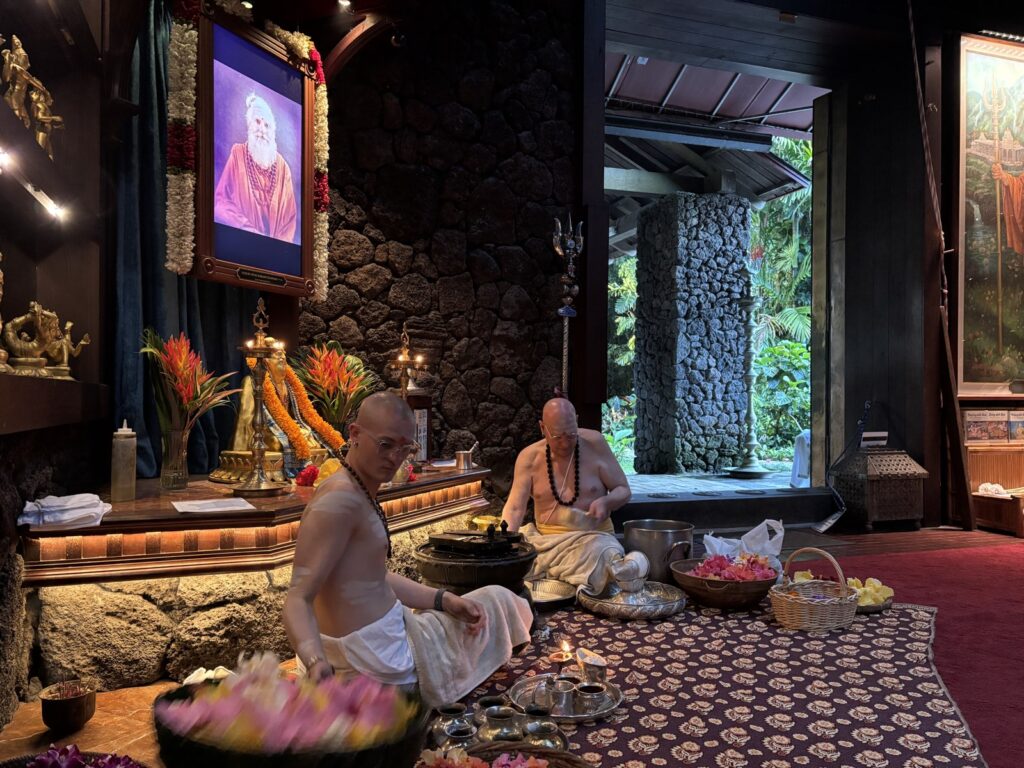
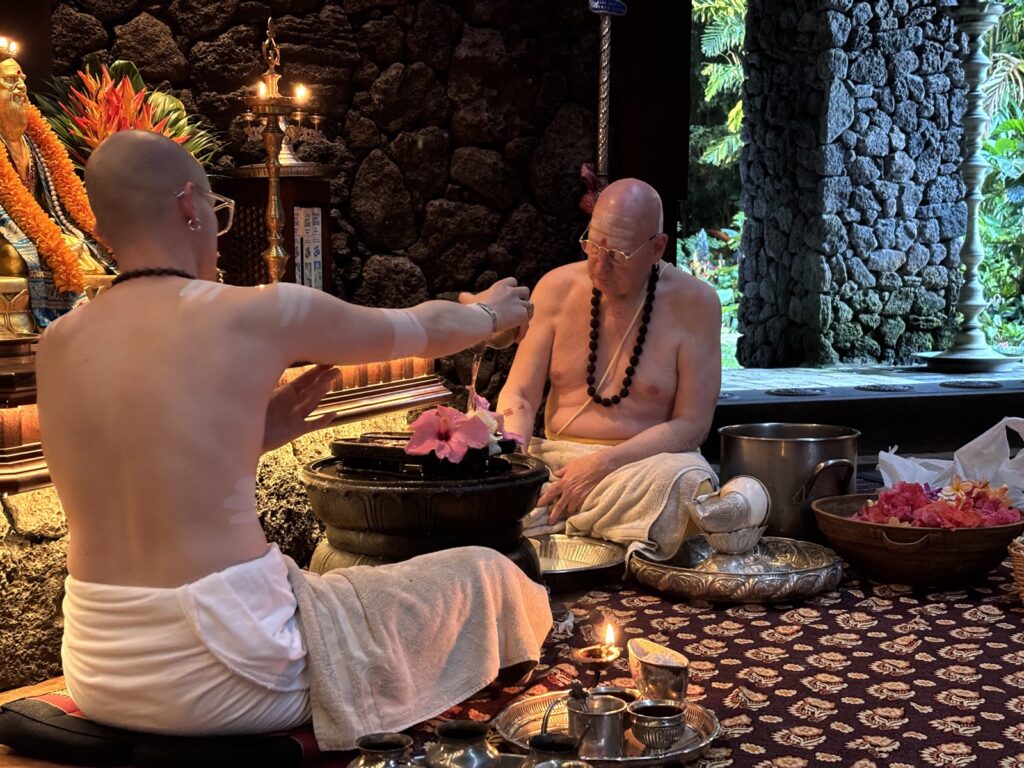
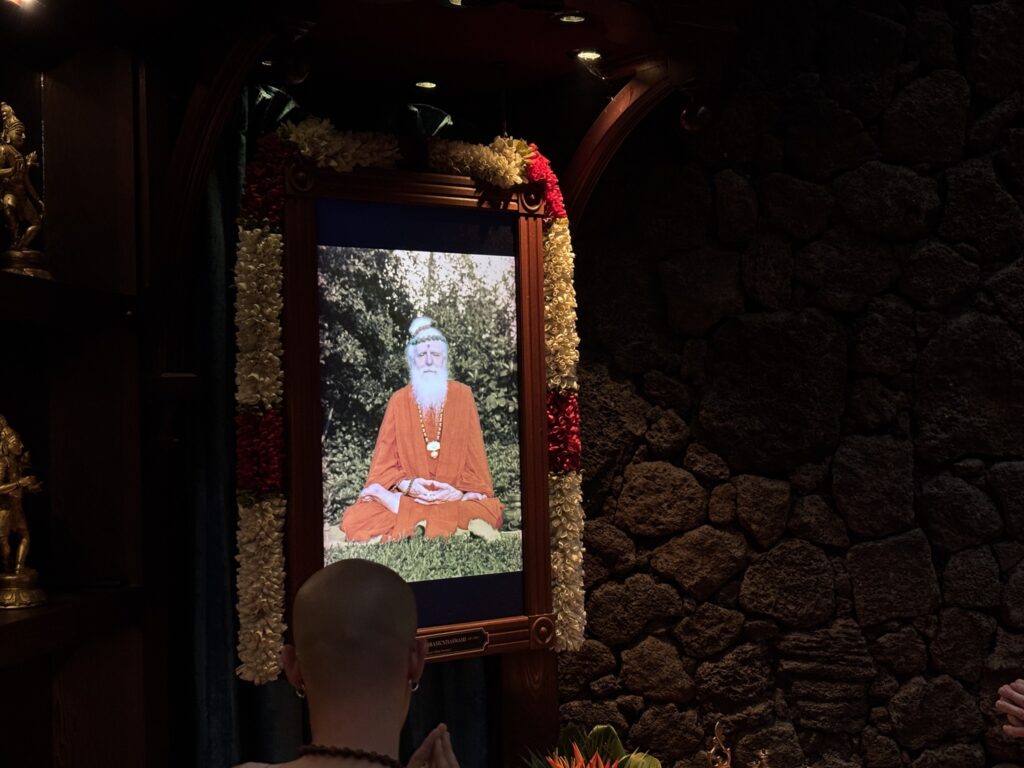
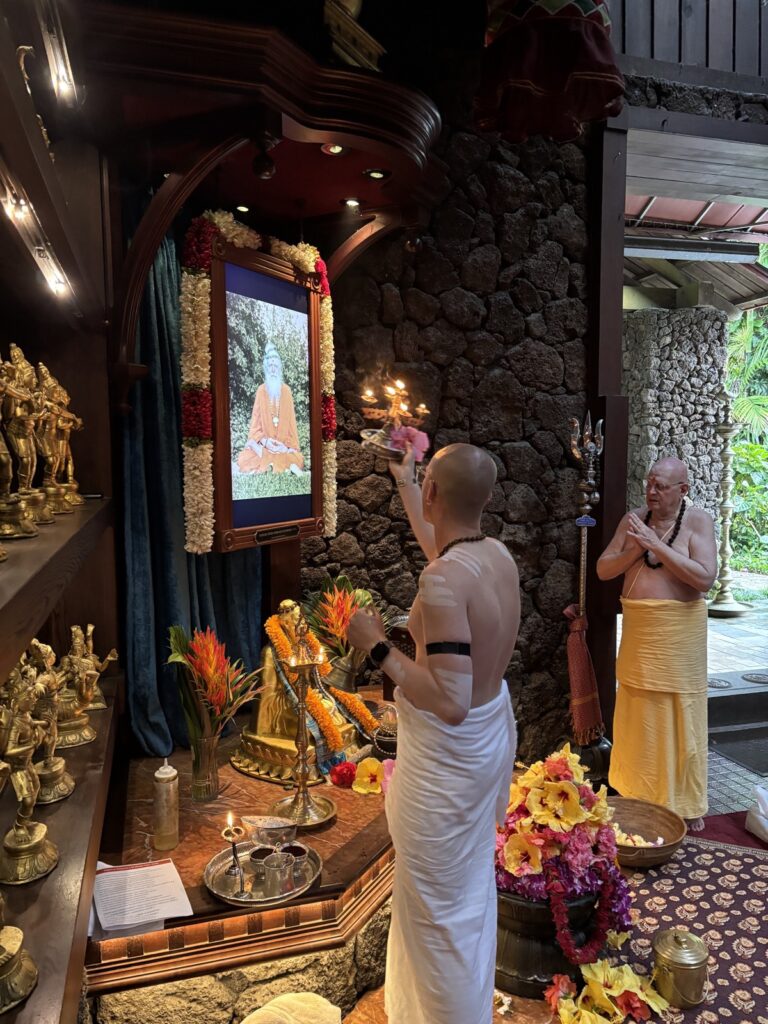
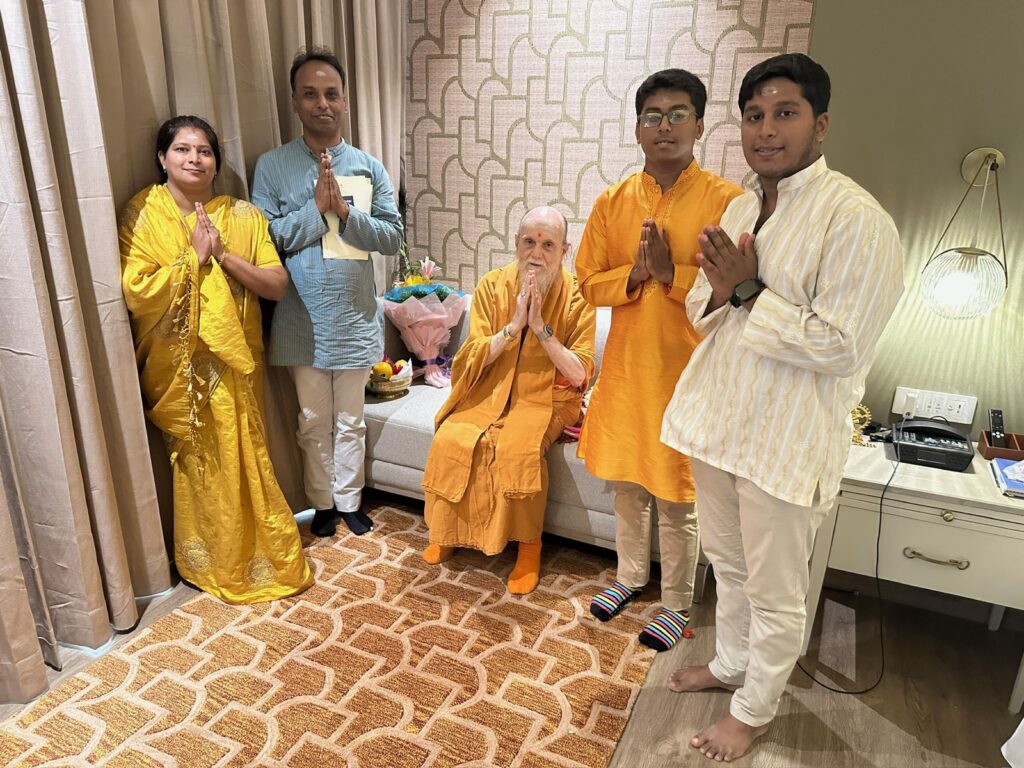
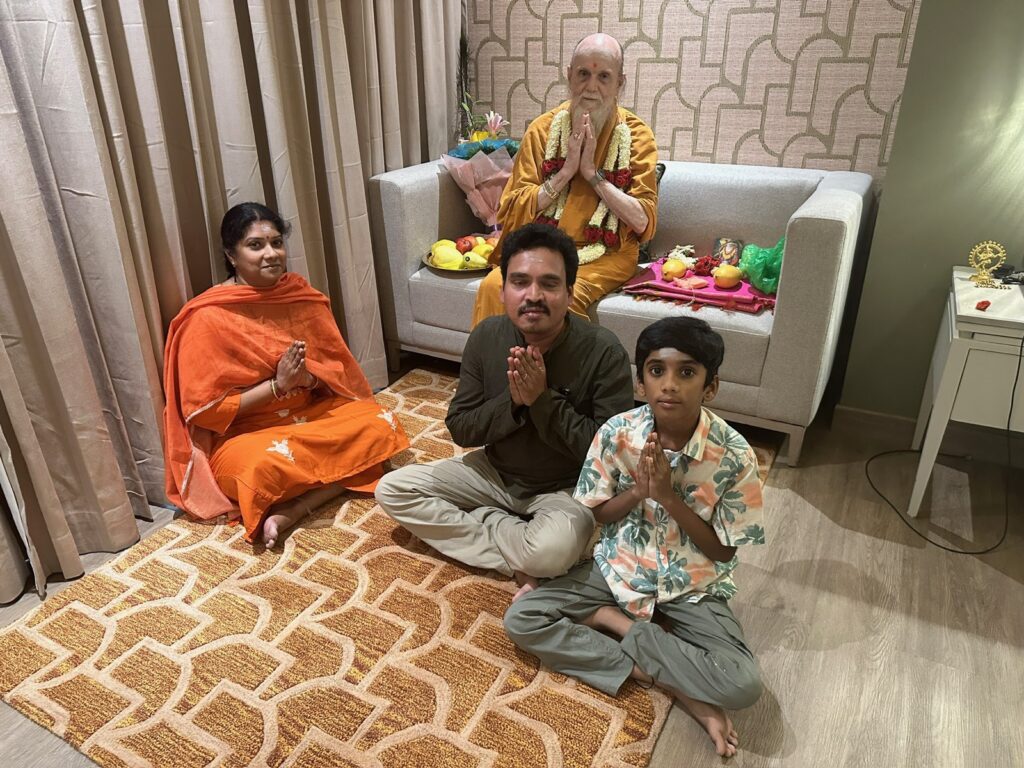
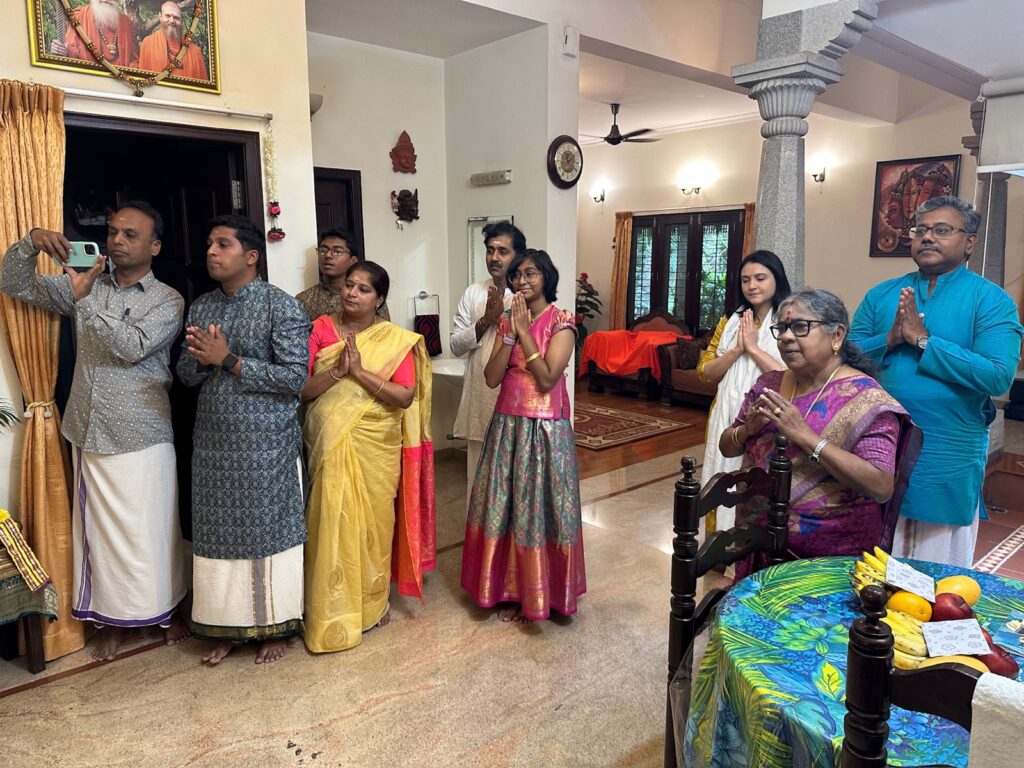
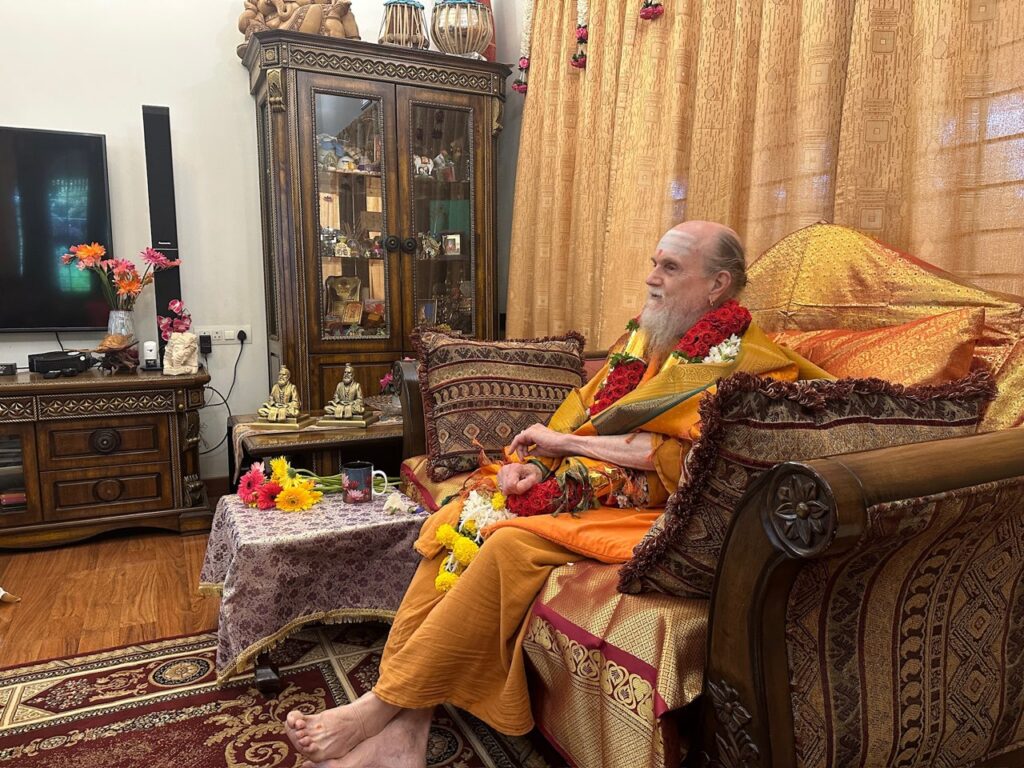
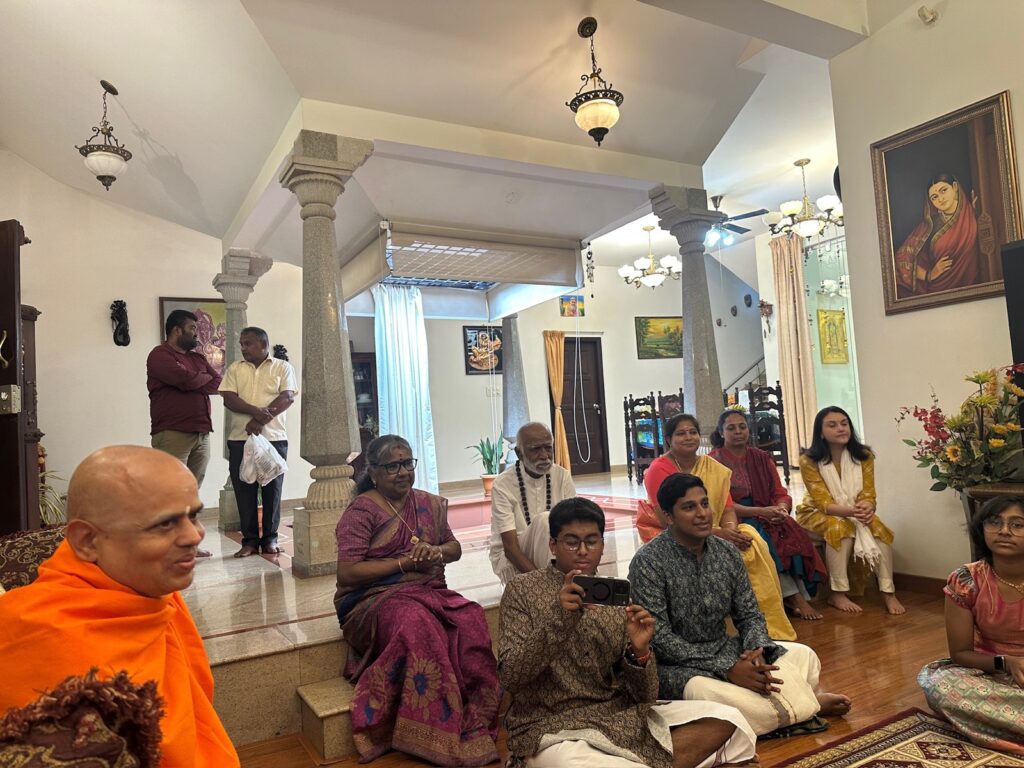
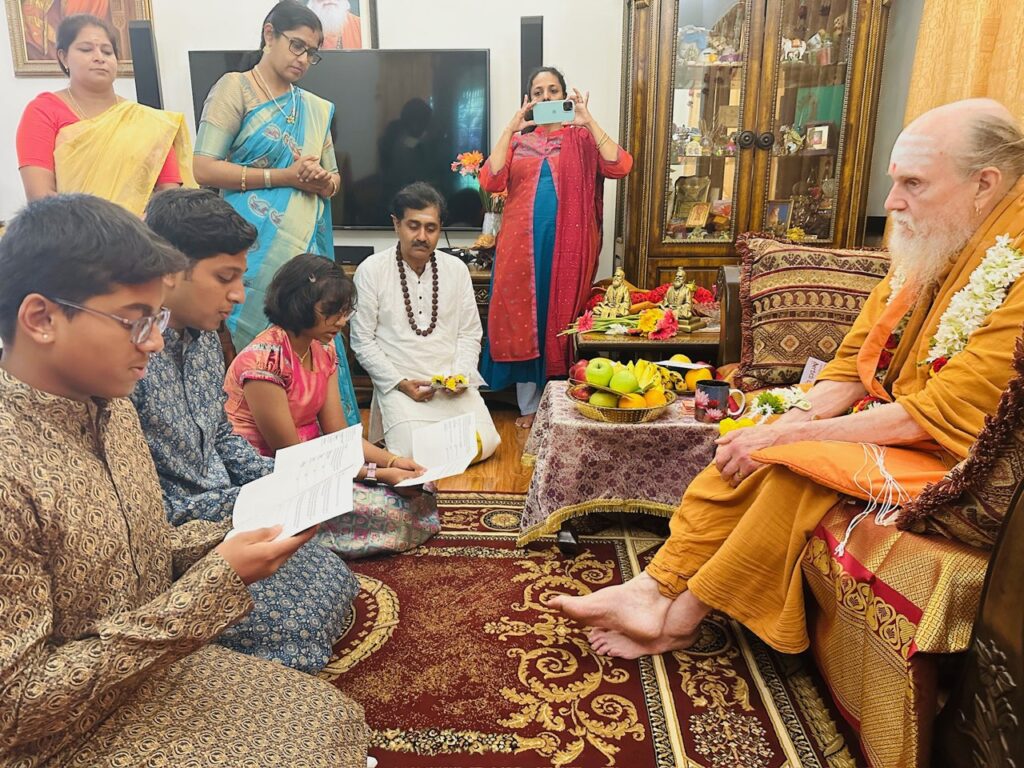
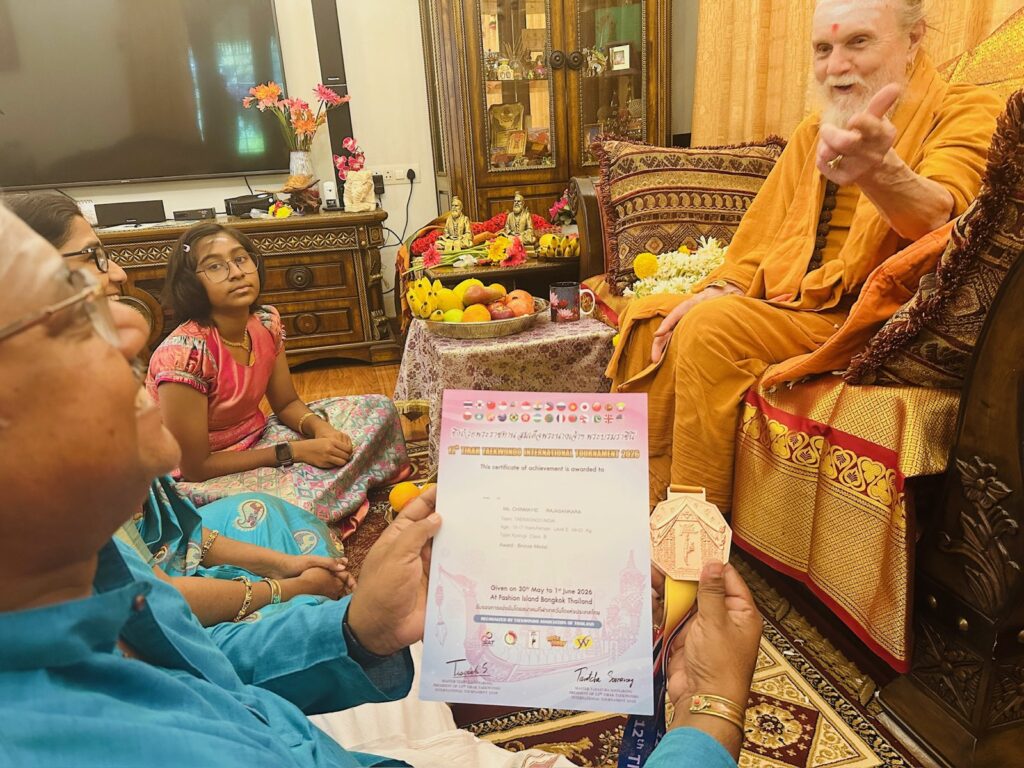
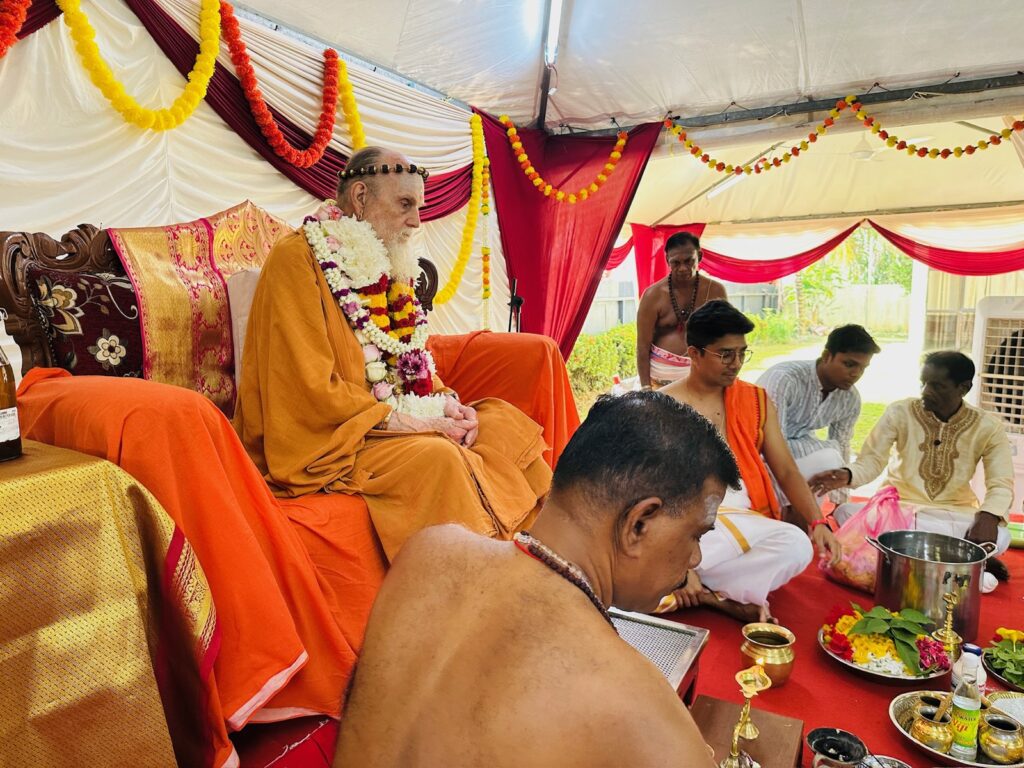
Today at Kauai Aadheenam

San Marga: THE STRAIGHT PATH TO GOD

Jai Ganesha!

With the discovery of the boulder in Gurudeva’s 1975 vision, San Mārga, the straight path to God, was created just west of Iraivan Temple. Worship of the sacred stone he found, known as a svayambhū Śivaliṅga, was commenced immediately at daily pūjā rites, and a master plan was unfolded from the devonic worlds.

Pilgrims to Iraivan begin their spiritual excursion to Iraivan in the Rudrāksha Forest, which Gurudeva planted in 1984. He wrote, “Being under the rudrāksha trees in this magical forest has hidden, sought-after healing ­ powers, the key to helping aching hearts, the salve to soothe broken hearts, yearning hearts, sad hearts and ailing hearts.” On a knoll near the Rudrāksha Forest stands Lord Hanumān. Gurudeva asked for a small Iraivan Temple to be placed in His left hand, held aloft. Just as Hanumān brought the healing Sañjīvi mountain from the Himālayas to Sri Lanka, so He carried Iraivan from India to Kauai.

Walking south from the forest, visitors proceed through a bamboo corridor along San Mārga, the lush and tropical straight path to God, composed of three sections denoting the three worlds. The first is overseen by Lord Gaṇeśa, ruler of beginnings. Farther down, Lord Murugan, in the form of a 12-foot-tall Vel, resides atop a small hillock, overlooking the second world. Ringing a bell, pilgrims enter the third world, Śiva’s realm. From this point on, no other Deities are seen. It is all Śiva, nothing but Śiva. Gurudeva made this path perfectly straight to stress that we should go directly to God, avoiding distractions, walking past diversions, pitfalls and fascinations, ever keeping our mind on our goal, on Śiva’s Feet.

The path leads to the Svayambhū Śivaliṅga and beyond to the Wailua River and the entrance to Iraivan Temple. Gurudeva wrote, “When you begin the pilgrimage to Iraivan Temple, you drop off and dissolve the karmas of the past. Then, because of the direction the temple is facing, the temple gives a new start, a new impetus for a wonderful future. It is a boon-giving temple, a gift-giving temple, a life-giving temple, a wish-fulfilling temple.” Following San Mārga is both a sādhana and a metaphor of the inner path that leads to God.

San Marga: THE STRAIGHT PATH TO GOD Read More »
Rare Views of the Monastery

Like everything in life, our point of view shapes our experience. Here at Kauai’s Hindu Monastery, we’re all familiar with the monks’ ground-level photos—bright baskets of vegetables, blossoms unfolding, quiet temple pujas, and those small daily miracles that make monastery life so rich.

But the photo above gives us something entirely different. It lifts us into the sky and turns us toward a direction we’ve never seen before. Suddenly the whole monastery reveals itself in a new light. Footpaths we walk every day connect into larger patterns. Buildings become part of a serene landscape design we didn’t know we were living inside. It’s a gentle reminder of how perspective changes everything.

As Marcel Proust wrote, “The real voyage of discovery consists not in seeking new landscapes, but in having new eyes.”

To help everyone orient themselves in this rare bird’s-eye view, we’ve labeled the main areas. Enjoy this fresh glimpse of our spiritual home—and may it inspire a renewed appreciation for this sacred land that holds our daily worship, work and service.

Rare Views of the Monastery Read More »
Love of the Gods, Part One

Satguru Bodhinatha Veylanswami gives his weekly upadesha in Kadavul Temple at Kauai’s Hindu Monastery in Hawaii. It is part of a series of talks elaborating on the inspired teachings of Satguru Śivaya Subramuniyaswami as found in his book Merging With Śiva.

“Devotion in Hinduism is known as bhakti. It is an entire realm of knowledge and practice unto itself, ranging from the child-like wonder of the unknown and the mysterious to the deep reverence which comes with understanding of the esoteric interworkings of the three worlds. Hinduism views existence as composed of three worlds. The First World is the physical universe, the Second World is the subtle astral or mental plane of existence in which the devas, or angels, and spirits live, and the Third World is the spiritual sphere of the Mahādevas, the Deities, the Gods. Hinduism is the harmonious working together of these three worlds. Religion blossoms for the Hindu as he awakens to the existence of the Second and Third Worlds. These inner worlds naturally inspire in man responses of love and devotion and even awe. They are that wonderful.  

Love of the Gods, Part One Read More »
Moons and Mushrooms

Aum Namah Shivaya

Today marks the 4th day of our Monastics’ short lunar phase. Meaning the next two days will be our retreat days (like a weekend). As a gentle end to our week of seva, we offer you these photos from around the Aadheenam—appreciating the natural world we enjoy here. From the moon in the night sky above Iraivan Temple, to the plants and mushrooms erupting from the earth beneath us. It’s all a sacred sight to behold. Aum.

Moons and Mushrooms Read More »
San Ramon Ganesha Temple

Jai Ganesha!

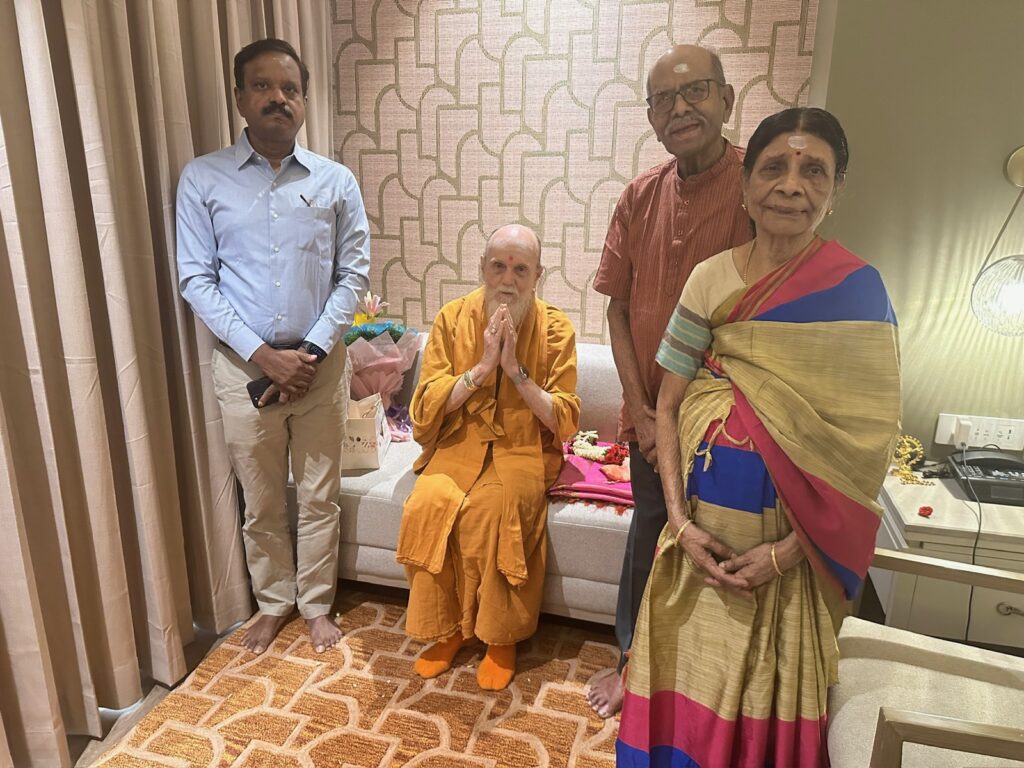
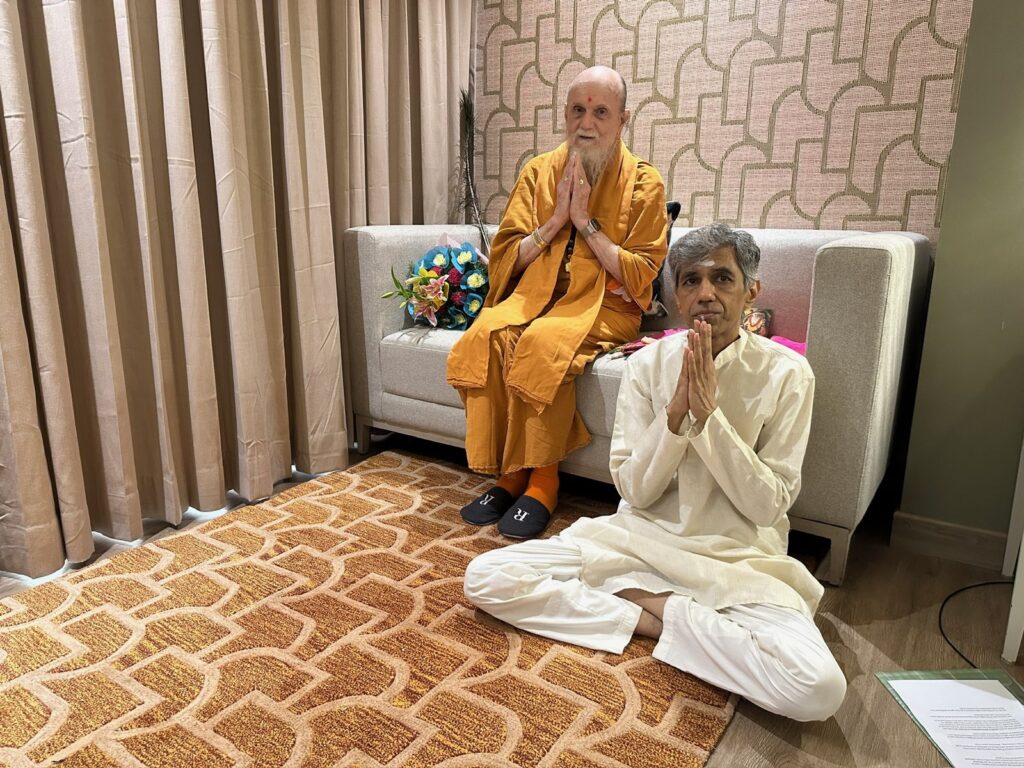
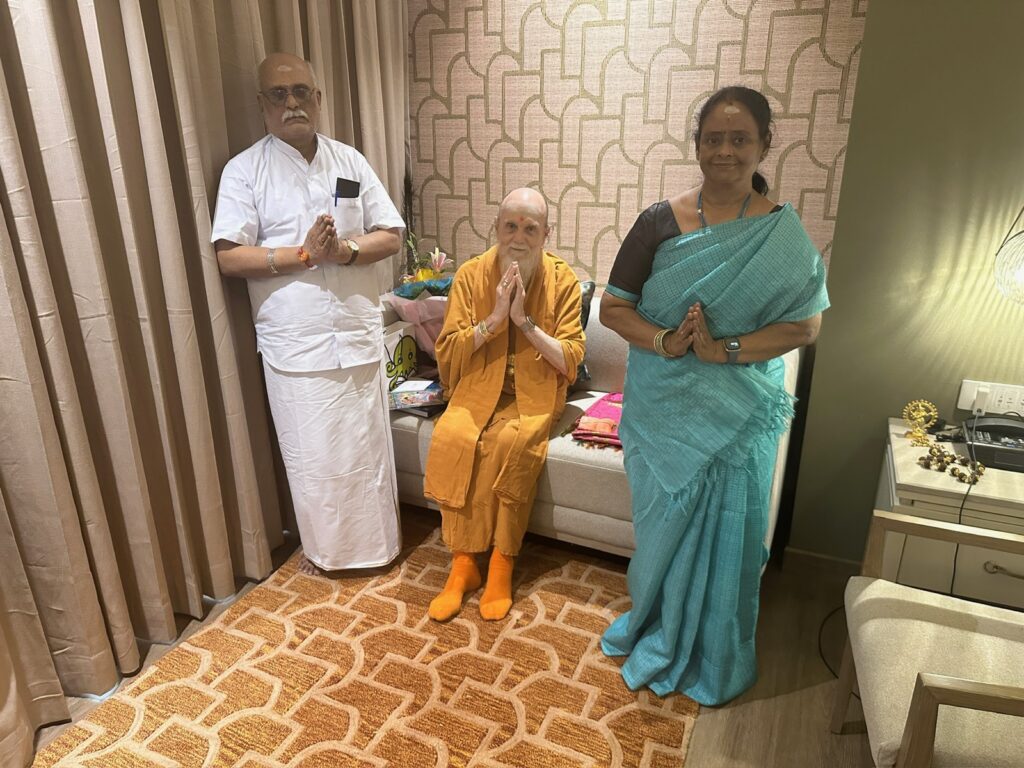
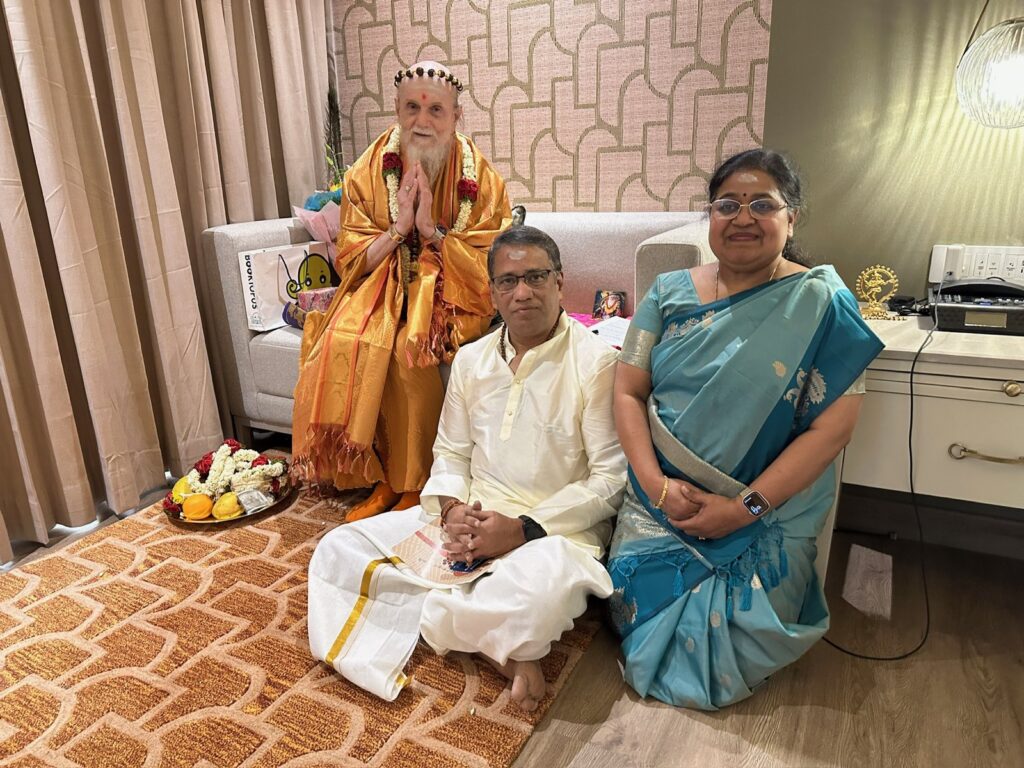
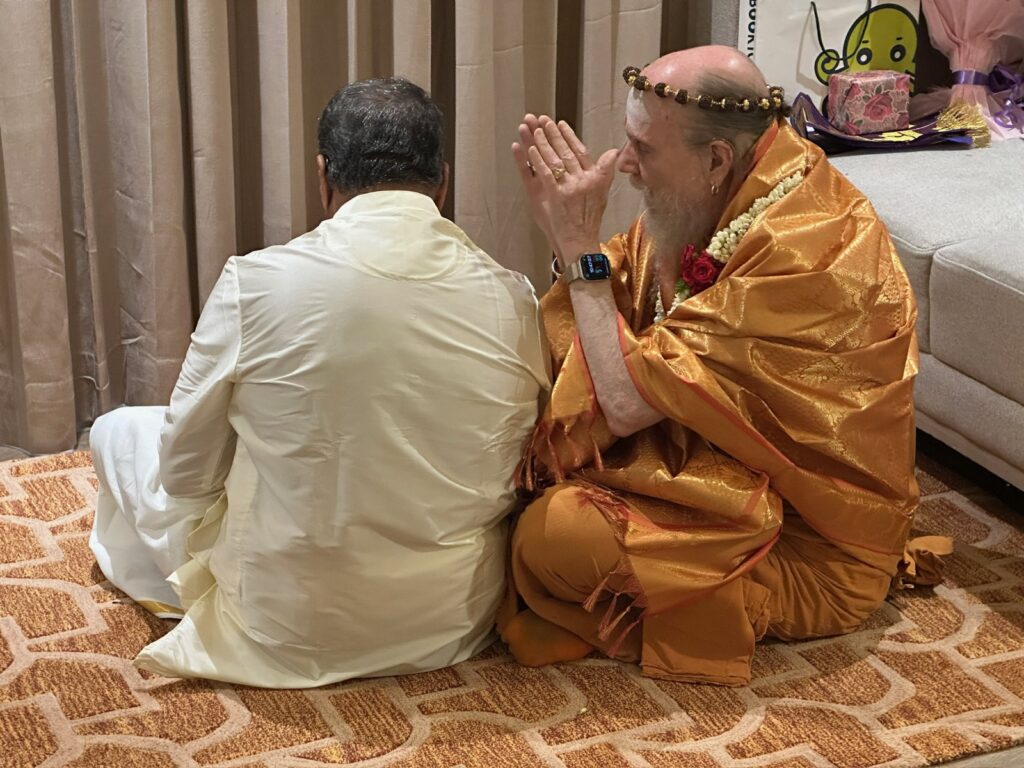
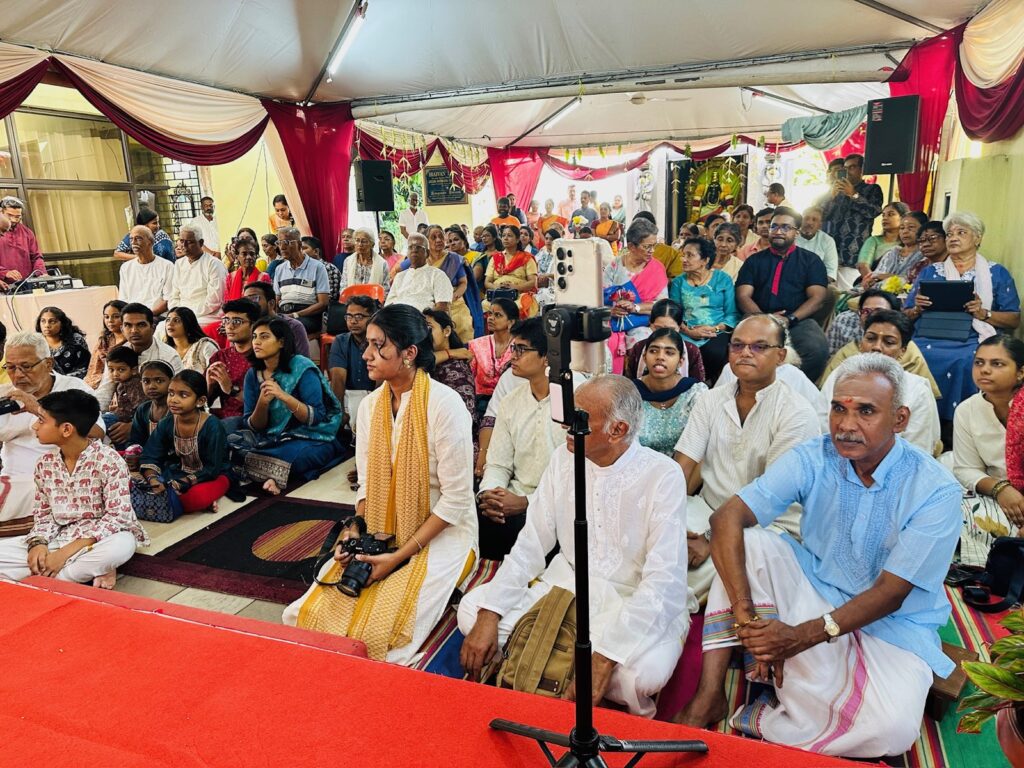
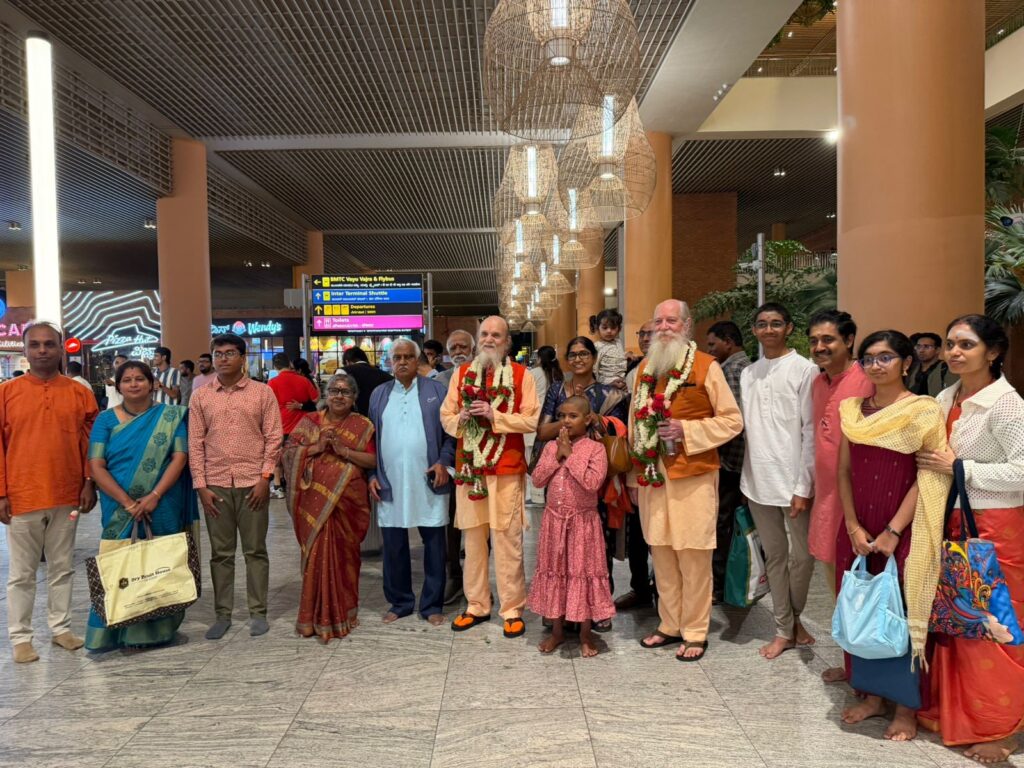
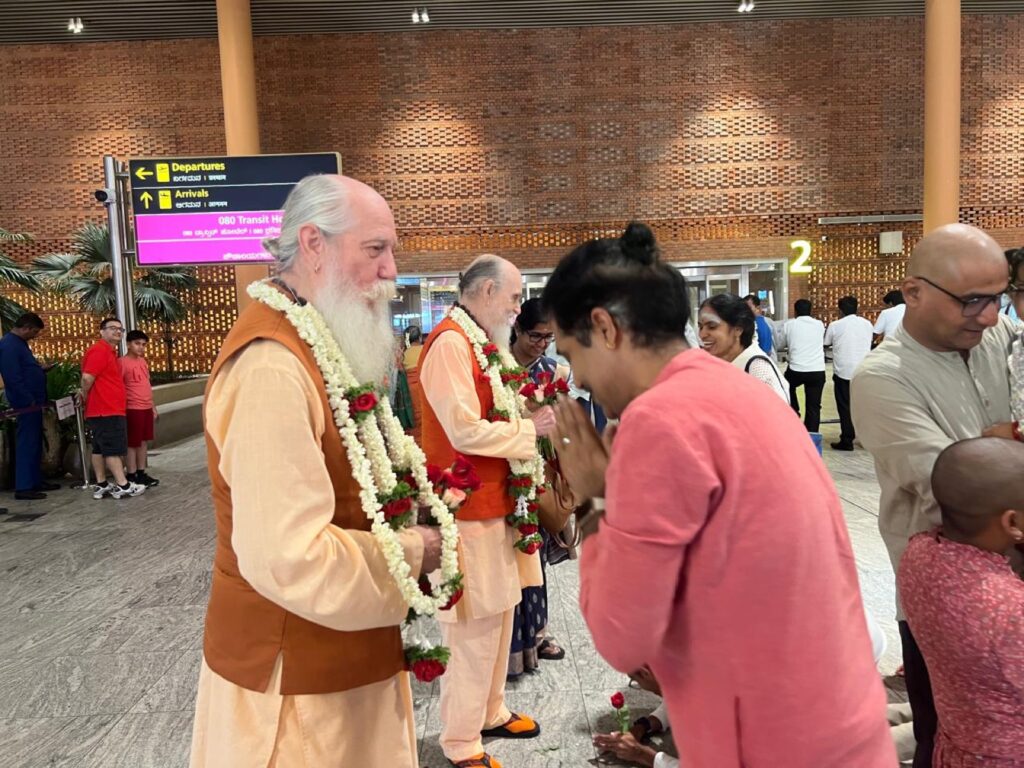
A few days ago, Satguru and Yoginathaswami visited the San Ramon Ganesha Temple to attend its Kumbhabhishekam ceremony. The temple was beautifully built under the guidance of Viswanathan Gurukkal. Aum!

San Ramon Ganesha Temple Read More »
A Call for Religious Harmony

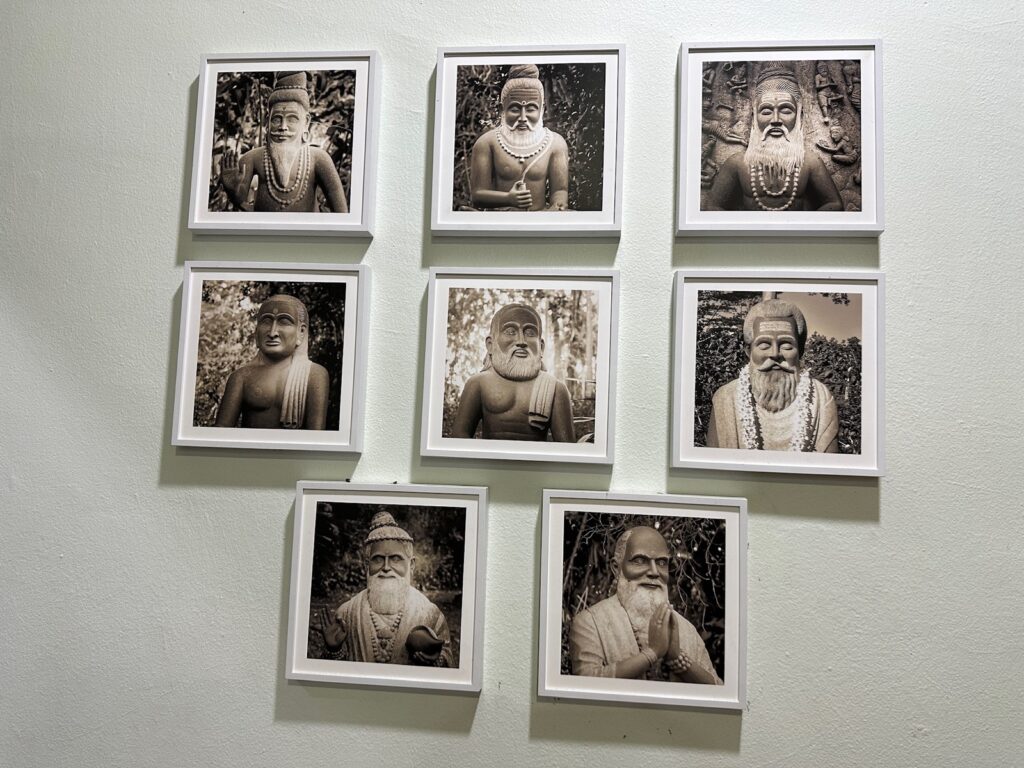
In the mystic, devotional songs to Siva, Saint Tayumanavar (1705–1742) beseeched humanity to see the one Divinity within all paths and philosophies. He sought to reconcile the religious conflicts of his day in South India—the Buddhists colliding with the Jains, the Vaishnavites quarreling with the Saivites—not unlike what we see in other parts of the world today. He had a Tamil word for it: samarasam. Samarasam literally means “same taste.” It denotes the harmony of doctrines, the inclusivity of religions, the bliss in which all dualities dissolve. It is, in essence, the high state of awareness that sees the One Divine equally in all beings. It reminds us that the thousand names of God are but echoes of one eternal Silence.

That call for religious harmony and reconciliation is a hallmark of Gurudeva’s teachings,and reaches back to Yogaswami before him. Saint Tayumanavar was deeply connected to our lineage, and sang that he followed the teachings of Tirumular, the second satguru on the Nandinatha Sampradaya.


Tayumanavar sings from within this current. His hymns revere both Vedas and Agamas, the saints and siddhars, and above all the living Guru who embodies their essence. He sees Saivism not as one creed among others but as the meeting point where outer differences are reconciled. For him mauna (silence) is not emptiness but the serene absorption that follows perfect understanding; and samarasam (harmony) is not compromise but the state in which Vedanta’s insight and Siddhanta’s devotion fuse as one path. His language of longing—sivanubhūti, anbu, jñāna, mauna—marks a heart that has passed beyond theology into direct awareness.

Today we share a sampling of his songs and art from the book we are soon to publish. 

Songs for Siva


Who was it that gave this egoity so much authority? Does this maya even exist outside of my thought? Will “sky flower’’ and “mirage water’’ ever have a practical use? Even my instructed state is thrown into confusion unless I receive Your grace to seek refuge in You. It performs a conjuring trick in my mind, establishing the illusory world as permanent. When shall I receive the secret of conquering this? Please tell me, O Jnanaguru Who expounds in Your grace the six established faiths and the philosophical unity of Vedanta and Siddhanta for all the worlds in cardinal directions to know. O Mantra Guru! O Yoga Tantra Guru! Mauna Guru who comes in the line of Tirumular!


Holding as real this body that is evanescent, like a flash of lightning, holding as real the pleasures of flashy women who intoxicate the senses with their collyrium-painted eyes, holding as heaven the stately mansion and mounting riches, holding gold as an imperishable treasure that waxes high, putting on false appearances to an excessive degree, abandoning to the winds the virtues of patience, wisdom, renunciation and charity, to be possessed of greed, miserliness and other demons, to walk about here below caught in the faith of the materialist—with a single word, in compassion, You kept me from all these that I might receive the grace of the great Vedanta-Siddhanta accord and enjoy the life eternal. O You Jnana Guru! O Mantra Guru! O Yoga Tantra Guru! Mauna Guru who comes in the line of Tirumular!


A Call for Religious Harmony Read More »
Scroll to Top